


-
 Courier delivery
-
 DHL Courier delivery
-
 Warranty 1 year
-
 Free 30-Day returns

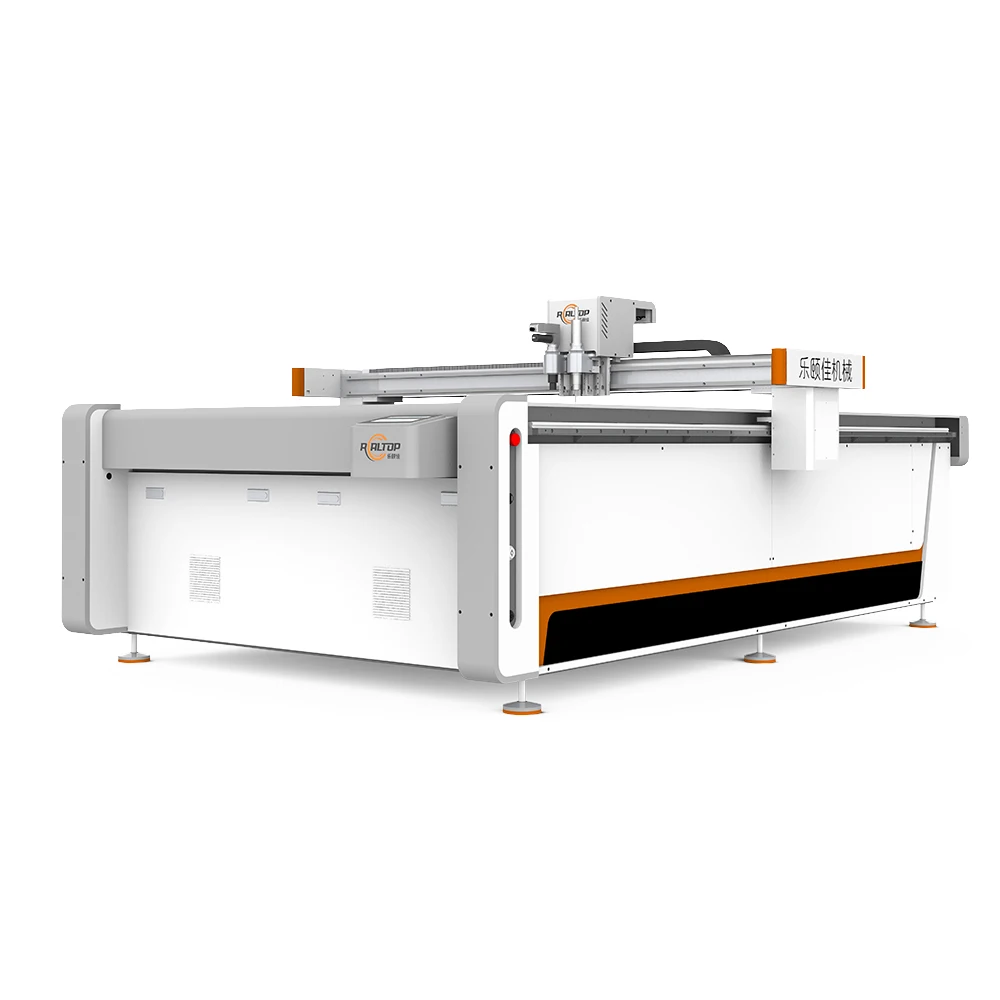
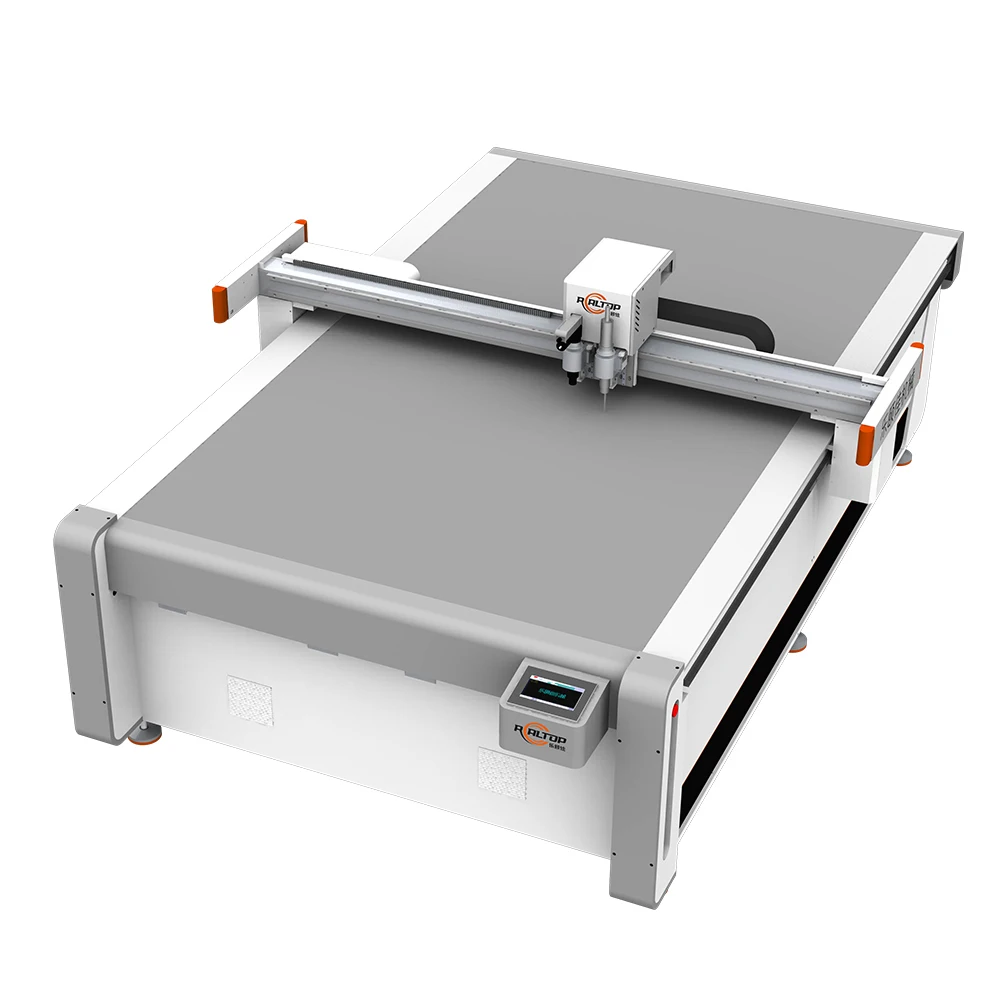
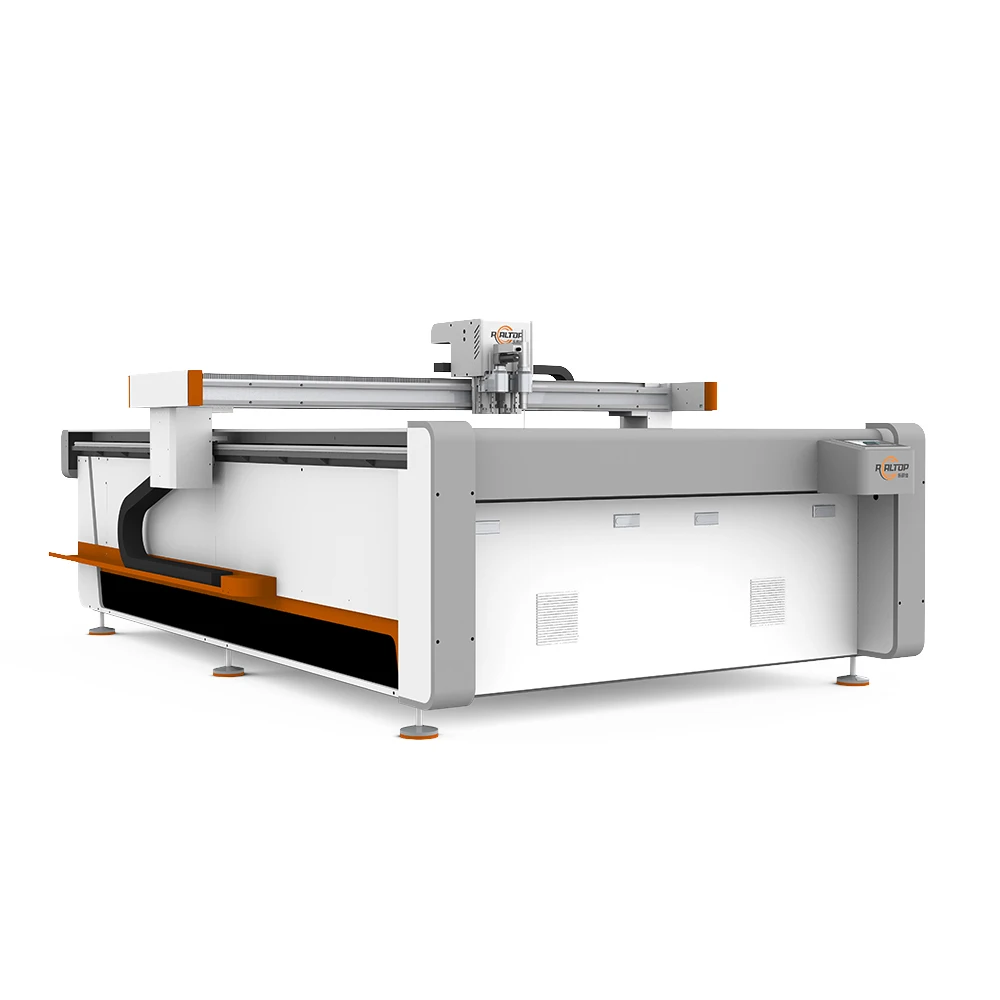
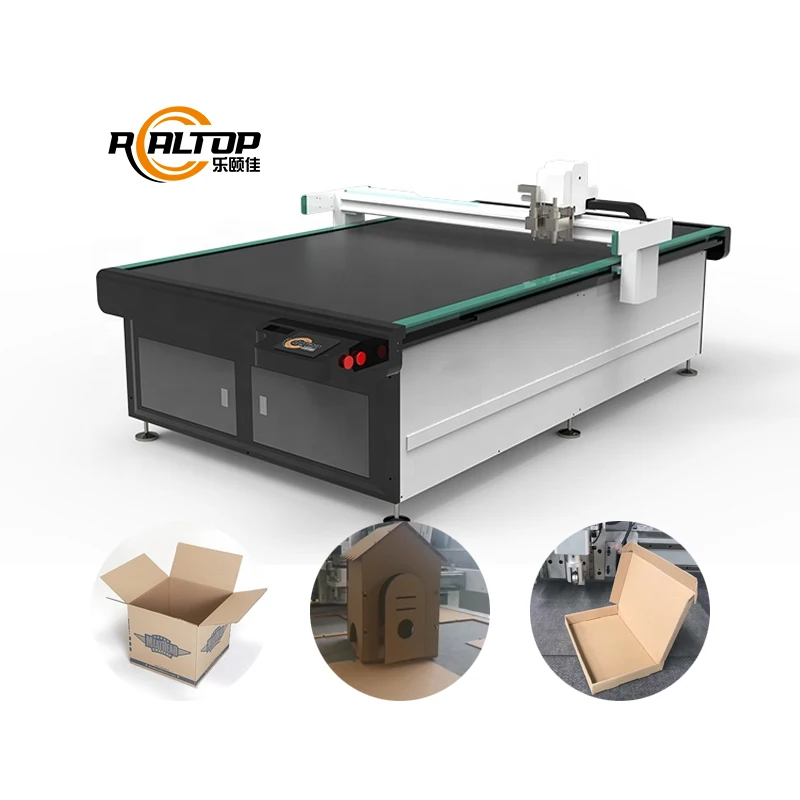
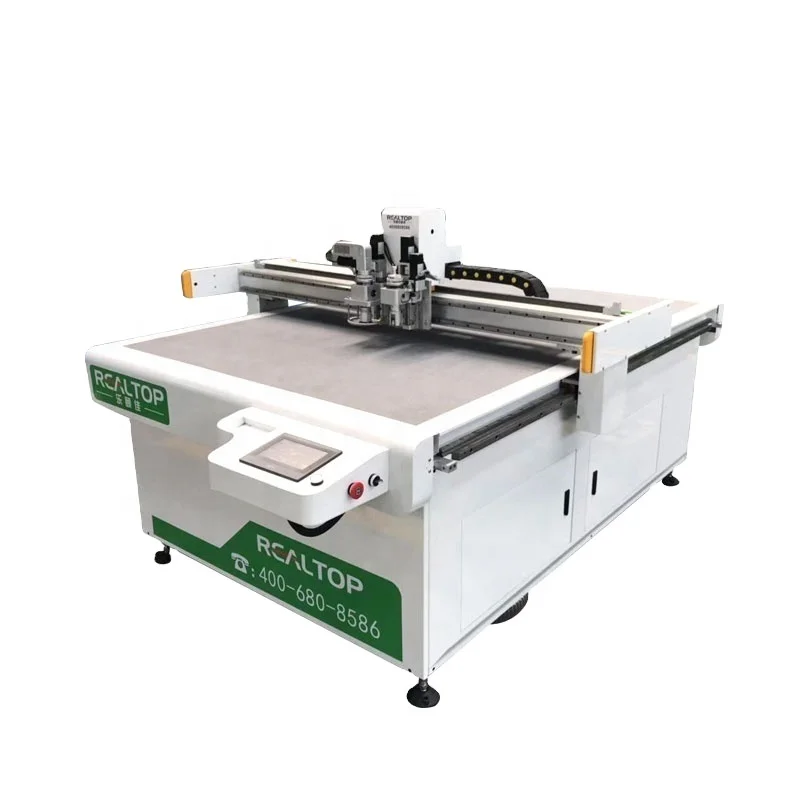
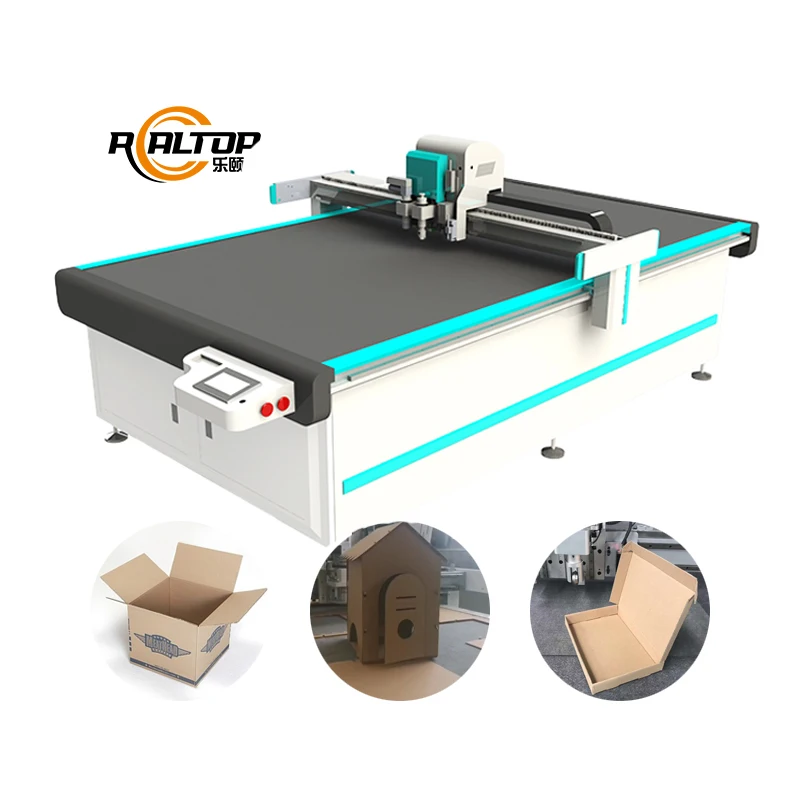
In-house design and build — We specify each 1625 CNC oscillating knife cutting machine against the buyer’s actual board grade, flute profile and creasing requirement, not just the working area.
Technical Specifications
| Parameter | Value |
|---|---|
| Product Type | CNC Oscillating Knife Cutting Machine |
| Model | 1625 |
| Working Area | 1600×2500 mm |
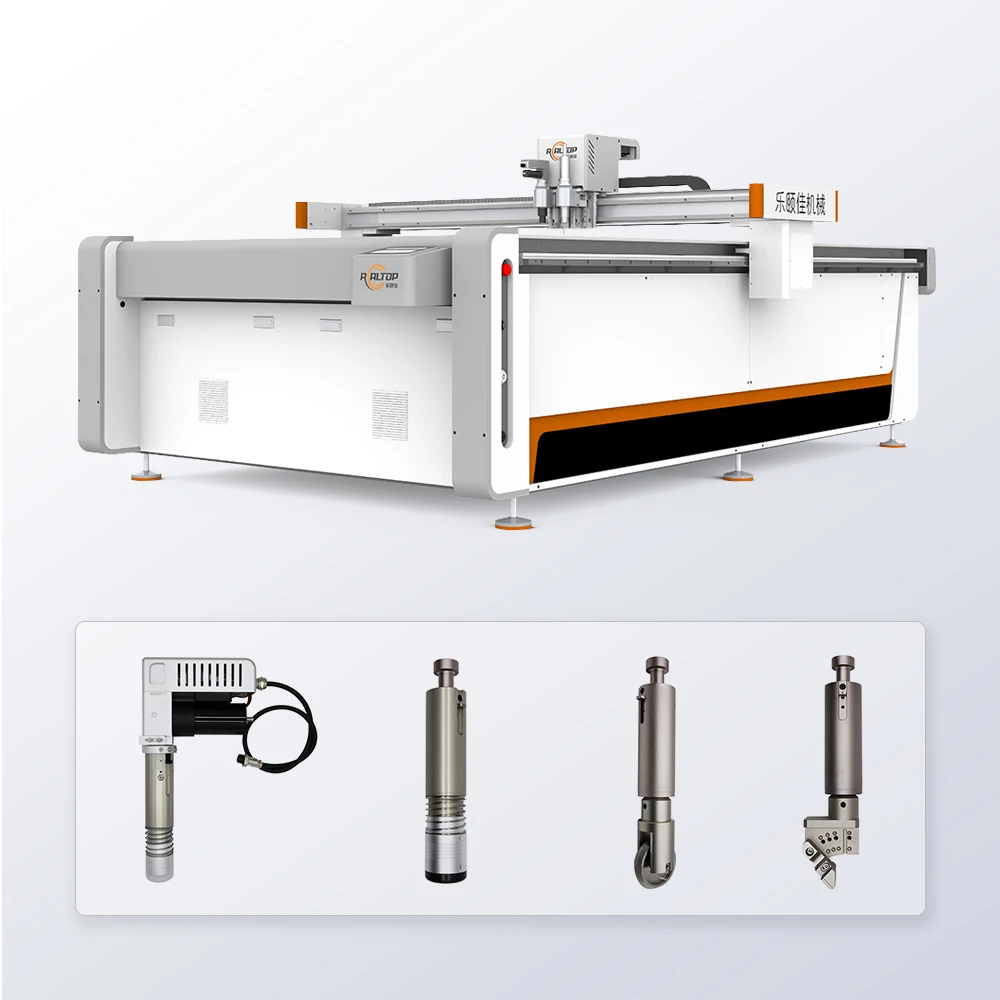
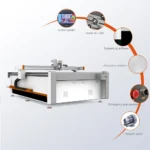
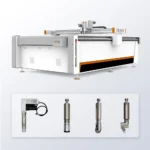
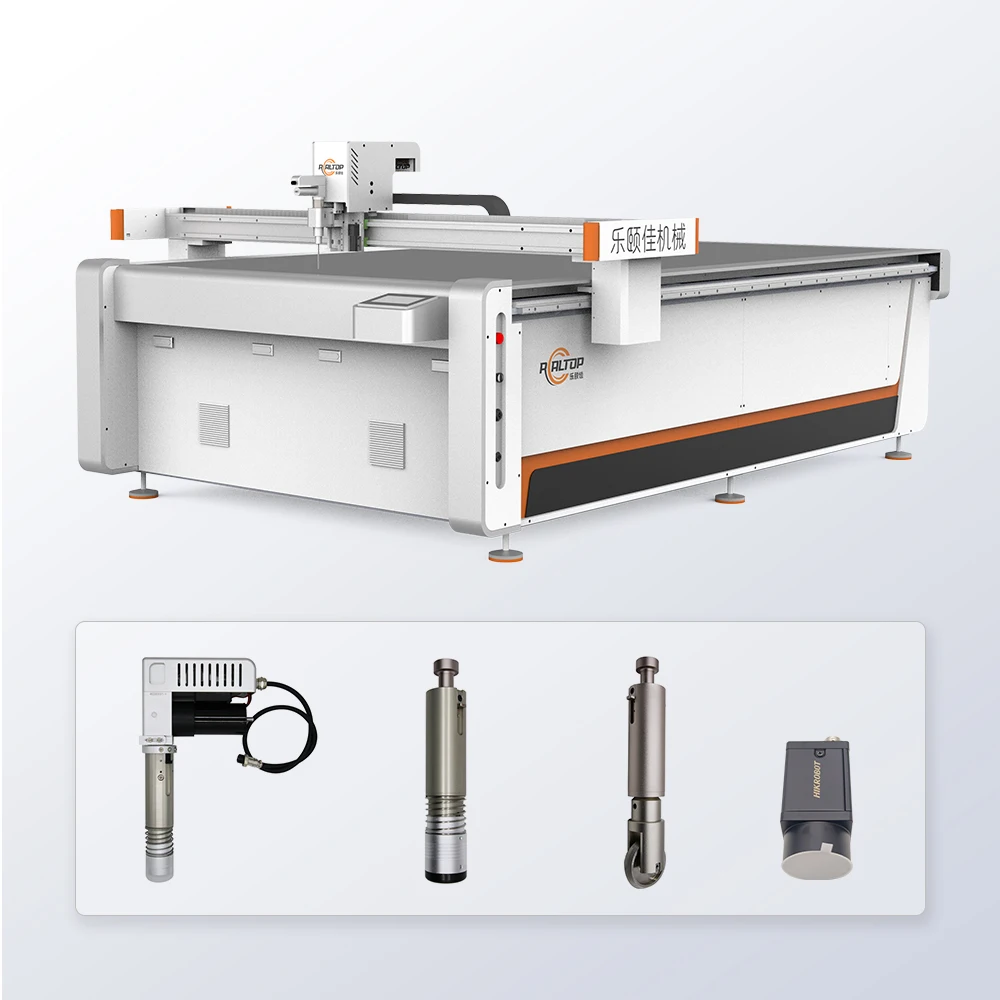
| Tool Head Options | Oscillating knife, Driven rotary knife, Creasing wheel, Kiss cutting tool, Pneumatic knife, Milling tool, V groove knife |
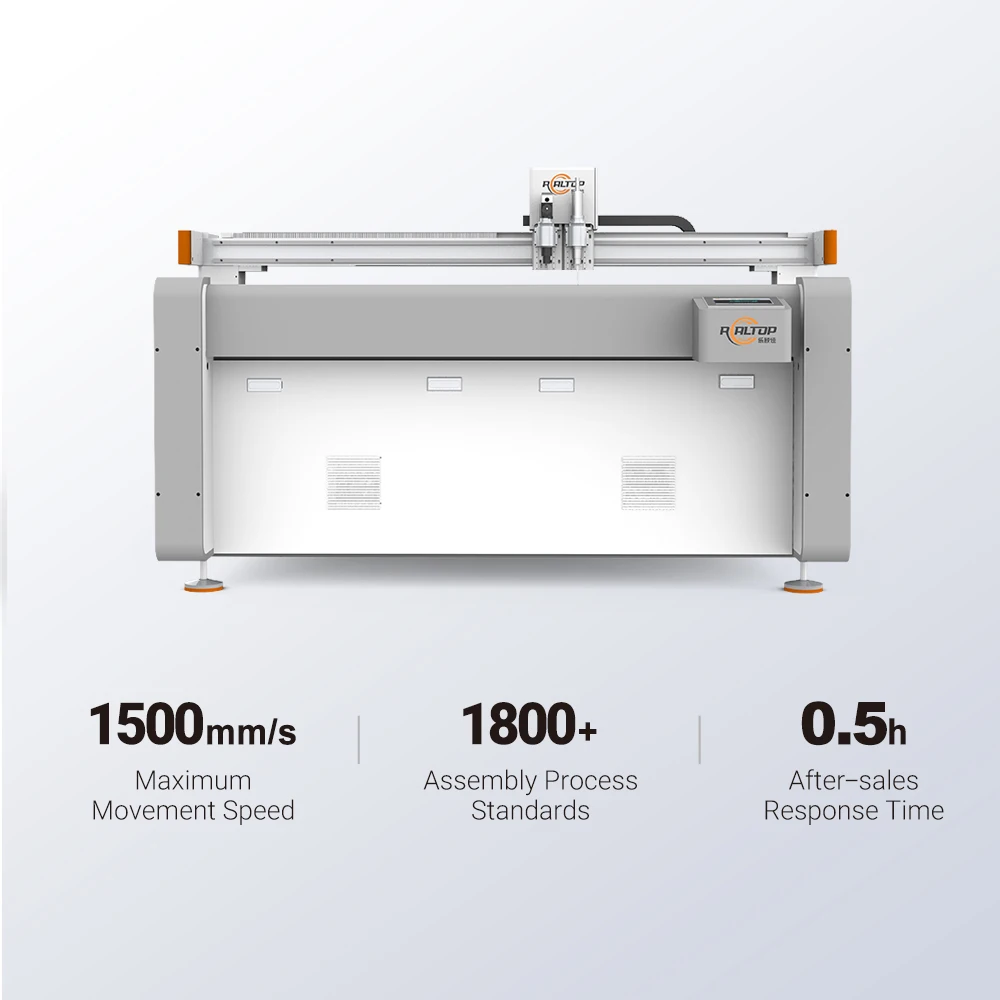
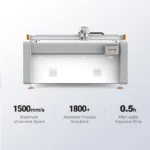
| Cutting Speed | 0–1500 mm/s |
| Cutting Thickness | ≤ 40 mm (basis not stated in source — confirm material type and density) |
| Cutting Accuracy | ±0.1 mm |
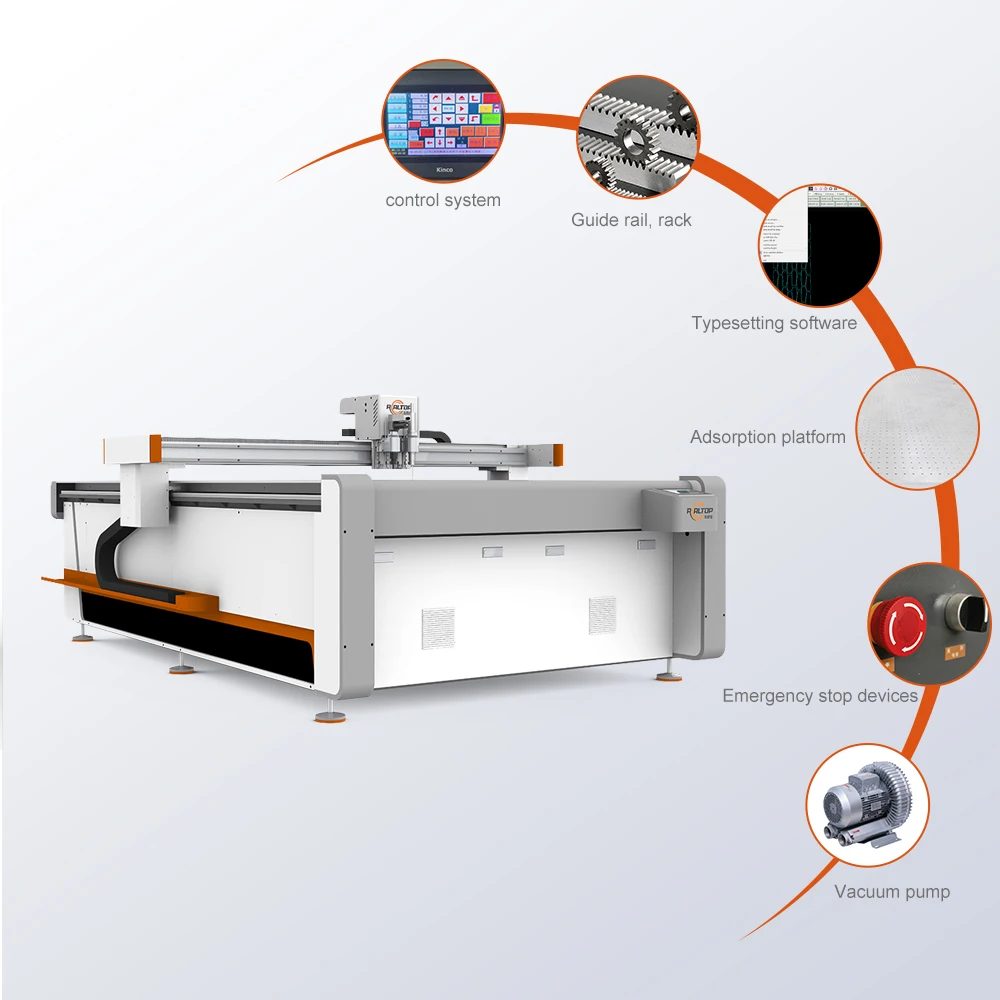
| Vacuum Pump Power | 9 kW |
| Vacuum Table | Aluminum bellows vacuum table |
| Control System | PLC control panel |
| Servo Motor Options | Panasonic, Delta, Dorna |
| Voltage Options | 110V / 220V / 380V |
| File Format Compatibility | PLT, DXF, AI, PDF |
| Software | Dedicated packaging box structure design software; multi-language support |
| Safety Device | Infrared sensor device and emergency stop device |
| Machine Dimensions (L×W×H) | 3300×2100×1350 mm |
Application Suitability
| Application | Material or Output |
|---|---|
| Carton and packaging sample making | Corrugated cardboard (E-flute, B-flute, BC-flute), greyboard, cardstock, art paper |
| Foam insert and protective packaging fabrication | EVA, EPE and PU foam cut to precise contour profiles |
| Short-run customized box production | Specialty paper, velvet/fleece fabric, non-woven fabric |
| Composite and adhesive-backed material processing | Thin plastic sheets (PVC, PET), leather, synthetic leather, rubber mats |
Why Cutting Thickness Ratings Mislead Packaging Buyers
A machine quoted at 40 mm cutting depth will not necessarily cut 40 mm greyboard cleanly — it depends on material density, fibre orientation and the specific tool head fitted.
When a packaging sample maker switches from single-face corrugated to three-layer greyboard without re-specifying the tool head, the oscillating knife can crush rather than shear the dense fibres, leaving ragged edges that compromise fold accuracy. The cutting thickness figure on a spec sheet rarely states which material grade it was measured on, so a buyer comparing two machines on that number alone is comparing unknowns [NEED_CITE:]. The 1625 CNC oscillating knife cutting machine manufacturer must confirm capacity on the buyer’s actual stock before the order is placed, not after it arrives on the shop floor.
Tool Head Selection Dictates Edge Quality on Board
Packaging work demands more than a single oscillating knife. The 1625 offers seven interchangeable tool heads — including a creasing wheel for fold lines, a V groove knife for rigid box channels, and a kiss cutting tool for adhesive-backed labels — so the machine adapts to the job rather than forcing every cut through one blade. A driven rotary knife handles fabric inlays and foam inserts in the same setup.
Vacuum Zoning and Small Part Stability
Small carton components — think cosmetic box inserts or pharmaceutical dividers — lift off the table when vacuum suction is spread across the full bed. The aluminum bellows vacuum table on the 1625 is zoned so that suction concentrates beneath the active cutting area, holding even lightweight cardstock flat at the 1500 mm/s cutting speed. Without this zoning, parts shift mid-cut and the ±0.1 mm accuracy spec becomes meaningless.
Reading the Specs Against Real Packaging Workflows
The 1600×2500 mm working area fits a full sheet of B-flute corrugated or a standard greyboard panel without repositioning, which matters when creasing and cutting must register to the same datum. The 9 kW vacuum pump delivers the suction needed for dense board, while the PLC control panel stores tool head profiles so operators switch from creasing wheel to oscillating knife without recalibrating from scratch. Dedicated packaging box structure design software imports PLT, DXF, AI and PDF files directly — eliminating the translation errors that occur when generic CAD software tries to interpret fold-line conventions [NEED_CITE:].
The Hidden Cost of a Mismatched Configuration
Buyers who specify a cutting table on working area and price alone frequently discover, after delivery, that the vacuum table has no zoning, the supplied oscillating knife cannot handle their densest board grade, or the software refuses to import their existing die-line files. Rectifying these issues on-site means new tool heads, rewiring vacuum zones and rewriting nesting routines — downtime that no lead-time estimate accounts for [NEED_CITE:].
Why Source the 1625 from REALTOP
In-house knife cutting design. The 1625 is designed and assembled under one roof in Jinan, so the engineer who specifies your tool head configuration can walk to the production floor and verify it.
Material-specific configuration. Every 1625 ships with a tool head and vacuum zone layout matched to the buyer’s stated material list — not a default package.
Pre-shipment sample cutting. Buyers send their own corrugated, greyboard or foam stock; we run it on the 1625 and share the sample cutting report before the order is finalised.
Voltage and language confirmation. Electrical schematics and PLC interface language are verified against the buyer’s facility before production begins, avoiding on-site rewiring or operator confusion.
Software compatibility check. File format and nesting workflow are tested with the buyer’s existing design files during the sample stage.
Documentation & Verification
- Factory test record on your corrugated and greyboard grades before dispatch
- Electrical schematic confirming voltage, plug type and breaker rating for your facility
- Tool head and vacuum zone configuration list matching your material spec sheet
- Software licence and file format compatibility note for PLT, DXF, AI, PDF workflows
- Operation and maintenance manual with multi-language interface support
- CE declaration and packing photographs for customs and insurance filing
Installation, Commissioning & Support
- 3300×2100×1350 mm footprint requires level concrete floor with 9 kW vacuum pump dedicated circuit
- Voltage configurable at 110V / 220V / 380V — confirm local frequency and breaker rating before shipment
- Machine ships partially assembled; gantry and tool head calibrated on-site during commissioning
- PLC control panel parameters set against your board grades and creasing depths during first run
- Operator training covers tool head changes, vacuum zone selection and software nesting routines
- Spare parts list provided with recommended oscillating knife blades and creasing wheel consumables
Preparing Your Enquiry
To configure the 1625 for your packaging line, share the material types you cut (flute profile, board grade, thickness range), the sheet sizes you process, and your daily sample or short-run volume. Confirm your facility voltage and preferred control language. If you use specific box design software or die-line file formats, send sample files so we verify compatibility before quotation [NEED_CITE:].
Frequently Asked Questions
Q: How is cutting thickness verified for my specific board or foam grade?
A: We run your actual material — corrugated flute, greyboard density or foam type — on the 1625 before you commit. The sample cutting report documents edge quality, creasing depth and any tool head adjustment needed, so you see real results on your stock, not a generic spec sheet number.
Q: Which tool head is right for my material?
A: It depends on what you cut and how it folds. Oscillating knife handles corrugated and greyboard, creasing wheel scores fold lines, V groove knife channels rigid box board, and kiss cutting tool processes adhesive-backed labels. We specify the combination based on your material list and box structure requirements.
Q: How are vacuum table zones configured for small carton parts?
A: The aluminum bellows table is divided into zones. We set the active suction area to match your typical part footprint, preventing lift on small dividers and inserts that a full-bed vacuum would fail to hold flat at cutting speed.
Q: What voltage and control language are confirmed before shipment?
A: We verify your facility voltage (110V / 220V / 380V), plug type and breaker rating, then confirm PLC interface language (English, Russian, Italian, Chinese or custom). Electrical schematics are shared for your approval before production begins.
Q: Can I send my material for sample cutting before placing the order?
A: Yes. Send your corrugated board, greyboard, foam or specialty paper to our Jinan facility. We cut, crease and kiss-cut on the 1625, then return the samples with a full report so you can evaluate edge quality and dimensional accuracy on your own stock.
You may also like

商品评价
Clear filtersThere are no reviews yet.