



-
 Courier delivery
-
 DHL Courier delivery
-
 Warranty 1 year
-
 Free 30-Day returns

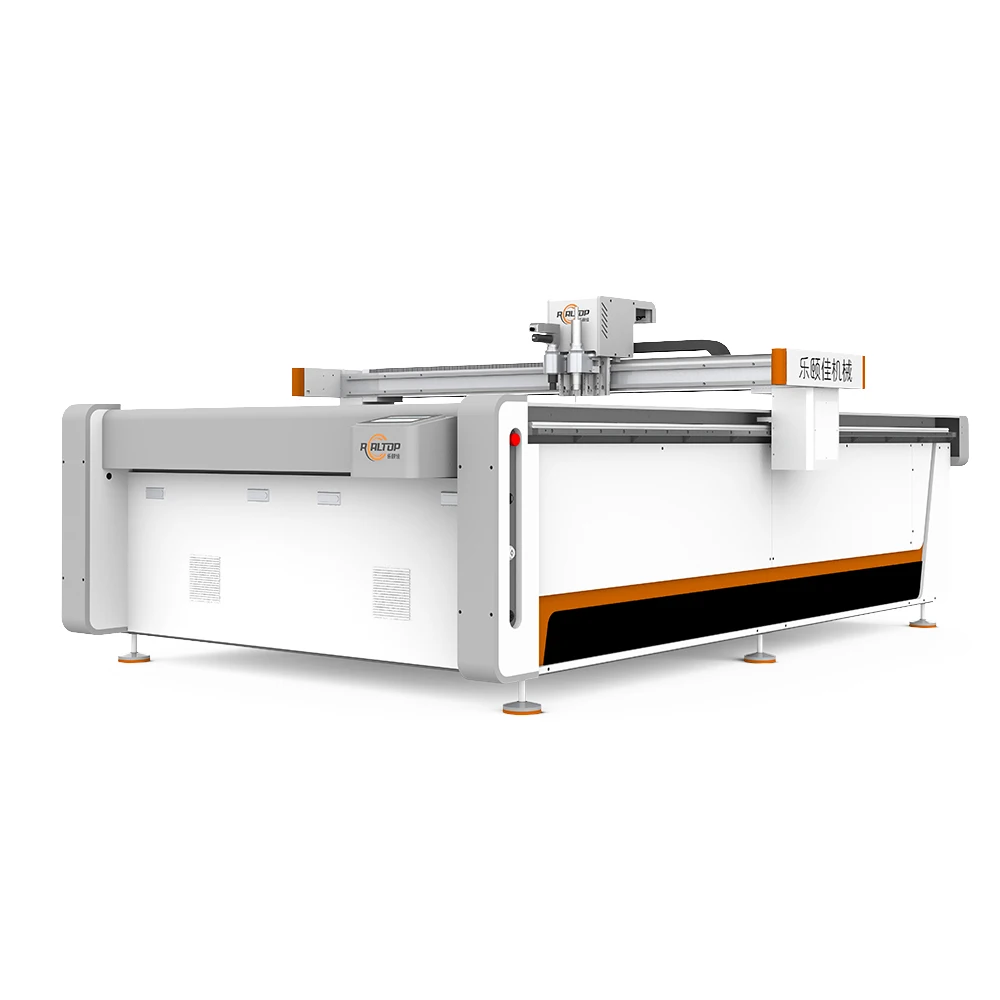
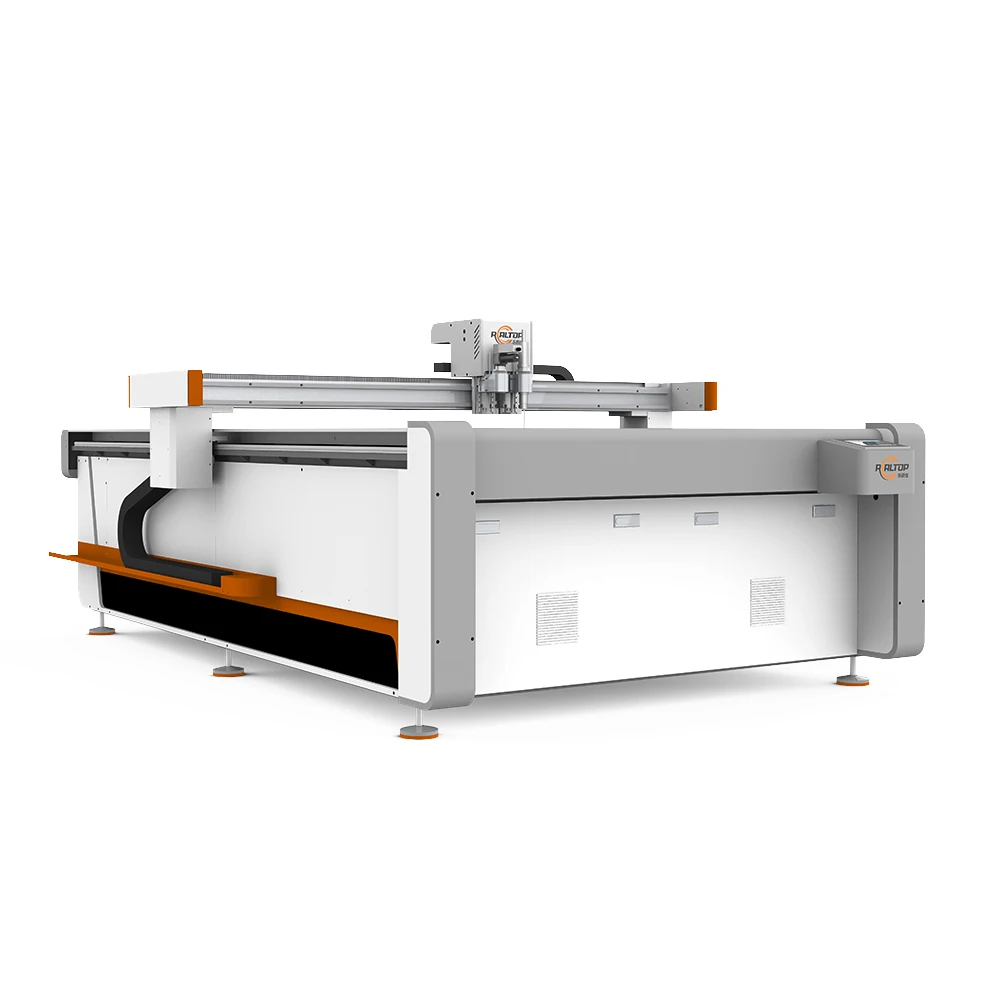
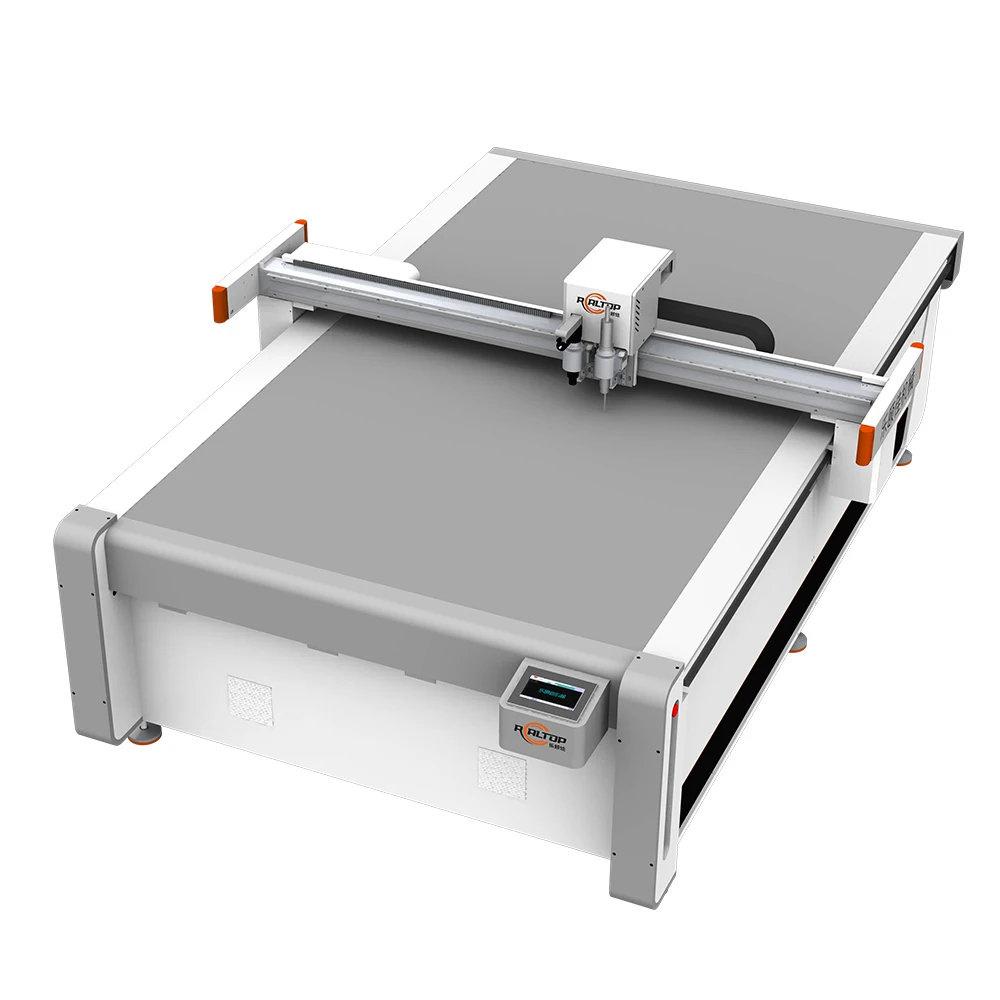
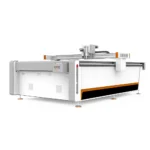
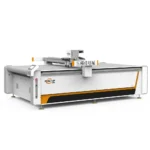
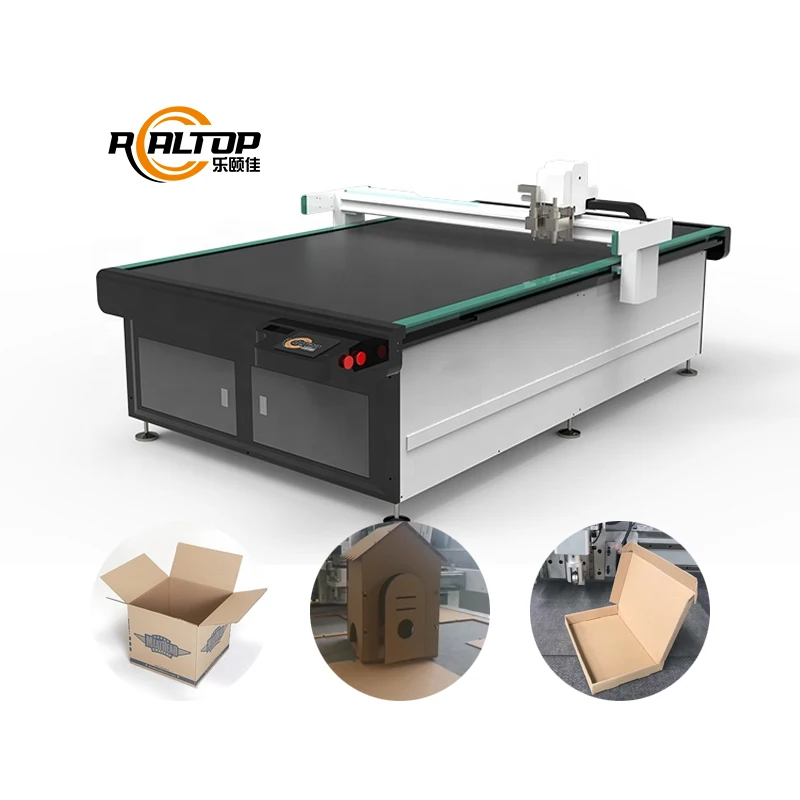
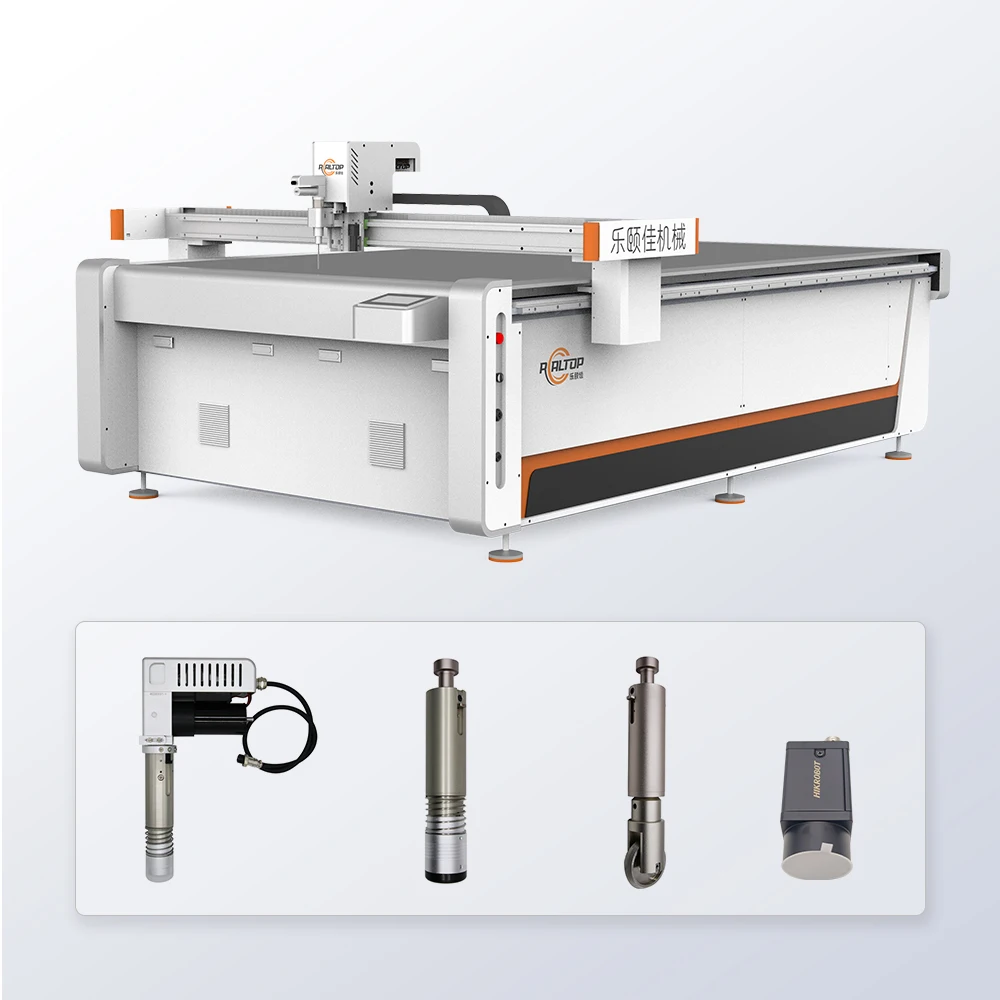
In-house tool head specification — The 1625 CNC oscillating knife cutting system is configured from driven rotary knife through V groove knife based on your exact board grade before the order is confirmed, not shipped as a generic flatbed.
Technical Specifications
| Parameter | Value |
|---|---|
| Model | 1625 |
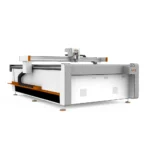
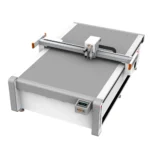
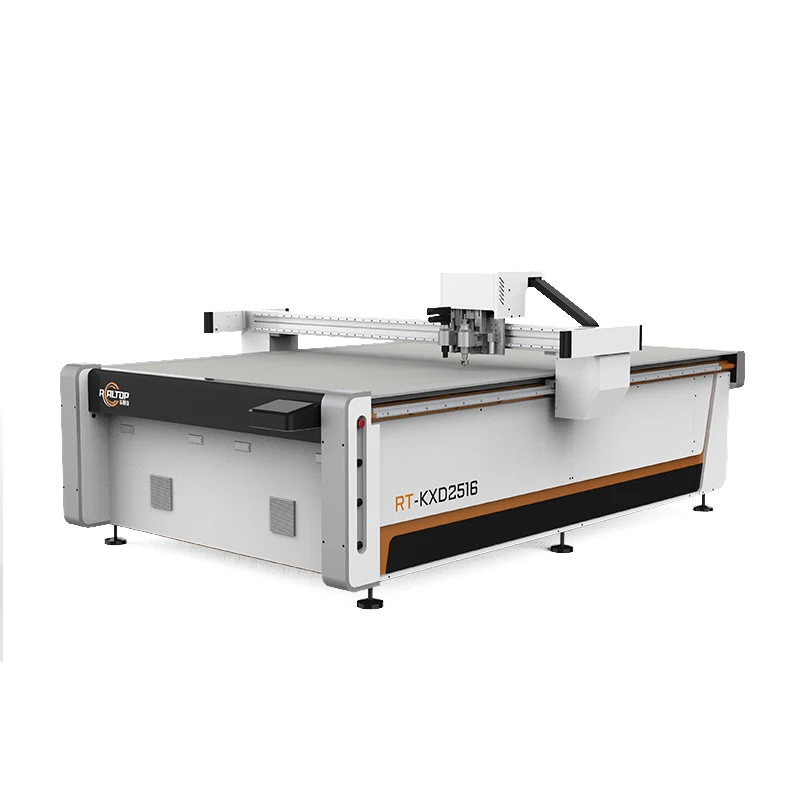
| Product Type | CNC Oscillating Knife Cutting Machine |
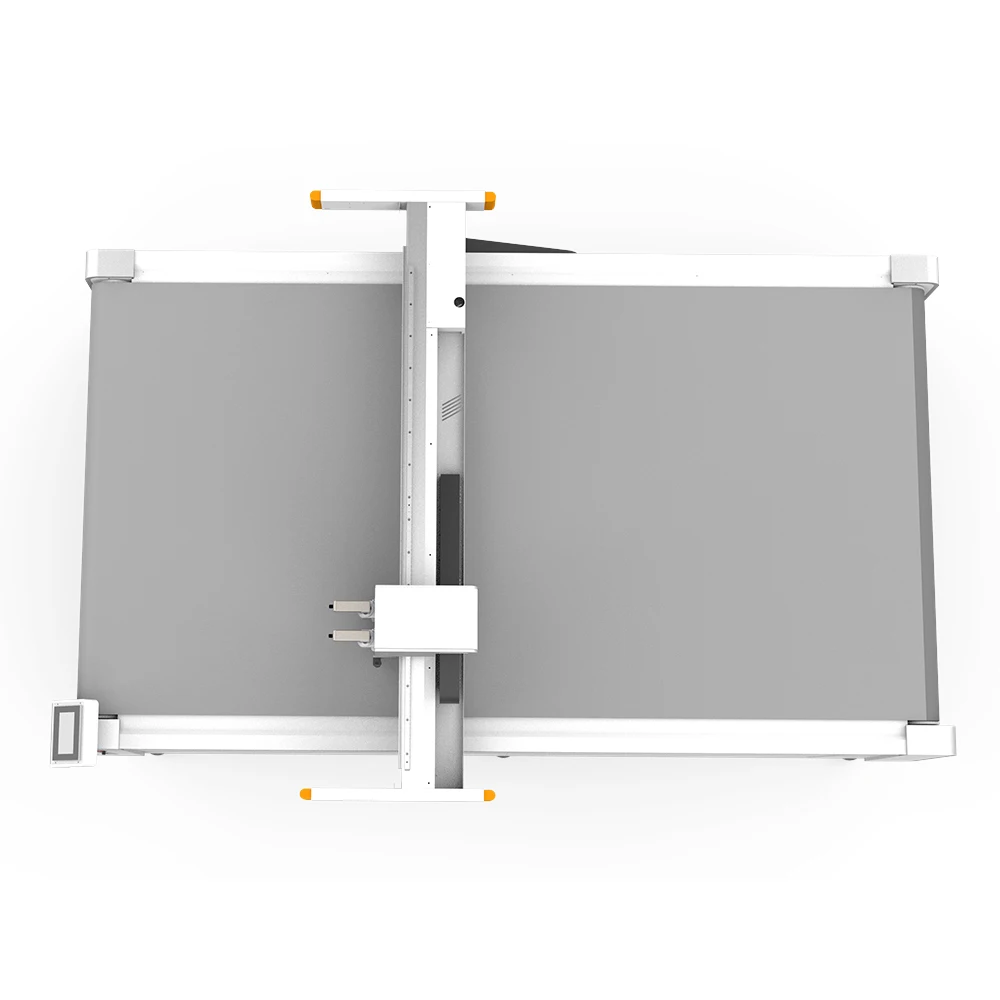
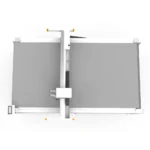
| Working Area | 1600×2500 mm |
| Tool Head Options | Oscillating knife, Driven rotary knife, Creasing wheel, Kiss cutting tool, Pneumatic knife, Milling tool, V groove knife |
| Cutting Speed | 0–1500 mm/s |
| Maximum Cutting Thickness | ≤ 40 mm |
| Positioning Accuracy | ±0.1 mm |
| Vacuum Pump Power | 9 kW |
| Vacuum Table Type | Aluminum bellows vacuum table |
| Voltage Options | 110V / 220V / 380V |
| Control System | PLC control panel |
| Servo Drive Options | Panasonic, Delta, Dorna (source value — verify against manufacturer catalog) |
| File Format Compatibility | PLT, DXF, AI, PDF |
| Safety Features | Infrared sensor device and emergency stop device |
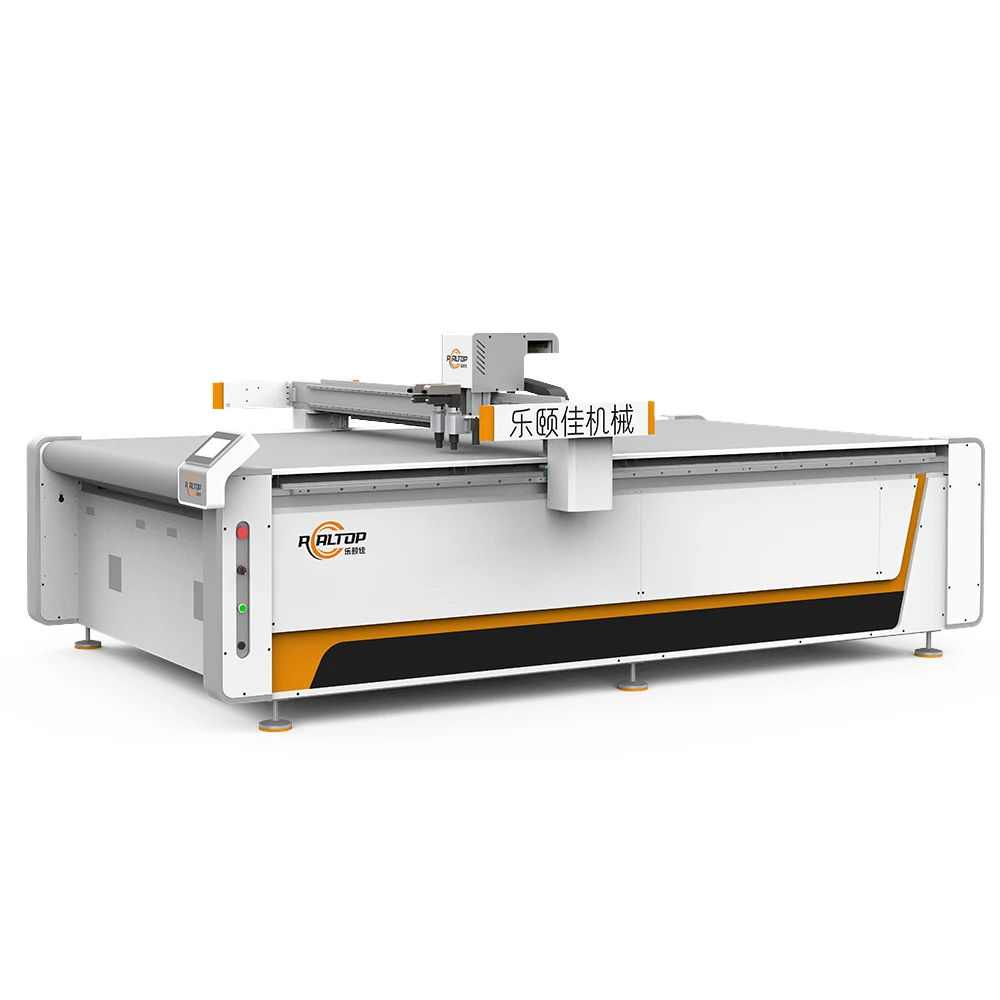
| Overall Dimensions (L×W×H) | 3300×2100×1350 mm |
| Language Options | English, Russian, Italian, Chinese (special languages customizable) |
| Certification | CE (referenced via certification photo) |
Application Suitability
| Application | Material or Output |
|---|---|
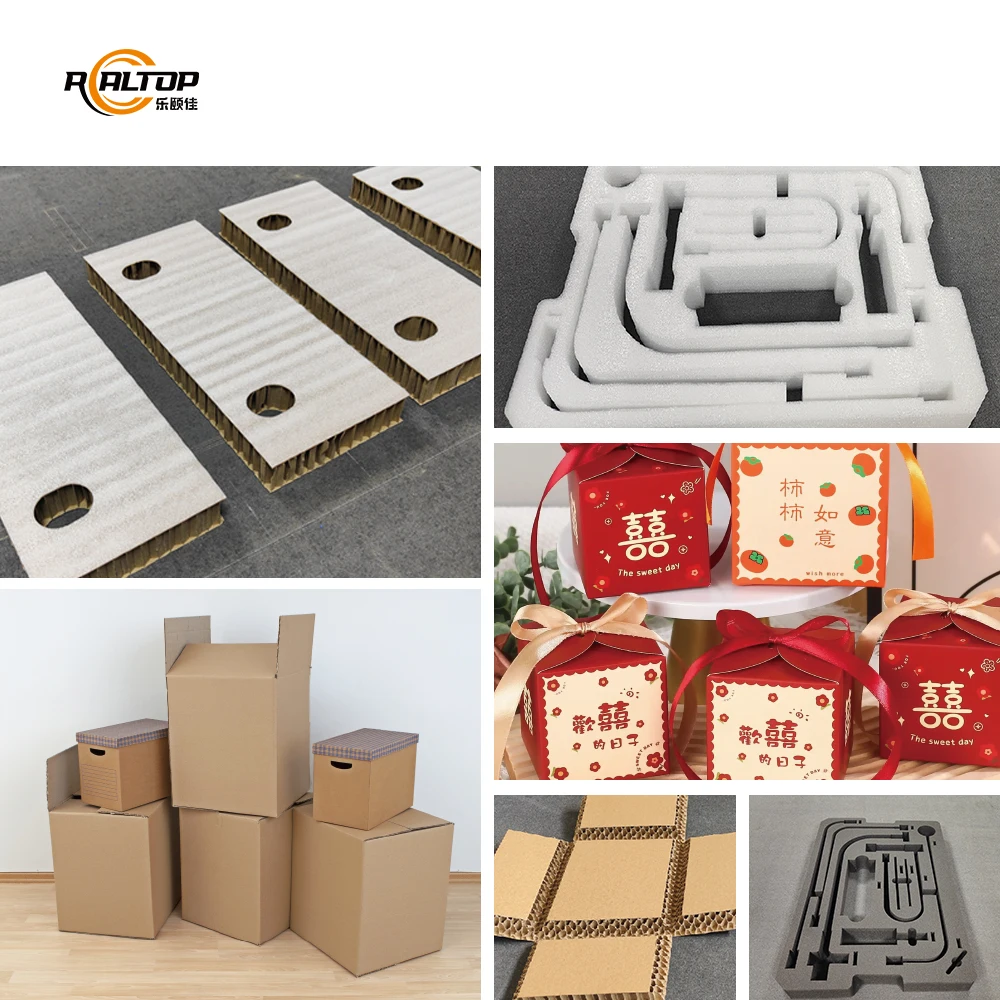
| Packaging sample making | Corrugated cardboard (E-flute, B-flute, BC-flute), greyboard, cardstock |
| Folding carton prototyping | Art paper, specialty paper, adhesive-backed materials |
| Protective insert cutting | EVA foam, EPE foam, PU foam, rubber mats |
| Luxury box lining | Velvet/fleece fabric, non-woven fabric, leather, synthetic leather |
| Short-run die-cut replacement | Thin plastic sheets (PVC, PET), composite materials |
Why Board Grade Matters More Than Working Area When Selecting a CNC Oscillating Knife Cutting Machine Manufacturer
A 1600×2500 mm table only tells you how large a sheet fits, not whether the tool head can actually crease and cut your specific flute profile cleanly.
Packaging buyers frequently specify a flatbed cutter by bed size and cutting speed, then discover on the first production run that the oscillating knife crushes E-flute corrugated instead of slicing it, or that the creasing wheel leaves ragged scores on 2mm greyboard. The material thickness and flute structure determine which combination of oscillating knife, driven rotary knife, and creasing wheel is required, and that decision has to be locked in before the machine leaves the factory floor [NEED_CITE: tool head selection criteria for corrugated and greyboard conversion]. I have watched packaging sample rooms discard entire batches of prototypes because the wrong knife angle was paired with coated stock, and the fix always costs more than getting the configuration right at the quotation stage.
Matching the Tool Head to Your Flute and Board Weight
The 1625 supports seven distinct tool head types that mount on the same gantry, so a single setup can cut the outer profile with an oscillating knife, score fold lines with a creasing wheel, and mill V grooves for rigid box corners. Driven rotary knives handle continuous curves on thicker greyboard where a standard oscillating blade would deflect, while kiss cutting tools score adhesive-backed labels without penetrating the release liner. Choosing the correct tool head is the single most important decision a CNC oscillating knife cutting machine manufacturer must help the buyer make before production begins.
Vacuum Hold-Down and Small Part Stability
An aluminum bellows vacuum table distributes suction across the full 1600×2500 mm surface, which matters most when cutting nested small carton components from thin cardstock. Lightweight art paper and specialty stocks tend to lift at the trailing edge as the knife exits a cut, producing dimensional drift that accumulates across a nesting sheet. The 9 kW vacuum pump maintains consistent hold-down pressure so registration holds at the ±0.1 mm positioning accuracy across the entire bed [NEED_CITE: vacuum table zoning and hold-down force for thin packaging substrates].
Reading the Specifications Against Your Production Reality
Cutting speed rated at 0–1500 mm/s represents the maximum traverse rate under ideal conditions; actual production speed depends on material density, flute count, and the number of tool changes within a single file. The ±0.1 mm positioning accuracy enables tight registration on printed packaging prototypes where fold lines must align precisely with litho-laminated graphics. Maximum cutting thickness of 40 mm covers the full range from single-face E-flute through multi-layer BC-flute and laminated greyboard stacks, but the achievable depth on any given day depends on the tool head selected and the condition of the blade. PLC control manages tool head switching and vacuum zoning automatically once the nesting file is loaded, reducing operator intervention during short-run sample production [NEED_CITE: PLC control parameters for multi-tool head packaging cutters].
What Happens When Configuration Is Skipped
When a buyer accepts a standard tool head package without verifying it against their actual material stack, the consequences appear on the first day of production. Crushed flute edges on corrugated board compromise stacking strength in the finished carton. Ragged crease lines on greyboard cause the box to fold off-square, and mis-cut kiss layers peel away from the release liner during automated labeling. These failures trace back to the quotation stage, where material samples were never run on the machine being ordered [NEED_CITE: root causes of edge quality failure in digital packaging cutting].
Why Sourcing Directly from the Factory Changes the Outcome
In-house design and production covering both knife and laser cutting technologies means the 1625 is configured around your material rather than forced into a standard package. Tool head and table combinations are specified per board grade and production volume, documented in a configuration list before the order is confirmed. Sample cutting on your own corrugated or cardstock material is completed and reviewed before commitment, so you see the exact edge and crease quality you will get in production. Voltage, plug configuration, and control language are confirmed against your facility supply and operator requirements. The factory test record ships with the machine, documenting actual cut performance on your specified materials rather than generic demonstration stock.
Documentation & Verification
- Machine specification sheet listing confirmed tool heads and vacuum table configuration
- Electrical schematic with voltage and frequency matched to your facility supply
- Sample cutting report produced on your corrugated or cardstock material
- Tool head and table configuration list tied to your board grade and flute type
- Software licence and file format compatibility note for PLT, DXF, AI, PDF workflows
- Factory test record documenting cut and crease quality before dispatch
Installation, Commissioning & Support
- Foundation must support 3300×2100×1350 mm footprint plus material infeed clearance
- Dedicated circuit required matching confirmed 110V, 220V, or 380V supply with 9 kW vacuum pump load
- Machine ships partially assembled; gantry and vacuum table leveled on-site
- First-run calibration sets tool head offsets and vacuum zoning for your material range
- Operator training covers PLC panel navigation and packaging box structure design software
- Spare parts list includes oscillating knife blades, creasing wheels, and vacuum seals
What We Need from Your Side to Build a Quotation
Send the specific board grades and flute types you run most often, along with typical sheet sizes and whether you need kiss cutting or V groove milling in the same setup. Confirm your facility voltage, frequency, and preferred control language so the electrical and software configuration is locked before production starts. If you have existing DXF or AI packaging files, share a sample set so file format compatibility is verified on the actual nesting workflow you use.
Frequently Asked Questions
Q: How is the tool head selected for my specific board grade and flute type?
A: We run sample cuts on your actual corrugated, greyboard, or cardstock using different tool head combinations — oscillating knife, driven rotary knife, creasing wheel — then review edge quality and crease definition together. The final tool head list is confirmed in writing before the order is placed, so the 1625 ships configured for your exact material stack.
Q: What voltage and plug configuration will be confirmed before shipment?
A: Voltage options include 110V, 220V, and 380V, and we confirm the exact supply, frequency, and plug type against your facility electrical specification. The electrical schematic ships with the machine, and the 9 kW vacuum pump load is documented so your electrician can prepare the dedicated circuit in advance.
Q: Can I send my own packaging material for sample cutting before placing the order?
A: Yes, sample cutting on your own material is a standard step before commitment. We cut and crease your corrugated or specialty paper, document the results in a sample cutting report, and adjust tool head selection or vacuum pressure if the edge quality does not meet your standard.
Q: How does the packaging box structure design software integrate with my existing DXF/AI file workflow?
A: The PLC control system accepts PLT, DXF, AI, and PDF files directly. We verify compatibility with your existing design software during the sample stage by processing a set of your production files and confirming that fold lines, cut paths, and nesting output match your current workflow.
Q: What installation, training, and after-sales support is included from the factory?
A: The 1625 ships with an operation and maintenance manual, spare parts list, and factory test record. On-site or remote installation covers gantry leveling, tool head calibration, and PLC panel setup. Operator training includes packaging box structure design software navigation and tool head changeover procedures.
You may also like

商品评价
Clear filtersThere are no reviews yet.