



-
 Courier delivery
-
 DHL Courier delivery
-
 Warranty 1 year
-
 Free 30-Day returns

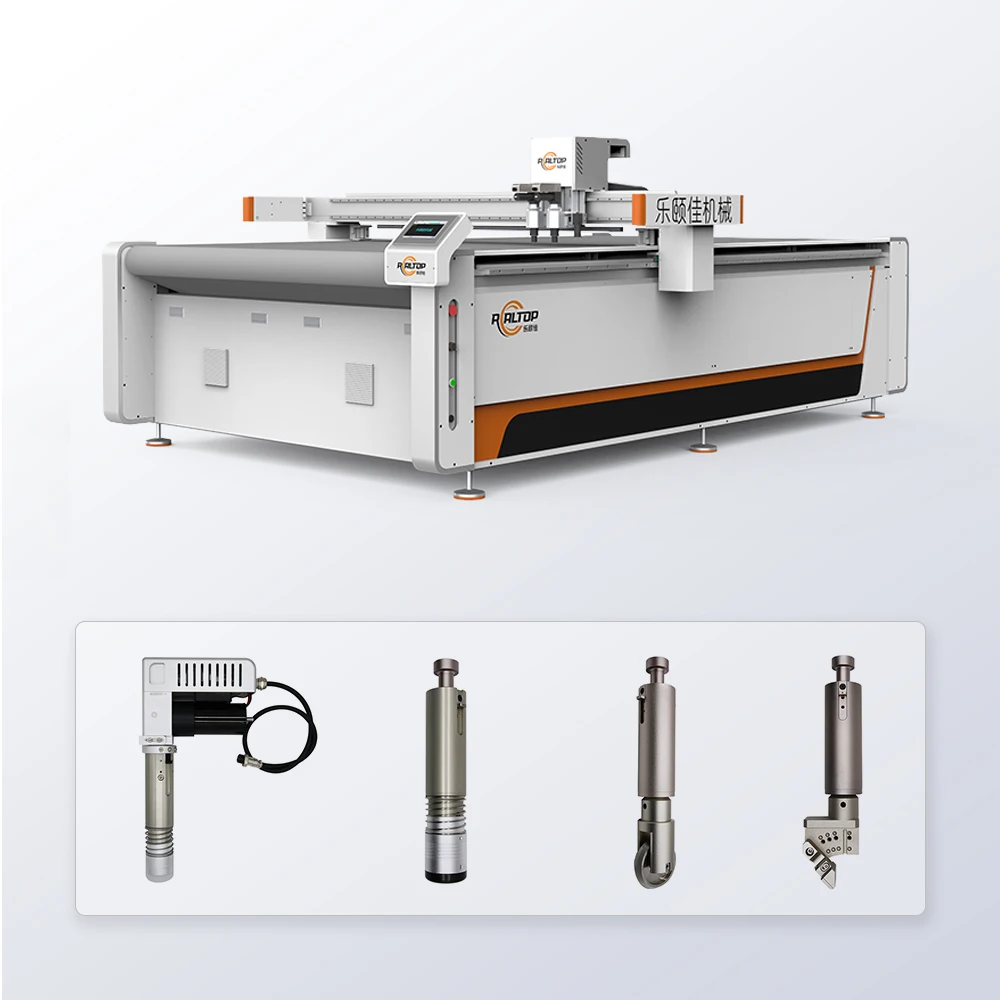
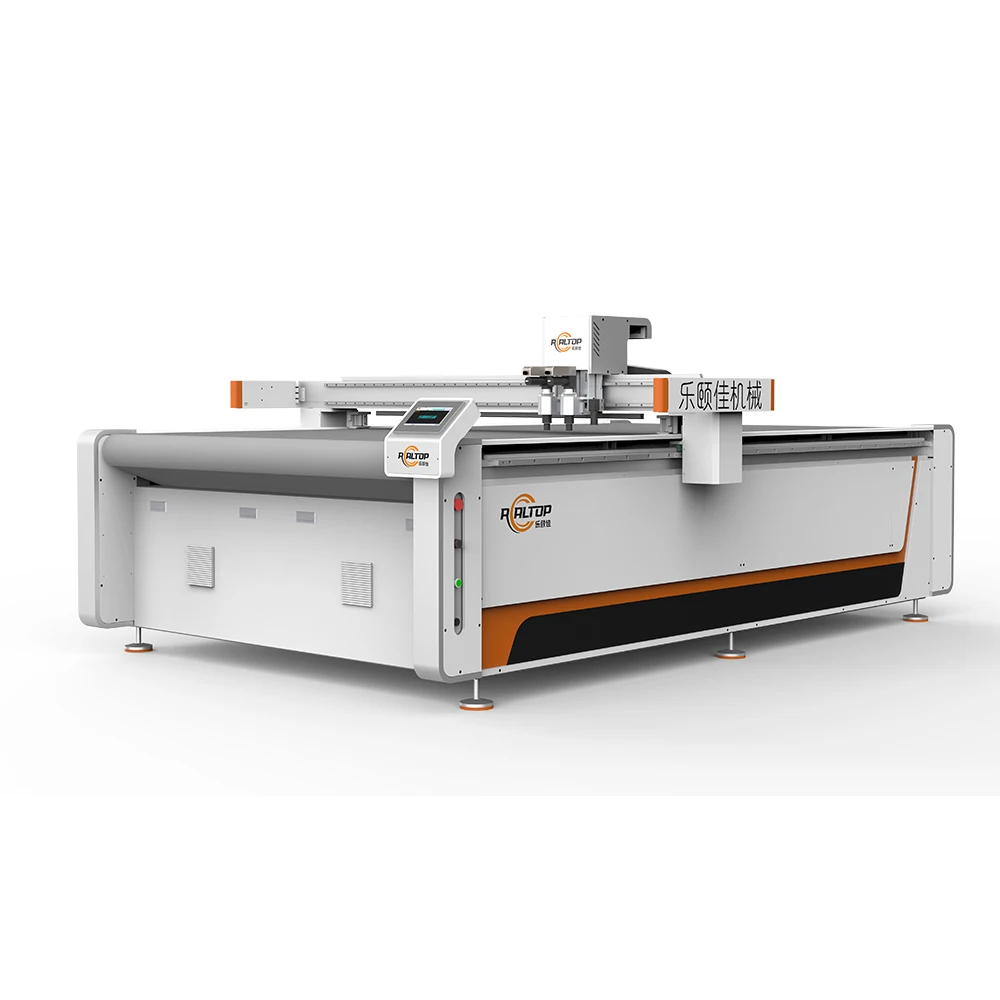
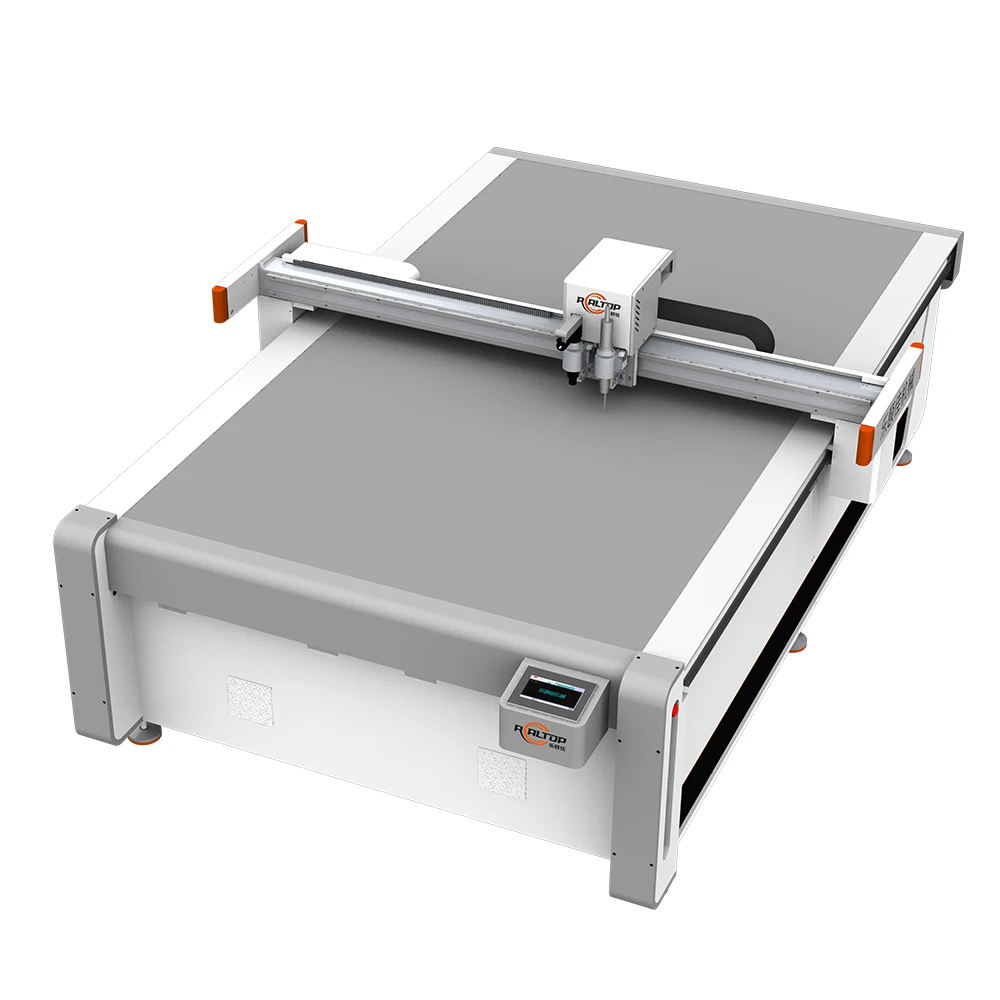
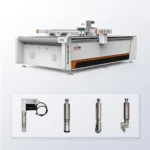
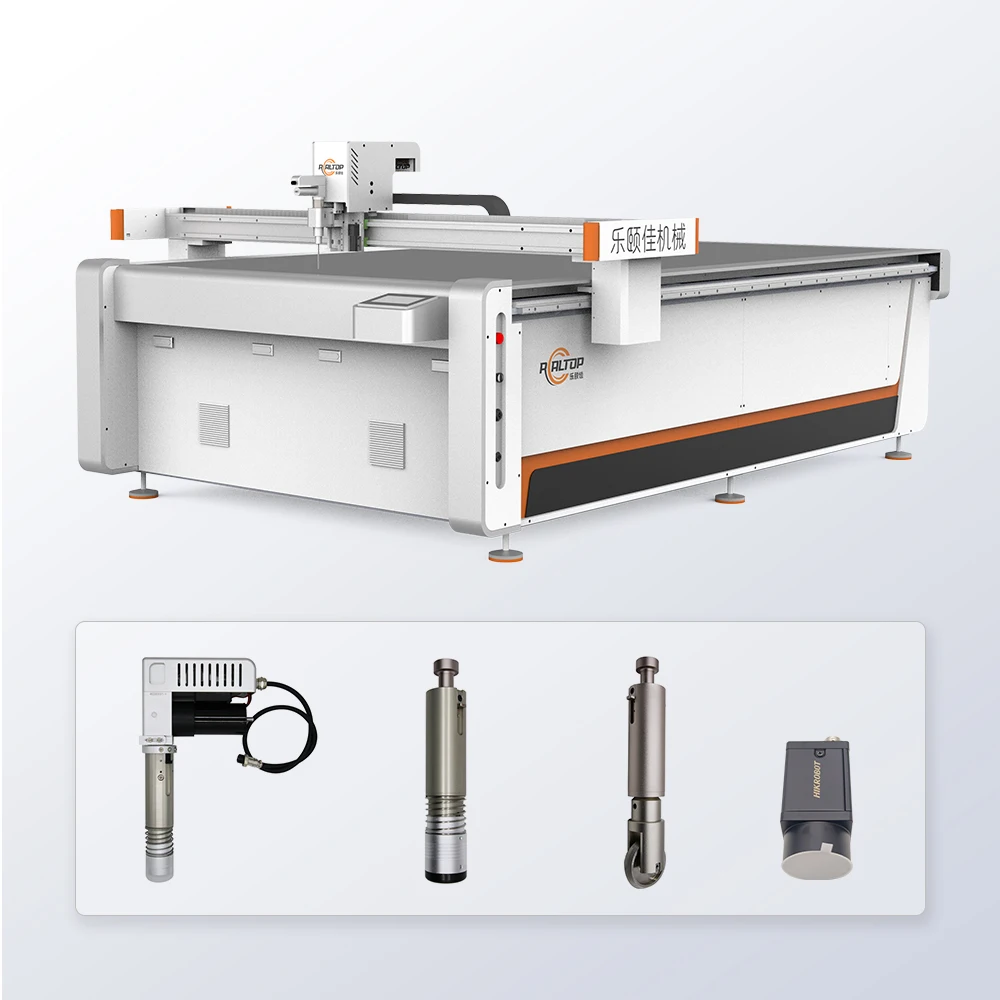
Tool Head and Table Configuration Specified Per Material and Production Volume — Every packaging material cuts differently; a creasing wheel that folds 2mm greyboard cleanly may fail on double-wall corrugated, which is why tooling is confirmed against your actual stock before the build starts.
Technical Specifications
| Parameter | Value |
|---|---|
| Product Type | CNC Oscillating Knife Cutting Machine |
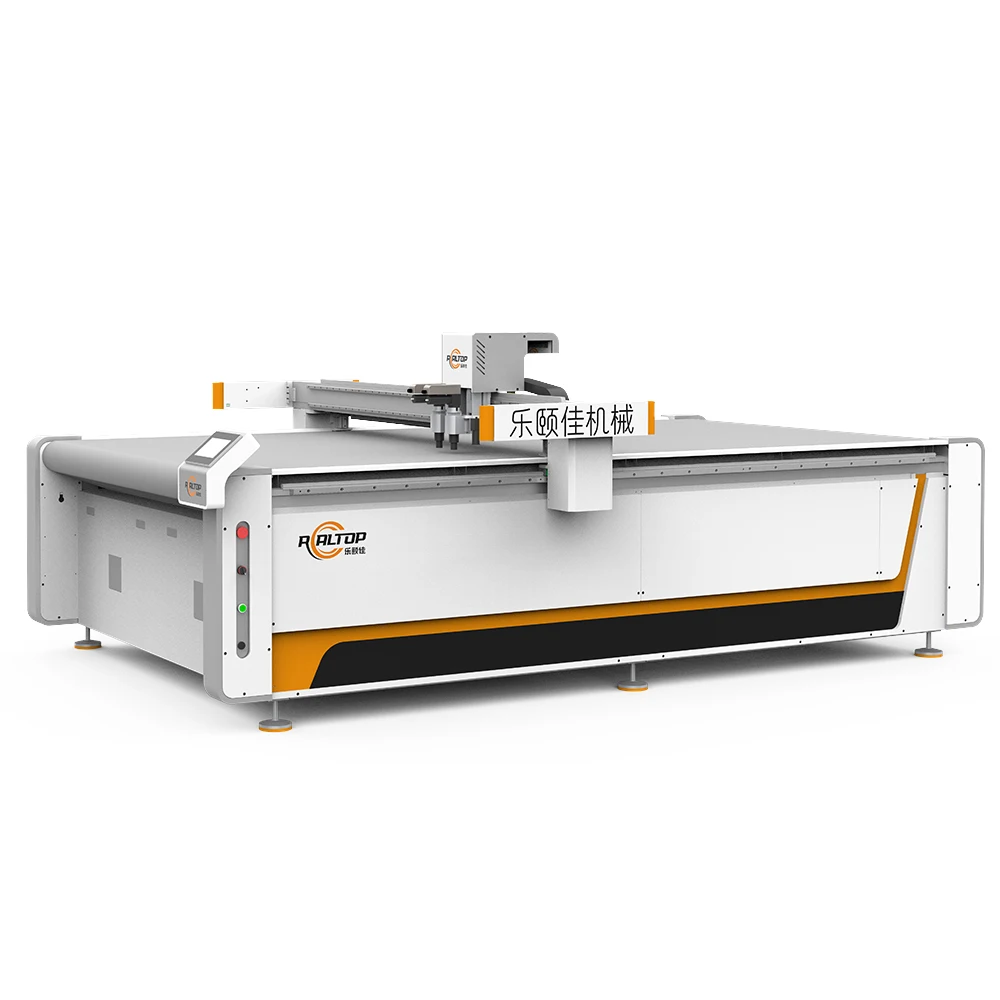
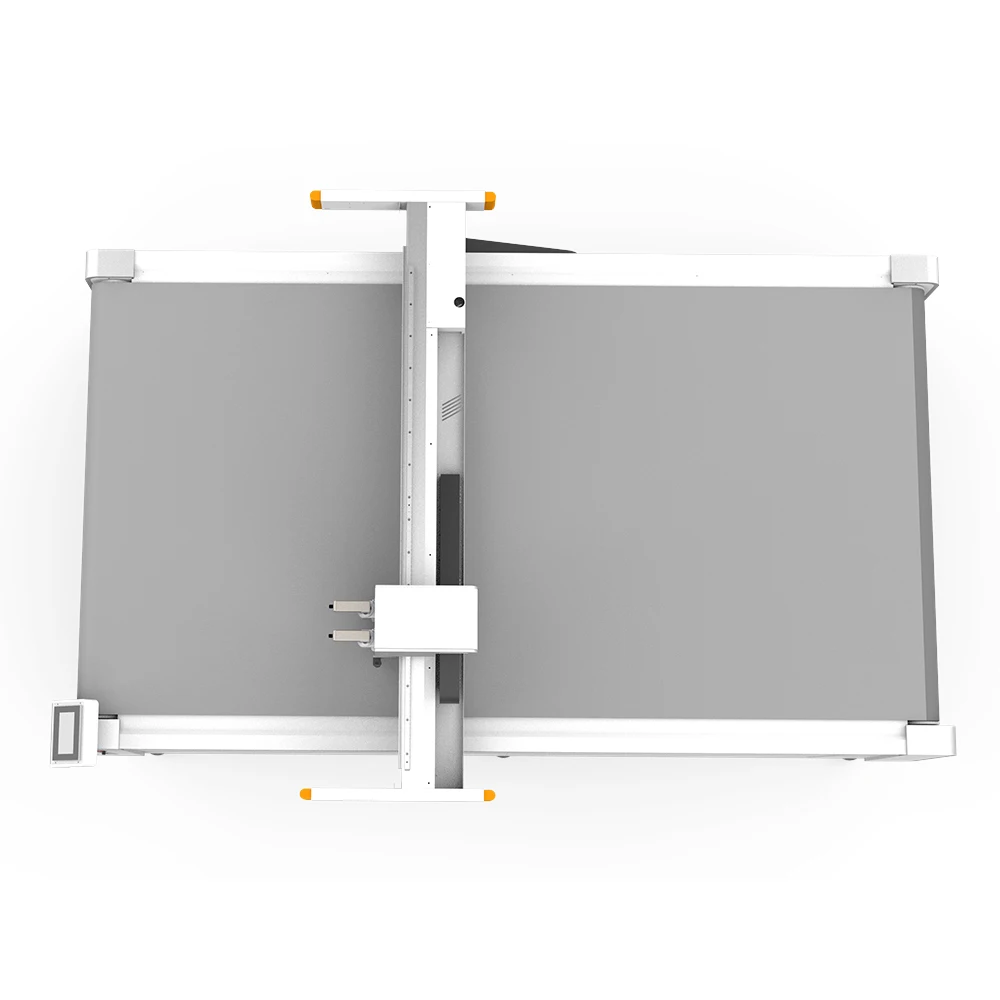
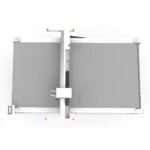
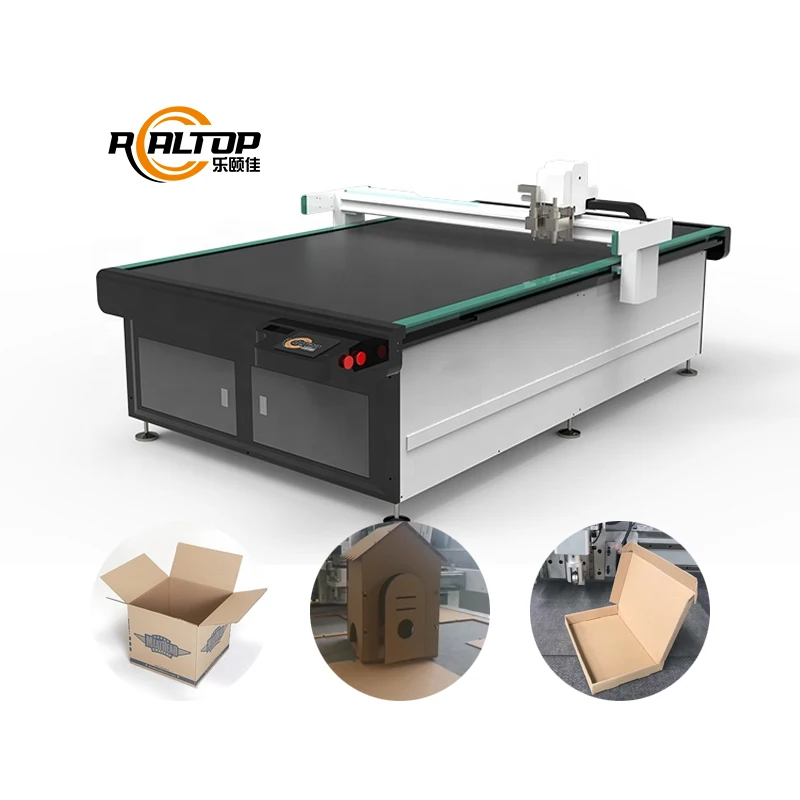
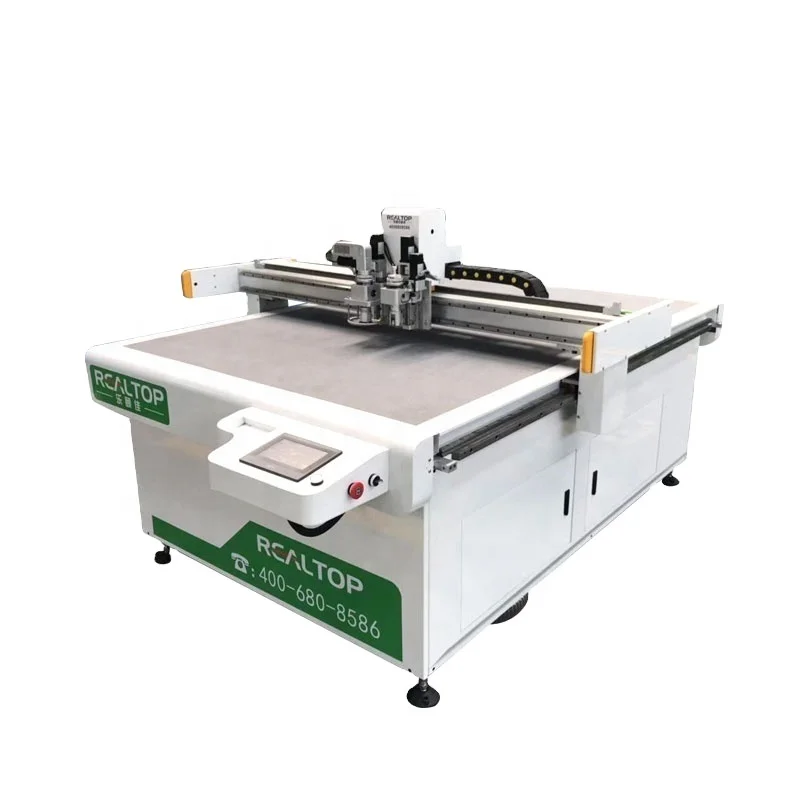
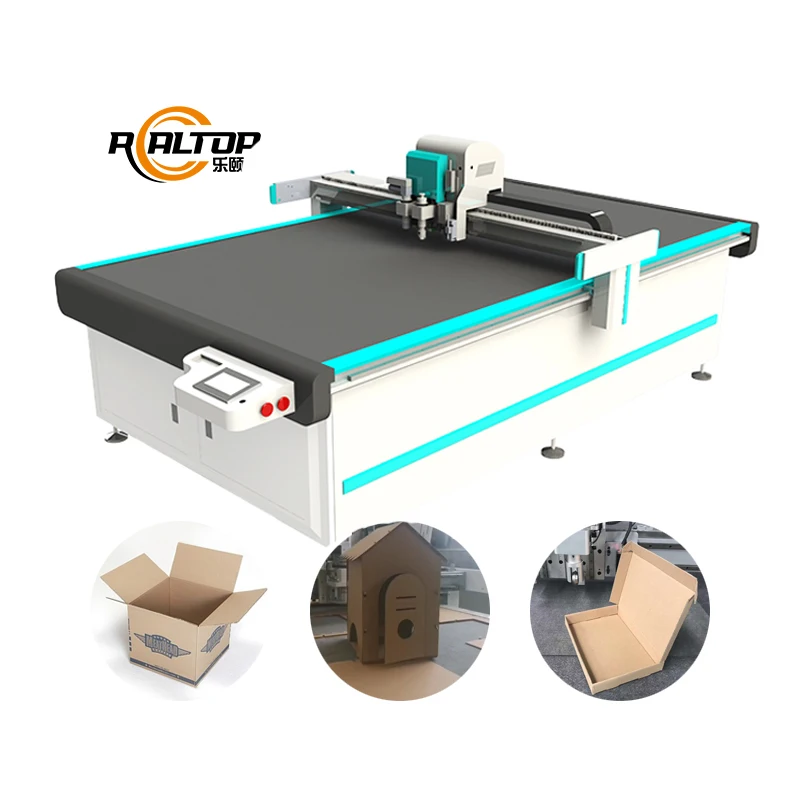
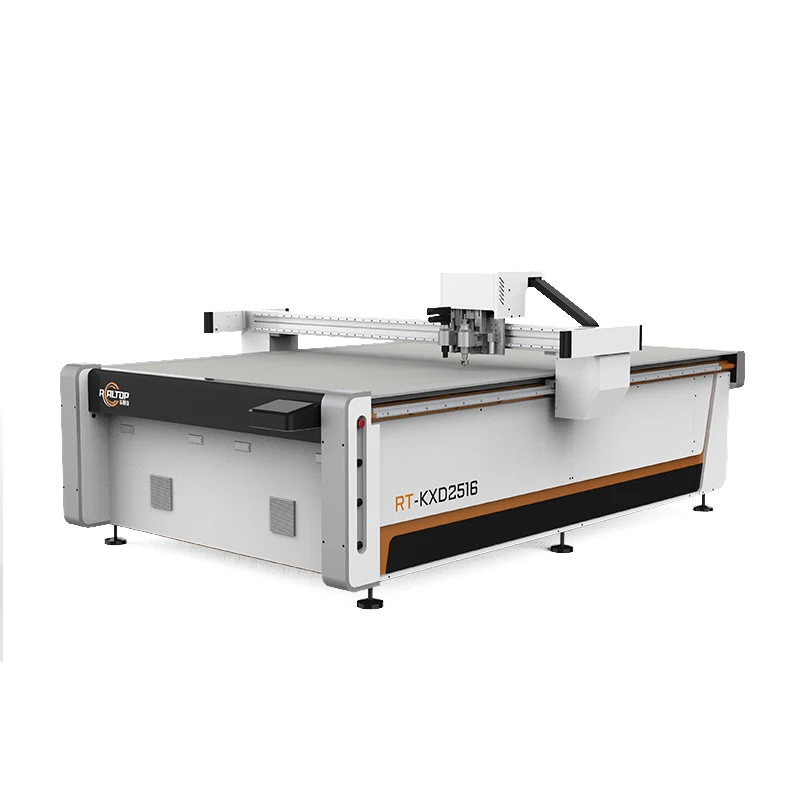
| Working Area | 1600×2500mm |
| Tool Head Options | Oscillating knife, Driven rotary knife, Creasing wheel, Kiss cutting tool, Pneumatic knife, Milling tool, V groove knife |
| Cutting Speed | 0-1500 mm/s |
| Cutting Thickness | ≤ 40mm |
| Cutting Accuracy | ±0.1 mm |
| Vacuum Pump Power | 9 kW |
| Vacuum Table Type | Aluminum bellows vacuum table |
| Voltage Options | 110V, 220V, 380V |
| Servo Drive Options | Panasonic, Delta, Dorna (basis to be confirmed) |
| Control System | PLC control panel with intuitive interface |
| Language Options | English, Russian, Italian, Chinese, custom available |
| Software | Dedicated packaging box structure design software |
| File Format Compatibility | PLT, DXF, AI, PDF |
| Safety Device | Infrared sensor and emergency stop |
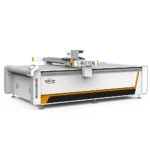
| Machine Dimensions (L×W×H) | 3300×2100×1350 mm |
| Certification | CE |
Application Suitability
| Application | Material or Output |
|---|---|
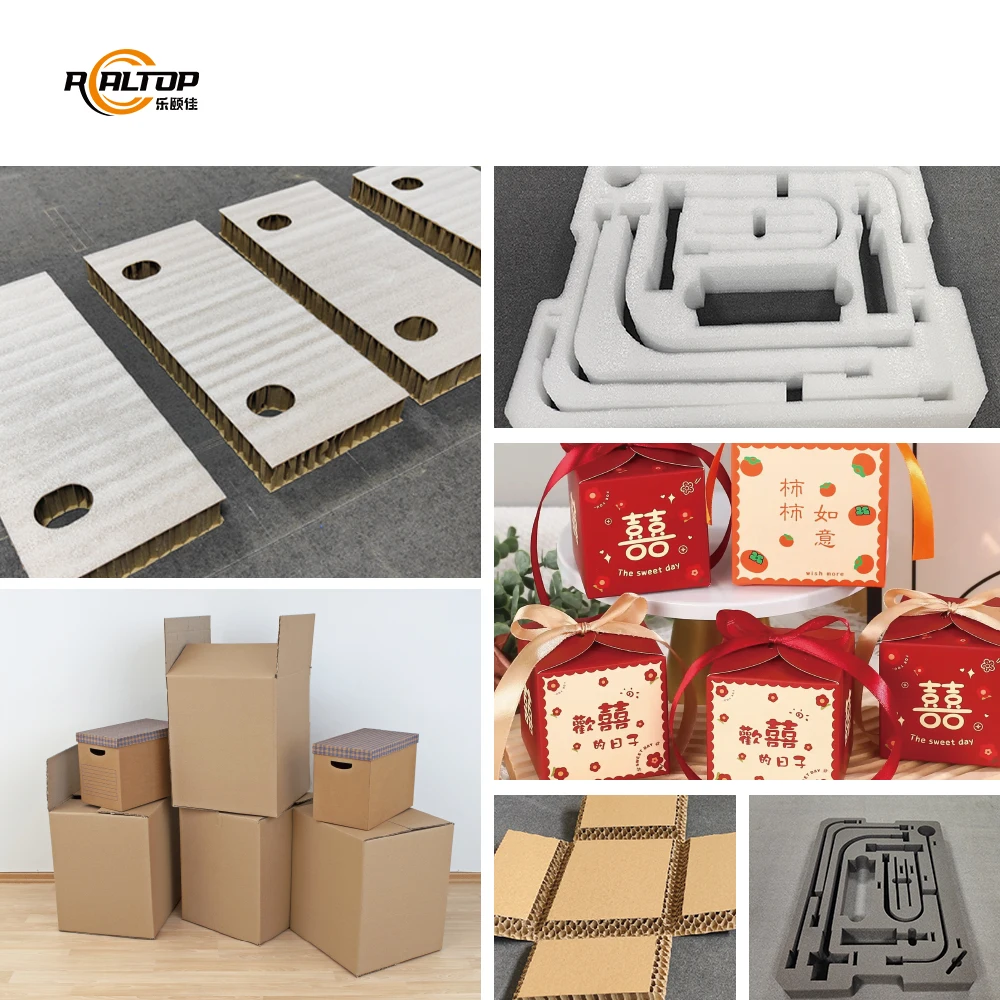
| Packaging sample making and short-run box production | Corrugated cardboard (E-flute, B-flute, BC-flute), greyboard |
| Pizza and cake box short-run manufacturing | Cardstock, art paper, specialty food-grade board |
| Foam packaging insert fabrication | EVA, EPE, PU foam up to 40mm thickness |
| Signage and display cutting | Corrugated board, foam core, thin PVC sheets |
| Small-batch customized packaging | Synthetic leather, non-woven fabric, rubber mats |
Why "Cutting Thickness ≤ 40mm" Doesn’t Tell the Whole Story for Packaging Materials
The actual usable cutting depth depends entirely on material density and the specific tool head selected for the job.
When a buyer sees a flat number like 40mm, it is easy to assume the machine will handle any material up to that depth. In reality, a dense, multi-layer corrugated composite will behave completely differently from a soft PU foam at the same thickness. I recall a European packaging converter who assumed his greyboard settings would transfer directly to a lined corrugated board — the creasing wheel crushed the flute structure instead of folding it, ruining a full production run [NEED_CITE: creasing wheel pressure requirements across different board grades]. Selecting the right CNC Knife Cutting Machine manufacturer means ensuring the tooling is matched to your specific material profile, not just the maximum thickness on a brochure.
Matching Tool Heads to Packaging Material Behaviour
The oscillating knife handles dense corrugated and thick foam where clean vertical cuts are needed, while the driven rotary knife suits thinner cardstock and art paper at higher traverse speeds. The creasing wheel scores fold lines without penetrating the board, and the V groove knife produces precise mitre folds for rigid box construction. Choosing the right head avoids crushed flutes, ragged edges, or incomplete cuts that force secondary finishing.
Vacuum Table Zoning and Small-Part Stability
The aluminum bellows vacuum table holds material flat across the 1600×2500mm bed, which matters when cutting small box blanks or intricate packaging inserts. If the vacuum zones cannot isolate suction to the area under the material, small corrugated pieces lift during high-speed oscillating cuts, producing dimensional errors and wasted board [NEED_CITE: vacuum hold-down requirements for small-format digital cutting]. Proper zoning configuration prevents this without needing mechanical clamps that damage surface-printed stock.
Interpreting Speed, Accuracy and Power for Real Production
The 0-1500 mm/s cutting speed range allows the operator to slow down for thick BC-flute corrugated where the oscillating knife needs more strokes per millimetre, and speed up for thin cardstock kiss cuts. The ±0.1 mm accuracy ensures that scoring lines from the creasing wheel align precisely with cut edges — critical when box panels must fold to exact 90-degree angles. The 9 kW vacuum pump provides the suction force needed to keep large-format corrugated sheets pinned to the aluminum table surface, preventing drift during long cutting paths that span the full 2500mm bed length.
What Happens When the Wrong Tool Head Meets the Wrong Board
A creasing wheel set for 300 GSM cardstock will simply glide over 3mm double-wall corrugated without creating a usable fold line, forcing the operator to run the same sheet twice or accept broken corners on the finished box. Conversely, running an oscillating knife at packaging speed on thin art paper tears the surface rather than cutting it, leaving feathered edges that reject at the gluing station. These mismatches rarely show up in factory demonstrations — they emerge only when the machine meets the buyer’s actual daily material mix [NEED_CITE: tool head selection errors in digital packaging sample making].
Why Sourcing from the Build Source Matters
In-house design and production means the frame, motion components and tool head carriage are engineered together, so the oscillating knife maintains consistent stroke depth across the full 2500mm travel without deflection. Tool head and table configurations are specified against your material samples, not pulled from a generic options list. Voltage, plug type and control language are confirmed against your facility specifications before production begins. Software compatibility — including PLT, DXF, AI and PDF file import — is verified with your existing design workflow before the order is finalized. Sample cutting on your own packaging material is conducted and reported before any commitment to ship.
Documentation & Verification
- Machine specification sheet confirming selected tool heads and vacuum table zoning layout
- Electrical schematic with voltage and frequency locked to your facility supply
- Sample cutting report produced on your submitted packaging material before dispatch
- Software licence and file format compatibility note matching your design workflow
- Operation and maintenance manual in your selected control language
Installation, Commissioning & Support
- Floor space planning based on 3300×2100×1350 mm machine footprint plus material feed clearance
- Dedicated electrical circuit sized to the confirmed voltage option (110V/220V/380V) and 9 kW vacuum pump load
- Assembly and leveling of the aluminum bellows vacuum table on-site to maintain ±0.1 mm cutting accuracy
- Initial parameter tuning of oscillating knife stroke and creasing wheel pressure using your actual packaging board
- Operator training on the PLC control panel in the confirmed display language
- Spare parts list covering oscillating knife blades, creasing wheels and vacuum table seals
Starting the Specification Conversation
Tell us the exact packaging materials you run — board type, flute profile, thickness range and whether surfaces are printed or laminated. Share your typical box dimensions and daily volume so we can configure vacuum zoning and recommend tool head combinations. Confirm your local voltage, frequency and the control language your operators need on the PLC panel.
Frequently Asked Questions
Q: How is the cutting configuration matched to my specific packaging material and thickness?
A: We request a sample of your actual material — including any laminated or printed surfaces — and run trial cuts with different tool head options. The oscillating knife stroke frequency, creasing wheel pressure and cutting speed are then adjusted and documented, so the machine arrives configured for your board grade rather than a generic factory default.
Q: What file formats does the software accept, and is my existing design workflow compatible?
A: The dedicated packaging box structure design software accepts PLT, DXF, AI and PDF files. Before order confirmation, we test import and nesting using a sample file from your current design system to verify that dimensions, crease lines and cut layers transfer correctly without manual re-drawing.
Q: How are voltage, plug type and control language confirmed before shipment?
A: During the specification stage we collect your facility voltage, frequency and plug standard, then produce an electrical schematic for your approval. The PLC control panel language is set to your preference from available options including English, Russian, Italian, Chinese or a custom language, and confirmed on the final documentation package.
Q: Can I send sample material for trial cutting before placing the order?
A: Yes, sending your actual packaging material is a standard step in our process. We cut and crease samples using the proposed tool head configuration, then provide a sample cutting report showing edge quality, crease depth and dimensional accuracy against your drawing before any production commitment is made.
Q: What is included in the documentation package with the machine?
A: The documentation set includes the machine specification sheet, an electrical schematic matching your confirmed voltage, a tool head and table configuration list, a sample cutting report on your material, a CE declaration, factory test records, an operation manual in your language, and a software licence with file format compatibility notes.
You may also like

商品评价
Clear filtersThere are no reviews yet.