


-
 Courier delivery
-
 DHL Courier delivery
-
 Warranty 1 year
-
 Free 30-Day returns

Cutting Method Matched to Material — In-house design team specifies oscillating knife, rotary knife or creasing wheel based on your actual fabric type and layer count, not just working area.
Technical Specifications
| Parameter | Value |
|---|---|
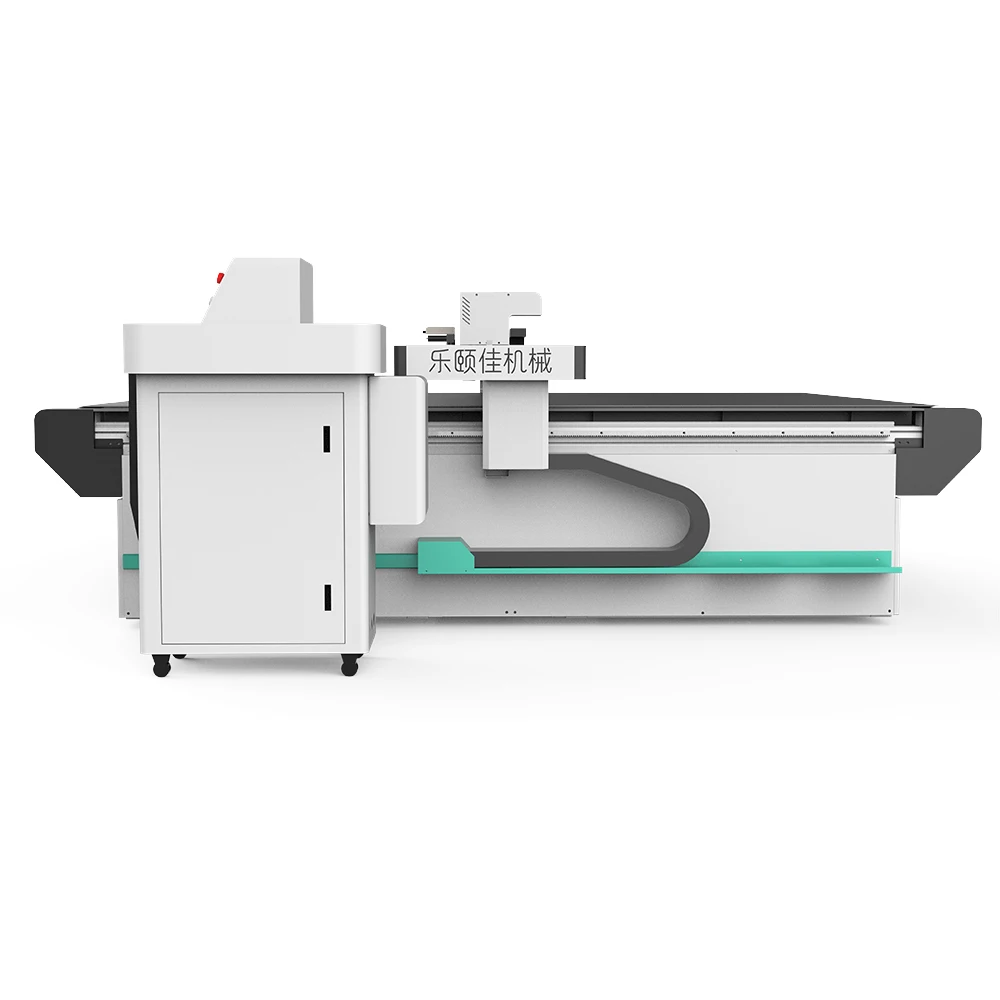
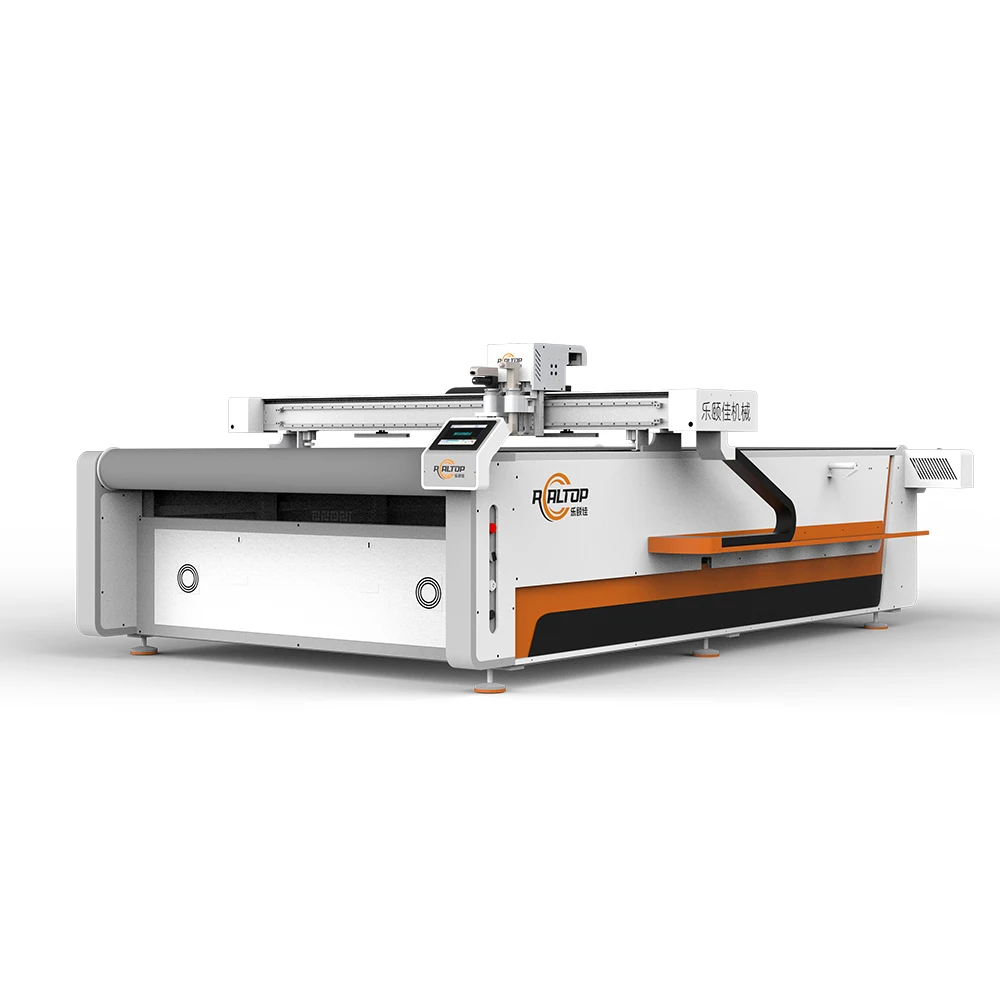
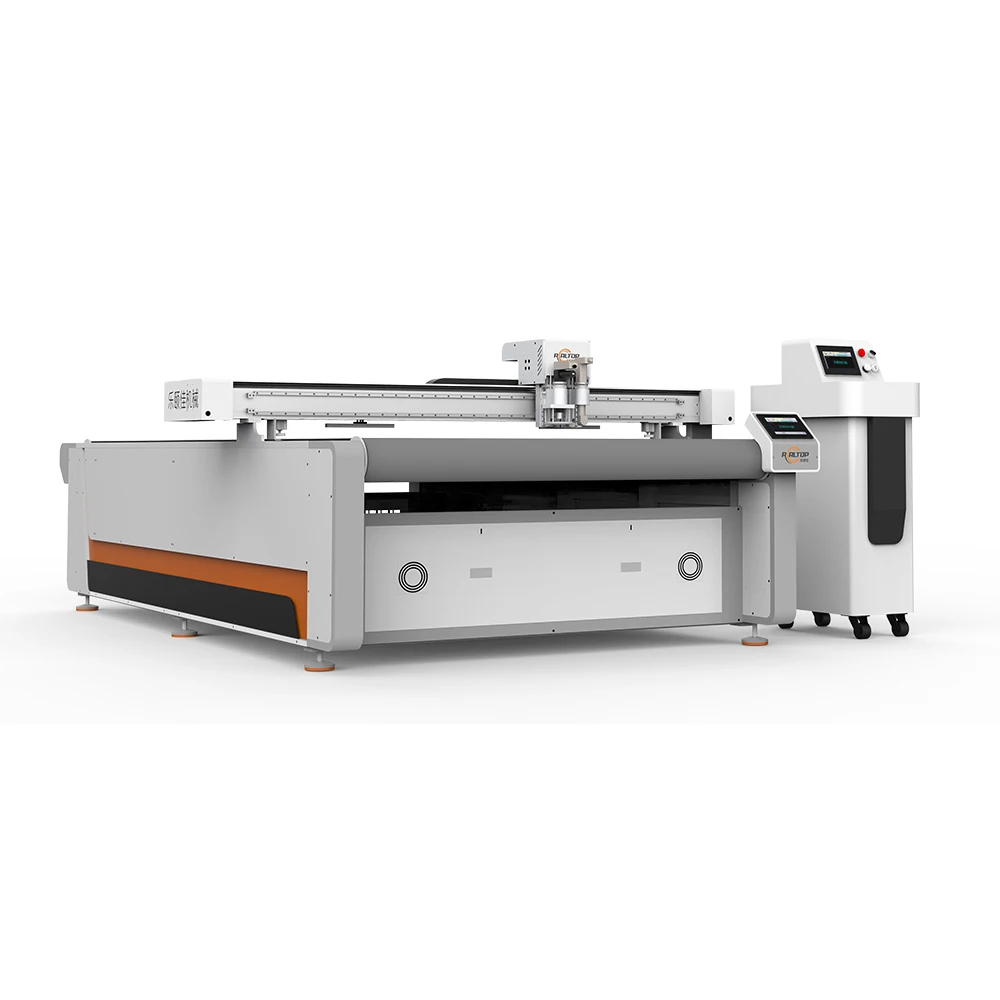
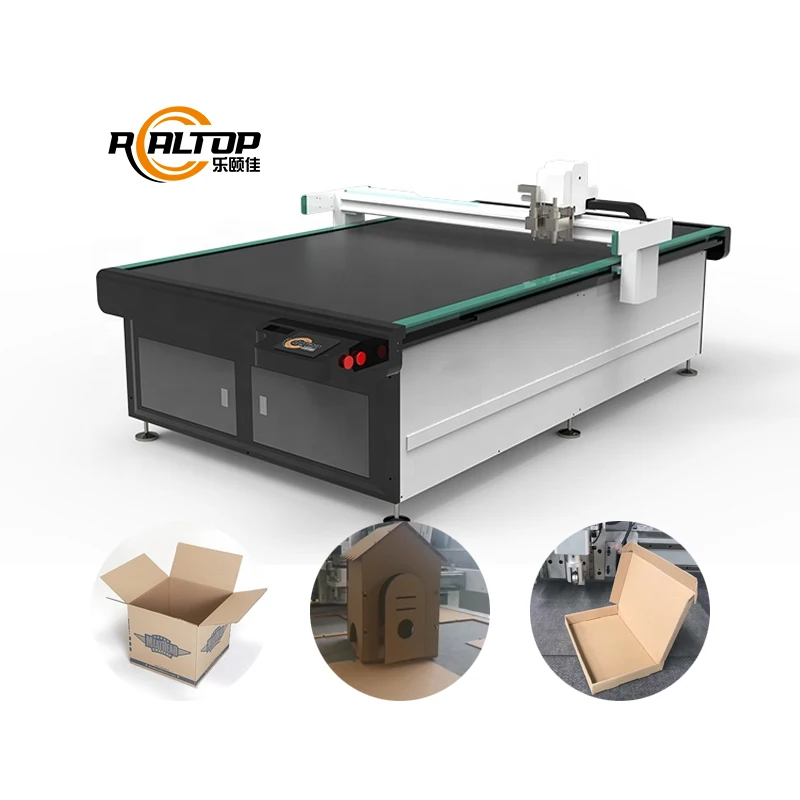
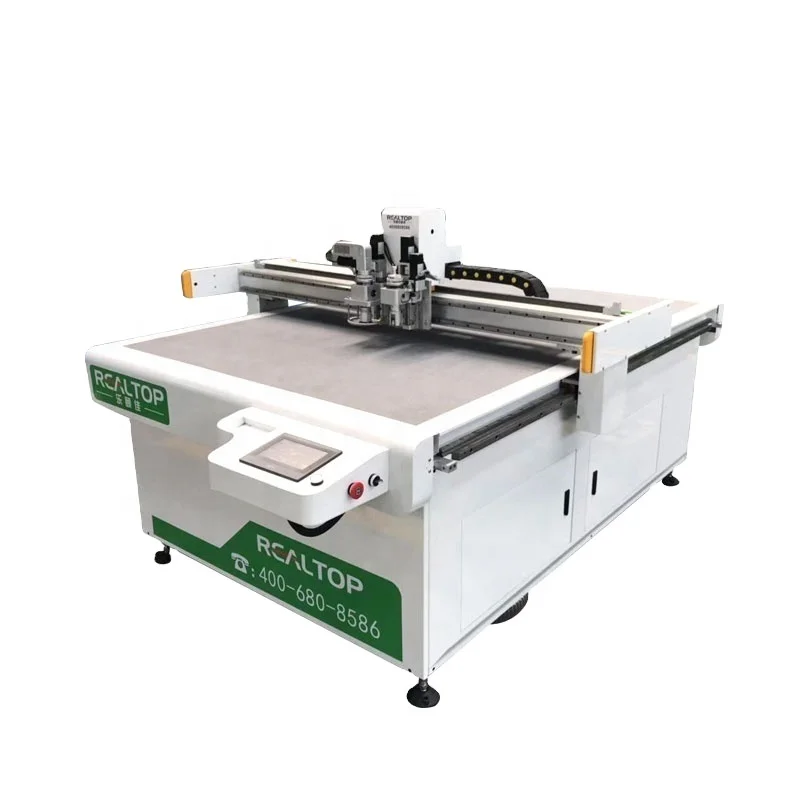
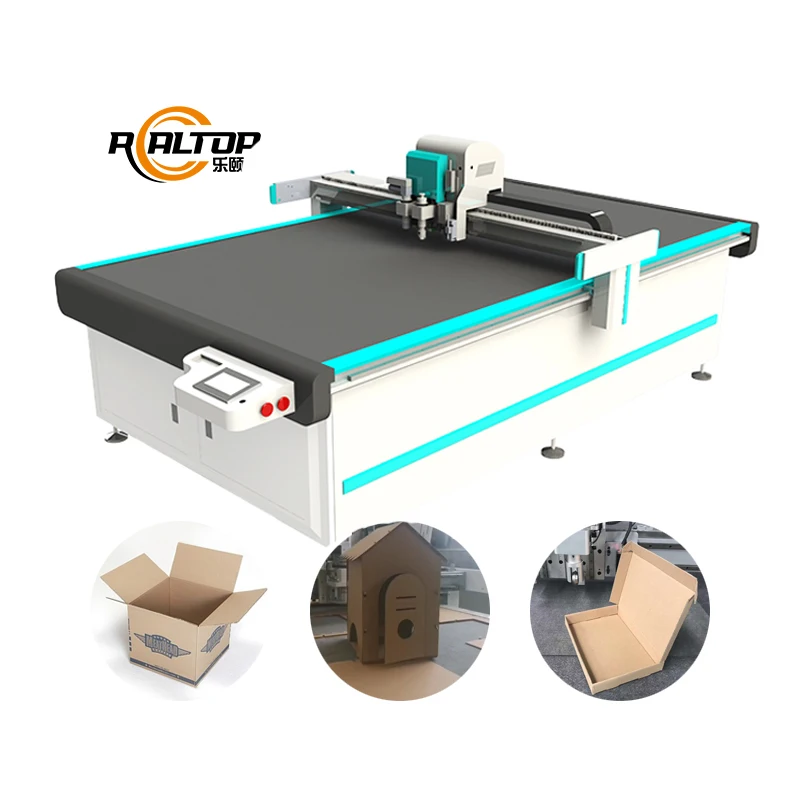
| Product Type | CNC Oscillating Knife Cutting Machine |
| Working Area | 1600×2500 mm |
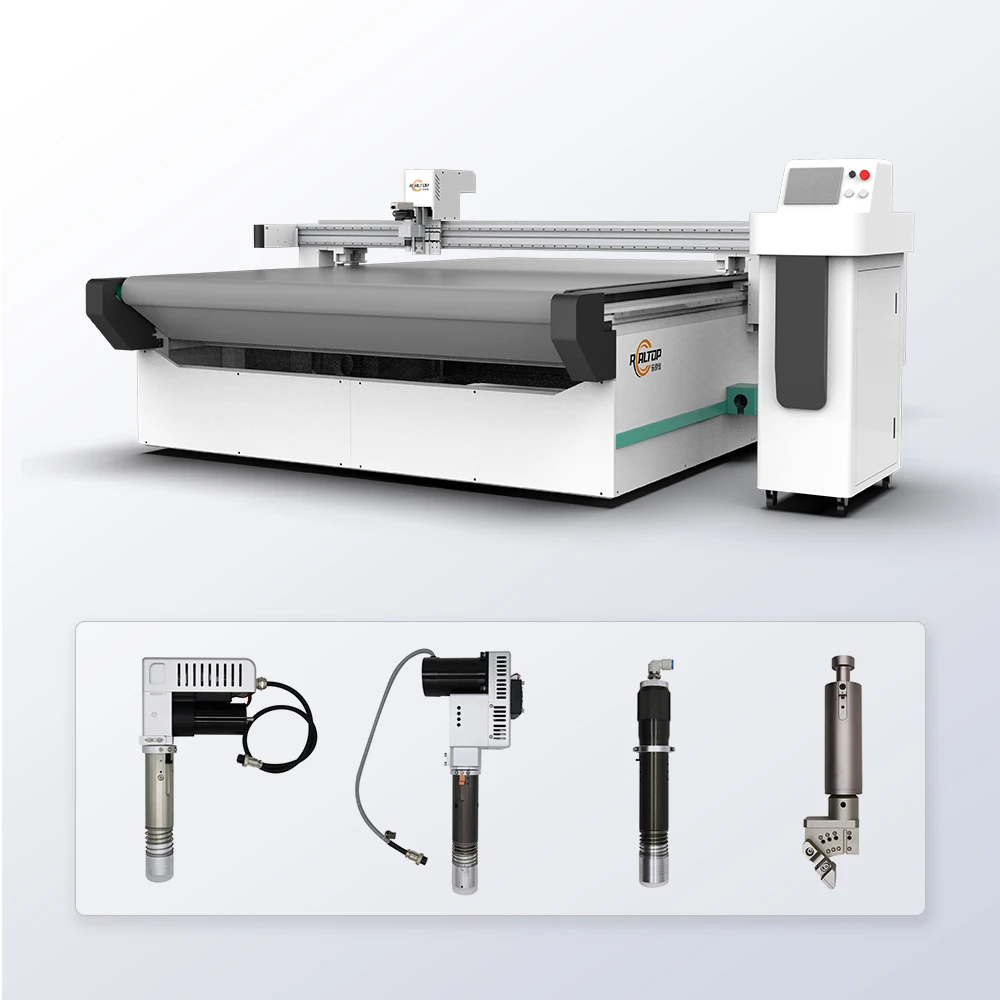
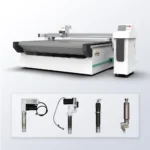
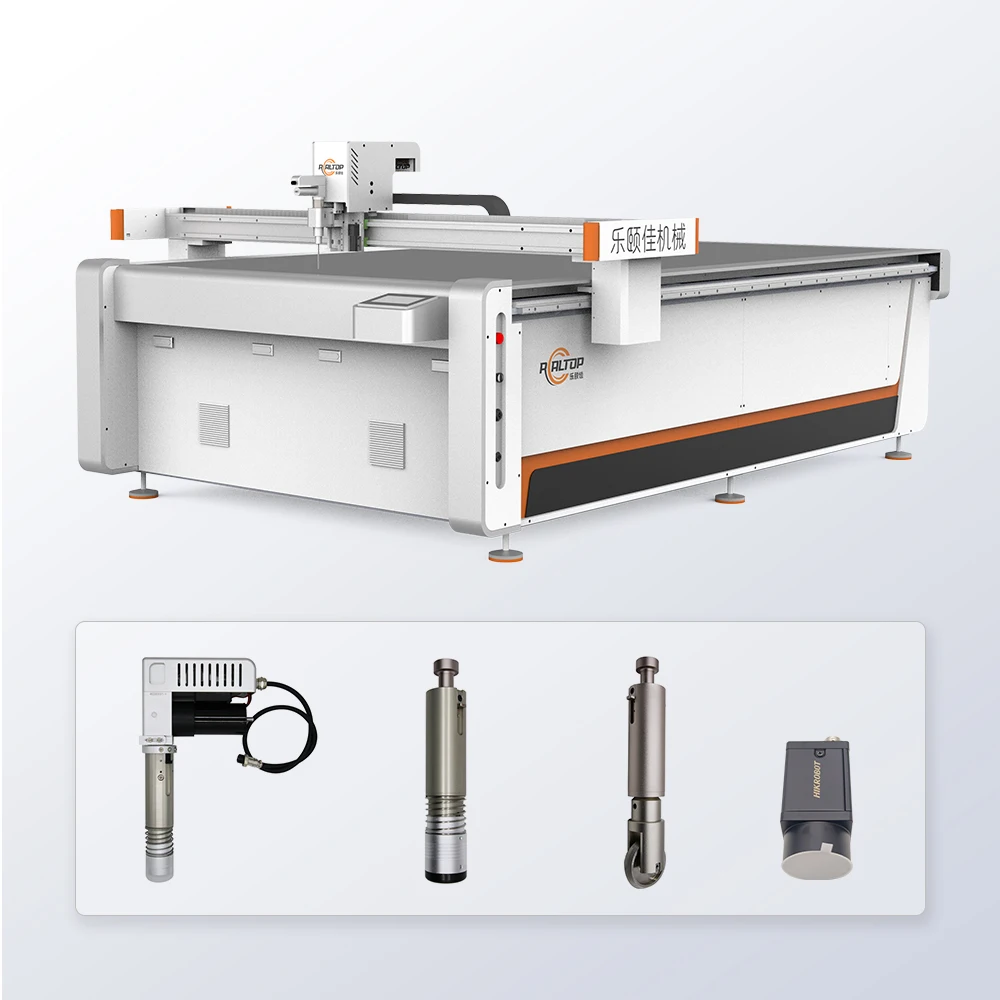
| Tool Head Options | Oscillating knife, Driven rotary knife, Creasing wheel, Kiss cutting tool, Pneumatic knife, Milling tool, V groove knife |
| Cutting Speed | 0–2000 mm/s |
| Cutting Thickness | ≤ 30 mm (basis not stated in source — confirm material type and density) |
| Cutting Accuracy | ±0.1 mm |
| Vacuum Pump | 9 kW |
| Vacuum Table | Aluminum bellows vacuum table |
| Control System | PLC control panel with intuitive interface |
| Servo Motors | Multiple options including Panasonic, Delta, Dorna (source value — verify against manufacturer catalog) |
| Voltage Options | 110V, 220V, 380V (frequency not stated in source) |
| Software Compatibility | PLT, DXF, AI, PDF |
| Safety Devices | Infrared sensor device and emergency stop device |
| Machine Size | 3300×2100×1350 mm |
| Language Options | English, Russian, Italian, Chinese (special languages customizable) |
| Standards | CE |
Application Suitability
| Application | Material or Output |
|---|---|
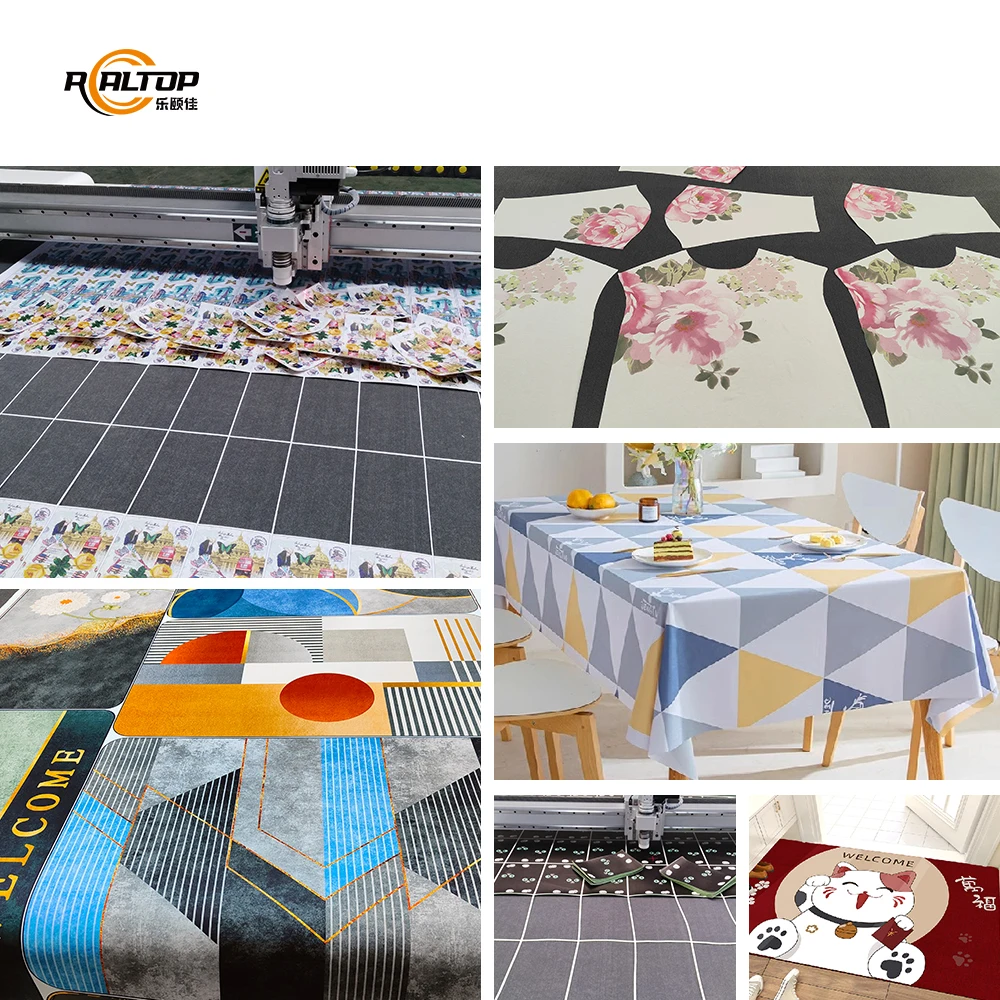
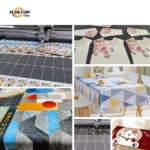
| Apparel manufacturing | Suits, knitwear, lace, complex woven and knitted fabrics |
| Automotive interiors | Seat fabrics, carpets, PVC floor mats |
| Home textiles | Sofa fabrics, curtains, area rugs |
| Composite processing | Carbon fiber prepreg, aramid, specialty reinforcement materials |
Why Voltage Confirmation Must Happen Before the CNC Fabric Cutting Machine Ships
Mismatched voltage and frequency are among the most expensive mistakes on the factory floor.
I remember a textile line in West Africa where the cutter sat in its crate for nearly a month because the local grid ran at a frequency the transformer wasn’t wound for. The production manager had approved the purchase on working area and price alone; nobody had asked about the facility’s incoming supply until the electrician opened the control cabinet. [NEED_CITE: voltage and frequency standards by export market]. When the electrical schematic doesn’t match the workshop supply, you don’t just lose a day — you lose the entire commissioning schedule, and every downstream operation waits on that single machine.
Configurable Tool Heads for Real Fabric Behavior
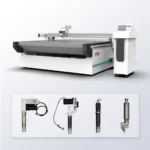
A CNC fabric cutting machine manufacturer that only quotes working area is asking you to guess which tool will handle your material. This system offers seven interchangeable tool heads — from the oscillating knife for multi-layer knits to the driven rotary knife for single-ply synthetics and the creasing wheel for carton sample work. The right head prevents the two most common complaints on the production floor: frayed edges on woven fabrics and crushed foam cores in composite layups.
Vacuum Zoning That Holds Small Pieces at Full Speed
The aluminum bellows vacuum table paired with a 9 kW pump delivers full-surface adsorption across the 1600×2500 mm bed. For small garment pattern pieces or automotive gasket profiles, undivided vacuum zones can let edges lift at 2000 mm/s, ruining the cut and the material underneath. Zoned vacuum control — configured around your typical nest layout — keeps even lightweight lycra and lace pinned flat without requiring a full-bed sacrificial sheet. [NEED_CITE: vacuum table zoning requirements for small-part CNC cutting]
Reading the Specs That Actually Matter
Cutting accuracy of ±0.1 mm matters most when you’re running nested apparel patterns where a millimeter of drift across a multi-layer layup compounds into mismatched panels. The PLC control system with multi-language interface removes the guesswork for operators who don’t read the machine builder’s native language — I’ve seen Italian-language panels in South Asian workshops where the foreman kept a translation sheet taped to the screen. File format compatibility with DXF, PLT, AI and PDF means your existing nesting software feeds directly into the cutter without an intermediate conversion step that could distort curves. Servo motor selection from Panasonic, Delta or Dorna options lets you balance motion precision with local service availability in your region.
The Cost of Choosing the Wrong Tool Head
Specifying a drag knife on a material that needs an oscillating action doesn’t just produce a bad edge — it loads the knife holder unevenly, accelerating wear on the carriage bearings and the Z-axis slide. Over months of production, that wear shows up as inconsistent depth on multi-layer lays, which the operator then tries to fix by increasing downforce, making the problem worse. [NEED_CITE: oscillating knife versus drag knife selection for textile cutting]. Matching the tool head to the material before the order is placed avoids this entire cycle of degradation.
Why Buyers Source This CNC Fabric Cutting Machine Here
In-house design covers both knife and laser cutting platforms, so a buyer working with mixed materials — fabric today, acrylic templates tomorrow — can consolidate on one supplier rather than manage two unrelated machines. Tool head and vacuum table configurations are specified per material and production volume before the quotation is finalized, not selected from a generic dropdown. CCD camera positioning for printed contour work is available where your fabric carries registration marks for stripe or pattern matching. Sample cutting on your own material runs before order confirmation, producing a report that documents edge quality, achievable speed and cutting depth on your specific layup. Electrical schematics are reviewed and voltage is locked in before the machine enters final assembly, so the control cabinet matches your facility from day one.
Documentation & Verification
- Machine specification sheet listing selected tool heads and vacuum zone layout for your material
- Electrical schematic with voltage, frequency and plug type confirmed against your facility supply
- Sample cutting report on your actual fabric showing edge quality and achievable cutting speed
- Tool head and table configuration list specifying each component by your material type and thickness
- Software licence and file format compatibility note confirming your nesting workflow is supported
- Operation and maintenance manual in your selected control language
Installation, Commissioning & Support
- Foundation must support the 3300×2100×1350 mm footprint and dynamic loads at full cutting speed
- Dedicated circuit required matching confirmed voltage option (110V, 220V or 380V) and frequency
- Machine ships with vacuum table and gantry separated; reassembly requires overhead clearance above 1350 mm
- First-run commissioning includes vacuum zone calibration and tool head offset setting for your materials
- Operator training covers PLC panel navigation, tool change procedure and nesting file import workflow
- Spare parts list specifies consumables for your selected tool heads including knife blades and creasing wheels
What We Need From You to Build the Right Configuration
Send us your primary fabric types, typical layup thickness and the largest single pattern piece you run. Include your facility’s incoming voltage and frequency, along with the control language your operators need on the PLC panel. If you have an existing nesting workflow, share a sample DXF or PLT file so we can confirm import compatibility and run a sample cut on your actual material before we finalize the tool head and vacuum zone layout.
Frequently Asked Questions
Q: How is cutting thickness verified for my specific fabric type and layer count?
A: We run sample cuts on your actual material at the layer count you specify. The sample cutting report documents edge quality, achievable speed and maximum clean depth. The stated ≤ 30 mm figure depends on material density, so your test result defines the working envelope for your production configuration, not a generic catalog value.
Q: Which tool head is recommended for my material — and how is that determined?
A: We review your material type, thickness and edge quality requirement before recommending from the seven available heads. Oscillating knife suits multi-layer knits; driven rotary knife handles single-ply synthetics; creasing wheel scores carton stock. The selection is locked into the configuration list before order, not left for commissioning.
Q: What voltage, plug type and control language are confirmed before shipment?
A: Your facility voltage, frequency and plug standard are confirmed against the electrical schematic during specification review. The PLC panel language is set to your requirement — English, Russian, Italian, Chinese or a customized option. Both are documented and signed off before the control cabinet is closed.
Q: Can your software import my existing DXF or PLT nesting files without rework?
A: The control system accepts PLT, DXF, AI and PDF profile formats directly. Before order confirmation, we test your sample nesting file through the full import and cut path generation workflow. A compatibility note documents any adjustments needed, so there are no surprises when your operator loads the first production file.
Q: Do you run sample cuts on my actual material, and what does the test report include?
A: Yes. You send your fabric or composite layup, and we cut it on a configured machine. The report covers edge quality at production speed, achievable cutting depth, vacuum holding performance on your piece sizes, and recommended tool head. This report ships with your quotation so you can evaluate real results before committing.
You may also like

商品评价
Clear filtersThere are no reviews yet.