


-
 Courier delivery
-
 DHL Courier delivery
-
 Warranty 1 year
-
 Free 30-Day returns

Factory-Built Configuration — Tool heads, vacuum zoning and feeding systems are matched to your material in our assembly hall, not selected from a generic catalog.
Technical Specifications
| Parameter | Value |
|---|---|
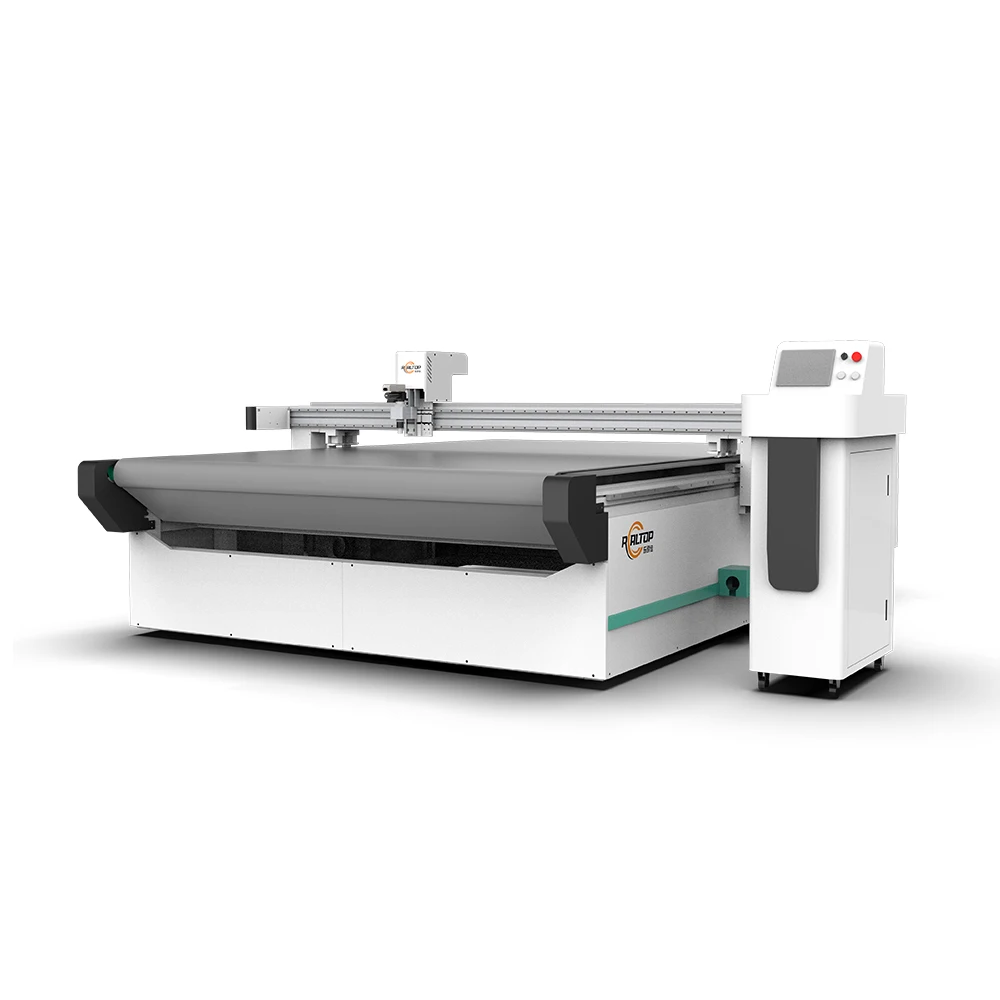
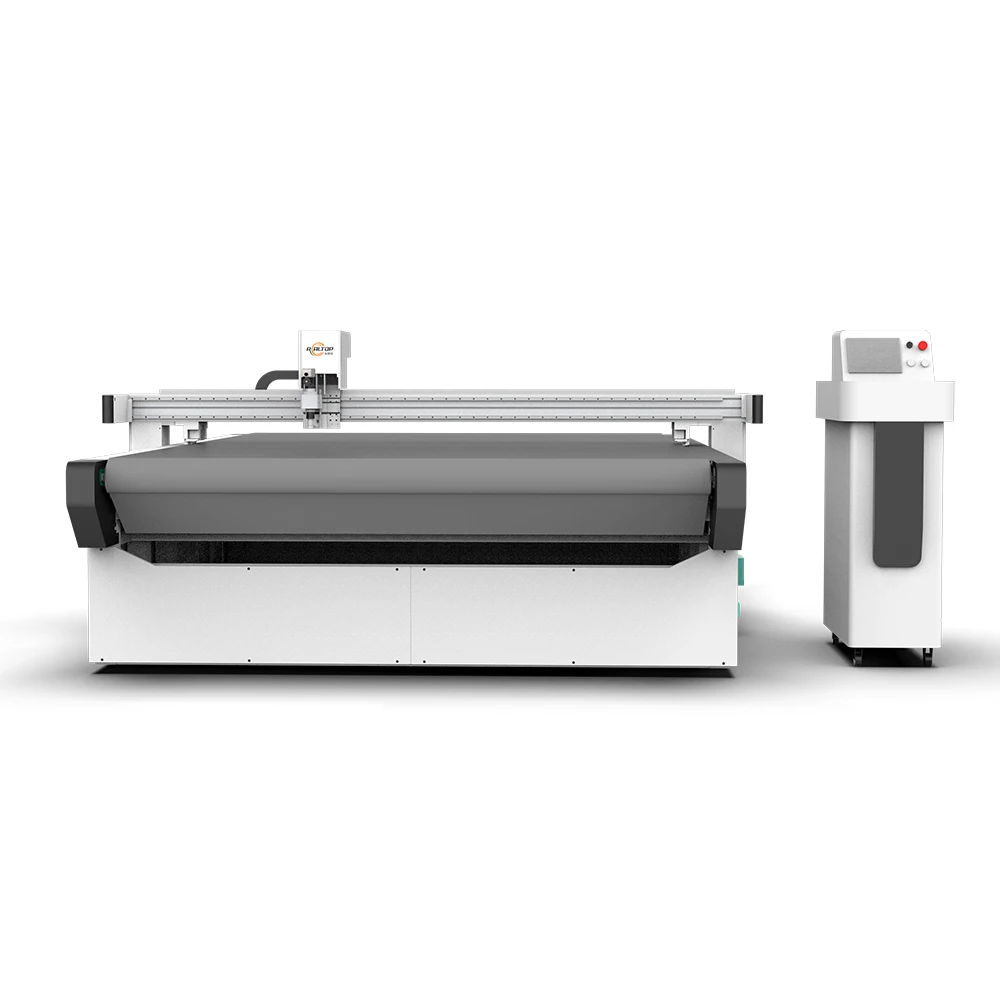
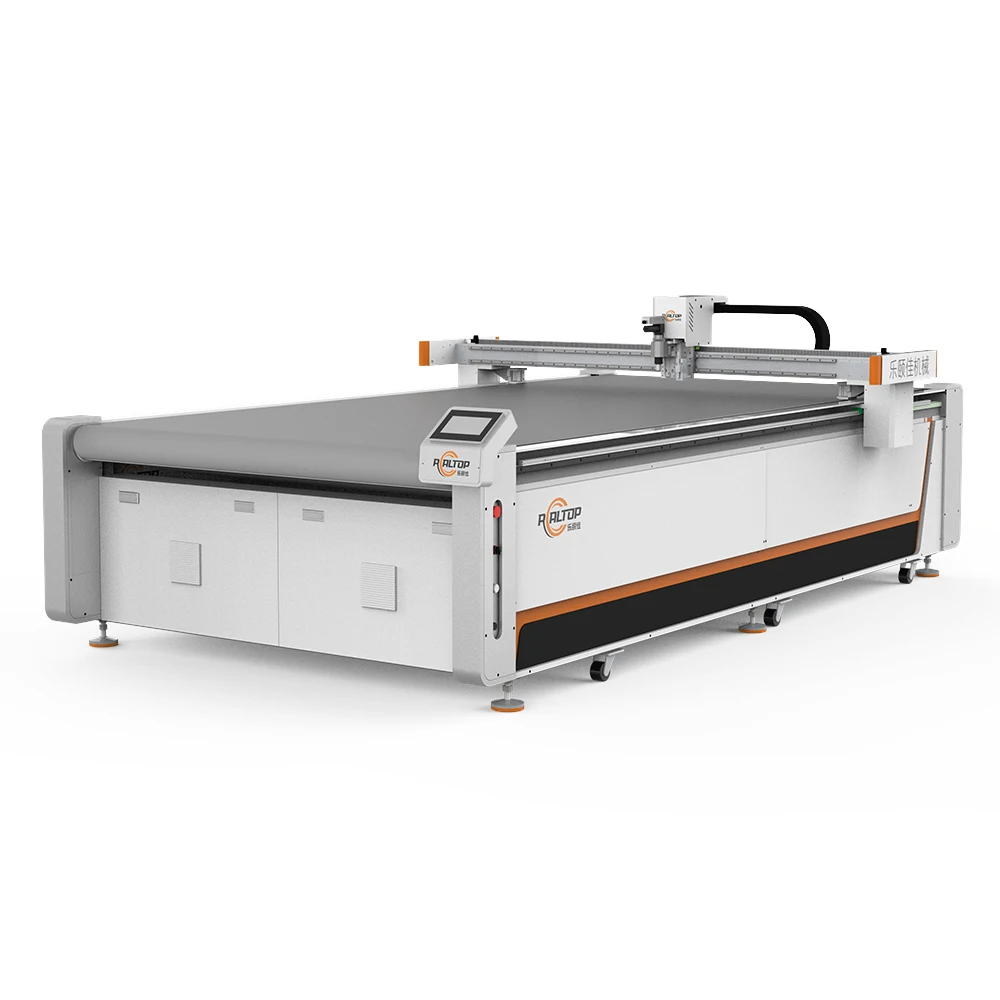
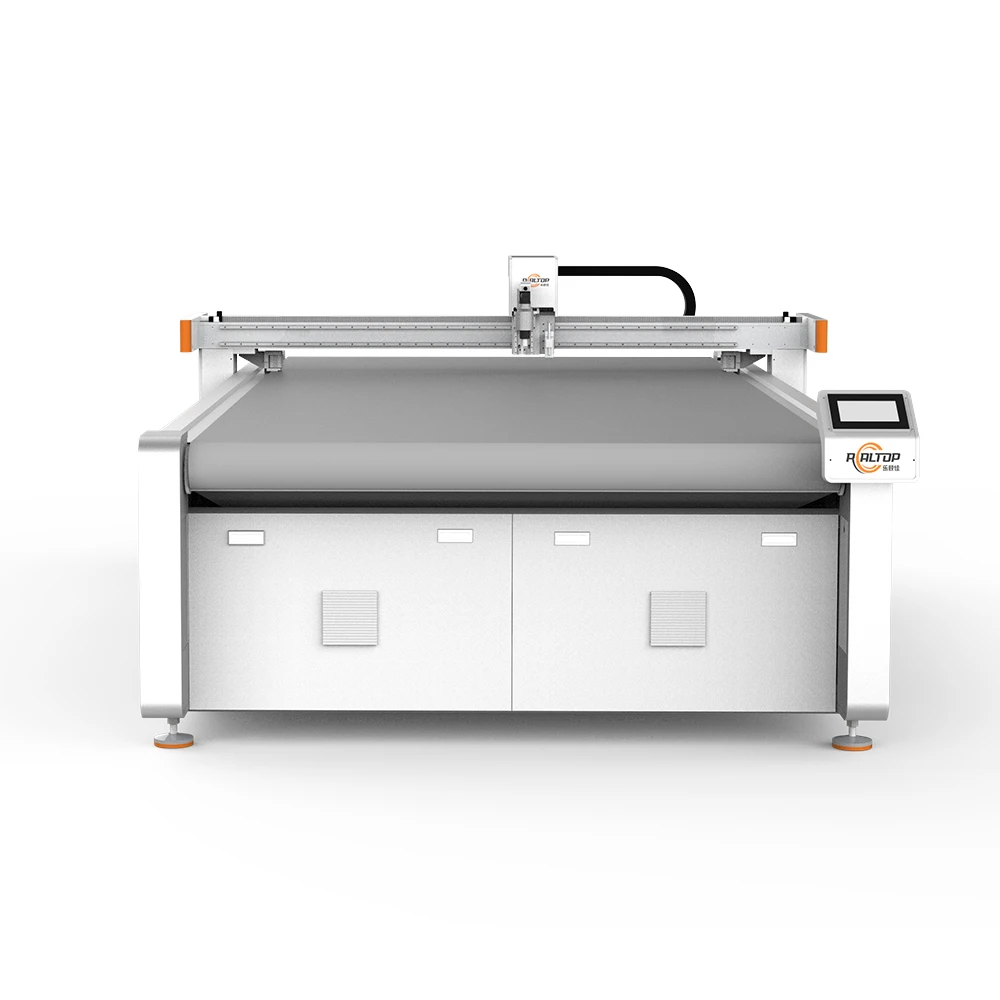
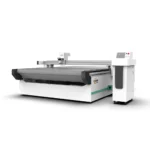
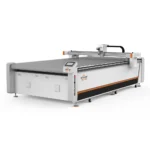
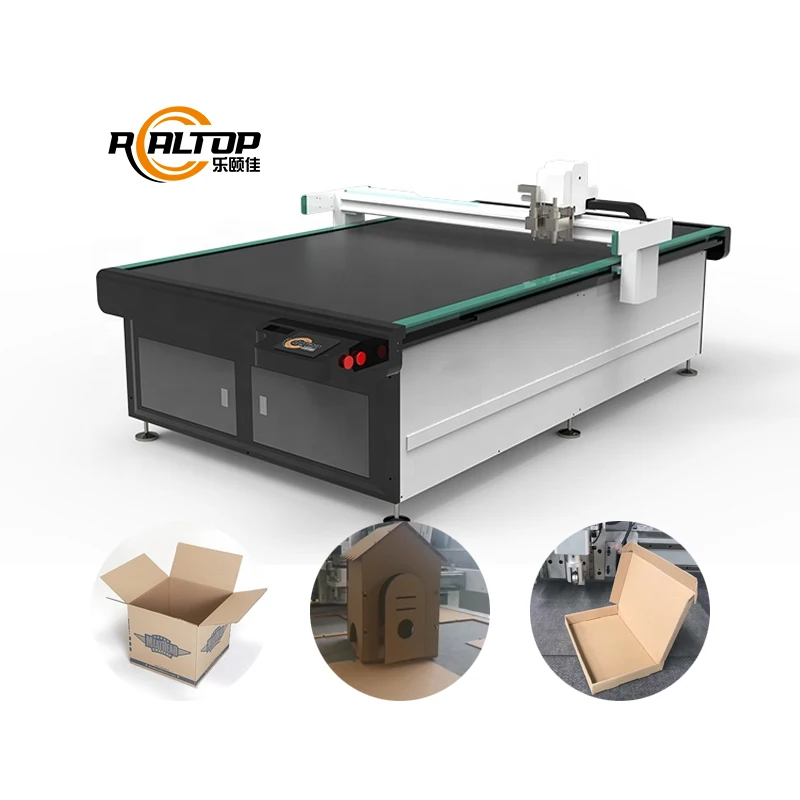
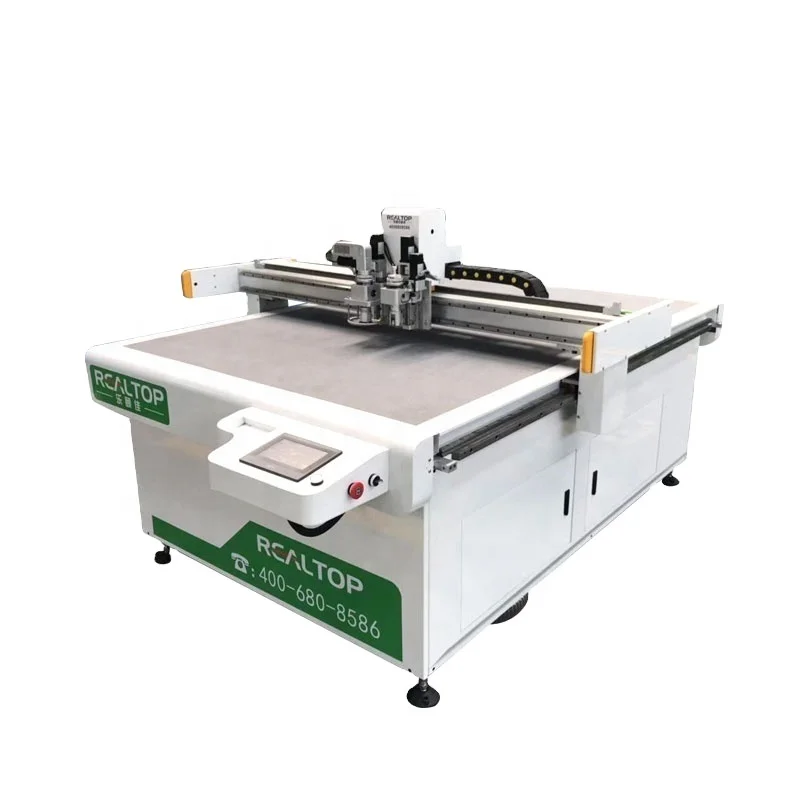
| Product Type | CNC Oscillating Knife Cutting Machine with Auto Feeding |
| Working Area | 1600×2500 mm |
| Cutting Speed | 0–2000 mm/s |
| Cutting Thickness | Up to 30 mm (basis to be confirmed by material and layer count) |
| Cutting Accuracy | ±0.1 mm |
| Repeat Positioning Accuracy | ±0.1 mm |
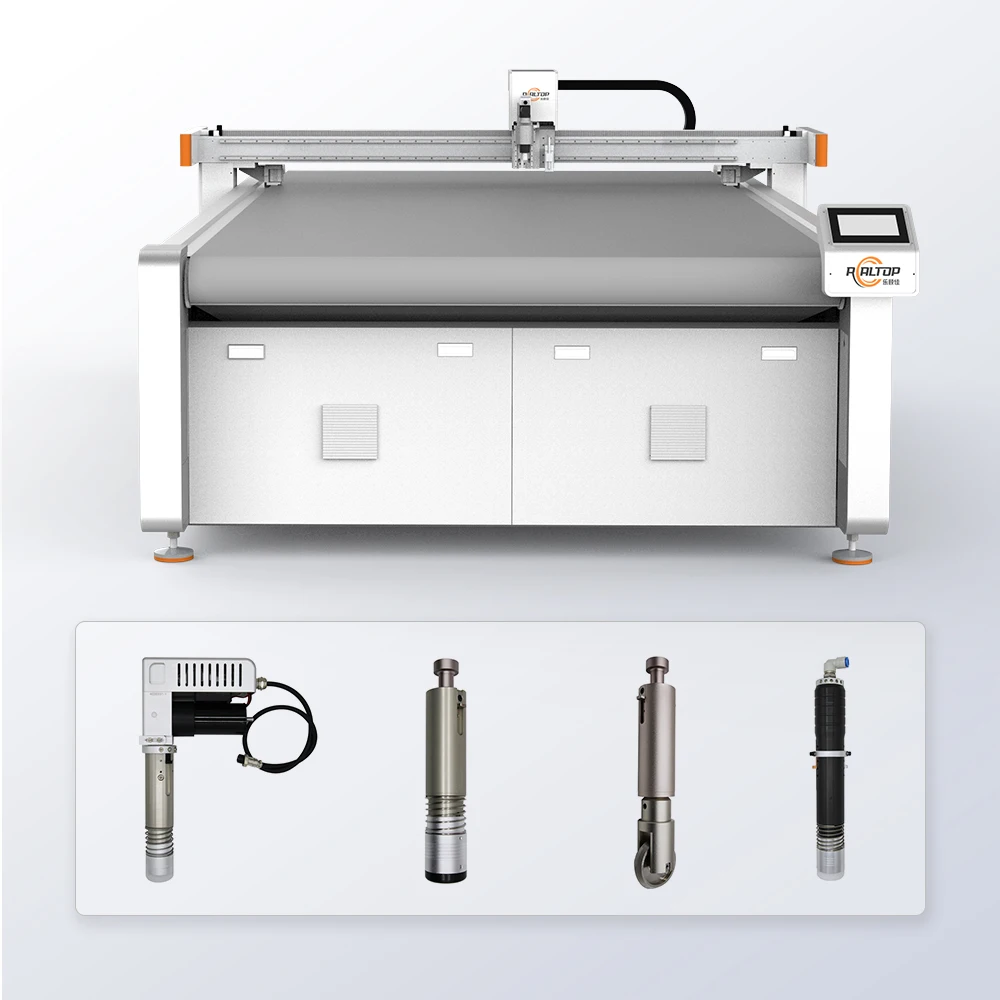
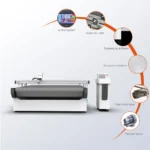
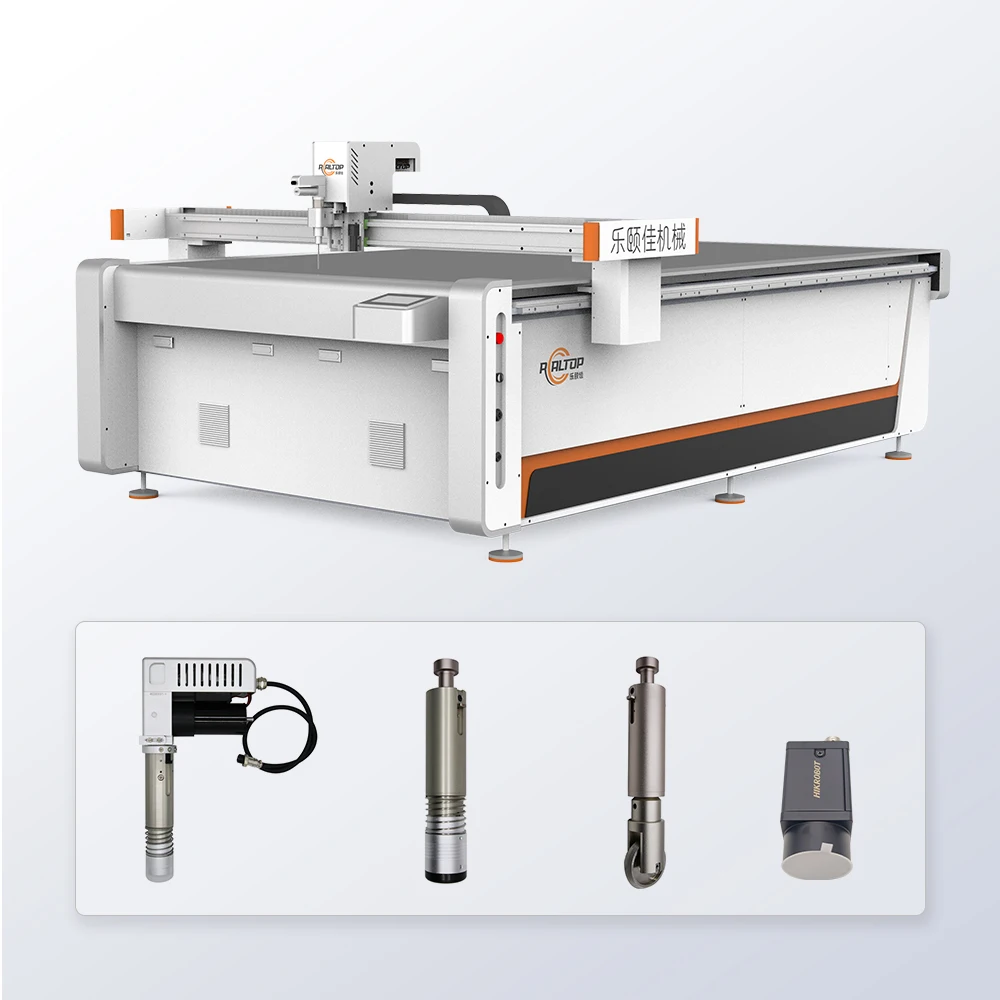
| Tool Head Options | Oscillating knife, Driven rotary knife, Creasing wheel, Kiss cutting tool, Pneumatic knife, Milling tool, V groove knife |
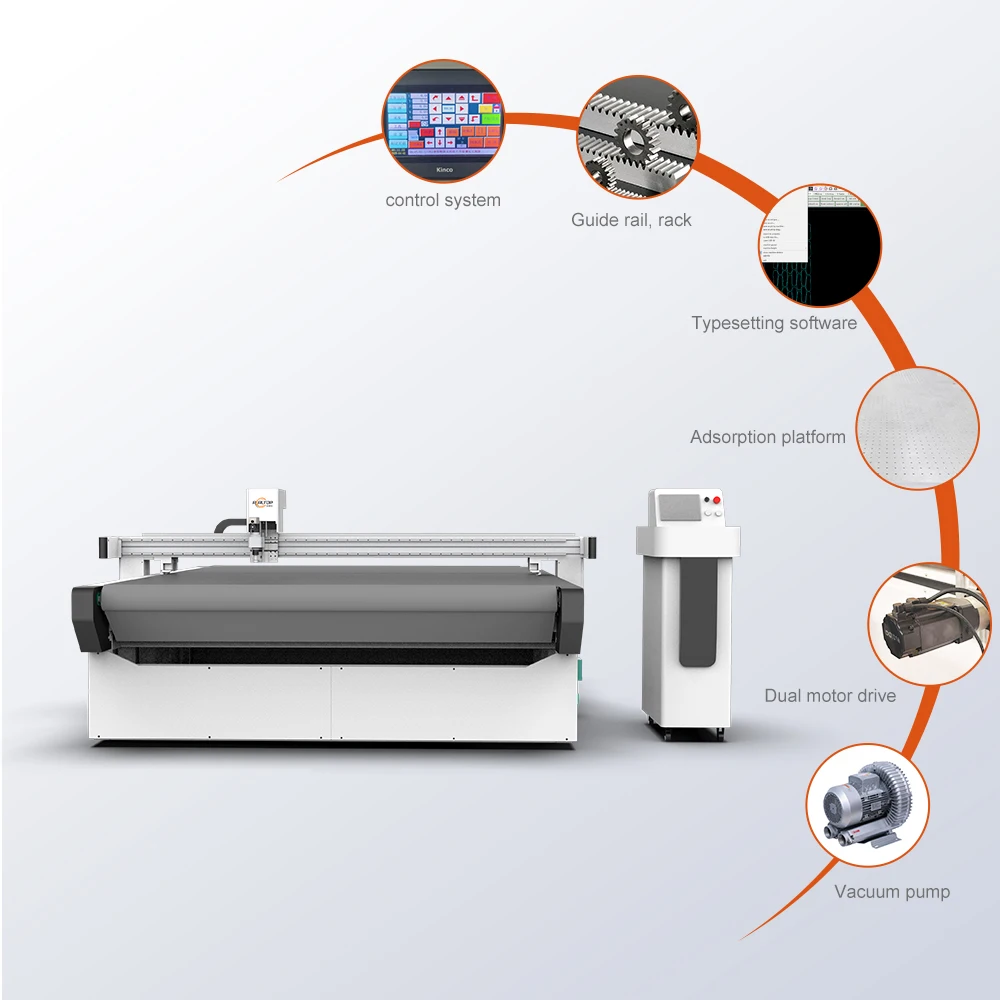
| Vacuum Pump | 9 kW |
| Vacuum Table | Aluminum bellows vacuum table |
| Servo Motor Options | Panasonic, Delta, Dorna |
| Control System | PLC control panel |
| Voltage Options | 110V, 220V, 380V |
| File Format Support | PLT, DXF, AI, PDF |
| Machine Dimensions (L×W×H) | 3300×2100×1350 mm |
Application Suitability
| Application | Material or Output |
|---|---|
| Apparel Manufacturing | Suits, knitwear, lace, complex pattern-matching fabrics |
| Automotive Interiors | Seat fabrics, carpets, PVC mats |
| Home Textiles | Sofa fabrics, curtains, rugs |
| Composite Processing | Carbon fiber prepreg, aramid, specialty layered materials |
Why Cutting Depth Specs Fail on the Factory Floor
Stated thickness limits mean nothing without testing your exact material stack under production conditions.
Buyers often receive a CNC Oscillating Knife Cutting Machine manufacturer quote based purely on working area dimensions. Once installed, the machine struggles to penetrate coated or layered textiles at full speed, causing frayed edges and material lift. [NEED_CITE: common causes of cutting quality degradation in flexible materials] Without prior sample validation, production managers are forced to slow down the cutting speed, drastically affecting throughput expectations.
Matching Tool Heads to Material Behavior
Selecting the correct tool head is the first critical step in our assembly process. An oscillating knife handles dense, multi-layer woven fabrics cleanly, while a driven rotary knife is specified for single-ply knits or materials prone to fraying. Our design team configures the spindle and tool holder on the factory floor based on sample cutting results, ensuring edge quality before the CNC Oscillating Knife Cutting Machine is ever crated for shipment.
Vacuum Hold-Down and Zoning Logic
Flexible materials shift easily under high-speed tool movement. We build the aluminum bellows vacuum table with a 9 kW pump to ensure full-surface adsorption across the 1600×2500 mm area. For small, intricate pattern pieces typical in apparel and automotive interior production, specific vacuum zones are isolated to maintain strong hold-down without pulling air through uncovered areas. [NEED_CITE: vacuum table zoning principles for small part retention]
Precision Motion and Drive Selection
The choice between Panasonic, Delta, or Dorna servo motors dictates how the machine handles rapid directional changes during intricate contour cutting. We assemble the drive system to maintain ±0.1 mm cutting accuracy and repeat positioning accuracy. The PLC control panel processes complex nesting files imported from DXF, PLT, AI, or PDF formats, translating software paths into precise physical movements without lag or deviation.
The Cost of Skipping Factory Validation
When configuration is guessed rather than tested, the consequences appear during the first production shift. A standard oscillating knife might crush layered foam instead of cutting it, or a weak vacuum zone might allow coated canvas to lift, ruining the entire batch. These are not software issues; they are mechanical mismatches that require physical re-engineering on-site. [NEED_CITE: mechanical retrofitting costs for misconfigured CNC cutting systems]
Why Production Managers Source Our Builds
Our in-house design and production cover both the mechanical frame and the software integration, preventing communication gaps between separate builders. We configure tool heads and table zoning specifically for your documented production volume. Electrical schematics and voltage configurations—whether 110V, 220V, or 380V—are locked in before assembly begins. Every unit undergoes factory testing with the buyer’s material, resulting in a verified sample cutting report rather than a theoretical promise.
Documentation & Verification
- Machine specification sheet detailing the exact tool head and vacuum table configuration for your application.
- Electrical schematic and voltage confirmation matching your facility’s power grid requirements.
- Sample cutting report performed on your specific fabric or composite material before dispatch.
- Factory test record documenting motion accuracy and vacuum hold-down performance.
- Software licence and file format compatibility note confirming integration with your existing nesting workflow.
Installation, Commissioning & Support
- Foundation must be level to accommodate the 3300×2100×1350 mm footprint and high-speed motion.
- Dedicated circuit required to support the 9 kW vacuum pump and servo drives without voltage drop.
- Assembly team verifies belt tension and aluminum bellows table sealing upon arrival.
- Initial PLC calibration focuses on your specific cutting speed and tool head depth parameters.
- Operator training covers intelligent nesting system use and tool head replacement procedures.
- Spare parts list provided for oscillating knife blades and vacuum table seals.
Preparing Your Technical Inquiry
To specify the correct mechanical configuration, we need the exact material composition, maximum thickness, and sheet dimensions you process daily. Please specify your local industrial voltage and frequency, along with the preferred PLC interface language. If you require sample cutting validation, provide physical material rolls so we can test knife penetration and vacuum hold-down in our factory.
Frequently Asked Questions
Q: How is the cutting thickness verified for my specific multi-layer fabric?
A: We conduct physical sample cutting using your exact material rolls in our factory. This test determines the optimal tool head, blade type, and cutting speed required to penetrate the full thickness without crushing the layers or fraying the edges. The results are documented in a sample cutting report before the machine configuration is finalized for production.
Q: Which tool head is recommended for cutting automotive seat fabrics and carpets?
A: For dense, woven automotive carpets, a heavy-duty oscillating knife is typically configured to slice through the thick backing cleanly. For lighter seat fabrics or materials prone to unraveling, a driven rotary knife or kiss cutting tool may be selected. The final decision is made after testing your specific material samples on our assembly floor.
Q: How does the vacuum table handle small apparel pattern pieces without material lift?
A: The aluminum bellows vacuum table is divided into multiple zones. The PLC control system isolates suction to the specific zones covered by the material, preventing air loss in uncovered areas. This maintains strong, localized hold-down pressure, keeping small pattern pieces flat and secure during high-speed oscillating knife cutting.
Q: Can the intelligent nesting software integrate with my existing DXF or AI pattern files?
A: Yes, the dedicated software supports direct import of PLT, DXF, AI, and PDF formats. Before shipment, we verify file format compatibility and test the nesting workflow using your actual production patterns to ensure seamless data transfer and accurate material yield calculations without requiring third-party conversion tools.
You may also like

商品评价
Clear filtersThere are no reviews yet.