



-
 Courier delivery
-
 DHL Courier delivery
-
 Warranty 1 year
-
 Free 30-Day returns

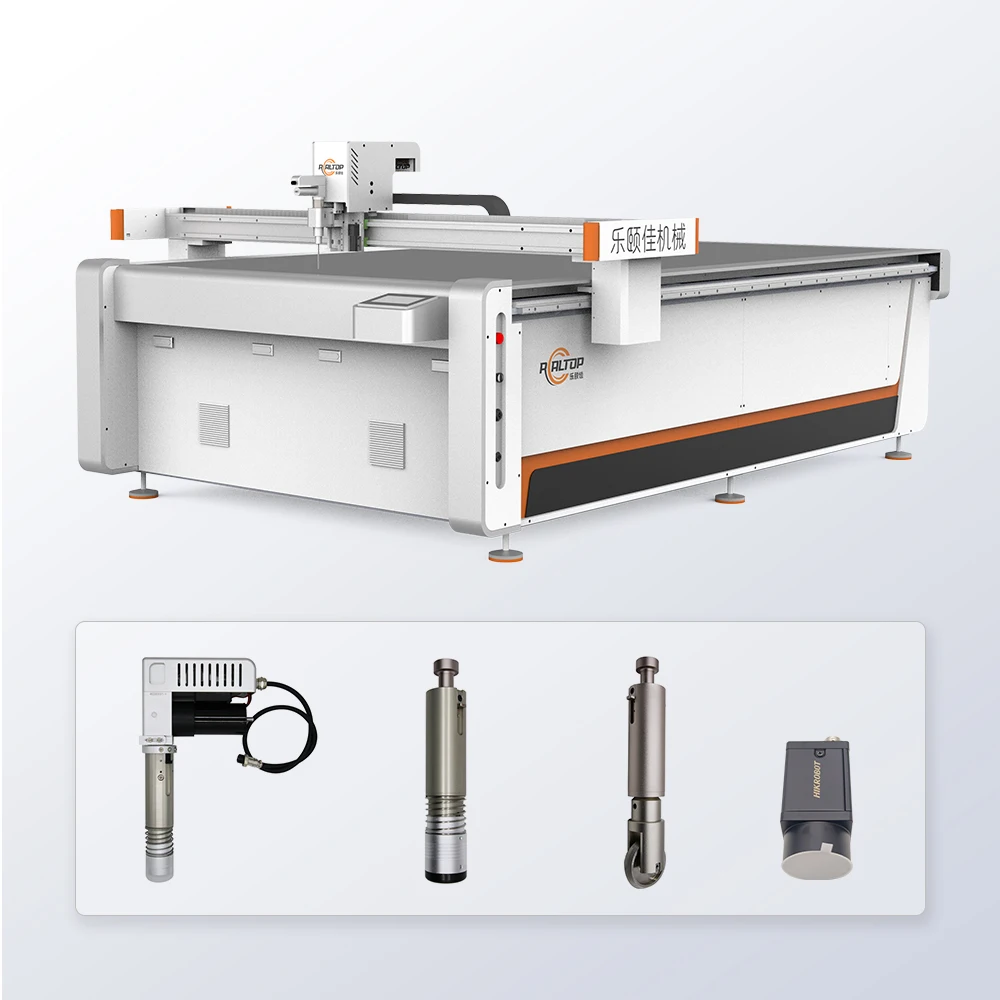
Precision tool-head specification — every REALTOP CNC flatbed cutter is configured after we test your actual material on our floor, not picked from a catalog page.
Technical Specifications
| Parameter | Value |
|---|---|
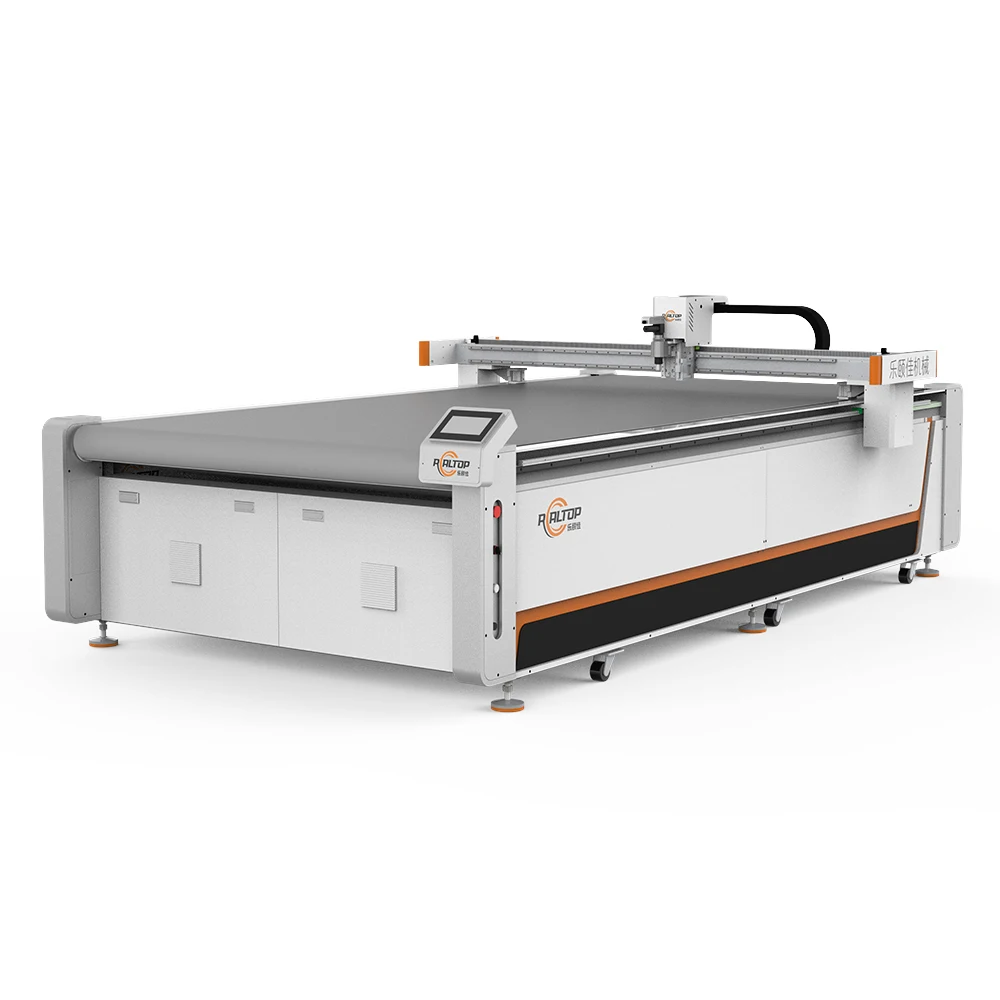
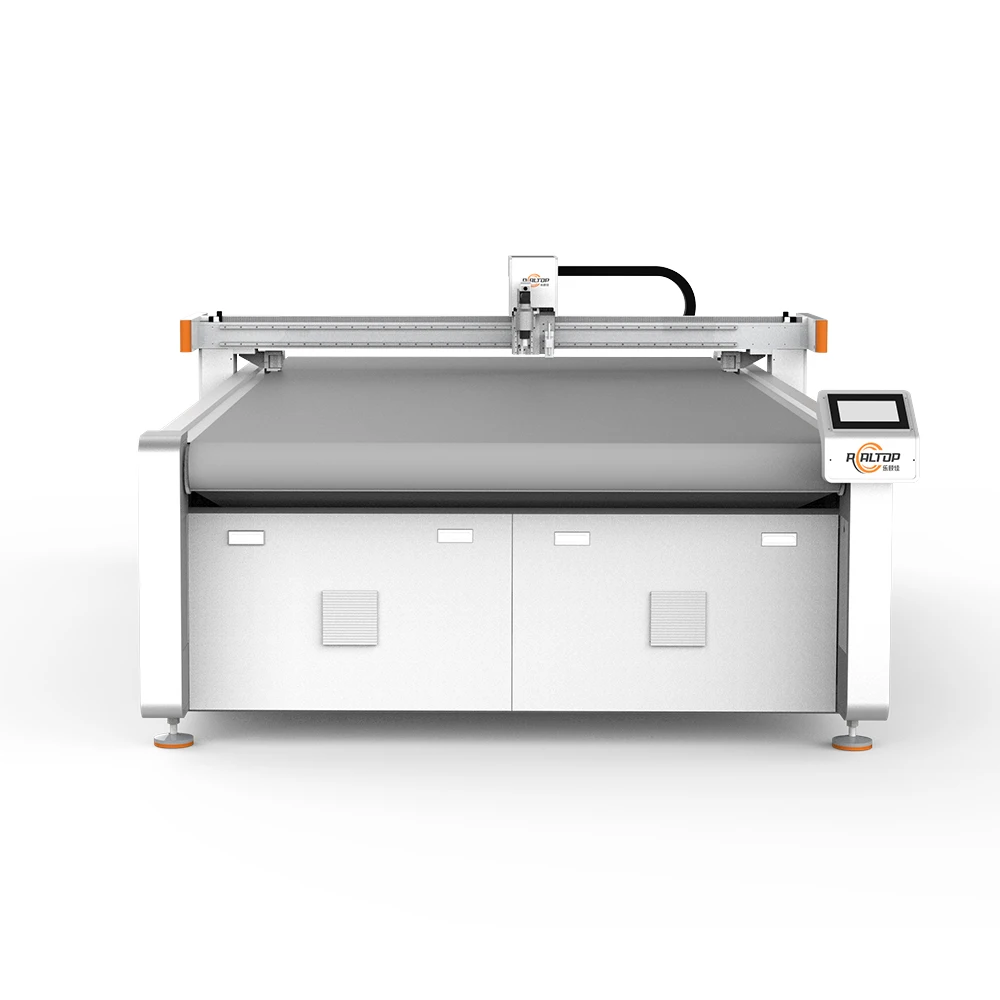
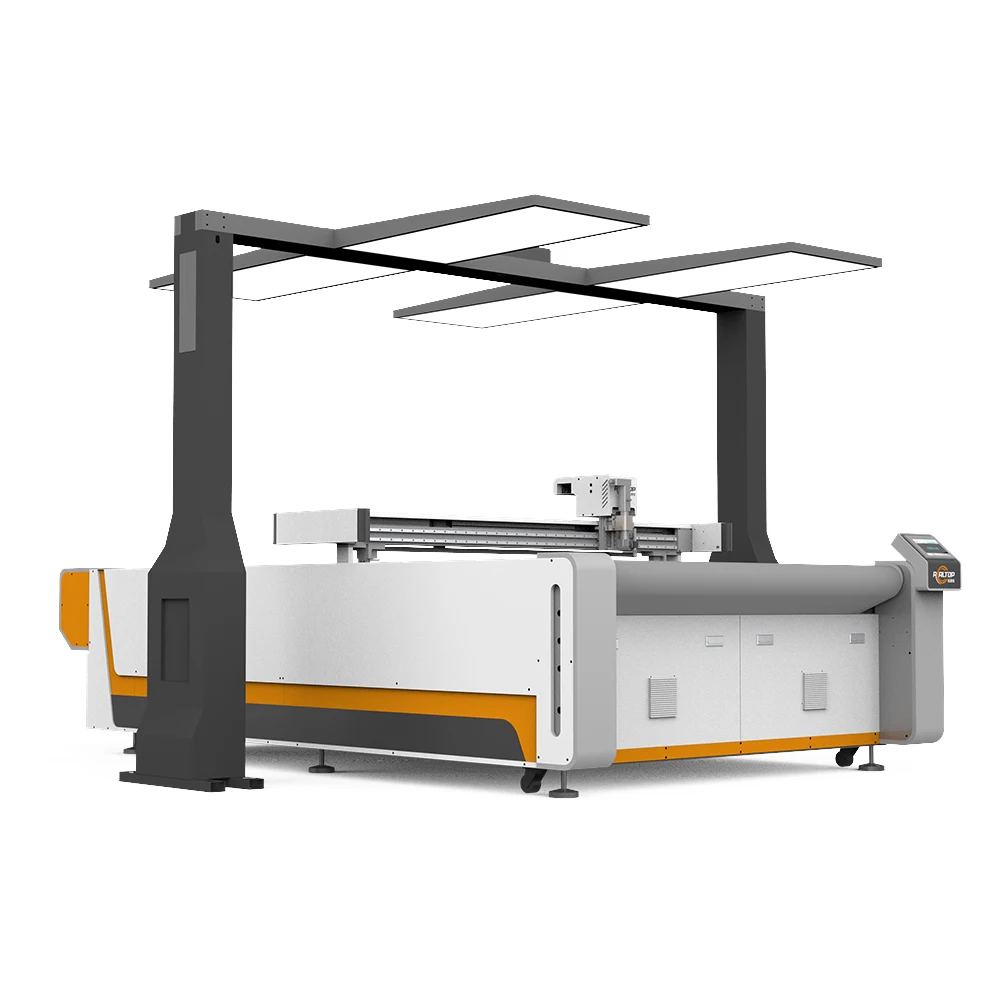
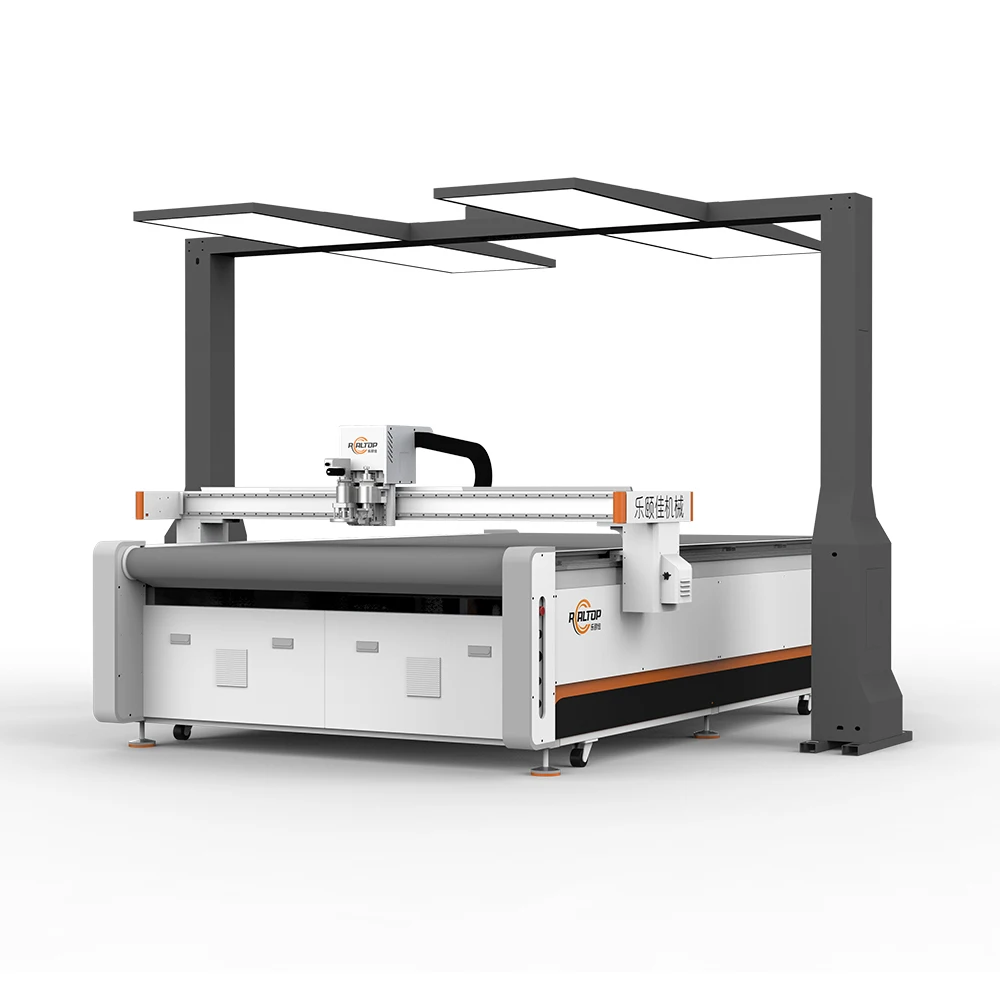
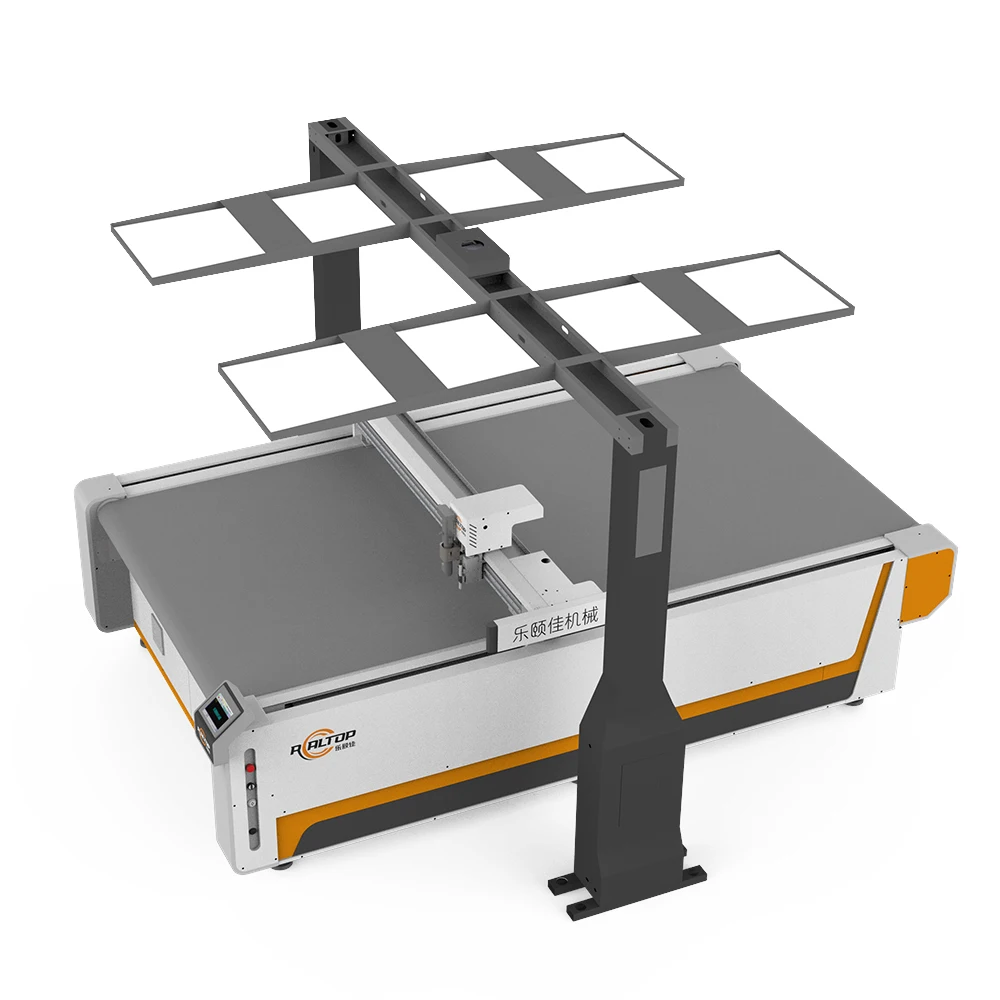
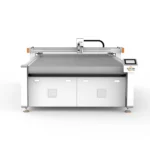
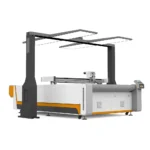
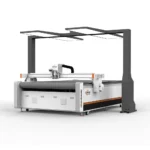
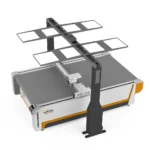
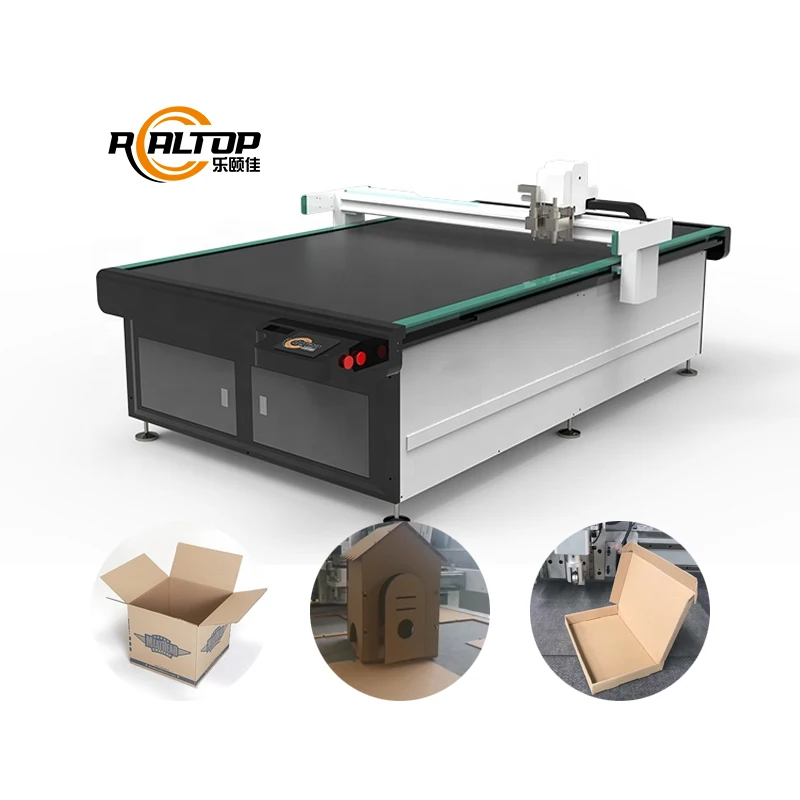
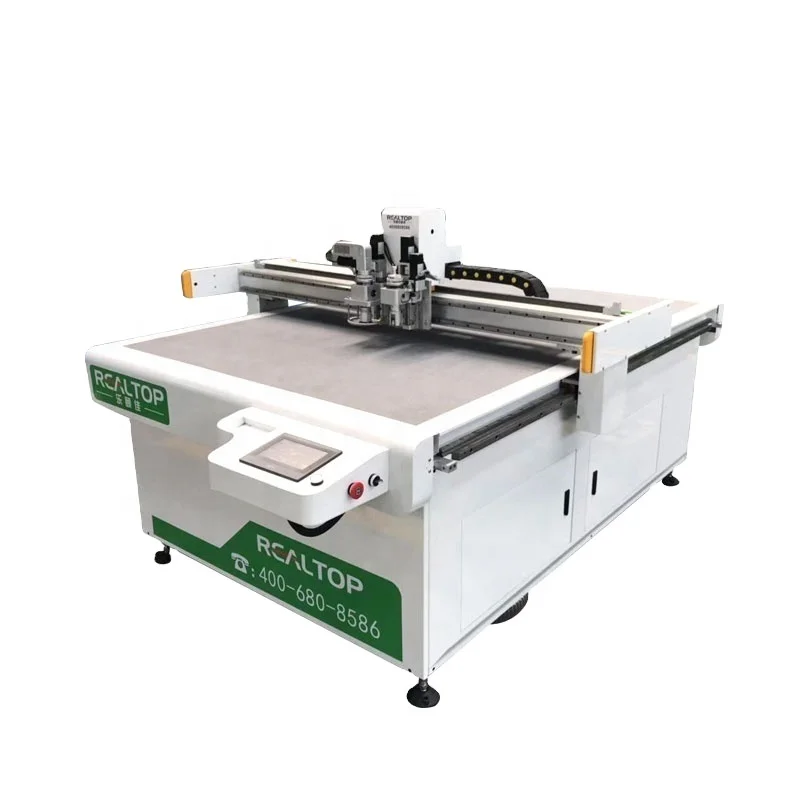
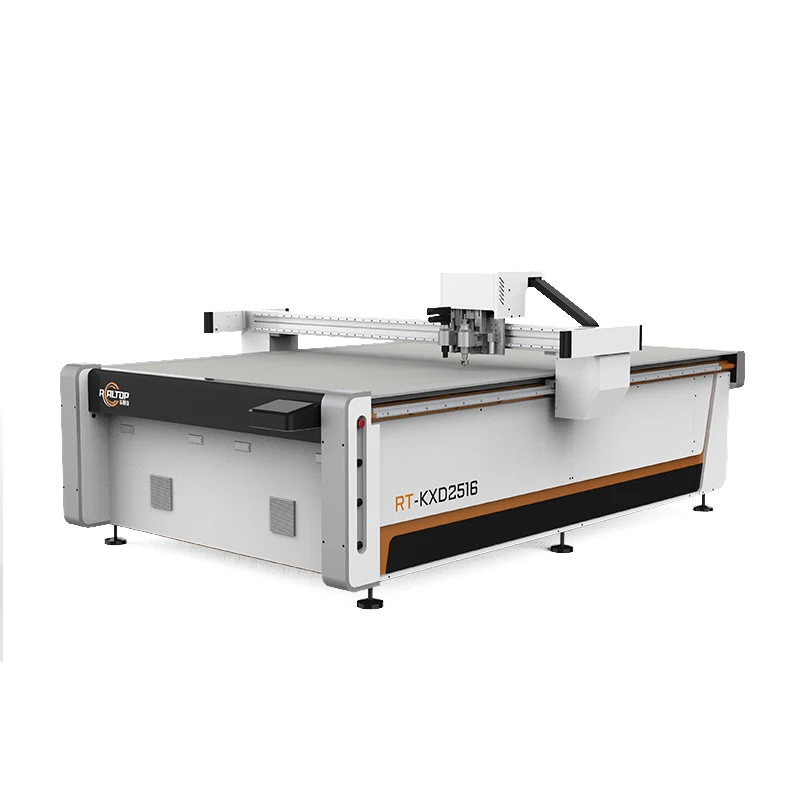
| Product Type | CNC Oscillating Knife Cutting Machine for Leather |
| Working Area | 1600 × 2500 mm |
| Tool Head Options | Oscillating knife, driven rotary knife, creasing wheel, kiss cutting tool, pneumatic knife, milling tool, V-groove knife |
| Cutting Thickness | ≤ 30 mm |
| Cutting Speed | 0 – 2000 mm/s |
| Cutting Accuracy | ± 0.1 mm |
| Vacuum System | 9 kW pump with aluminum bellows vacuum table |
| Control System | PLC control panel |
| Servo Motor Options | Panasonic, Delta, or Dorna |
| Vision System | CCD camera with contour recognition and positioning |
| File Formats | PLT, DXF, AI, PDF |
| Machine Frame | Heavy-duty frame with precision-ground surface |
| Safety Devices | Infrared sensor and emergency stop |
| Voltage Options | 110V, 220V, 380V (configurable) |
| Interface Languages | English, Russian, Italian, Chinese (customizable) |
| Machine Dimensions | 3300 × 2100 × 1350 mm |
Application Suitability
| Application | Material or Output |
|---|---|
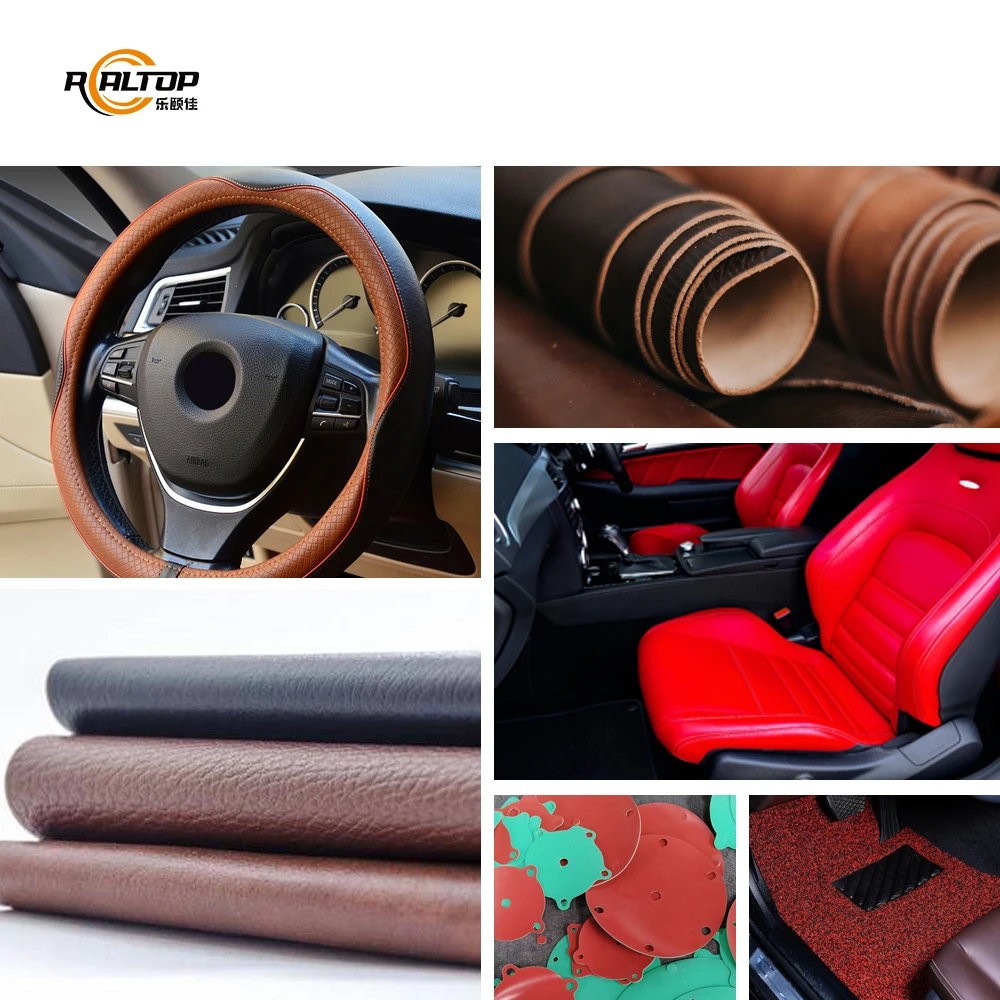
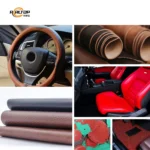
| Shoe upper and footwear cutting | Genuine leather, PU, synthetic leather with contour nesting |
| Bag and luggage production | Thick cowhide, PVC-coated fabric, reinforced textiles |
| Automotive seat cover manufacturing | Multi-layer leather, composite upholstery materials |
| Sofa and furniture upholstery | Thick hide, bonded leather, heavy woven textiles |
| Grow bag and agricultural textile | PE woven fabric, nonwoven felt, reinforced PVC |
Why "Maximum Thickness" Rarely Tells the Whole Story
A machine specified on working area alone, then found unable to handle the material thickness — this happens more often than buyers expect with a CNC leather cutting machine. The real question is whether the tool head, vacuum zoning, and oscillation frequency are matched to your specific leather type and ply count.
I worked on a grow-bag order last year where the buyer sent us standard PU samples that cut cleanly on our default oscillating knife setup. When their actual reinforced PE woven fabric arrived, the blade could not hold an edge and every cut line showed frayed fibers along the perimeter. We spent two weeks adjusting tool-head angle, oscillation speed, and vacuum pressure before the cuts ran stable. [NEED_CITE: material-specific tool head selection in digital flatbed cutting] Had we shipped the machine without that material test, the buyer would have faced the same problem on their own floor with no one to call at midnight. That experience changed how we handle every inquiry — no real material sample, no final configuration lock.
Matching the Knife to the Hide
Leather is not a uniform material, and a single oscillating blade cannot cover every grade and thickness. A driven rotary knife slices through soft garment-weight leather with minimal edge compression, while a pneumatic knife handles dense, multi-layer automotive upholstery stock where downward force matters more than blade frequency. Our configuration process starts with your material samples and daily volume, then assigns the tool head and oscillation parameters accordingly. Buyers running mixed schedules — genuine cowhide in the morning, synthetic PU after lunch — can specify a multi-head carriage so changeover takes minutes rather than a full tool swap.
CCD Contour Recognition on Printed and Patterned Leather
Printed leather and patterned rolls add a layer of complexity that standard file-driven cutting cannot handle. The CCD camera mounted on this machine reads registration marks or follows grain patterns on genuine hides, adjusting the cut path in real time. [NEED_CITE: CCD camera contour recognition in flatbed digital cutting] This is important when nesting shoe-upper patterns on irregularly shaped hides where every square centimeter of usable area counts. The system compensates for stretch and distortion that occur when the material is laid onto the vacuum table, keeping the cut line aligned with the printed or natural contour throughout the full 2000 mm/s speed range.
Reading the Spec Sheet Like a Production Manager
Cutting speed of 0–2000 mm/s is the maximum travel rate; actual throughput depends on contour complexity, material thickness, and the number of tool-head changes per nest. The ±0.1 mm accuracy figure holds when the heavy-duty frame and precision-ground table surface are installed on a level floor free from vibration — a foundation check we include in commissioning. The 9 kW vacuum pump paired with an aluminum bellows table provides full-surface hold-down, but small leather pieces still require proper zoning so vacuum is concentrated where the material actually sits. File-format support for PLT, DXF, AI, and PDF means your existing nesting software can drive the machine without a separate license purchase, though we confirm format and version compatibility before order confirmation.
The Cost of Skipping the Material Test
When a buyer accepts a standard configuration without sending actual production material, the problems surface during the first week of real work. Wrong tool-head geometry produces ragged edges on thick leather, forcing operators to slow the feed rate and cut output noticeably. Insufficient vacuum zoning lets small pieces lift mid-cut, creating miscut parts and wasted hide. [NEED_CITE: vacuum hold-down requirements for small-part flatbed cutting] A CCD system that has not been tuned to the buyer’s specific print registration mark will lose tracking at higher speeds, leading to rejected pieces. Every one of these issues is solvable — but only if the material test happens before the machine leaves our factory.
Why Production Teams Choose This Build
Our in-house design team covers both knife and laser cutting technologies, so leather processors can match the cutting method to their material rather than forcing a single technology across every job. Tool-head and table configurations are locked per the buyer’s leather type, thickness, and production volume after live sample testing on our floor. CCD camera positioning is calibrated against the buyer’s actual printed patterns before the machine is packed. Voltage, plug type, control language, and software file-format compatibility are all confirmed and documented before shipment. The heavy-duty frame and precision-ground aluminum bellows table maintain ±0.1 mm accuracy over years of continuous operation, reducing the re-cut rate that erodes margin in leather production.
Documentation & Verification
- Machine specification sheet with confirmed tool-head and table configuration list
- Electrical schematic showing voltage, breaker rating, and dedicated circuit requirements
- Sample cutting report on your leather or textile material with edge-quality photos
- Factory test record documenting cutting accuracy and CCD tracking at production speed
- Software license note and file-format compatibility confirmation for PLT, DXF, AI, PDF
- Spare parts list matched to your selected tool heads and vacuum pump configuration
Installation, Commissioning & Support
- Foundation must be level within tolerance to maintain ±0.1 mm accuracy across the 1600 × 2500 mm table
- Dedicated circuit required for the 9 kW vacuum pump plus PLC panel and servo drives
- Machine ships partially assembled; frame and table are joined and leveled on site
- First-run commissioning includes vacuum zoning calibration for your smallest leather part
- Operator training covers tool-head changeover, CCD mark teaching, and nesting file import
- Wear parts kit includes oscillating blades, rotary knife discs, and vacuum table seals
What We Need to Move Your Project Forward
Send us a representative sample of the leather or textile you cut most often, along with the thickness range and the typical sheet or roll dimensions you buy. Let us know your daily cutting volume and whether you run single-ply or multi-ply lays. Confirm the voltage and frequency at your facility and the preferred language for the PLC interface. If you already use nesting software, share a sample output file so we verify import compatibility before quotation.
Frequently Asked Questions
Q: How do you select the correct tool head for my leather type?
A: We test your actual material sample on our floor, evaluate edge quality and cutting depth across the tool-head range, and recommend the configuration that produces clean edges without crushing or fraying. The recommendation is documented in a sample cutting report before you commit.
Q: Can the CCD camera track printed marks at full production speed?
A: Yes, but performance depends on mark contrast, material stretch, and print quality. We validate CCD tracking on your printed leather or patterned roll during the factory test and record the maximum reliable speed in the test report.
Q: Is the vacuum table sufficient for very small leather parts?
A: The aluminum bellows table supports zone control so vacuum concentrates under the material area. We configure the zoning map based on your smallest part dimension during commissioning to prevent lift during cutting.
Q: Will my existing DXF or AI nesting files work without modification?
A: The control system imports PLT, DXF, AI, and PDF files. We test your specific files and nesting software output before order confirmation and document any required export settings in the compatibility note.
Q: How are voltage and control language confirmed before shipment?
A: We collect your facility voltage, frequency, plug type, and preferred interface language during the specification stage. These are written into the electrical schematic and the PLC configuration sheet, both signed off before production begins.
You may also like

商品评价
Clear filtersThere are no reviews yet.