


-
 Courier delivery
-
 DHL Courier delivery
-
 Warranty 1 year
-
 Free 30-Day returns

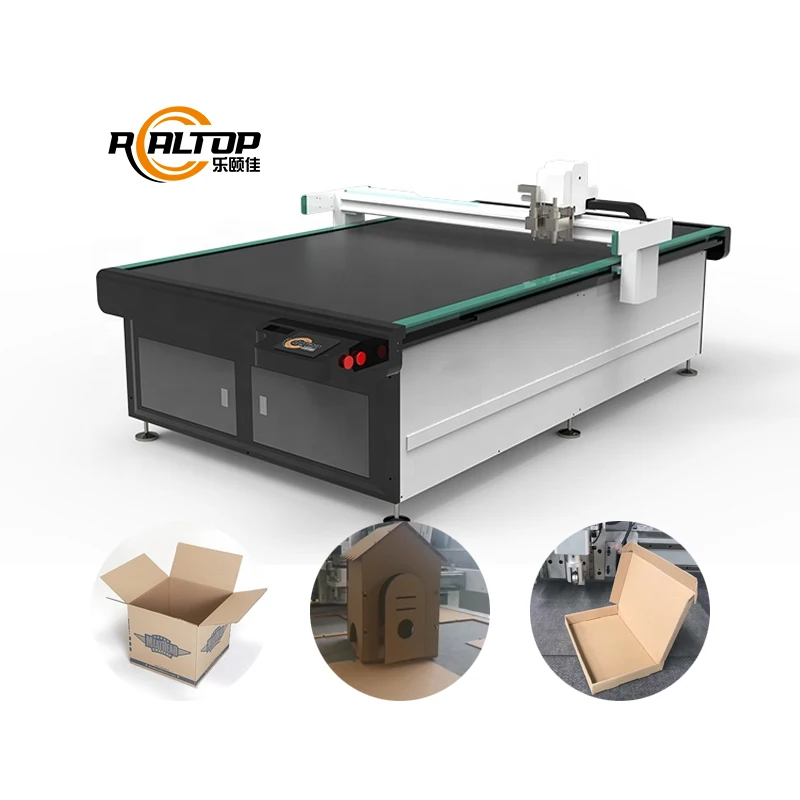
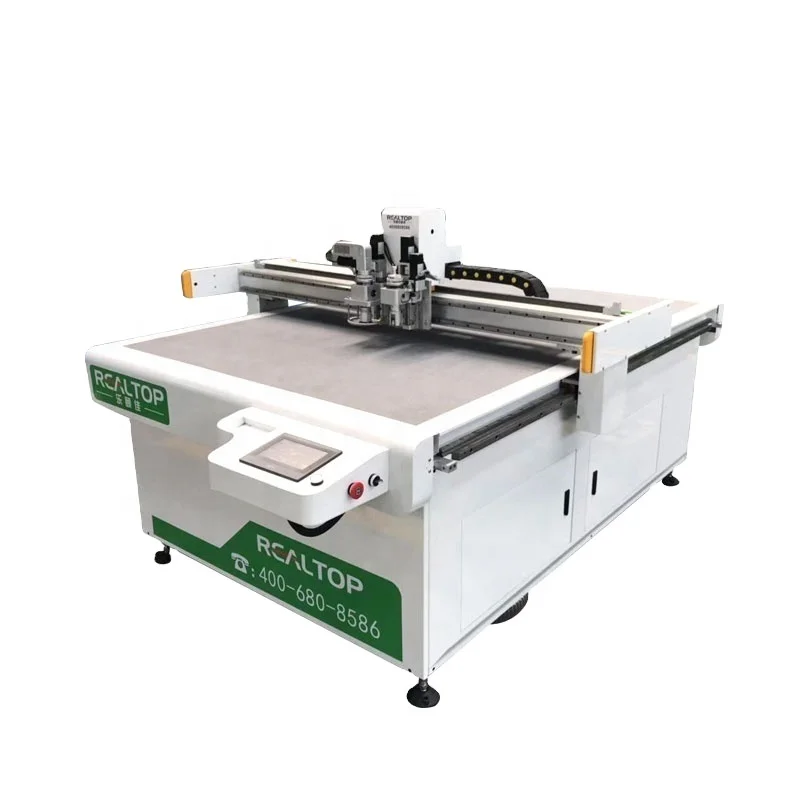
Configured per material — every RT-D2516/RT-S2516 ships with a tool head and vacuum zoning plan matched to your gasket stock, not a default catalog build.
Technical Specifications
| Parameter | Value |
|---|---|
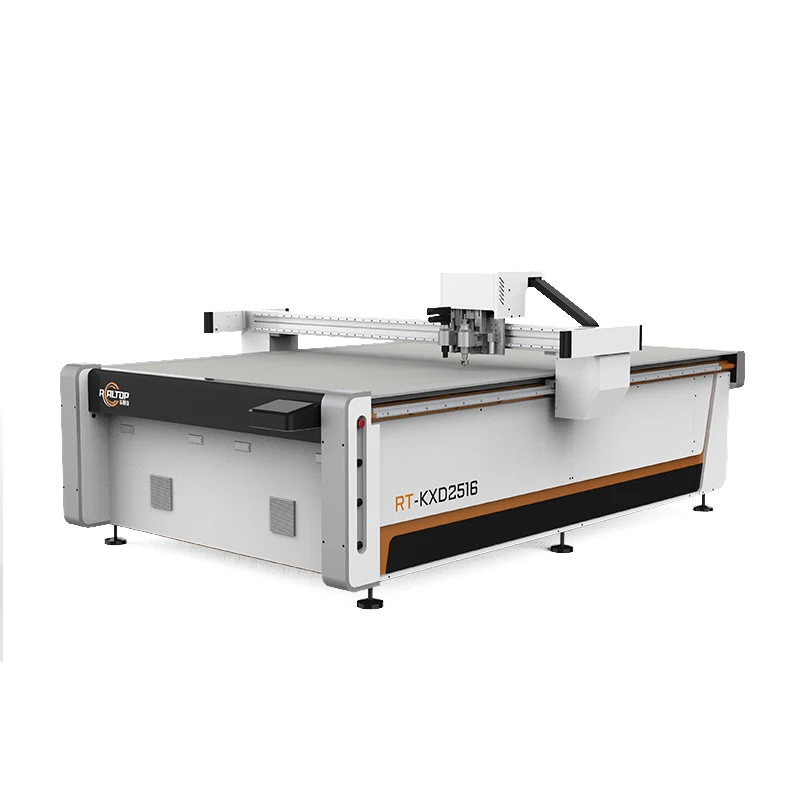
| Model | RT-D2516 / RT-S2516 |
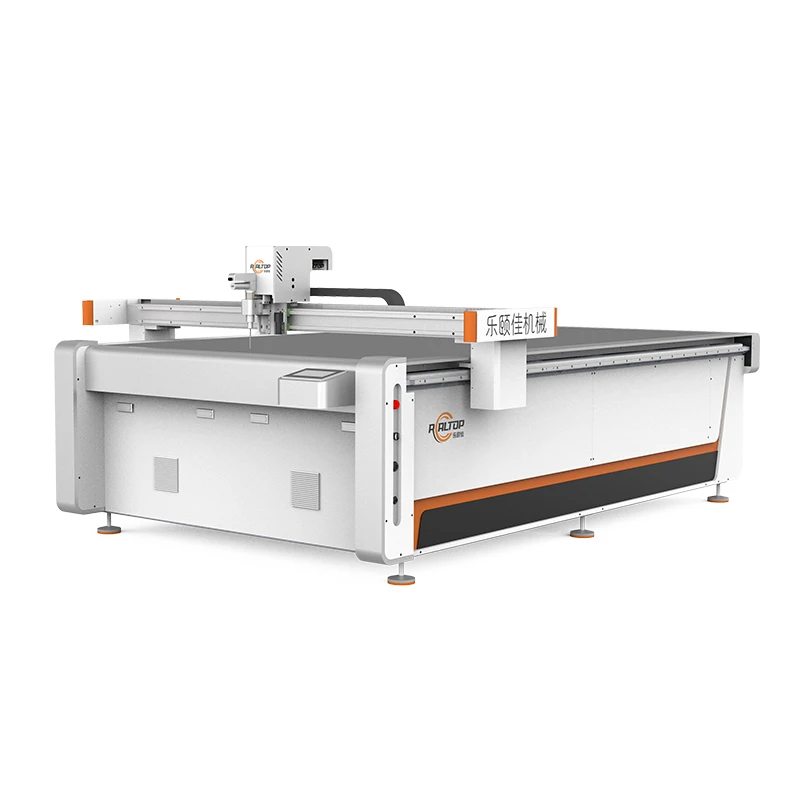
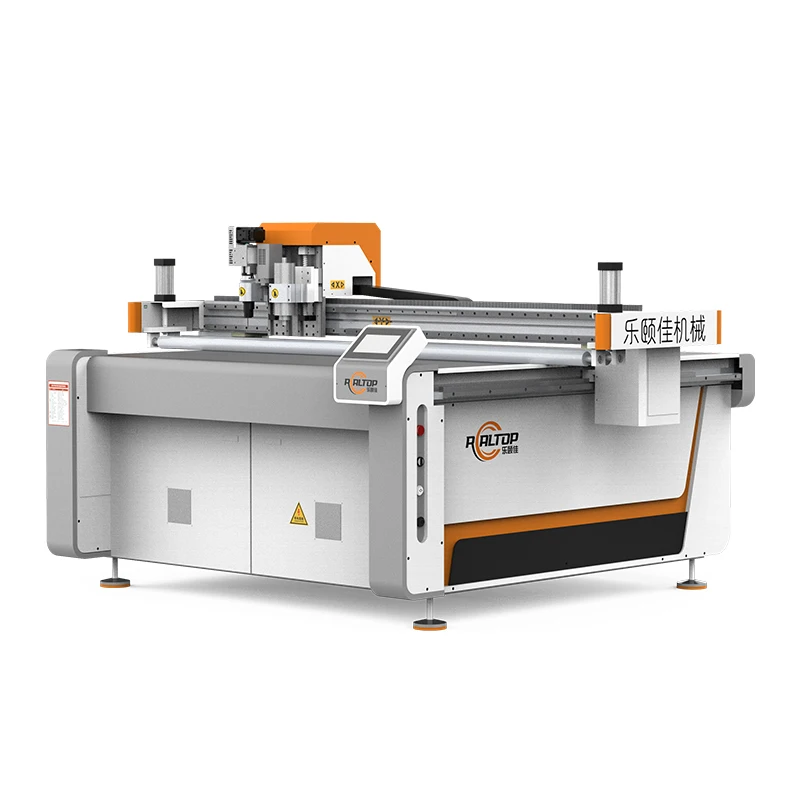
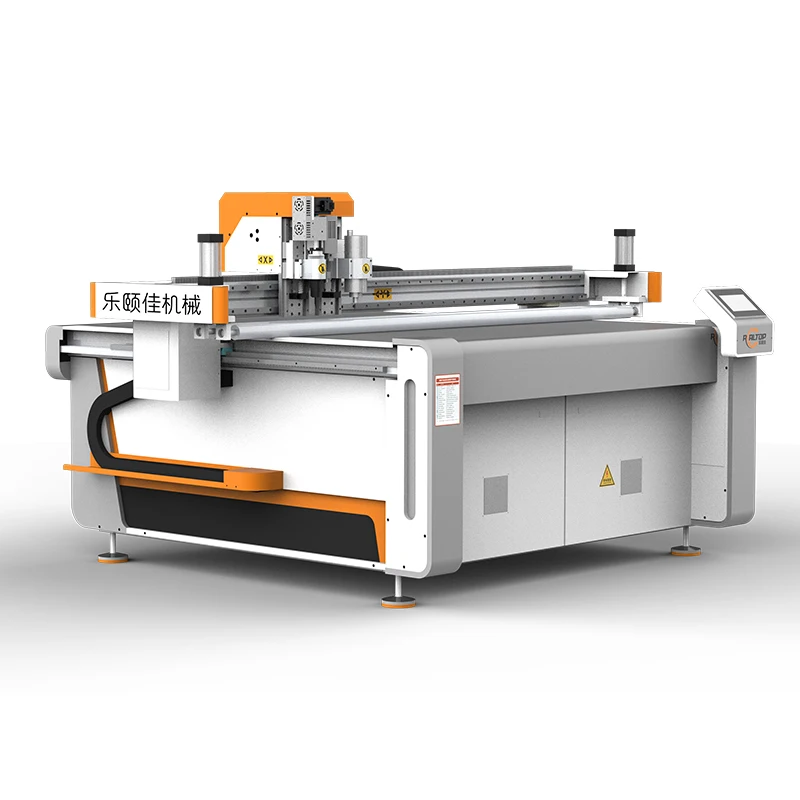
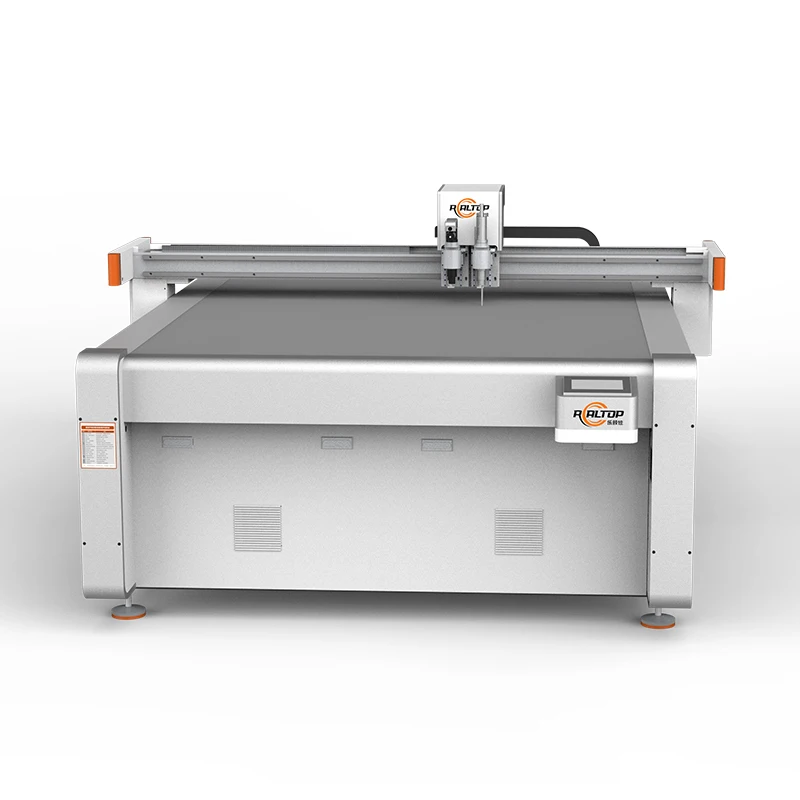
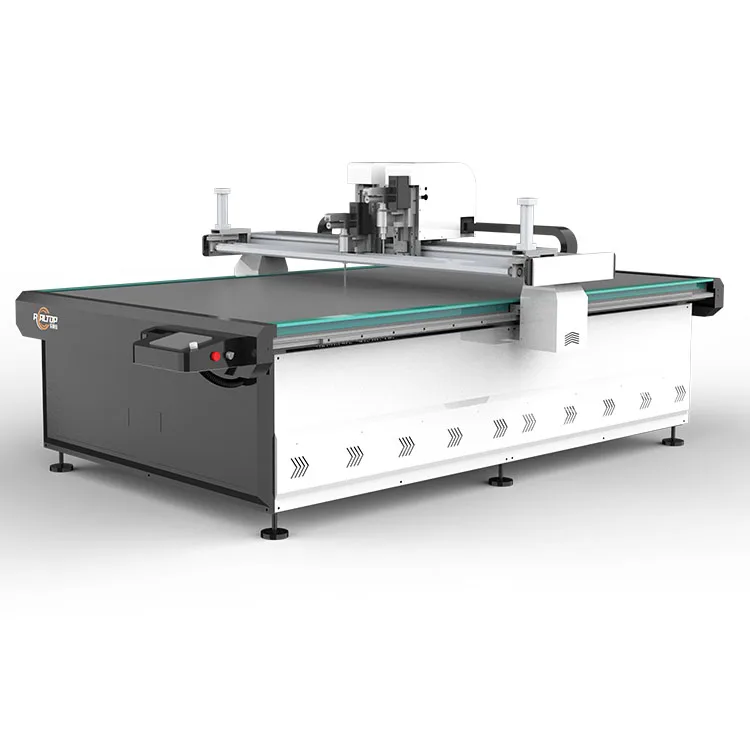
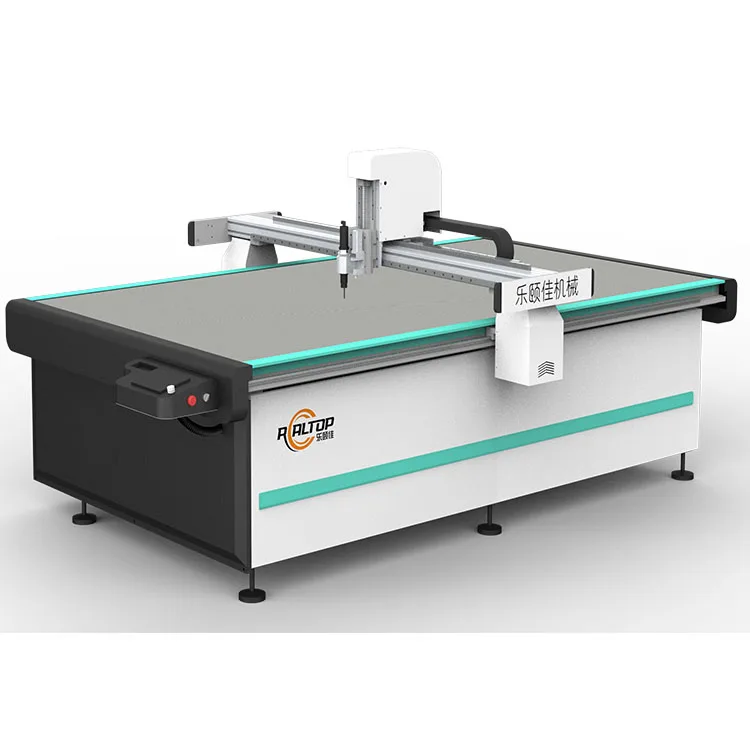
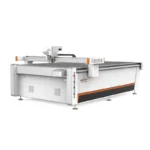
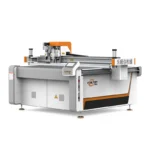
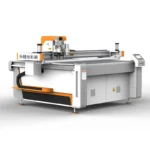
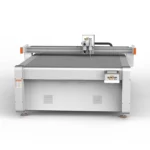
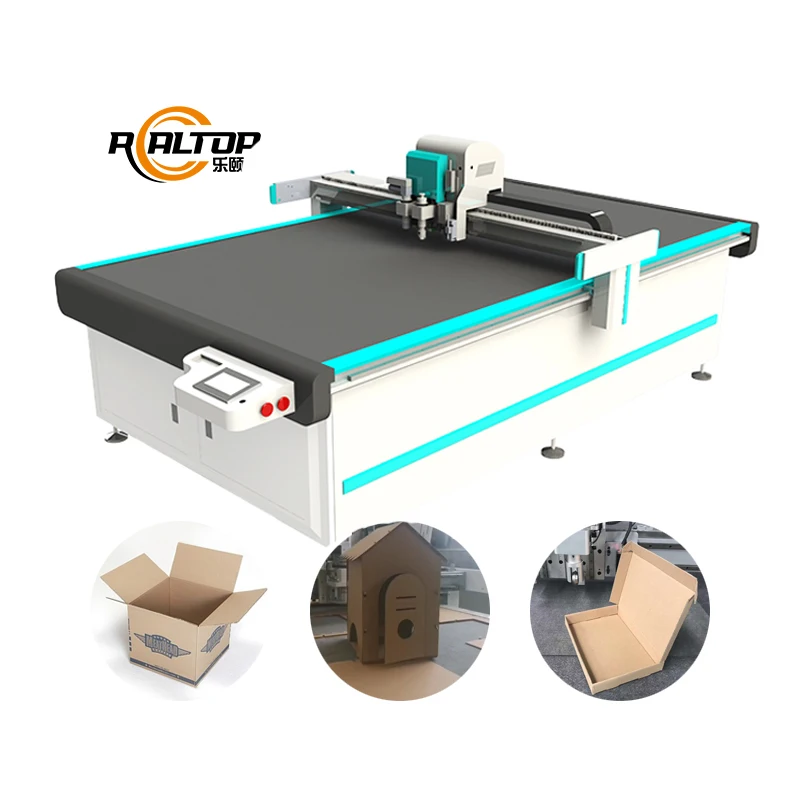
| Product Type | CNC Oscillating Knife Gasket Cutting Machine |
| Working Area | 1600 × 2500 mm |
| Machine Dimensions | 3450 × 2300 × 1250 mm |
| Rated Power | 9 kW |
| Table Type | Flat vacuum working table with zoning |
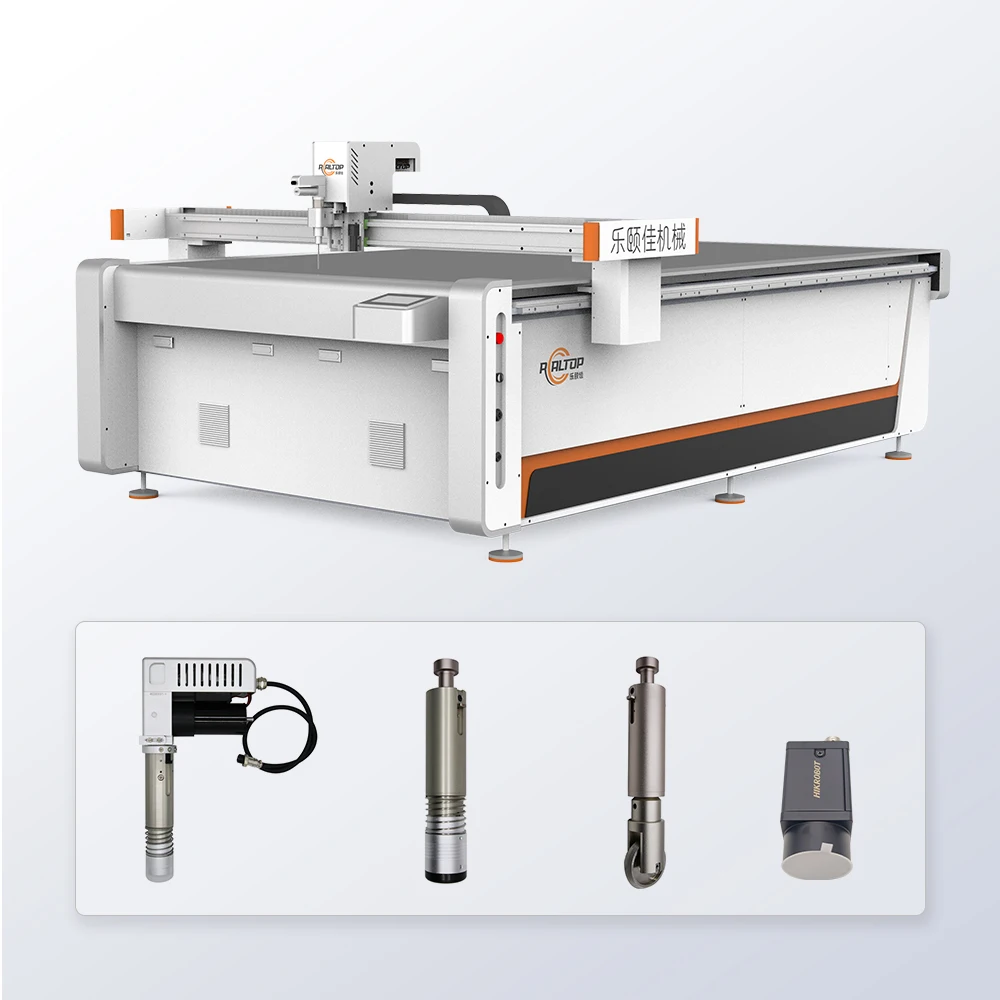
| Tool Head | Swiss imported knife: vibration full cutting, vibration half cutting, cursor location |
| Available Tool Options | Oscillating knife, pneumatic knife, high-power vibrating knife, circular knife, V-cutting knife, drag knife, creasing wheel, dotted line knife, punching, brush |
| Translational Velocity | 800–1200 mm/s |
| Cutting Thickness | 20–80 mm depending on material (basis to be confirmed per gasket stock) |
| Repeated Accuracy | ≤0.1 mm |
| Transmission System | Digital servo motor, linear guide, synchronous belt, ball screw |
| Servo Brand | Delta |
| Linear Guide | Taiwan Hiwin rail |
| Vacuum Pump | 7.5 kW |
| Feeding System | Germany imported conveyor belt with auto feeding |
| Instruction Format | HP-GL compatible |
| Voltage | 380V ±10% |
| Safety Device | Infrared sensors |
| Visual Positioning Options | Small CCD camera mark point positioning, panoramic camera recognition, projection positioning |
| Certification | CE |
Application Suitability
| Application | Material or Output |
|---|---|
| Automotive engine gaskets | Rubber, silicone, PTFE, composite fiber sheets |
| Industrial sealing pads | Graphite-reinforced composite, cork-rubber blends |
| Door and hatch seals | EPDM sponge, closed-cell foam |
| Pipeline flange gaskets | Non-asbestos fiber, aramid composite |
| Interior trim and acoustic pads | Felt, non-woven fabric, PU foam |
| General soft material fabrication | Leather, PVC, EVA, XPE, corrugated cardboard |
Why Generic Thickness Ratings Fail Gasket Shops
A CNC Gasket Cutting Machine manufacturer must verify cutting depth on your actual stock before confirming configuration.
Thickness charts assume a specific material — your gasket compound may behave entirely differently under the knife.
I once saw a shop order a machine rated for 30 mm rubber, then load graphite-reinforced composite onto the table. The oscillating knife produced ragged edges on the first pass and crushed the material on the second. An entire sheet of gasket stock was scrapped before anyone adjusted the tool pressure. Harder composites demand different blade geometry and feed rates than soft elastomers, and no single thickness number captures that variation [NEED_CITE: material-specific cutting parameters for gasket composites]. When a supplier quotes cutting capacity without asking what material you run daily, that is a configuration gap waiting to surface on your production floor.
Matching Tool Heads to Gasket Material Density
The RT-D2516/RT-S2516 supports a broad tool head range — oscillating knife, pneumatic knife, high-power vibrating knife, drag knife, and several specialty options — because gasket materials span a wide density spectrum. Soft cork-rubber blends cut cleanly with a standard oscillating blade at moderate frequency, while PTFE sheets require a pneumatic knife delivering greater downward force per stroke. Selecting the correct CNC Gasket Cutting Machine configuration starts with identifying which materials occupy most of your production schedule, then verifying edge quality on sample cuts before the build is finalized.
Vacuum Zoning for Small Gasket Profiles
Gasket production generates many small parts — O-ring blanks, bolt-hole washers, narrow flange seals — that tend to lift off the table during high-speed cutting. The 7.5 kW vacuum pump paired with a zoned flat table allows operators to activate only the sections directly beneath the workpiece. This concentrated hold-down force keeps small profiles flat without requiring full-table vacuum, which would waste suction across unused areas. Proper zoning is what separates a clean gasket edge from a shifted part that ruins dimensional accuracy [NEED_CITE: vacuum table zoning principles for CNC flatbed cutting].
What the Specification Sheet Means on the Shop Floor
The 1600 × 2500 mm working area accommodates full sheets of gasket material commonly supplied by industrial distributors, reducing the need to pre-cut stock before loading. Repeated accuracy of ≤0.1 mm matters when cutting bolt-hole patterns on flange gaskets — even slight positional drift across a multi-hole profile causes assembly misalignment downstream. The Delta servo motors and Taiwan Hiwin rails maintain this tolerance by eliminating backlash in the transmission path. Translational velocity between 800 and 1200 mm/s allows rapid traversal between cut paths without sacrificing edge quality on the actual profile. HP-GL compatible instruction format means the machine accepts nesting output from most standard gasket design software without requiring a proprietary conversion step.
The Cost of Skipping Material Verification
When a buyer specifies a CNC Gasket Cutting Machine based on working area alone, the tool head and vacuum configuration default to generic settings. On hard composite gasket material, that default produces frayed edges requiring manual trimming. On thin PTFE sheets, excessive vacuum pull-through can distort the material before the knife even engages. These problems do not appear during factory demonstrations run on standard demo stock — they surface weeks after installation, when the machine meets the buyer’s actual production material [NEED_CITE: gasket cutting defects from incorrect tool head selection]. The rework cost accumulates quietly through scrap sheets, secondary finishing passes, and missed delivery windows.
Why Production Teams Source This Build
In-house design and manufacturing of both knife and laser platforms means the cutting method is selected to match your gasket material, not forced into whichever technology a single-source supplier offers. Tool head and table configuration are specified per material type and daily production volume before the quotation is issued. CCD camera positioning and projection options are available for shops cutting printed gasket profiles that require contour alignment. Software compatibility and file format handling are confirmed before order placement, eliminating integration delays. Sample cutting on the buyer’s own gasket stock is conducted before commitment, so edge quality and cycle time are documented on real material rather than promised on paper.
Documentation & Verification
- Machine specification sheet listing confirmed tool head and table zoning configuration
- Electrical schematic with 380V ±10% wiring diagram and plug type for destination market
- Sample cutting report on buyer’s gasket material with edge quality photographs
- Factory test record demonstrating ≤0.1 mm repeatability on specified profile
- Tool head parameter sheet showing oscillation frequency and pressure per material
- Spare parts list covering blades, vacuum cups, and conveyor belt segments
Installation, Commissioning & Support
- 3450 × 2300 mm footprint requires level concrete floor with clearance for conveyor feed
- 9 kW rated power demands dedicated circuit with 380V ±10% three-phase supply
- Machine ships with conveyor belt and vacuum pump pre-mounted; field assembly covers utility connection
- First-run calibration includes vacuum zoning test on buyer’s smallest gasket profile
- Operator training covers tool head changeover between oscillating and pneumatic knives
- Replacement blade and Hiwin rail maintenance intervals documented in manual
What to Include in Your Inquiry
Provide the specific gasket materials you cut — compound type, thickness range, and sheet dimensions — so the tool head and vacuum configuration can be matched before quotation. Specify your facility voltage and frequency, along with any control language requirements for operators on the floor. If you run printed gasket profiles requiring contour recognition, share sample artwork so camera positioning can be evaluated against your mark placement.
Frequently Asked Questions
Q: How is cutting thickness verified for my specific gasket material before order commitment?
A: We conduct sample cutting on your actual gasket stock — whether rubber, PTFE, graphite composite, or silicone — and document edge quality, cycle time, and tool head parameters in a written report. The configuration is then locked to your material before production scheduling begins, so the machine arrives set for your shop floor conditions.
Q: What voltage customization and control language options are available for export markets?
A: The RT-D2516/RT-S2516 is built around a 380V ±10% supply, and electrical schematics are confirmed against your destination voltage and frequency before production. Control interface language is set to match your operator requirements, and plug type is specified to local standards, eliminating on-site rewiring after delivery.
Q: How does vacuum table zoning handle small gasket parts that tend to lift during cutting?
A: The flat vacuum table is divided into zones controlled independ*ng area rather than spreading across the full 1600 × 2500 mm surface. This maintains hold-down force on small flange seals and O-ring blanks that would otherwise shift under knife pressure or translational speed.
Q: What documentation confirms tool head selection matches my material density and thickness?
A: Every order includes a tool head configuration list specifying which knife type — oscillating, pneumatic, high-power vibrating, or drag — was selected for your material, along with oscillation frequency and downward pressure settings. A factory test record demonstrates cutting accuracy on your stock before the machine is crated for shipment.
Q: Can sample cutting be performed on my PTFE or rubber stock before production scheduling?
A: Yes. You send a representative sample of your gasket material, and we run cutting tests covering the profiles you produce most frequently. Results are compiled into a sample cutting report showing edge condition, dimensional accuracy, and recommended tool parameters, forming the basis for your final machine configuration.
You may also like

商品评价
Clear filtersThere are no reviews yet.