





-
 Courier delivery
-
 DHL Courier delivery
-
 Warranty 1 year
-
 Free 30-Day returns

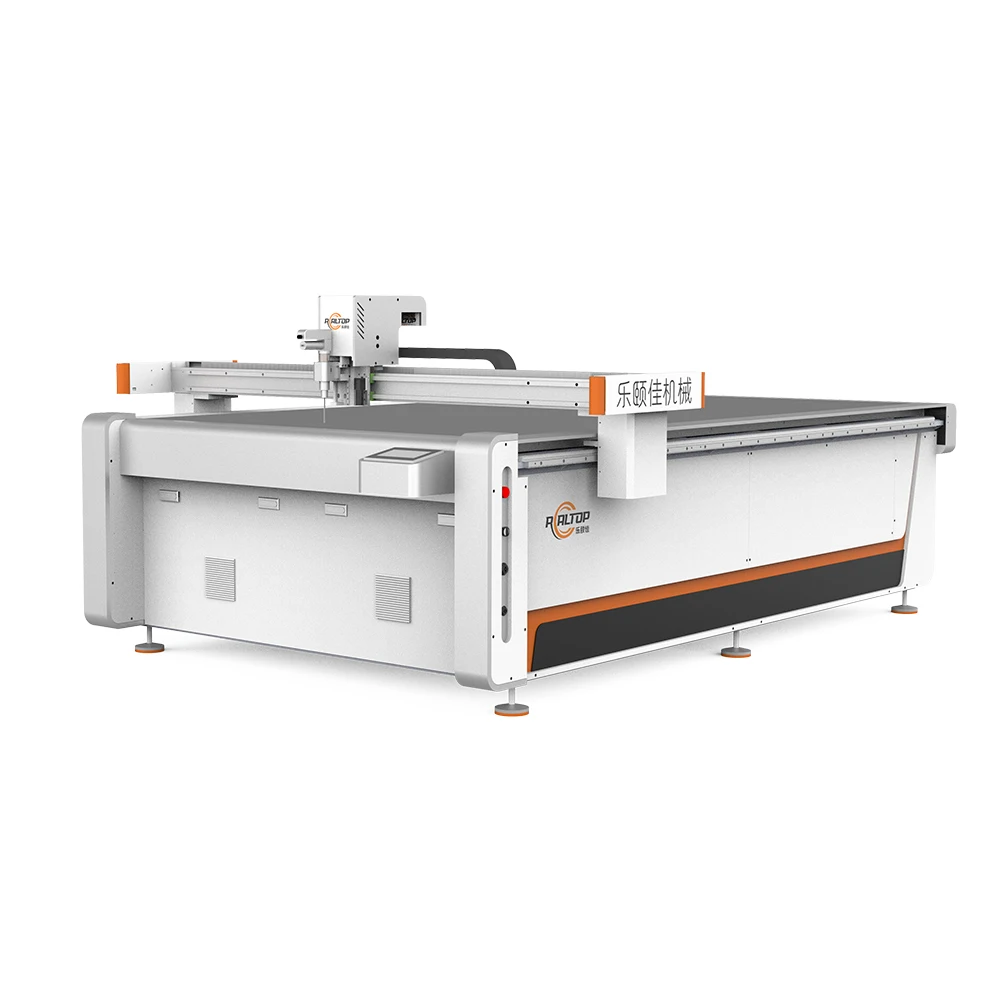
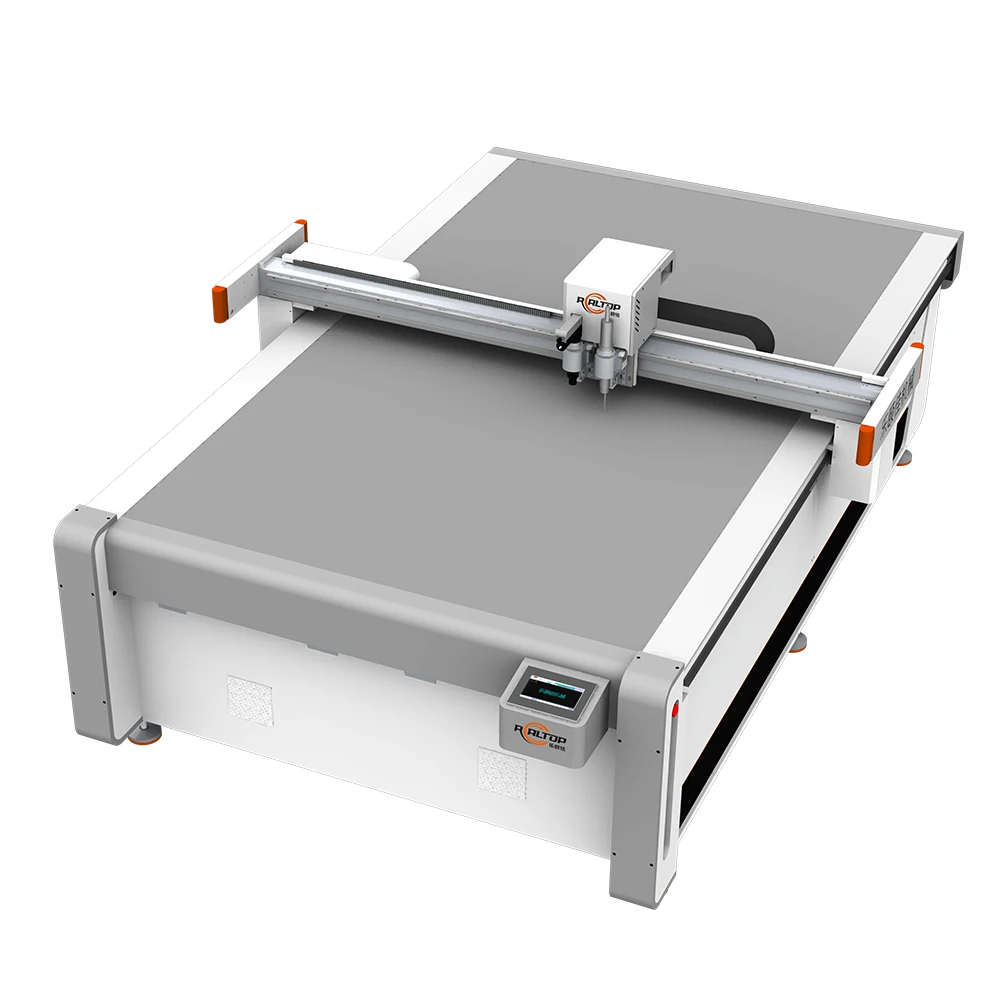
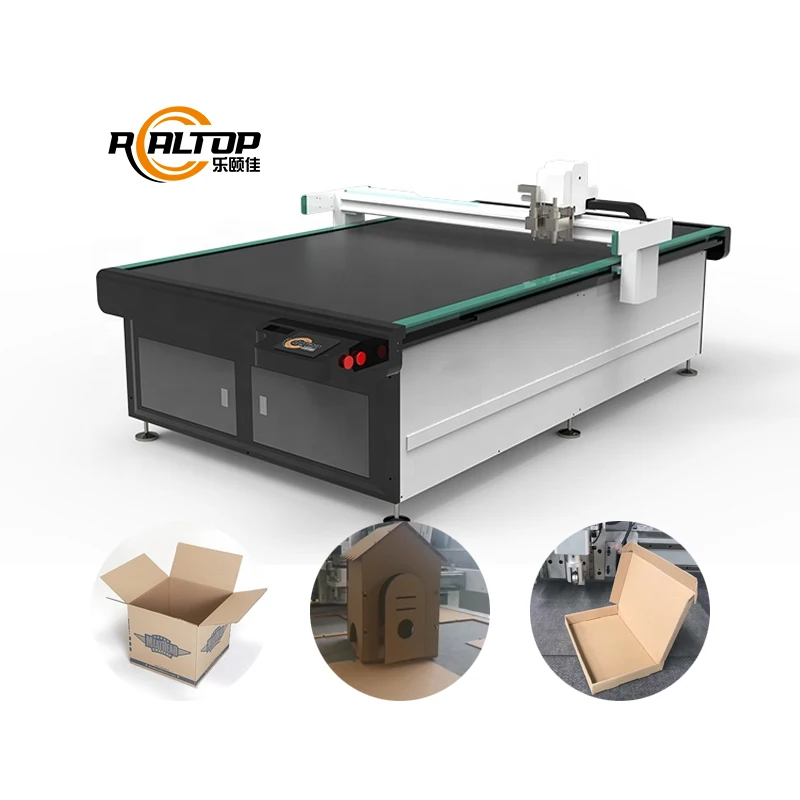
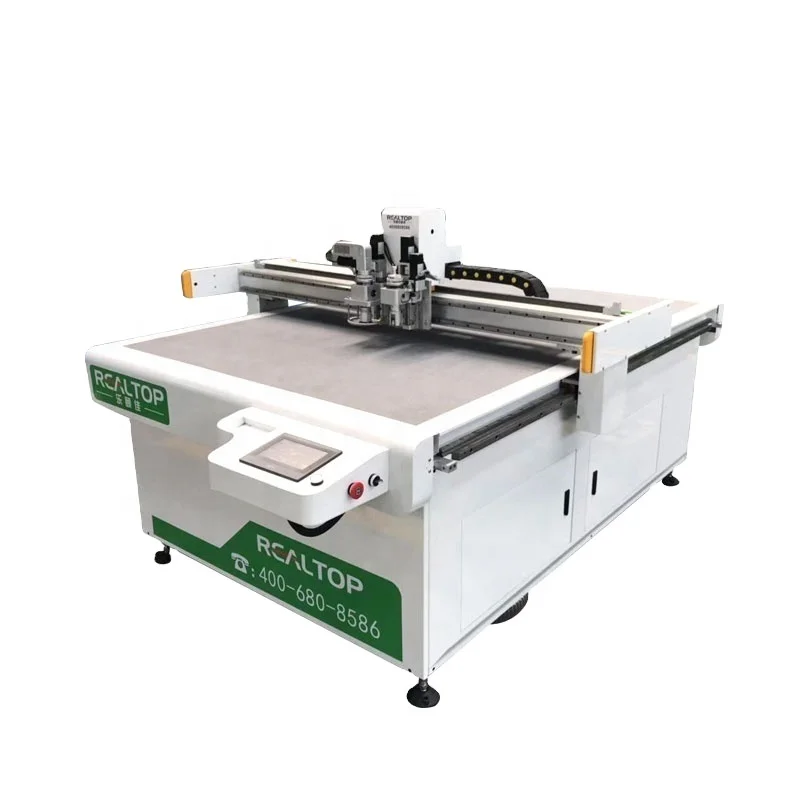
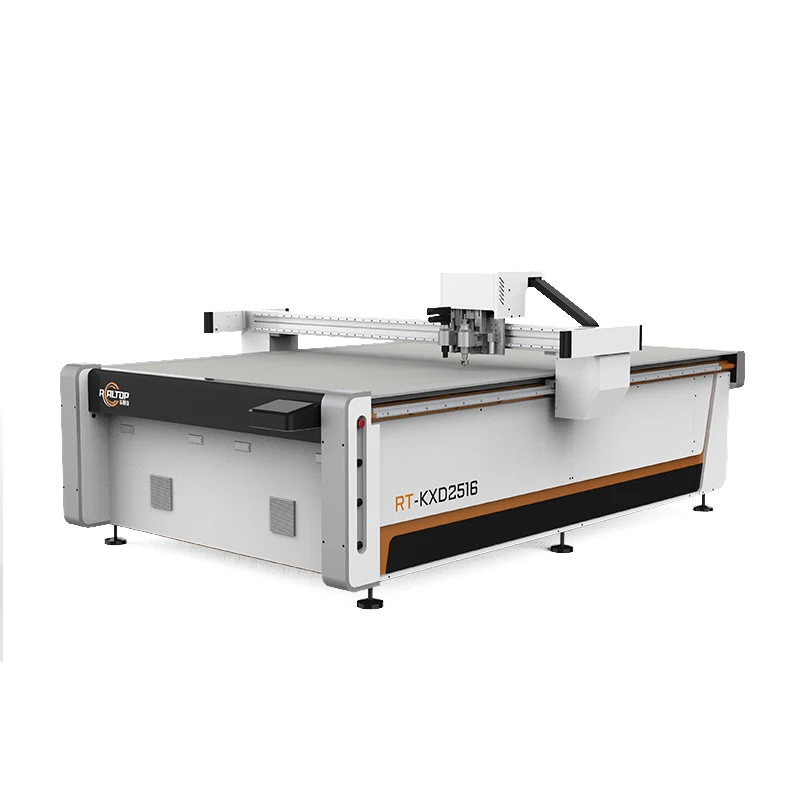
Precision-Ground Frame Build — Every cutting table leaves our Jinan facility with a heavy-duty frame machined to hold ±0.1 mm accuracy across the full 1600×2500 mm work envelope, verified on your corrugated stock before dispatch.
Technical Specifications
| Parameter | Value |
|---|---|
| Product Type | CNC Oscillating Knife Cutting Machine |
| Working Area | 1600×2500 mm |
| Cutting Speed | 0–1500 mm/s |
| Cutting Thickness | ≤ 40 mm (basis not stated in source — confirm flute profile and board grade) |
| Cutting Accuracy | ±0.1 mm |
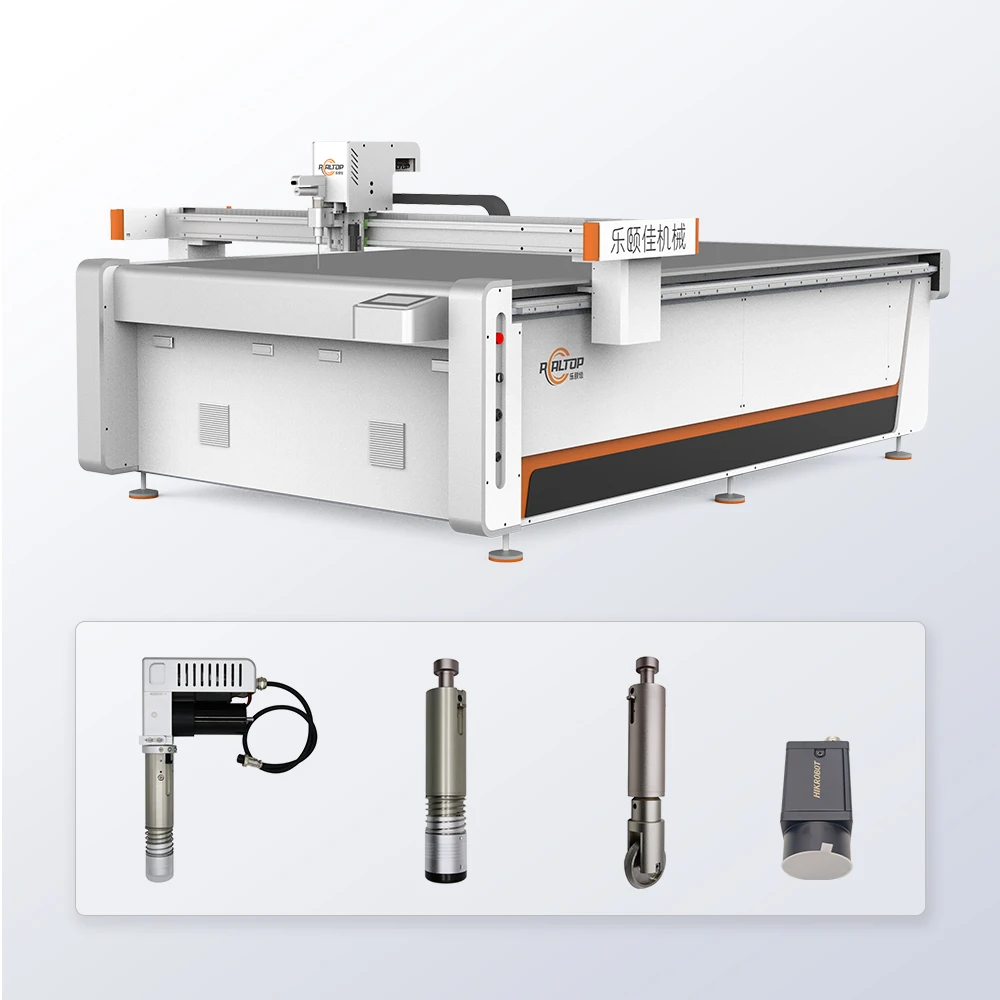
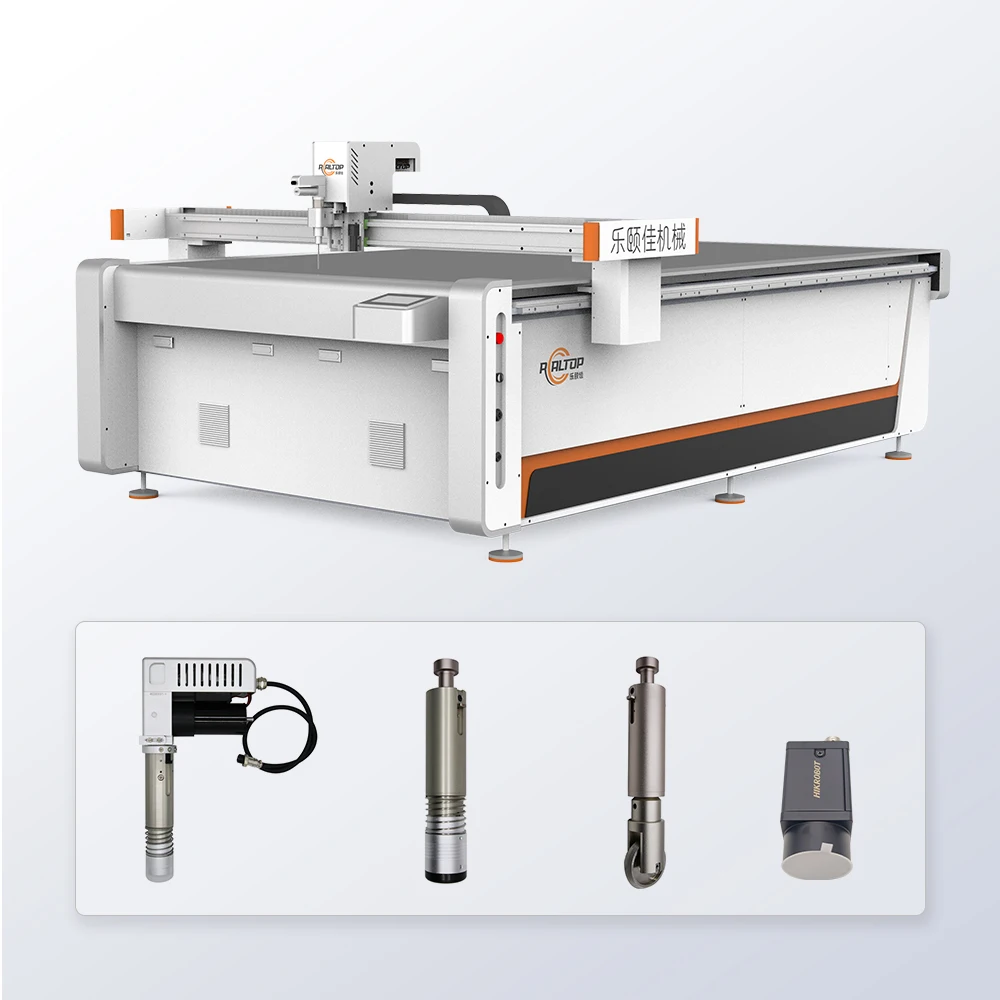
| Tool Head Options | Oscillating knife, Driven rotary knife, Creasing wheel, Kiss cutting tool, Pneumatic knife, Milling tool, V groove knife |
| Vacuum Pump Power | 9 kW |
| Vacuum Table | Aluminum bellows vacuum table |
| Machine Frame | Heavy-duty frame with precision-ground surface |
| Control System | PLC control panel |
| Software & File Formats | PLT, DXF, AI, PDF; dedicated packaging box structure design software included |
| Servo Motor Options | Panasonic, Delta, Dorna |
| Voltage Options | 110V, 220V, 380V |
| Language Options | English, Russian, Italian, Chinese; special languages customizable |
| Safety Devices | Infrared sensor device and emergency stop device |
| Machine Dimensions (L×W×H) | 3300×2100×1350 mm |
| Certification | CE |
Application Suitability
| Application | Material or Output |
|---|---|
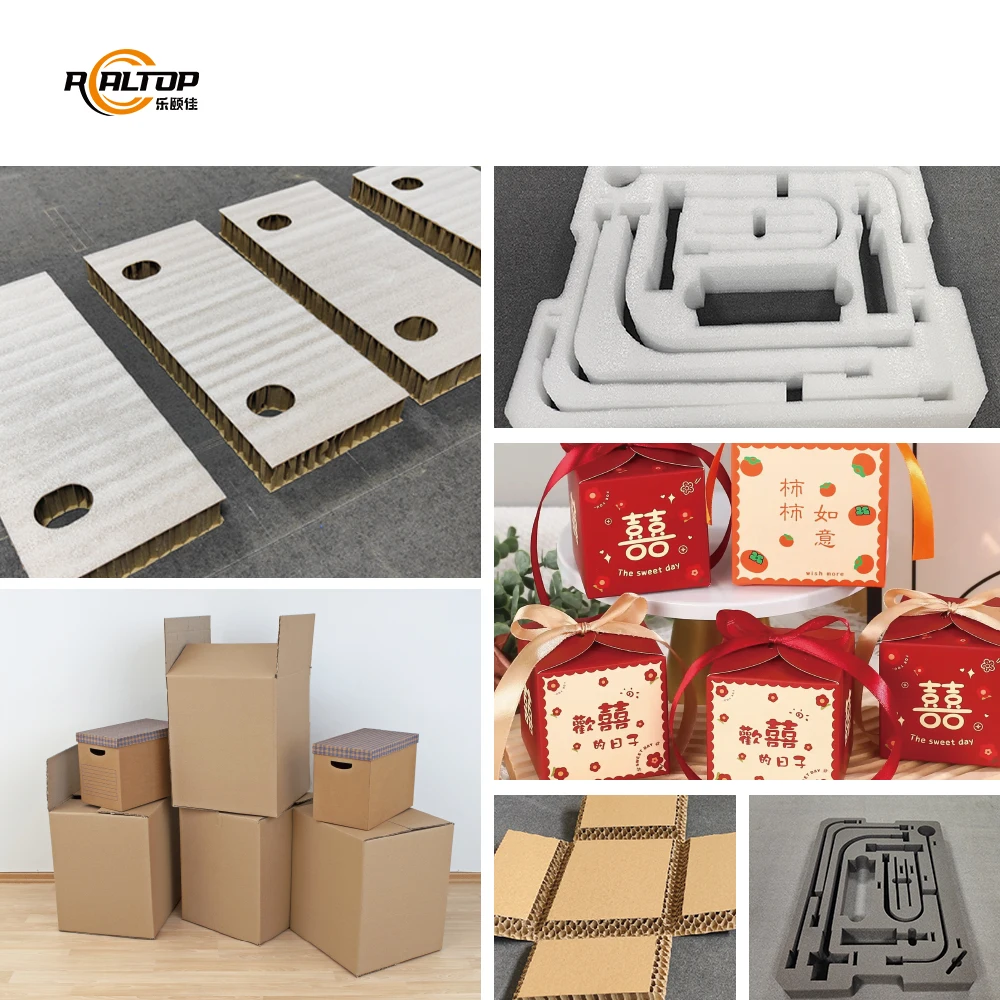
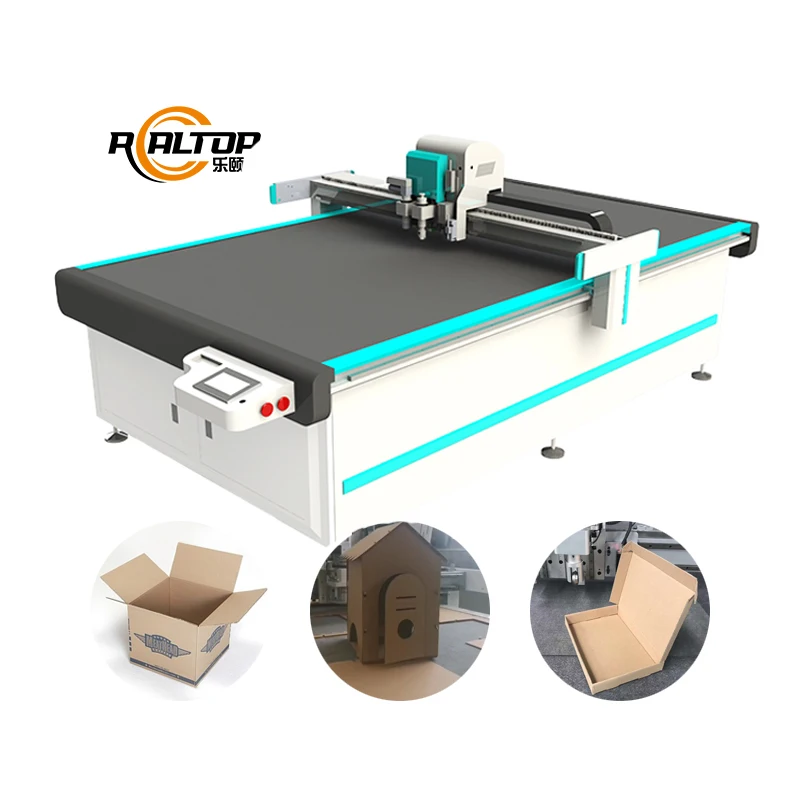
| Packaging sample making and short-run production | Corrugated cardboard (E-flute, B-flute, BC-flute), greyboard, cardstock, art paper |
| Protective insert fabrication | EVA foam, EPE foam, PU foam, rubber mats |
| Specialty packaging and luxury box production | Velvet/fleece fabric, non-woven fabric, leather, synthetic leather |
| Die-free carton prototyping | Thin plastic sheets (PVC, PET), composite and adhesive-backed materials |
Why Board Grade Matters More Than Working Area When Choosing a CNC Oscillating Knife Cutting Machine Manufacturer
A cutting table rated for 40 mm means nothing if the vacuum zoning cannot hold your smallest die-cut insert flat during the pass.
I once watched a carton sample shop lose two weeks of prototype work because the vacuum table zoning on their new cutter was configured for large-format sheets, not the small partition inserts they ran daily. Pieces lifted mid-cut, creases wandered off register, and the edge quality on their BC-flute stock was ragged enough to reject on the spot. The machine was never wrong on paper — it matched the brochure spec perfectly. What nobody asked was whether the hold-down pattern matched the actual part geometry [NEED_CITE: vacuum table zoning and small-part hold-down on CNC flatbed cutters].
How Tool Head Selection Defines Edge Quality Across Flute Types
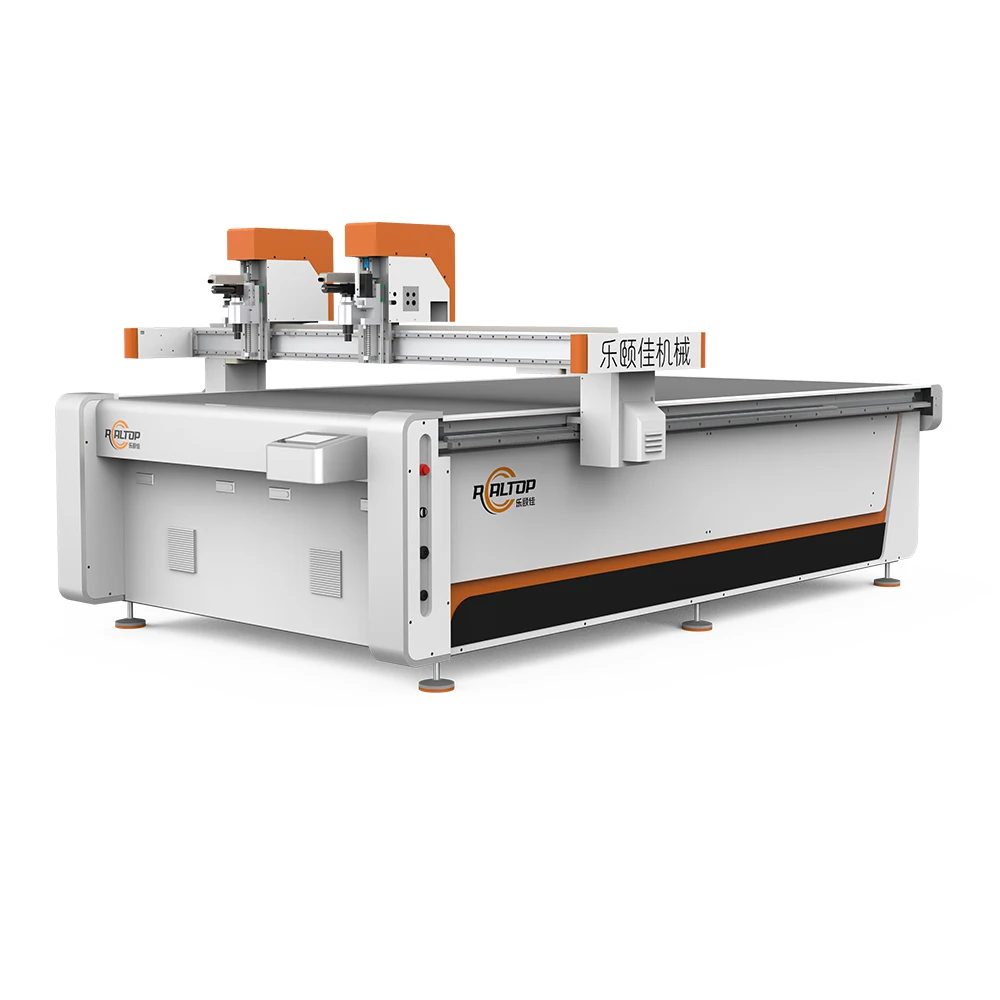
Different corrugated flutes respond differently to blade geometry and oscillation frequency. E-flute, being thin and dense, demands a high-frequency oscillating knife to slice cleanly through the liners without crushing the medium. B-flute and BC-flute carry more air space and require a longer stroke with controlled downward pressure to avoid delaminating the outer liner on exit. A CNC oscillating knife cutting machine manufacturer that ships a single default tool head forces the operator to compromise on one flute type to protect another. The seven available tool positions on this table let packaging producers load the oscillating knife for through-cuts, the creasing wheel for fold lines, and the V groove knife for rigid board scoring — all in one setup without manual changeover between jobs.
The Software Bridge Between Design Files and Production Reality
Packaging designers work in a range of vector and layout formats. When a cutting table cannot import the buyer’s existing PLT, DXF, AI, or PDF files without manual redraw, the prepress bottleneck erases any speed advantage the machine itself delivers. This system ships with dedicated packaging box structure design software that reads native files directly, and the PLC control panel supports multiple interface languages including English, Russian, Italian, and Chinese with custom language options available. File compatibility is confirmed during the pre-order stage so the machine arrives ready to run the buyer’s current design workflow rather than forcing a migration [NEED_CITE: file format compatibility in digital packaging sample cutters].
Reading the Specification Sheet Against the Actual Production Floor
The 1600×2500 mm working area covers most standard packaging sheet sizes, but working area alone tells you nothing about how the machine handles the material resting on it. The 9 kW vacuum pump feeding the aluminum bellows table determines whether small nested parts stay flat or lift during high-speed passes. Cutting accuracy of ±0.1 mm is maintained by the precision-ground heavy-duty frame, which resists deflection under the dynamic load of the oscillating knife at speeds up to 1500 mm/s. The servo motor selection — available with Panasonic, Delta, or Dorna units — affects acceleration response and positional repeatability, particularly on jobs that require frequent direction changes around tight box geometry. These parameters together determine whether a sample cut on the showroom floor translates to consistent output during a full production shift.
The Cost of Skipping Configuration Verification Before Order
When the vacuum zoning is not mapped to the buyer’s part geometry, small inserts lift and shift during cutting, producing scrap instead of samples. When the wrong tool head is specified for the flute profile, crease lines crack on the outside or fail to fold cleanly on the inside. When voltage and plug type are assumed rather than confirmed, the machine arrives and sits idle while an electrician sources the correct supply. These are not edge cases — they represent the most frequent service calls I responded to across packaging workshops before moving into equipment specification [NEED_CITE: common CNC cutter installation failures related to configuration mismatch].
Why Production Buyers Source This Equipment Here
The frame and motion components are designed and assembled in-house, which means the vacuum zoning pattern can be remapped to match the buyer’s sheet size and part nesting layout before the machine leaves Jinan. Tool head selection is specified per material and flute type rather than defaulted to a single configuration, so corrugated producers get the right blade for BC-flute and the right creasing wheel for cardstock on the same table. Every unit undergoes factory testing with a documented test record, and sample cutting on the buyer’s own material is available before commitment. Voltage, control language, and software licensing are confirmed at the order stage and documented in the shipping package. The PLC control panel and packaging-specific design software arrive configured for the buyer’s file formats and workflow.
Documentation & Verification
- Machine specification sheet confirming tool head and table configuration per material
- Electrical schematic with voltage and frequency locked to destination market
- Sample cutting report on buyer’s own corrugated stock with edge and crease assessment
- Software licence and file format compatibility note for PLT, DXF, AI, PDF workflows
- Factory test record covering accuracy, vacuum hold-down, and tool path verification
- Operation and maintenance manual with spare parts list and consumable intervals
Installation, Commissioning & Support
- Floor space of approximately 3300×2100 mm required with clearance for sheet loading on the 1600×2500 mm table
- Dedicated electrical circuit matching confirmed voltage (110V, 220V, or 380V) and the 9 kW vacuum pump draw
- Heavy-duty frame arrives assembled; table leveling and vacuum zone calibration completed on-site
- First-run parameter tuning on buyer’s corrugated grade to set oscillation frequency and knife depth
- Operator training on PLC control panel functions, tool changeover, and software nesting workflow
- Spare blade and creasing wheel kit included with consumable replacement schedule documented
What to Include With Your Inquiry
Provide the specific board grades and flute types you cut most frequently, along with typical sheet dimensions and daily sample volume. Confirm your workshop voltage supply, preferred control language, and any existing design software whose files the table must import directly. If you run small partition inserts or nested short-run layouts, share a representative file so the vacuum zoning can be mapped before production.
Frequently Asked Questions
Q: How is cutting thickness verified for different flute types and board grades before commitment?
A: We run sample cuts on the buyer’s actual corrugated stock — E-flute through BC-flute, greyboard, or specialty board — and document edge quality, crease depth, and cutting speed in a sample cutting report. This confirms the tool head configuration and vacuum hold-down perform as required before the order enters production.
Q: Which tool heads are needed for corrugated cutting, creasing, and foam insert work in one machine?
A: Corrugated through-cuts typically use the oscillating knife, fold lines require the creasing wheel, and rigid board scoring calls for the V groove knife. Foam inserts for protective packaging are handled by the oscillating knife or pneumatic knife depending on density. All seven tool positions are available to configure based on your material mix.
Q: How are voltage, plug type, and control language confirmed before shipment?
A: Voltage options of 110V, 220V, and 380V are locked at the order stage along with plug type and control panel language. An electrical schematic and voltage confirmation document are included in the shipping package. Control languages include English, Russian, Italian, and Chinese, with custom languages available on request.
Q: Can the software import existing packaging design files and integrate with current nesting workflows?
A: The included packaging box structure design software reads PLT, DXF, AI, and PDF files directly. File format compatibility is verified against the buyer’s existing design workflow before order confirmation, and a software licence with compatibility note ships with the machine.
Q: What does the factory test record cover, and can buyers witness sample cutting on their own material?
A: The factory test record documents cutting accuracy across the work envelope, vacuum hold-down performance on representative part sizes, tool path verification, and safety device function. Buyers can request sample cutting on their own material and receive the report before the machine ships from the factory.
You may also like

商品评价
Clear filtersThere are no reviews yet.