




-
 Courier delivery
-
 DHL Courier delivery
-
 Warranty 1 year
-
 Free 30-Day returns

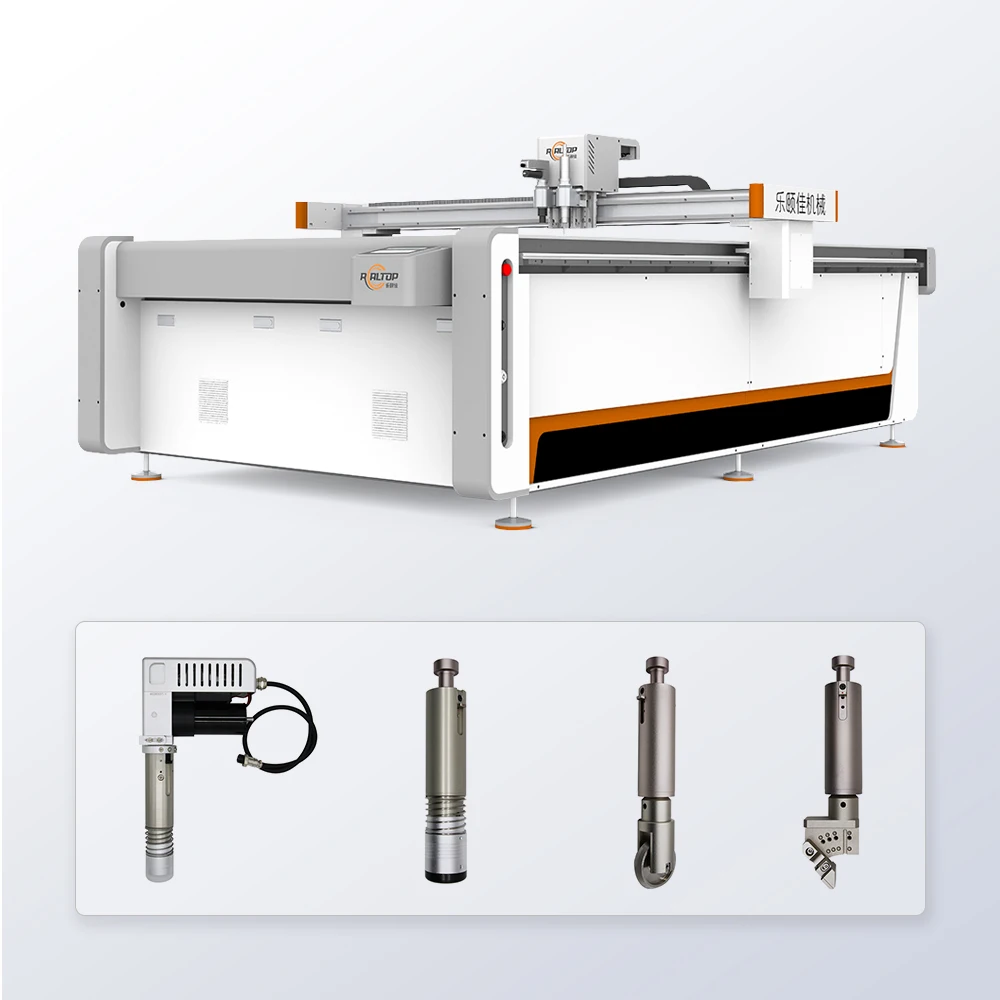
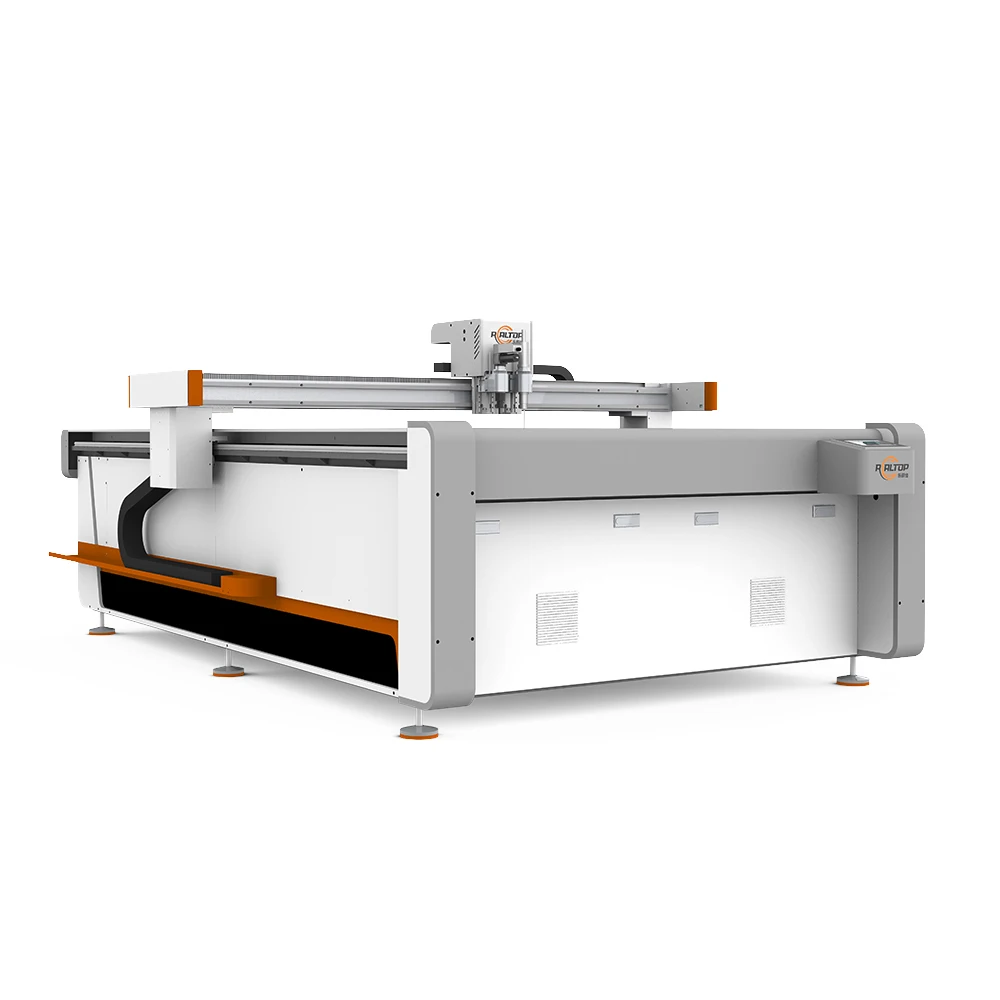
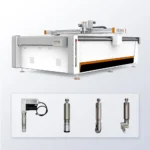
Material-specific tooling — every 1625(std.) table leaves our Jinan floor with a vacuum zone map and tool stack verified against the buyer’s actual flute board, greyboard or foam grade.
Technical Specifications
| Parameter | Value |
|---|---|
| Model | 1625(std.) |
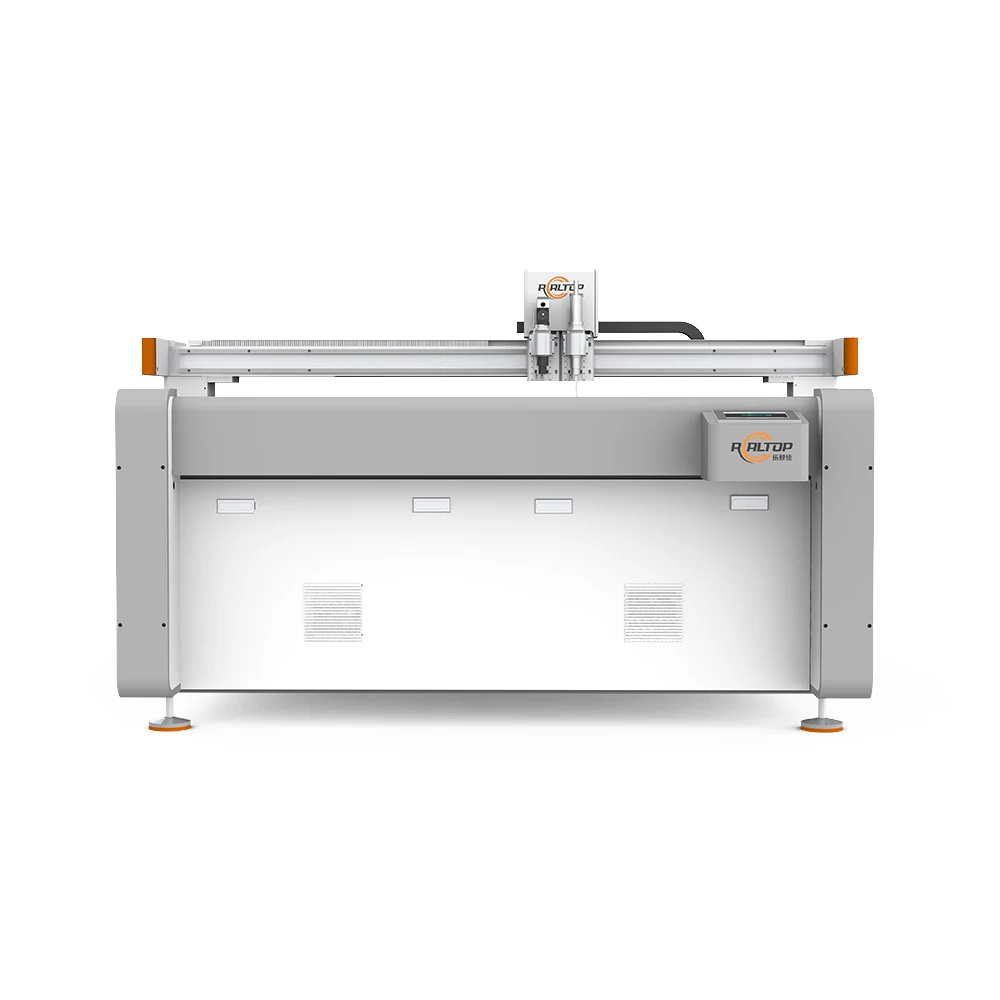
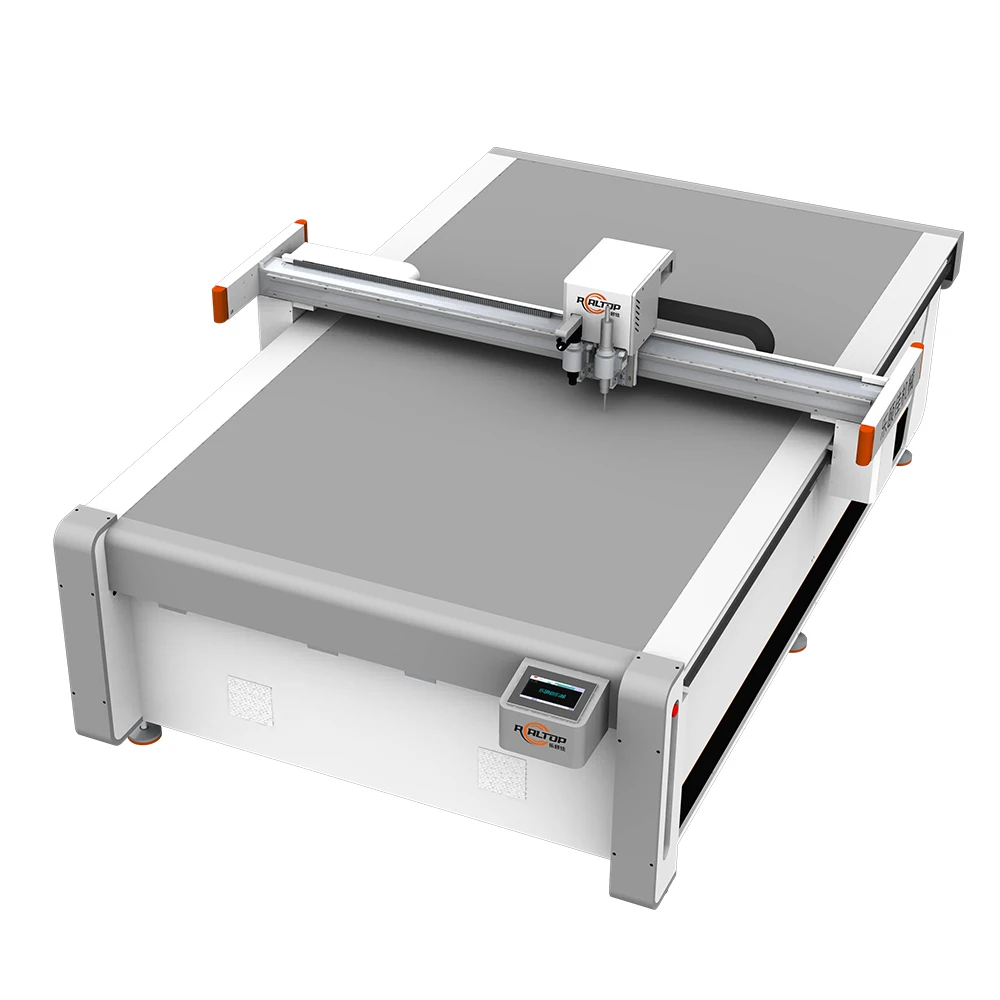
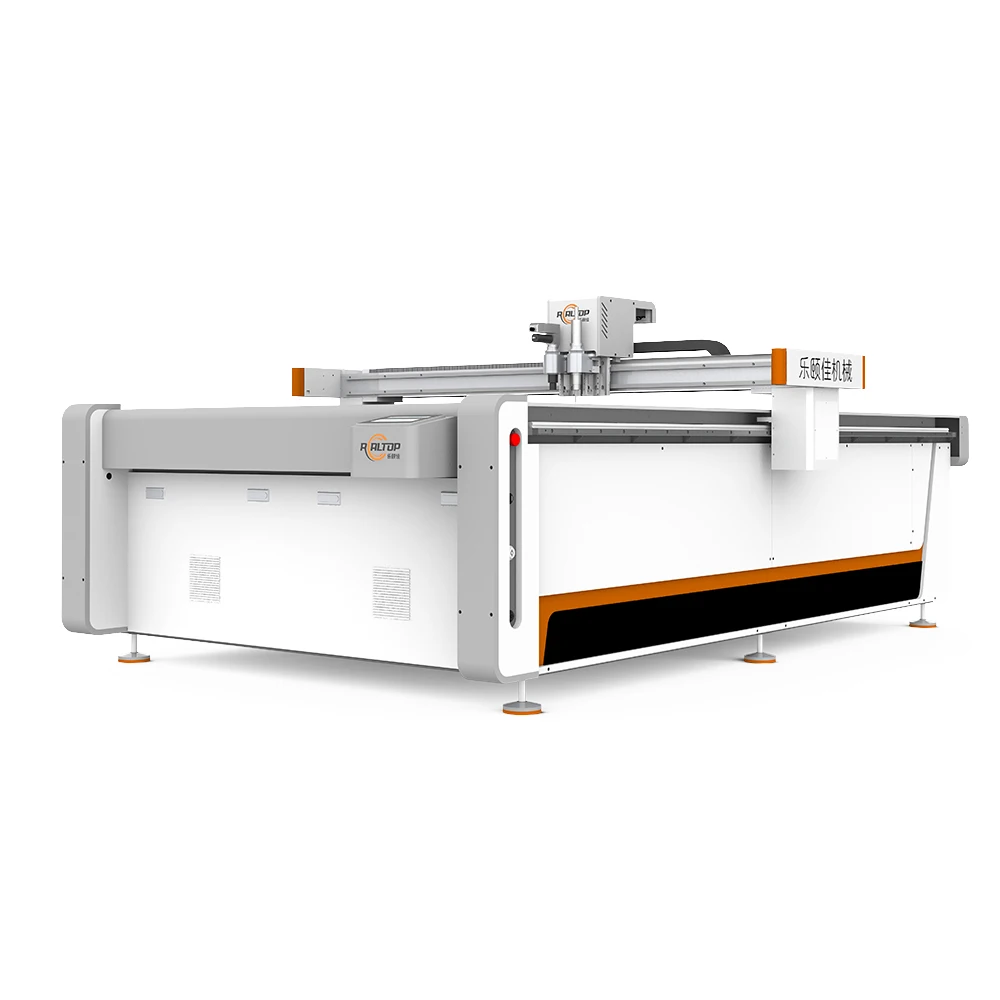
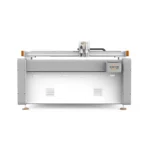
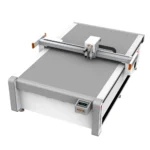
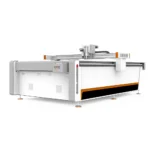
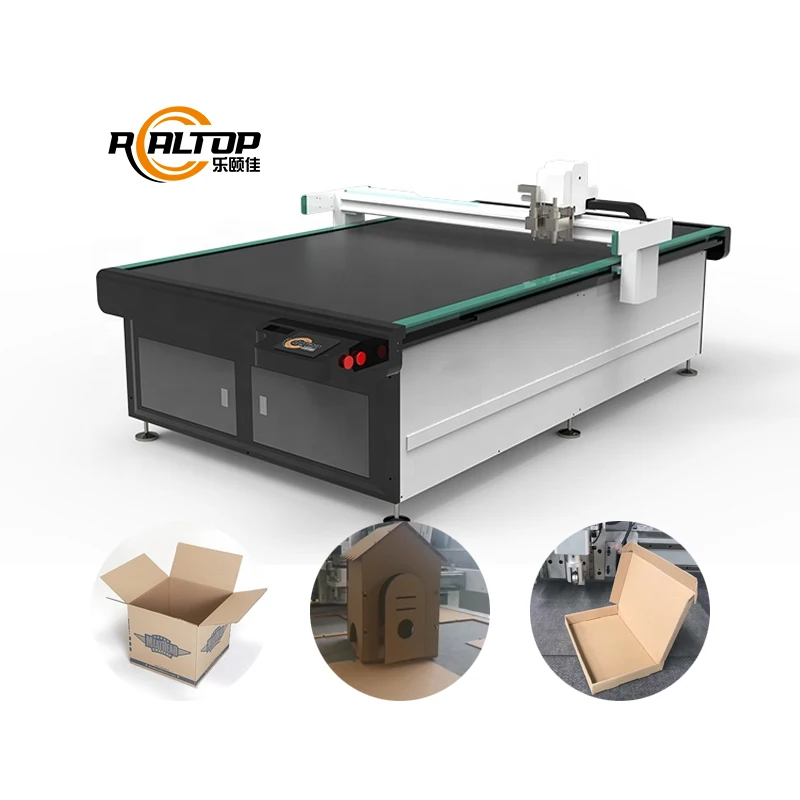
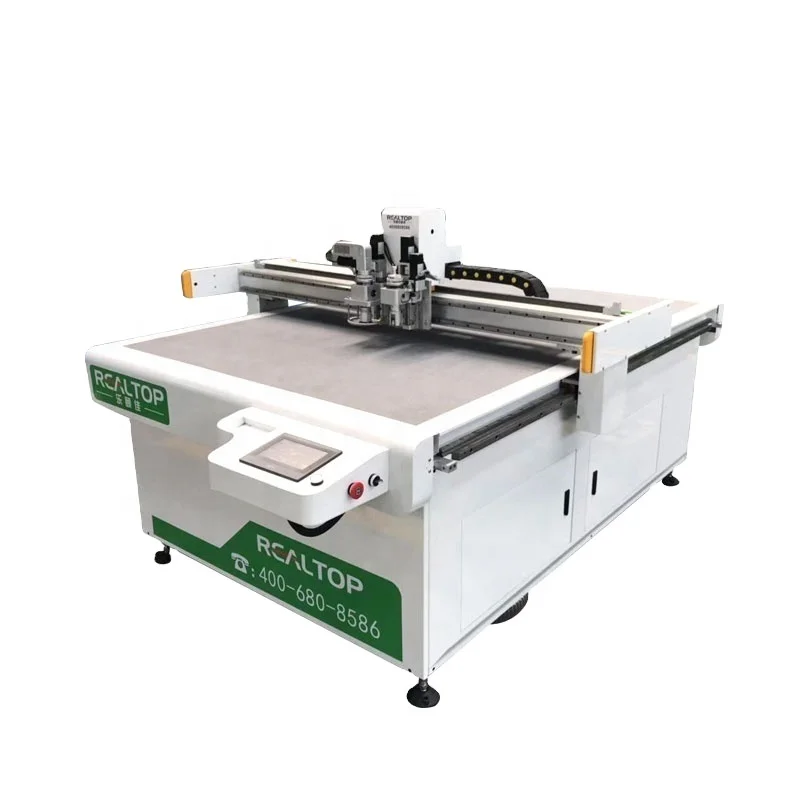
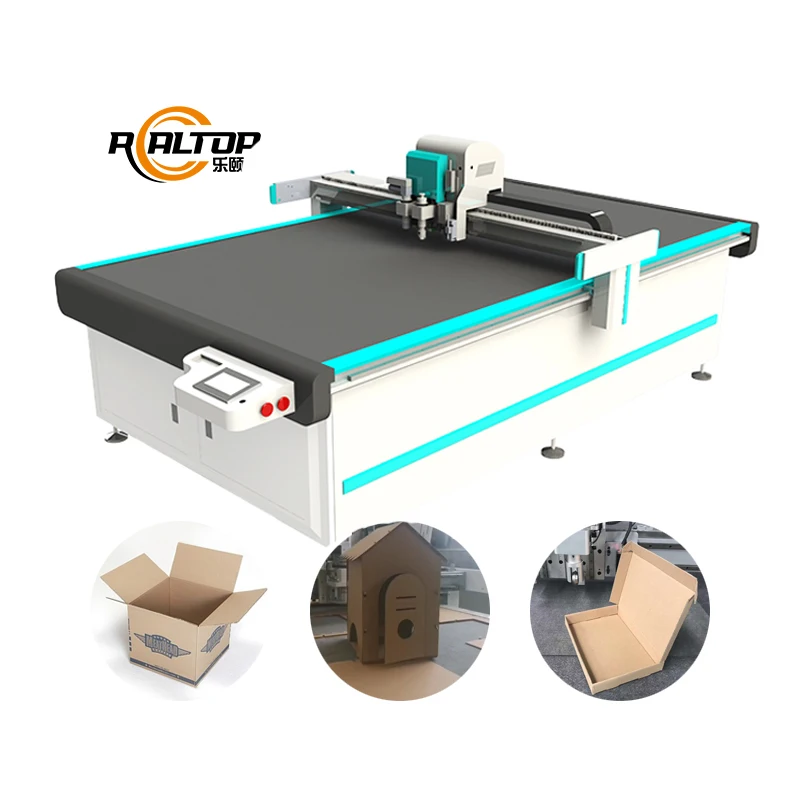
| Product Type | CNC Oscillating Knife Cutting Machine |
| Working Area | 1600×2500mm |
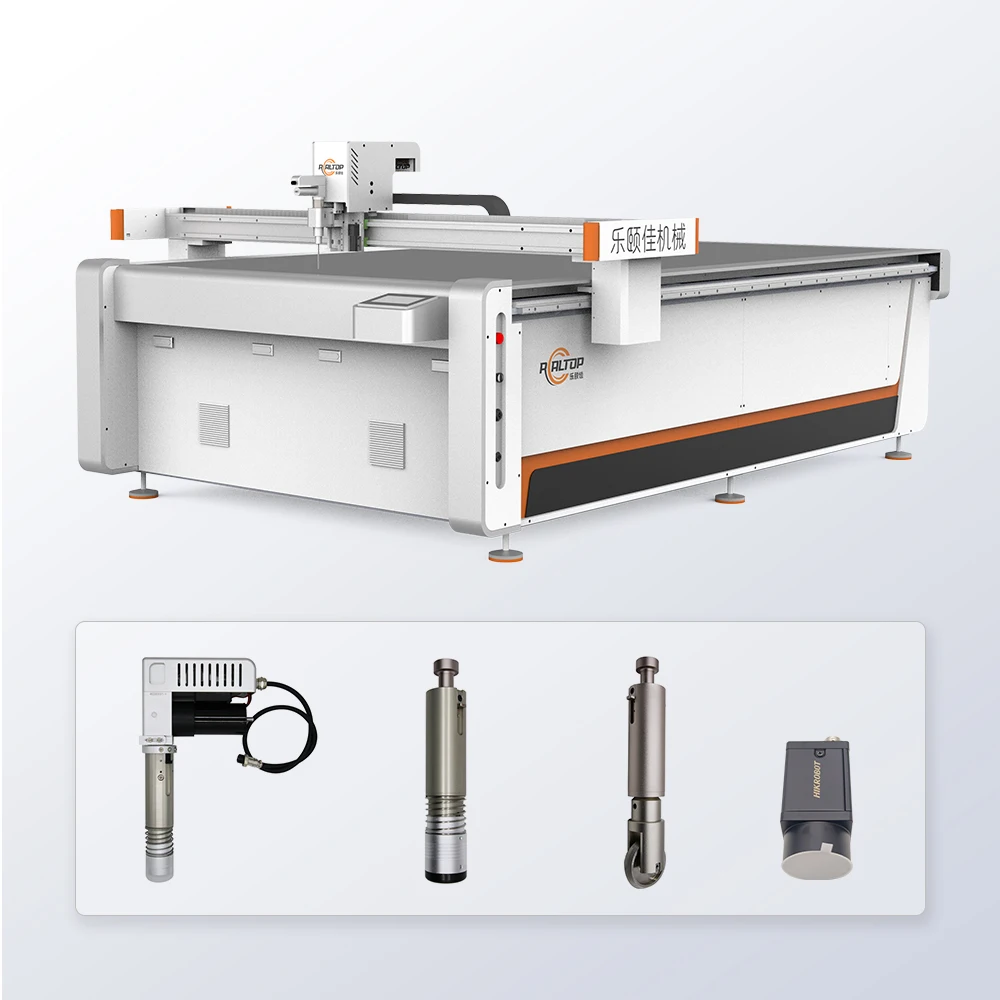
| Tool Head Options | Oscillating knife, Driven rotary knife, Creasing wheel, Kiss cutting tool, Pneumatic knife, Milling tool, V groove knife |
| Cutting Speed | 0-1500 mm/s |
| Cutting Thickness | ≤ 40mm (basis not stated in source — confirm material / density) |
| Cutting Accuracy | ±0.1 mm |
| Vacuum Pump | 9 kW |
| Vacuum Table | Aluminum bellows vacuum table |
| Voltage Options | 110V, 220V, 380V |
| Control System | PLC control panel |
| Display Language Options | English, Russian, Italian, Chinese (special languages customizable) |
| Servo Drive Options | Panasonic, Delta, Dorna (source value — verify against manufacturer catalog) |
| Profile Format Compatibility | PLT, DXF, AI, PDF etc. |
| Safety Device | Infrared sensor device and emergency stop device |
| Machine Size | 3300×2100×1350 mm |
| Standards | CE |
Application Suitability
| Application | Material or Output |
|---|---|
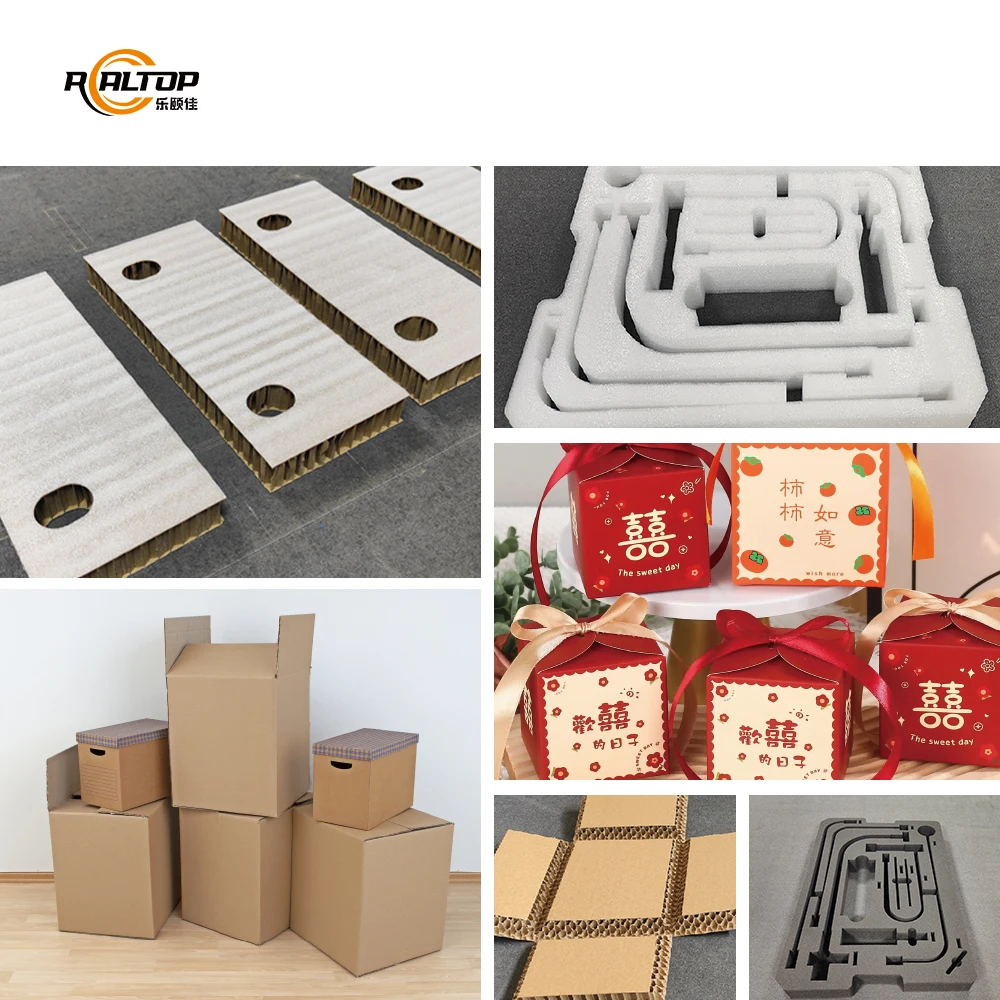
| Packaging sample making and short-run production | Corrugated cardboard (E-flute, B-flute, BC-flute), greyboard, cardstock, art paper |
| Protective packaging inserts | EVA, EPE, PU foam cut to cavity profiles |
| Inner lining and gasket cutting | Rubber mats, velvet, fleece fabric, non-woven fabric |
| Blister and clamshell prototyping | Thin plastic sheets (PVC, PET), acrylic |
| Leather and synthetic packaging trim | Leather, synthetic leather, composite and adhesive-backed materials |
Why the Voltage Conversation Must Happen Before the Quotation
A packaging CNC cutting machine factory that ships without confirming site voltage is handing you a burnt motor and a two-week production halt.
Early in my career I watched a carton sample cutter sit idle for fifteen days because the destination plant ran 415V and the paperwork said 380V. The transformer wait ate the customer’s entire sample approval window. Since then I treat the electrical schematic as a living document tied to each destination grid, not a generic PDF attached to the invoice. The 1625(std.) is available configured for 110V, 220V or 380V, but the meaningful step is matching phase balance, frequency and plug type to the buyer’s actual panel before the servo drives are wired. [NEED_CITE: voltage and frequency standards by export market]
How Tool Heads Are Assigned to Your Packaging Stack
A single oscillating knife does not cut cleanly across BC-flute corrugated, 2mm greyboard and EVA foam in the same pass. On this packaging CNC cutting machine, the tool head set is chosen against the thickest and most abrasive material the buyer plans to run. Creasing wheels are paired with the oscillating knife so carton folds and outlines finish in one setup, while a kiss cutting tool handles adhesive-backed labels without scoring the release liner. The V groove knife enters the stack when rigid box makers need bevelled corners on greyboard.
Vacuum Zoning That Holds Small Cartons Without Edge Lift
The aluminum bellows vacuum table beneath the gantry is divided into zones rather than running as a single chamber. Small carton blanks and narrow packaging inserts lose suction on a full-table vacuum layout, lifting mid-cut and producing ragged edges or shifted crease lines. Zone isolation keeps the active cutting area under consistent negative pressure while unused sections stay closed. The 9 kW pump is sized to maintain this pressure across the 1600×2500mm field without cycling on and off during long nesting runs. [NEED_CITE: vacuum table zoning practices in digital flatbed cutting]
Reading the Specification Sheet Beyond Working Area
The 1600×2500mm bed is often the first number a buyer checks, yet cutting accuracy at ±0.1 mm matters more for packaging where tab-and-slot joints must close without tape. The PLC control panel drives the Panasonic, Delta or Dorna servo options — each affecting acceleration behaviour on tight carton corners. Profile format compatibility with PLT, DXF, AI and PDF files determines whether the buyer’s existing box-structure software talks directly to the machine or requires an extra conversion step that adds time and nesting errors. Cutting speed ranges up to 1500 mm/s, though sustained speed on corrugated is governed by flute orientation and knife oscillation frequency rather than the headline figure.
What the Wrong Tool Head Costs You on the Shop Floor
A driven rotary knife chosen where an oscillating knife should run will compress rather than slice EVA foam, leaving crushed edges that fail insert fit checks. Crease wheels set to the wrong pressure on B-flute produce a fold that cracks along the score line during assembly. These errors surface only after the machine is on-site and the first sample batch is rejected by the buyer’s customer. Re-commissioning tool heads and re-running samples adds downtime that no quotation footnote covers. [NEED_CITE: tooling mismatch consequences in digital packaging sample making]
Why Procurement Teams Source This 1625(std.) From Our Floor
Our design team specifies the knife and vacuum configuration against your material stack, not against a catalogue default. Sample cutting runs on the buyer’s own corrugated, greyboard or foam before the order is confirmed, producing a cutting report rather than a brochure promise. Electrical schematics are matched to the destination market and re-checked before crating, so voltage and plug arguments are settled weeks before the container sails. Display language and software licence documentation are matched to the operator who will actually stand at the panel. Spare parts lists ship with the machine, not as a separate conversation six months later.
Documentation & Verification
- Machine specification sheet with tool head and vacuum table configuration matched to your packaging material
- Electrical schematic and voltage confirmation aligned with destination grid phase and frequency
- Sample cutting report produced on buyer-supplied corrugated, foam or greyboard stock
- Software licence and file format compatibility note covering PLT, DXF, AI and PDF workflows
- Factory test record documenting cutting accuracy and vacuum pressure before crating
Installation, Commissioning & Support
- Foundation must carry the 3300×2100×1350 mm footprint on level concrete with anchor clearance
- Dedicated circuit sized for the 9 kW vacuum pump plus servo and PLC loads at confirmed voltage
- Gantry and vacuum table re-assembled on site with bed flatness re-verified against specification
- First-run commissioning includes crease pressure and oscillation tuning on your carton stock
- Operator training covers tool head changeover and PLC language switching for shift crews
- Wear parts list identifies knife blades, creasing wheels and vacuum seals with reorder intervals
What to Prepare Before Requesting a Quotation
Send the exact material types, thicknesses and flute grades you plan to cut, along with the largest sheet size in your current packaging jobs. Confirm the site voltage, frequency and available plug type so the electrical drawing can be drafted against your panel. If you already run packaging design software, share a sample file so format compatibility is verified before the machine enters production.
Frequently Asked Questions
Q: How is cutting thickness verified against my specific flute board or foam grade?
A: We run your actual material on the 1625(std.) before order confirmation. The sample cutting report records knife type, oscillation frequency and achievable thickness, so the quoted configuration matches the board or foam you will load rather than a generic catalogue figure.
Q: Which tool heads do I need for creasing and cutting corrugated cartons in one pass?
A: A creasing wheel paired with the oscillating knife handles fold lines and outlines together on E, B or BC-flute. The exact wheel width and pressure setting are determined during the sample run on your corrugated stock.
Q: Is the control panel and packaging design software available in my local language?
A: The PLC panel ships with English, Russian, Italian or Chinese by default, and special languages can be configured before dispatch. Software licence documentation confirms file format compatibility with your existing workflow.
Q: What voltage and electrical standard is confirmed before shipment to my market?
A: We confirm phase, frequency, voltage and plug type against your site supply and issue an electrical schematic for approval. The 1625(std.) is built for 110V, 220V or 380V, and the wiring is verified before crating.
Q: Can I send my own material for sample cutting before committing?
A: Yes. Ship a representative sheet of your corrugated, greyboard or foam to our Jinan facility. We return a cutting report and physical samples so you can evaluate edge quality, crease integrity and dimensional accuracy before placing the order.
You may also like

商品评价
Clear filtersThere are no reviews yet.