




-
 Courier delivery
-
 DHL Courier delivery
-
 Warranty 1 year
-
 Free 30-Day returns

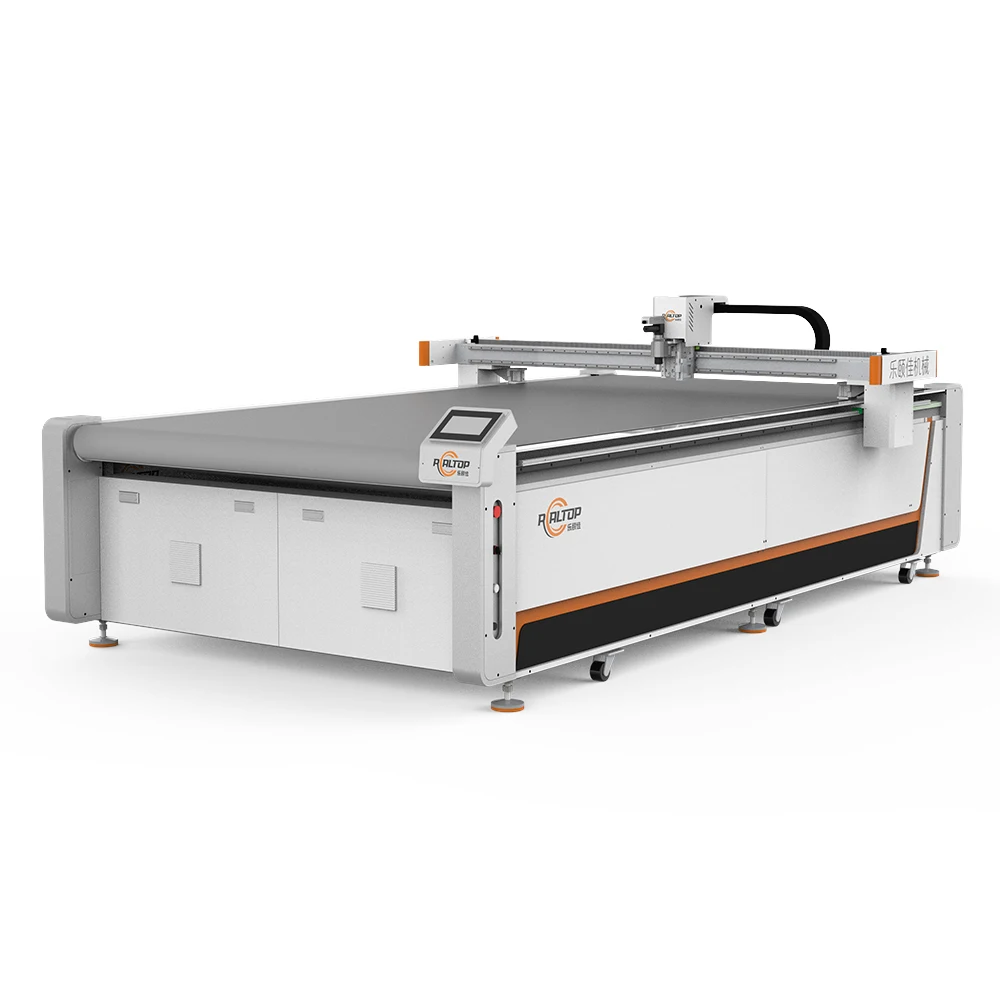
Design-Built Configuration — Every tool head and table setup is specified to match your fabric type and production volume, rather than forcing a single cutting method across different materials.
Technical Specifications
| Parameter | Value |
|---|---|
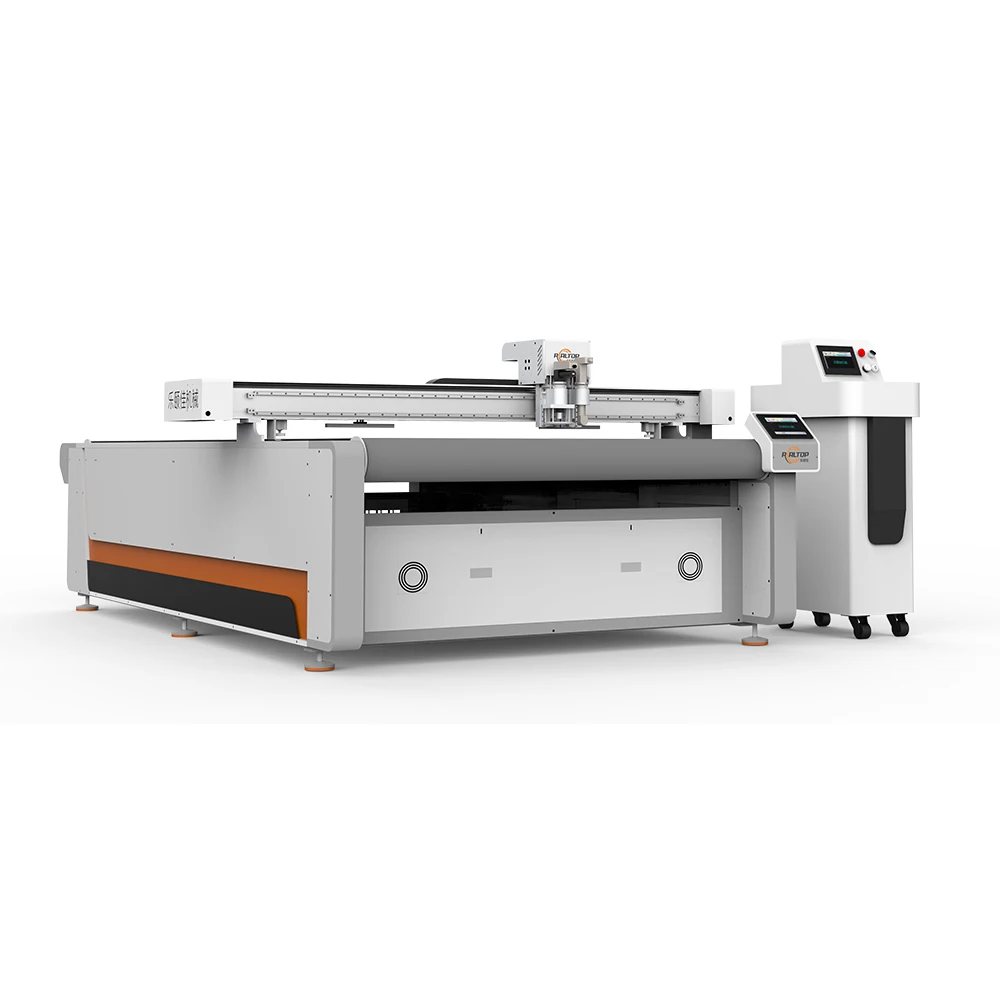
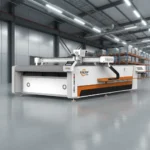
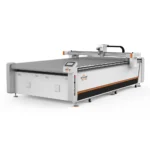
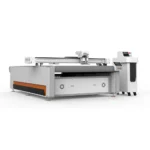
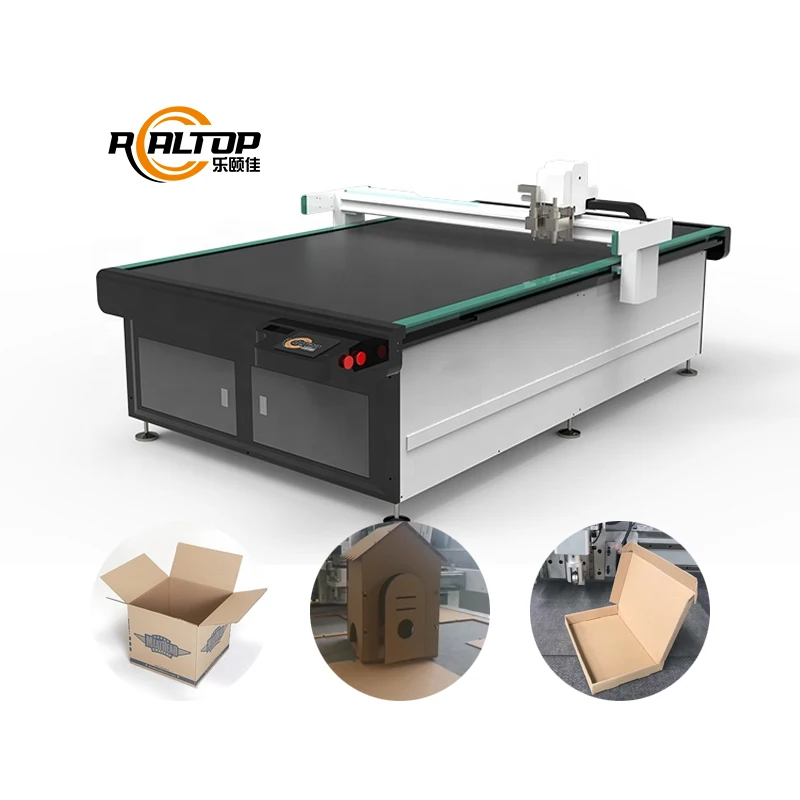
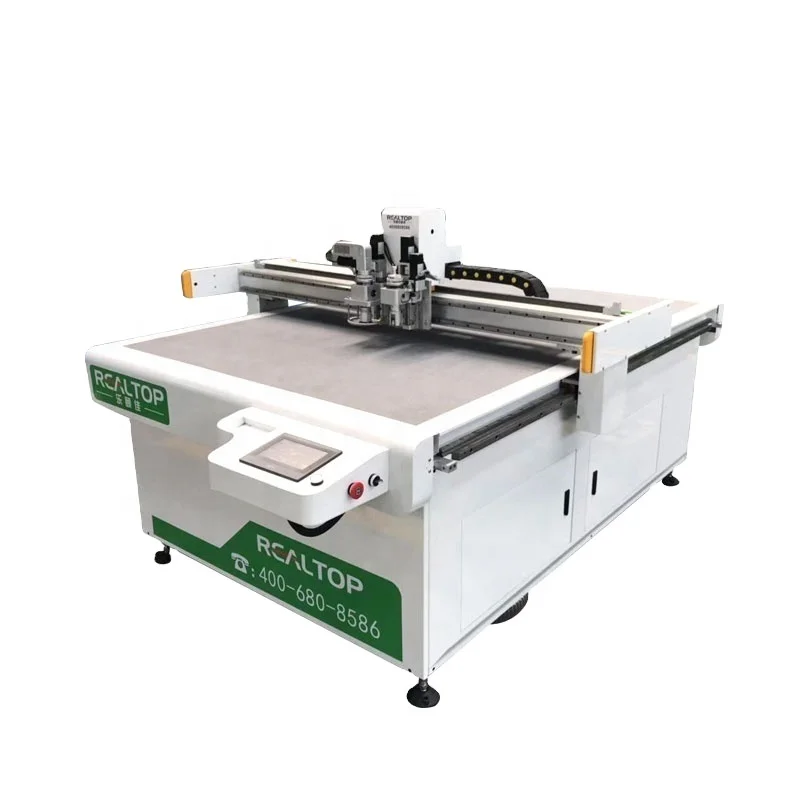
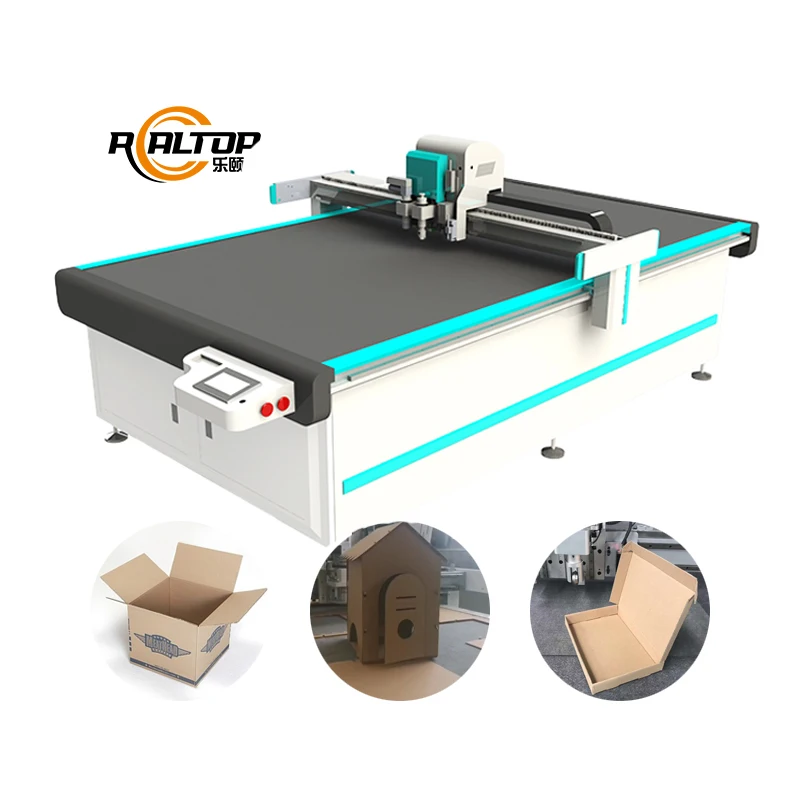
| Product Type | CNC Oscillating Knife Cutting Machine |
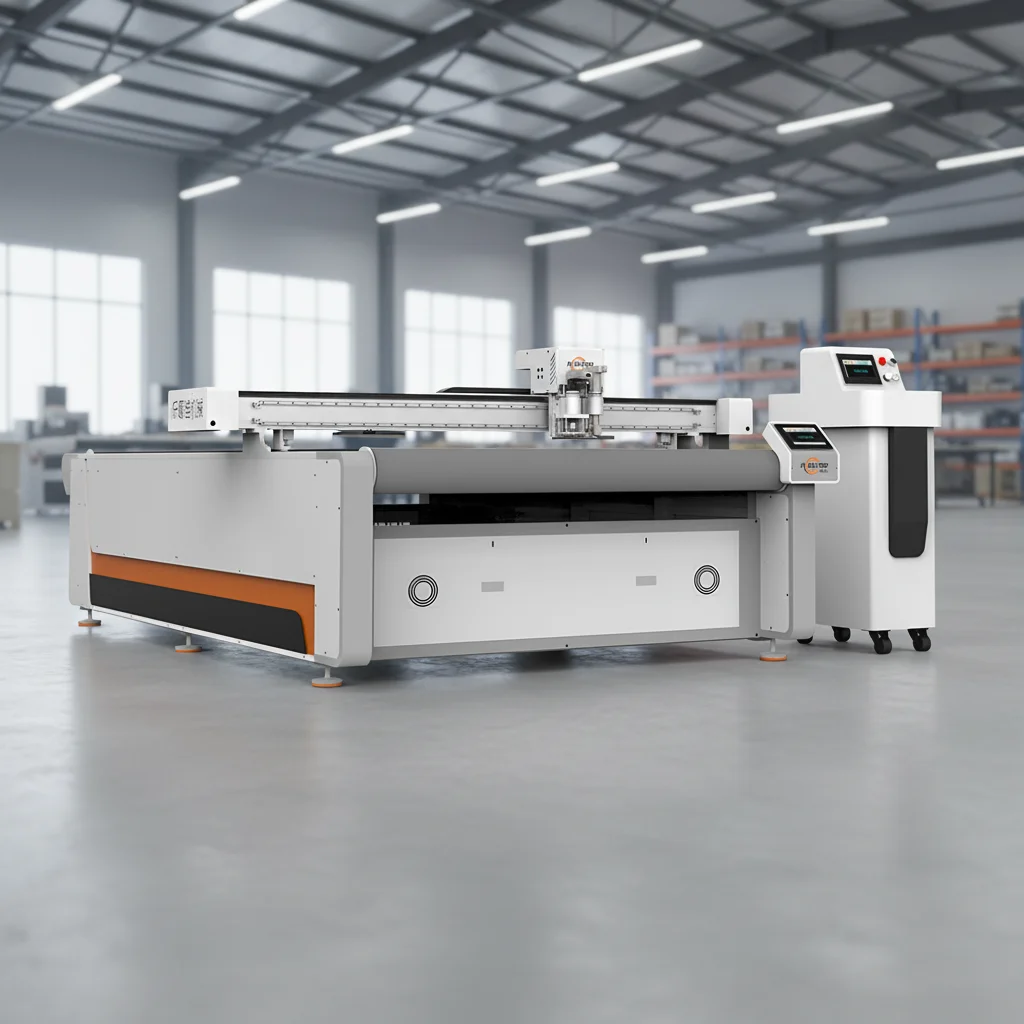
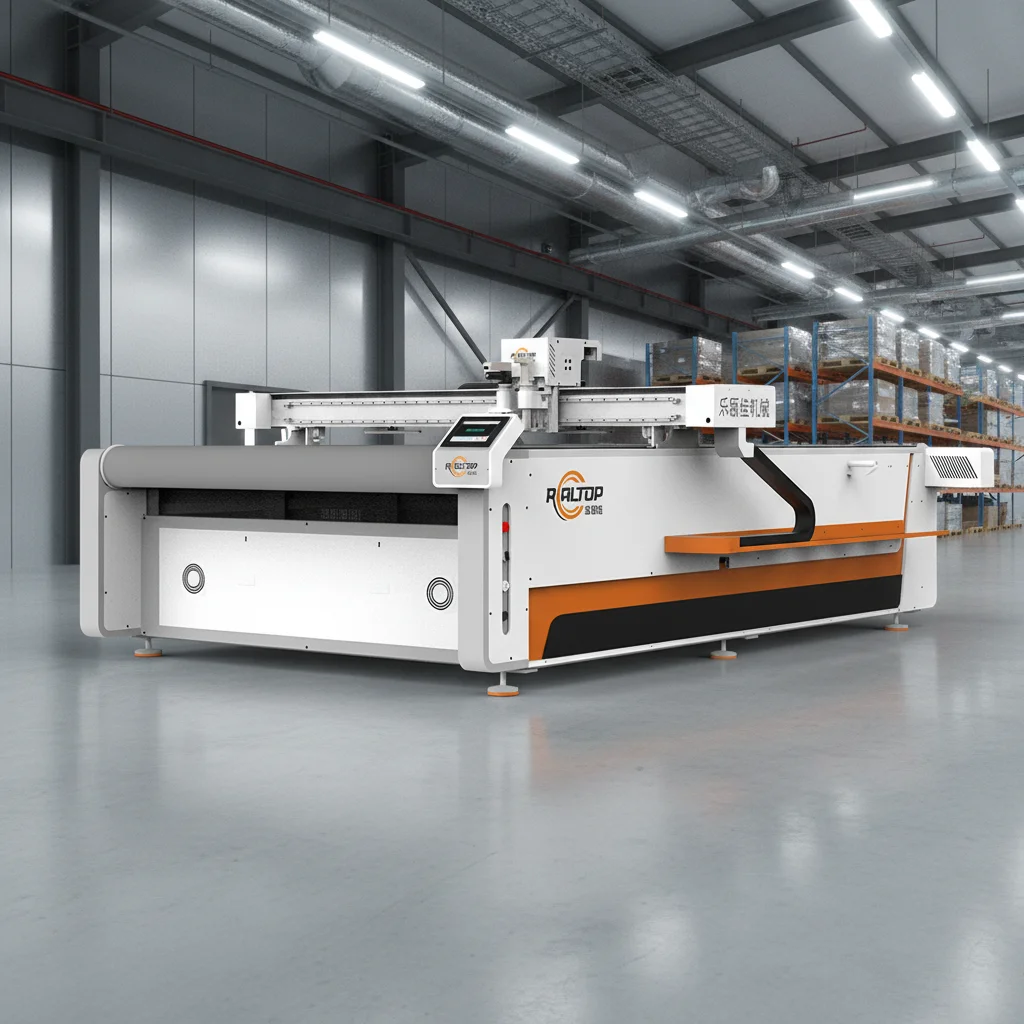
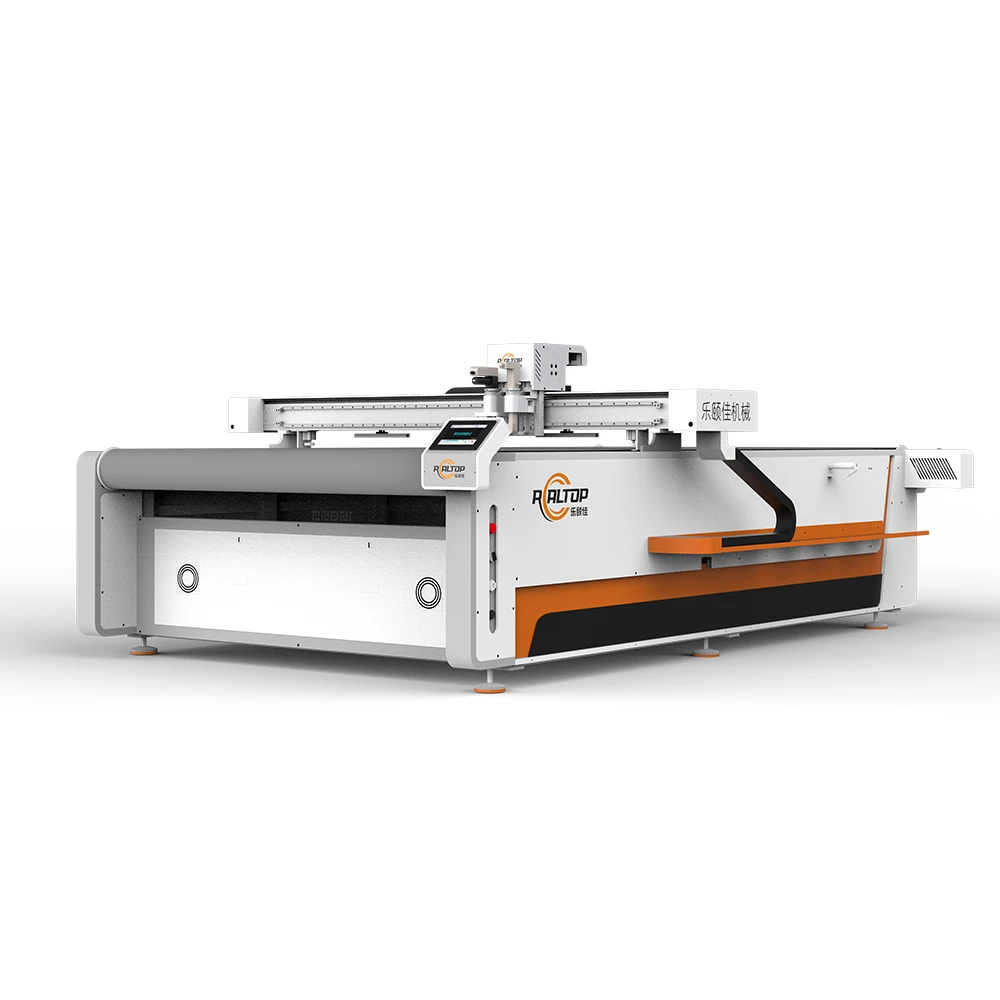
| Working Area | 1600×2500 mm |
| Machine Dimensions | 3450×2300×1250 mm |
| Rated Power | 9 kW |
| Table Options | Flatbed working table, auto-feeding conveyor table |
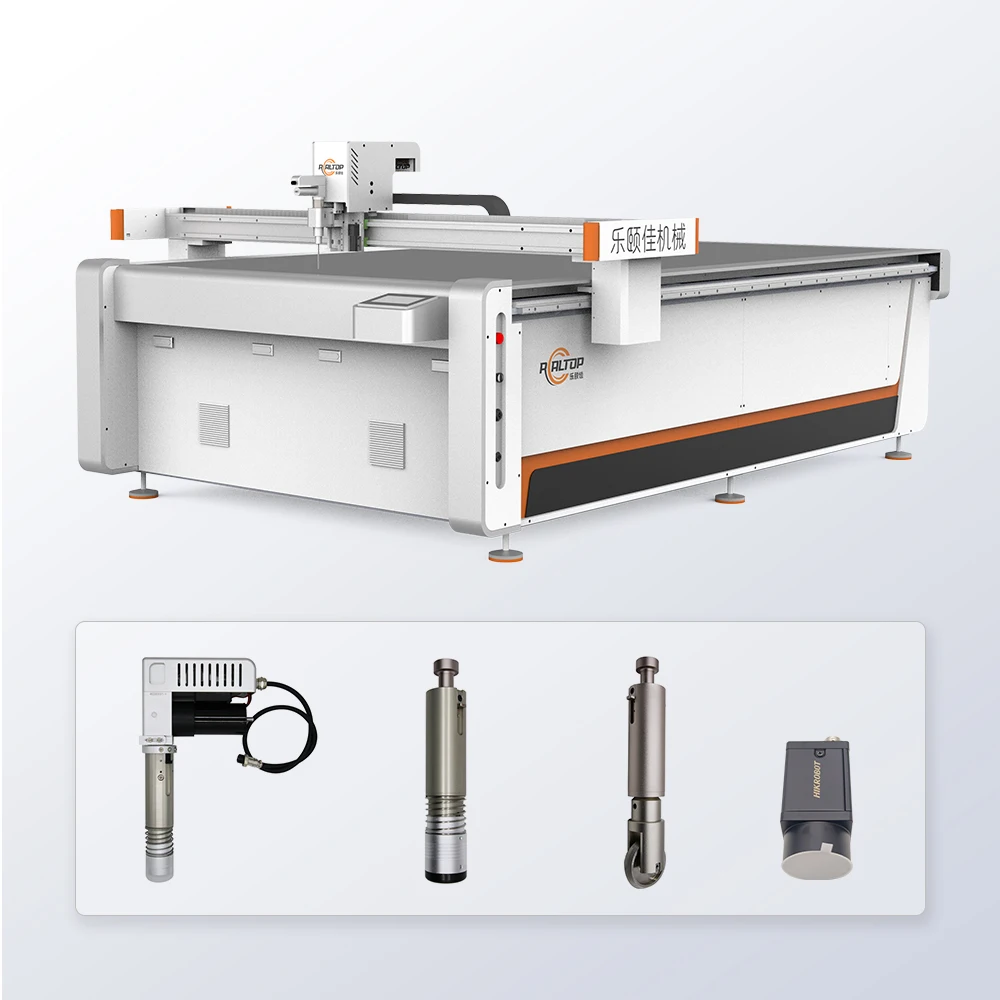
| Cutting Head | Multifunctional head with Swiss imported knife (vibration full/half cutting, cursor location) |
| Safety Device | Infrared sensors |
| Translational Velocity | 800–2000 mm/s |
| Cutting Speed | 200–800 mm/s (basis not stated in source) |
| Repeated Accuracy | ≤0.1 mm |
| Transmission System | Digital servo motor, linear guide, synchronous belt, ball screw |
| Control System | Touch screen control panel |
| Instruction Format | HP-GL compatible |
| Vacuum Pump | 7.5 kW |
| Guide Rail | Taiwan Hiwin linear rail |
| Conveyor Belt | Germany imported belt (auto-feeding models) |
| Voltage | 380V ±10% |
| Software | Auto typesetting software (PLT, DXF, AI formats) |
| Language Options | English, Russian, Italian, Chinese and others |
| Standards | CE compliant |
Application Suitability
| Application | Material or Output |
|---|---|
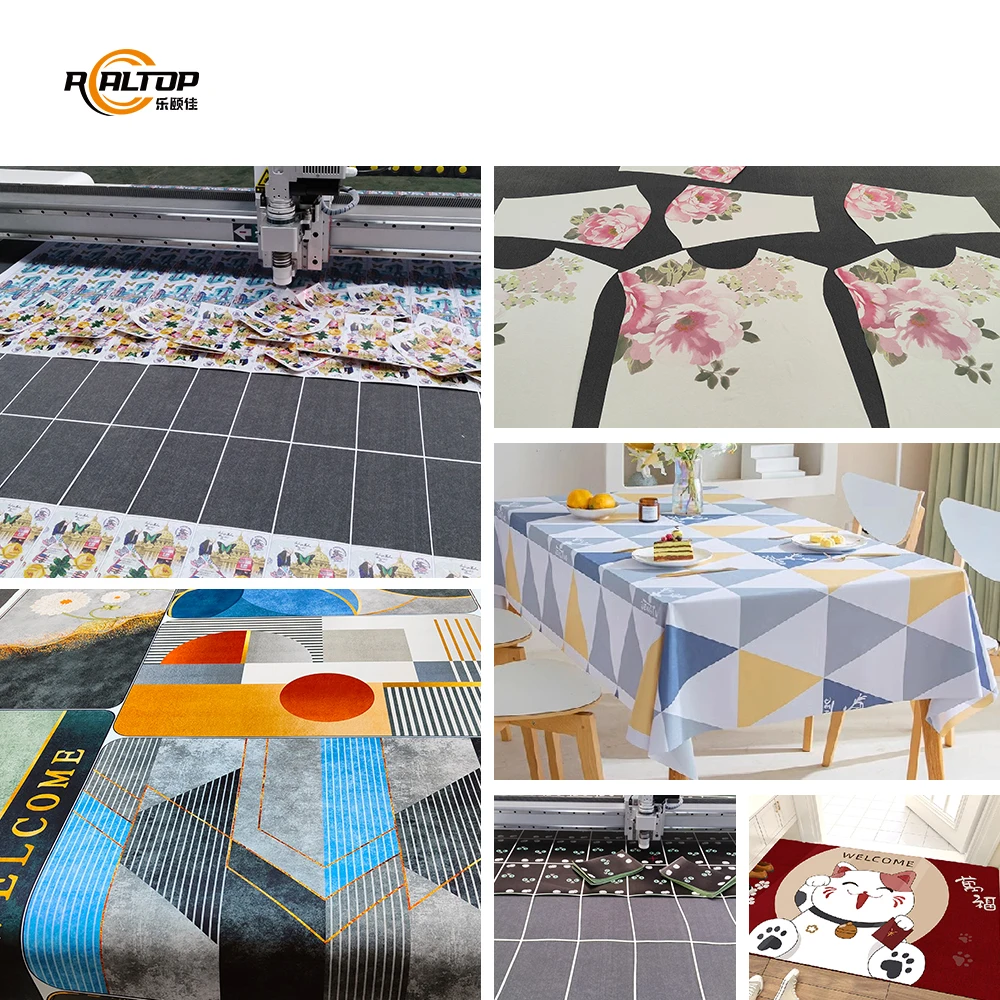
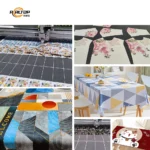
| Garment and footwear production | Cotton, knit fabric, non-woven fabric, shoe material, luggage material |
| Automotive interior trim | PU leather, composite fabric, gasket material, carpet |
| Soft home furnishings | Curtain fabric, upholstery textile, sponge, foam board |
| Outdoor and sports goods | PVC, PE, EVA, XPE, fiberglass cloth |
| Composite and sealing fabrication | Rubber, PTFE, ETFE, corrugated cardboard, sticker film |
| Advertising and signage | Vinyl, sticker, film, corrugated board |
When the Wrong Tool Head Destroys Your Fabric
The right CNC oscillating knife cutting machine manufacturer does not sell a one-size cutting head. You match the knife profile, vibration frequency, and hold-down pressure to the exact fabric you are running that day.
I remember a workshop that ordered a flat-table machine specified only for working area. Their standard cotton ran fine in the factory test, but when they brought the line home and switched to high-stretch knit fabric, the material slipped under the conveyor feed and every cut piece came out skewed. Daily output dropped sharply because operators had to stop, re-align, and re-cut entire lays. The fix was not a new machine — it was re-tuning the hold-down pressure and adjusting the feed compensation parameters. That kind of material-specific tuning is exactly what buyers need to confirm before the machine leaves the factory, not after it lands on their floor. A machine quoted on working area alone tells you nothing about whether it will handle your specific textile behavior under continuous production conditions. [NEED_CITE: material feed compensation requirements for stretch textiles in CNC cutting]
Knife Vibration Modes That Actually Matter on the Shop Floor
The multifunctional cutting head on this machine supports Swiss imported knife tooling with vibration full cutting, vibration half cutting, and cursor location functions. Full cutting drives the blade completely through the material stack in a single oscillating stroke, which suits dense woven fabrics and leather. Half cutting scores the surface without penetrating the backing layer — useful when you need kiss-cut stickers or partial-depth patterns on laminated textiles. Cursor location lets the operator position the cutting start point with precision before engaging the blade, reducing wasted material on expensive composite rolls.
Why Vacuum Zoning Decides Whether Small Parts Stay Put
A 7.5 kW vacuum pump paired with the table surface provides the hold-down force during cutting. But vacuum power alone is not the full story. When a nesting layout contains many small pattern pieces, a single-zone vacuum table leaves edges of the material prone to lifting as the knife exits a cut path. Zoned vacuum sections allow the operator to activate suction only where the knife is currently working, keeping small garment panels flat without pulling air through empty table space. This matters particularly on lightweight non-woven and film materials where even slight lift produces ragged edges. [NEED_CITE: vacuum zoning principles for small-part retention in digital cutting]
Reading the Specs That Actually Affect Your Cut Quality
The repeated accuracy rating of ≤0.1 mm depends on the entire transmission chain working together: Taiwan Hiwin linear rails guide the gantry, ball screws handle Z-axis positioning, and synchronous belts transfer servo motor torque to the cutting head. If any single component introduces backlash, the cumulative error shows up as mismatched pattern pieces that refuse to align during sewing. The digital servo motor responds to direction changes far faster than a stepper motor, which becomes visible when cutting tight radii on collar or cuff patterns — corners stay sharp instead of rounding off. Auto-feeding models include a Germany imported conveyor belt that advances the material roll between cuts, and the feed distance must be calibrated against actual fabric stretch to prevent accumulated length error across a long production run. The touch screen control panel and HP-GL compatible instruction format mean your existing pattern files can transfer without requiring a separate CAD conversion step.
What Happens When Configuration Choices Come Back to Haunt You
Choosing the wrong tool head for your material produces visible defects: ragged edges on woven fabric, crushed foam cores, or delaminated composite layers. A machine specified without confirming your material thickness range may cut clean at 2 mm but leave uncut fibers at 8 mm, forcing operators to hand-trim every piece. Software that cannot import your existing DXF or PLT files means paying a technician to redraw every pattern from scratch. Voltage mismatch discovered after the machine arrives requires sourcing a step-down transformer locally, adding cost and occupying floor space you did not plan for. [NEED_CITE: electrical voltage compatibility requirements for imported industrial machinery]
Why Buyers Source This Line From Our Factory
In-house design and production covering oscillating knife technology means the cutting head configuration is engineered around your material, not adapted from a generic catalog. Tool head and table setup is specified per fabric type and production volume before the order is confirmed. CCD camera positioning options are available for printed contour work where camera recognition must track registration marks at production speed. Software compatibility with your file format and nesting workflow is verified before the machine enters assembly. Voltage, control language, and plug type are customized to your facility’s electrical infrastructure. Sample cutting on your own material roll runs before commitment, so you see actual edge quality rather than generic demonstration output.
Documentation & Verification
- Machine specification sheet listing confirmed tool head and table configuration for your material
- Electrical schematic with voltage and frequency matched to your facility standard
- Sample cutting report produced on your fabric with measured accuracy and edge finish
- Software licence and file format compatibility note for PLT, DXF, and AI workflows
- Factory test record with translational velocity and repeated accuracy measured on your material
- Operation and maintenance manual in your selected control language
Installation, Commissioning & Support
- Foundation must support 9 kW rated power draw plus 7.5 kW vacuum pump on a dedicated circuit
- 3450×2300 mm footprint requires clearance on all sides for material roll loading and maintenance access
- Auto-feeding conveyor table arrives with belt tension pre-set but requires on-site calibration for your fabric weight
- Touch screen control panel language configured to your operator preference before first power-on
- Swiss imported knife blade replacement schedule and spare blade inventory reviewed during training
- Hiwin linear rail lubrication points identified and first maintenance interval scheduled at commissioning
Before You Request a Quote
Send us your fabric type, weight per square meter, and maximum lay thickness so we can specify the correct knife profile and hold-down pressure. Confirm your workshop voltage and frequency, along with the control language your operators need. Let us know your daily cutting volume and whether your existing nesting software exports PLT, DXF, or AI files so we verify software compatibility before production begins.
Frequently Asked Questions
Q: How do I choose between vibration full cutting and half cutting for my material?
A: Full cutting drives the Swiss imported blade completely through the fabric stack and suits woven textiles, leather, and gasket material. Half cutting scores the top layer without cutting through the backing, which works for kiss-cut stickers and laminated composites. We run sample cuts on your material to confirm which mode produces the edge finish you need before finalizing the tool head specification.
Q: Which file formats does the auto typesetting software accept?
A: The software imports PLT, DXF, and AI files directly. Before order confirmation, we request a sample file from your existing design workflow and run it through the nesting engine to verify import accuracy, kerf compensation, and pattern rotation. This ensures your operators can use the CNC oscillating knife cutting machine manufacturer setup without re-drawing patterns.
Q: Can the CCD camera track printed marks at full production speed?
A: CCD camera positioning options are available for printed contour cutting. The system recognizes registration marks and adjusts the cut path accordingly. We test recognition accuracy using your actual printed material at production translational velocity to confirm the camera holds registration without slowing the cutting cycle.
Q: How is the vacuum table configured for different pattern sizes?
A: The 7.5 kW vacuum pump connects to a zoned table surface. Zones can be activated independently so suction concentrates where the knife is working. This prevents lightweight film and non-woven fabric from lifting around small cut pieces. Zone configuration is specified based on your typical nesting layout before the table is built.
Q: What voltage and language options are available before shipment?
A: The machine supports 380V ±10% standard and voltage customization for other markets. The touch screen control panel supports English, Russian, Italian, Chinese, and additional languages. We confirm your facility’s electrical standard and operator language preference before assembly begins so no transformer or re-configuration is needed on arrival.
You may also like

商品评价
Clear filtersThere are no reviews yet.