

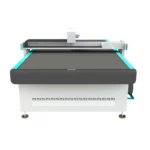
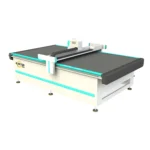
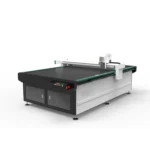
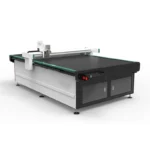

-
 Courier delivery
-
 DHL Courier delivery
-
 Warranty 1 year
-
 Free 30-Day returns

Precision-matched tooling — Every RT-D2516/RT-S2516 cutting head and vacuum zone is configured against your actual composite ply and resin content before the order is locked.
Technical Specifications
| Parameter | Value |
|---|---|
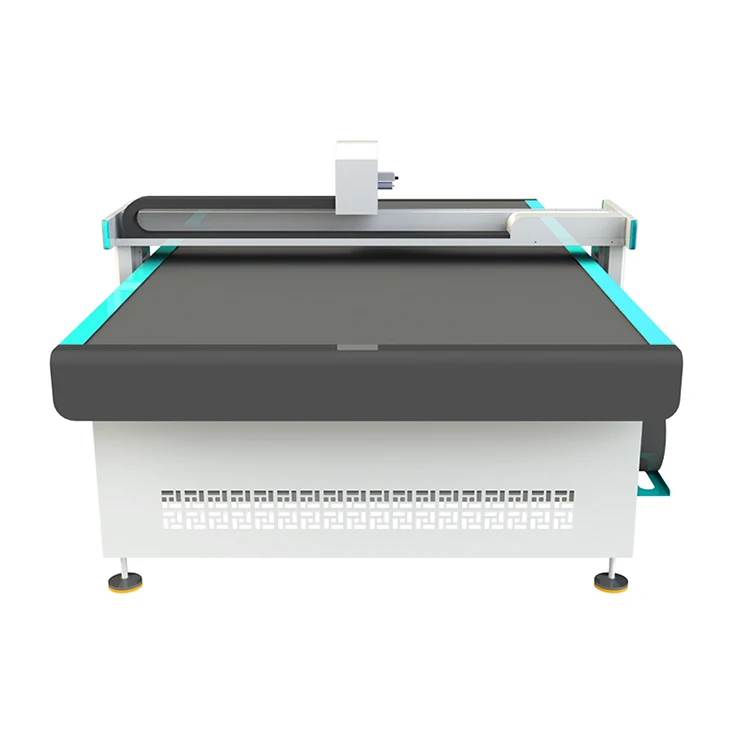
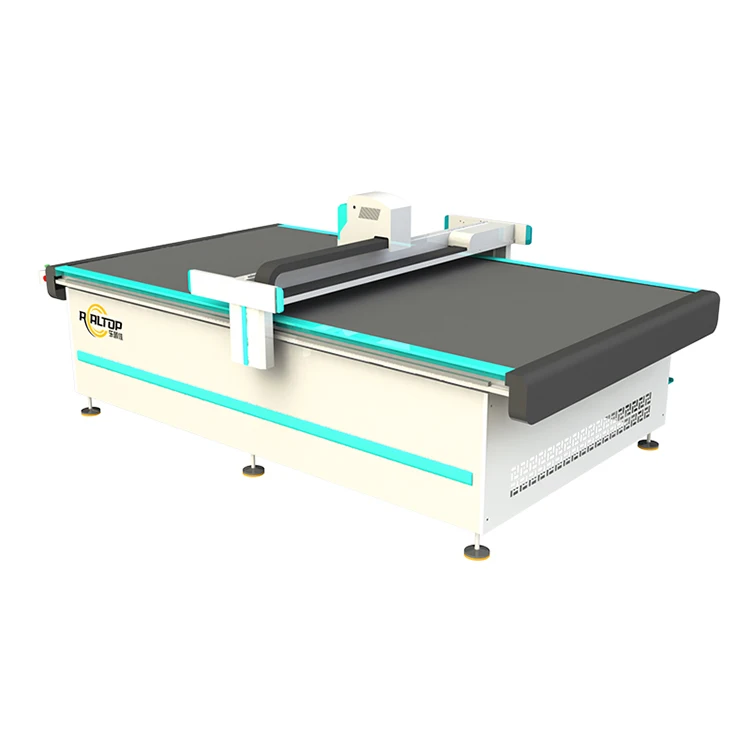
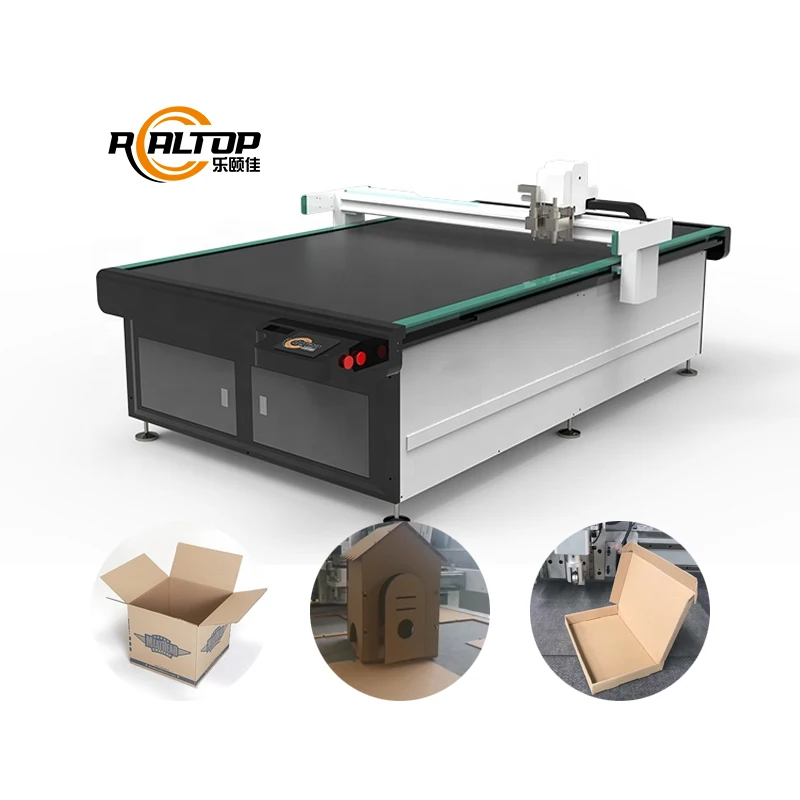
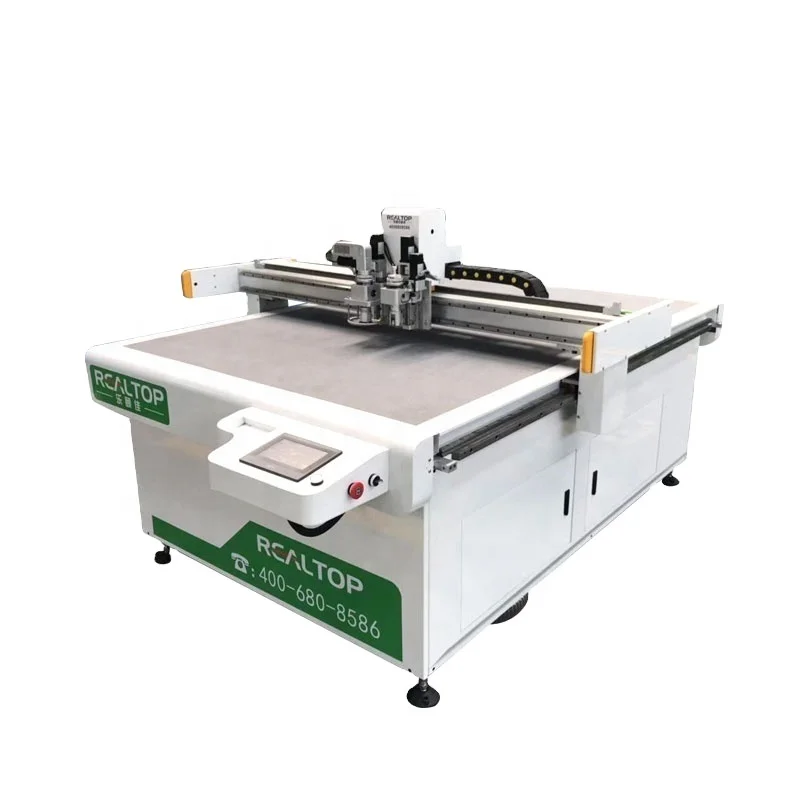
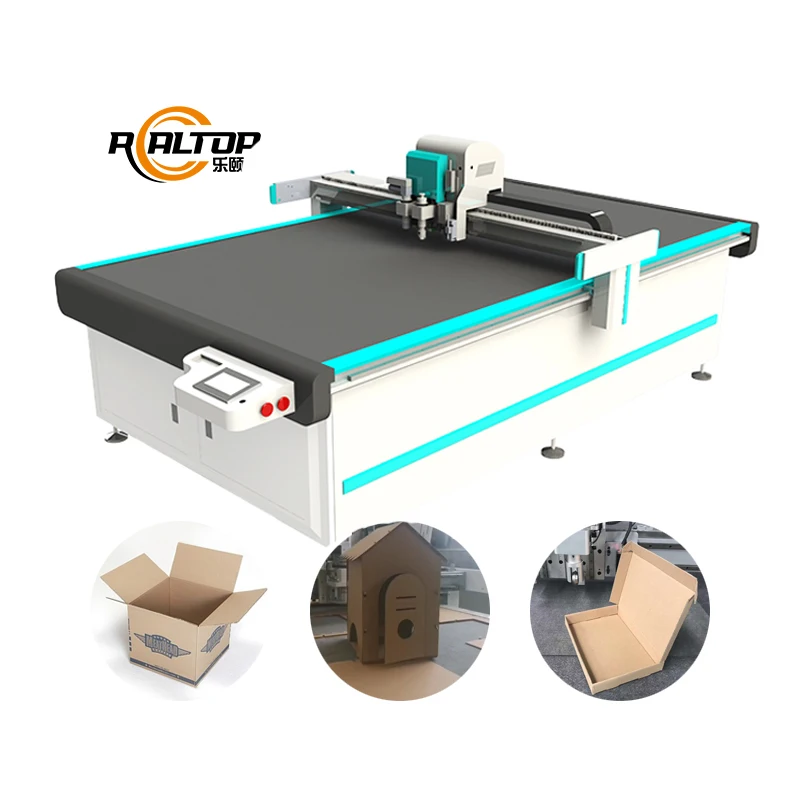
| Product Type | CNC Oscillating Knife Cutting Machine |
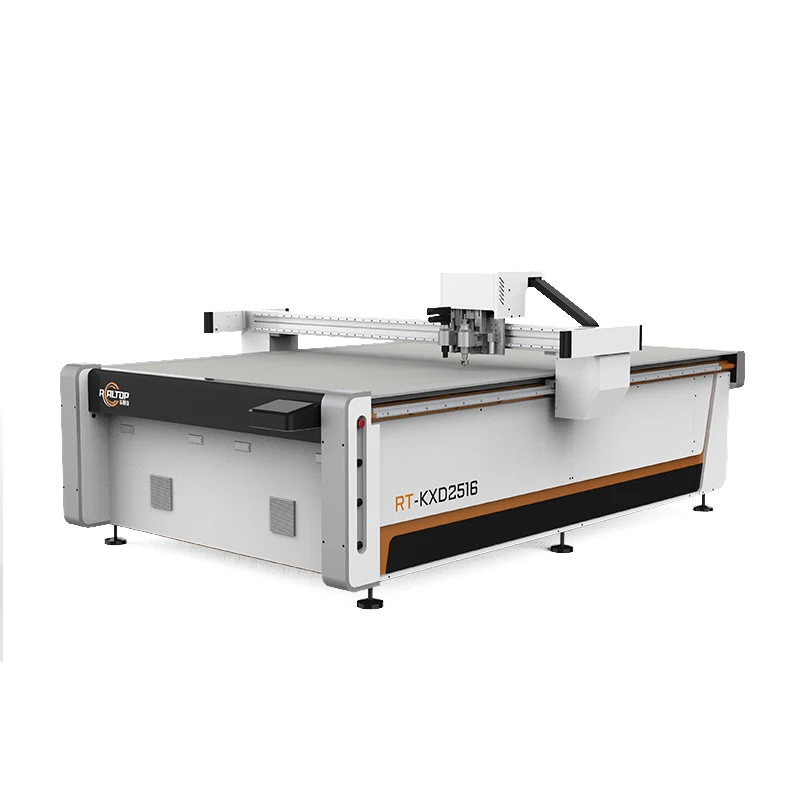
| Model | RT-D2516/RT-S2516 |
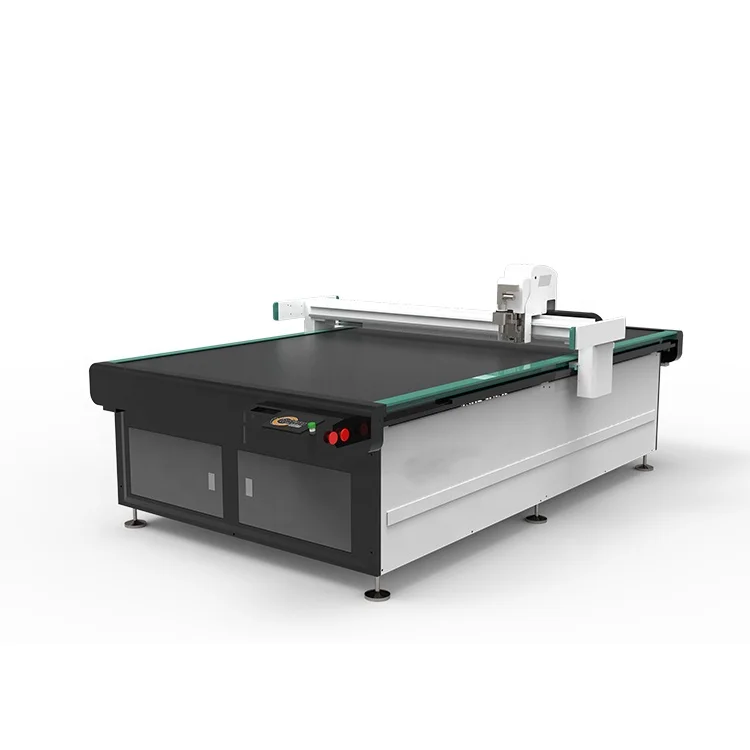
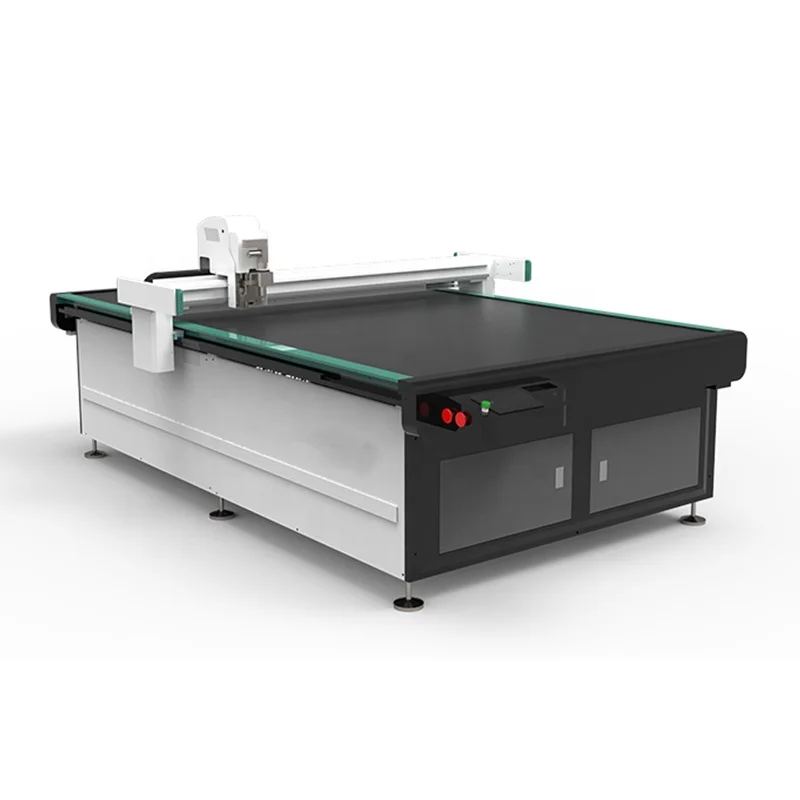
| Working Area | 1600 × 2500 mm |
| Machine Dimensions | 3450 × 2300 × 1250 mm |
| Rated Power | 9 kW |
| Table Type | Flat vacuum working table |
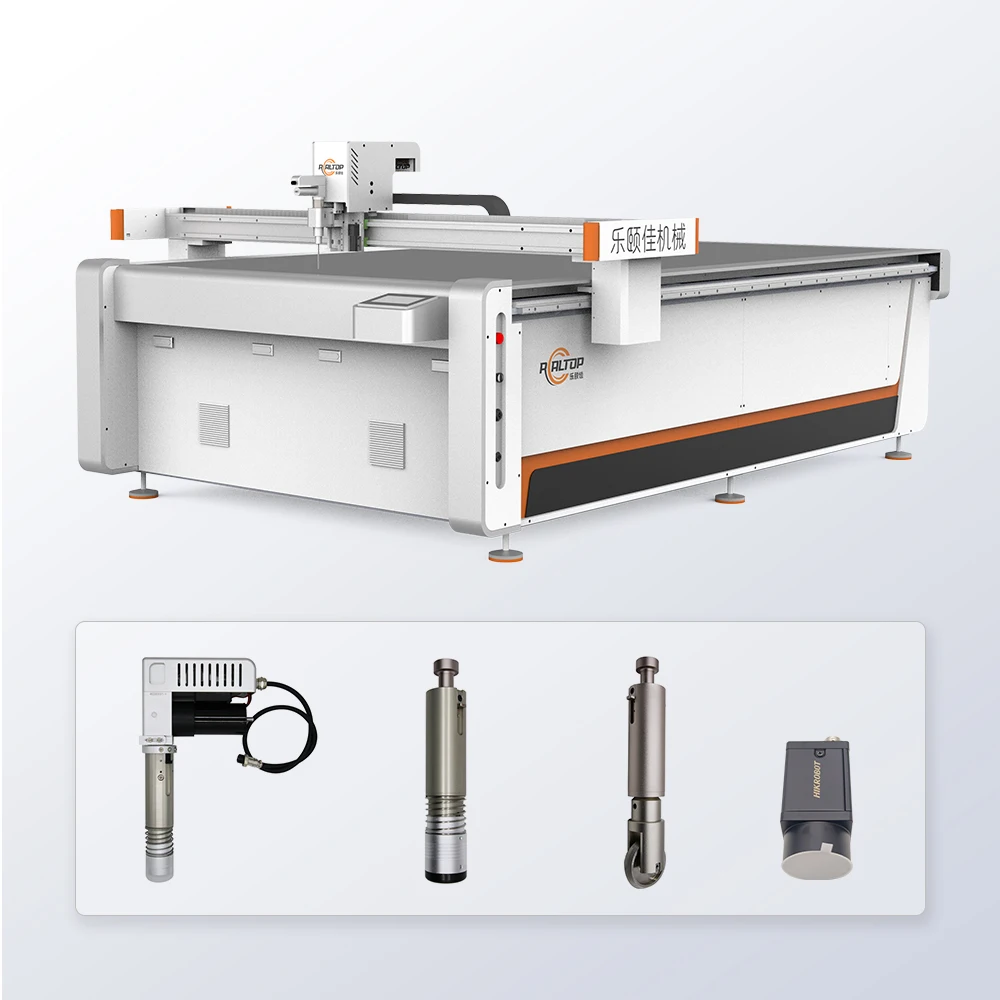
| Tool Head | Swiss imported knife with vibration full cutting, half cutting and cursor location |
| Safety System | Infrared sensors |
| Translational Velocity | 800–1200 mm/s |
| Repeated Accuracy | ≤ 0.1 mm |
| Transmission | Digital servo motor, linear guide, synchronous belt, ball screw |
| Servo Motor | Japanese Yaskawa |
| Linear Guide | Taiwan Hiwin rail |
| Vacuum Pump | 7.5 kW |
| Instruction System | HP-GL compatible format |
| Voltage | 380 V ± 10 % |
| Optional Configuration | Auto feeding, Germany imported conveyor belt |
Application Suitability
| Application | Material or Output |
|---|---|
| Automotive interior trimming | Carbon fiber prepreg, fiberglass composite sheets, foam core panels |
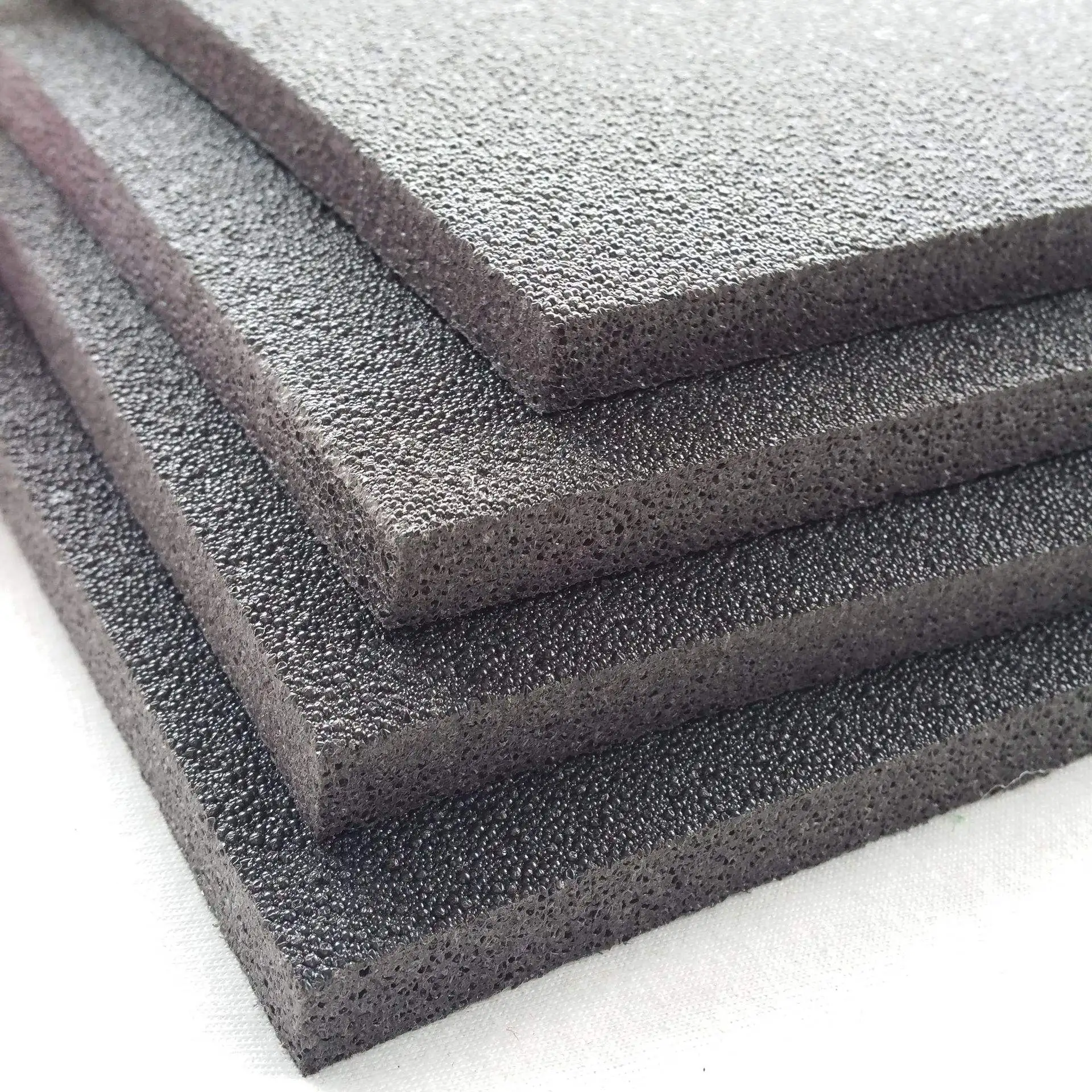
| Gasket and seal production | Rubber sheets, silicone, sponge composite leather |
| Footwear and leather goods | Multi-layer flexible materials, PVC, synthetic leather |
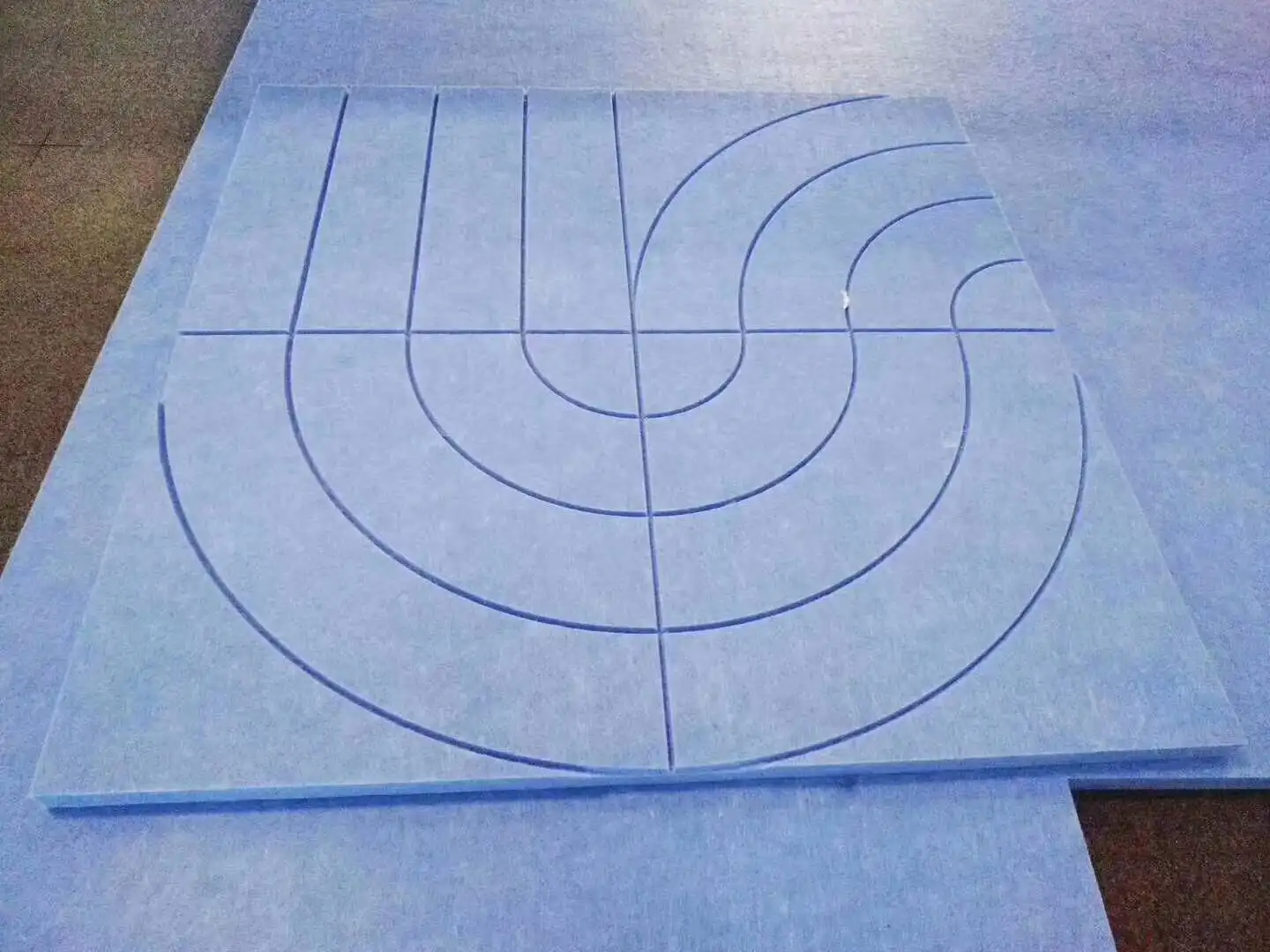
| Signage and soft material fabrication | Soft glass, flexible board, composite laminates |
Why "Working Area" Alone Fails Composite Shops
Cutting depth capacity without resin-content context is a guess, not a specification.
A composite part that cuts cleanly at 3 mm on one batch can delaminate on the next when the resin ratio shifts. Oscillating frequency, blade angle, and vacuum hold-down all react differently to density changes, and a machine chosen only on bed size leaves these variables to chance on the shop floor [NEED_CITE: composite density variation across resin batches]. That mismatch is what shuts down a line for days while operators re-dial every parameter from scratch.
Blade Selection for Layered Composite Structures
The Swiss imported oscillating knife on the RT-D2516/RT-S2516 handles full cutting, half cutting, and cursor location in a single head. For carbon fiber prepreg and fiberglass layups, the vibration frequency must match the ply count and binder stiffness to avoid fraying at the cut edge. A CNC oscillating knife cutting machine manufacturer that does not test against your actual laminate stack-up is handing you a baseline guess.
Vacuum Zoning and Small-Part Stability
The 7.5 kW vacuum pump paired with a flat working table provides the suction needed for large composite sheets, but small gasket or interior trim parts can lift if the zoning does not match the nest layout. Zone configuration should be confirmed against your typical nesting pattern before build, not adjusted on the floor after delivery [NEED_CITE: vacuum zoning requirements for small-part CNC cutting]. Secure hold-down across the full 1600 × 2500 mm bed is what keeps edge tolerance inside the ≤ 0.1 mm repeatability spec.
Drivetrain Accuracy Under Continuous Composite Load
Yaskawa servo motors driving Hiwin linear rails keep the cutting head within ≤ 0.1 mm repeatability, which matters when a gasket profile must seal against a machined flange. Synchronous belts and ball screws translate that servo precision into actual tool path accuracy, preventing the accumulated drift that shows up as mismatched halves in a multi-part composite assembly. The 800–1200 mm/s translational velocity range gives operators room to slow down for tight radii without sacrificing throughput on straight runs.
Matching Tool Head to Material Rather Than Forcing One Method
In-house design covers both oscillating and drag knife configurations, so the tool head is selected for what you actually cut. Sponge composite leather needs a different stroke profile than rigid fiberglass, and swapping heads on the same machine frame avoids buying a second unit when your product mix shifts. HP-GL compatible instruction output means nesting files generated by most industry CAD packages feed directly into the controller without a middleware translation step.
How Power and Voltage Affect Real Cutting Depth
The 9 kW rated power must be read alongside the 380 V ± 10 % supply requirement; a voltage drop outside that window reduces servo torque and vacuum pump suction simultaneously. In regions where industrial supply fluctuates, a stabilizer sized to the full machine load prevents the intermittent cutting depth loss that operators often blame on the blade [NEED_CITE: voltage tolerance requirements for industrial servo systems]. Confirming the local frequency and plug type before the RT-D2516/RT-S2516 leaves the factory eliminates rewiring costs on arrival.
The Hidden Cost of Skipping Sample Cutting
When a buyer skips material sample testing, the first production run becomes the test run. Ragged edges on carbon fiber, crushed foam cores, and delaminated plies all trace back to a tool head and frequency setting that was chosen from a catalog rather than from cutting the buyer’s own stock. The downtime cost of re-configuring on the floor regularly exceeds the time and shipping expense of sending sample material to the factory beforehand.
Why Buyers Source This Machine From Realtop
- In-house design covers oscillating knife and laser technologies, so the cutting method is matched to composite density rather than forced into one approach.
- Tool head and vacuum table zoning are specified per your ply count and part geometry, not set to a default.
- CCD camera positioning is available for printed contour work, verified at production speed before dispatch.
- Software file format and nesting workflow compatibility are confirmed against your existing CAD output before the order is finalized.
- Voltage, plug type, and control interface language are documented and validated for your market before shipment.
Documentation & Verification
- Machine specification sheet listing tool head and vacuum zone configuration matched to your composite
- Electrical schematic and 380 V ± 10 % voltage confirmation for your local supply standard
- Sample cutting report on your own composite material with edge quality photographs
- Factory test record documenting repeatability and CCD contour tracking at target speed
- HP-GL file format compatibility note confirming your existing nesting software output
Installation, Commissioning & Support
- Foundation must support 3450 × 2300 mm footprint with level tolerance across the full vacuum table surface
- Dedicated 380 V ± 10 % circuit rated for 9 kW continuous draw with correct phase rotation verified
- Machine ships as a single frame; rigging must accommodate the 1250 mm height through the workshop door
- First-run parameter dial-in covers oscillation frequency, vacuum zone mapping, and servo tuning on your material
- Operator training covers HP-GL file import, nesting workflow, and tool change procedure
- Spare blade and wear-part list provided with recommended reorder intervals based on composite abrasiveness
What to Include in Your Inquiry
Send the exact composite material type, ply count, resin system, and sheet dimensions you run in production, along with your daily cutting volume and typical part nesting layout. Specify the local voltage, frequency, and control language you need, and note whether your existing CAD software outputs DXF, PLT, or HP-GL files so file compatibility is confirmed before quotation.
Frequently Asked Questions
Q: How is cutting thickness capacity verified against my composite material density and ply structure?
A: We ask you to send actual production material, then run sample cuts at different oscillation frequencies and blade angles. The results are documented in a cutting report that shows edge quality and delamination risk across your ply range, so the tool head configuration is locked before the machine is built.
Q: Is the vacuum table zoning sufficient for small composite parts without lift during cutting?
A: Zone layout is configured against your typical nesting pattern during the specification stage. The 7.5 kW pump and flat table are divided so that small gasket and trim profiles maintain hold-down pressure even when surrounded by cut-outs, preventing the part lift that causes edge drift.
Q: Will the software import my existing DXF/PLT nesting files and production workflow?
A: The instruction system accepts HP-GL compatible formats. Before the order is finalized, we request sample files from your CAD or nesting software and run them through the controller to confirm path accuracy, tool change commands, and cutting sequence without requiring a middleware conversion step.
Q: Are voltage, plug type, and control language confirmed before shipment to my market?
A: Yes. The 380 V ± 10 % supply requirement, plug configuration, and operator interface language are documented in the electrical schematic and confirmed in writing before production begins, so no rewiring or panel relabeling is needed when the machine arrives at your facility.
Q: Can I send my composite material for sample cutting before placing the order?
A: That is the standard process. You ship a representative batch of your composite, we cut it with multiple tool head and frequency settings, and you receive a sample report with edge photographs and parameter recommendations. The configuration in your quotation is then based on that result.
You may also like

商品评价
Clear filtersThere are no reviews yet.