


-
 Courier delivery
-
 DHL Courier delivery
-
 Warranty 1 year
-
 Free 30-Day returns

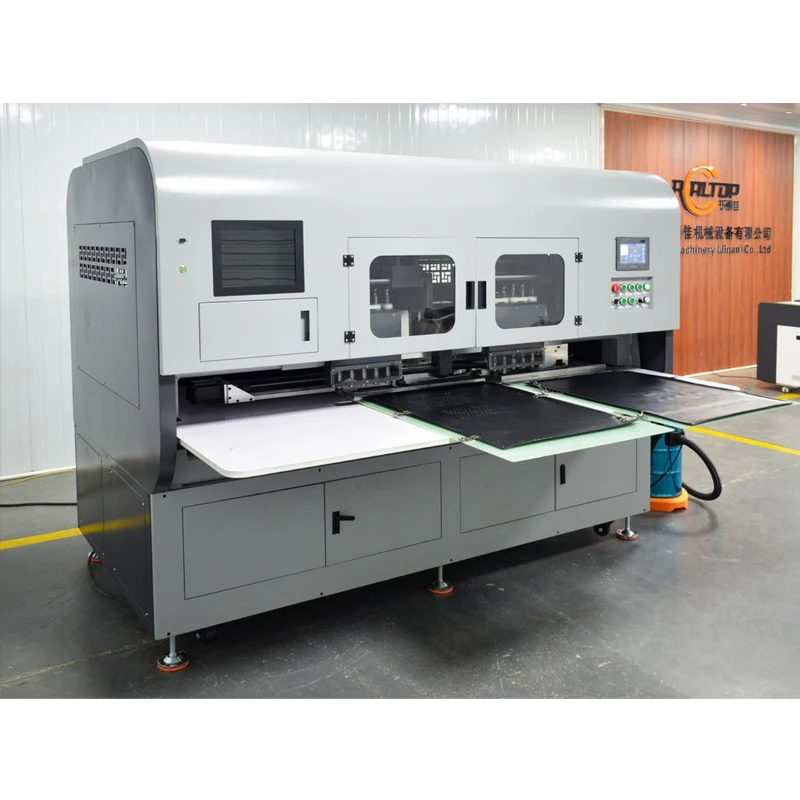
Custom Jig Configuration — Every RT-A2 ships with punch jigs matched to your actual leather thickness and hole pattern, verified on buyer-supplied samples before dispatch.
Technical Specifications
| Parameter | Value |
|---|---|
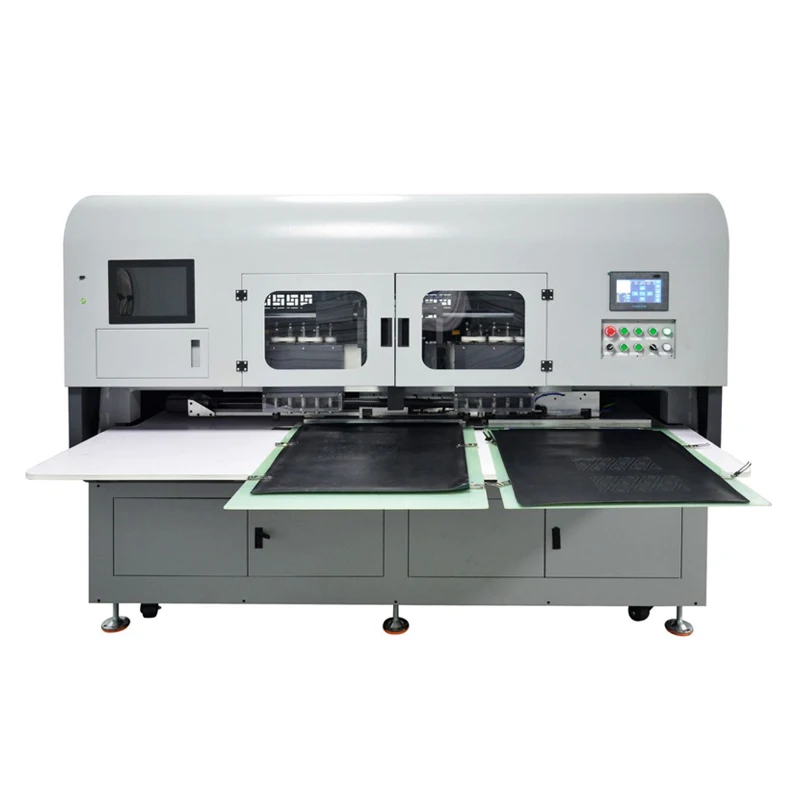
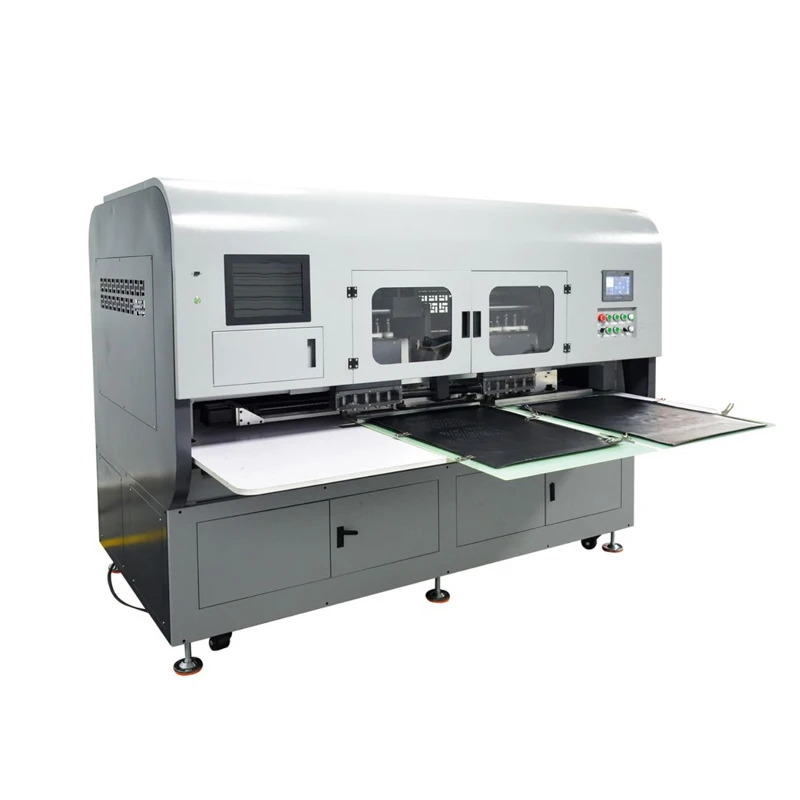
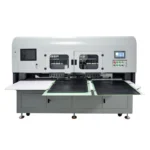
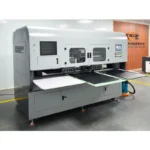
| Product Type | CNC Leather Punching Machine |
| Machine Model | RT-A2 |
| Punching Speed | 900 times/min (basis not stated in source — confirm leather type / thickness / hole pattern) |
| Punching Area | 600×500 mm |
| Material Thickness Range | 1–6 mm |
| Pore Size Range | 0.8–12 mm |
| Punch Jig Options | 12 optional punch jigs |
| Punching Accuracy | ±0.1 mm |
| Equipment Tolerance | ±0.02 mm |
| Overall Dimensions (L×W×H) | 1800×1510×1600 mm |
| Net Weight | 1000 kg |
| Power Supply Voltage | 220V |
| Power Frequency | 50/60 Hz |
| Rated Power | 1.5 kW |
| Compressed Air Pressure | 5–6 bar |
| Control System | NC system |
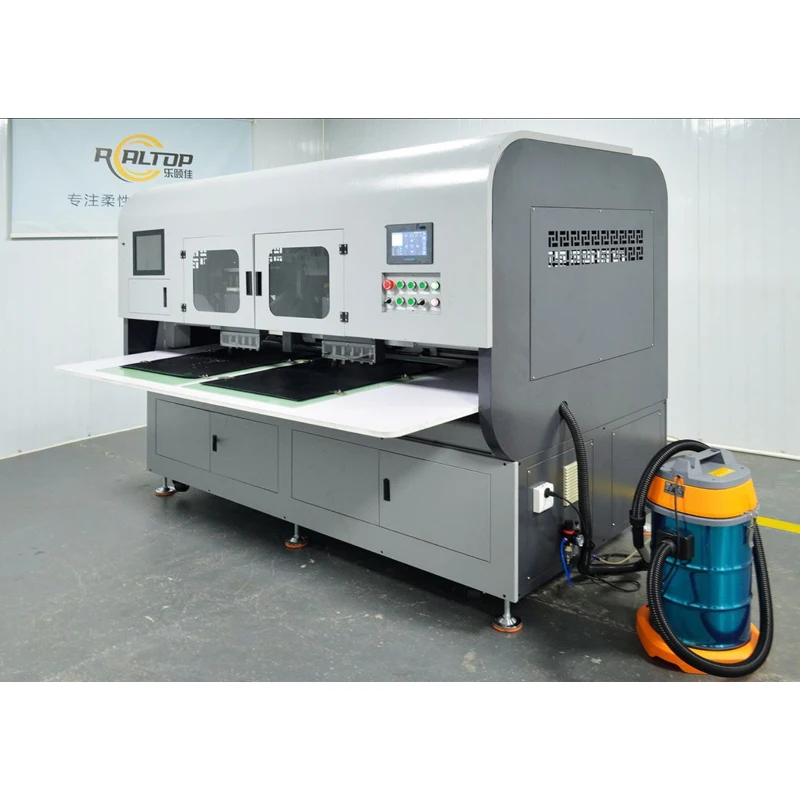
| Dust Collection | Independent dust collecting system |
| Key Features | Smart cutter function, auxiliary leather positioning and laying, break-point memory function |
Application Suitability
| Application | Material or Output |
|---|---|
| Automotive seat and headrest perforation | Natural and synthetic leather, 1–6 mm thickness |
| Steering wheel cover punching | Thin to mid-weight leather requiring small-diameter pore patterns |
| Sofa and upholstery panel perforation | Full-grain and corrected-grain leather hides |
| Footwear upper hole punching | Shoe-grade leather with repeatable hole spacing |
| Leather bag and accessory production | Light to mid-weight leather with decorative or functional pore layouts |
| Dedicated punching workshop operations | Mixed leather batches with frequent jig changeovers |
What a Quoted Punching Speed Actually Depends On
Speed figures mean nothing until the leather type, thickness, and hole density are defined.
I have watched buyers compare two machines purely on strokes-per-minute, then discover their dense automotive seat pattern requires far more dwell time per hit than the factory demo showed. A CNC punching machine factory may advertise 900 times/min, but that number assumes a specific leather grade and a simple hole array. Switch to a 5 mm composite hide with a tight decorative pattern and the effective cycle changes considerably [NEED_CITE: industrial leather punching cycle time variables]. Always ask what material and pattern formed the basis of the quoted speed before signing off on throughput expectations.
Punch Jig Selection and Edge Quality
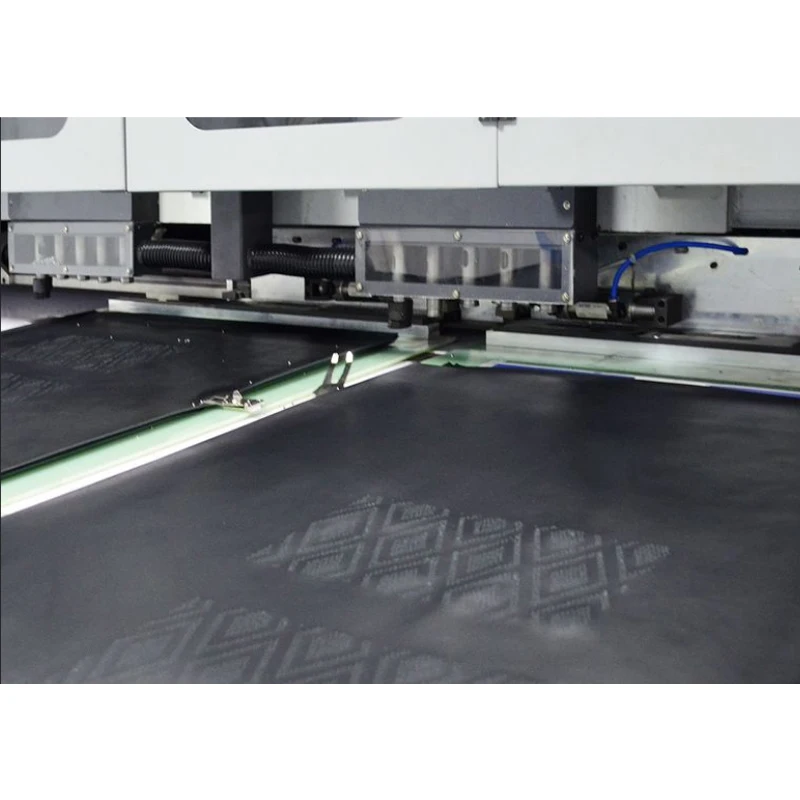
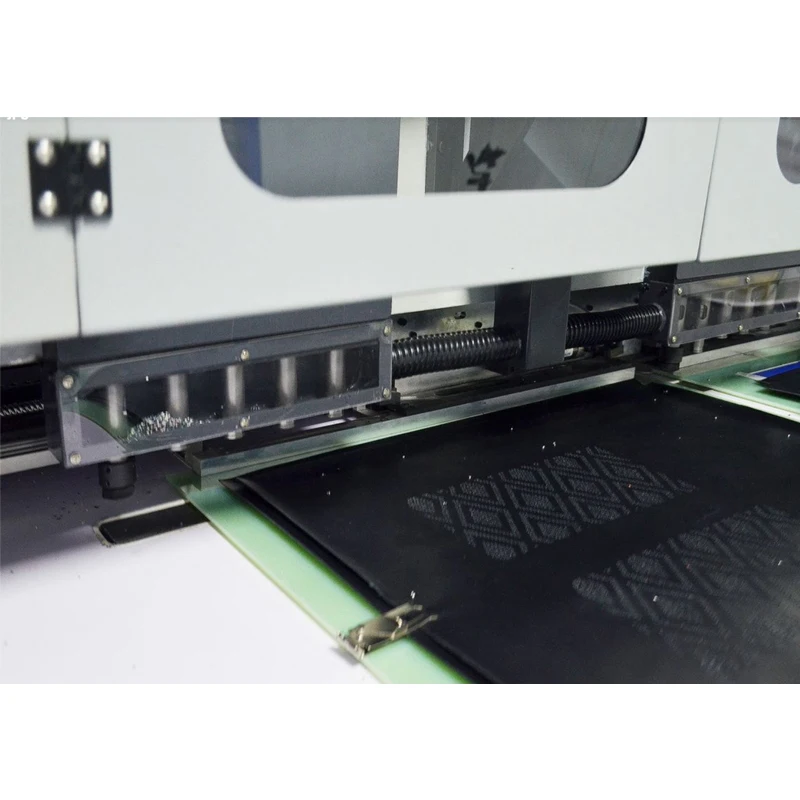
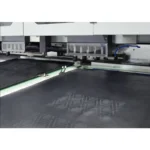
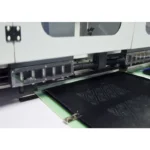
Leather behaves differently from rigid sheet materials. A dull or mismatched jig tears fibers instead of shearing them cleanly, leaving fuzzy edges that fail quality checks downstream. The RT-A2 offers 12 optional punch jigs spanning 0.8 to 12 mm pore sizes, letting operators match the tool to the exact hide density and thickness in use. When the jig diameter, clearance, and cutting edge geometry align with the leather structure, holes come out crisp on the first pass. This reduces secondary trimming and keeps the punching line moving without interruption.
Break-Point Memory and Material Waste Reduction
Interrupted punching runs cost more than lost time — they waste expensive leather hides. If a power dip or air pressure drop halts the cycle mid-pattern, operators face a half-perforated piece that cannot be re-run from scratch. The break-point memory function on this CNC punching machine factory records the exact hole position where the stop occurred, so the machine resumes from that point without duplicating or skipping holes. In a workshop processing premium automotive leather, this function prevents hide scrapping that would otherwise add up across every unplanned stoppage [NEED_CITE: leather hide waste cost in perforation workshops].
Reading the Specification Sheet for Real-World Output
The ±0.1 mm punching accuracy and ±0.02 mm equipment tolerance work together to keep hole positions consistent across long production runs. Tight equipment tolerance means the mechanical frame and drive system introduce minimal positional drift, while the punching accuracy figure reflects the final hole placement after the punch contacts the leather. For automotive seat makers running identical patterns across hundreds of panels, this level of repeatability ensures every hide lines up with the stitching template downstream. The 600×500 mm punching area accommodates most individual panel sizes, though operators need to plan hide layout within that envelope. The independent dust collecting system removes leather particulate between strikes, preventing debris buildup that could shift the material and degrade positioning accuracy over a long shift.
The Hidden Cost of Skipping Air Supply Checks
Compressed air drives the punching stroke on this machine, and insufficient pressure causes incomplete penetrations that leave partial holes or torn edges. Buyers sometimes connect the RT-A2 to a shared workshop air line without checking whether the 5–6 bar requirement holds under continuous cycling. When multiple tools draw from the same compressor, pressure drops below threshold and the punch fails to fully penetrate thicker leather [NEED_CITE: compressed air pressure drop in multi-tool workshop setups]. The result is a batch of hides with inconsistent hole depths that get rejected at the assembly station, forcing rework that no production schedule can absorb.
Why Buyers Source This Machine Directly from the Build Floor
In-house design and production means the engineering team that sized the punch mechanism also specifies the jig options for each leather type, rather than bolting on a third-party tool head. The tool head and punch jig configuration gets listed per material and hole specification before the order is finalized, so there is no guesswork at commissioning. Voltage and frequency are confirmed against the destination market — the 220V, 50/60 Hz supply on this unit matches most export markets, but confirmation happens at order stage. Sample cutting on the buyer’s own leather runs before commitment, and the results travel with the machine documentation. Every unit leaves the Jinan workshop only after a factory test record is signed off on the actual material the buyer sent in.
Documentation & Verification
- Factory test record run on your leather sample with punching accuracy measurements logged
- Electrical schematic confirming 220V and 50/60 Hz match your facility supply
- Punch jig configuration list matched to your specified pore sizes and leather thickness
- Operation and maintenance manual covering jig changeover and NC system parameters
- Spare parts list identifying wear items for punch jigs and air seals
- Software feature note documenting smart cutter and break-point memory settings
Installation, Commissioning & Support
- Requires level concrete floor capable of supporting 1000 kg concentrated load across the 1800×1510 mm footprint
- Dedicated 220V circuit with breaker rated for 1.5 kW continuous draw, isolated from heavy inductive loads
- Arrives partially assembled; jig mounting and air line connection completed during on-site commissioning
- Initial punching parameters calibrated against your leather sample to establish baseline NC settings
- Operator training covers jig changeover sequence, break-point memory activation, and dust system maintenance
- Wear-item spare kit included at shipment covering high-consumption punch jig edges and air seals
Preparing Your Punching Machine Inquiry
Send your leather type, thickness range, and a drawing or sample of the hole pattern you need to produce. Include your workshop voltage and frequency so the electrical system matches from day one. If you run multiple leather grades through the same line, list each one with its pore size requirement so the jig package covers the full range.
Frequently Asked Questions
Q: How is the punching speed verified and what conditions apply?
A: The 900 times/min figure was measured under specific leather and pattern conditions that should be confirmed before relying on it for production planning. We run your actual leather sample with your hole pattern to establish the real cycle time, then document the result in the factory test record that ships with the machine.
Q: What are the electrical and compressed air requirements for installation?
A: The RT-A2 requires a 220V single-phase supply at 50 or 60 Hz with a dedicated circuit, plus a compressed air source delivering a steady 5–6 bar at the machine inlet. Shared air lines with other equipment may cause pressure drops that affect punching consistency, so a dedicated regulator is recommended.
Q: How do I choose punch jigs for different leather types and hole diameters?
A: The 12 optional jigs cover pore sizes from 0.8 to 12 mm. Selection depends on leather density, thickness within the 1–6 mm range, and the hole edge quality your product requires. We test each candidate jig on your sample material and include the matched set with your order.
Q: How do smart cutter and break-point memory functions reduce leather waste?
A: The smart cutter function optimizes the punching path to minimize travel between holes, reducing cycle time per hide. Break-point memory records the exact position if the machine stops unexpectedly, allowing operators to resume without scrapping a partially punched hide or duplicating completed holes.
Q: Can I visit the factory to inspect build quality before shipment?
A: Factory visits are welcomed. You can review the frame assembly, NC system integration, and punch mechanism alignment in person. We also run your leather sample on the machine during your visit so you can verify hole quality and cycle performance before authorizing shipment.
You may also like

商品评价
Clear filtersThere are no reviews yet.