


-
 Courier delivery
-
 DHL Courier delivery
-
 Warranty 1 year
-
 Free 30-Day returns

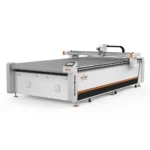
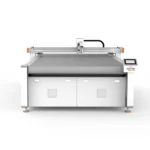
Material-First Configuration — Every 1625(Standard) build begins with sample cutting on your actual leather or composite stock before the tool head and vacuum zoning are locked in.
Technical Specifications
| Parameter | Value |
|---|---|
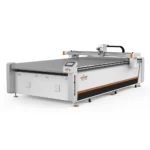
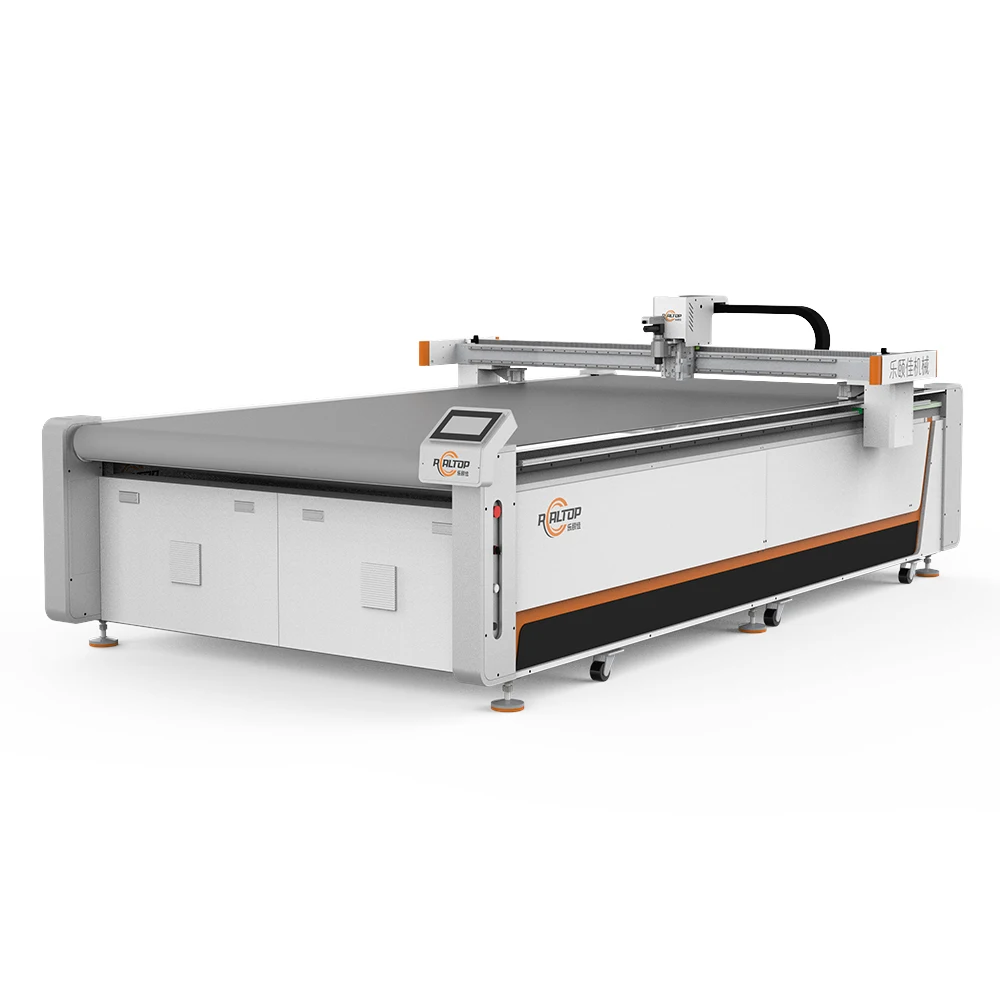
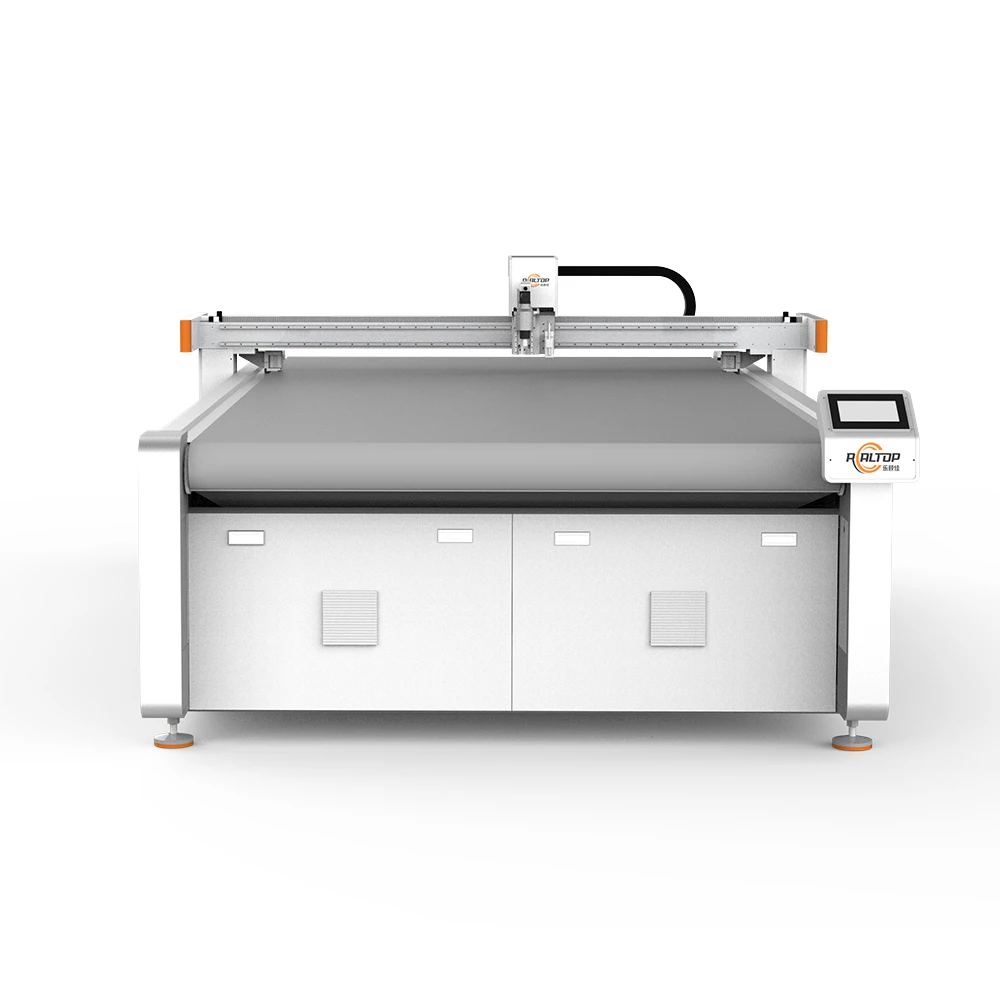
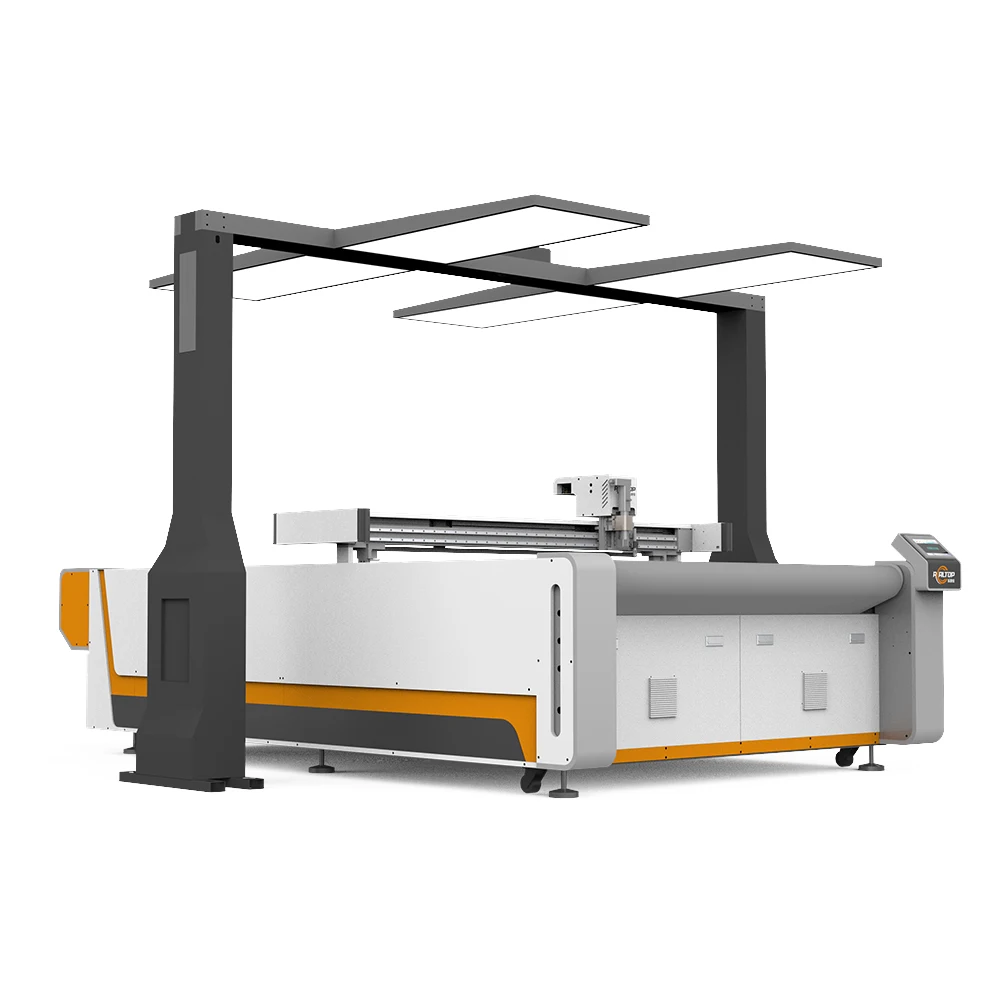
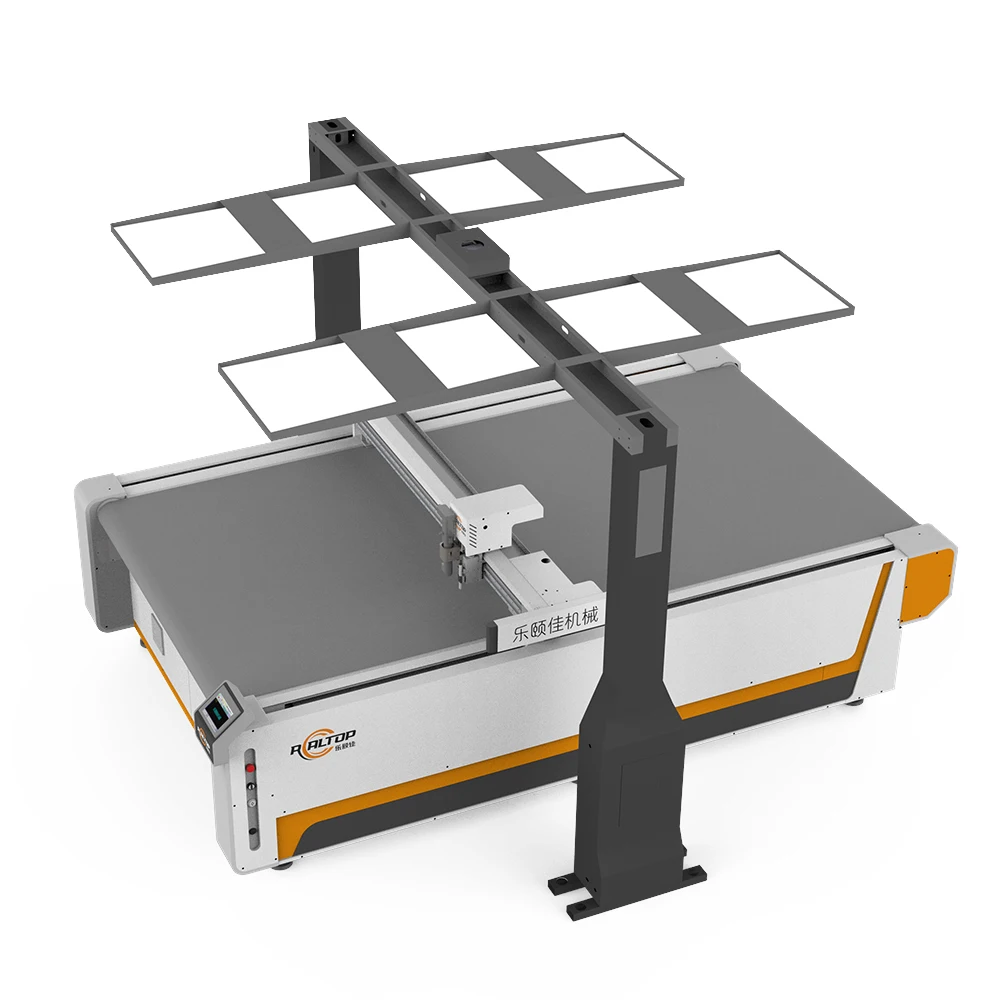
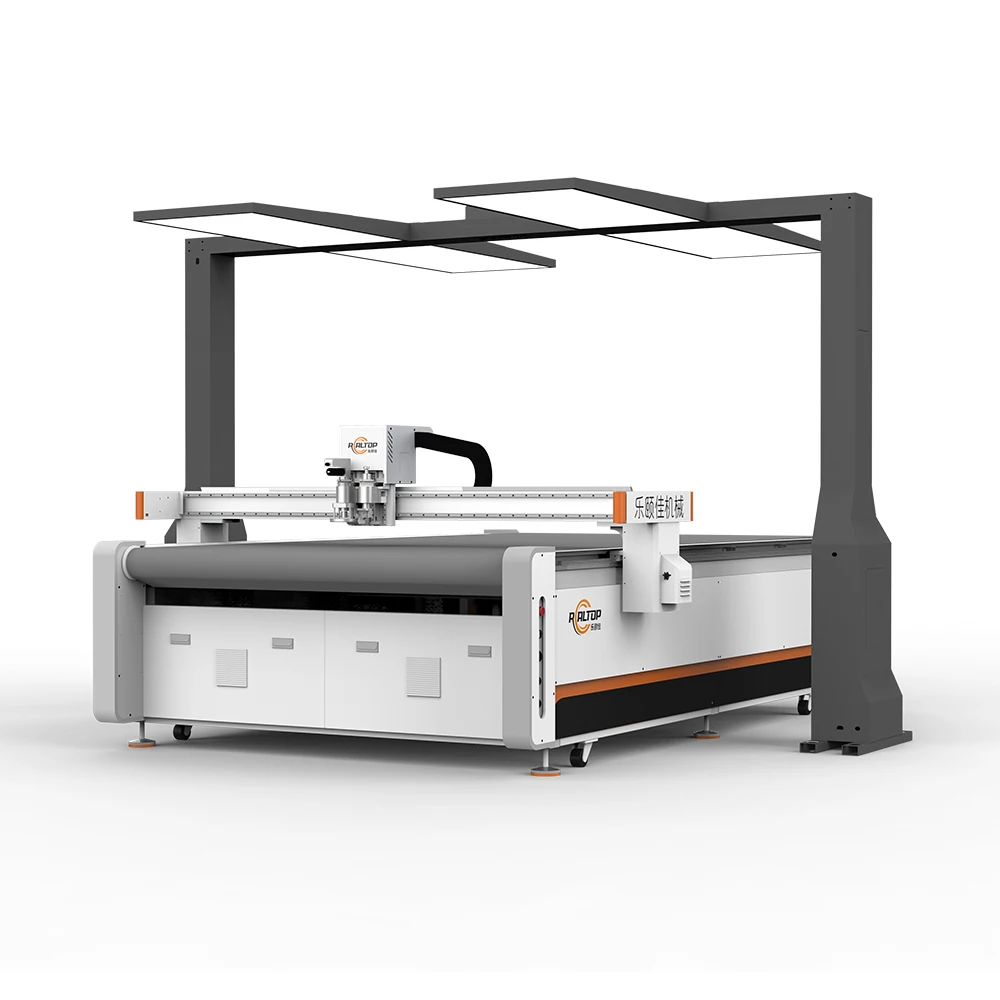
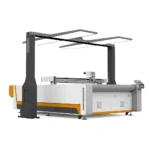
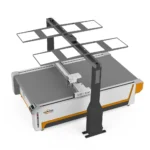
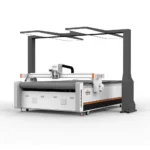
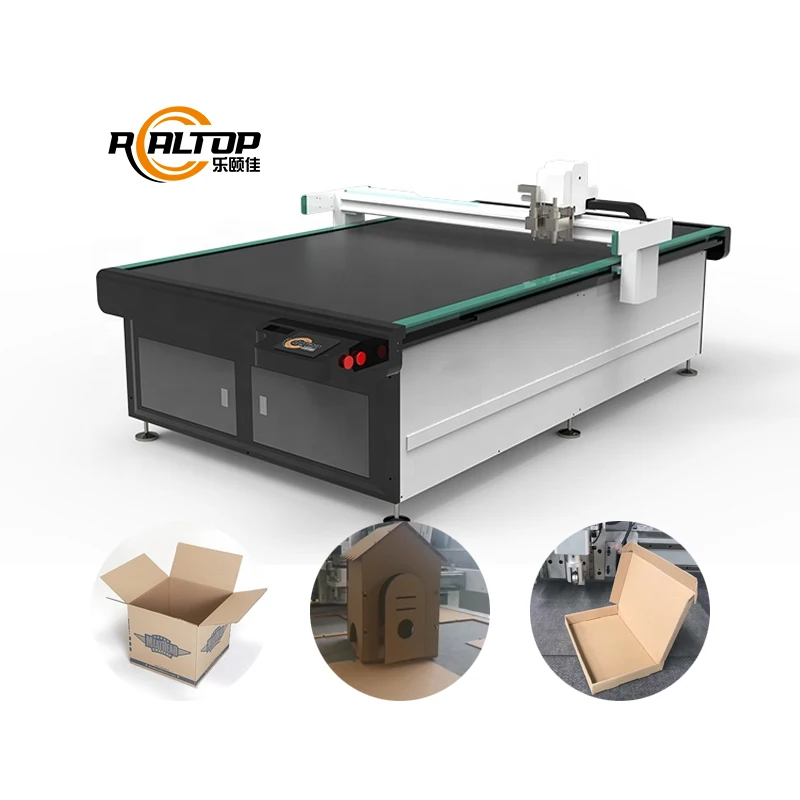
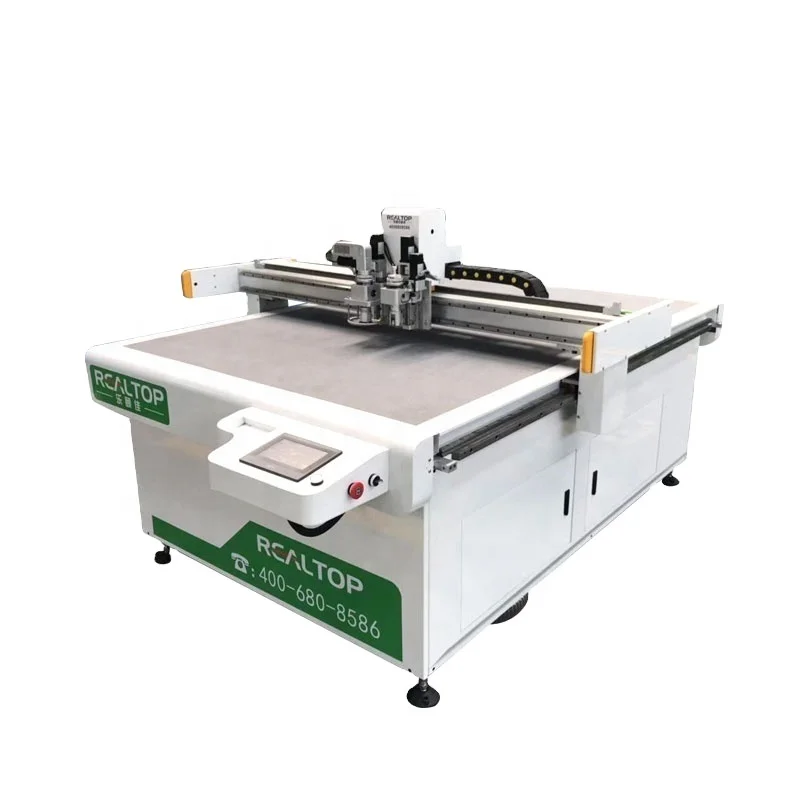
| Product Type | CNC Oscillating Knife Cutting Machine |
| Model | 1625(Standard) |
| Working Area | 1600 × 2500 mm |
| Cutting Thickness | ≤ 30 mm |
| Cutting Speed | 0–2000 mm/s |
| Cutting Accuracy | ±0.1 mm |
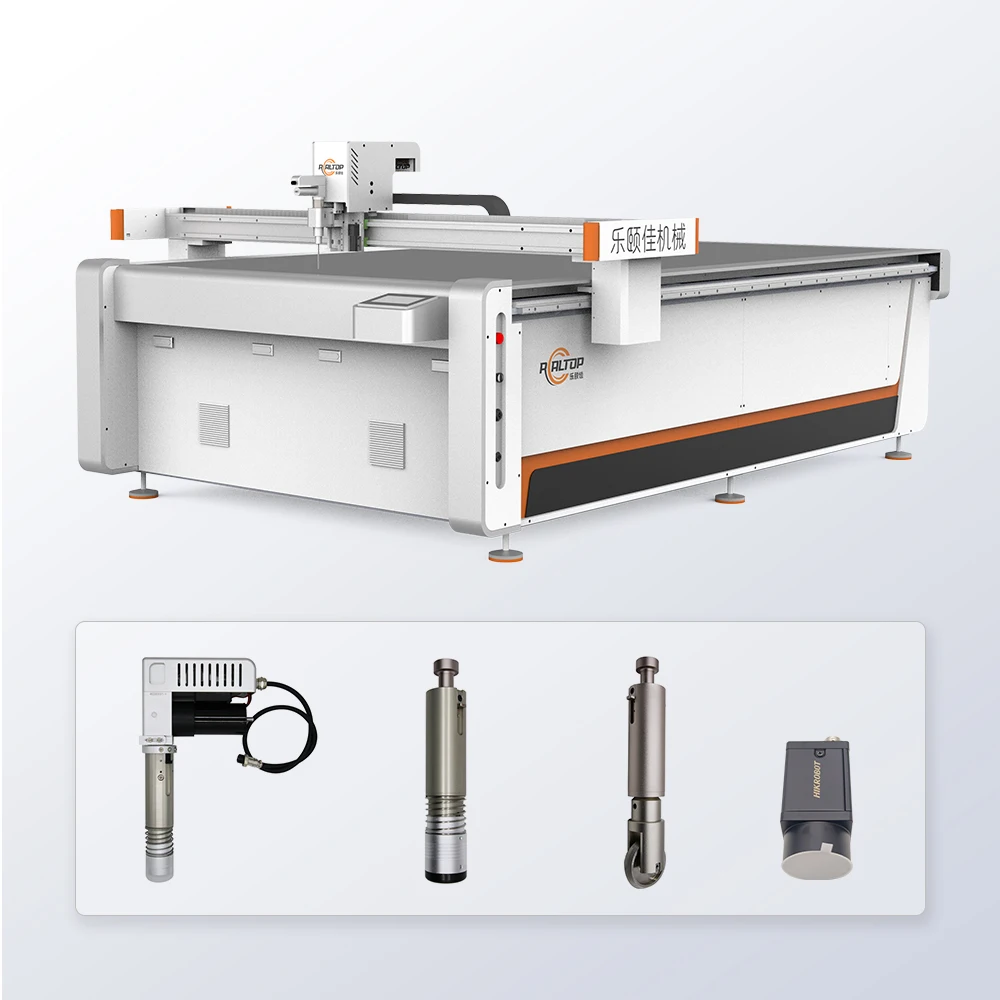
| Tool Head Options | Oscillating knife, Driven rotary knife, Creasing wheel, Kiss cutting tool, Pneumatic knife, Milling tool, V groove knife |
| Vacuum Table | Aluminum bellows vacuum table |
| Vacuum Pump Power | 9 kW |
| CCD Camera | Available for contour recognition |
| Servo Motor Options | Panasonic, Delta, Dorna |
| Control System | PLC control panel |
| Voltage Options | 110V, 220V, 380V |
| Language Options | English, Russian, Italian, Chinese (custom languages available) |
| Compatible File Formats | PLT, DXF, AI, PDF |
| Safety Device | Infrared sensor device and emergency stop device |
| Machine Size | 3300 × 2100 × 1350 mm |
| Standards | CE |
Application Suitability
| Application | Material or Output |
|---|---|
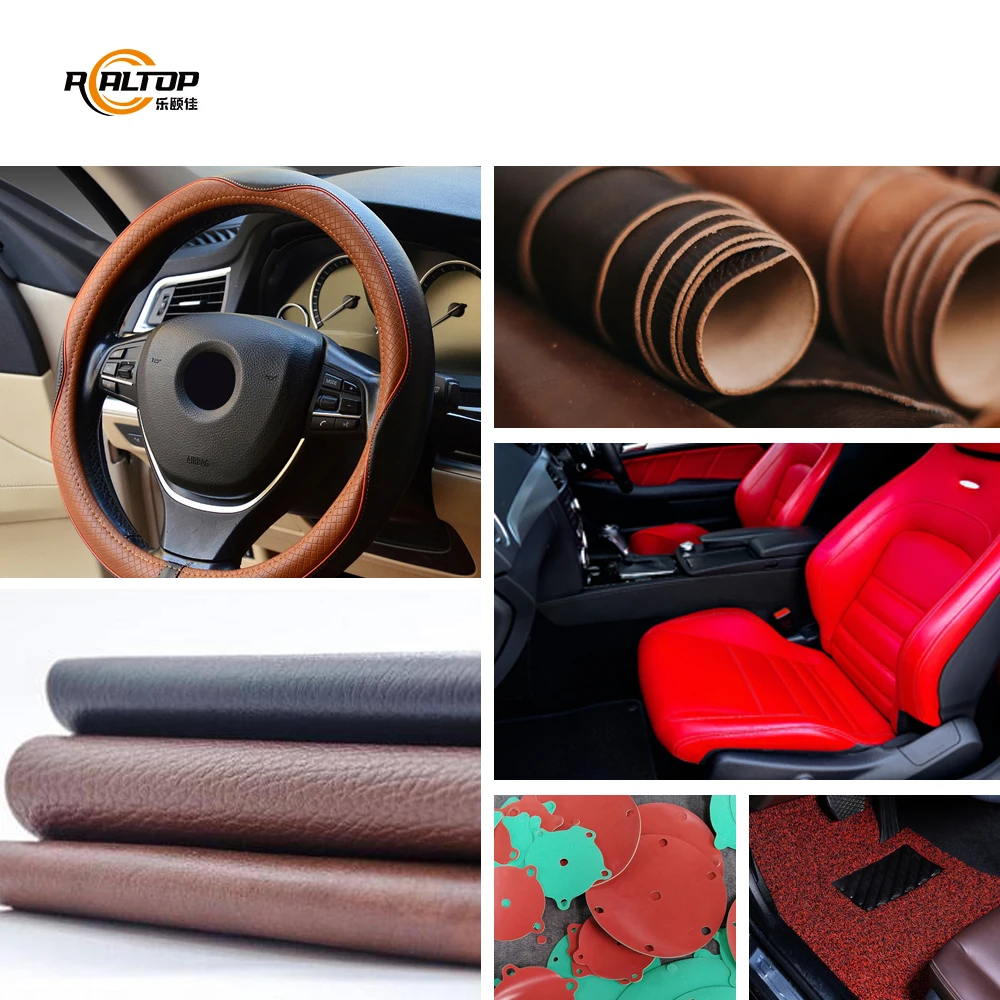
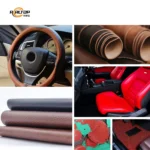
| Shoe uppers and footwear components | Natural leather, synthetic PU/PVC leather, microfiber leather |
| Bags, belts and leather accessories | Full-grain hides, split leather, bonded leather sheets |
| Automotive seat covers and interiors | Multi-layer composite automotive leather, perforated leather |
| Apparel and garment panels | Suede, nubuck, textile-backed leather |
| Sofa and upholstery cutting | Thick hide, bonded leather, multi-layer fabric composites |
Why Specified Cutting Thickness Rarely Matches Reality
A quoted 30 mm cutting depth means nothing if the tool head and vacuum hold-down are not matched to the actual density and layer structure of your material.
Buyers often compare CNC oscillating knife cutting machine manufacturer offers on working area alone, assuming that if a flatbed fits the hide, it will cut it cleanly. I have seen composite automotive leather that measured well within the nominal thickness yet crushed under the knife because the oscillation frequency was set for single-layer natural hide. The ragged edge only showed up once production speed came up to full rate [NEED_CITE: material density and knife oscillation matching in CNC cutting].
How the Oscillating Knife Meets Different Leather Types
Natural full-grain leather behaves very differently from multi-layer synthetic automotive hide under an oscillating blade. The driven rotary knife option handles continuous cuts on softer, single-layer materials, while the pneumatic knife provides the downforce needed for dense composites that would otherwise shift or compress. Selecting the right tool head from the seven available options depends on the material test, not the datasheet description. A CNC oscillating knife cutting machine manufacturer should confirm the tool selection on your actual stock before the order is finalized.
Vacuum Zoning Decides Whether Small Parts Stay Flat
A full-sheet vacuum sounds adequate until you are cutting small pattern pieces near the edge of the hide, where suction drops off. The aluminum bellows vacuum table on the 1625(Standard) provides a flat reference surface, but without proper zone segmentation, small leather pieces lift during high-speed contour cuts [NEED_CITE: vacuum table zoning requirements for small part retention]. Matching the vacuum zone layout to your nesting pattern is part of the configuration conversation, not an afterthought.
Reading the Specifications Beyond the Brochure
The 1600 × 2500 mm working area accommodates most standard hide sizes and roll widths in a single lay-down. Cutting speed ranges from 0 to 2000 mm/s, but the usable speed on any given leather depends on thickness, grain direction and contour complexity — thicker composite stocks typically require slower travel to maintain the ±0.1 mm accuracy. The 9 kW vacuum pump must run on a dedicated circuit; undersizing the supply line causes intermittent hold-down failures mid-sheet. Available CCD camera positioning allows contour recognition on printed or grain-patterned leather, aligning the cut path to pre-printed marks rather than relying on manual placement.
The Hidden Cost of Skipping the Material Test
When the wrong oscillation frequency meets a multi-layer composite, the blade drags through the top layer and tears the backing instead of shearing cleanly. The resulting edge requires manual trimming, which erases any throughput advantage the CNC table was supposed to deliver. I once spent three days on-site in Dubai re-tuning a configuration that had been specified entirely from a sample swatch — the customer’s production material was nearly twice the density of the sample they initially sent [NEED_CITE: material sample versus production batch variation in leather cutting].
What Sets This Build Apart at the Factory Level
The 1625(Standard) is produced in-house, covering frame fabrication, motion assembly and control panel integration under one roof. The design team specifies tool head combinations per material rather than offering a default package. Voltage, plug type and control language are confirmed against the destination market before production begins. Sample cutting on the buyer’s own leather or composite stock is performed before the order commits to production. The machine ships with a factory test record documenting performance on the exact material profile provided.
Documentation & Verification
- Machine specification sheet listing the confirmed tool head and vacuum zone configuration
- Electrical schematic with voltage and frequency matched to your facility supply
- Sample cutting report on your leather stock with measured accuracy and edge quality
- CE declaration and factory test record before dispatch
- Operation manual in selected control language with spare parts list
Installation, Commissioning & Support
- Requires a level concrete floor to support the 3300 × 2100 mm machine footprint
- Dedicated circuit rated for the selected voltage option and 9 kW vacuum pump load
- Machine ships in assembled modules; table and gantry are joined on-site
- First-run commissioning includes tool head calibration on your material
- Operator training covers PLC panel navigation in the confirmed language
- Spare oscillating blades and vacuum seals included in the initial parts kit
What to Share Before Requesting a Quotation
Provide the specific leather or composite type, thickness range and whether the stock arrives as hides or rolls. Confirm the local voltage and frequency at the installation site, along with the preferred control language. If you have existing nesting software or DXF/PLT files, share a sample so file format compatibility can be verified before the configuration is finalized.
Frequently Asked Questions
Q: How do I know which tool head suits my leather type?
A: The factory runs sample cuts on your actual material before recommending a tool head. Oscillating knife, driven rotary knife and pneumatic knife each handle different densities and layer structures. The recommendation is based on edge quality and hold-down behavior observed during the test, not on generic material categories.
Q: Can the control panel operate in my local language?
A: The PLC control panel is available in English, Russian, Italian and Chinese by default, with custom languages configurable before shipment. The selected language is confirmed during the specification stage and documented in the order file so the operator interface arrives ready for your team.
Q: How does the CCD camera handle printed leather patterns?
A: The optional CCD camera reads printed registration marks or grain pattern edges and adjusts the cut path accordingly. File format compatibility with your existing PLT, DXF, AI or PDF workflow is verified before order. This eliminates manual alignment and is particularly useful for patterned automotive leather and branded bag components.
Q: What is involved in the factory sample cutting process?
A: You send a representative sample of your production material — not a catalog swatch. The factory tests the selected tool head and vacuum configuration at production speed, then documents cutting accuracy, edge quality and cycle time in a sample cutting report shared before you commit to the order.
Q: Can the machine be configured for my country’s electrical standards?
A: Voltage options include 110V, 220V and 380V, with plug type and frequency confirmed for the destination market. The electrical schematic is reviewed and signed off before production begins, ensuring the motor, vacuum pump and control panel all match your facility supply.
You may also like

商品评价
Clear filtersThere are no reviews yet.