




-
 Courier delivery
-
 DHL Courier delivery
-
 Warranty 1 year
-
 Free 30-Day returns

In-House Knife and Laser Engineering — Realtop matches cutting method to material rather than forcing one process, so buyers avoid edge quality failures on flexible substrates.
Technical Specifications
| Parameter | Value |
|---|---|
| Product Type | CNC Oscillating Knife Cutting Machine |
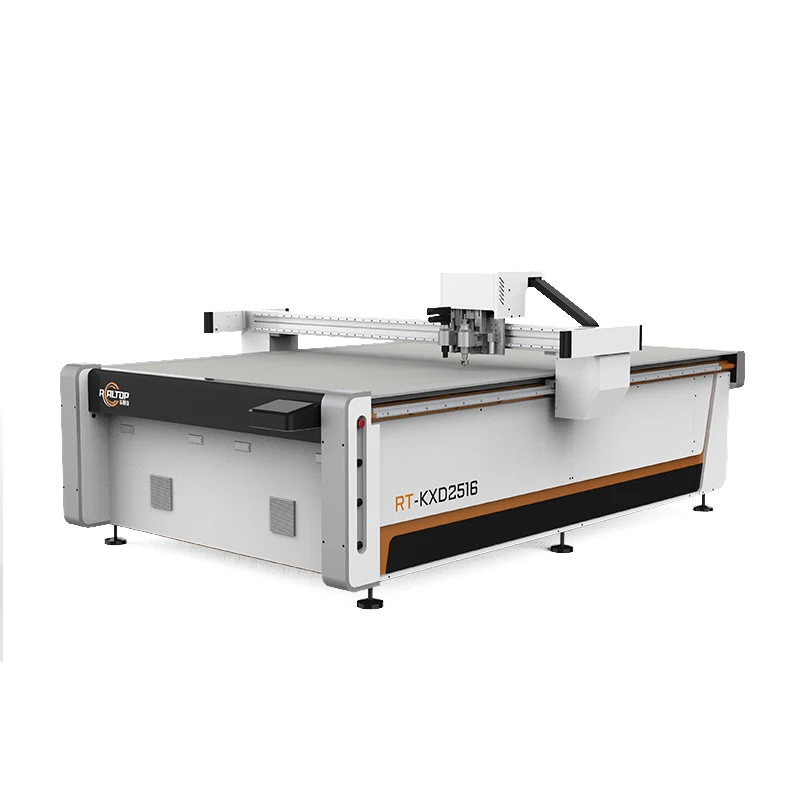
| Model | RT-D2516/RT-S2516 |
| Working Area | 1600 × 2500 mm |
| Machine Size | 3450 × 2300 × 1250 mm |
| Rated Power | 11 kW |
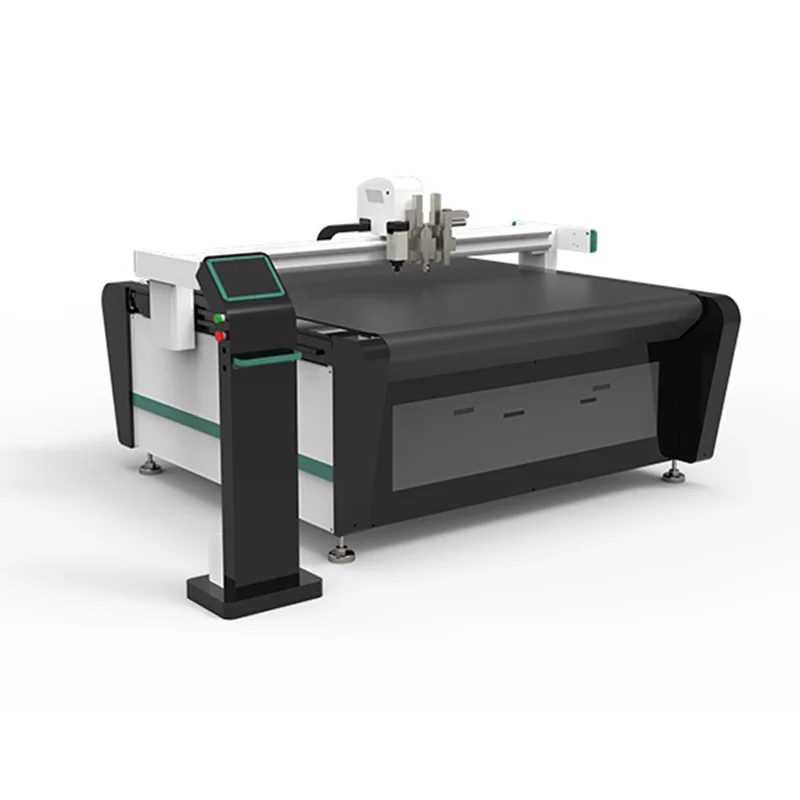
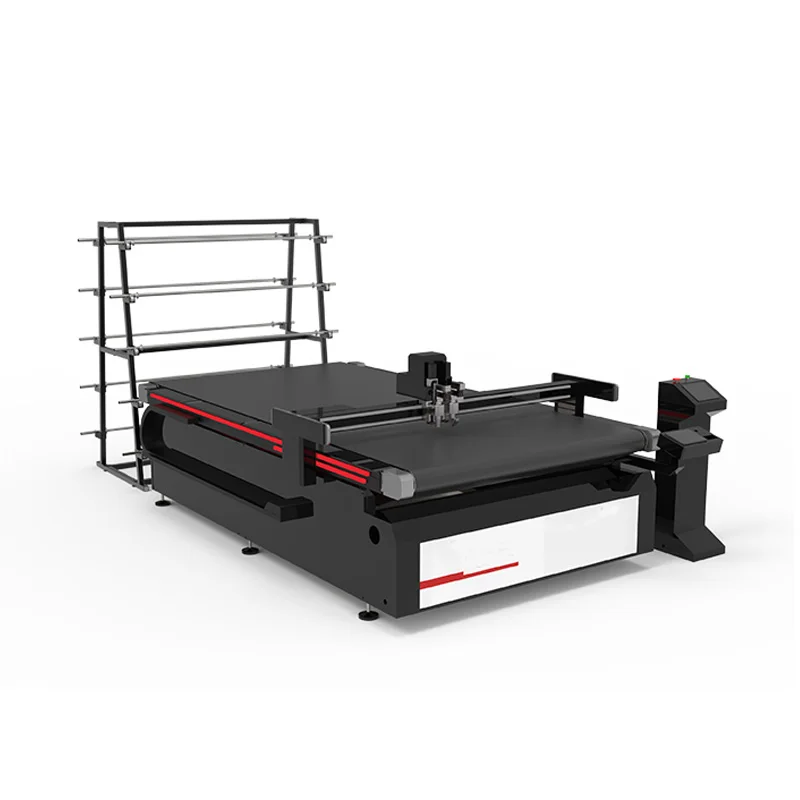
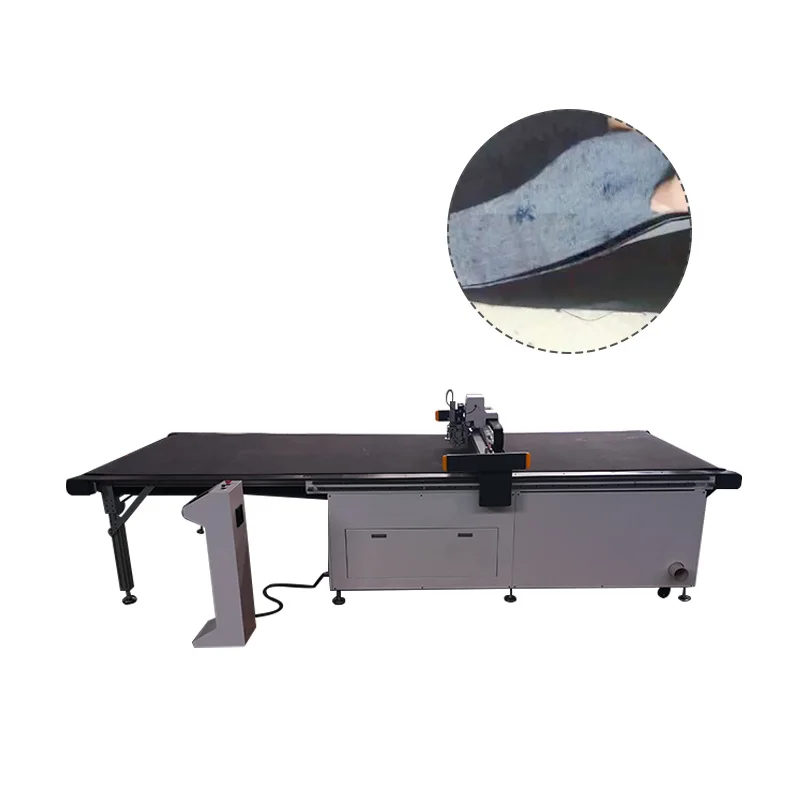
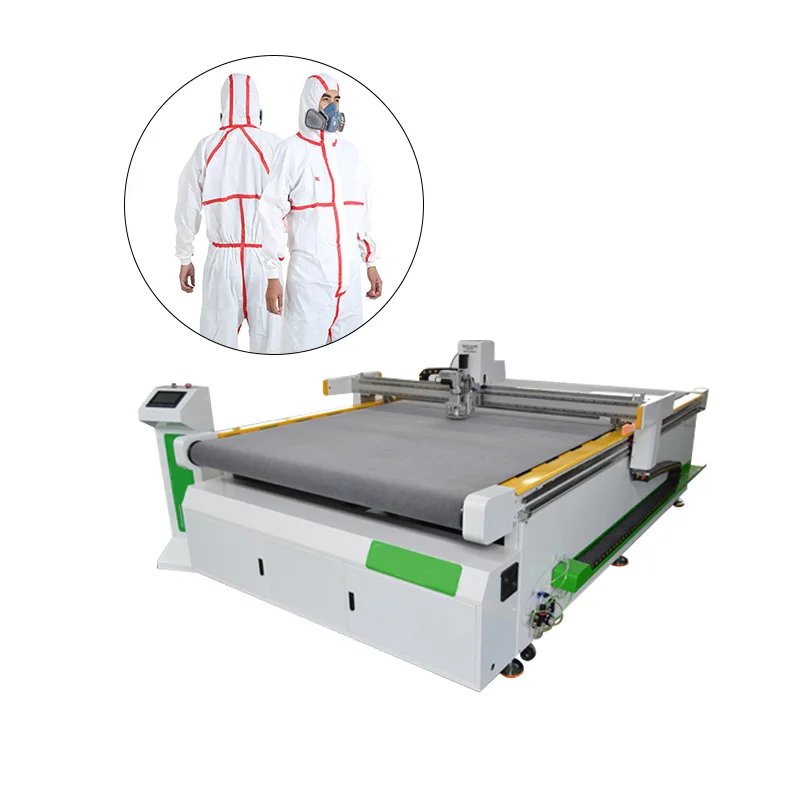
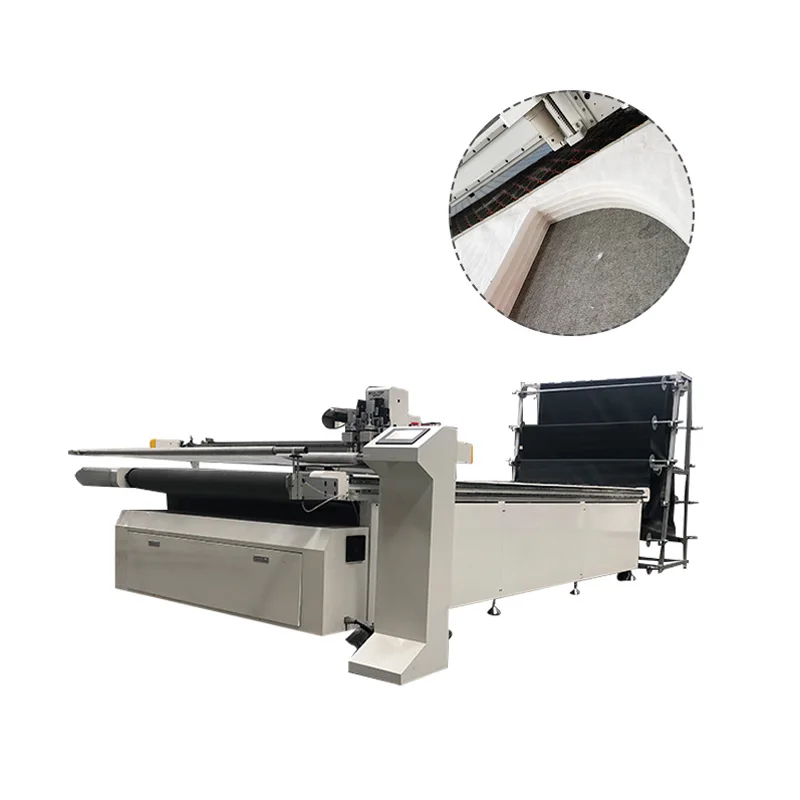
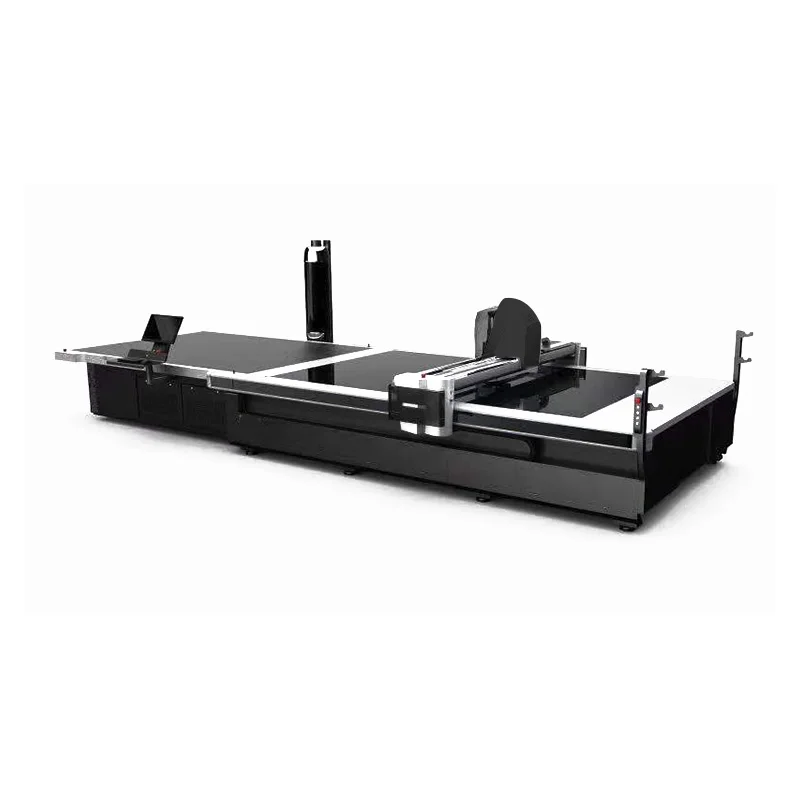
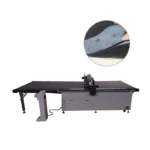
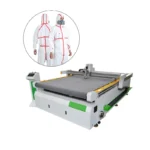
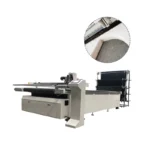
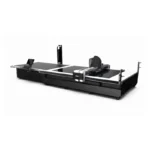
| Table Type | Auto feeding working table / flatbed table (selectable) |
| Tool Head | Swiss imported knife with vibration full cutting, half cutting, and cursor location |
| Safety Device | Infrared sensors |
| Translational Velocity | 800–1200 mm/s |
| Cutting Thickness | 200–800 mm (depending on material) |
| Repeated Accuracy | ≤ 0.1 mm |
| Transmission System | Digital servo motor, linear guide, synchronous belt, ball screw |
| Instruction System | HP-GL compatible format |
| Voltage | 380V ± 10% |
| Key Components | Japanese Yaskawa servo motor, Taiwan Hiwin rail, Germany imported conveyor belt, 7.5 kW vacuum pump |
| Standard | CE |
Application Suitability
| Application | Material or Output |
|---|---|
| Garment and footwear cutting | Leather, composite fabric, sponge-backed synthetic leather |
| Automotive interior and gasket production | Sponge composite leather, rubber, soft glass |
| Advertising and signage fabrication | PVC, flexible sheet, silicone |
| Packaging sample making | Corrugated board, card stock, foam inserts |
| Industrial seal and insulation | Rubber, silicone, composite gasket material |
Why Cutting Thickness Claims Disappoint on the Shop Floor
Material behavior under the blade decides actual throughput, not the headline number on a spec sheet.
Many buyers choose a CNC Oscillating Knife Cutting Machine manufacturer based on working area alone, then discover the tool head cannot push through the actual material stack at production speed. A 2 mm PVC sheet cuts differently from a 15 mm sponge composite, and the vacuum hold-down requirement changes entirely between them. I have watched operators pause mid-job because small parts lifted off the table the moment the blade changed direction, ruining an entire batch [NEED_CITE: vacuum zoning requirements for small-part cutting]. The gap between catalog thickness and real cutting depth usually traces back to tool head selection and vacuum table configuration that were never matched to the buyer’s specific material.
Knife Head Configuration Determines Edge Quality on Flexible Substrates
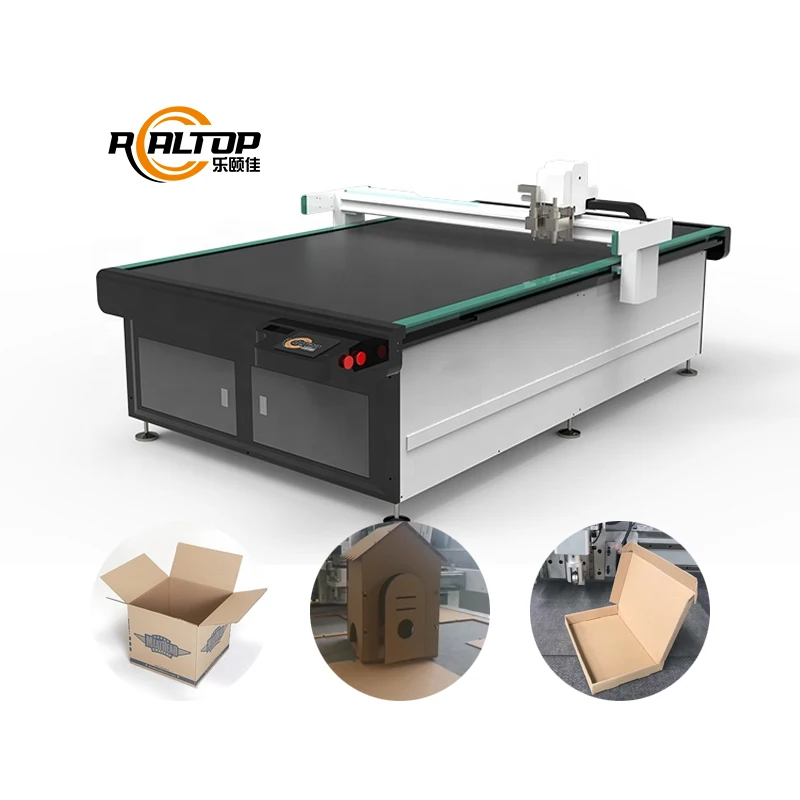
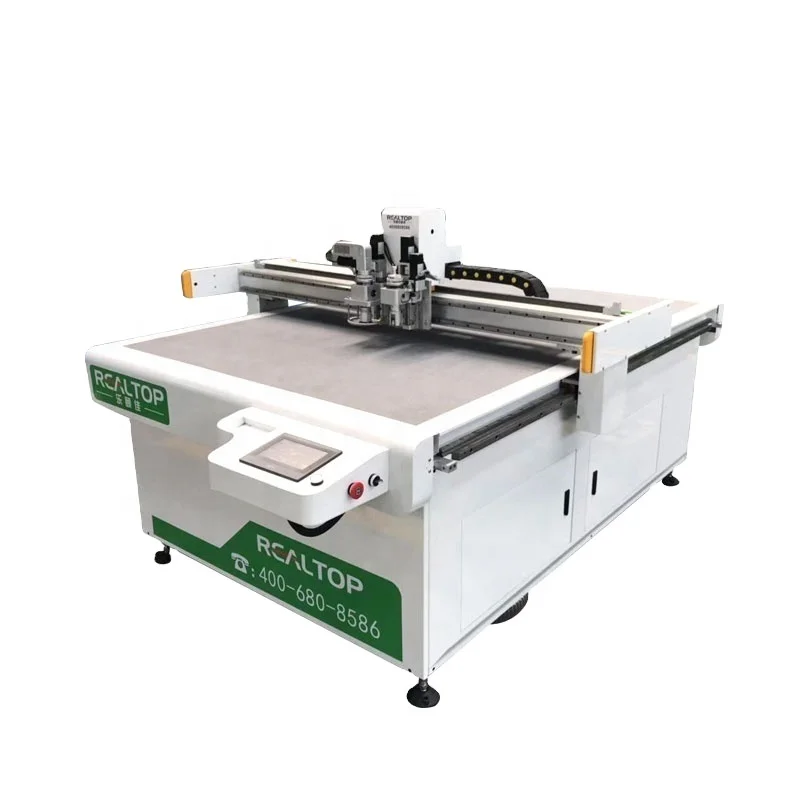
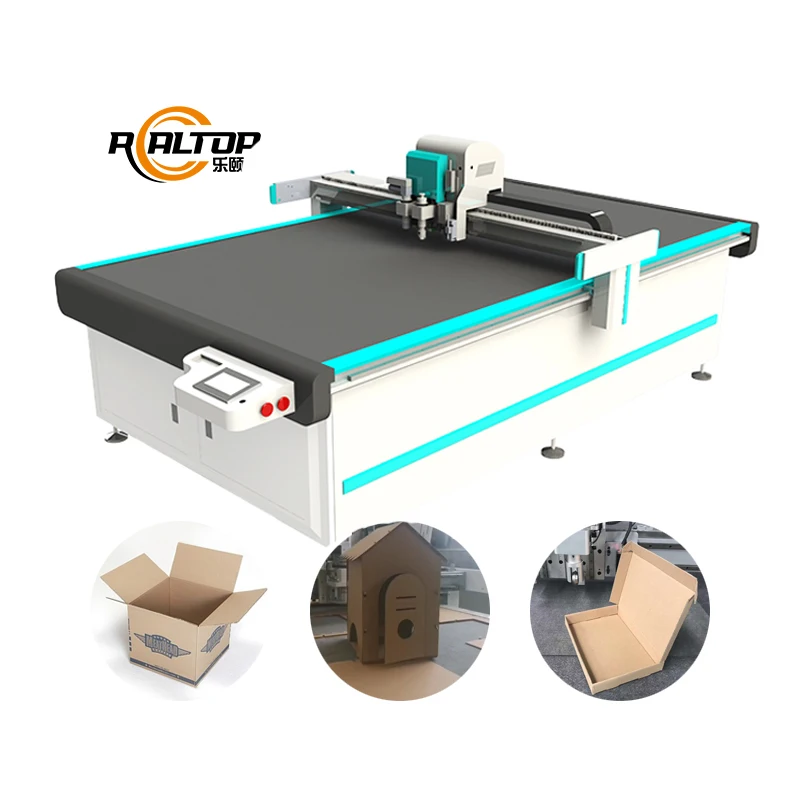
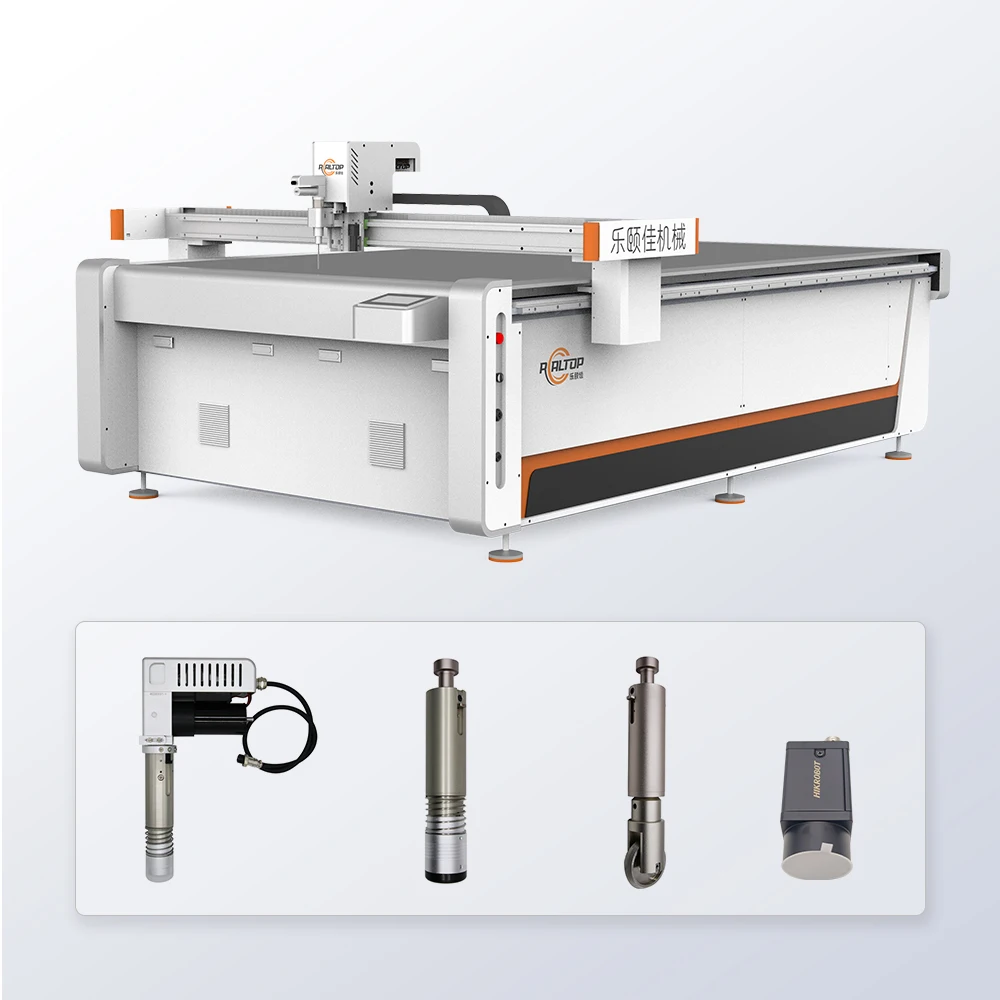
The Swiss imported oscillating knife head on this CNC Oscillating Knife Cutting Machine supports full cutting, half cutting, and cursor location within one tool station. Full cutting severs the material completely for finished parts, while half cutting scores the top layer without penetrating the backing, which is essential for kiss-cut sticker sheets or crease lines on packaging samples. Cursor location pairs with printed registration marks for contour trimming. Switching between these modes requires only a software command rather than a physical tool change, keeping production flowing across mixed jobs.
Vacuum Table Zoning and Material Hold-Down in Practice
A 7.5 kW vacuum pump feeds a table divided into independently controlled zones. When the cutting job involves small parts clustered in one corner, only the corresponding zone needs full suction, leaving the rest of the table free for manual material loading. On the auto feeding variant, the Germany imported conveyor belt advances roll stock incrementally, and the vacuum holds the leading edge flat while the knife works the trailing section. Without proper zoning, small foam or leather pieces tend to drift under lateral blade force, producing dimensional errors that accumulate across a nesting layout [NEED_CITE: vacuum hold-down force calculation for oscillating knife cutting].
Reading the Specs That Actually Affect Your Daily Output
The 1600 × 2500 mm working area accommodates standard flexible material roll widths and full leather hides without repositioning. Repeated accuracy of ≤ 0.1 mm, maintained by Japanese Yaskawa servo motors and Taiwan Hiwin linear guides, keeps nested pattern pieces within tolerance for automated downstream sewing or assembly. Translational velocity of 800–1200 mm/s describes head travel between cuts; actual cutting speed depends on material density and thickness. The HP-GL compatible instruction format allows direct import from common nesting and pattern software, eliminating a file conversion step that often introduces geometry errors on curved paths. Cutting thickness ranges from 200 to 800 mm depending on the material composition, meaning the same machine handles thin vinyl and thick sponge composite by adjusting blade amplitude and feed rate rather than swapping hardware.
The Hidden Cost of Skipping Material Trials Before Purchase
Ordering a vibration knife cutter without running your own material through it first almost always leads to a painful commissioning period. Ragged edges on leather, crushed foam cores, or delaminated composite layers show up only when the blade meets your specific stock. I once saw an advertising shop receive a machine configured for thick acrylic, then spend weeks trying to achieve clean edges on 3 mm PVC signage board because the oscillation frequency and blade angle were wrong for that material class [NEED_CITE: oscillating knife frequency and material compatibility]. A sample cutting report generated on the buyer’s own material removes this guesswork and locks in tool head, blade type, and vacuum zone settings before the machine leaves the factory.
Why Sourcing Directly from the Manufacturer Changes the Equation
Realtop operates an in-house design team and core factory covering both knife and laser cutting technologies, which means the cutting method is chosen to suit the material rather than forced to fit a single product line. The RT-D2516/RT-S2516 configuration is specified per material type and production volume, not sold as a fixed catalog item. Software compatibility with the buyer’s existing nesting workflow is confirmed before the order is placed, preventing file format dead-ends at commissioning. Voltage, plug type, and control interface language are verified against the destination market so the machine arrives ready to connect. Every unit undergoes a factory test on the buyer’s sample material, producing a documented cutting report before crating.
Documentation & Verification
- Machine specification sheet listing confirmed tool head and table configuration for your material
- Electrical schematic with voltage and frequency matched to your facility supply
- Sample cutting report on your own material showing edge quality and dimensional accuracy
- HP-GL format compatibility note confirming your nesting software import path
- Factory test record documenting repeated accuracy and vacuum hold-down performance
- Packing photographs showing crating condition and component securement before dispatch
Installation, Commissioning & Support
- Floor space of at least 4.5 × 3.5 m required around the 3450 × 2300 × 1250 mm machine envelope
- Dedicated 380V ± 10% circuit rated for 11 kW continuous draw with proper earth grounding
- Machine ships in single crate; vacuum pump and conveyor belt require on-site assembly
- First-power commissioning includes vacuum zone mapping and blade amplitude calibration
- Operator training covers half-cut depth adjustment and HP-GL file import workflow
- Spare parts list identifies oscillating blades, conveyor belt sections, and vacuum seals
Before You Request a Quote
Share the material type, thickness range, and maximum sheet or roll width you plan to process. Specify your daily volume target so we can recommend flatbed or auto feeding table configuration. Confirm your local voltage, frequency, and preferred control language to avoid rework after shipment.
Frequently Asked Questions
Q: How do I choose between oscillating knife and drag knife for my material?
A: Oscillating knives handle thick, compressible materials like sponge composite leather and foam because the vibrating blade slices without dragging the surface. Drag knives work better on thin vinyl or gasket sheet where a continuous pull cut produces a clean edge. We run both tool heads on your sample material and compare edge quality before recommending a configuration.
Q: Should I pick auto feeding or flatbed table for my production?
A: Auto feeding suits roll-based materials like fabric and synthetic leather where continuous advance reduces manual handling between cuts. Flatbed tables work better for rigid or pre-cut sheets such as PVC signage board and packaging card stock. The choice depends on your material format and daily volume rather than machine capability alone.
Q: Can the CCD cursor location track printed marks at full production speed?
A: Cursor location reads registration marks for contour trimming, but reliable tracking depends on mark contrast, lighting, and print consistency. We test recognition on your actual printed sheets during the sample cutting stage and document the maximum reliable feed rate in the cutting report before you commit.
Q: How are voltage, plug, and control language confirmed before shipment?
A: We collect your facility voltage, frequency, and plug standard at the quotation stage, then issue an electrical schematic and voltage confirmation document for your signature. Control interface language is set during software installation at the factory, and the setting is verified during the pre-shipment test run.
Q: What does the factory test record include?
A: The test record documents cutting results on your supplied material, including edge quality, dimensional accuracy against the input file, vacuum hold-down performance across table zones, and repeated positioning measurements. This report travels with the machine so your team can reference it during commissioning.
You may also like

商品评价
Clear filtersThere are no reviews yet.