



-
 Courier delivery
-
 DHL Courier delivery
-
 Warranty 1 year
-
 Free 30-Day returns

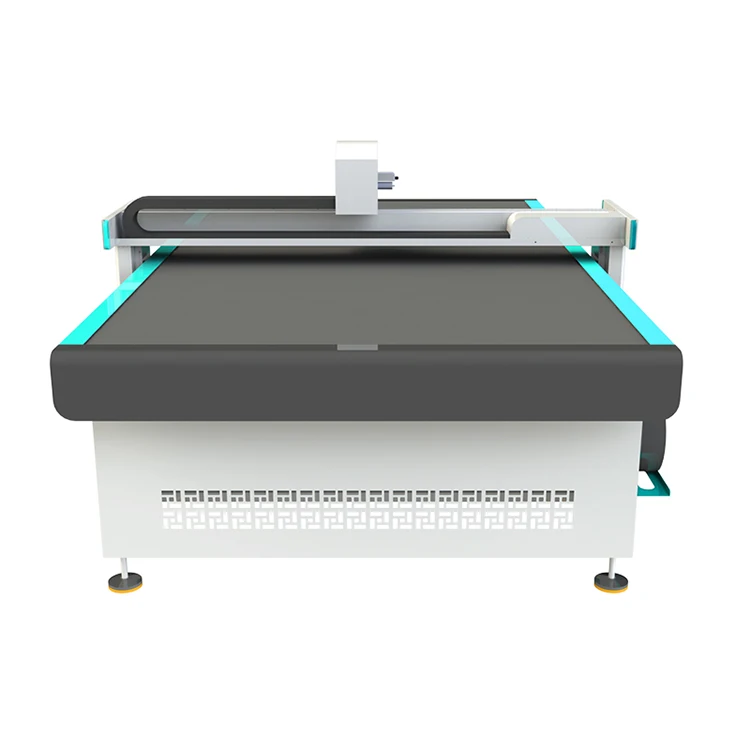
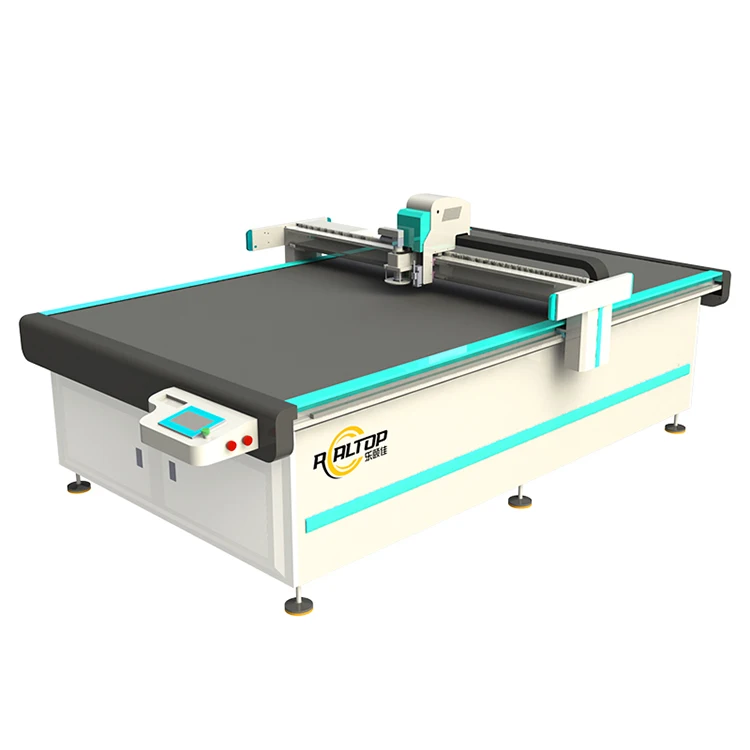
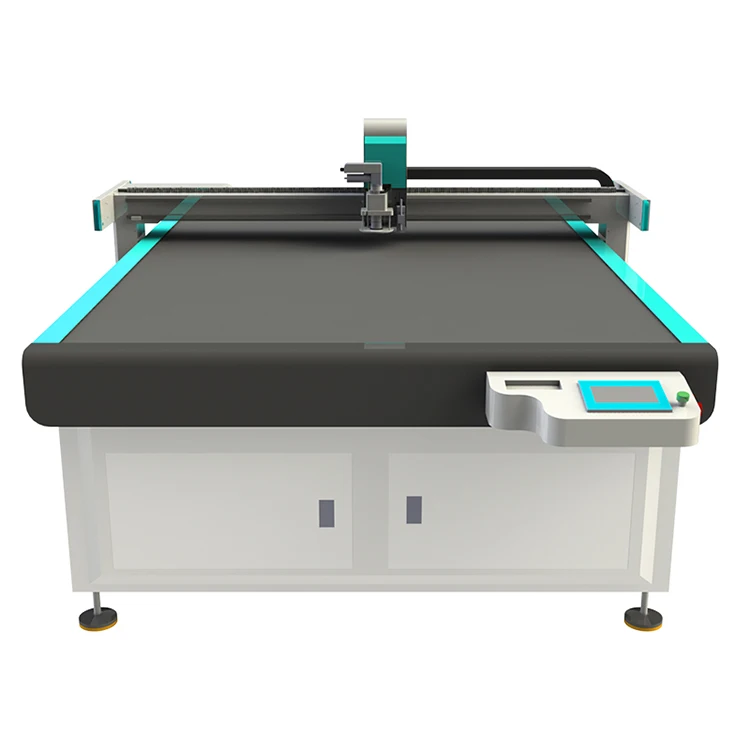
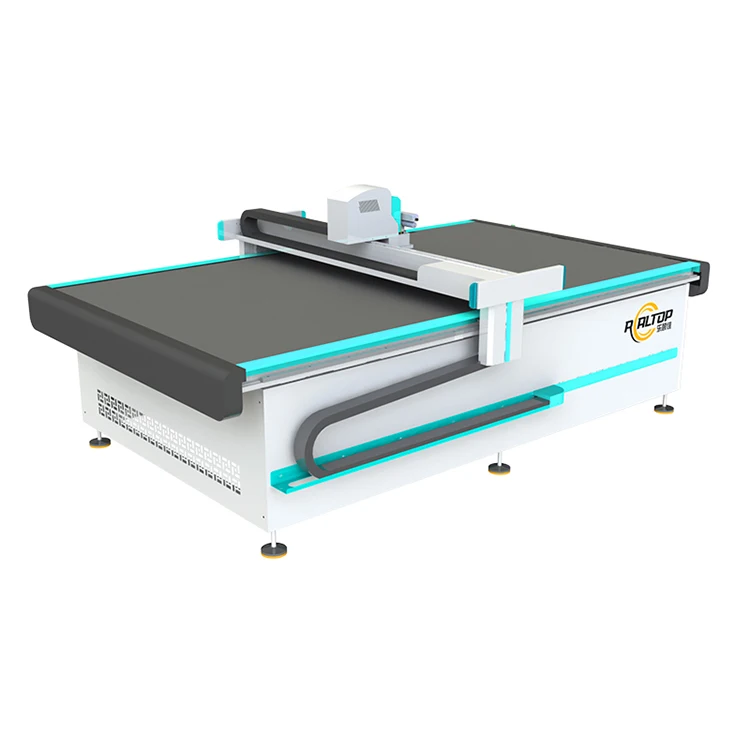
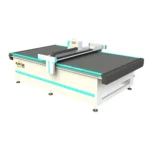
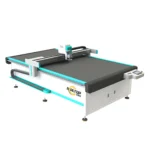
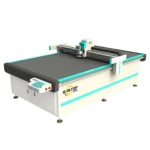
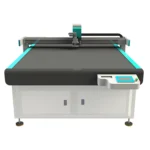
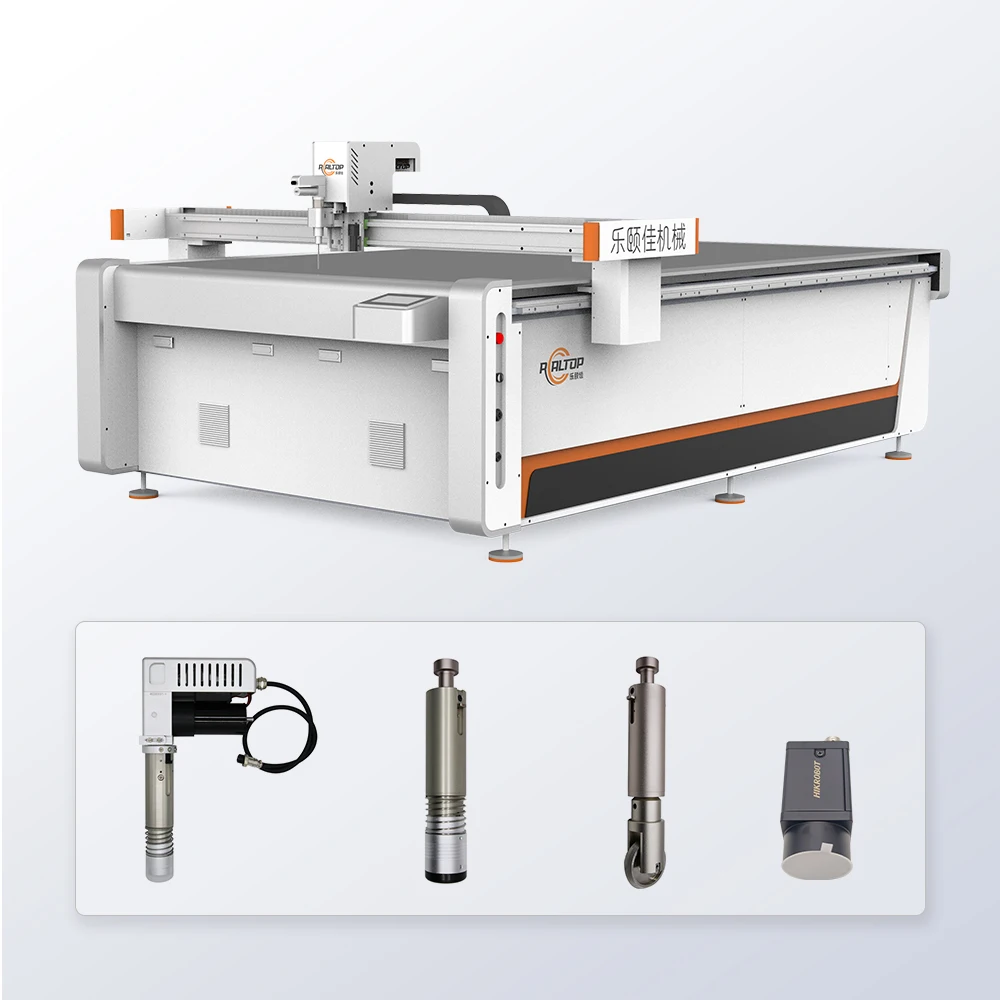
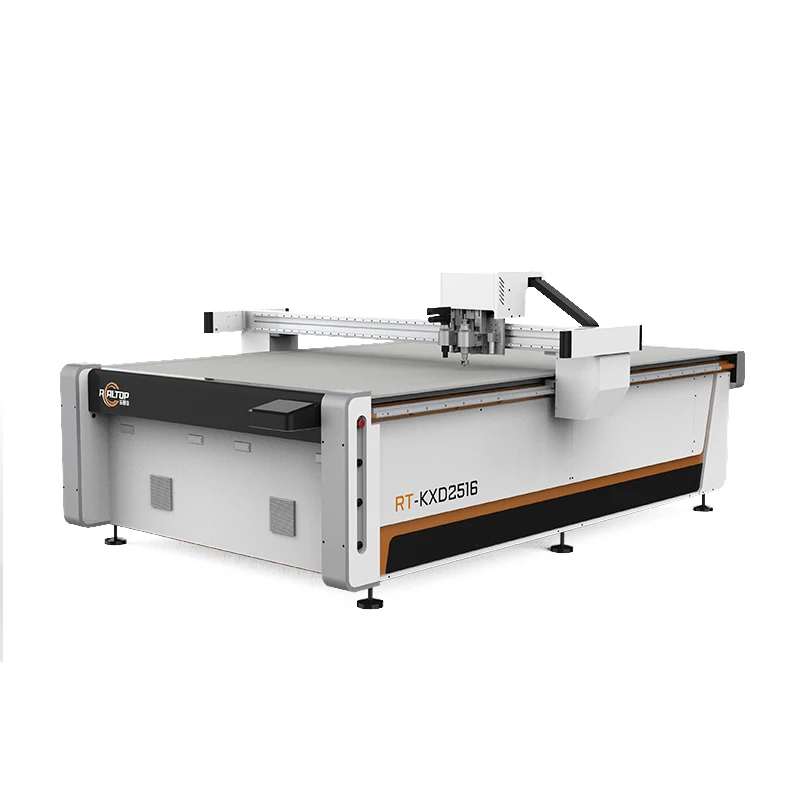
In-house frame and motion build — we machine our own structural components and integrate the servo, guide and vacuum systems on one floor, so the RT-D2516 / RT-S2516 leaves the factory as a matched assembly rather than a kit of sourced parts.
Technical Specifications
| Parameter | Value |
|---|---|
| Model | RT-D2516 / RT-S2516 |
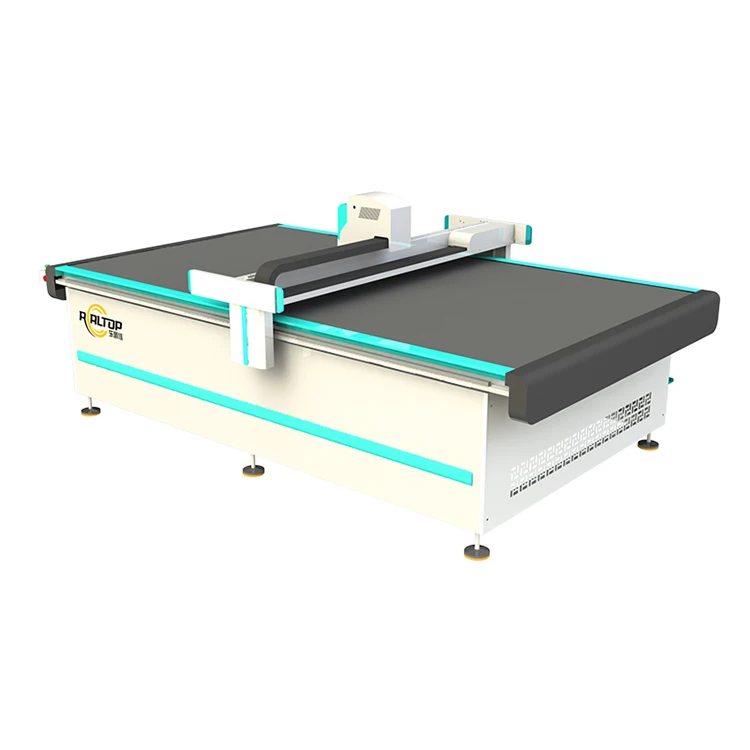
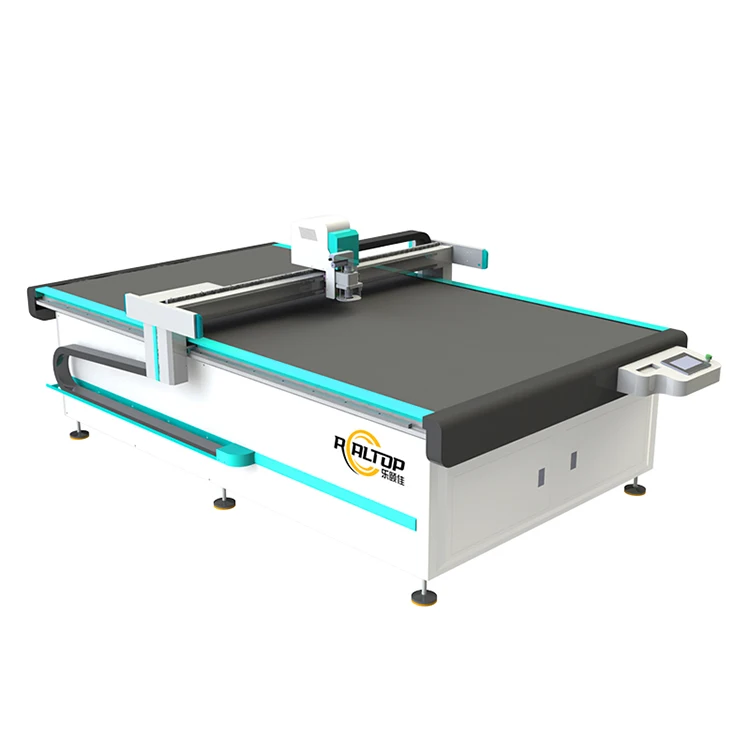
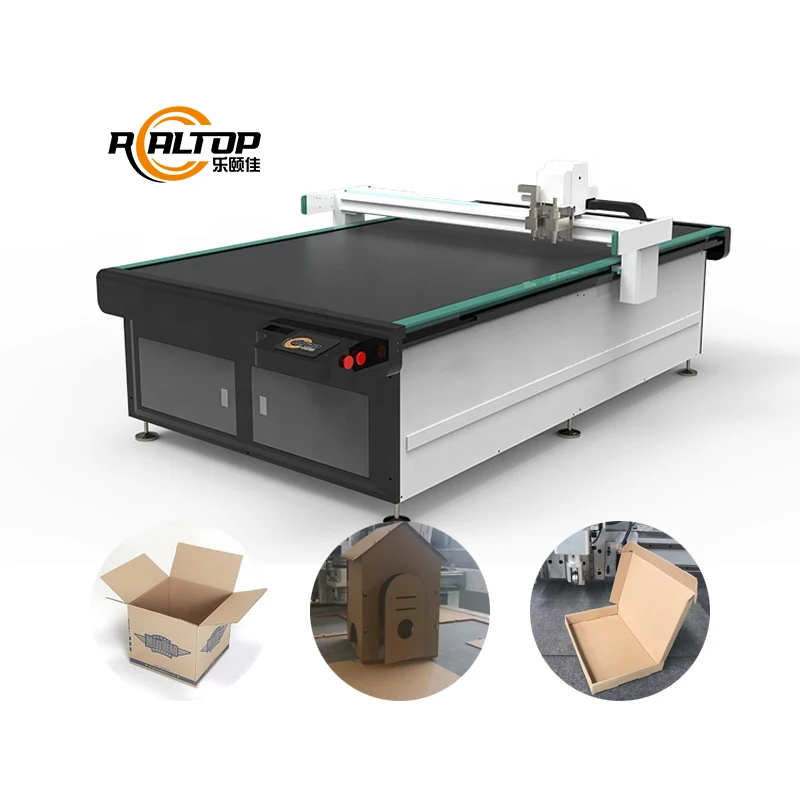
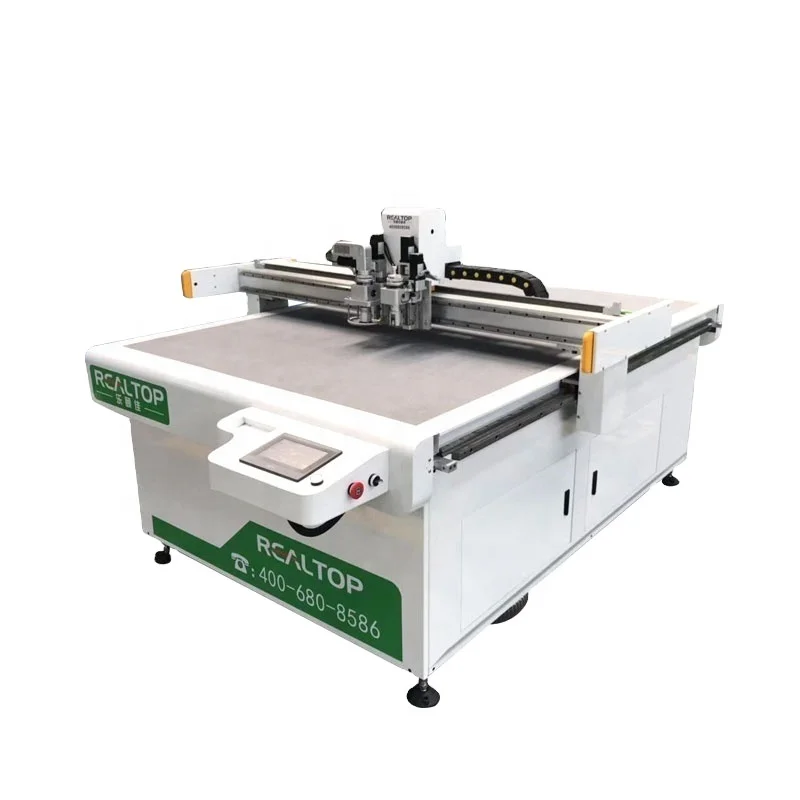
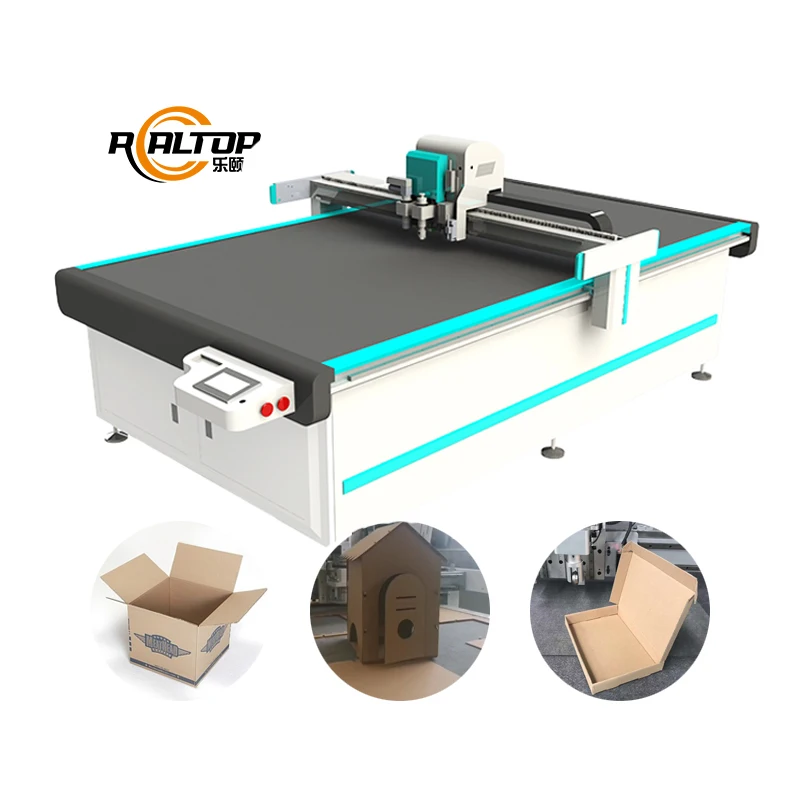
| Product Type | CNC Oscillating Knife Digital Cutting Machine with Auto Feeding and Vacuum Table |
| Working Area | 1600 × 2500 mm |
| Overall Dimensions (L × W × H) | 3450 × 2300 × 1250 mm |
| Rated Power | 9 kW |
| Vacuum Pump Power | 7.5 kW |
| Voltage | 380V ± 10% |
| Tool Head | Multifunctional head — Swiss imported knife with oscillating full cutting, half cutting and cursor location |
| Translational Speed | 800–1200 mm/s |
| Effective Cutting Speed | 200–800 mm/s (basis not stated in source — confirm with material and thickness) |
| Repeatability | ≤ 0.1 mm |
| Servo System | Japanese Yaskawa digital servo motor |
| Linear Motion | Taiwan Hiwin linear guide, synchronous belt and ball screw |
| Working Table | Flat vacuum suction table with Germany imported conveyor belt and auto feeding |
| Instruction Format | HP-GL compatible |
| Safety Device | Infrared sensors |
Application Suitability
| Application | Material or Output |
|---|---|
| Packaging sample and short-run carton making | Corrugated board, greyboard, cardstock and folding carton stock |
| Garment, footwear and leather goods production | Natural and synthetic leather, flexible fabrics, sponge composite materials |
| Gasket and seal fabrication | Rubber, silicon, PVC and soft non-metallic sheet |
| Signage and display component cutting | Soft glass, flexible PVC and composite display boards |
Why the Tool Head Decision Matters Before the Price Is Set
The cutting edge is matched to the material in our test bay, not guessed from a catalogue row.
When buyers compare CNC digital cutting machine manufacturer quotes, the conversation often starts with working area and ends with price, while the tool head selection is left to a default line item. I have watched containers arrive at a buyer’s dock with a drag knife specified for a foam and gasket workload, only for the first production shift to show crushed edges and ragged corners on thicker stock. The oscillating knife on the RT-D2516 / RT-S2516 is a Swiss imported unit configured for full cutting, half cutting and cursor location, which keeps the edge clean on leather, sponge composite and packaging board without crushing the core [NEED_CITE: oscillating versus drag knife edge quality on composite materials]. Getting this choice locked in at inquiry stage avoids the cost of a second tool head, a second round of sample cuts and a delayed first shipment.
How the Frame and Motion Assembly Is Put Together
The structural rigidity of the bed and gantry sets the ceiling for cutting accuracy, and this is where an in-house build shows its value. On the RT-D2516 / RT-S2516, the frame is welded and stress-relieved on our own floor before the Taiwan Hiwin linear guides are mounted and aligned. The Japanese Yaskawa digital servo motors are then coupled to the ball screw and synchronous belt drives, and the entire motion system is run through repeatability checks before the tool head is fitted. A CNC Digital Cutting Machine manufacturer that controls this sequence under one roof can trace any alignment deviation back to a specific assembly station rather than a third-party supplier.
What the Vacuum Table and Auto Feeder Actually Do in Production
The 7.5 kW vacuum pump sits beneath a flat suction table surfaced with a Germany imported conveyor belt, creating a continuous hold-down across the full 1600 × 2500 mm working area. For packaging sample makers running nested carton blanks, this means the stock stays flat through the oscillating knife pass without mechanical clamps that interrupt the tool path. The auto feeding system draws material from a roll or stack, advances it to the cutting zone and presents the next sheet once the current cycle completes, which is how a single operator maintains continuous output on leather hides and flexible composite rolls [NEED_CITE: continuous vacuum hold-down requirements for flexible non-metal cutting].
Reading the Specs That Determine Real Cutting Performance
The 9 kW rated power covers the servo drives, spindle oscillation and control systems, while the separate 7.5 kW vacuum pump is on its own circuit — a split that matters when you are planning the electrical panel in the target facility. Repeatability at ≤ 0.1 mm is the figure that governs contour accuracy on printed packaging prototypes and nested gasket layouts; translational speed of 800–1200 mm/s describes rapid moves between cut points, not the effective cutting speed through material, which drops to 200–800 mm/s depending on stock density and thickness. The HP-GL compatible instruction format determines which nesting and CAD outputs the machine can ingest directly, and this must be verified against the buyer’s existing software chain before the order is confirmed. Infrared sensors around the working zone provide a responsive safety shutdown, which is a non-negotiable requirement under most export market machinery directives [NEED_CITE: machinery safety directive requirements for industrial cutting equipment].
What Happens When the Wrong Configuration Ships
A machine quoted on working area alone, with no tool head and vacuum zoning discussion tied to the buyer’s actual material, shows its problems on the first production day rather than at acceptance. Ragged edges on foam and crushed cores on corrugated board point to a knife type that does not match the stock, while small gasket parts lifting off the table mid-cut signal a vacuum zone layout that was never specified for the nesting pattern in use. I have seen buyers absorb the cost of retrofitting a CCD camera system and re-commissioning the entire workflow because contour recognition for printed marks was assumed rather than confirmed. These are configuration failures, not machine failures, and they are avoided by running sample cuts on the buyer’s own material before the build is released to production.
Why Buyers Source This Build From Our Factory Floor
The RT-D2516 / RT-S2516 is designed and assembled by our own team, which means the frame, motion system and cutting head are specified as one package rather than sourced from unrelated suppliers and bolted together at the end. Tool head and table configuration is locked to the buyer’s material and production volume after sample cutting, not pulled from a default list. Voltage, plug type and control language are confirmed against the destination market before the electrical panel is wired, avoiding the rewiring cost and delay that hits when a 380V unit arrives in a facility built for a different standard. The software licence and file format compatibility note ship with the machine, so the buyer’s nesting workflow is validated before the crate is closed. Every unit runs through a full factory test on representative material before dispatch, and the test record is included in the documentation pack.
Documentation & Verification
- Machine specification sheet listing the exact tool head, vacuum pump rating and table configuration shipped
- Electrical schematic with voltage and frequency confirmation matching the destination facility
- Sample cutting report produced on the buyer’s own material with edge quality and speed noted
- Factory test record documenting repeatability and full-axis travel before crating
- Software licence and HP-GL file format compatibility note included at delivery
- Spare parts list identifying consumable knives, belts and vacuum seals by part number
Installation, Commissioning & Support
- Overall footprint of 3450 × 2300 × 1250 mm requires verified floor space and doorway clearance before delivery
- 380V ± 10% supply with dedicated circuit for the 9 kW machine load and separate 7.5 kW vacuum pump feed
- Auto feeding conveyor and vacuum table commissioned together with the oscillating knife head on site
- First-run parameter setting performed on the buyer’s material with cutting speed and depth adjusted to stock
- Operator training covers tool head changeover, nesting file import and infrared sensor safety protocols
- Consumable Swiss knife blades, synchronous belts and vacuum seals listed with reorder intervals
What We Need to Build Your Configuration
To specify the RT-D2516 / RT-S2516 for your production line, send the material types and thicknesses you will be cutting, the maximum sheet or roll dimensions, and the daily volume you plan to run. We also need your facility voltage and frequency, the control language your operators require, and a set of sample files in your standard nesting format so we can verify software compatibility. If your workshop has height or access restrictions, share the clear doorway and ceiling dimensions so we can confirm the machine will travel to its installation point without site modification.
Frequently Asked Questions
Q: How do you determine which tool head is right for my material?
A: We run sample cuts on the material you send us, testing the Swiss imported oscillating knife across your stock thickness and density. The cutting speed, edge quality and hold-down behaviour are recorded, and the tool head configuration is then locked into your build specification before production begins.
Q: Can the voltage and plug be matched to my local electrical standard?
A: Yes. The standard build is 380V ± 10%, but we confirm your facility voltage, frequency and plug type at the order stage and wire the electrical panel accordingly. The electrical schematic shipped with the machine documents the exact configuration for your local electrician.
Q: Will my existing nesting and CAD files work with this machine?
A: The control system reads HP-GL compatible instruction formats. We ask you to send a representative file set during the inquiry stage so we can verify compatibility and confirm any nesting software requirements before the order is finalized.
Q: What happens during the factory test before my machine ships?
A: We run the RT-D2516 / RT-S2516 through full-axis travel, repeatability checks and cutting tests on material matching your specification. The test record, including measured repeatability and edge quality results, is included in your documentation pack.
Q: What spare parts should I plan to stock from day one?
A: The spare parts list shipped with your machine identifies the consumable items specific to your configuration, including oscillating knife blades, synchronous belt segments and vacuum table seals, along with recommended reorder quantities for your production volume.
You may also like

商品评价
Clear filtersThere are no reviews yet.