



-
 Courier delivery
-
 DHL Courier delivery
-
 Warranty 1 year
-
 Free 30-Day returns

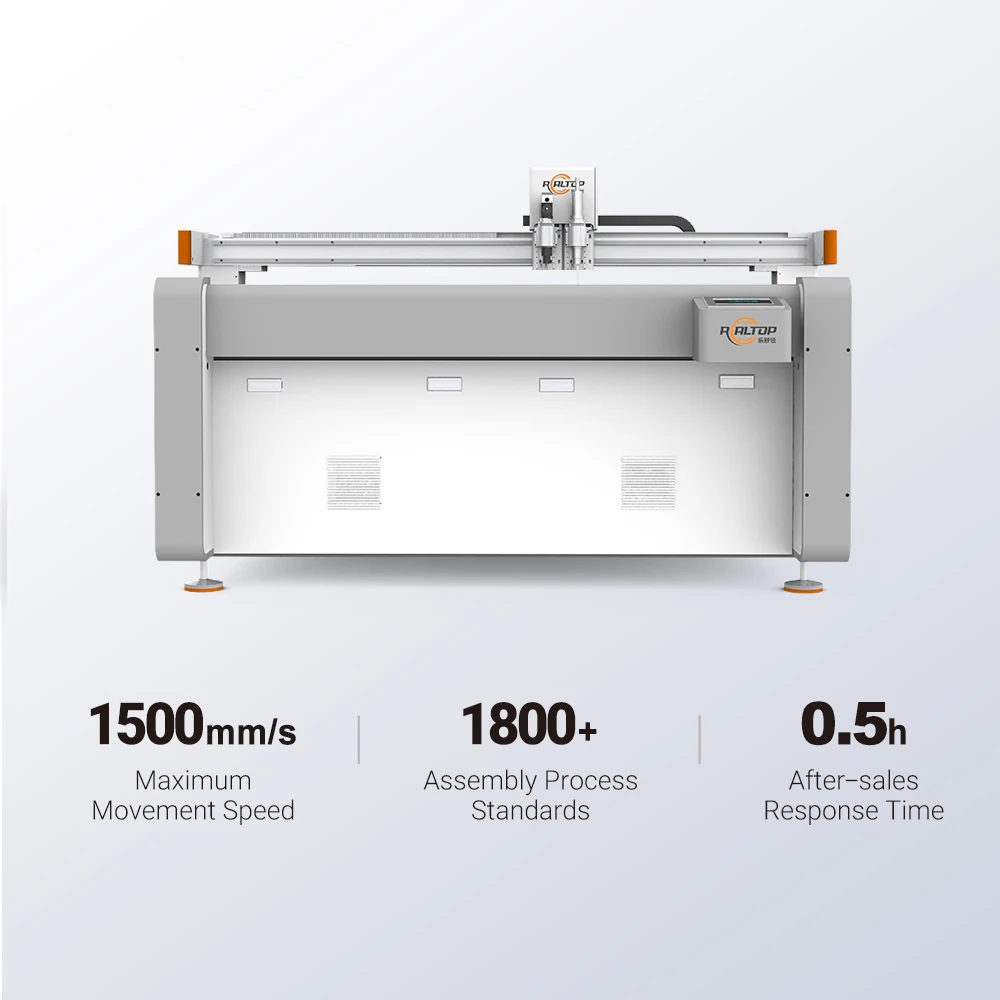
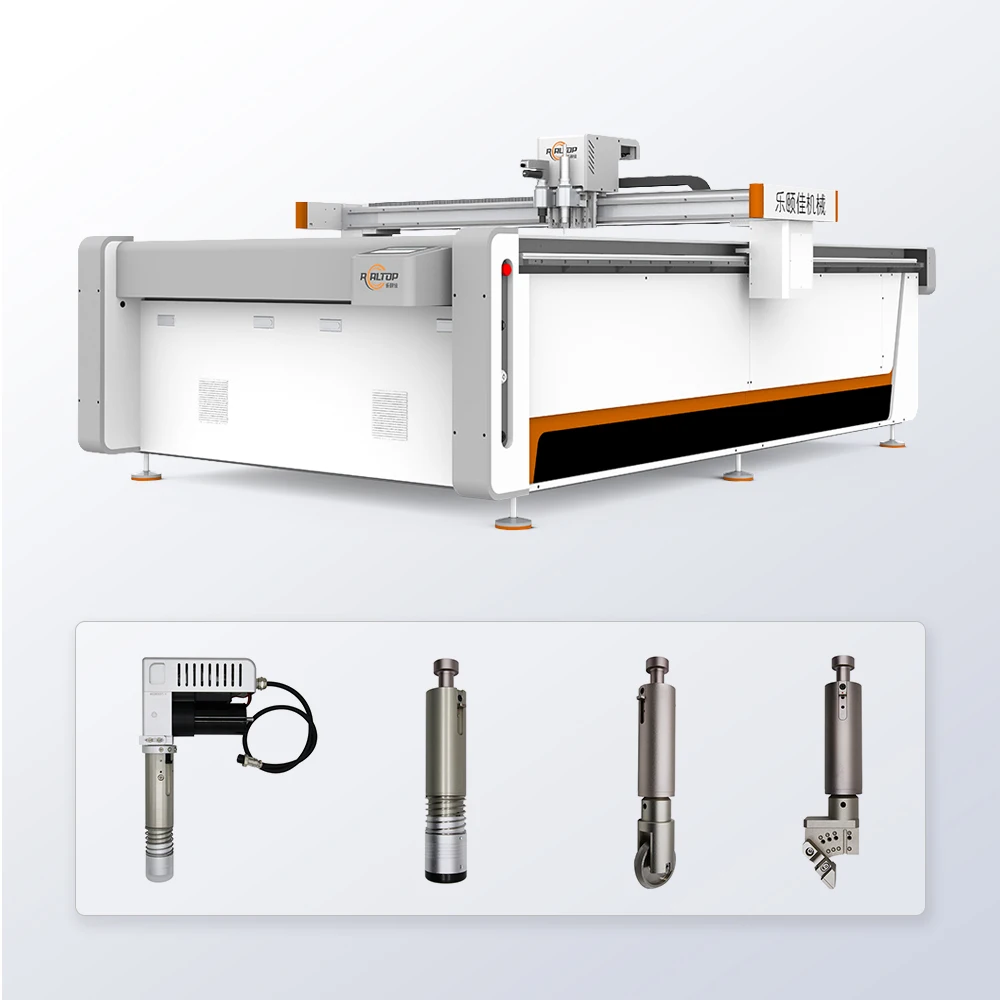
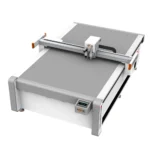
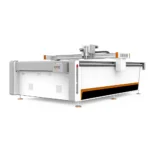
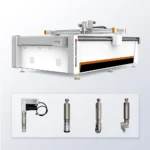
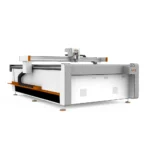
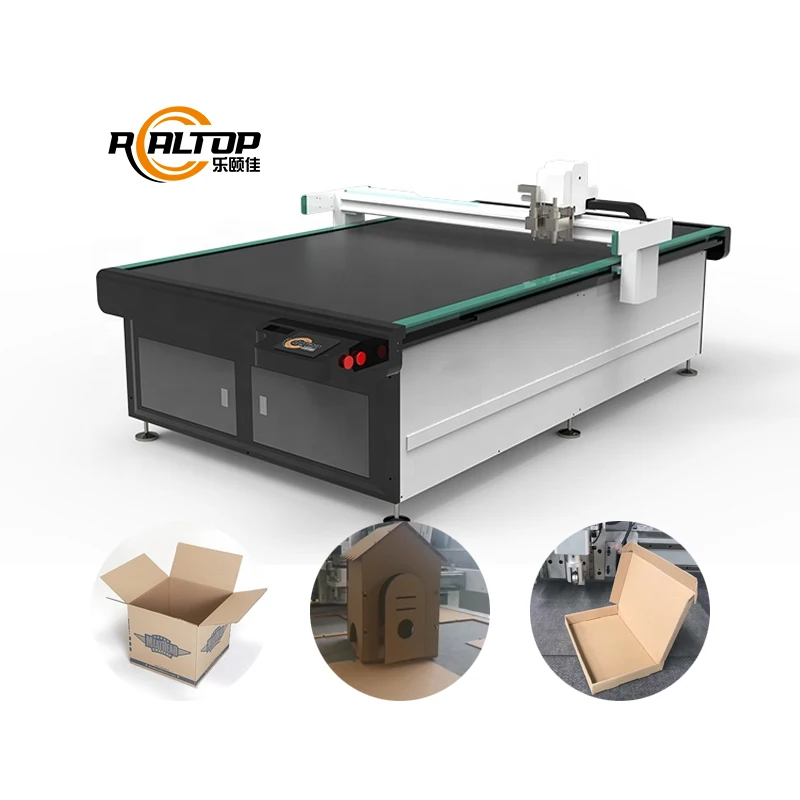
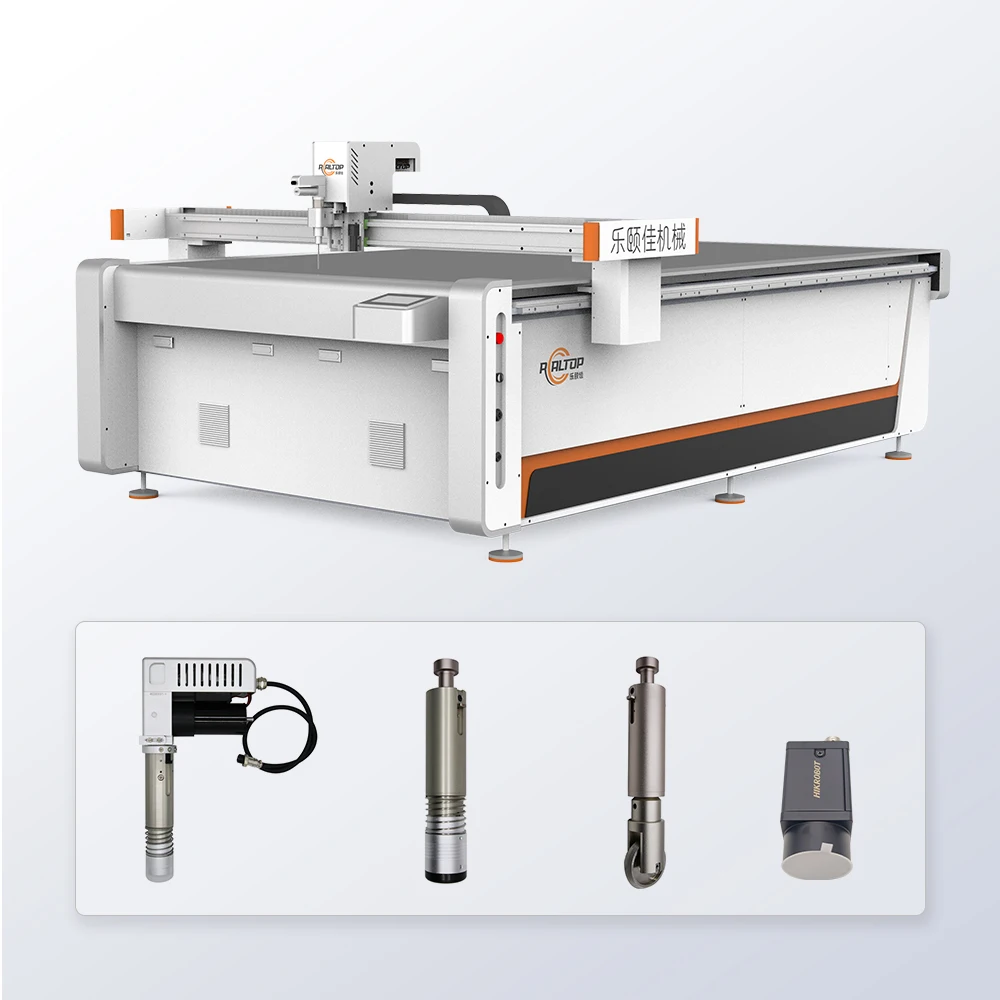
In-House Frame and Tool-Head Engineering — Design and manufacturing under one roof lets packaging producers match oscillating knife, creasing wheel, and vacuum table zoning to their exact board grade rather than adapting to a fixed configuration.
Technical Specifications
| Parameter | Value |
|---|---|
| Product Type | CNC Oscillating Knife Cutting Machine |
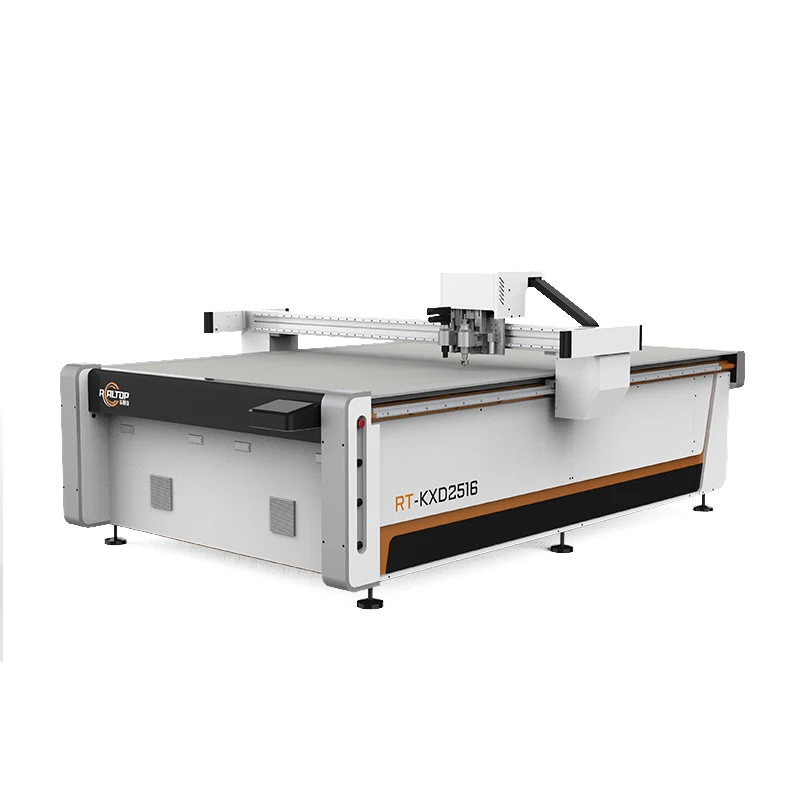
| Working Area | 1600 × 2500 mm |
| Tool Heads Available | Oscillating knife, Driven rotary knife, Creasing wheel, Kiss cutting tool, Pneumatic knife, Milling tool, V-groove knife |
| Cutting Thickness | ≤ 40 mm |
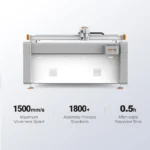
| Cutting Speed | 0–1500 mm/s |
| Cutting Accuracy | ±0.1 mm |
| Vacuum Pump | 9 kW |
| Vacuum Table | Aluminum bellows vacuum table |
| Servo Motors | Panasonic / Delta / Dorna options |
| Control System | PLC control panel |
| Software | Dedicated packaging box structure design software |
| Profile Formats | PLT, DXF, AI, PDF |
| Voltage Options | 110V / 220V / 380V |
| Language Options | English, Russian, Italian, Chinese, customizable |
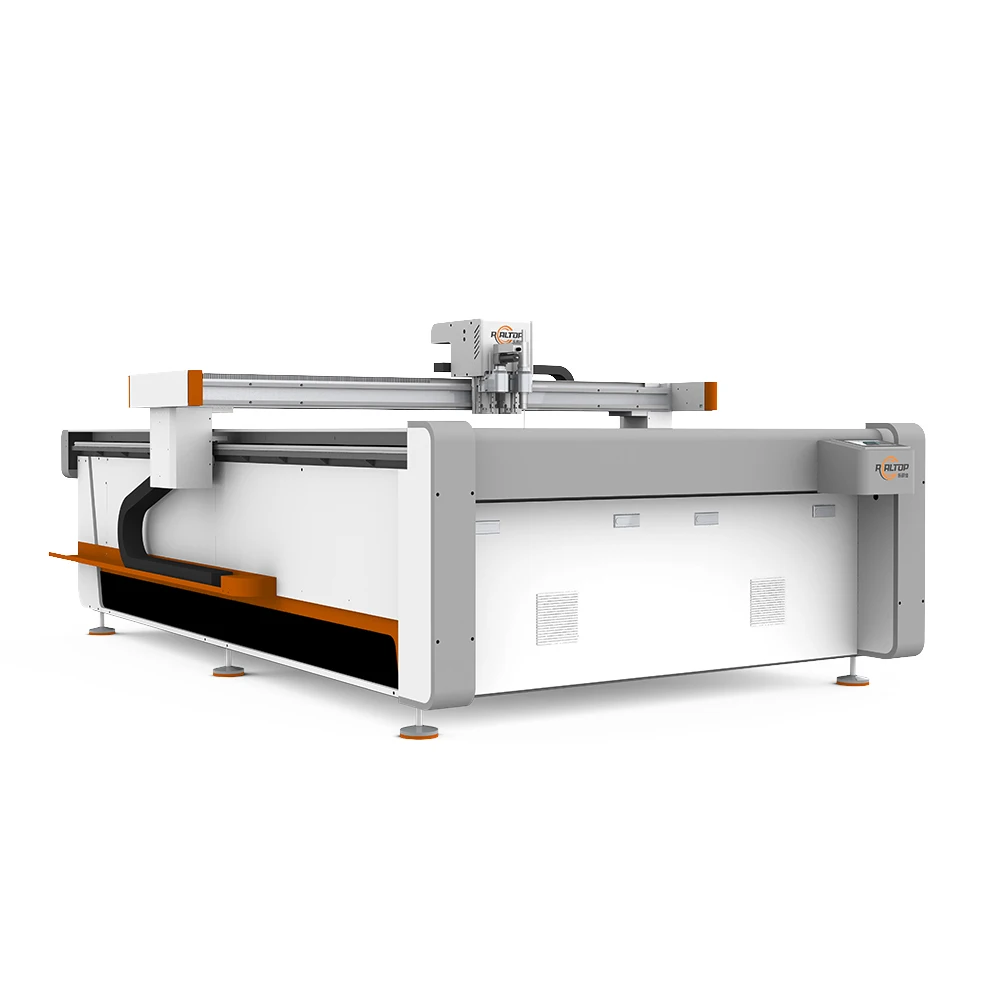
| Machine Size | 3300 × 2100 × 1350 mm |
| Safety Devices | Infrared sensor, emergency stop |
| Standards | CE |
Application Suitability
| Application | Material or Output |
|---|---|
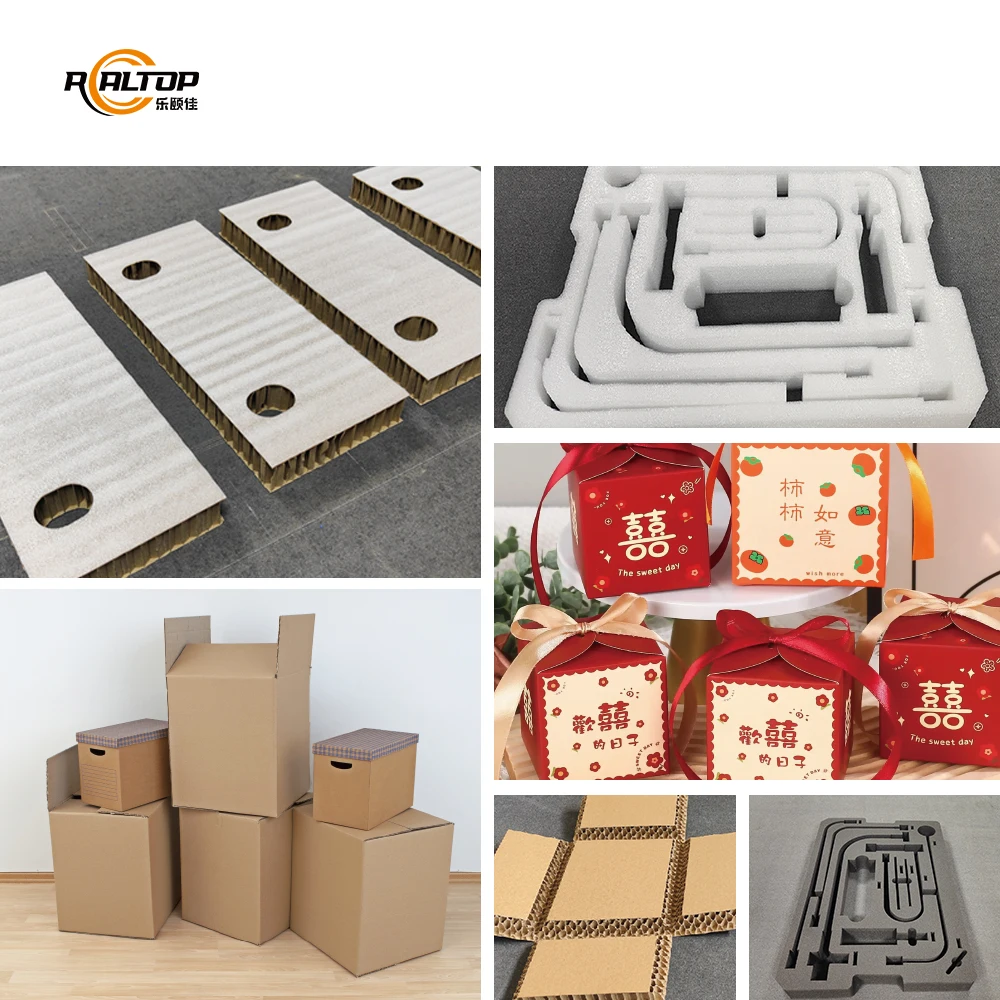
| Packaging and carton sample making | Greyboard, art paper, specialty paper, cardstock |
| Corrugated box production | E-flute, B-flute, BC-flute board |
| Protective foam insert fabrication | EVA, EPE, PU foam sheets |
| Gasket and sealing component cutting | Rubber mats, PTFE, adhesive-backed composites |
| Textile and leather packaging | Velvet, fleece fabric, synthetic leather |
| Thin plastic packaging components | PVC, PET sheets |
What a Ragged Edge Tells You Before the Invoice Arrives
Edge quality on corrugated board is decided by tool-head selection, not by motor power alone.
I have watched a packaging sample shop run E-flute on an oscillating knife that was set up for greyboard — the flute crushed instead of sliced, and every crease line feathered outward. The operator spent two days adjusting feed speed and vacuum hold before someone checked which tool head was actually mounted [NEED_CITE:]. That is the hidden cost of a machine quoted on working area without a material-to-tool conversation first. A CNC oscillating knife cutting machine manufacturer that asks about your flute profile, board weight, and lamination before confirming the build is the one worth a second meeting.
Matching Tool Geometry to Board Density and Flute Profile
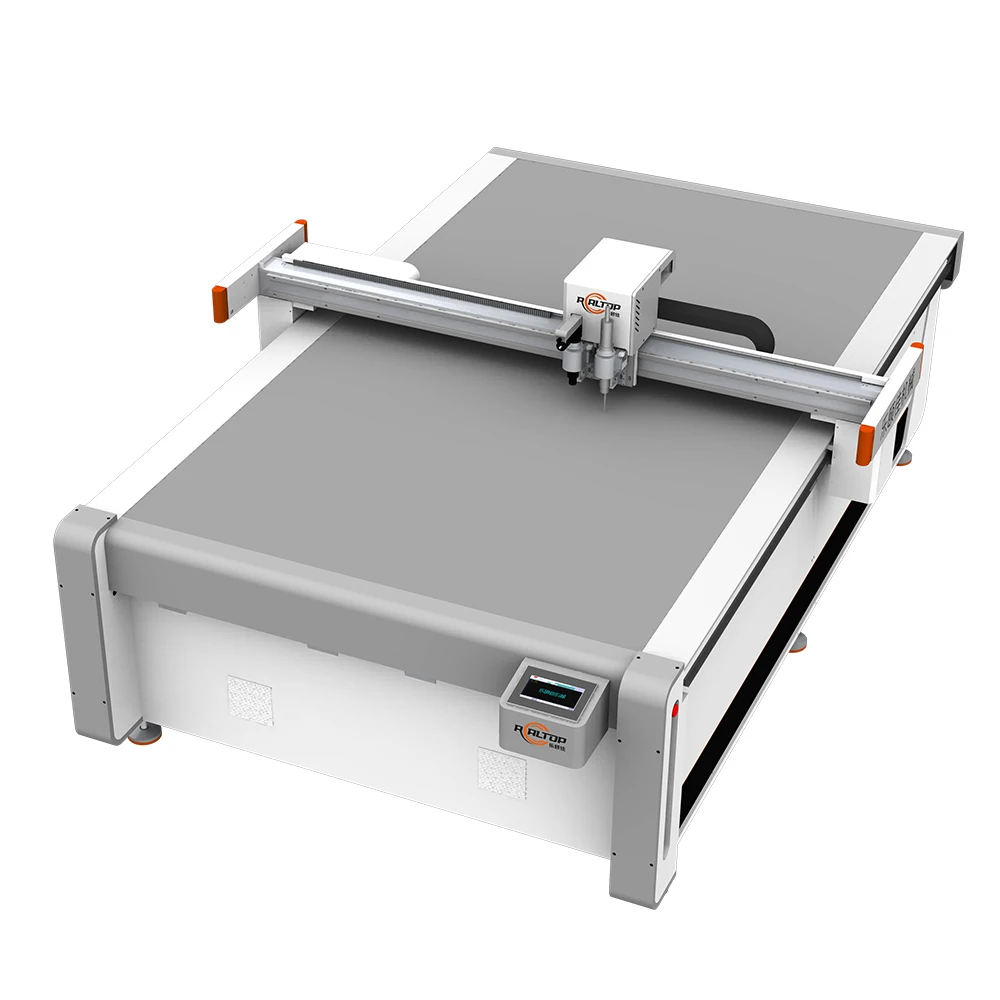
The 1600 × 2500 mm working area accommodates full sheets of corrugated board and card stock in a single loading cycle. Oscillating knife handles standard flute cutting, while the V-groove knife scores channels in high-density greyboard without delaminating the face sheet. Creasing wheel pressure is adjustable across the board surface, so B-flute and BC-flute receive different compression profiles in the same job run. A CNC oscillating knife cutting machine manufacturer that pre-selects these tool heads per material eliminates the trial-and-error phase that stalls sample approval.
CCD Positioning for Pre-Printed Packaging Sheets
Printed packaging runs require the cutting path to track registration marks rather than relying on sheet-edge alignment. The CCD camera option reads contour marks on laminated and coated stock, though gloss and foil surfaces need light-source and exposure tuning before production starts. I once spent a full week re-calibrating a camera system on foil-laminated card because the original test used matte art paper — the reflective surface blinded the sensor at running speed [NEED_CITE:]. Specifying CCD positioning and running sample cuts on the actual production stock prevents this kind of line stoppage after delivery.
Reading the Specs That Matter on the Shop Floor
The 9 kW vacuum pump paired with an aluminum bellows table maintains suction across a large bed, which keeps thin specialty paper and single-face corrugated flat during high-speed passes. Cutting accuracy of ±0.1 mm holds registration on multi-color printed cartons where a 0.3 mm drift would misalign a crease against a printed fold line. The 0–1500 mm/s speed range is usable across the full thickness band up to 40 mm, though dense EVA foam inserts require slower passes to keep the knife edge from deflecting. Panasonic, Delta, and Dorna servo options let the buyer align motion components with the brands their local technicians already service [NEED_CITE: servo motor service network coverage by region]. Software imports PLT, DXF, AI, and PDF directly, so structural packaging files from existing design workflows load without format conversion.
The Downtime That a Wrong Configuration Creates
Choosing a vacuum table without zoning control means small packaging components — think insert dividers or corner protectors — lift off the bed mid-cut because suction is spread across the entire surface instead of isolated under the part. Selecting a kiss cutting tool when the material is multi-layer composite produces incomplete through-cuts on the bottom ply, forcing a second pass that doubles cycle time and scrapes the adhesive layer. I have seen these issues surface only after the machine arrives, when the buyer’s own material behaves differently from the factory demo stock [NEED_CITE: common vacuum table zoning failures on small-part cutting].
Why Production Managers Source From This Build Line
The in-house design team covers both the machine frame and the cutting-head assembly, so a request for deeper pneumatic knife stroke or a custom creasing wheel profile is handled inside the same facility rather than passed to a third-party integrator. Sample cutting on the buyer’s actual corrugated board, foam insert stock, or laminated card is completed before order confirmation, producing a written report that documents edge quality, hold-down performance, and achievable speed on that specific material. Voltage, plug type, and control panel language are confirmed against the destination market’s electrical code before the machine enters final assembly. The dedicated packaging structure design software ships with the machine, supporting nesting routines that improve sheet yield without requiring a separate license purchase.
Documentation & Verification
- Machine specification sheet listing every tool head and table zone configured for your board grade
- Sample cutting report on your corrugated, foam, or laminated stock with edge and speed data
- Electrical schematic confirming voltage, frequency, and plug type for your facility
- Software license and file format note verifying PLT, DXF, AI, and PDF import paths
- Factory test record covering full-bed vacuum seal and servo calibration before dispatch
- Operation and maintenance manual in your selected control language
Installation, Commissioning & Support
- Floor loading assessment for the 3300 × 2100 × 1350 mm frame footprint with leveling anchor points
- Dedicated circuit sizing for the 9 kW vacuum pump plus servo and PLC combined draw
- Assembly of aluminum bellows table sections and vacuum zone manifold connections on site
- First-run parameter tuning on your production board weight and flute type during commissioning
- Operator training covering tool-head changeover, CCD calibration, and nesting workflow setup
- Spare parts list identifying oscillating knife blades, creasing wheels, and vacuum seals by part number
Preparing Your Inquiry With the Right Material Data
Send the specific board grade, flute type, and lamination finish you run most often, along with typical sheet dimensions and daily volume targets. Note your facility voltage, frequency, and the control language your operators need. If your current design workflow uses a particular CAD format or nesting software, include a sample file so software compatibility is verified before quotation.
Frequently Asked Questions
Q: How is the cutting method and tool head matched to my specific packaging material?
A: The process starts with your material type, thickness, flute profile, and lamination finish. Each parameter determines which tool head — oscillating knife, creasing wheel, V-groove, or kiss cutting — handles that job. A sample cut on your actual stock confirms edge quality and speed before the configuration is locked in for production.
Q: What voltage, plug type, and control language are confirmed before shipment?
A: Voltage is confirmed against your facility supply at 110V, 220V, or 380V. Plug type matches the destination country standard. Control panel language — English, Russian, Italian, Chinese, or a custom option — is set during PLC programming so the machine arrives ready for your operators.
Q: Can I send my own material for sample cutting before placing an order?
A: Yes. Sending your production corrugated board, foam, or laminated card allows a documented sample cut that records edge condition, hold-down behavior, and running speed on that exact material. The report is shared before any order commitment is made.
Q: Does the software import my existing PLT, DXF, AI files and support nesting?
A: The dedicated packaging structure design software accepts PLT, DXF, AI, and PDF formats directly. Nesting routines are included to arrange parts for maximum sheet yield, and compatibility with your existing file workflow is verified during the pre-order sample process.
Q: What is the vacuum table zoning capability for small packaging parts?
A: The aluminum bellows vacuum table is configurable with isolated zones so that small components like insert dividers or corner protectors receive concentrated suction. Zoning layout is specified based on your smallest production part dimensions before the table is assembled.
You may also like

商品评价
Clear filtersThere are no reviews yet.