

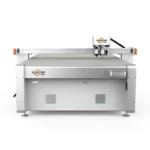
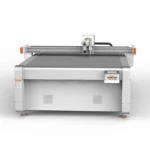
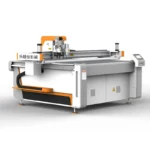
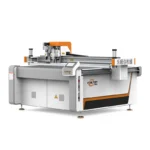

-
 Courier delivery
-
 DHL Courier delivery
-
 Warranty 1 year
-
 Free 30-Day returns

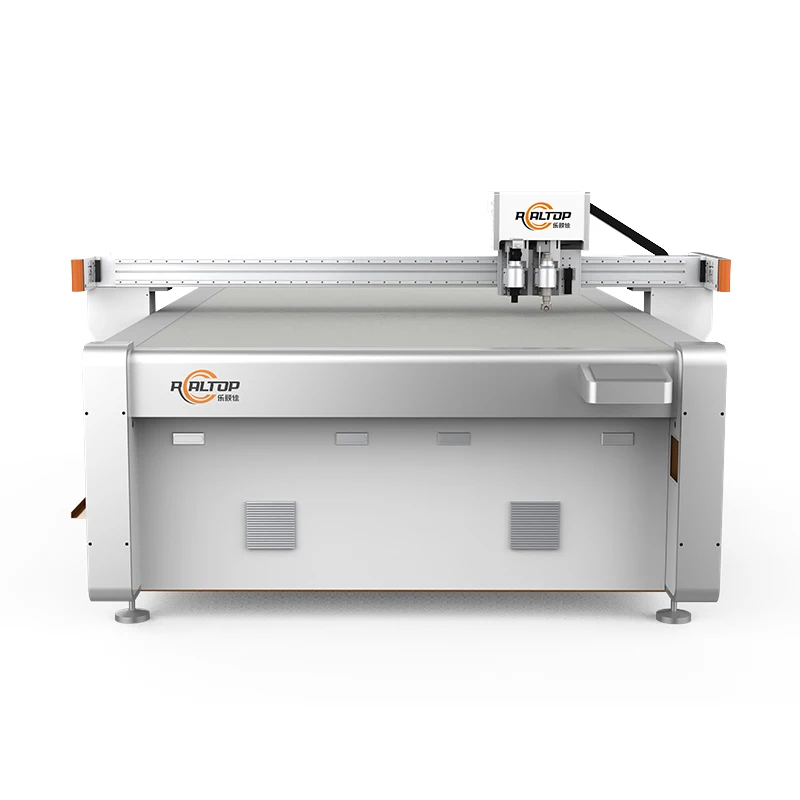
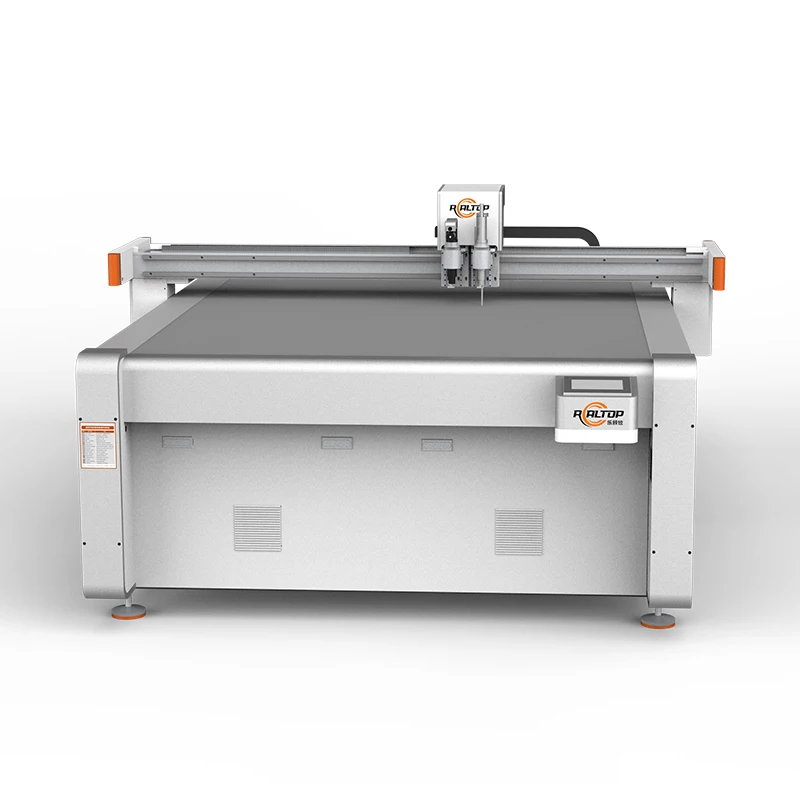
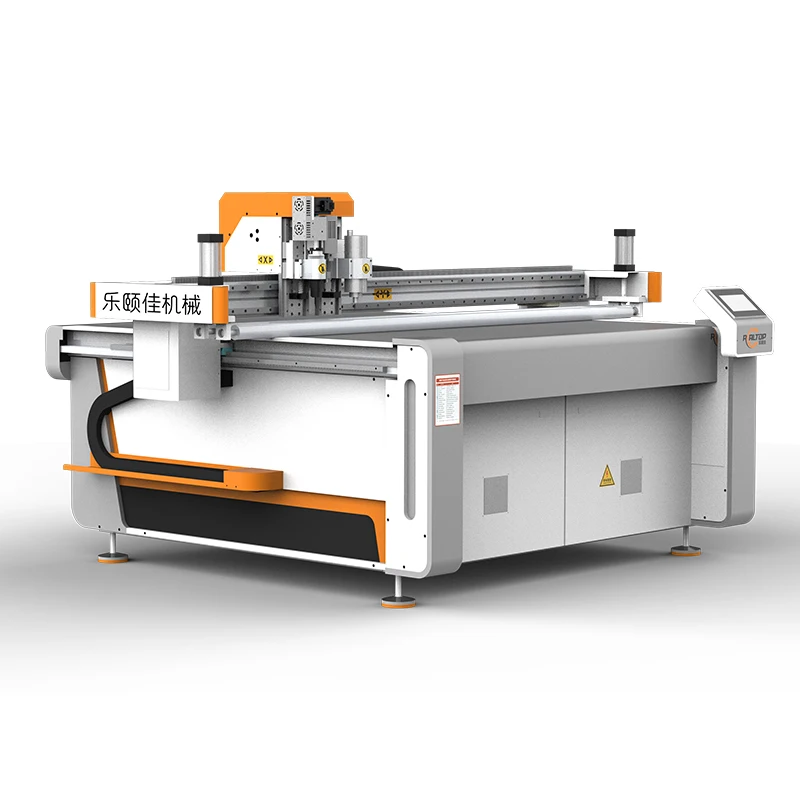
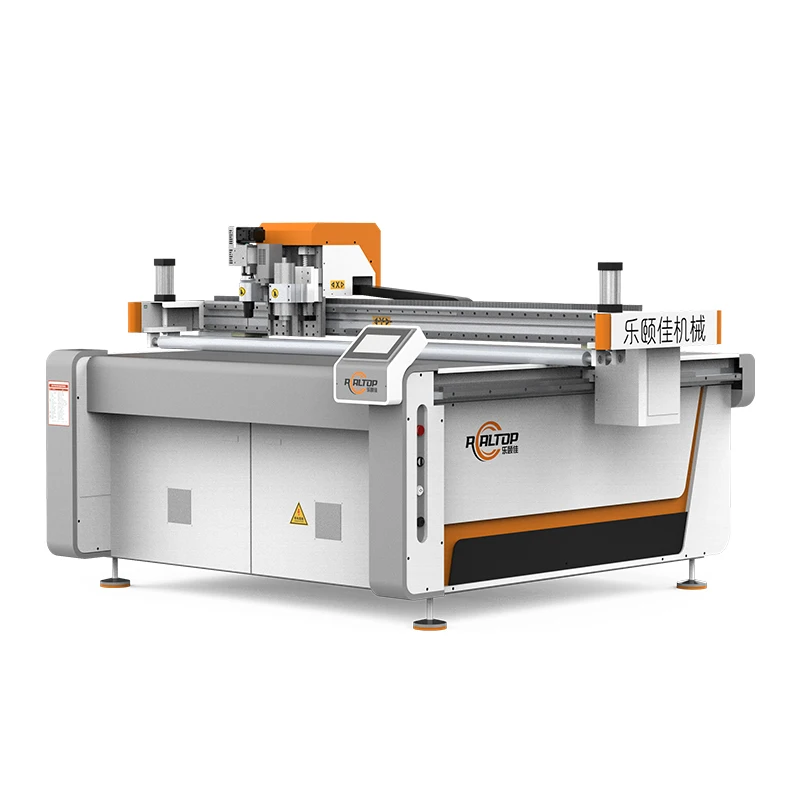
In-house frame manufacturing — every RT-D2516/RT-S2516 chassis is welded, tempered, and CNC-machined inside our Jinan facility before any component is mounted, giving distributors full traceability from raw steel to finished cutting table.
Technical Specifications
| Parameter | Value |
|---|---|
| Model | RT-D2516 / RT-S2516 |
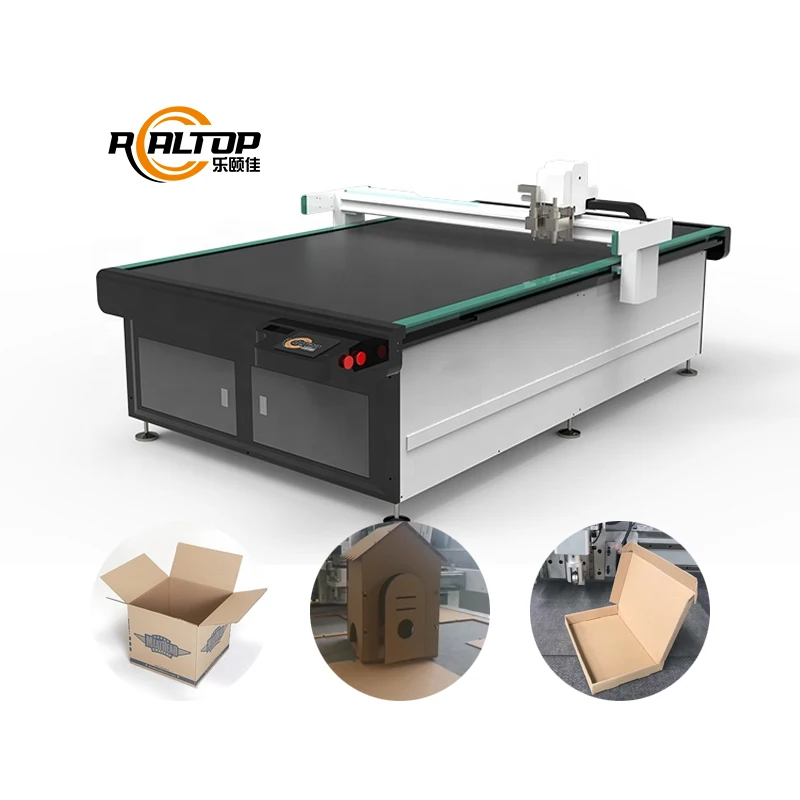
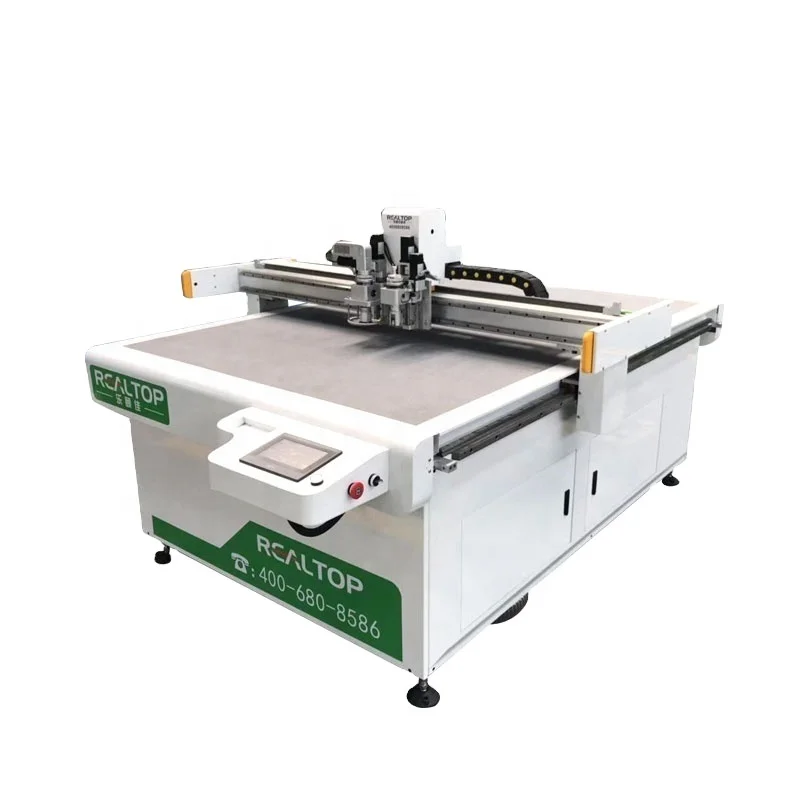
| Product Type | CNC Felt & Foam Digital Cutting Machine |
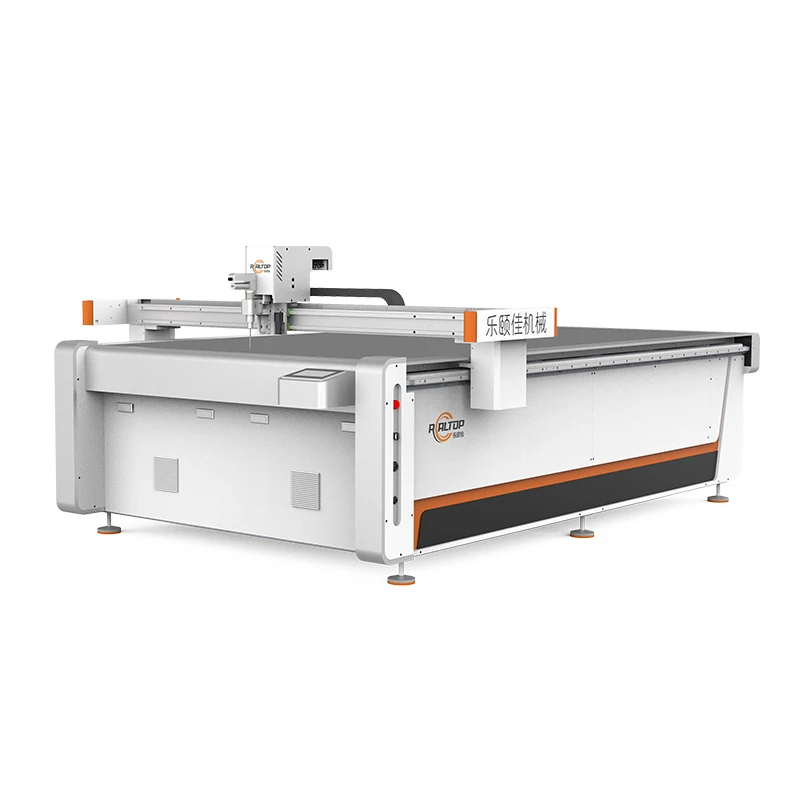
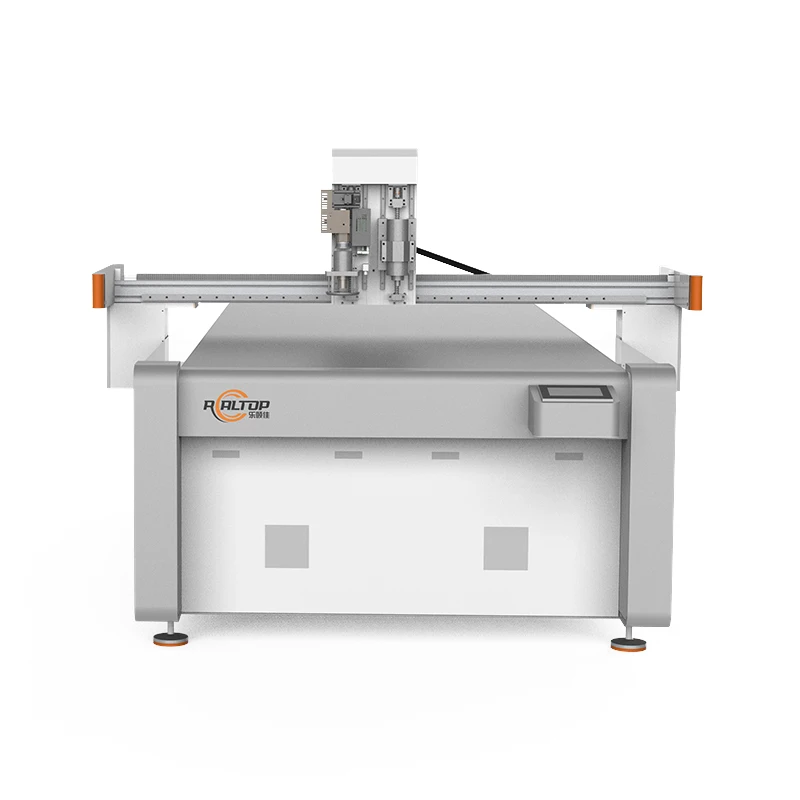
| Working Area | 1600 × 2500 mm |
| Machine Dimensions (L × W × H) | 3450 × 2300 × 1250 mm |
| Rated Power | 9 kW |
| Voltage | 380V ±10% (frequency 50/60 Hz to be confirmed per destination) |
| Vacuum Pump | 7.5 kW, aviation aluminum housing with integrated silencer |
| Table Surface | Magnesium-aluminum alloy, PVDF powder sprayed, anodic and hard oxidation treated |
| Transmission | Digital servo motor (Delta or Panasonic optional, IP67), linear guide, synchronous belt, ball screw; Taiwan Hiwin rail |
| Repeated Positioning Accuracy | ≤ 0.1 mm |
| Translational Velocity | 800 – 2000 mm/s |
| Maximum Cutting Thickness | ≤ 100 mm (varies with material density and tool selection) |
| Visual Positioning Options | Small CCD mark-point, panoramic camera recognition, projection positioning |
| Tool Head Options | Swiss imported knife, oscillating knife, pneumatic knife, high-power vibrating knife, circular knife, V-cutting knife, drag knife, creasing wheel, dotted line knife, punching, brush |
| Instruction Format | HP-GL compatible |
| Safety Devices | Infrared induction blocking, dual-side beam anti-collision, emergency stop with in-situ resume |
| Frame Construction | Thick-walled seamless steel welded structure, high-temperature tempered, CNC-machined |
| Optional Configuration | Germany imported conveyor belt, auto feeding system |
| Assembly State | Fully assembled before dispatch |
| Compliance | CE declaration per shipment |
Application Suitability
| Application | Material or Output |
|---|---|
| Automotive interior trimming | Multi-layer fabric, synthetic leather, and foam laminates for seat covers and door panels |
| Gasket and seal production | Compressed fiber, cork-rubber composite, and PTFE sheet stock |
| Packaging sample making | Corrugated board, foam board, and honeycomb composite for carton prototypes |
| Composite fabricator nesting | Fiberglass mat, carbon fiber prepreg, and aramid fabric layups |
| Signage and display | PVC foam board, acrylic-bonded sandwich panels, and flexible vinyl |
| Footwear component cutting | EVA foam midsole stock, textile uppers, and bonded leather sheets |
Why Specified Working Area Alone Fails Composite Shops
A 1600 × 2500 mm table tells you nothing about how the machine handles 30 mm fiberglass-reinforced foam at production speed. Distributors regularly quote CNC felt foam cutting machine factory orders based on bed size, only to discover the buyer’s actual material stack demands a specific tool head, vacuum zoning layout, and servo torque that were never discussed. The result is ragged edges, delaminated layers, or crushed core material — problems that show up on the first production day, not during acceptance testing. I have watched importers lose entire container loads of credibility because the cutting method was never matched to the composite layup [NEED_CITE: oscillating knife versus drag knife performance on multi-layer composites].
Frame Rigidity and What It Means for Repeat Orders
The RT-D2516/RT-S2516 starts as thick-walled seamless steel tubing, welded into a single bed structure, then put through high-temperature tempering to relieve internal stress before any CNC machining begins. For a distributor evaluating an OEM partner, this sequence matters because it determines whether the gantry stays square after thousands of hours of oscillating knife vibration. A frame that was only welded and painted will drift over time, forcing the buyer into constant recalibration — a service cost that erodes your margin on every warranty call.
Vacuum Adsorption Built for Small Nested Parts
The magnesium-aluminum alloy table receives PVDF powder coating followed by anodic and hard oxidation treatment, creating a surface that resists adhesive residue from composite backing films. The 7.5 kW vacuum pump runs in an aviation aluminum shell with an internal silencer sponge that reduces operational noise. More critically, the flat vacuum adsorption layout holds irregularly shaped gasket and automotive interior pieces flat without mechanical clamps, so nested cutting paths can run continuously without pausing for re-fixturing [NEED_CITE: vacuum zoning requirements for nested composite cutting].
Reading the Spec Sheet Against the Material Stack
Maximum cutting thickness reaches 100 mm, but that figure only applies to low-density foam; a 30 mm fiberglass composite panel will demand a different tool head and slower feed rate. Translational velocity spans 800 to 2000 mm/s, yet actual cutting speed depends on whether the Swiss imported knife is handling felt or the high-power vibrating knife is working through bonded rubber. The HP-GL compatible instruction system accepts nesting files from most mainstream CAD outputs, but buyers running proprietary automotive interior software should confirm file format compatibility before the order is locked. Repeated positioning accuracy at ≤ 0.1 mm ensures that CCD mark-point positioning can track printed registration marks reliably across long production runs.
The Cost of Skipping the Tool-Head Conversation
When a composite fabricator receives a machine equipped with a generic drag knife instead of the oscillating knife their material requires, the cutting edge frays layered fiberglass and leaves burrs on cured resin surfaces. Parts that should nest tightly end up with oversized kerf allowances, reducing material yield and inflating per-piece cost. Worse, the buyer blames the machine brand rather than the configuration mismatch, and the distributor absorbs return shipping and re-commissioning expenses [NEED_CITE: tool head selection impact on composite edge quality].
Why Source This CNC Felt Foam Cutting Machine From Our Factory
Realtop maintains in-house design and production covering both knife and laser cutting technologies, so a distributor can match the cutting method to each buyer’s material rather than forcing a single platform. Every RT-D2516/RT-S2516 undergoes a factory test with the buyer’s own material sample before crating, producing a documented cutting report that travels with the shipment. Voltage, plug configuration, and control language are confirmed against destination market standards during the engineering phase, not guessed at the packing stage. Tool head and table configurations are locked to the buyer’s material type and daily volume, recorded on the build sheet so future reorders stay consistent. Spare parts inventory is held at the Jinan facility against the distributor’s projected after-sales pipeline.
Documentation & Verification
- Machine specification sheet listing confirmed tool heads and vacuum zoning for your material
- Electrical schematic with voltage and frequency matched to destination grid
- Sample cutting report on buyer-supplied composite stock with measured edge quality
- Factory test record documenting repeatability across a full nesting cycle
- Software licence and HP-GL file format compatibility confirmation note
- Packing photographs showing frame protection and tool head securing before crate closure
Installation, Commissioning & Support
- 3450 × 2300 mm footprint requires level concrete floor with minimum 150 mm clearance on all sides
- 9 kW rated power demands a dedicated 380V circuit with confirmed 50 or 60 Hz frequency
- Machine ships fully assembled; rigging plan must account for 1250 mm height under standard doorways
- First-day commissioning includes vacuum pump pressure mapping across the 1600 × 2500 mm table surface
- Operator training covers tool head changeover between oscillating knife and creasing wheel configurations
- Spare parts kit includes Swiss knife blades, vacuum seals, and servo motor brushes sized to distributor inventory
Preparing Your Inquiry
To receive an accurate CNC felt foam cutting machine factory quotation, share your material composition, layer count, and maximum thickness so we can specify the correct tool head and vacuum zoning. Confirm your destination voltage, frequency, and preferred control language to avoid post-production rework. If you run a proprietary nesting workflow, send a sample file so we verify HP-GL compatibility before engineering begins.
Frequently Asked Questions
Q: What can be customized on the RT-D2516/RT-S2516 for OEM orders?
A: Working area, tool head combination, vacuum table zoning, voltage and plug type, control panel language, and optional conveyor feeding are all configurable. Standard elements include the welded steel frame architecture and servo transmission layout. We lock every variable on the build sheet before production begins.
Q: How do you verify cutting thickness for my specific composite material?
A: We run a sample cutting test on the buyer’s own material stock, documenting tool head selection, feed rate, edge quality, and achievable thickness. The cutting report accompanies the machine so the distributor can reference it during buyer commissioning and training.
Q: What is the process for confirming voltage and control language before shipment?
A: During the engineering phase we request the destination grid specification and operator language preference. The electrical schematic is updated and shared for buyer approval before the control cabinet is wired, preventing costly rewiring after arrival.
Q: How does spare parts supply work for distributors?
A: We maintain an accessory inventory at the Jinan facility mapped to each distributor’s installed base. The initial spare parts list is agreed during order confirmation, and replenishment orders ship independently of new machine production schedules.
You may also like

商品评价
Clear filtersThere are no reviews yet.