



-
 Courier delivery
-
 DHL Courier delivery
-
 Warranty 1 year
-
 Free 30-Day returns

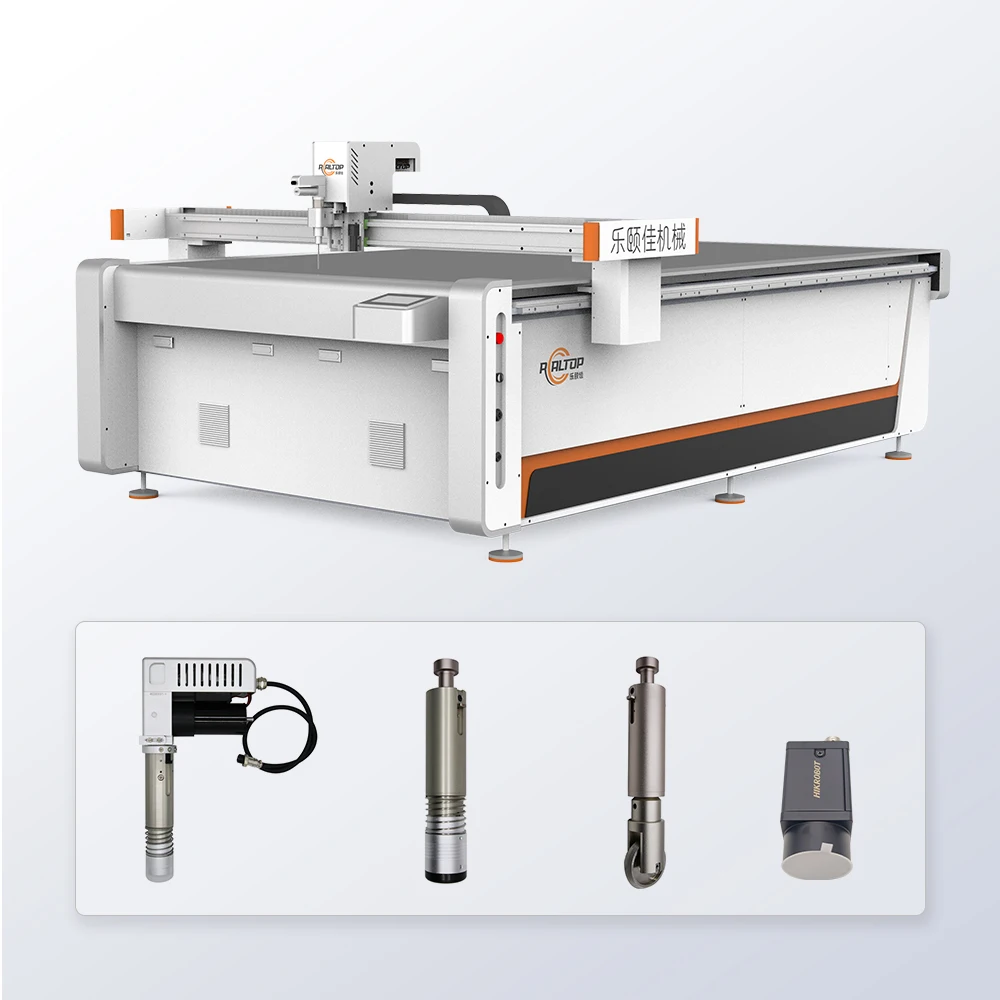
Custom Engineered — Every RT-D2516/RT-S2516 tool head and vacuum zone layout is mapped to the buyer’s specific board stock and sticker material before the build begins.
Technical Specifications
| Parameter | Value |
|---|---|
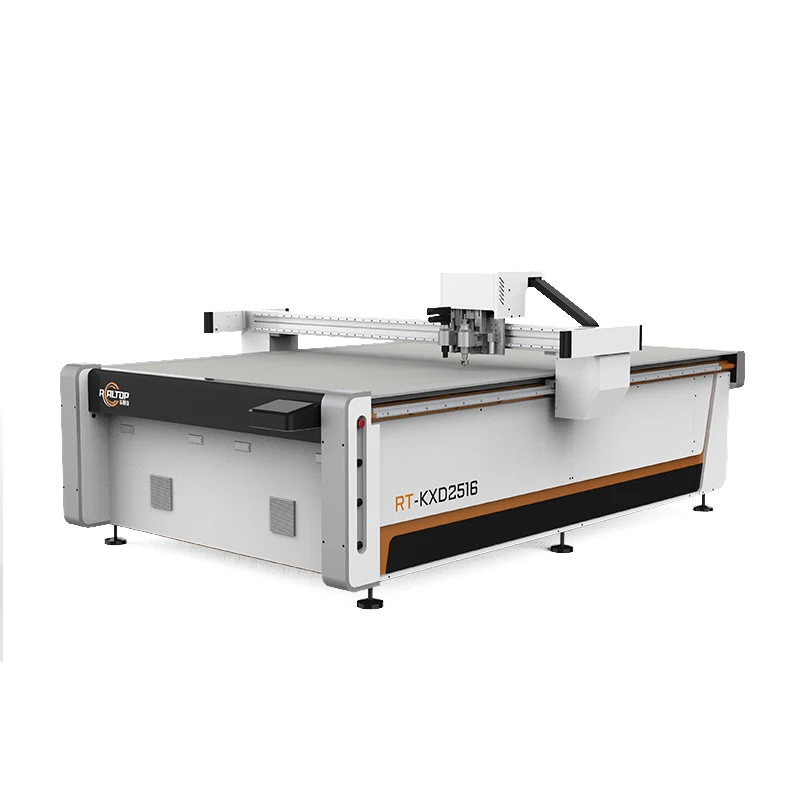
| Model | RT-D2516/RT-S2516 |
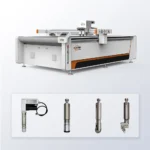
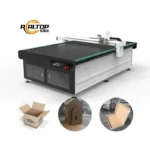
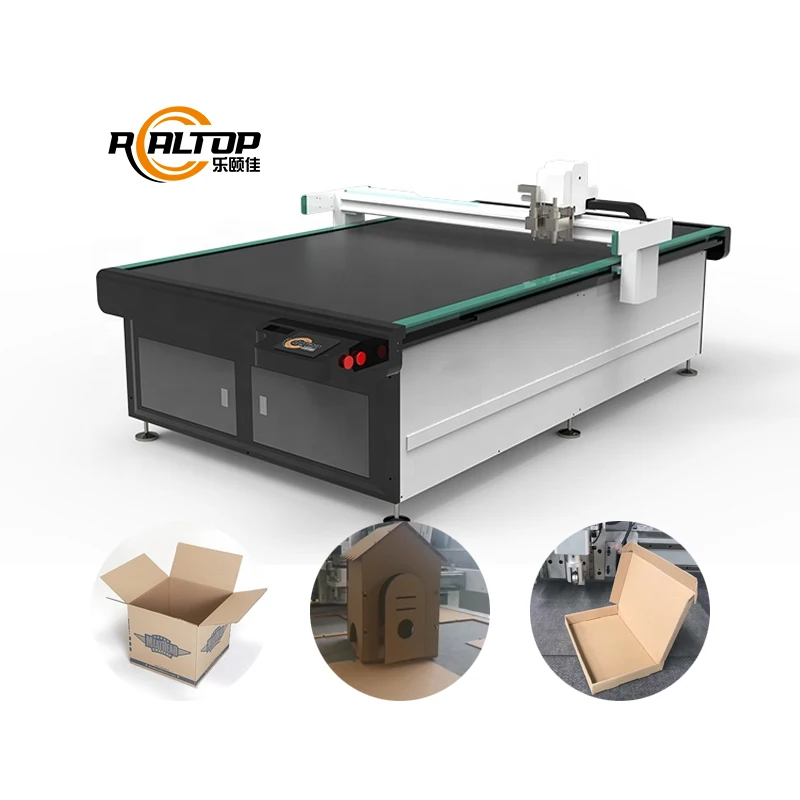
| Product Type | CNC Oscillating Knife Packaging Sample Cutting Machine |
| Working Area | 1600×2500 mm |
| Overall Dimensions | 3450×2300×1250 mm |
| Rated Power | 9 kW |
| Voltage | 380V±10% (frequency to be confirmed per destination market) |
| Control System | CNC, HP-GL compatible |
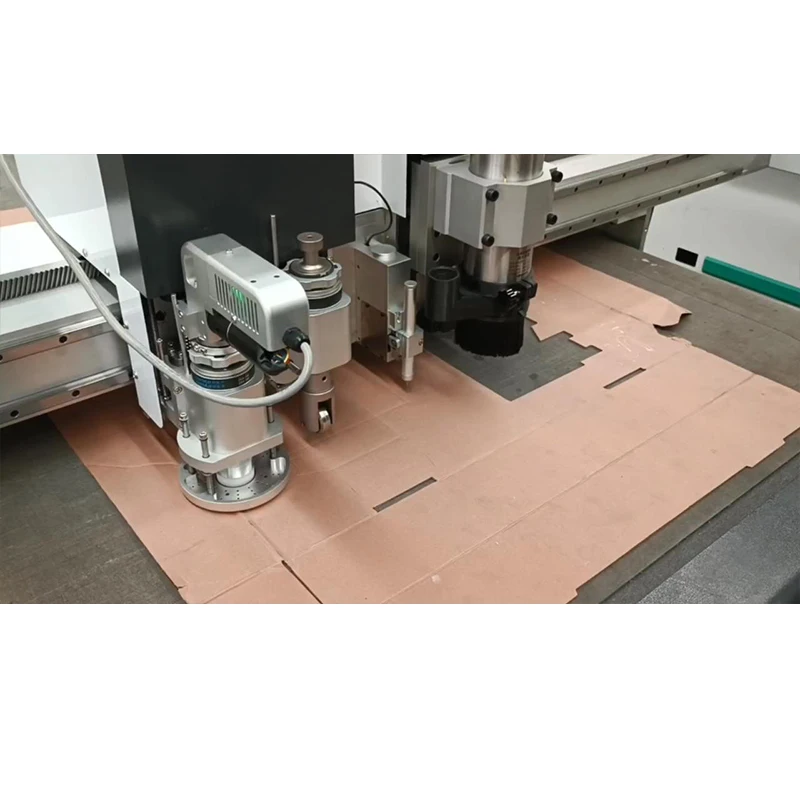
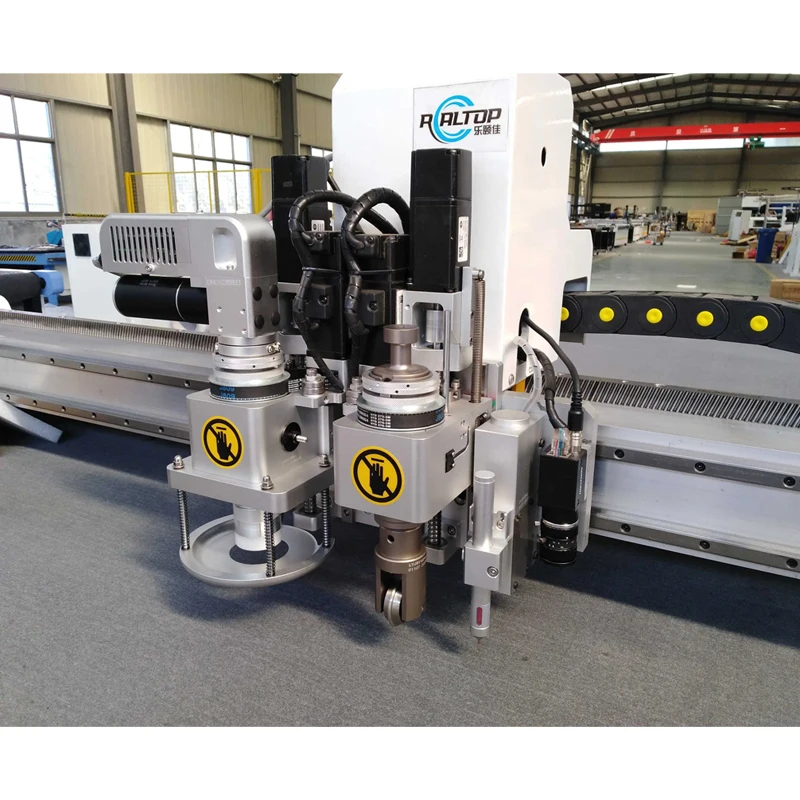
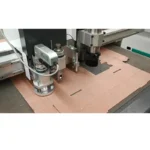
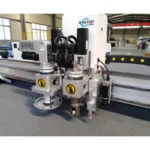
| Tool Head Type | Swiss imported oscillating knife (full cut, half cut, cursor positioning) |
| Translational Velocity | 800–2000 mm/s |
| Cutting Thickness | Up to 100 mm depending on material density |
| Cutting Speed | 200–800 mm/s depending on material |
| Repeatability | ≤0.1 mm |
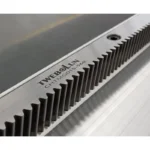
| Drive System | Taiwan Delta digital servo, Taiwan Hiwin linear guide, rack and synchronous belt |
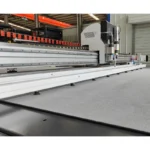
| Vacuum Table | Aluminum alloy honeycomb, zoned adsorption, 7.5 kW vacuum pump |
| Conveyor | German-import belt, automatic feeding |
| Safety Devices | Infrared sensors, emergency stop |
| Software | Professional carton nesting software included, multi-format import |
| Language Options | English, Russian, Italian, Chinese; special languages configurable |
Application Suitability
| Application | Material or Output |
|---|---|
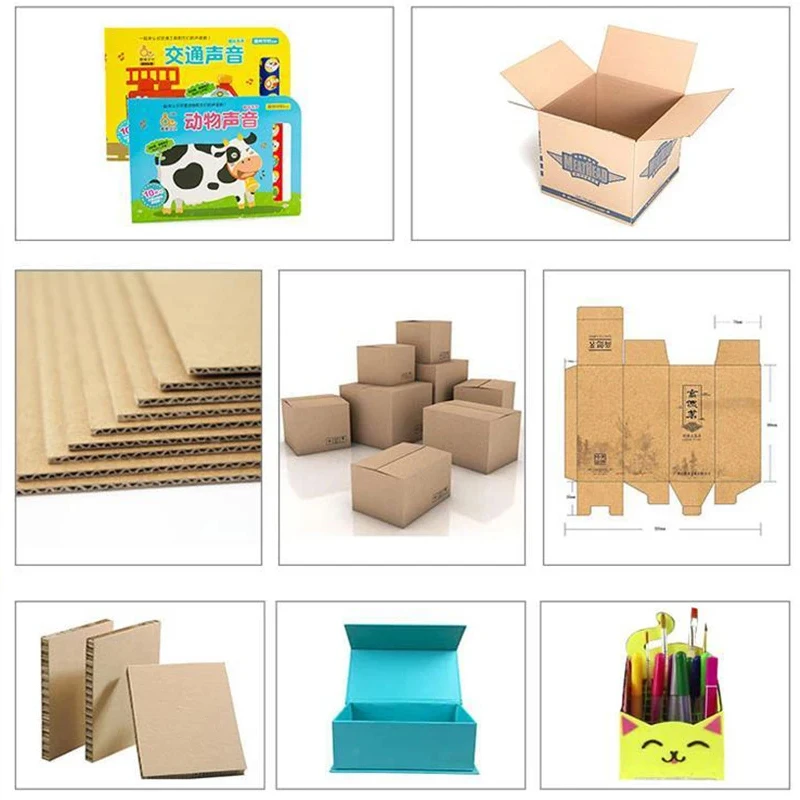
| Pizza box prototyping | Corrugated board, coated cardboard, laminated stock |
| Express packaging samples | Grey board, kraft paper, micro-flute |
| Premium gift box development | High-density rigid board, coated art paper |
| Sticker and label contour cutting | Vinyl, self-adhesive paper, printed film with CCD positioning |
| Flexible material processing | Leather, garment fabric, PVC, sponge composite, silicone rubber |
| Billboard and hang tag production | Foam board, PP corrugated sheet, card stock |
Why Voltage Confirmation Matters More Than You Think
Specifying a 380V machine for a market that runs 220V three-phase is a costly oversight caught only at the electrical cabinet.
I once watched a CNC packaging sample cutting machine manufacturer ship a unit wired for 380V/50Hz to a buyer whose workshop operated on 208V/60Hz. The servo drives faulted on day one, the vacuum pump pulled half its rated suction, and the buyer spent weeks sourcing step-up transformers. That machine sat idle while a competitor’s orders filled the gap. For any CNC packaging sample cutting machine manufacturer, confirming the destination frequency before wiring the cabinet is a basic but frequently skipped step [NEED_CITE: voltage and frequency standards by export market].
How the Jinan Build Approach Differs
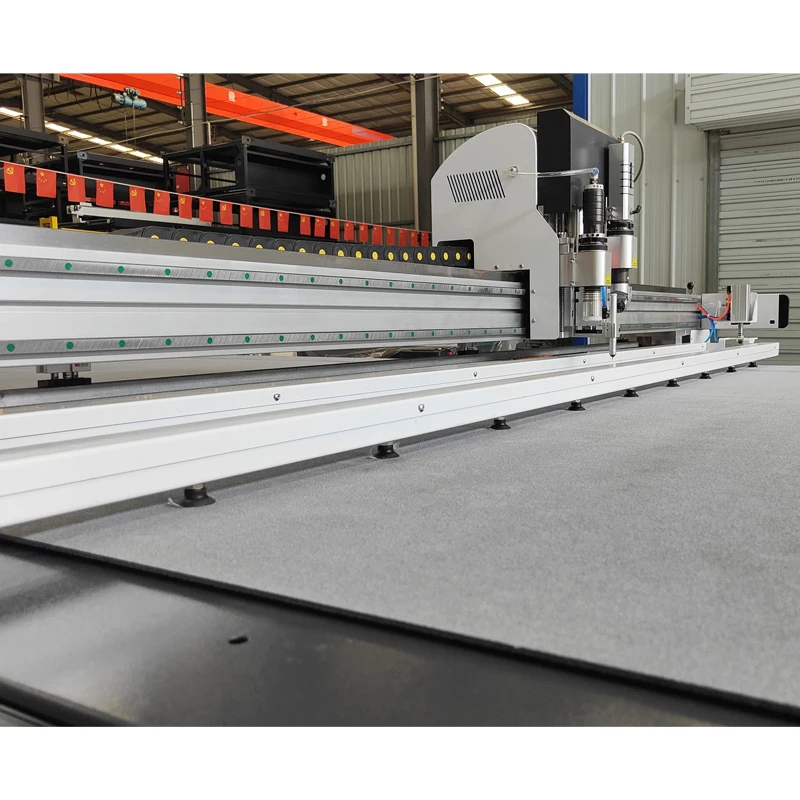
The RT-D2516/RT-S2516 is developed and assembled under one roof in Jinan, with the design team and production floor sharing the same facility. This means when a packaging buyer requests a modified tool head layout for thicker laminated stock, the change is engineered into the motion profile rather than bolted on as an afterthought. The frame is stress-relieved before machining, and the gantry assembly is checked on a granite surface table.
Motion Component Selection for Packaging Work
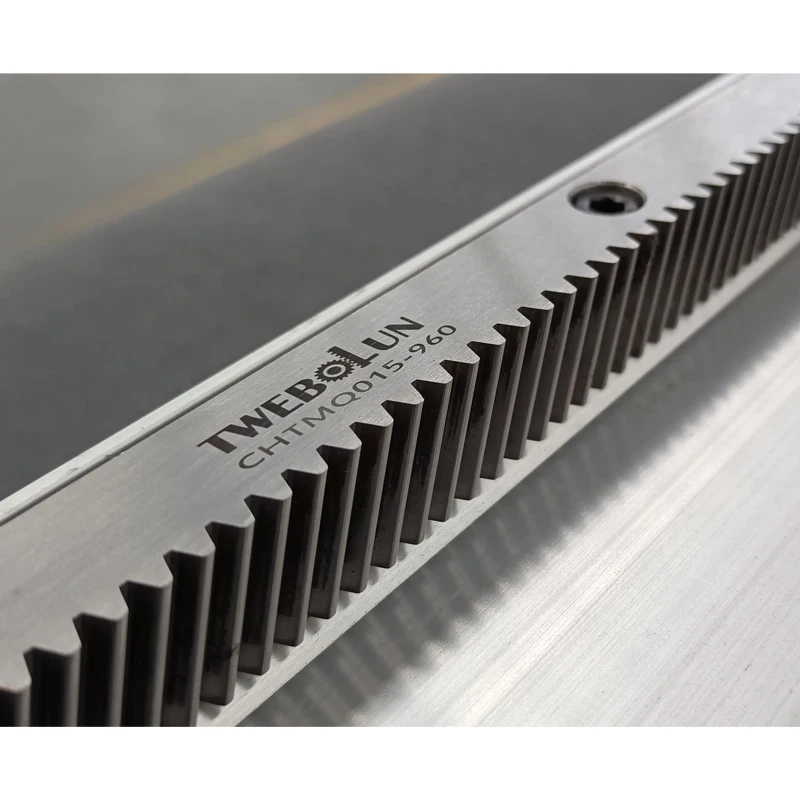
Servo motors from Taiwan Delta drive the axes through Hiwin linear guides and rack transmission, maintaining repeatability within 0.1 mm across the full 1600×2500 mm envelope. For packaging sample work, where a half-cut crease line must land within a fraction of a millimetre of the printed fold mark, that positional accuracy directly determines whether a box prototype folds cleanly or splits at the score. The translational velocity range of 800–2000 mm/s is available depending on path complexity [NEED_CITE: CE machinery directive requirements for industrial oscillating knife equipment].
Decoding the Numbers That Matter for Sample Making
The 9 kW rated power figure covers the spindle drives and control electronics, while the 7.5 kW vacuum pump is a separate circuit drawing its own load — buyers planning electrical supply must account for both simultaneously. The aluminum honeycomb table uses zoned adsorption: only the sectors under the active cutting path are energized, which keeps small carton pieces from lifting without requiring full-table vacuum draw. The Swiss oscillating knife head delivers both full-cut and half-cut strokes, so the same tool creates the outer contour and the internal crease lines in one pass. Cutting thickness capacity reaches 100 mm on lower-density stock, though denser laminated boards will reduce that figure — the honest answer depends on the buyer’s exact material stack.
The Cost of Getting the Vacuum Layout Wrong
When a flatbed cutting table applies uniform suction across the entire surface, small sample pieces — think individual sticker contours or nested hang tags — can still lift at the edges because the vacuum force is spread too thin over zones not being cut. Zoned adsorption concentrates the holding force exactly where the knife is working, and the cost of skipping this feature shows up as ragged contour edges and re-cut cycles that eat into sample turnaround schedules. Buyers who overlook vacuum zone mapping in their specification often discover the problem only when production starts [NEED_CITE: vacuum holding force distribution on CNC flatbed cutting tables].
Why Buyers Source This Equipment from the Jinan Facility
In-house design and production means the same engineering team that developed the RT-D2516/RT-S2516 also handles custom working area requests, tool head configurations, and voltage adaptations. The factory runs a complete machine build cycle from frame welding through final motion calibration, with each unit undergoing a functional test before packing. OEM branding and control language customization are handled on the production line rather than outsourced. Sample cutting on the buyer’s own carton stock is performed before the order is finalized, so tool head and speed parameters are locked in advance. The software is confirmed against the buyer’s existing file formats during the specification stage.
Documentation & Verification
- Electrical schematic showing confirmed voltage and frequency for your destination market
- Factory test record covering tool head calibration on your specific board thickness
- Software compatibility note confirming your existing nesting file formats import correctly
- Sample cutting report produced on your supplied carton or sticker material
- Spare parts list with consumable blade specifications and vacuum seal part numbers
- Operation and maintenance manual in your chosen control language
Installation, Commissioning & Support
- The 9 kW machine plus 7.5 kW vacuum pump require a dedicated three-phase circuit matching the confirmed voltage and frequency
- Overall dimensions of 3450×2300×1250 mm require clear floor space with rear access for pump connection
- Shipped as a complete assembled unit; vacuum pump connected and tested at installation
- First-run commissioning includes vacuum zone mapping verification on your carton stock
- Operator training covers crease depth adjustment, nesting software workflow, and CCD contour setup
- Consumable oscillating knife blades and vacuum seals supplied with the initial shipment
What We Need to Build the Right Configuration
Share the exact board grades you prototype — flute type, thickness range, and whether lamination or coating is involved — along with your sticker stock if contour cutting is required. Confirm your workshop voltage and frequency so the cabinet is wired correctly before assembly. Let us know the control language your operators prefer and whether your existing design files use HP-GL or another format, so software compatibility is verified before the machine leaves the factory.
Frequently Asked Questions
Q: Can the working area, tool head setup, and electrical configuration be customized for my market?
A: Yes. The RT-D2516/RT-S2516 platform is engineered in-house, so working area dimensions, tool head selection, and voltage adaptation are handled by the same design team that builds the standard models. Custom configurations go through the same factory test cycle before dispatch, and the lead time adjusts based on modification scope.
Q: How do you match the tool head and vacuum zoning to my specific carton and sticker materials?
A: We request samples of your board stock, including any laminated or coated variants, and run test cuts to set oscillation frequency, blade angle, and crease depth. Vacuum zone mapping is then calibrated so that the suction pattern follows your typical nesting layout, ensuring small pieces stay flat during contour cutting.
Q: Can I send my packaging material for sample cutting and visit the factory for acceptance?
A: Sending your own carton and sticker stock before commitment is standard practice here. The sample cutting report documents the exact parameters used. Factory visits for acceptance testing are welcomed — you can observe the machine running your material on the production floor before shipment is authorized.
Q: What lead time should I expect from specification confirmation to shipment?
A: Standard configurations typically move through production and testing within a multi-week window after all specifications are locked. Customized voltage, language, or working area modifications add time to the build cycle. The exact schedule is confirmed once the tool head, vacuum layout, and electrical parameters are finalized.
Q: What spare parts and consumables are supplied, and how are they restocked?
A: The initial shipment includes oscillating knife blades matched to your material, vacuum seal components, and a documented spare parts list. Consumable blades and seals are restocked directly from the factory. Long-term parts availability is maintained for the RT-D2516/RT-S2516 platform through the Jinan facility.
You may also like

商品评价
Clear filtersThere are no reviews yet.