



-
 Courier delivery
-
 DHL Courier delivery
-
 Warranty 1 year
-
 Free 30-Day returns

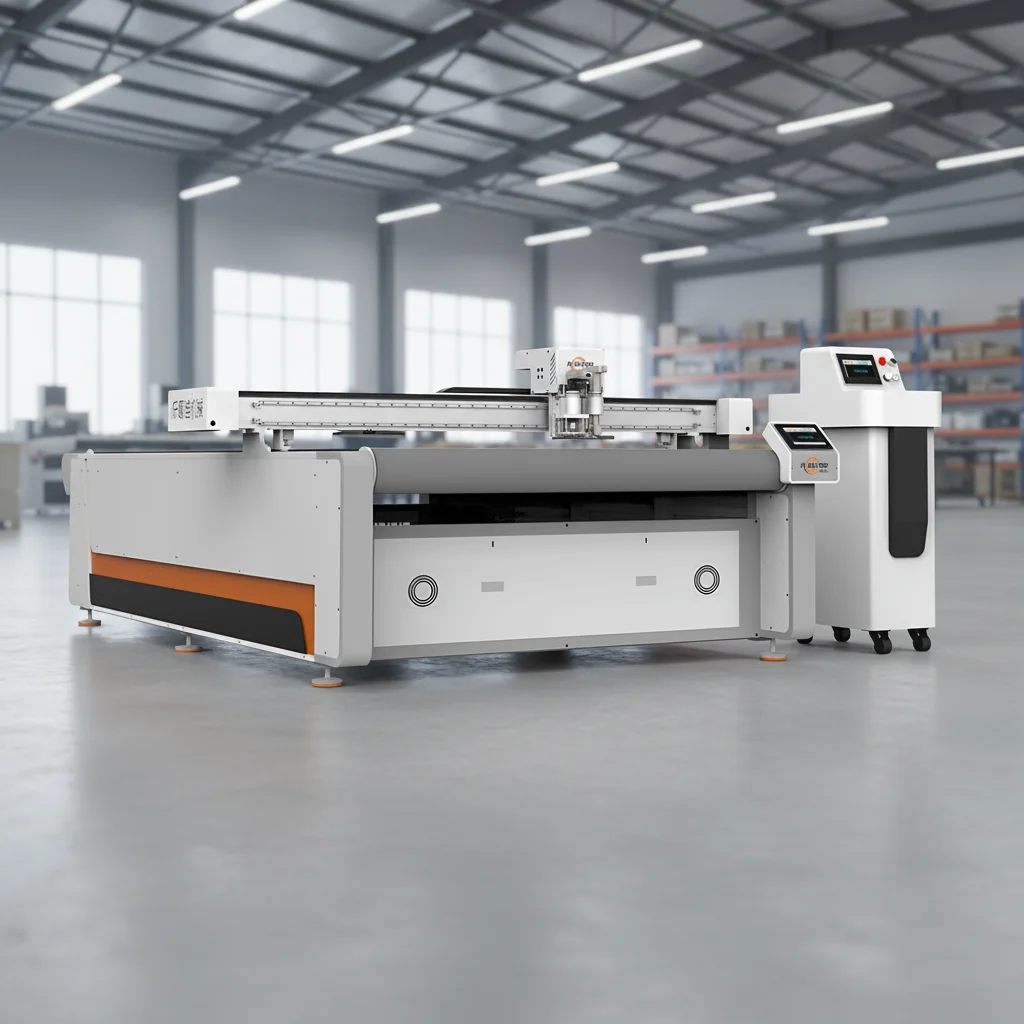
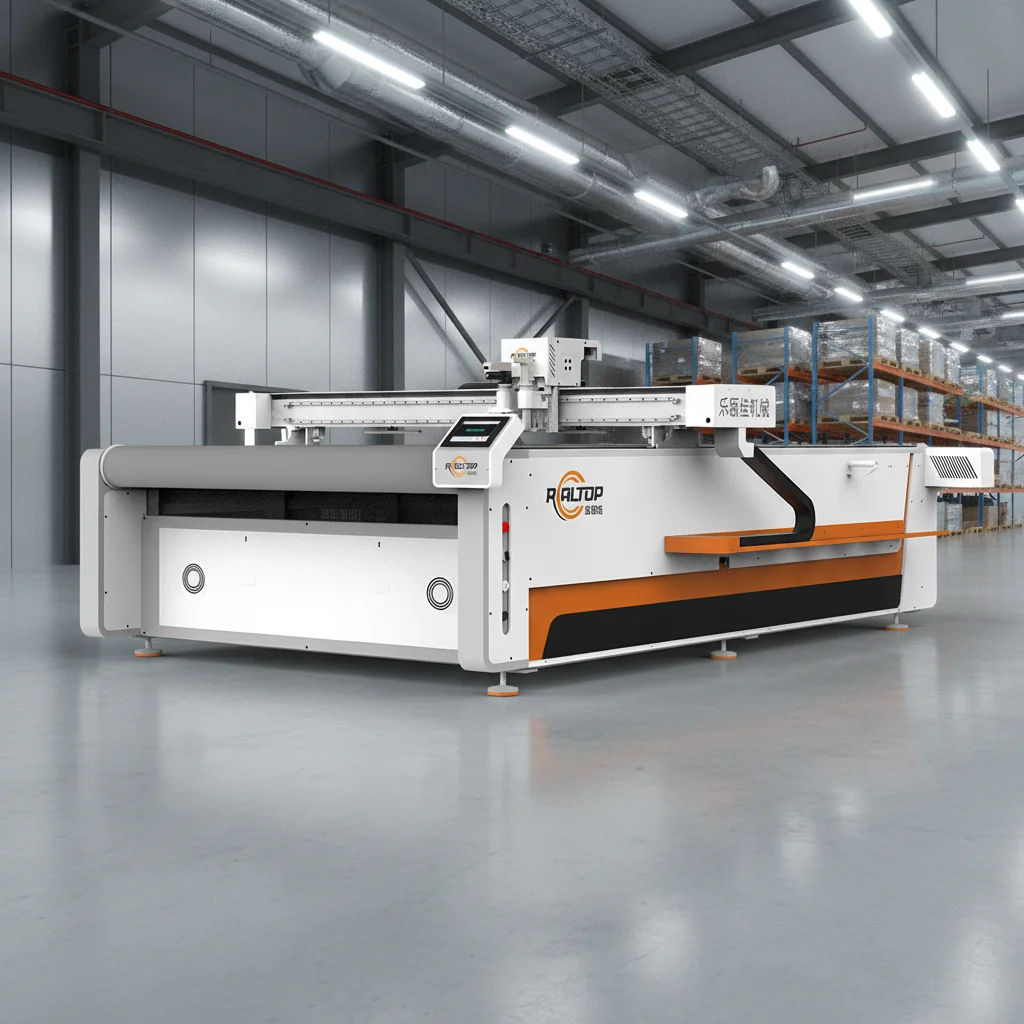
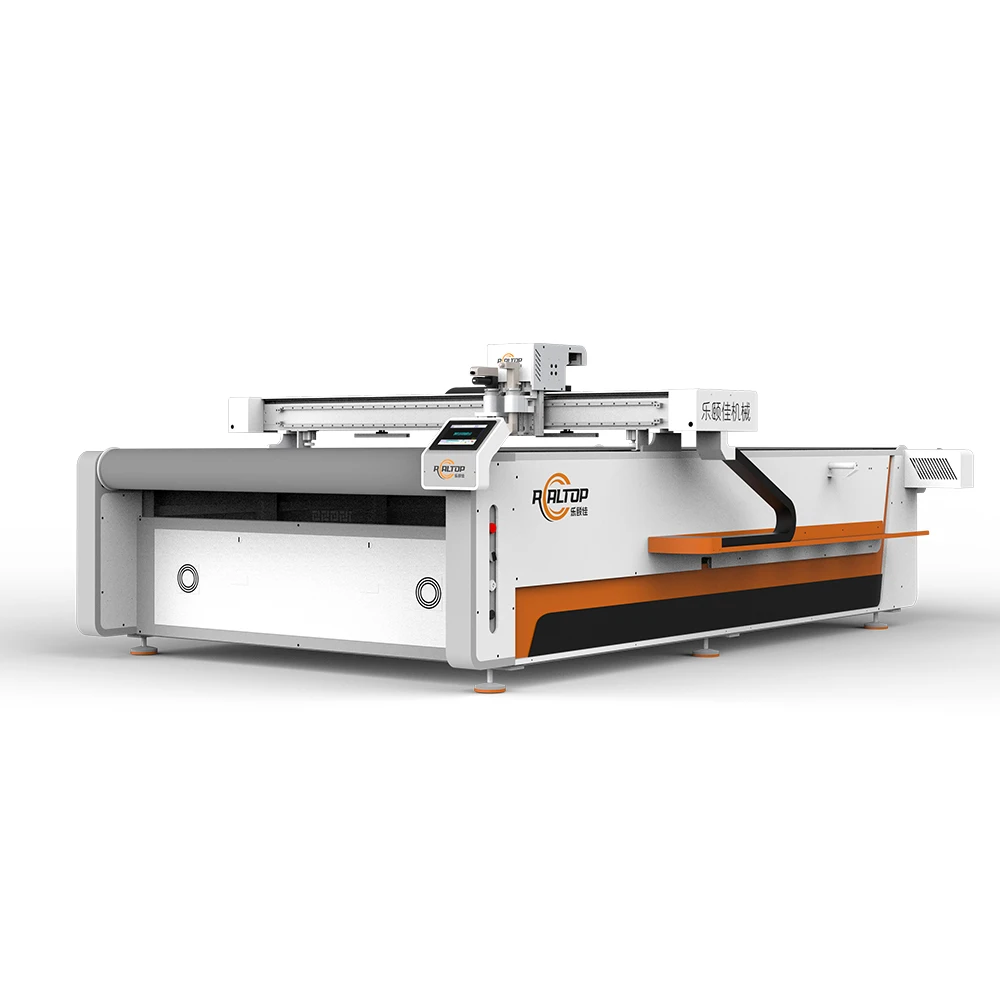
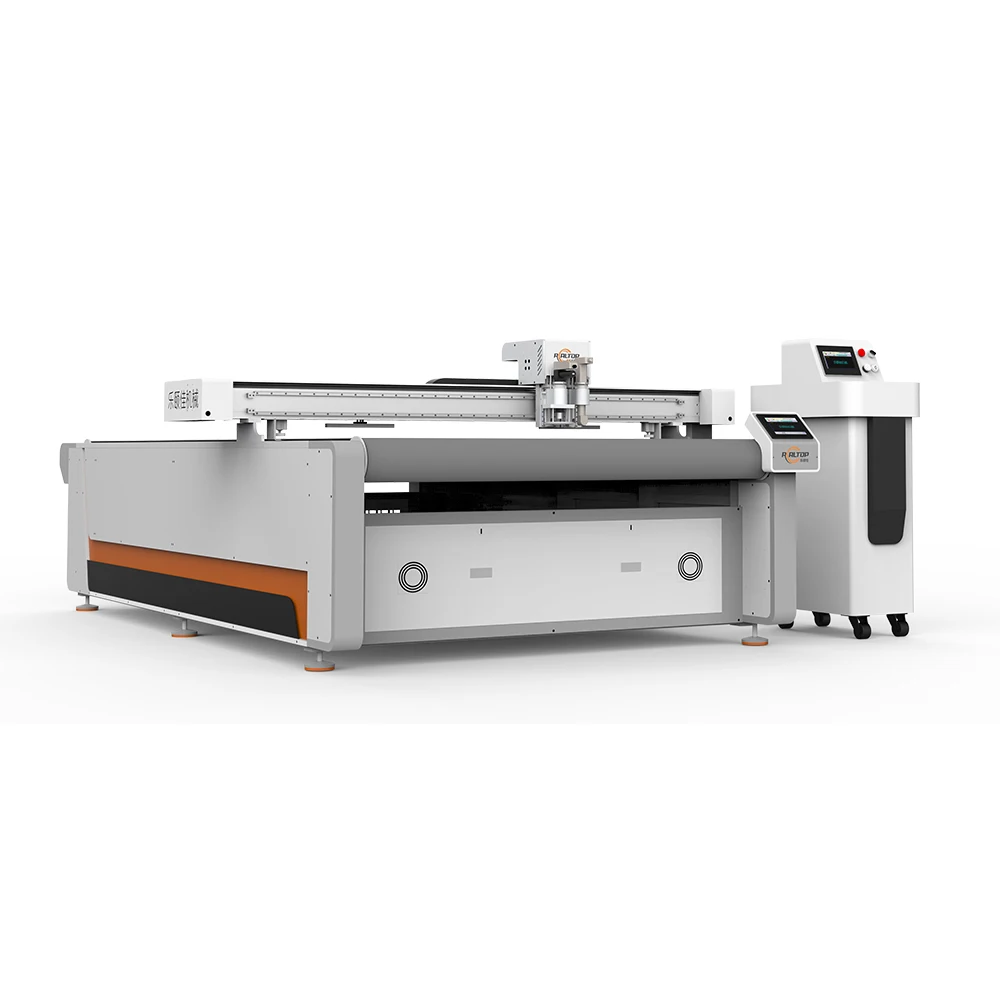
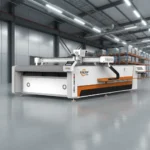
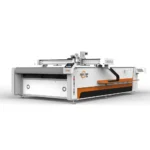
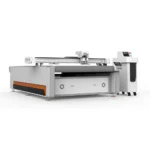
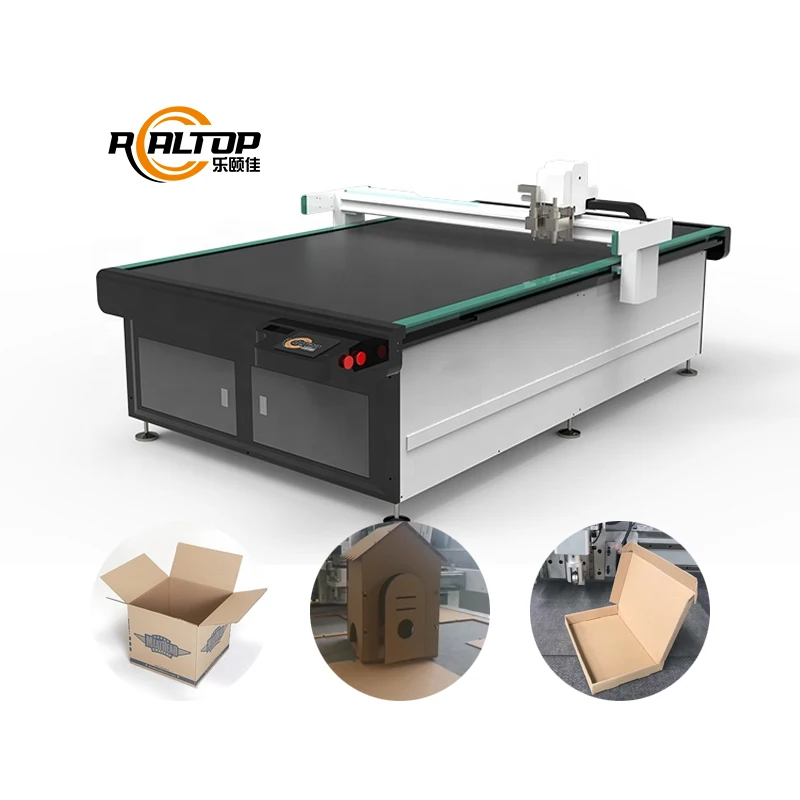
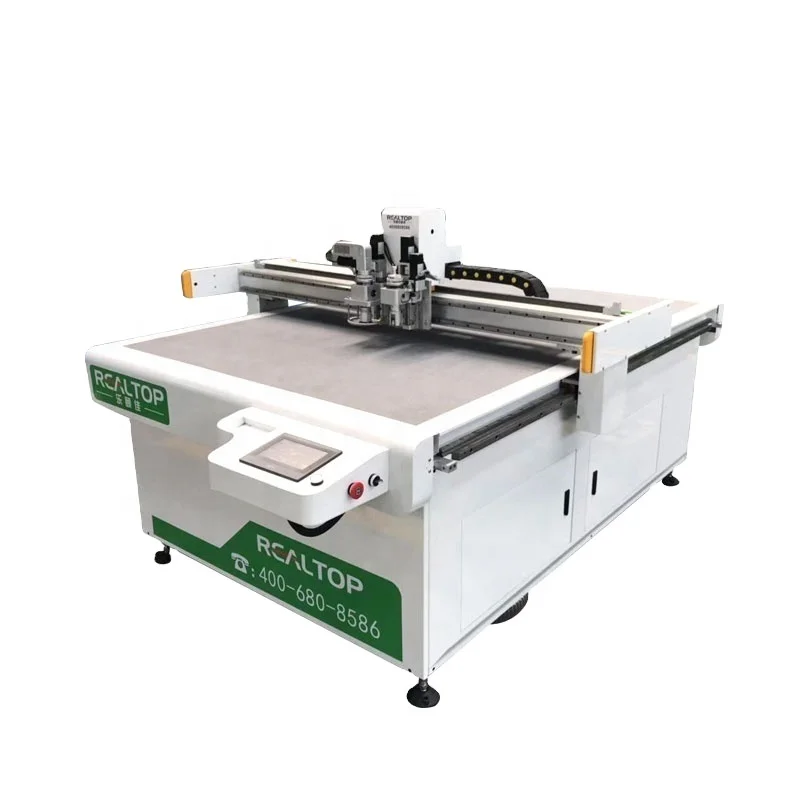
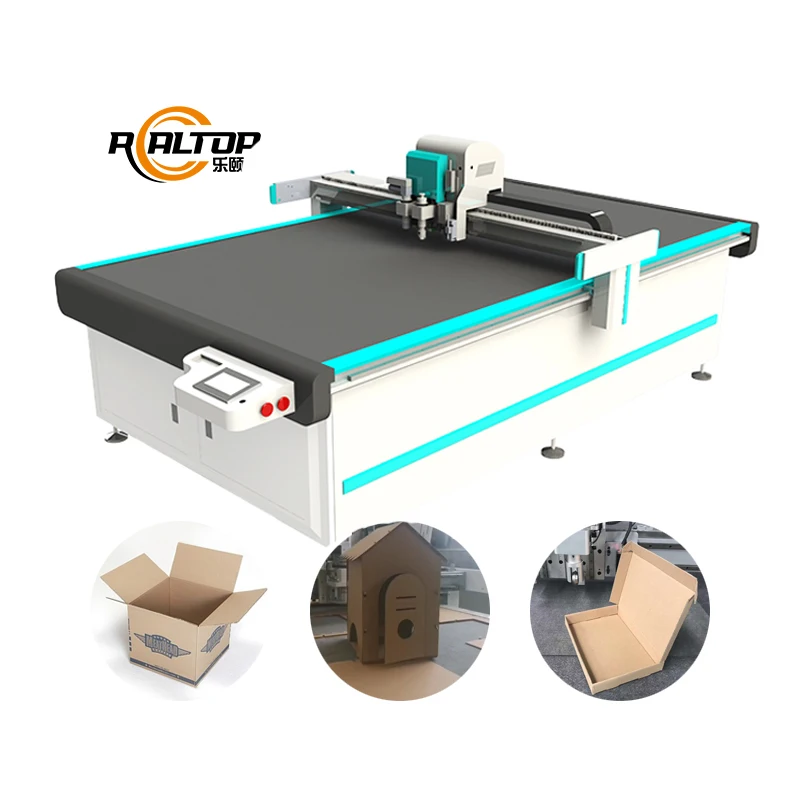
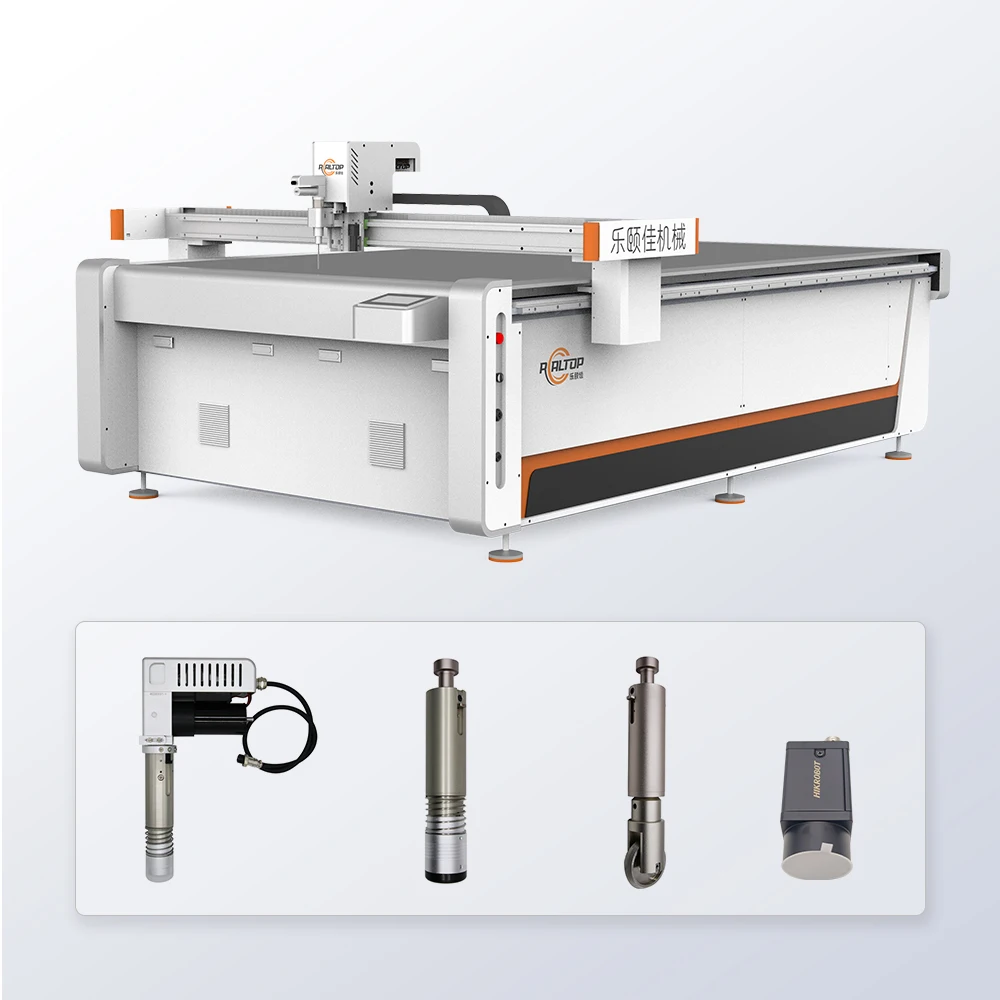
Precision Frame Engineering — Every 1625 CNC oscillating knife cutting machine frame is stress-relieved and precision-ground to maintain flatness under continuous multi-layer fabric loads.
Technical Specifications
| Parameter | Value |
|---|---|
| Product Type | CNC Oscillating Knife Cutting Machine |
| Model | 1625 |
| Working Area | 1600 × 2500 mm |
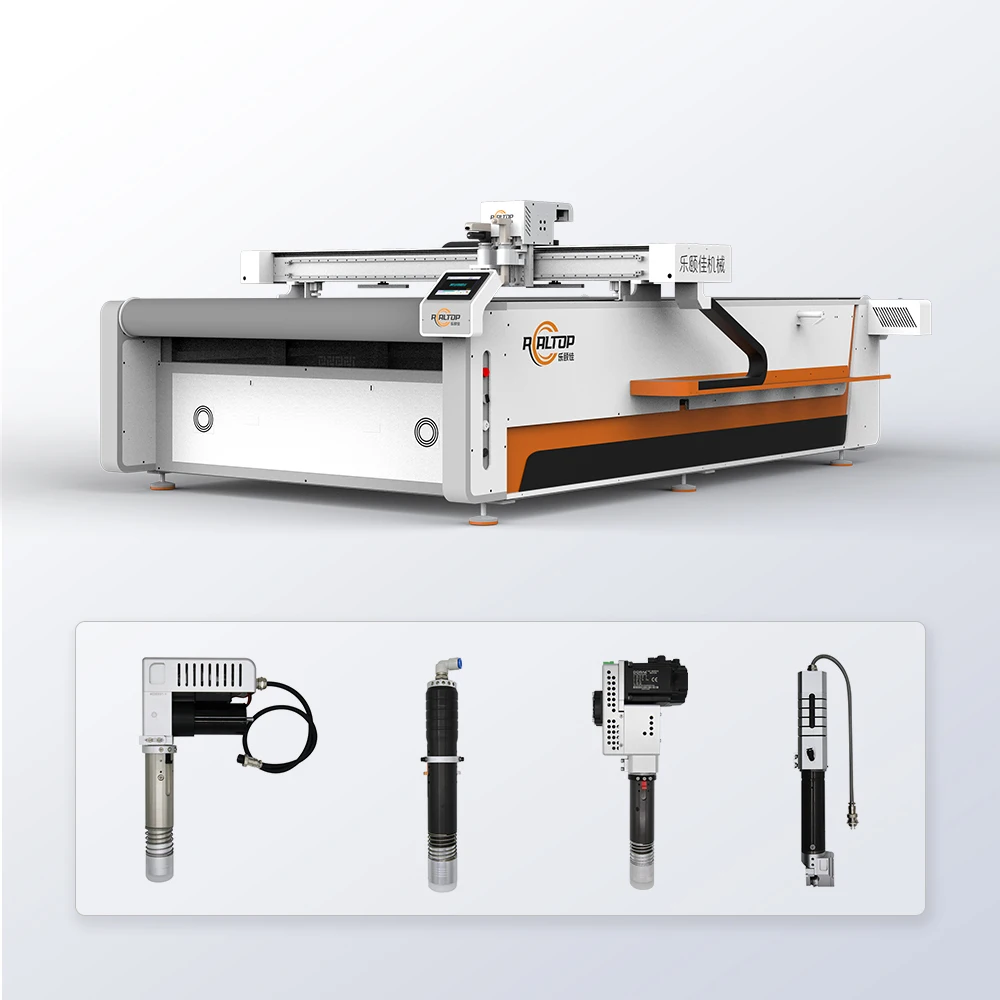
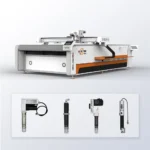
| Tool Head Options | Oscillating knife, Driven rotary knife, Creasing wheel, Kiss cutting tool, Pneumatic knife, Milling tool, V groove knife |
| Cutting Speed | 0–2000 mm/s |
| Cutting Thickness | ≤ 30 mm |
| Cutting Accuracy | ±0.1 mm |
| Vacuum Pump | 9 kW |
| Control System | PLC control panel |
| Voltage Options | 110V, 220V, 380V |
| Machine Size | 3300 × 2100 × 1350 mm |
| File Format Compatibility | PLT, DXF, AI, PDF |
| Language Options | English, Russian, Italian, Chinese (custom languages available) |
| Servo Motor Options | Panasonic, Delta, Dorna (source value — verify against manufacturer catalog) |
| Safety Devices | Infrared sensor device, emergency stop |
| Certification | CE |
Application Suitability
| Application | Material or Output |
|---|---|
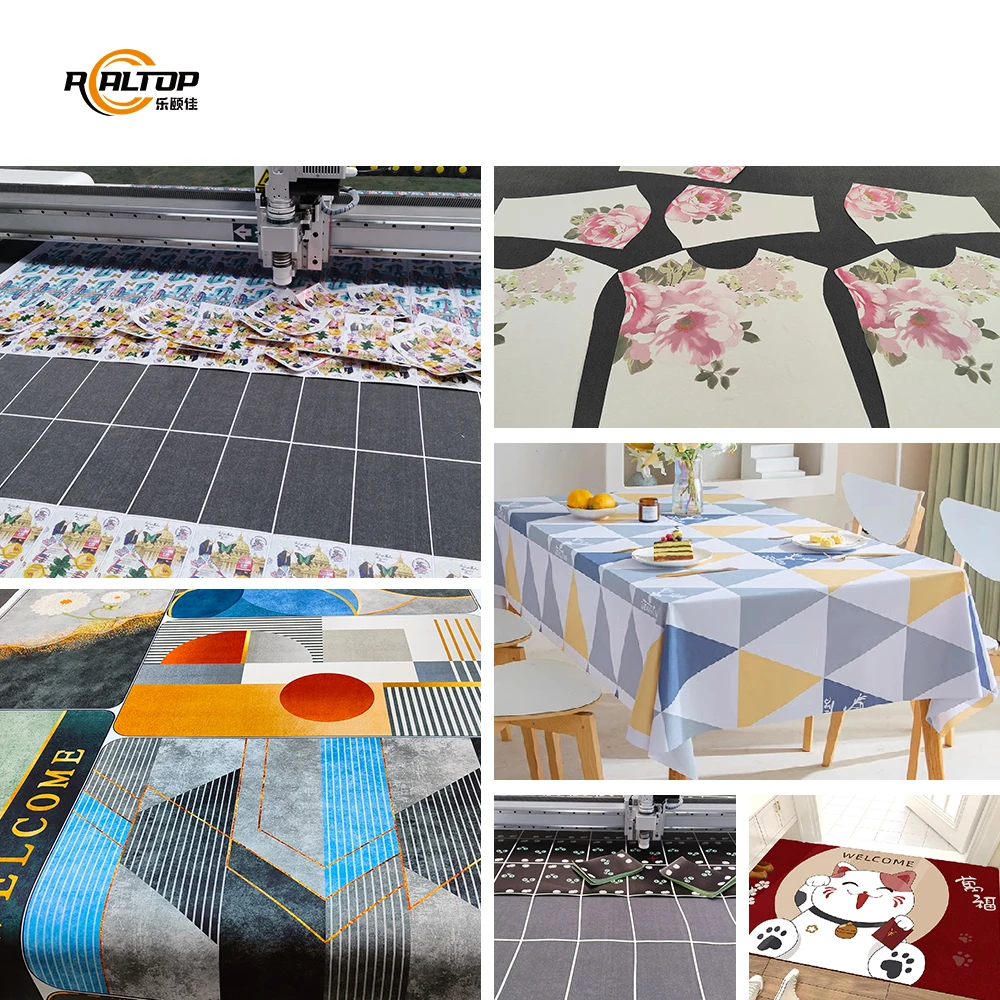
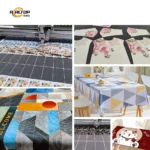
| Apparel Manufacturing | Suits, knitwear, lace, complex multi-layer fabrics |
| Automotive Interiors | Seat fabrics, carpets, PVC mats |
| Home Textiles | Sofa fabrics, curtains, rugs |
| Composite Material Processing | Carbon fiber prepreg, aramid |
Why Material Thickness Must Drive the Configuration, Not Just the Table Size
A machine spec’d on working area alone will fail when the material exceeds the tool’s real cutting depth.
I’ve watched fabricators unbox a CNC Oscillating Knife Cutting Machine only to find the standard oscillating head stalls on 25 mm coated leather, leaving crushed edges and forcing a mid-line tool swap. The 1625 format handles up to 30 mm, but reaching that depth demands the correct knife stroke, blade geometry and vacuum hold-down working together — not just a big table [NEED_CITE: tool head selection by material thickness and edge quality requirements].
Frame Rigidity and Long-Term Flatness
A CNC Oscillating Knife Cutting Machine running multi-layer apparel stacks generates lateral forces on every stroke. The 1625 frame is fabricated from heavy-duty welded steel, then stress-relieved and precision-ground so the aluminum bellows vacuum table maintains flatness across the full 1600 × 2500 mm surface. This prevents material drift during extended production runs where cumulative deviation would otherwise push cutting accuracy outside the ±0.1 mm tolerance.
Vacuum Zoning for Mixed-Part Nesting
The 9 kW vacuum pump is integrally cast from aerospace-grade aluminum (source value — verify against manufacturer catalog) to sustain consistent suction across the work surface. When cutting a mix of large sofa panels and small gasket pieces from the same sheet, uneven hold-down lets lighter sections lift at high traversal speeds. Properly zoned vacuum channels on this 1625 table keep every nested part anchored, reducing edge fraying on technical fabrics [NEED_CITE: vacuum table zoning requirements for small-part cutting].
Blade, Speed and Accuracy Interplay
The oscillating knife delivers up to 2000 mm/s traversal, but effective cutting speed depends on fabric density and ply count. A driven rotary knife suits single-ply woven apparel at high speed, while a pneumatic knife handles thicker foam and composite layers without delaminating the stack. Choosing the wrong head forces the operator to slow the feed rate, eroding the throughput advantage the 1625 format is designed to deliver.
The Cost of Skipping the Sample Cut
When buyers confirm an order on working area and price alone, the first production day often reveals mismatched tooling, inadequate vacuum on small contours or voltage incompatibility with local three-phase supply. Downtime accumulates while replacement blades, transformers and custom zone masks are shipped internationally [NEED_CITE: common causes of commissioning delays in CNC cutting equipment]. That is why every 1625 build here starts with a sample cut on the buyer’s own material before any tool head or vacuum layout is locked.
Why Procurement Starts at the Factory Floor
In-house design means the engineering team that specifies the tool head is the same team that builds the frame — no outsourced integrator guessing at material behavior. The core factory controls the welding sequence, surface grinding and servo calibration for each 1625, so configuration changes requested during the sample-cut review are absorbed into production rather than treated as field modifications. Distributors evaluating OEM capability receive machines with their branding, chosen voltage and control language baked into the PLC from day one, not stick-on labels applied before crate closure.
Documentation & Verification
- Machine specification sheet listing the exact tool head and vacuum zone layout shipped
- Electrical schematic with voltage and frequency matched to the destination market
- Sample cutting report performed on your supplied fabric or composite material
- Factory test record with packing photographs taken before crate sealing
- Software licence note confirming PLT, DXF, AI and PDF import compatibility
Installation, Commissioning & Support
- Foundation requires a level concrete slab supporting the 3300 × 2100 × 1350 mm footprint
- Dedicated circuit matching the confirmed 110V, 220V or 380V supply with appropriate breaker rating
- Machine ships in sectional form; table and gantry assemble on-site with alignment verification
- First-run calibration includes vacuum zone balancing and servo tuning for the specified tool head
- Operator training covers PLC panel navigation, blade change procedure and nesting file import
- Spare parts list itemizes blades, vacuum seals and servo consumables with reorder codes
What We Need to Quote Accurately
Send the material type, maximum ply count, sheet dimensions and daily cutting volume. Confirm the local voltage, frequency and plug standard, plus the preferred control language for the PLC panel. If existing nesting software or upstream design files must integrate, share a sample file so format compatibility is validated before the 1625 enters production.
Frequently Asked Questions
Q: What build quality standards does the factory apply to the 1625 frame and table?
A: Each frame is welded from structural steel, stress-relieved and precision-ground. The aluminum bellows vacuum table is checked for flatness across the full 1600 × 2500 mm area. Assembly records document torque values on motion components, and a factory test run is performed before dispatch to confirm ±0.1 mm cutting accuracy under load.
Q: How is voltage, plug type and control language confirmed before shipment?
A: The buyer’s local electrical standard is confirmed during the specification stage and written into the purchase contract. The electrical schematic is issued for review before production begins. The PLC panel is loaded with the agreed language — English, Russian, Italian, Chinese or a custom option — and the correct plug or terminal block is fitted at the factory.
Q: What OEM and customization options are available for distributors?
A: Distributors can specify machine color, branding placement, control language, servo motor brand preference and tool head package. Voltage and software configuration are set per destination market. All OEM details are locked after the sample cutting review and reflected in the factory test record.
Q: How does the factory test each machine before dispatch?
A: A full test cycle runs the selected tool head across the vacuum table at rated speed, measuring edge quality and dimensional accuracy on a reference material. Vacuum suction is verified at each zone. Electrical safety checks confirm insulation, grounding and emergency stop response. Results and photographs are documented before crating.
You may also like

商品评价
Clear filtersThere are no reviews yet.