



-
 Courier delivery
-
 DHL Courier delivery
-
 Warranty 1 year
-
 Free 30-Day returns

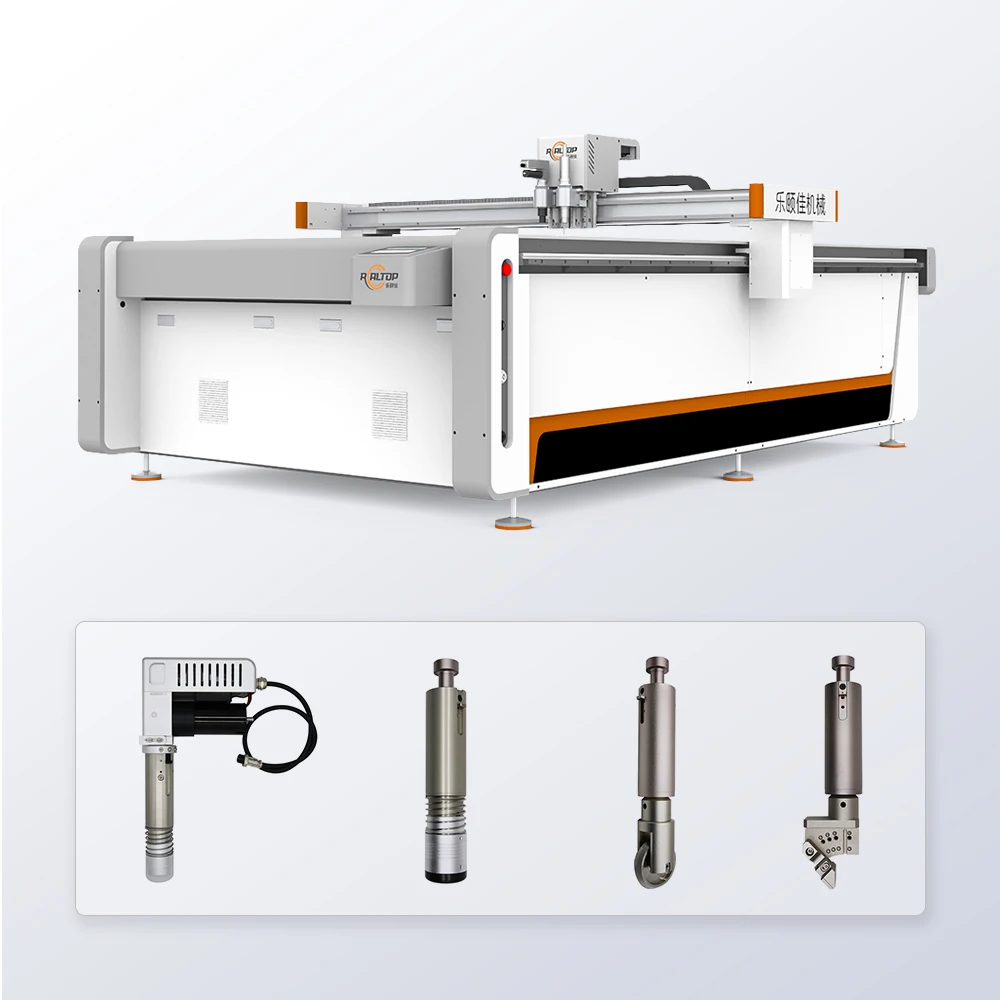
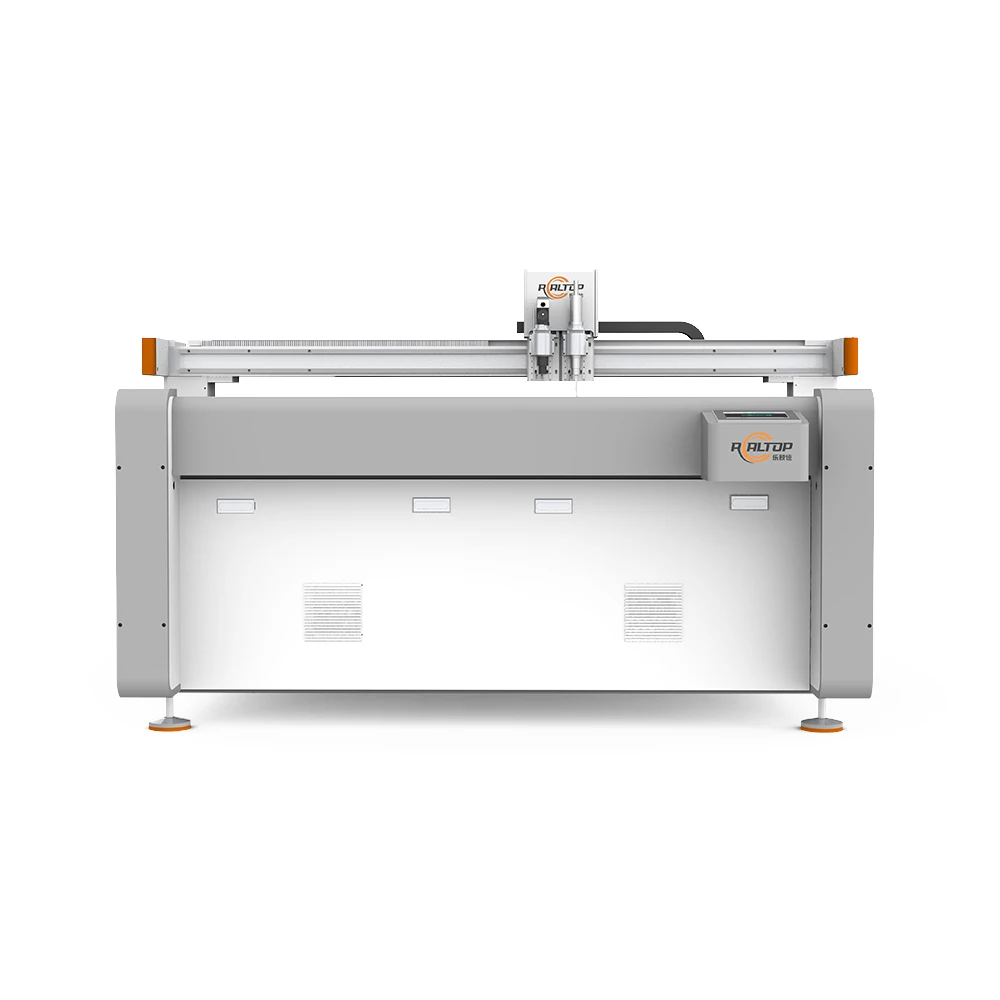
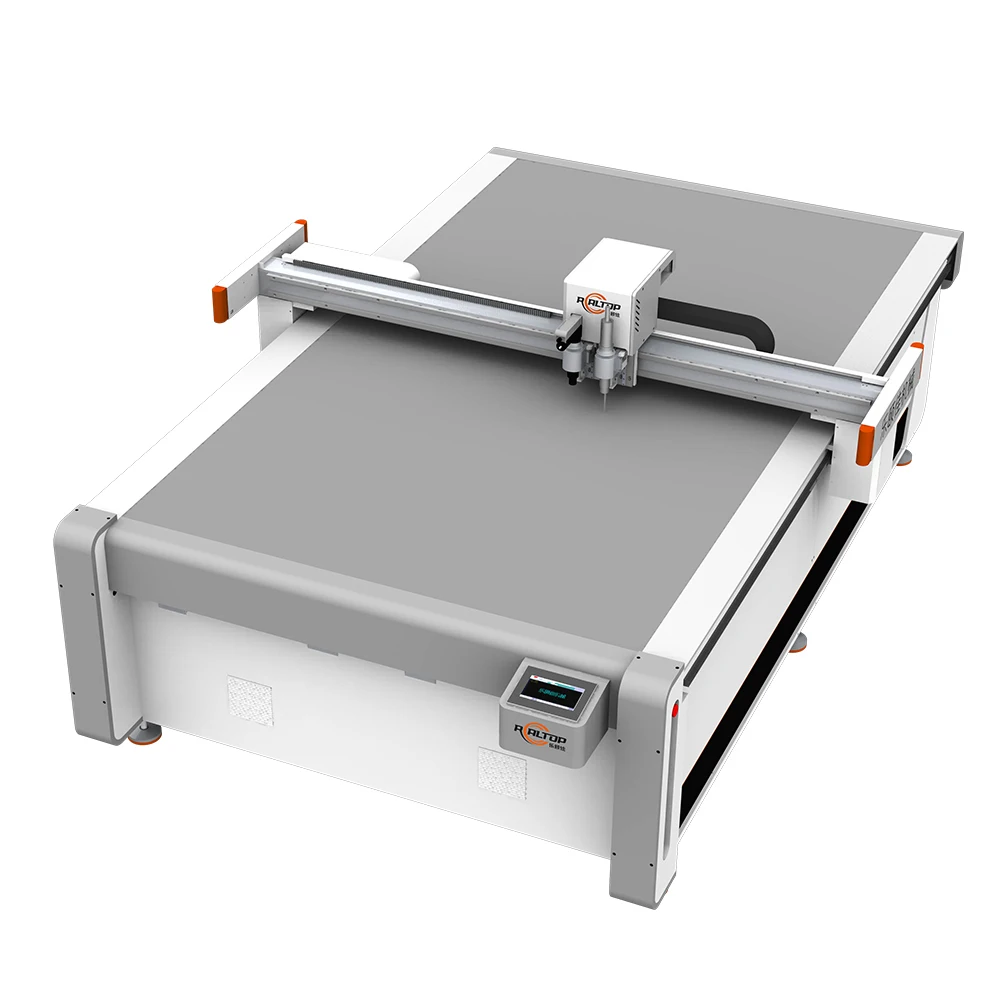
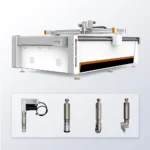
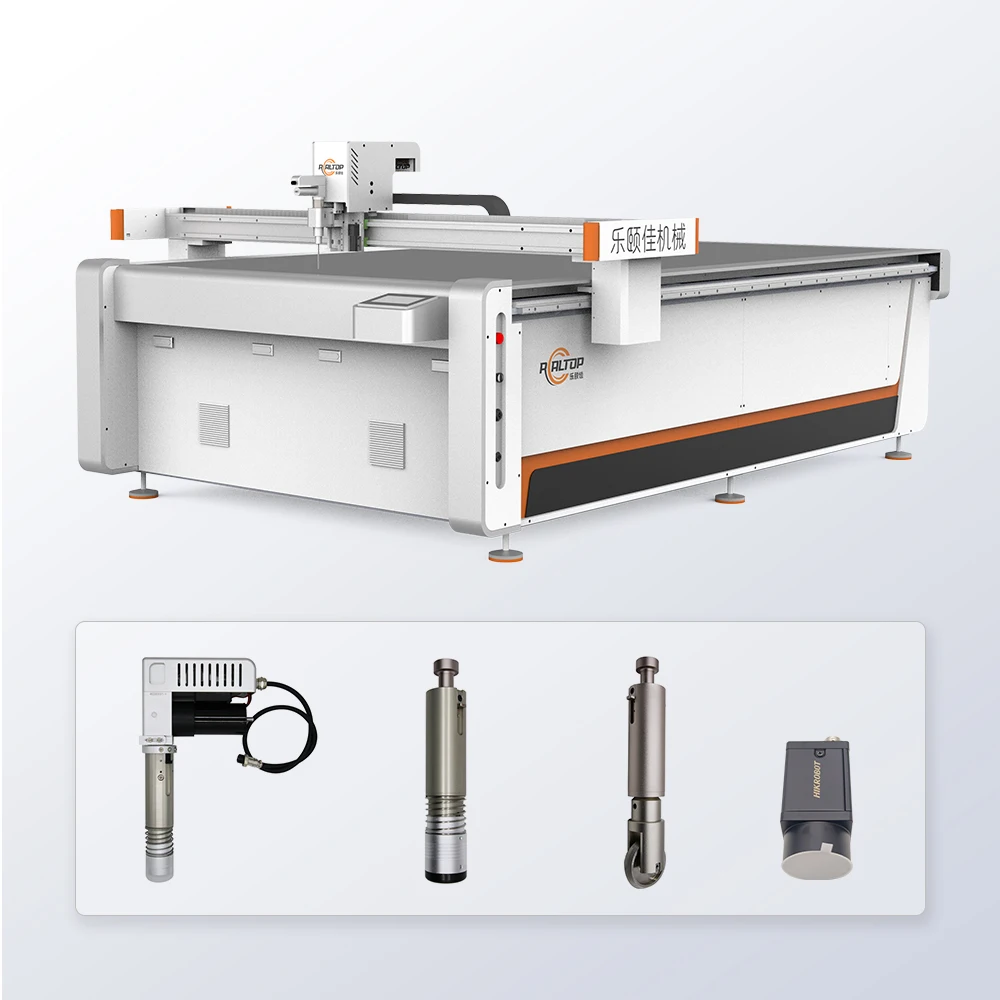
In-house tool head configuration — each oscillating knife, creasing wheel and vacuum zone is matched to your packaging board flute type and production volume before the machine ships.
Technical Specifications
| Parameter | Value |
|---|---|
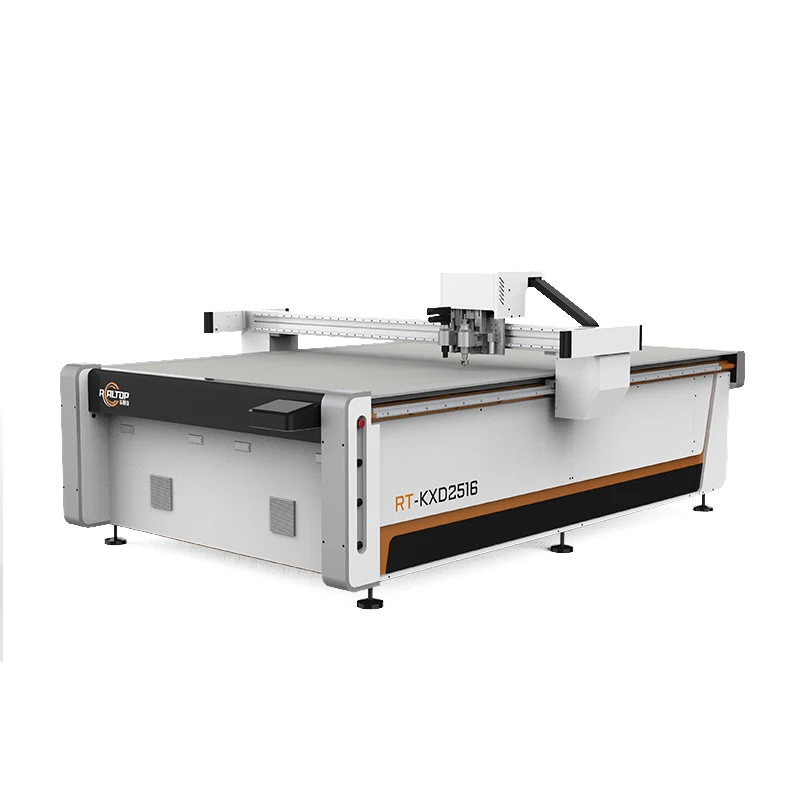
| Model | 1625 |
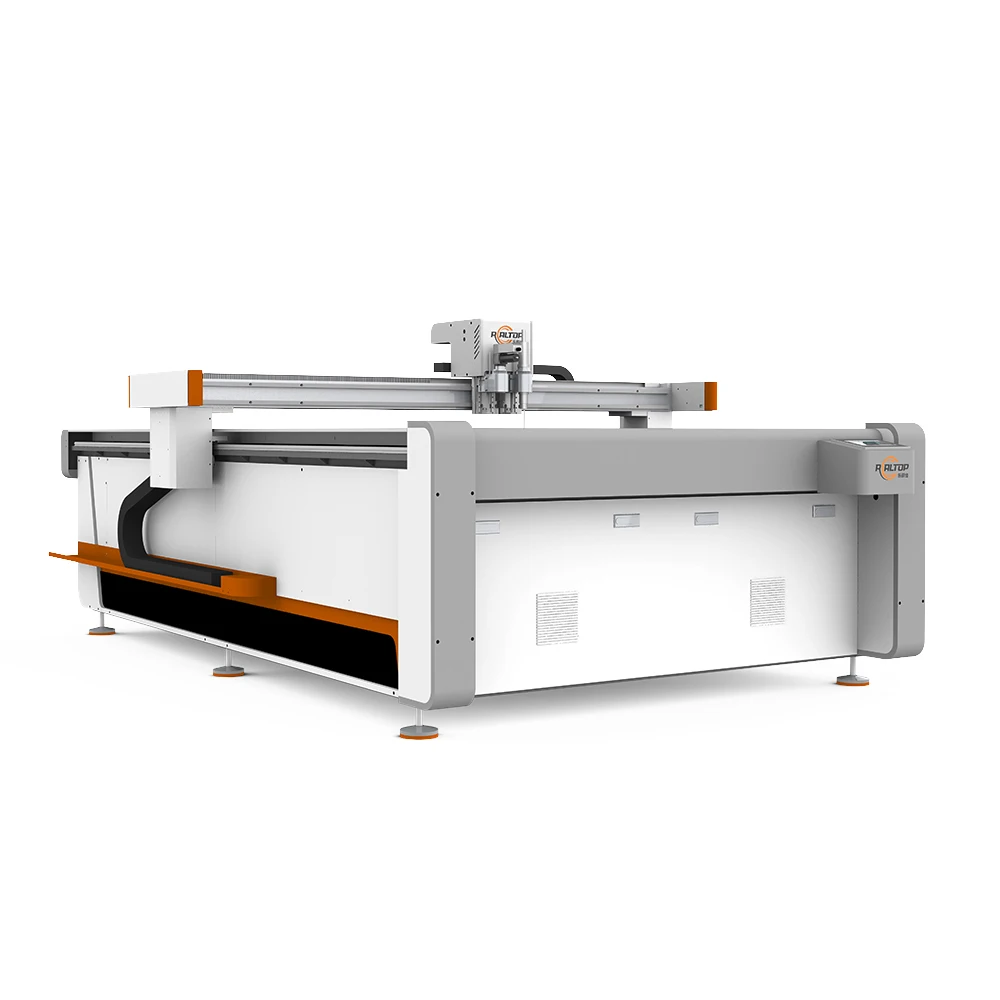
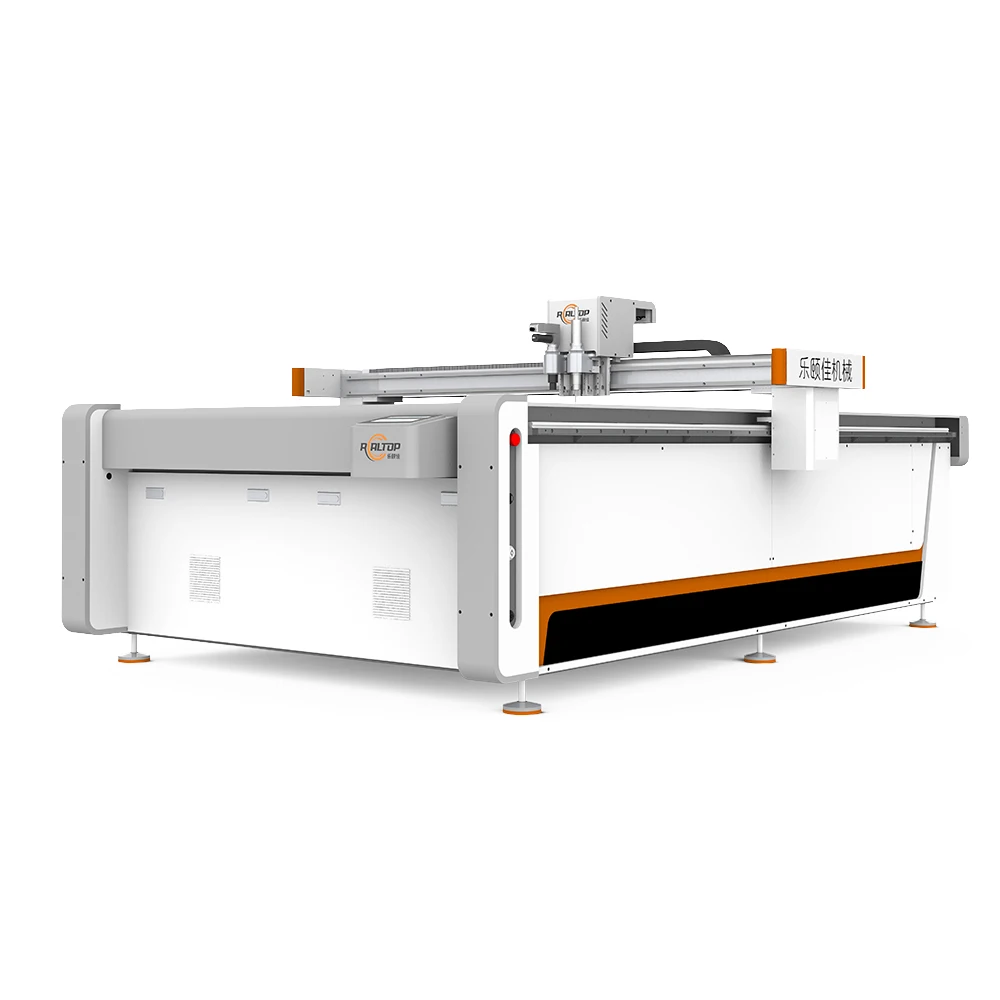
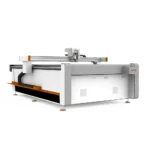
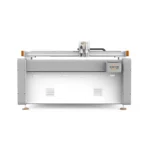
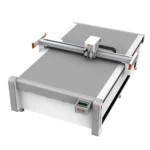
| Product Type | CNC Oscillating Knife Cutting Machine |
| Working Area | 1600 × 2500 mm |
| Cutting Thickness | ≤ 40 mm |
| Cutting Accuracy | ±0.1 mm |
| Cutting Speed | 0–1500 mm/s |
| Tools Available | Oscillating knife, Driven rotary knife, Creasing wheel, Kiss cutting tool, Pneumatic knife, Milling tool, V groove knife |
| Vacuum Pump | 9 kW |
| Control System | PLC control panel |
| Servo Drive Options | Panasonic, Delta, Dorna (source value — verify against manufacturer catalog) |
| Voltage Options | 110V, 220V, 380V |
| Profile Formats | PLT, DXF, AI, PDF |
| Safety Devices | Infrared sensor, emergency stop |
| Machine Size | 3300 × 2100 × 1350 mm |
| Software Languages | English, Russian, Italian, Chinese (custom languages available) |
| Certification | CE |
Application Suitability
| Application | Material or Output |
|---|---|
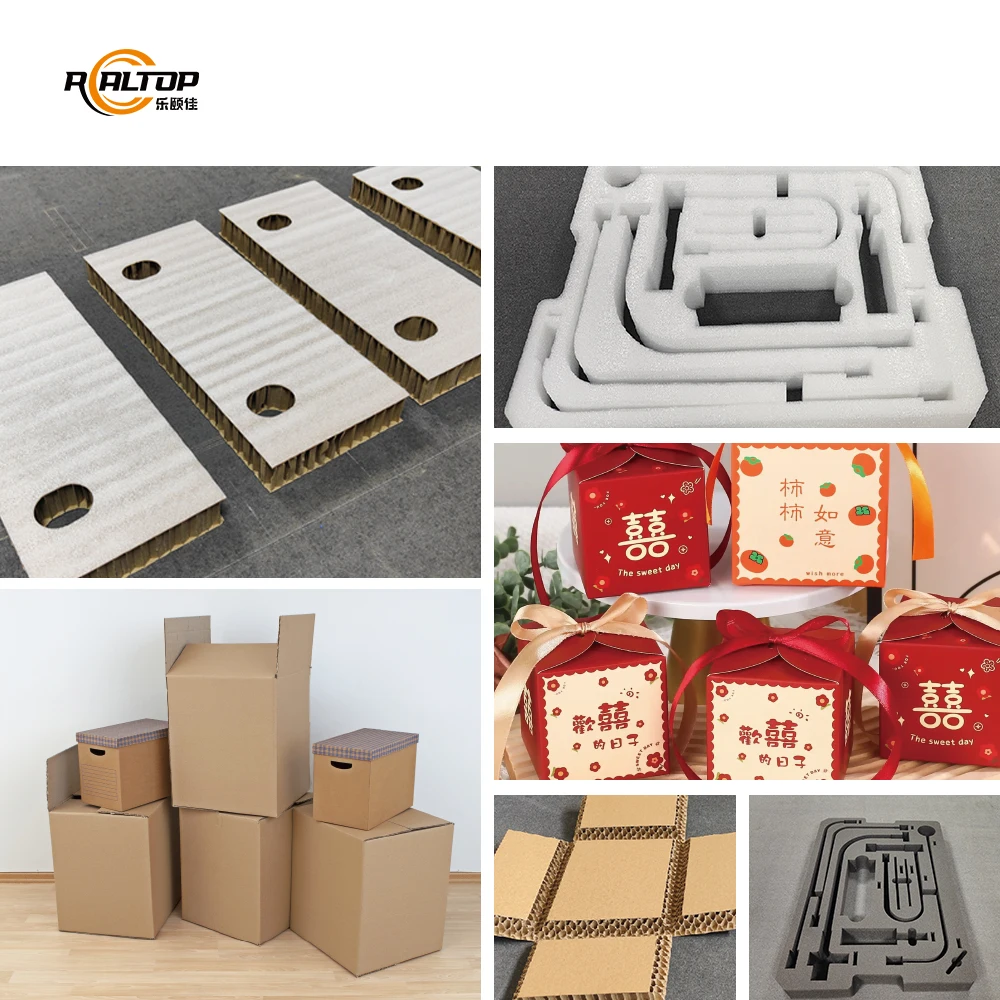
| Packaging sample making and prototyping | Corrugated cardboard (E-flute, B-flute, BC-flute), greyboard, specialty paper |
| Protective insert fabrication | EVA, EPE, PU foam sheets |
| Gasket and seal production | Rubber mats, PTFE, non-woven fabric |
| Thin plastic component cutting | PVC, PET, acrylic sheets |
| Leather and synthetic material processing | Natural leather, synthetic leather, composite materials |
Why Board Flute Weight Matters More Than Working Area
A machine sized only by bed dimensions will underperform when your corrugated stock changes between jobs.
I spent years on the assembly floor before moving into packaging equipment specification, and the most common failure I have seen with CNC flatbed cutters is not mechanical — it is a mismatch between the tool head and the actual board weight running through the shop. A buyer specifies a 1600 × 2500 mm table and assumes any flute profile up to the stated thickness will cut cleanly. Then a heavier BC-flute order comes in, the oscillating knife stalls through the dense liner, and the creasing wheel leaves fractured ridges instead of clean folds. [NEED_CITE: corrugated board density and tooling requirements for digital cutting] The machine is not faulty; it was simply configured for a different job than the one it now faces.
Matching the Tool Head to Flute Profile and Foam Density
This 1625 platform carries seven tool positions, but the value is not in having all of them loaded at once. For a packaging sample shop running E-flute and B-flute carton prototypes, the oscillating knife paired with a dedicated creasing wheel handles through-cutting and fold-line scoring in a single pass. When the same machine processes EVA foam inserts for protective packaging, the driven rotary knife or pneumatic knife replaces the oscillating blade to prevent edge compression. Each CNC oscillating knife cutting machine manufacturer should confirm the tool sequence against your specific material stack before the machine enters production.
Vacuum Table Zoning Across the Full Bed Area
A 9 kW vacuum pump only performs as well as the table surface it pulls through. The aluminum bellows vacuum table on this unit maintains flatness across the 1600 × 2500 mm working area, which matters when small packaging components occupy only one corner of the bed. Without proper zoning, small die-cut shapes lift off the surface mid-cut, producing dimensional drift beyond the ±0.1 mm tolerance. [NEED_CITE: vacuum hold-down requirements for small-format digital cutting] Proper zone configuration lets you cut a full sheet of BC-flute or nest dozens of small gasket profiles without repositioning the material.
Reading the Specification Sheet Against Your Actual Production
Cutting speed is listed at 0–1500 mm/s, but that figure applies to straight-line travel on thin stock. Complex packaging contours with tight radii and frequent direction changes will run at lower effective speeds, which is standard across this machine class. The ±0.1 mm cutting accuracy holds when the servo drive — available in Panasonic, Delta, or Dorna options — is paired with a properly tensioned belt and a vacuum surface that eliminates material shift. Voltage is configurable across 110V, 220V and 380V, but the correct configuration depends on your facility supply; ordering a 380V machine for a workshop with only single-phase 220V service creates a multi-week delay before commissioning. The PLC control panel supports English, Russian, Italian and Chinese, with other languages available by request before the control firmware is flashed.
The Hidden Cost of an Unverified Configuration
When a packaging cutting machine arrives with the wrong tool head for the dominant material in your shop, the consequences extend beyond poor edge quality. Operators slow the feed rate to compensate, throughput drops, and the oscillating knife assembly wears prematurely under load it was not specified to handle. If the vacuum zoning was set for large-format carton work but your production runs small protective foam inserts, material lift during cutting produces scrap rather than finished parts. [NEED_CITE: tool wear and material mismatch in CNC knife cutting operations] These are not warranty issues — the machine was built to the configuration ordered, and that configuration was wrong for the actual workload.
Why Source This Machine From This Build Line
The design team and core factory operate under one roof, so tool head selection and vacuum table layout are specified together rather than sourced from separate vendors. Each machine is tested against the buyer’s own packaging material before shipment, not a generic test sheet. Electrical schematics and voltage configurations are confirmed against the destination market before the control cabinet is wired. The software environment accepts PLT, DXF, AI and PDF files, with format compatibility verified against your existing design workflow during the order process. Sample cutting on your specific board flute or foam density is completed and documented before you commit to production.
Documentation & Verification
- Factory test record run on your specific corrugated flute type and board weight
- Tool head and vacuum zone configuration list matched to your material stack
- Electrical schematic with voltage and frequency confirmed for your destination market
- Software licence with PLT, DXF, AI and PDF file format compatibility note
- Sample cutting report on your own packaging board or foam before order commitment
- Operation and maintenance manual in your selected control language
Installation, Commissioning & Support
- Foundation must support the 3300 × 2100 mm footprint with level tolerance across the full bed
- Dedicated circuit required matching the confirmed 110V, 220V or 380V supply configuration
- Machine ships partially assembled with vacuum table and gantry aligned at the factory
- First-article cutting run on your packaging material to verify ±0.1 mm accuracy on site
- Operator training covers tool head changes, PLC parameter setting and nesting workflow
- Spare oscillating knife blades, creasing wheels and vacuum seals included in initial shipment
What to Include With Your Inquiry
Send the specific corrugated flute profiles and board weights you run most frequently, along with typical sheet dimensions and daily cut volume. If your shop processes foam inserts or gasket materials alongside carton work, list those material types and thicknesses separately. Confirm your facility voltage and whether you need the control interface in a language beyond the standard options.
Frequently Asked Questions
Q: How is the cutting thickness verified against my specific board flute or foam density?
A: We run a sample cutting test on your actual material before order confirmation. The test covers through-cutting, creasing and any kiss-cut operations you require, and the results are documented in a sample cutting report that travels with your order file.
Q: What voltage and plug configurations are confirmed before shipment?
A: Your facility voltage and frequency are confirmed during the specification stage, and the electrical schematic is reviewed with you before the control cabinet is wired. The machine is available in 110V, 220V and 380V configurations with the appropriate plug standard for your market.
Q: How does the software handle my existing packaging design file formats?
A: The system accepts PLT, DXF, AI and PDF profiles. We verify compatibility with your current design software during the order process and confirm file import, nesting and tool-path generation before the machine ships.
Q: What tool heads are recommended for creasing versus through-cutting corrugated board?
A: Through-cutting corrugated board typically uses the oscillating knife, while fold lines are scored with a dedicated creasing wheel. The specific tool combination depends on your flute profile and liner weight, which we confirm during the sample cutting stage.
Q: Can I send my material for sample cutting before placing an order?
A: Yes. We request a representative sample of your packaging board, foam or gasket material and run a full cutting and creasing test. The results, including edge quality and dimensional accuracy, are shared with you before any commitment is made.
You may also like

商品评价
Clear filtersThere are no reviews yet.