



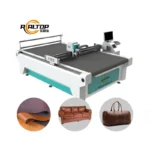

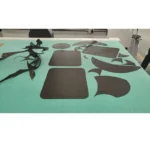


-
 Courier delivery
-
 DHL Courier delivery
-
 Warranty 1 year
-
 Free 30-Day returns

In-house knife and laser design — Realtop matches the cutting method to the material rather than forcing one technology, with tool head and table configured per application before order.
Technical Specifications
| Parameter | Value |
|---|---|
| Model | RT-D2516/RT-S2516 |
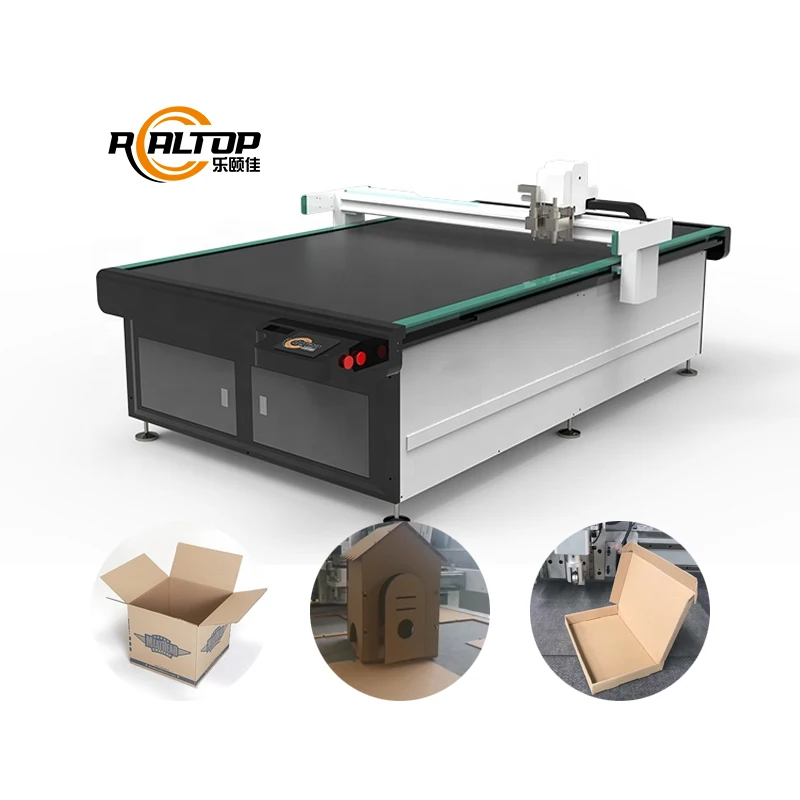
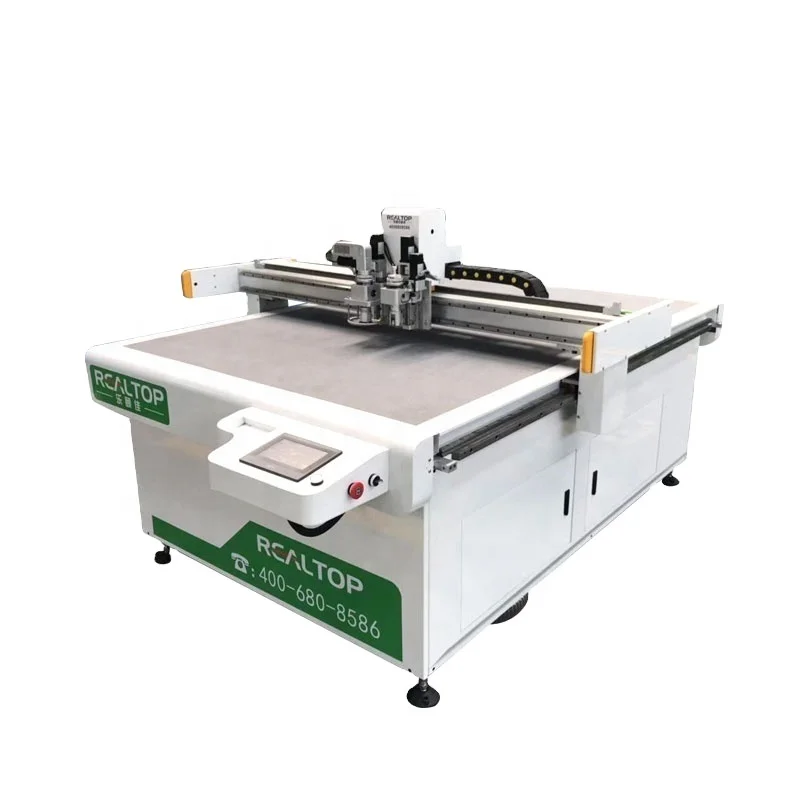
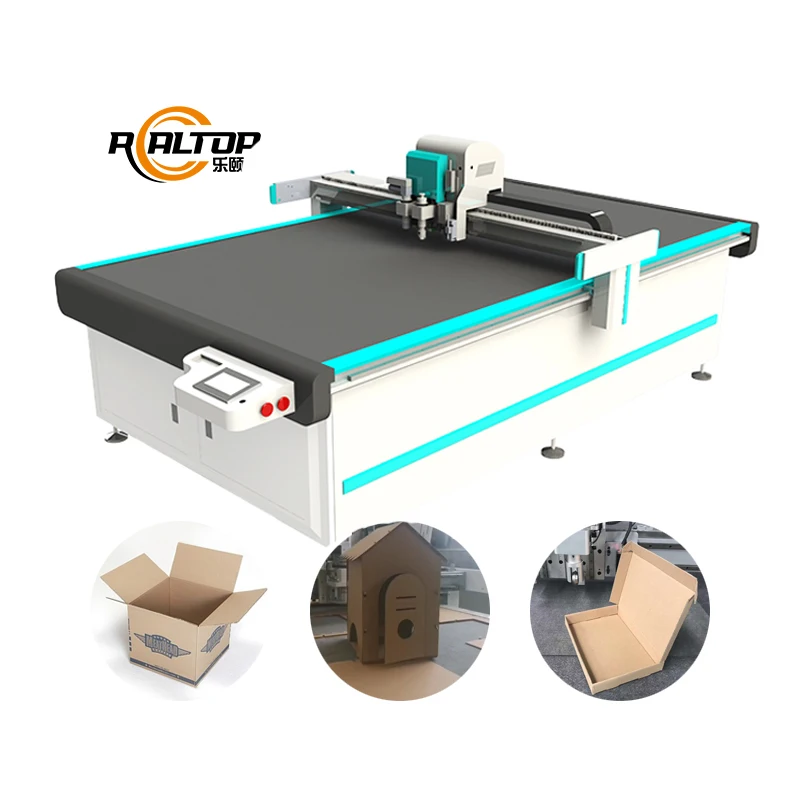
| Product Type | CNC Oscillating Knife Cutting Machine |
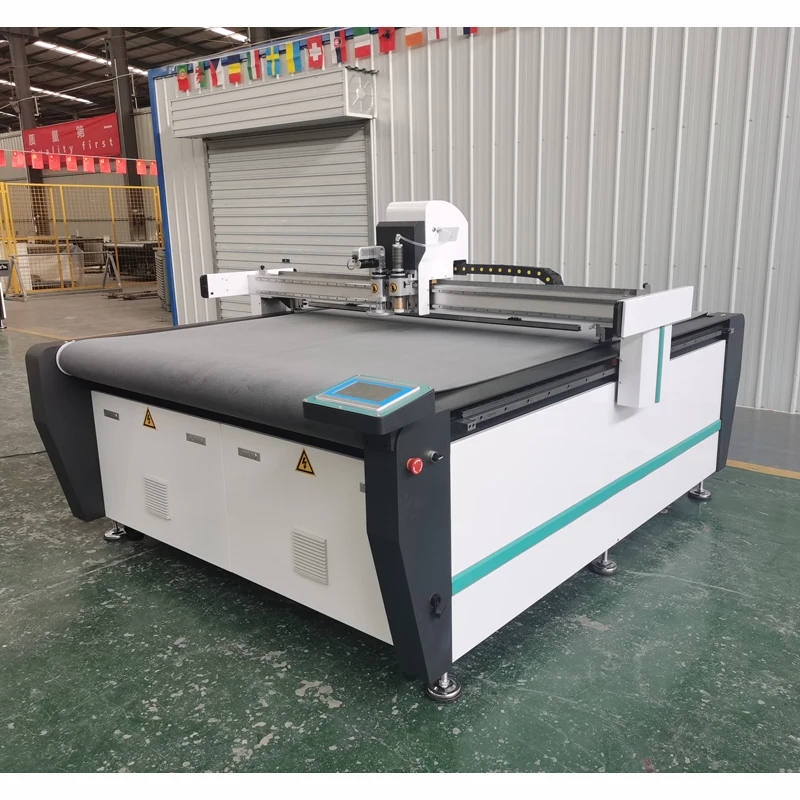
| Working Area | 1600 × 2500 mm |
| Machine Dimensions | 3450 × 2300 × 1250 mm |
| Rated Power | 9 kW |
| Translational Velocity | 800–1200 mm/s |
| Cutting Thickness Range | 20–80 mm (basis not stated in source — confirm block format / material / thickness) |
| Repeated Accuracy | ≤0.1 mm |
| Transmission System | Digital servo motor, linear guide, synchronous belt, ball screw |
| Rail | Taiwan Hiwin linear guide |
| Servo Motor | Delta servo motor |
| Working Table | Flat working table with vacuum adsorption |
| Vacuum Pump | 7.5 kW |
| Conveyor Belt | Germany imported, auto feeding equipped |
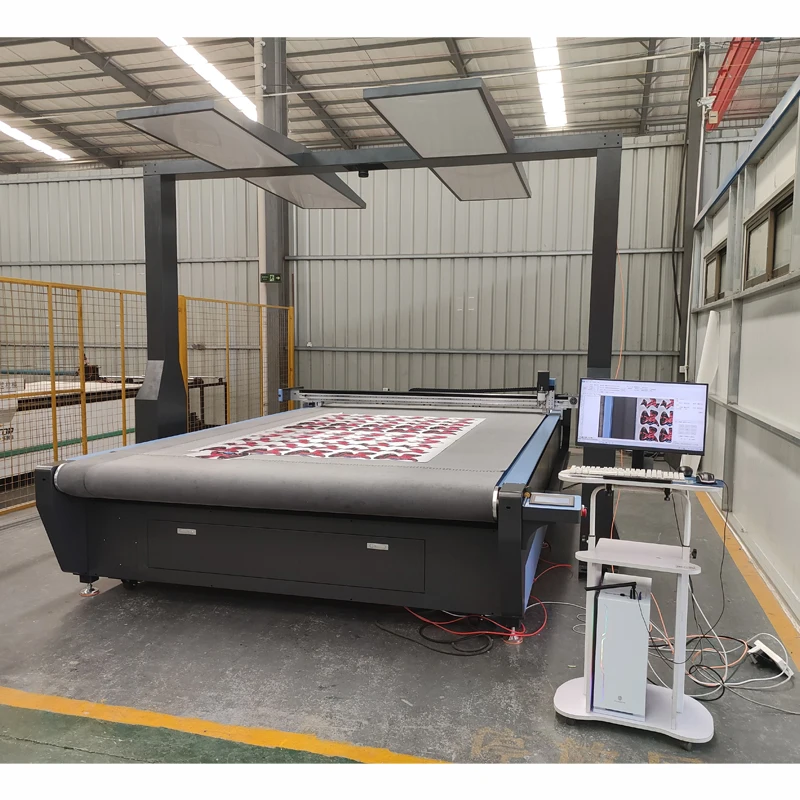
| Vision System | Independent R&D industrial vision — small CCD mark point, panoramic camera recognition, projection positioning |
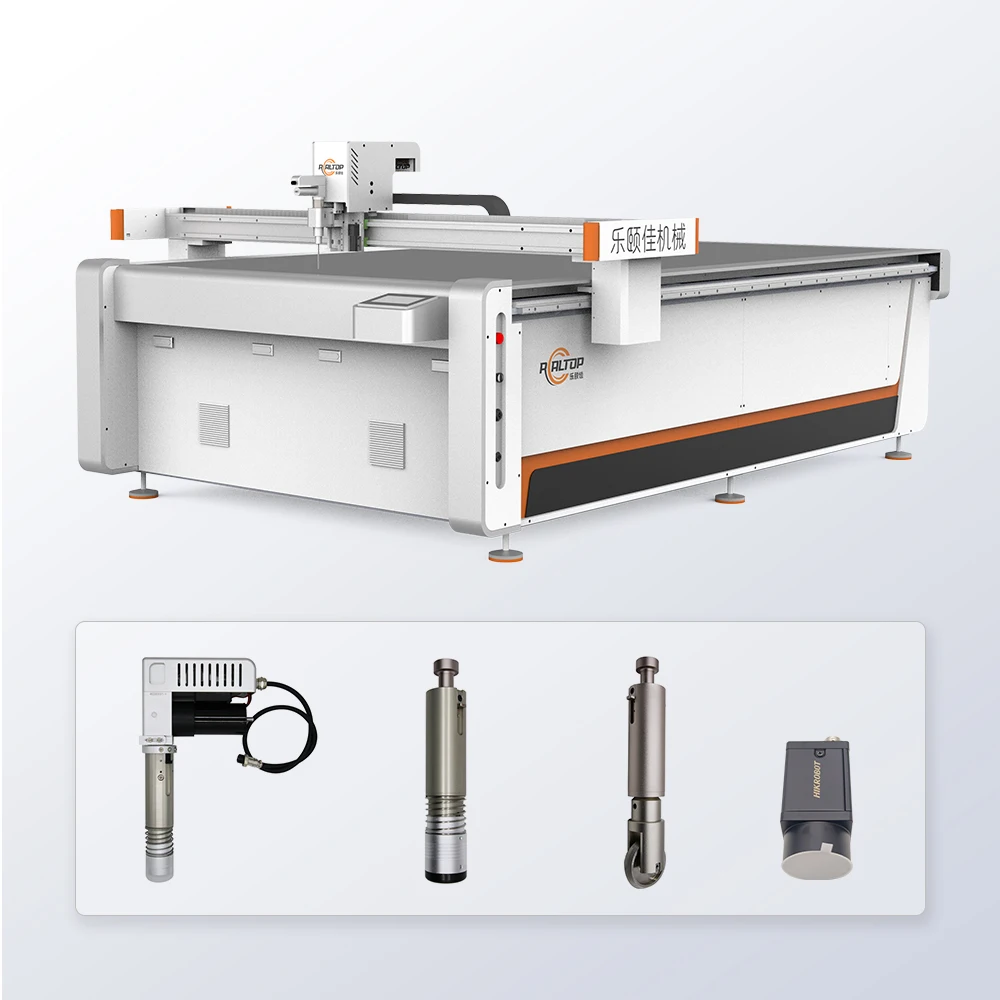
| Multifunctional Head | Swiss imported knife with vibration full cutting, half cutting, cursor location |
| Tool Head Options | Oscillating knife, pneumatic knife, high-power vibrating knife, circular knife, V cutting knife, drag knife, creasing wheel, dotted line knife, punching, brush |
| Instruction System | HP-GL compatible format |
| Software | Realtop self-developed, one-click import, language customizable |
| Safety Device | Infrared sensors |
| Voltage | 380V ± 10% |
| Patents | 5 patents technology certification |
Application Suitability
| Application | Material or Output |
|---|---|
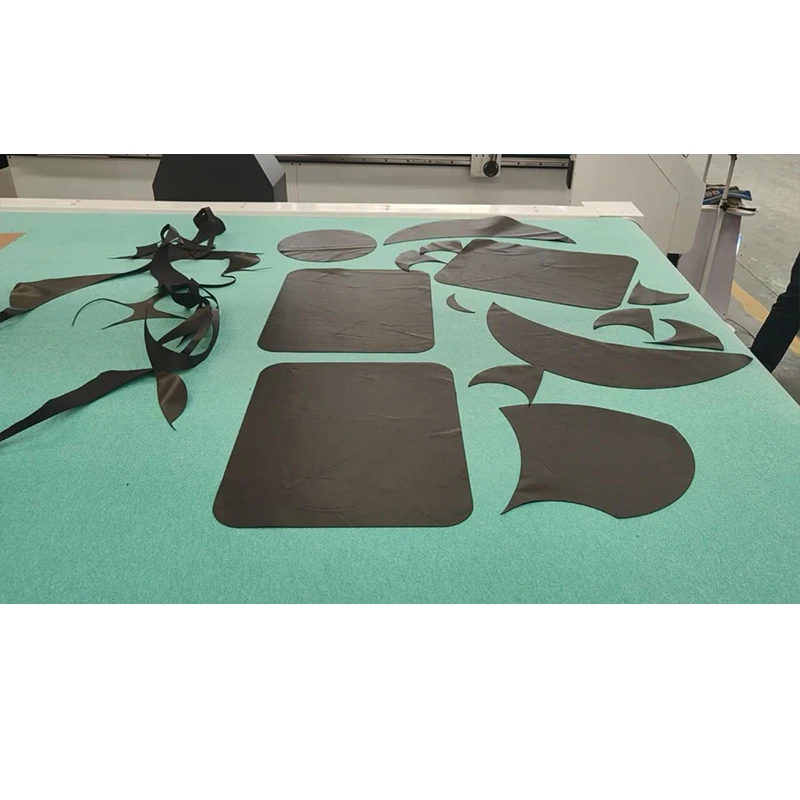
| Automotive interiors | Seat covers, floor mats and gaskets from composite, foam and PU materials |
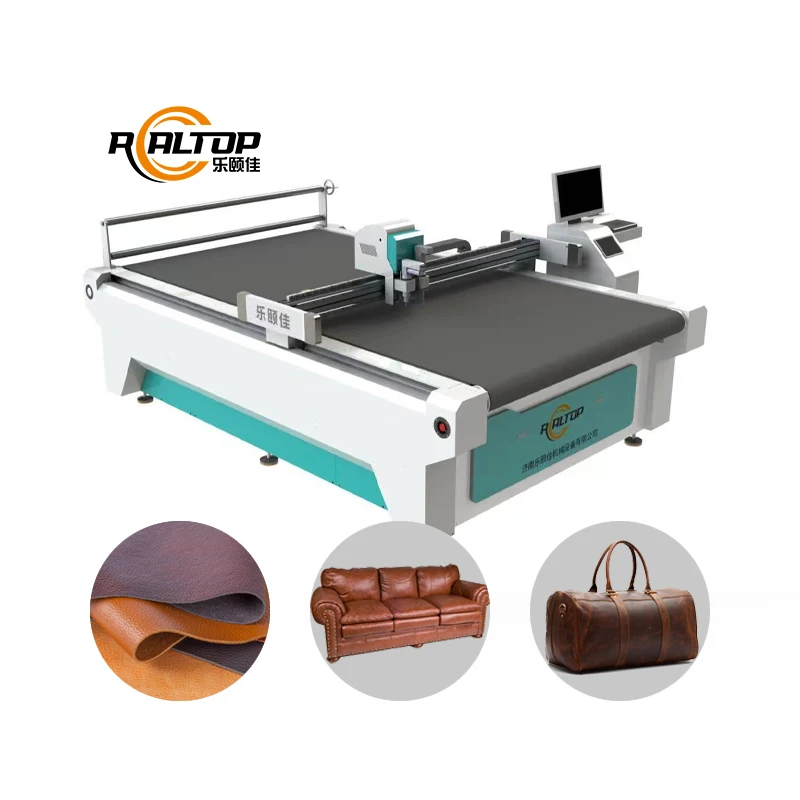
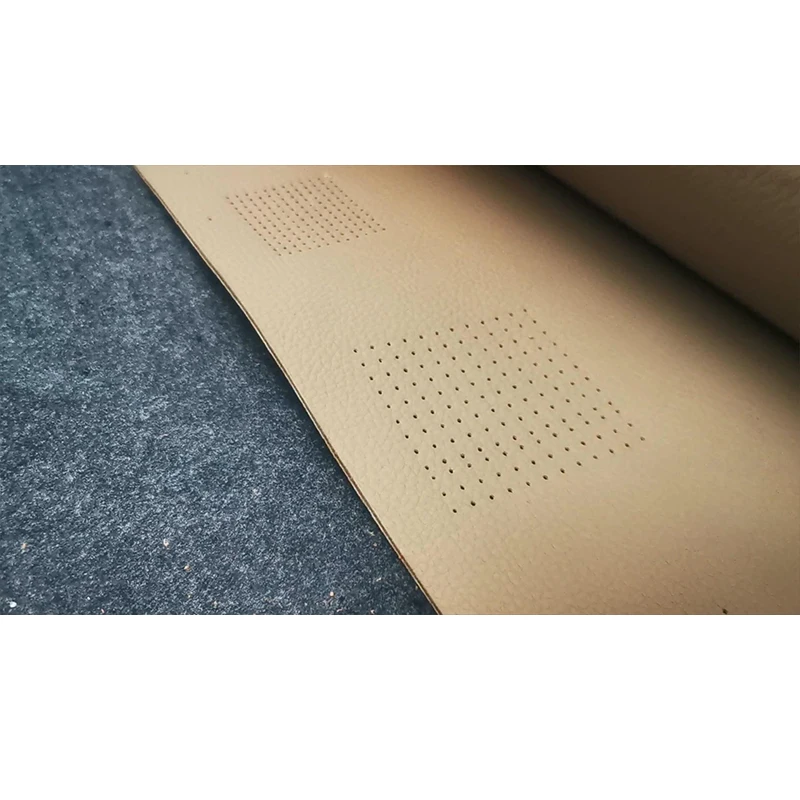
| Leather goods and footwear | Natural and faux leather with contour identification and flaw avoidance |
| Garment and soft furnishings | Multi-layer fabric, textile, non-woven fabric with auto feeding |
| Signage and packaging | Corrugated cardboard, sticker, film, PVC and foam board |
| Sealing and industrial gaskets | PTFE, ETFE, rubber, fiberglass and composite gasket material |
| Sports and outdoor products | Sponge, EVA, XPE and carpet cutting |
Why Thickness Claims Fail Without a Material Test
A cutting thickness range means nothing until the knife meets the buyer’s actual material under production conditions.
The listed 20–80 mm range is a starting point, not a guarantee. A 30 mm block of EVA foam behaves completely differently from a 30 mm stack of bonded leather. Faux fur with long pile creates drag that a short-pile test sample never reveals. I have seen machines delivered with a spec sheet stating 60 mm capacity, only for the buyer to discover that their specific composite material required a different oscillation frequency and tool head geometry to achieve a clean edge. The CNC Oscillating Knife Cutting Machine manufacturer must verify the cutting result on the actual material before the machine ships. [NEED_CITE:]
Matching the Knife to the Material Profile
A high-power vibrating knife cuts through dense rubber and thick gasket material where an oscillating knife would stall. For thin film and sticker, a drag knife gives a cleaner finish with less downward force. The Swiss imported multifunctional head on this CNC Oscillating Knife Cutting Machine supports vibration full cutting, half cutting and cursor location within one workstation, reducing tool change interruptions across mixed-material production runs.
Vision Positioning for Printed Contour Work
When cutting printed textiles, packaging or automotive interior skins, the CCD system must track registration marks at production speed — not just in a static demonstration. The independent R&D industrial vision system here uses small CCD mark point positioning, panoramic camera recognition and projection positioning to handle irregular printing patterns. This matters when a buyer runs hundreds of nested contour cuts per shift and cannot afford to manually align each piece. [NEED_CITE:]
Reading the Spec Sheet Against Your Production Reality
The Delta servo motor and Taiwan Hiwin linear guide rail deliver ≤0.1 mm repeated accuracy, which directly affects nesting yield when cutting expensive natural leather where every square centimetre counts. The 7.5 kW vacuum pump paired with the aluminium alloy vacuum adsorption table holds small parts flat during high-speed oscillation — a weak vacuum zone causes edge lift and ragged cuts on parts under a certain size threshold. The auto feeding system with Germany imported conveyor belt supports continuous roll material processing, so operators are not manually repositioning stock between cycles.
The Cost of a Misconfigured Tool Head
Selecting the wrong tool head for a material does not just produce a poor edge — it forces the buyer to add secondary trimming, slowing the entire downstream line. A creasing wheel set for cardboard will crush foam, and an oscillating knife running at standard frequency will fray long-pile faux fur rather than shear it cleanly. I have visited workshops where the machine sat idle for weeks while the buyer and supplier argued over whether the fault was the machine or the material. These disputes disappear when a sample cutting report is completed on the buyer’s own stock before commitment. [NEED_CITE:]
Why Buyers Source Directly from the Factory Floor
In-house design and production covering both knife and laser technologies means the buyer can match the method to the material, rather than being pushed toward whatever machine happens to be in stock. Tool head and table configuration is specified per material and production volume before the order is placed. Sample cutting on the buyer’s own material is standard protocol, not an exception. Software compatibility is confirmed before order, so the buyer’s existing nesting workflow and HP-GL file format integrate without conversion errors. Voltage, plug type and control language are locked in before shipment, avoiding the situation where a machine arrives at a factory with the wrong power supply and the wrong interface language.
Documentation & Verification
- Machine specification sheet with tool head and table configuration matched to your material type
- Electrical schematic and voltage confirmation document for your target market power supply
- Sample cutting report on your material verifying edge quality and thickness capability
- Software licence and file format compatibility note confirming HP-GL import and nesting integration
- Factory test record documenting performance against agreed parameters before dispatch
- Operation and maintenance manual with spare parts list
Installation, Commissioning & Support
- Requires a level concrete floor accommodating the 3450 × 2300 × 1250 mm machine footprint plus material staging area
- Dedicated 380V ± 10% circuit with sufficient capacity for the 9 kW rated power plus 7.5 kW vacuum pump
- Flat working table and gantry arrive pre-assembled; final alignment verified against Taiwan Hiwin rail tolerances on site
- First-run parameter setting includes vacuum zoning calibration and oscillation frequency tuning for the buyer’s specific material
- Operator training covers Realtop self-developed software interface, one-click file import and CCD vision system alignment
- Spare parts list provided at delivery covering consumable blades, conveyor belt sections and vacuum seal components
What to Send with Your Inquiry
To get an accurate configuration recommendation, provide the material type, thickness range, sheet or roll dimensions and daily cutting volume. Include a sample of the actual material — especially for textured, layered or long-pile stock where edge behaviour varies. Confirm your workshop voltage and frequency, preferred control language, and whether your existing workflow relies on specific nesting software or file formats.
Frequently Asked Questions
Q: How is cutting thickness verified for my specific material and what is the test protocol?
A: We run sample cuts on your material before the order is confirmed. The test covers the full thickness range you specify, checking edge quality, oscillation frequency response and vacuum hold. A sample cutting report documents the results, including the tool head and knife configuration used, so you can compare the output against your production standard before committing.
Q: What voltage, plug and control language options are confirmed before shipment?
A: The standard configuration is 380V ± 10%, but voltage and plug type are confirmed for your target market before production. The Realtop self-developed software supports language customization, which is locked in during the specification review stage so the machine interface matches your operators’ language on arrival.
Q: How do I choose between oscillating knife, drag knife and pneumatic knife for my material?
A: The choice depends on material density, thickness and edge quality requirement. Oscillating knives handle thick foam and composites, drag knives suit thin film and sticker, and pneumatic knives work well on dense rubber and gasket stock. The tool head configuration is selected during the sample cutting phase, not after delivery.
Q: How does the factory test and quality control process work before dispatch?
A: Each unit undergoes a full factory test covering repeated accuracy verification against the ≤0.1 mm specification, vacuum table zone pressure check, vision system calibration and a production-speed cutting run. The test record is documented and available before the machine leaves the factory, covering all five certified patent technologies.
You may also like

商品评价
Clear filtersThere are no reviews yet.