


-
 Courier delivery
-
 DHL Courier delivery
-
 Warranty 1 year
-
 Free 30-Day returns

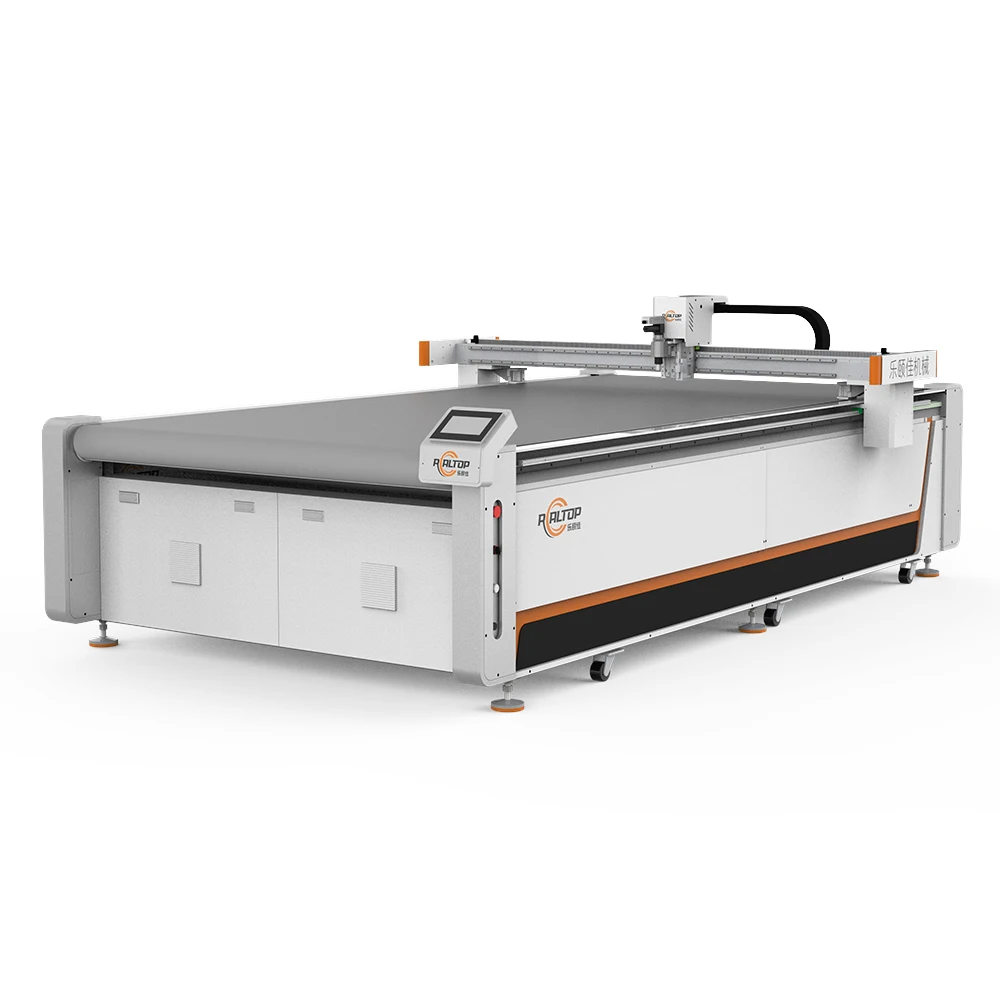
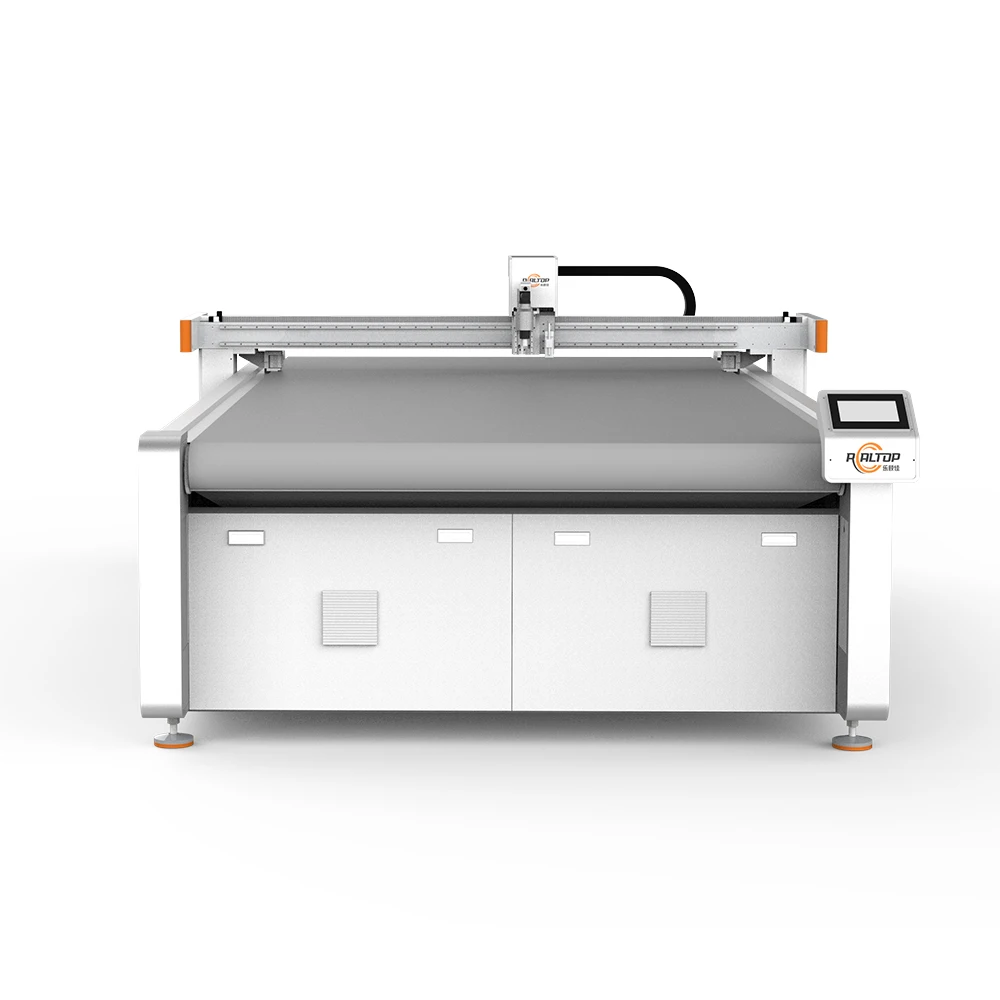
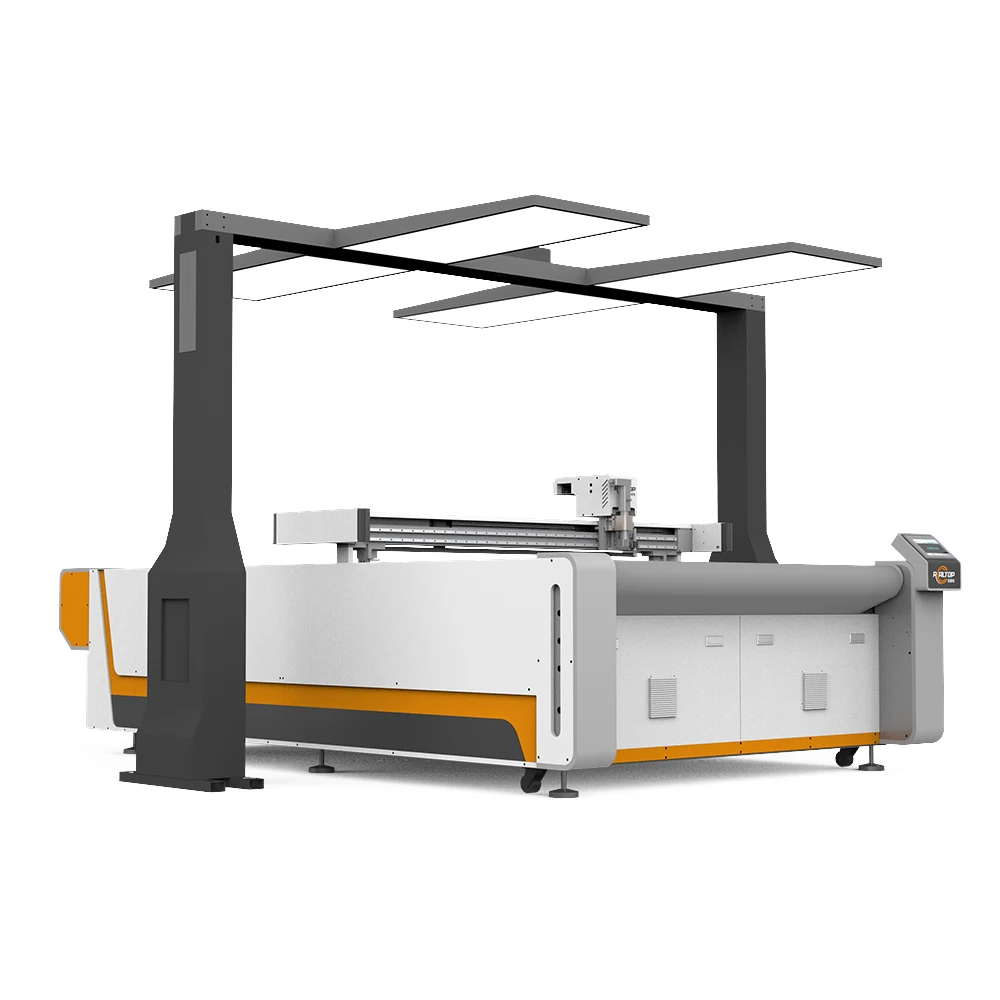
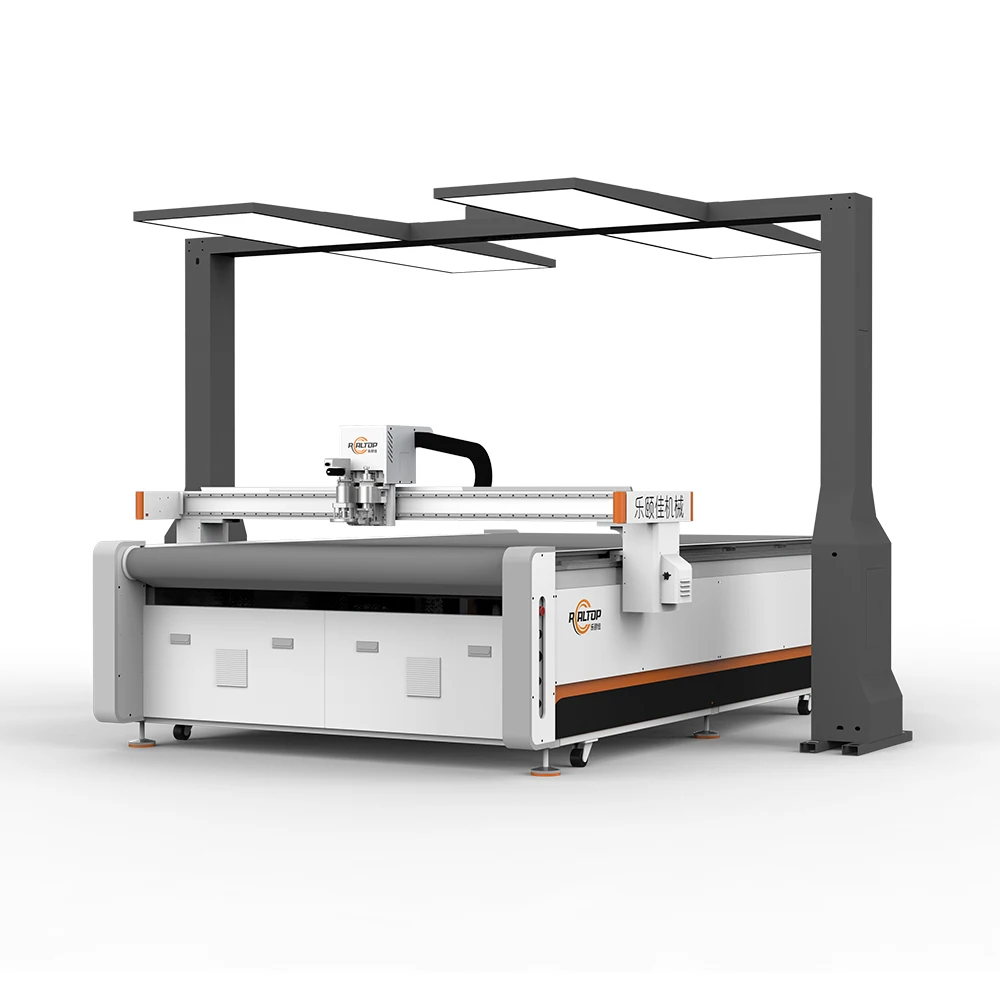
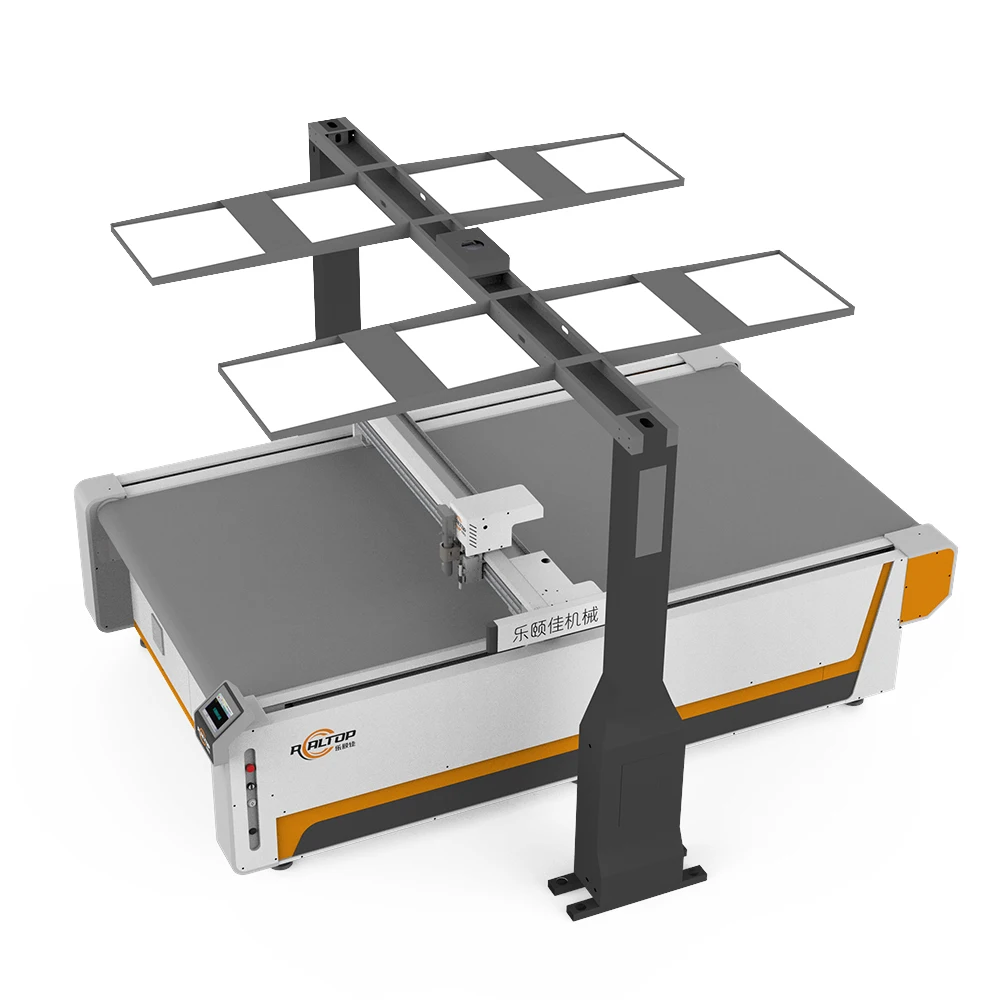
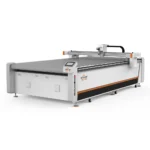
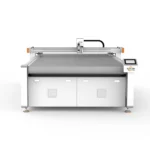
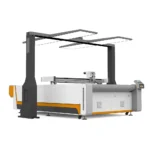
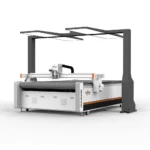
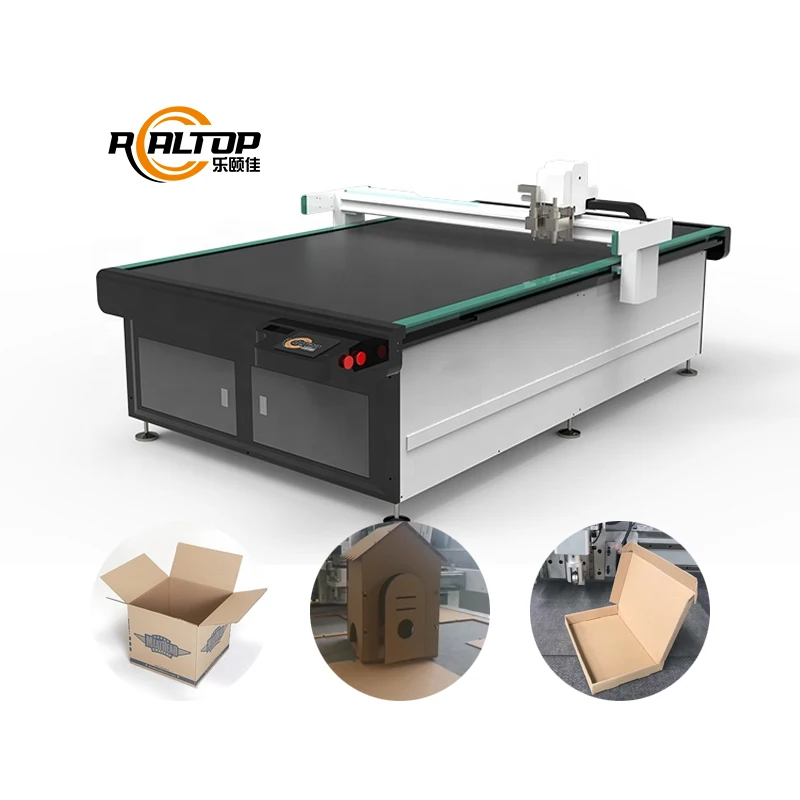
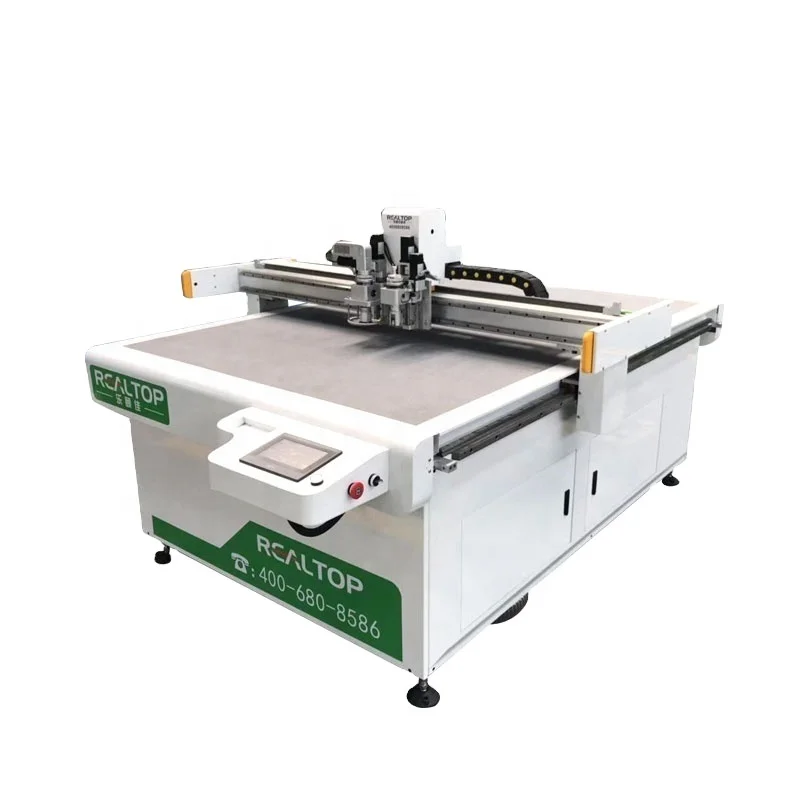
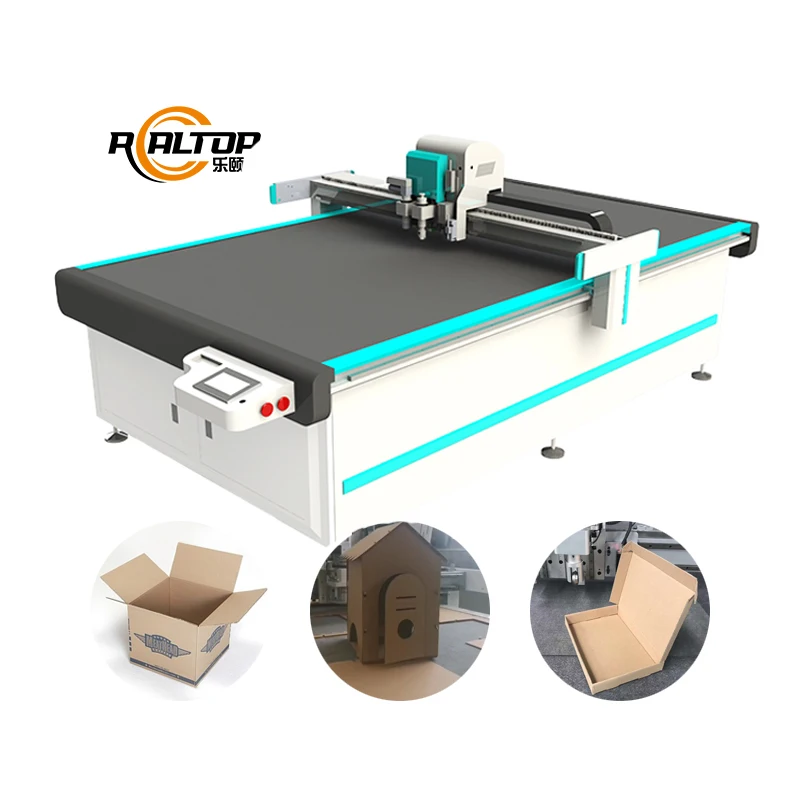
Factory-Direct Build Integrity — Every CNC oscillating knife leather cutting machine leaving our Jinan facility is designed and assembled under one roof, matching the tool head and vacuum table directly to your hide thickness and daily volume.
Technical Specifications
| Parameter | Value |
|---|---|
| Product Type | CNC Oscillating Knife Leather Cutting Machine |
| Working Area | 1600 × 2500 mm |
| Cutting Speed | 0–2000 mm/s |
| Cutting Thickness | Up to 30 mm |
| Cutting Accuracy | ±0.1 mm |
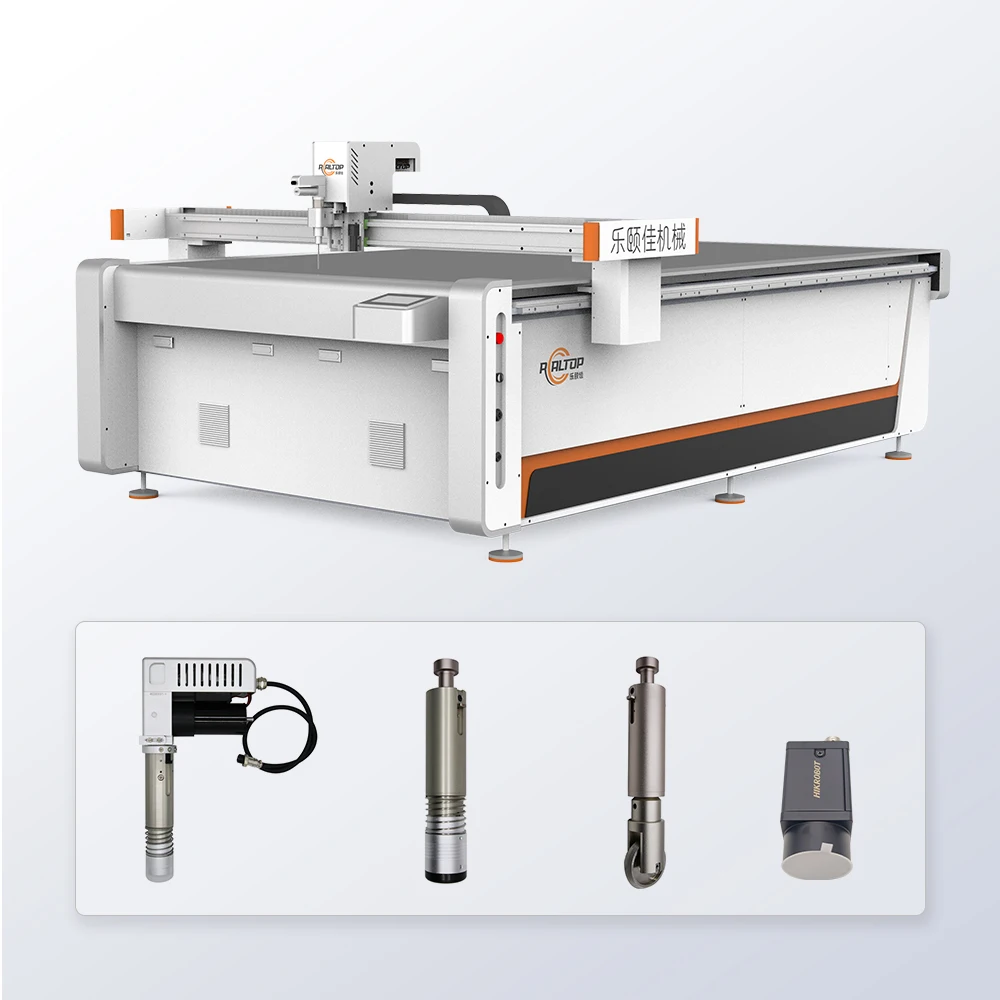
| Tool Head Options | Oscillating knife, Driven rotary knife, Creasing wheel, Kiss cutting tool, Pneumatic knife, Milling tool, V groove knife |
| Vacuum Table | Aluminum bellows vacuum table |
| Vacuum Pump | 9 kW |
| Voltage Options | 110V, 220V, 380V |
| Control System | PLC control panel with configurable display languages |
| Profile Formats | PLT, DXF, AI, PDF |
| Servo Motor Options | Panasonic, Delta, Dorna (source value — verify against manufacturer catalog) |
| Safety Devices | Infrared sensor, emergency stop |
| Machine Dimensions | 3300 × 2100 × 1350 mm |
| Certification | CE compliant build |
Application Suitability
| Application | Material or Output |
|---|---|
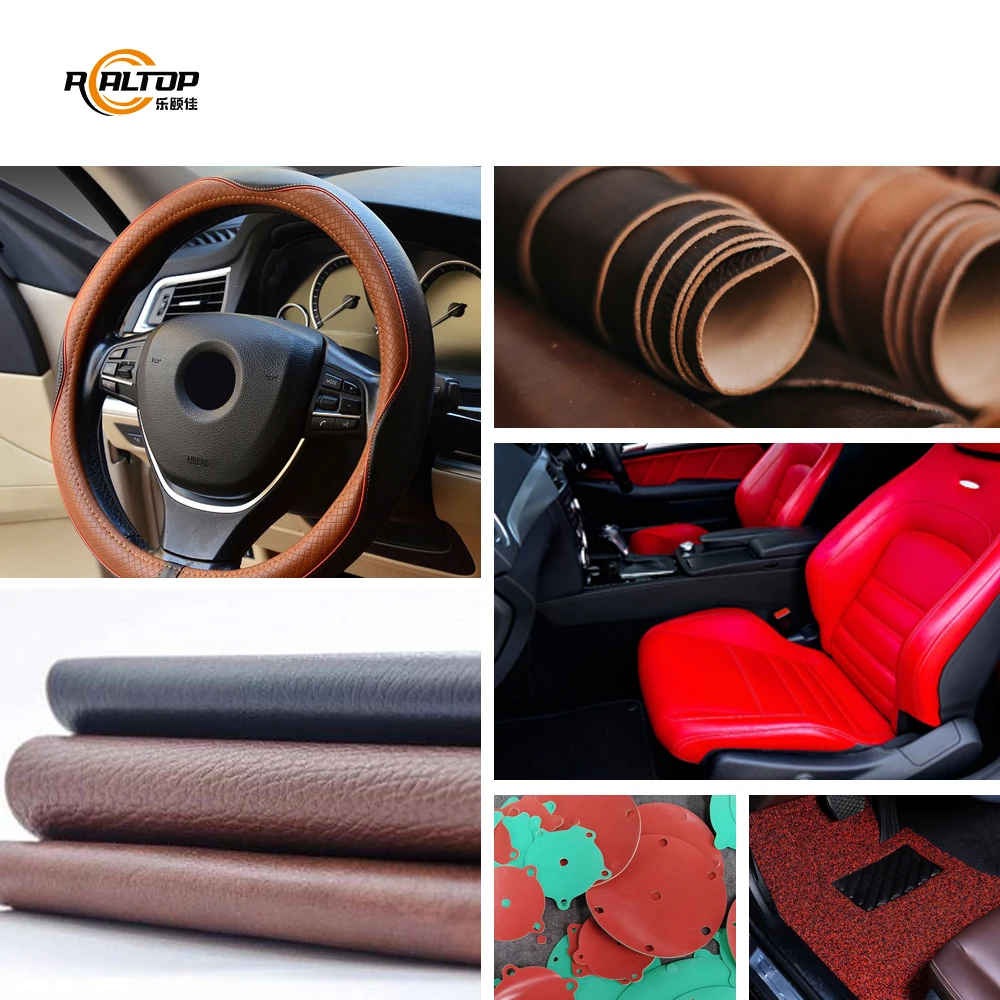
| Shoe upper production | Genuine leather hides, synthetic leather, contour cutting with grain recognition |
| Automotive seat covers | Leather and composite automotive interior materials, burr-free edge requirement |
| Leather goods and bags | Cowhide, sheepskin, PU leather, mixed fabric and leather runs on a single table |
| Sofa and upholstery | Thick upholstery leather, foam-backed leather, multi-layer cutting capability |
| Patterned hide nesting | Printed and embossed leather with CCD contour tracking and defect avoidance |
Why the Voltage Question Should Come Before the Price on Your CNC Oscillating Knife Leather Cutting Machine manufacturer
A machine that cannot be powered on day one is a machine that produces nothing.
I have stood on a workshop floor in the Middle East watching a brand-new cutting table sit idle because the local supply was 220V single-phase while the machine was built for 380V three-phase. Sourcing a step-up transformer locally added weeks to the commissioning timeline, and the buyer’s entire cutting line waited. That delay is not a shipping problem; it is a specification problem. When evaluating a CNC oscillating knife leather cutting machine manufacturer, the electrical schematic and voltage confirmation must be reviewed and signed off before the build begins, not after the crate arrives [NEED_CITE: voltage and frequency standards by export market].
Frame Construction and Long-Term Stability
The machine frame is precision-ground and heavy-duty, built to maintain geometric accuracy across the full 1600 × 2500 mm working area under continuous production cycles. A rigid frame prevents vibration from reaching the oscillating knife head at high cutting speeds, which directly affects edge quality on thick vegetable-tanned leather. Our design team controls the welding, stress-relieving, and machining steps in-house, ensuring that the CNC oscillating knife leather cutting machine manufacturer you deal with is also the engineering team that signed off on the frame tolerances.
Tool Head Specification Per Material
Selecting the correct tool head is the single most consequential decision in the configuration process. The oscillating knife handles general leather cutting up to 30 mm, the driven rotary knife suits thinner hides and synthetic leather where a continuous clean edge is needed, and the pneumatic knife addresses dense composite materials. Each option mounts to the same carriage, allowing the production floor to reconfigure as the order book shifts between genuine leather shoe uppers and PU automotive panels. A distributor evaluating a CNC oscillating knife leather cutting machine manufacturer should verify that the tool head recommendation is tied to a sample cutting report on the buyer’s actual material, not a generic catalog page [NEED_CITE: tool head selection standards for industrial knife cutting].
Reading the Specification Sheet Like a Production Engineer
The 9 kW vacuum pump paired with the aluminum bellows vacuum table generates full-surface adsorption across the working area, which is critical when cutting small leather components such as shoe tongue pieces or strap segments that would otherwise lift under knife pressure. The PLC control panel supports configurable display languages, meaning the operator interface can match the workshop’s working language before the machine leaves the factory. Cutting accuracy of ±0.1 mm ensures that nested patterns on expensive genuine leather hides stay within tolerance, reducing material waste on irregularly shaped hides. The servo motor options — Panasonic, Delta, or Dorna — determine the acceleration profile and positioning repeatability, and each choice carries different maintenance and spare parts implications for the import market.
The Cost of Skipping Material-Specific Configuration
Buyers who specify a cutting machine on working area alone frequently discover that the tool head supplied as default cannot produce a clean edge on their specific leather grade. Thick chrome-tanned leather cut with an underpowered oscillating frequency produces crushed edges rather than sheared ones, requiring secondary trimming that erodes the throughput the machine was supposed to deliver. Small parts cut on a vacuum table without adequate zoning lift during the final pass, ruining components that have already consumed expensive hide material. These failures are not machine defects; they are configuration mismatches that a competent CNC oscillating knife leather cutting machine manufacturer catches at the sample cutting stage [NEED_CITE: common causes of edge quality failure in leather die cutting].
Why Source from This Manufacturing Facility
Our in-house design team covers both knife and laser cutting technologies, so the cutting method is matched to the leather type rather than forced onto a single platform. Every tool head and table configuration is specified against the buyer’s material sample and daily volume, documented in a written configuration list before production starts. Voltage, plug type, and control panel language are confirmed against the destination market’s electrical standards, eliminating on-site surprises. The factory conducts a full build test under load and provides photographic documentation of the machine running the buyer’s material before the crate is sealed. For distributors and importers, OEM branding and documentation customization are available, allowing the machine to carry the importer’s identity in the target market.
Documentation & Verification
- Machine specification sheet with tool head and table configuration matched to your leather type
- Electrical schematic with voltage and frequency confirmed for your destination market
- Sample cutting report on your own leather material with edge quality and accuracy records
- Factory test record showing the machine running under load before crating
- Packing photographs documenting the machine condition at the point of dispatch
- Software licence with confirmed file format compatibility for PLT, DXF, AI, PDF workflows
Installation, Commissioning & Support
- Foundation must be level and load-rated for the 3300 × 2100 × 1350 mm machine footprint and dynamic cutting forces
- Dedicated electrical circuit matching confirmed voltage (110V / 220V / 380V) with correct phase and frequency
- Machine ships partially assembled; vacuum table, gantry, and tool head require on-site alignment
- First-run parameter setting includes vacuum zoning adjustment for your typical leather part sizes
- Operator training covers PLC panel navigation in the configured display language
- Spare parts list includes oscillating knife blades, vacuum seals, and servo motor consumables
Preparing Your Inquiry
Provide the leather type, typical hide thickness range, and maximum sheet size you process. Specify your destination market voltage and frequency, along with the preferred control panel language. Include your target daily cutting volume so the vacuum table zoning and tool head selection can be matched to your production rhythm.
Frequently Asked Questions
Q: How does the manufacturer match tool head selection to different leather types and thicknesses?
A: The tool head is selected based on a sample cutting test on the buyer’s actual leather material. The oscillating knife covers general cutting up to 30 mm, the driven rotary knife handles thinner hides requiring continuous clean edges, and the pneumatic knife addresses dense composites. The recommendation is documented in a sample cutting report before the order is confirmed.
Q: Can the CCD camera system track printed contours on genuine leather at production speed?
A: The CCD contour recognition system identifies printed marks and pattern boundaries on leather hides, adjusting the cutting path to account for stretch and grain variation. Its tracking capability depends on mark contrast and print quality. Verification on the buyer’s specific printed leather is completed during the sample cutting stage to confirm reliability at the intended cutting speed.
Q: What voltage, plug type, and control language options are confirmed before shipment?
A: The machine supports 110V, 220V, and 380V configurations. The exact voltage, frequency, plug type, and PLC display language are confirmed against the destination market’s electrical standards and the buyer’s workshop requirements. This confirmation is documented in the electrical schematic and signed off before the machine enters production.
Q: How is vacuum table zoning configured for small leather parts to prevent material lift?
A: The aluminum bellows vacuum table is divided into zones that can be activated independently based on the size and placement of the leather pieces being cut. The 9 kW vacuum pump provides the suction capacity needed for full-surface hold-down. Zone configuration is set during commissioning based on the buyer’s typical part geometry and layout.
Q: What OEM and customization capabilities does the factory offer for distributors and importers?
A: The facility supports OEM branding, custom color schemes, and documentation tailored to the importer’s market identity. Control panel language, electrical standards, and safety labeling are configured per destination country. The design team works directly with distributor partners to align machine specifications with the requirements of their end-user customer base.
You may also like

商品评价
Clear filtersThere are no reviews yet.