

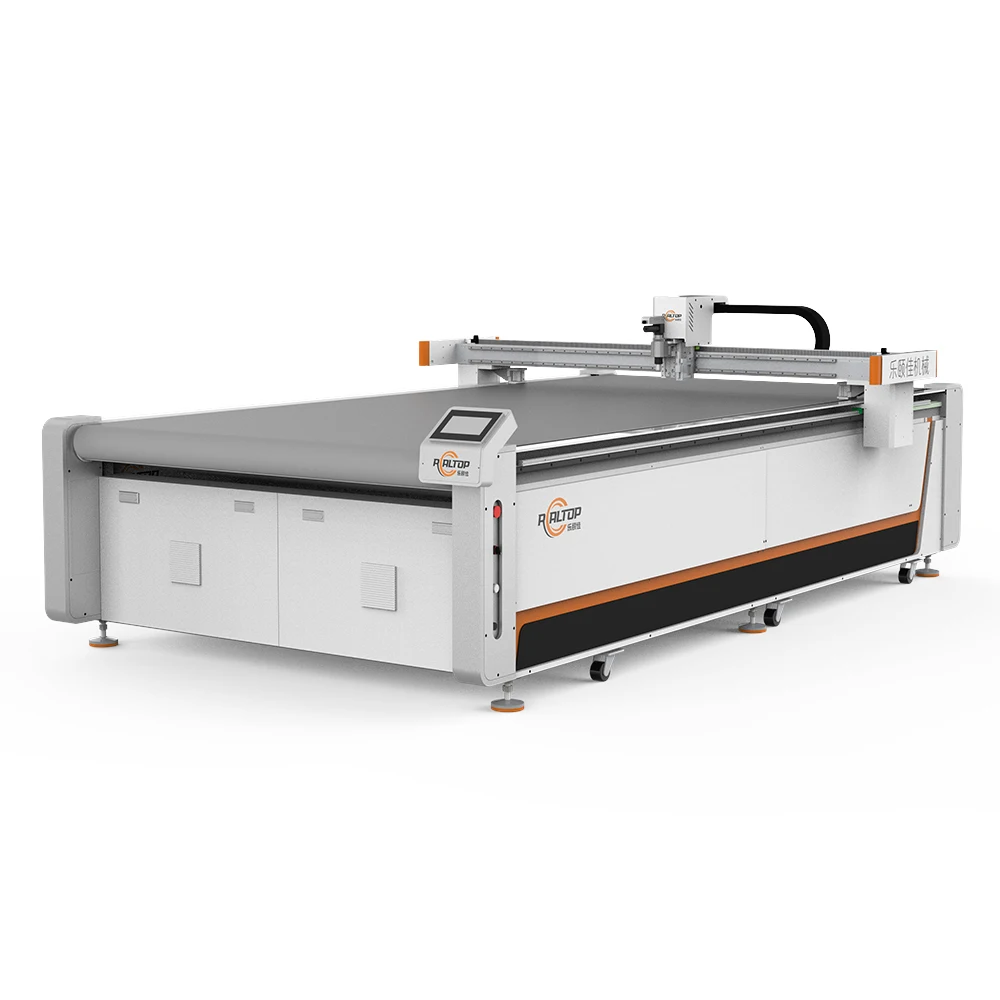
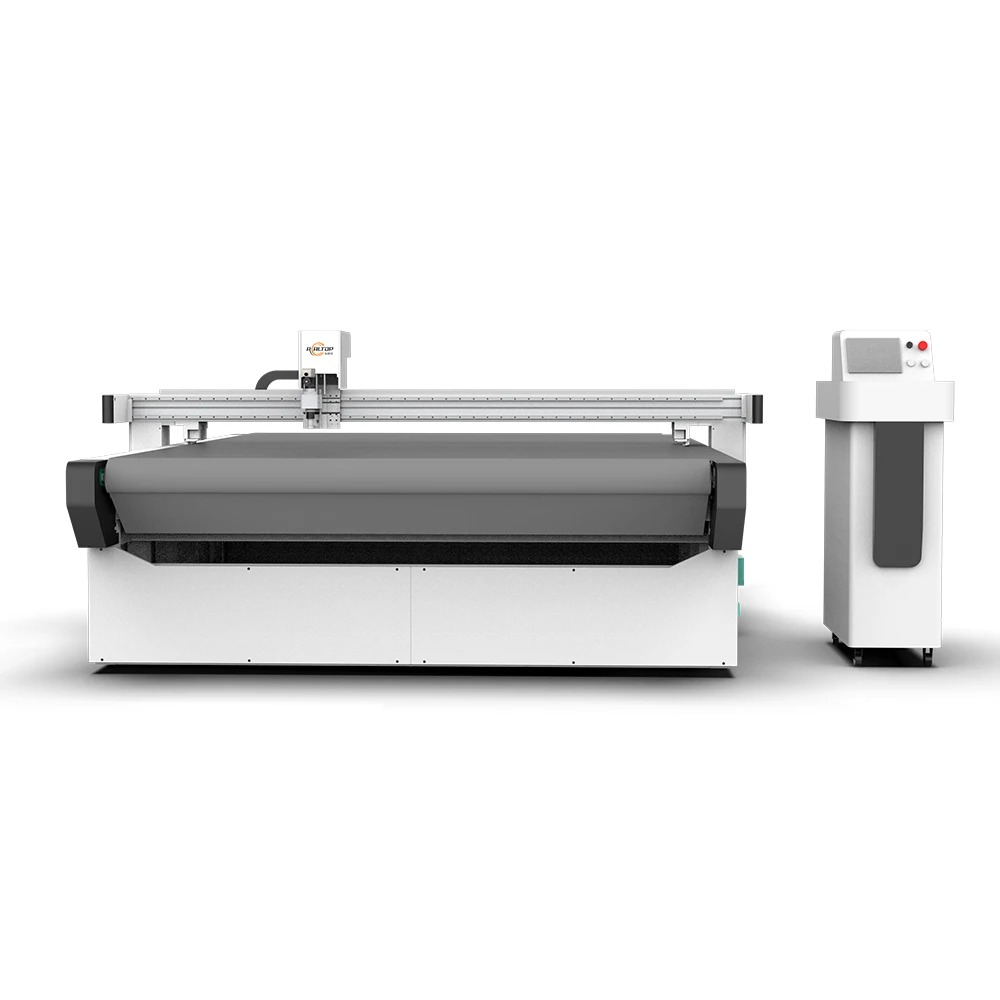

-
 Courier delivery
-
 DHL Courier delivery
-
 Warranty 1 year
-
 Free 30-Day returns

Configured Per Fabric — Every tool head, vacuum zone and nesting workflow is locked to the buyer’s actual textile sample before production begins.
Technical Specifications
| Parameter | Value |
|---|---|
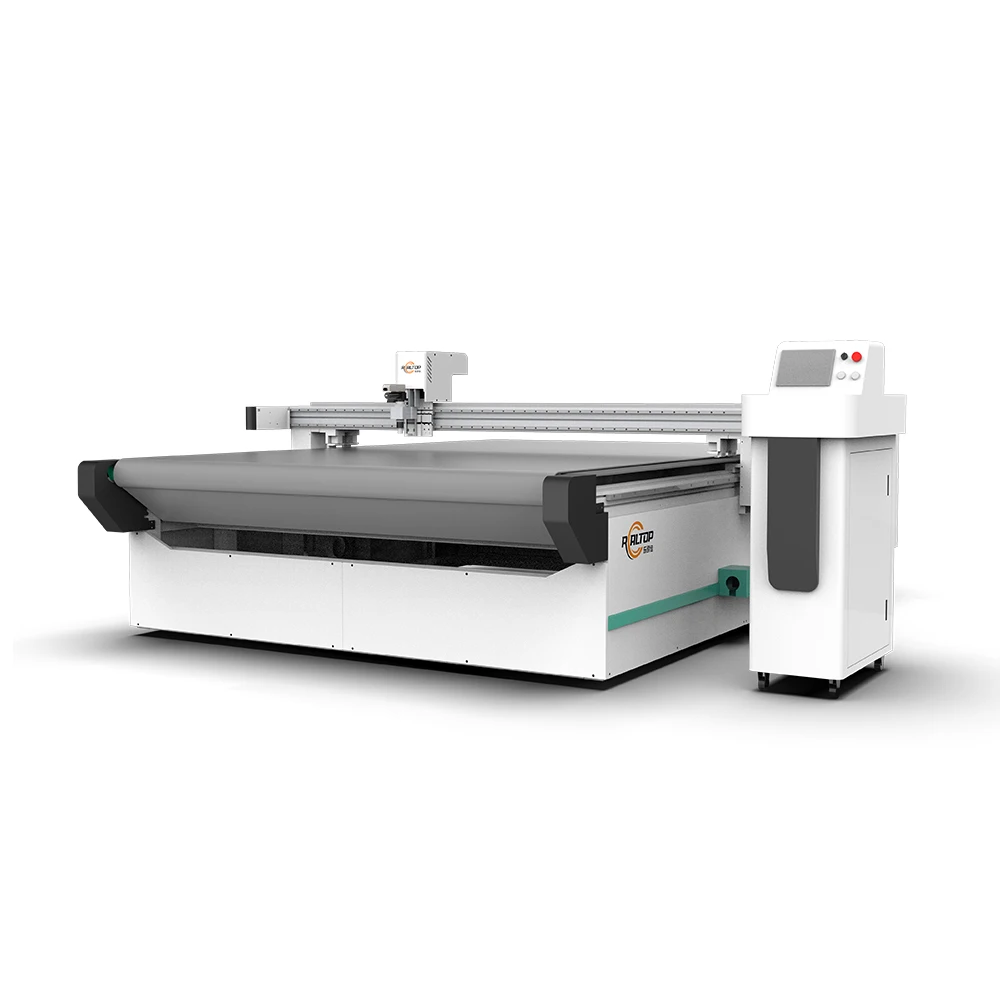
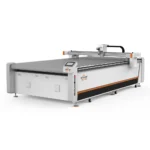
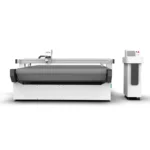
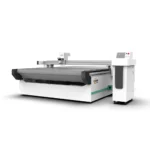
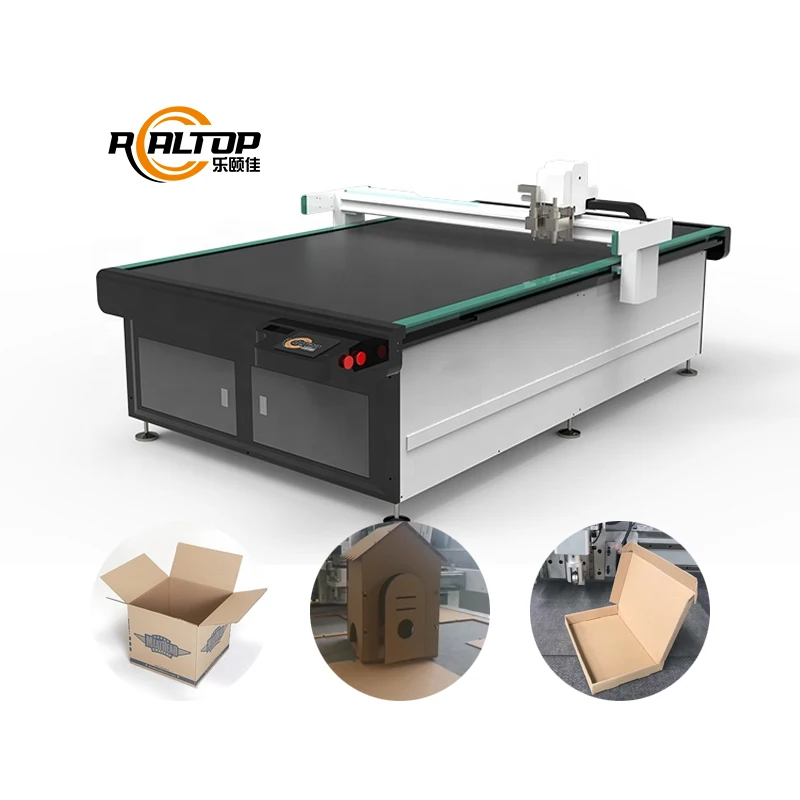
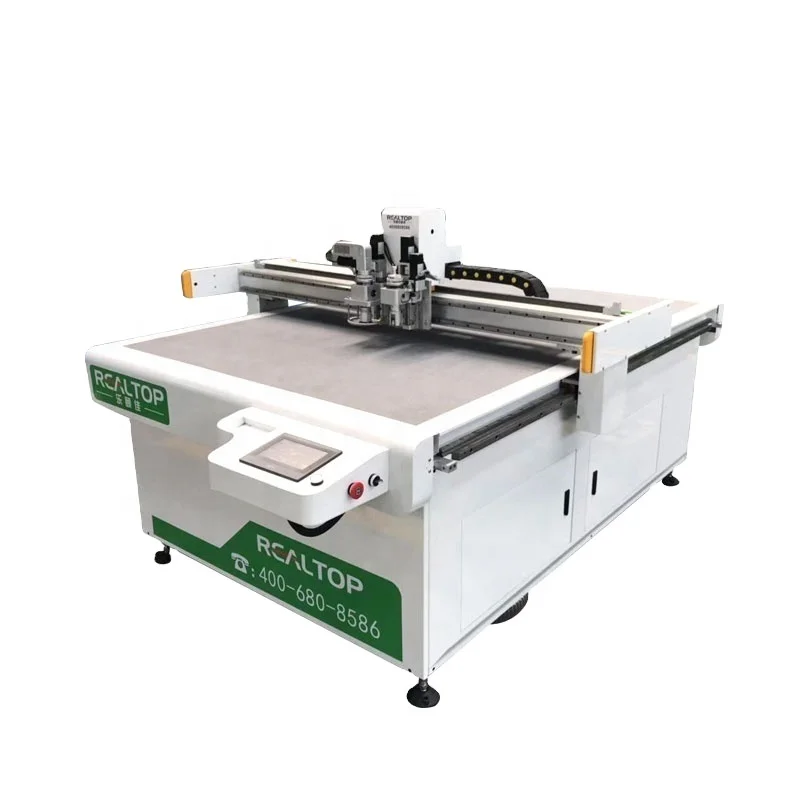
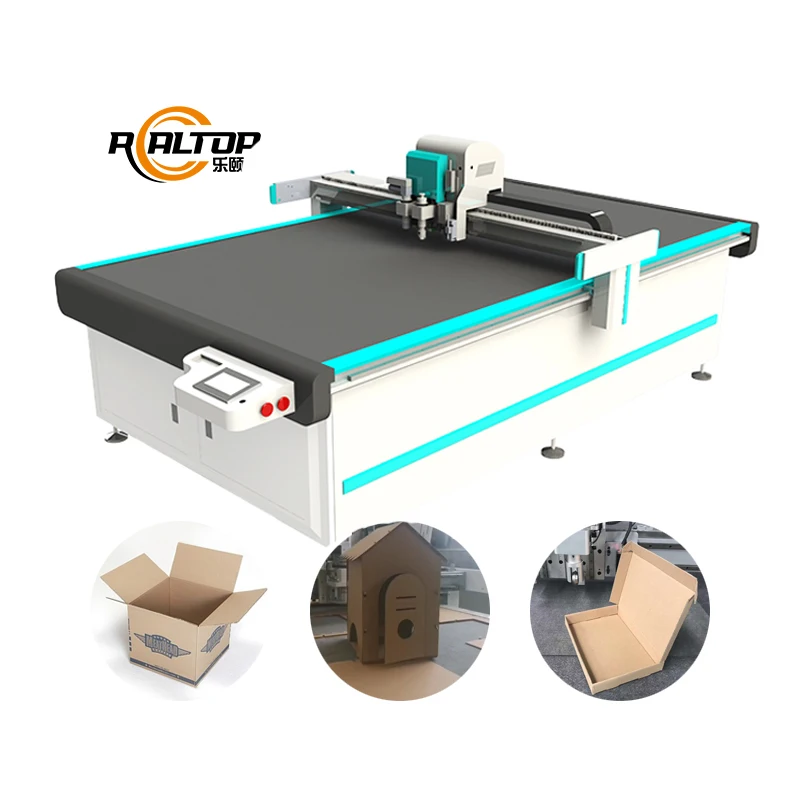
| Product Type | CNC Oscillating Knife Cutting Table |
| Working Area | 1600×2500 mm |
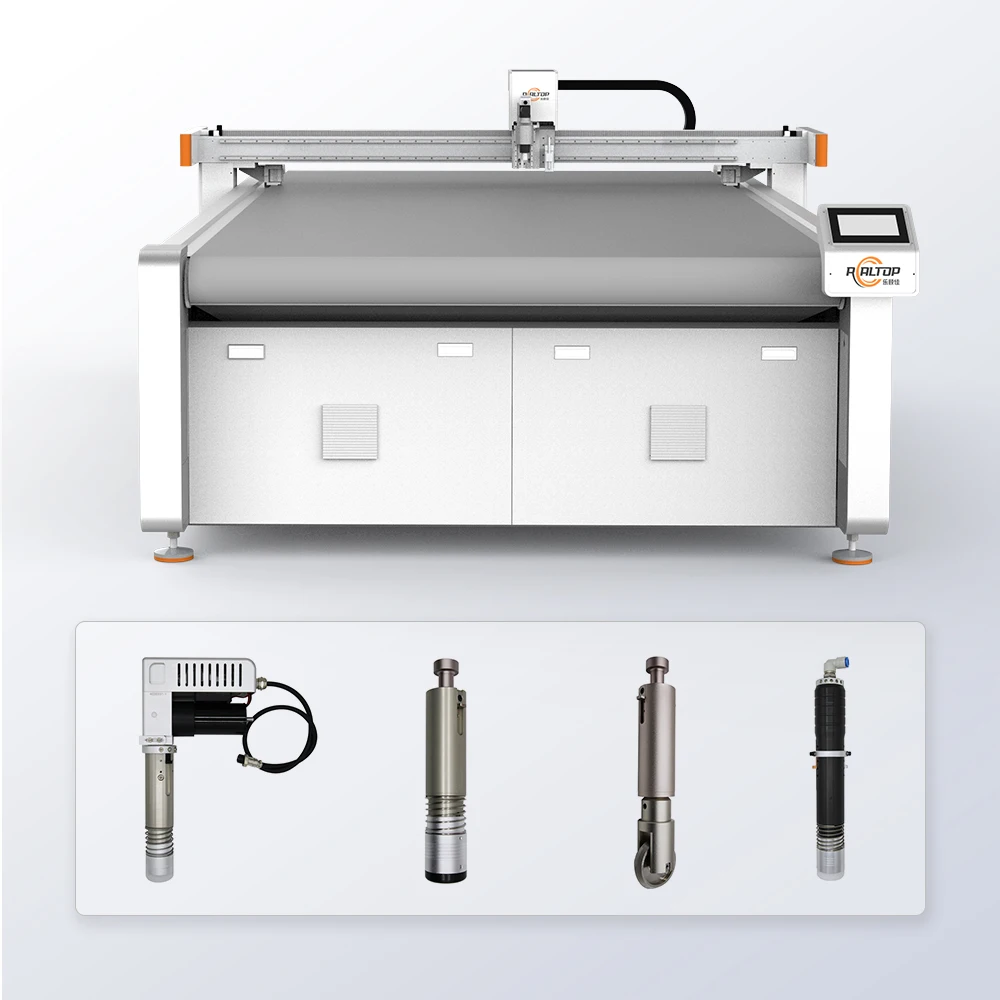
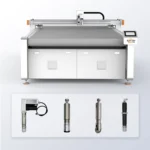
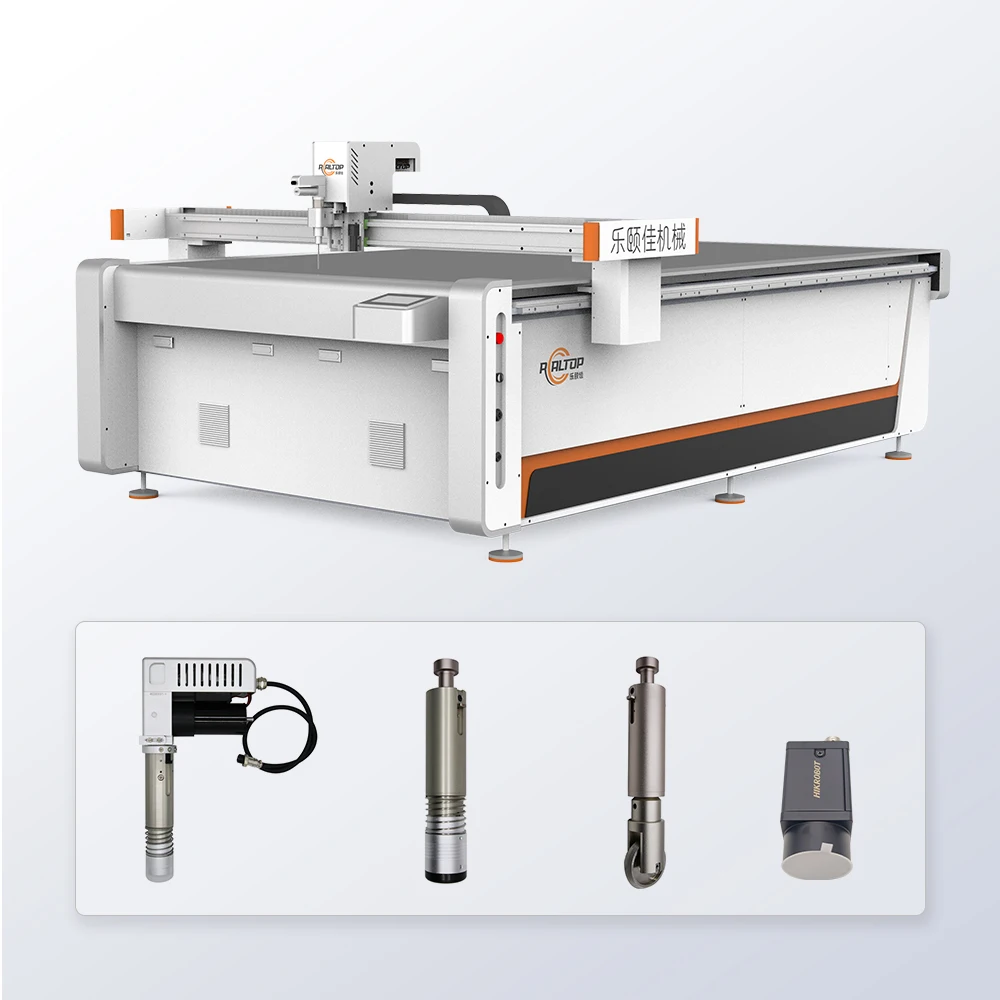
| Tool Head Options | Oscillating knife, Driven rotary knife, Creasing wheel, Kiss cutting, Pneumatic knife, Milling, V-groove knife |
| Applicable Materials | Fabric, Leather, PVC, EVA, Foam, PTFE, Rubber, Cardboard, Carton, Mats, Acrylic |
| Cutting Speed | 0–2000 mm/s |
| Cutting Thickness | Up to 30 mm (basis to be confirmed on buyer’s specific fabric and layer stack) |
| Cutting Accuracy | ±0.1 mm |
| Vacuum Pump | 9 kW |
| Voltage Options | 110V / 220V / 380V (frequency to confirm per market) |
| File Format Support | PLT, DXF, AI, PDF |
| Safety Devices | Infrared sensor, emergency stop |
| Machine Dimensions | 3300×2100×1350 mm |
| Control System | PLC control panel |
| Servo Drive Options | Panasonic, Delta, Dorna |
| Vacuum Table | Aluminum bellows vacuum table (zoning configurable) |
| Cutting Efficiency | 5–6 times manual cutting (basis not stated in source — confirm material, thickness, and pattern complexity) |
| Multi-layer Cutting | Up to 30–50 mm stack thickness (basis not stated in source — confirm fabric type and compression state) |
| Material Yield | Intelligent nesting saves over 15% (basis not stated in source — confirm nesting software and pattern mix) |
| Software Languages | English, Russian, Italian, Chinese (special languages customizable) |
| Compliance | CE |
Application Suitability
| Application | Material or Output |
|---|---|
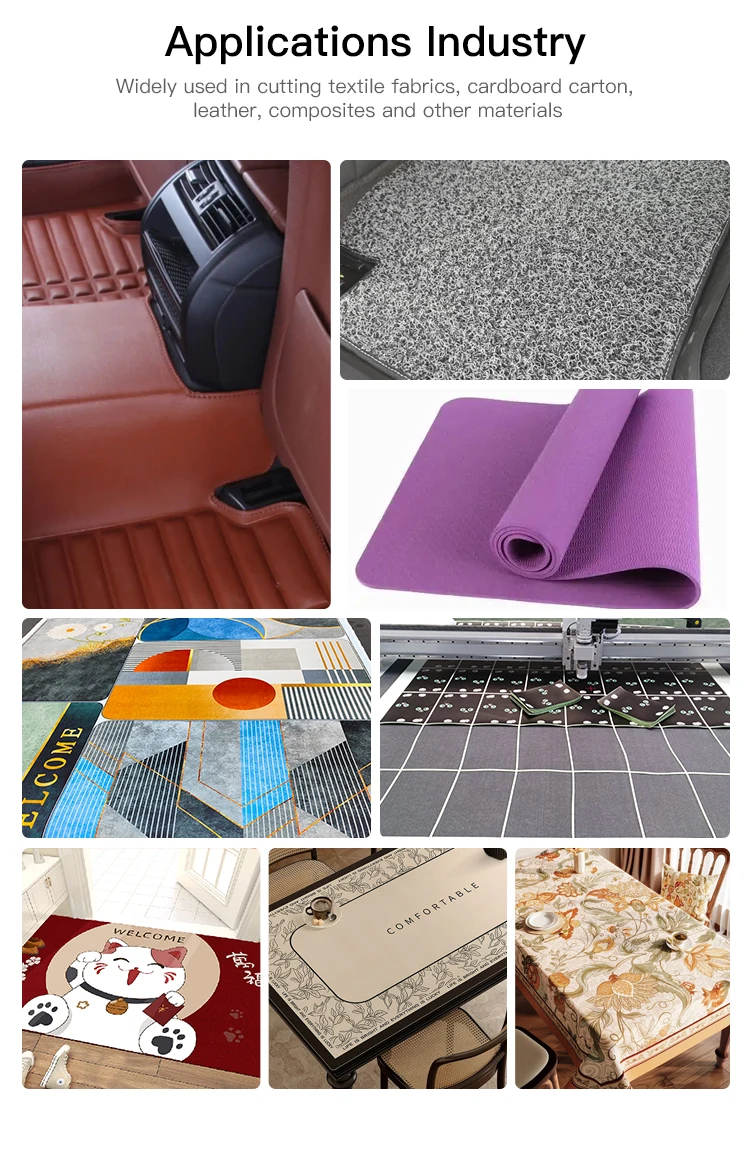
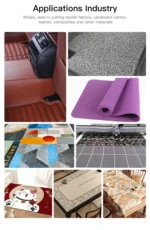
| Apparel manufacturing | Suits, knitwear, lace, pattern-matched layouts on woven and knit fabrics |
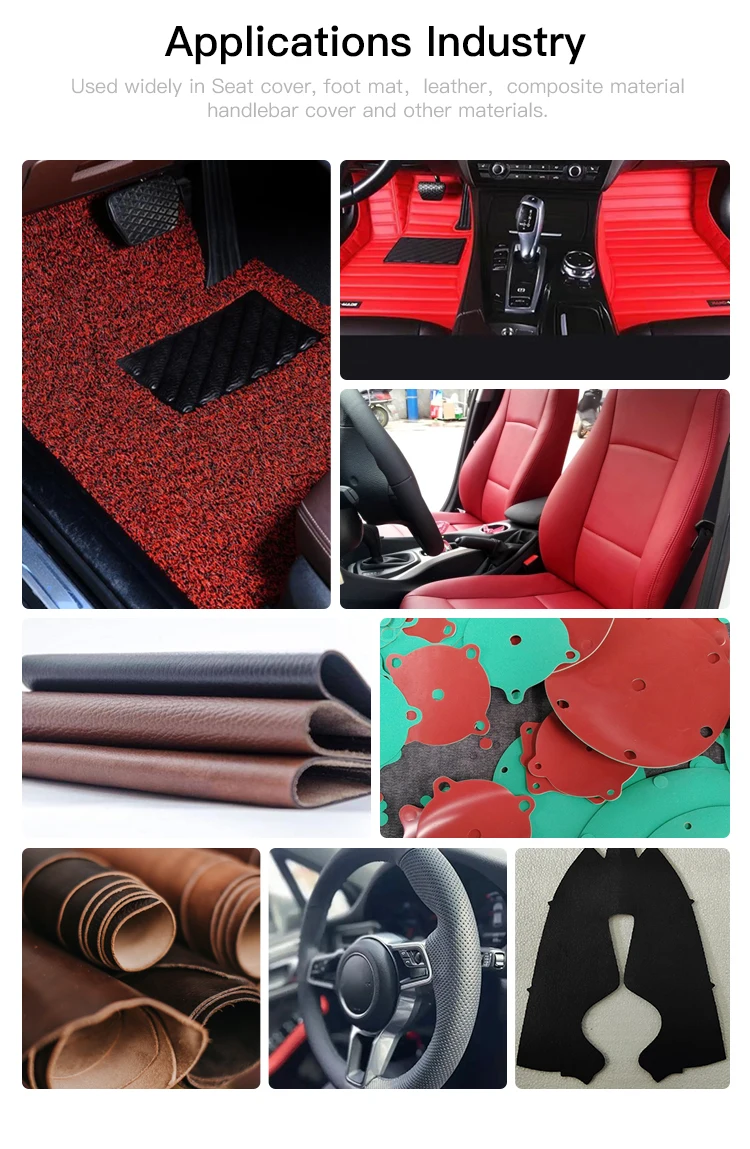
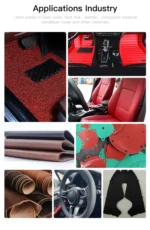
| Automotive interiors | Seat cover fabrics, carpets, PVC floor mats cut to burr-free tolerance |
| Home textiles | Sofa upholstery, curtains, rugs in single and multi-layer stacks |
| Composite material processing | Carbon fiber prepreg, aramid, and specialty woven materials |
Why Working Area Alone Fails Fabric Buyers
A machine specified only by table size, then discovered unable to cut the material thickness at production speed — this is the most common mismatch we see.
Cutting depth must be specified against fabric weight, weave structure, and layer count, not just working area.
A textile buyer purchases a large-format table assuming it handles their 40-layer polyester stack, only to find the oscillating knife stalls or deflects at full speed. The vacuum table may be sized correctly, but if the pump cannot hold thin synthetic layers flat under the knife, edge accuracy drifts across the cut path. A CNC Oscillating Knife Cutting Table manufacturer should document what each configuration actually cuts before taking the order [NEED_CITE: industrial cutting equipment specification standards].
Tool Head Selection Drives Edge Quality on Textiles
Different fabrics demand different cutting actions. A driven rotary knife slices through loose-weave knits without pulling fibers, while an oscillating knife handles denser woven materials and multi-layer stacks. The tool head is not an accessory choice — it determines whether the cut edge is clean or frayed. We match the head to the buyer’s heaviest fabric in the production mix, then verify with a sample cut on that exact material.
Vacuum Holding and Small Pattern Stability
The aluminum bellows vacuum table provides flat, stable material holding during high-speed cutting runs. For garment factories cutting small collar pieces, cuff panels, or intricate lace motifs, standard full-table suction often fails — small parts lift and shift under knife pressure. Zoning the vacuum table into independent sectors ensures each pattern piece stays locked regardless of how much surface area it covers.
CCD Contour Recognition for Printed Textiles
Printed fabrics with registered patterns require camera-based contour tracking. The CCD positioning system reads printed marks on the textile surface and adjusts the cut path in real time. This is essential for apparel producers cutting striped or patterned material where the print must align precisely at every seam [NEED_CITE: optical registration systems in textile cutting].
Reading the Specs That Matter for Fabric Cutting
The ±0.1 mm cutting accuracy spec means little if the vacuum table cannot hold the buyer’s specific fabric flat. On lightweight synthetics, insufficient suction causes material drift that exceeds any stated tolerance. The 9 kW vacuum pump must be evaluated against the porosity of the textile — open-weave fabrics leak vacuum and require zone-specific sealing or reduced-zone activation. Servo drive selection (Panasonic, Delta, or Dorna) affects acceleration behavior; aggressive acceleration on slippery fabrics causes layer shift in multi-layer stacks. File format compatibility must be confirmed against the buyer’s existing DXF or AI nesting files before the order is placed, not after delivery.
The Hidden Cost of Skipping Material Trials
When the tool head is wrong for the fabric, the consequences appear on the production floor days after installation. Ragged edges require secondary trimming labor. Crushed foam or puckered knit fabric generates reject piles. A vacuum table without proper zoning means small pattern pieces lift mid-cut, producing out-of-tolerance parts that only get caught during sewing assembly. These are not adjustment issues — they are specification failures [NEED_CITE: common causes of cutting defects in textile manufacturing].
Why Source This Machine from Our Jinan Facility
In-house design covers both oscillating knife and laser cutting technologies, so the cutting method is matched to the fabric rather than forced into a single process. Tool head and table configuration are specified per material type and production volume, not picked from a default list. CCD camera positioning is available for printed contour work on patterned textiles when the application requires it. Software compatibility is confirmed against the buyer’s existing nesting workflow before the order enters production. Voltage, control language, and plug type are customized to the destination market. Every machine undergoes sample cutting on the buyer’s own fabric material before commitment.
Documentation & Verification
- Sample cutting report on buyer’s own fabric documenting edge quality and layer capacity
- Electrical schematic with voltage and frequency confirmed for the destination market
- Tool head and vacuum table configuration list tied to specific material and volume
- Factory test record with actual cut samples shipped alongside the machine
- Software licence with confirmed DXF/AI/PDF file format compatibility note
- Spare parts list with oscillating knife blades and wear components itemized
Installation, Commissioning & Support
- 3300×2100×1350 mm footprint requires level concrete floor with clearance for material feed on all sides
- 9 kW vacuum pump plus servo drives require dedicated circuit at confirmed voltage and frequency
- Machine ships as a single assembly; vacuum table and frame bolt on site with included hardware
- First-run calibration sets knife depth, oscillation frequency, and vacuum zone mapping to buyer’s fabric
- Operator training covers tool head changeover, nesting file import, and CCD contour setup
- Consumable blade supply and maintenance schedule provided for the first production year
What to Prepare Before Requesting a Quotation
We need your fabric type, weight per square meter, single-layer or multi-layer cutting requirement, maximum stack thickness, and daily cut piece volume. Share your existing nesting file format and confirm the local voltage and frequency at your facility. If your production involves printed patterns requiring contour recognition, send a printed sample so we can test CCD tracking accuracy.
Frequently Asked Questions
Q: How is cutting thickness verified for my specific fabric type and layer configuration?
A: We run a sample cut on your actual fabric at the intended layer count and stack height. The report documents edge quality, knife deflection, and whether the vacuum table holds the stack flat. This determines the tool head and oscillation frequency we configure before shipment.
Q: Which tool head is recommended for my material — and can I see a sample cut?
A: Oscillating knife handles dense wovens and multi-layer stacks; driven rotary suits loose knits. We recommend based on your heaviest fabric and provide a sample cut on your material showing edge condition at production speed before you commit to the order.
Q: Is the vacuum table zoned for small pattern pieces, or will material lift during cutting?
A: The aluminum bellows table can be configured with independent vacuum zones. For garment factories cutting small collar or cuff panels, zoned suction prevents material lift under the knife. We confirm zone layout against your typical pattern nesting before build.
Q: Can the software import my existing DXF or AI nesting files without redrawing?
A: The system supports PLT, DXF, AI, and PDF formats. We test your actual files through the nesting software before order confirmation to ensure layer import, piece counting, and tool path generation work without manual re-drawing.
Q: What voltage, plug type, and control language are confirmed before shipment?
A: We confirm voltage, frequency, plug standard, and PLC control panel language for your destination market during the specification stage. The electrical schematic is reviewed with your team before production begins to prevent on-site wiring mismatches.
You may also like

商品评价
Clear filtersThere are no reviews yet.