




-
 Courier delivery
-
 DHL Courier delivery
-
 Warranty 1 year
-
 Free 30-Day returns

In-house design authority — tool heads, vacuum zoning and frame geometry specified by our own engineering team, not adapted from third-party kits.
Technical Specifications
| Parameter | Value |
|---|---|
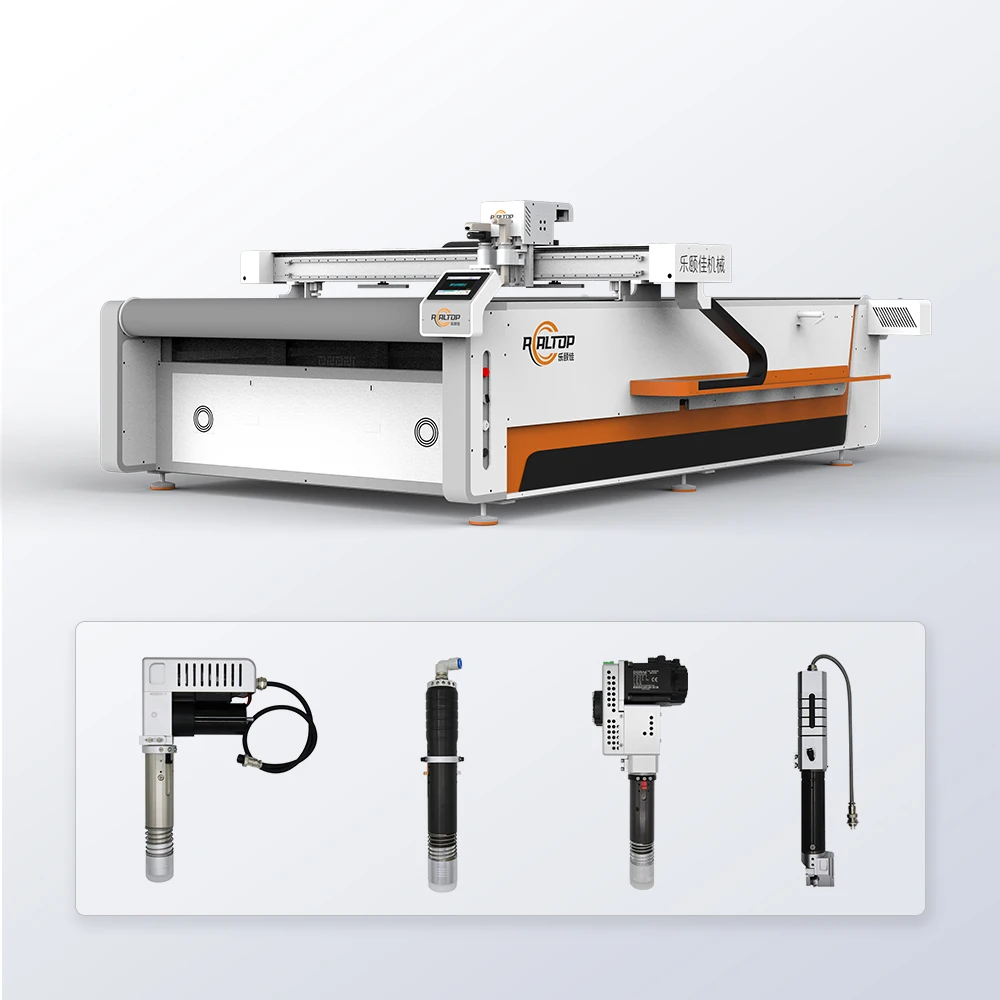
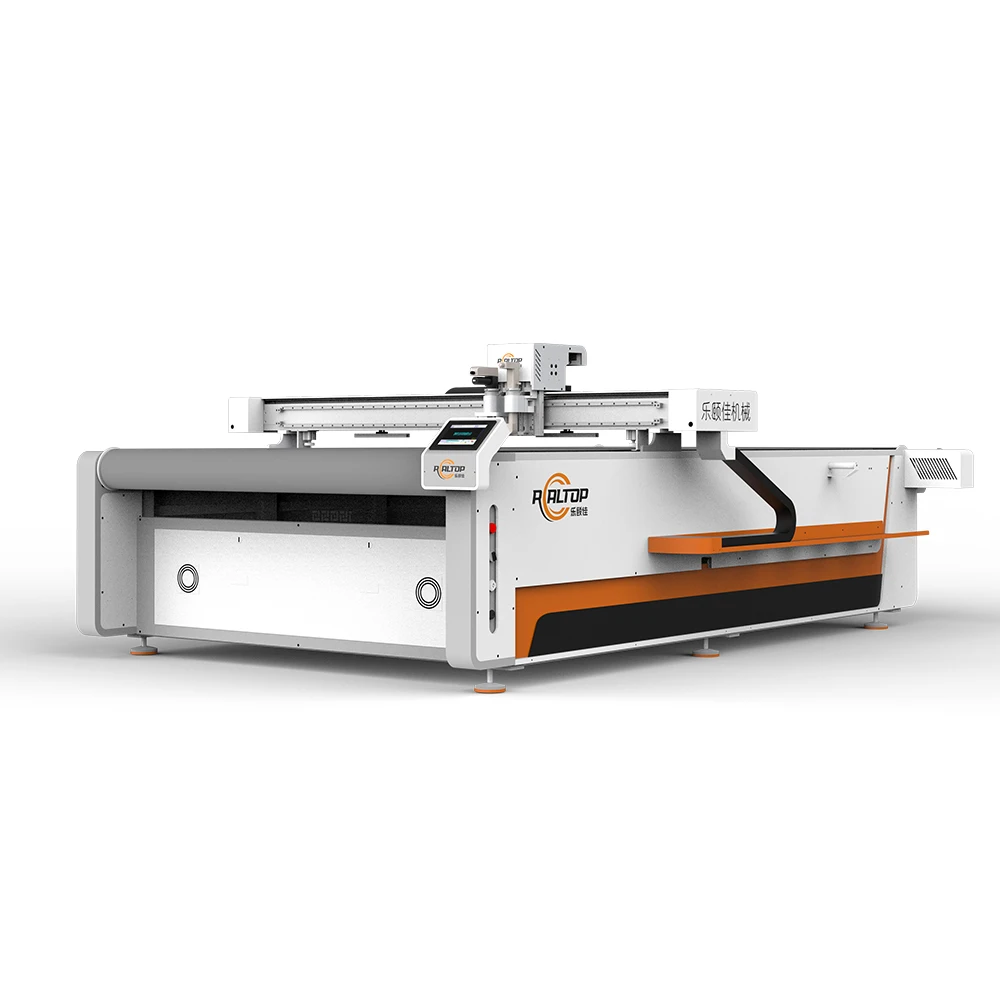
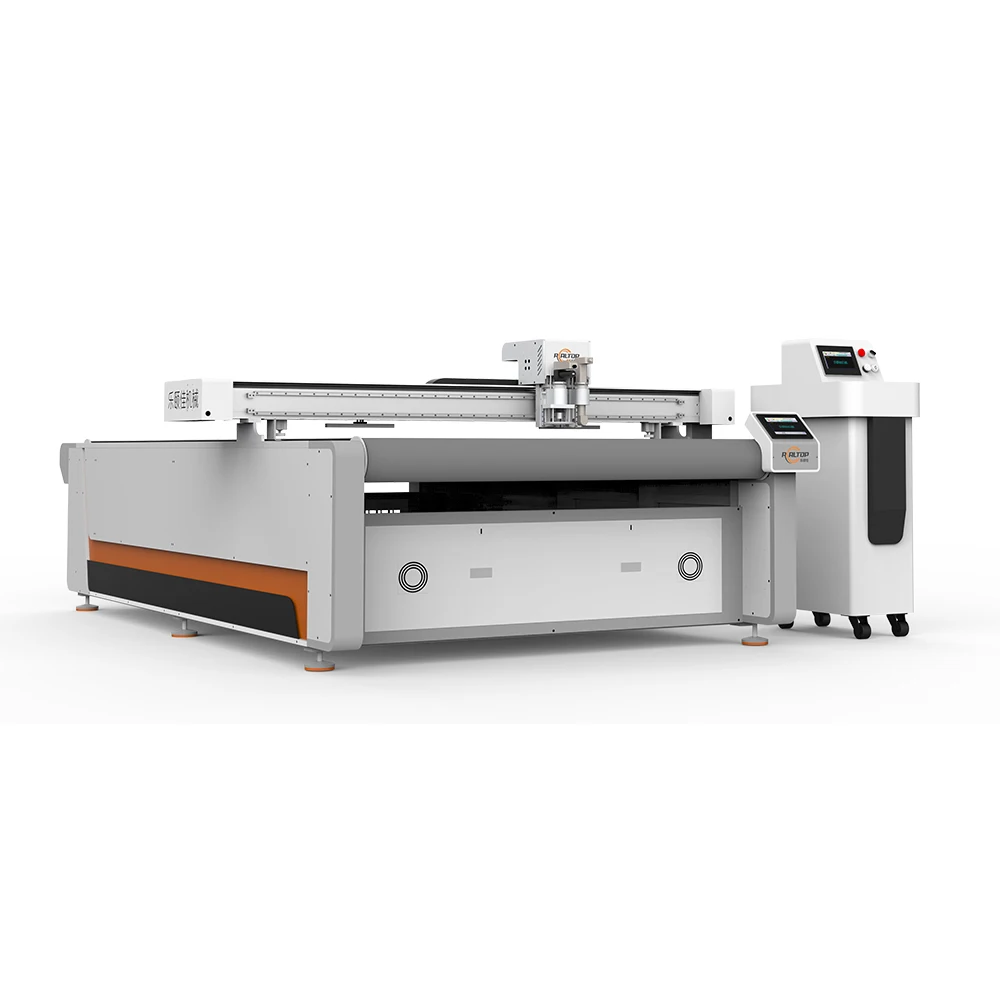
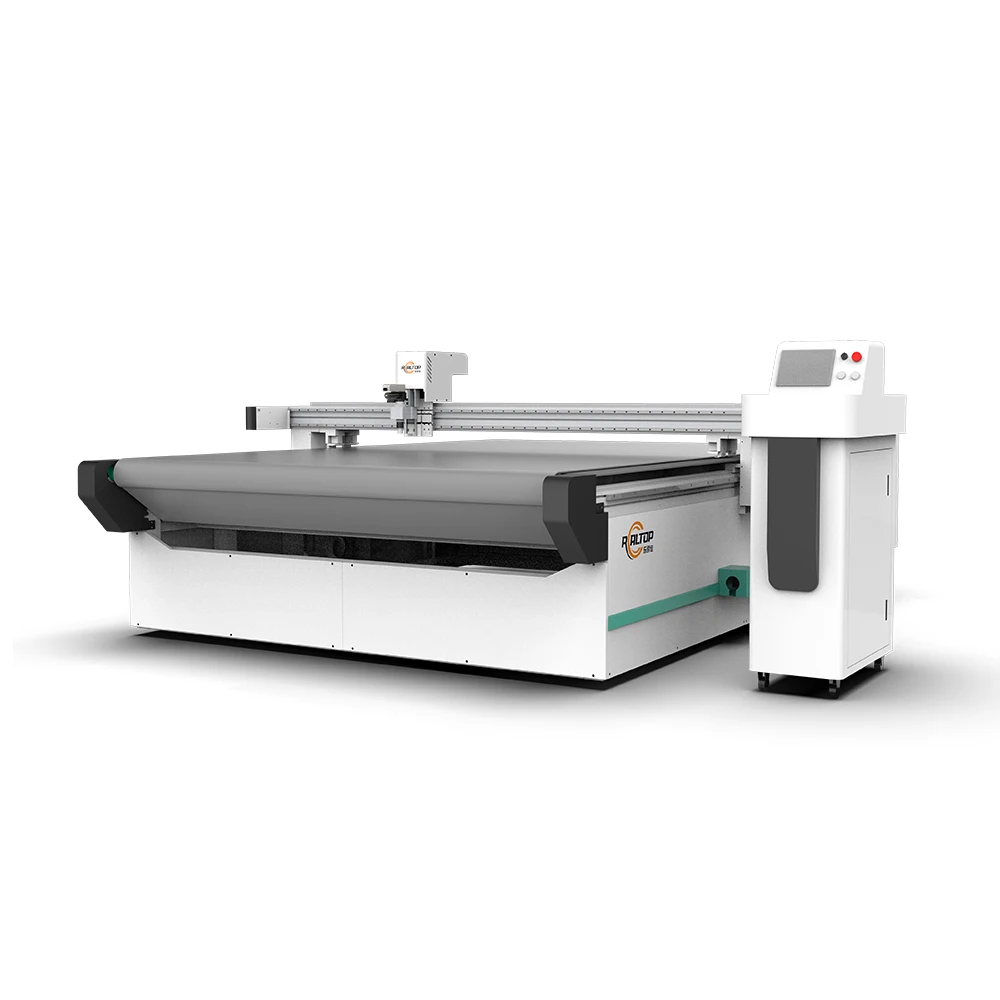
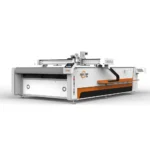
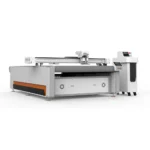
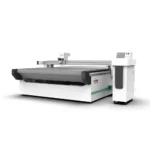
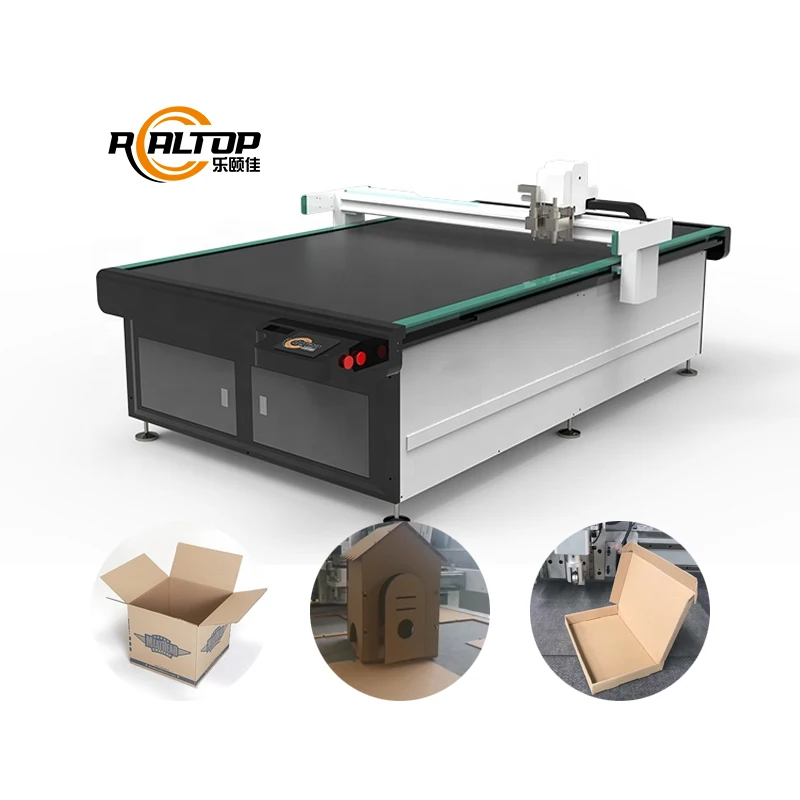
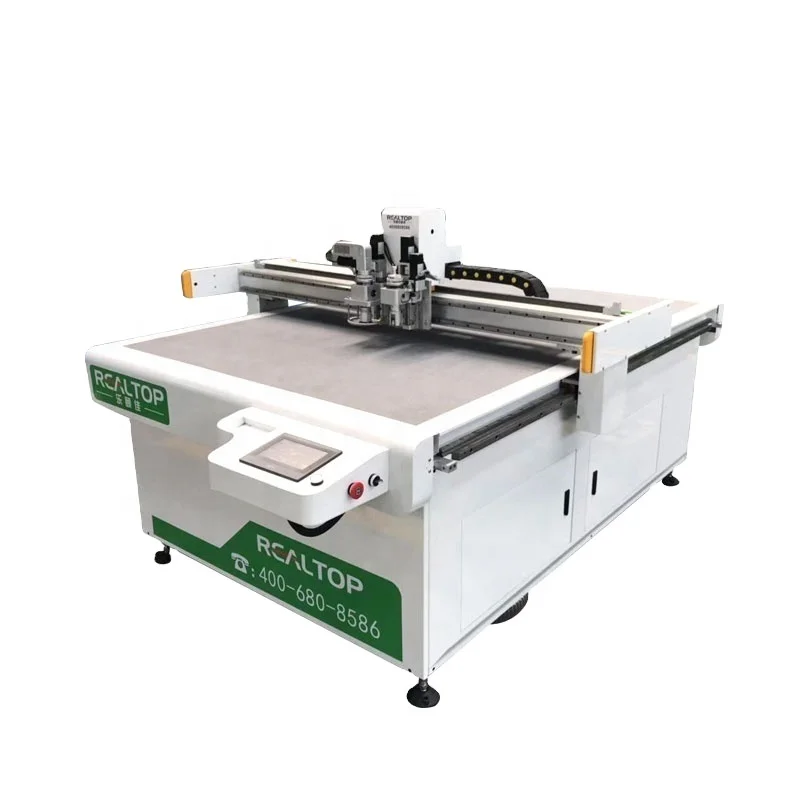
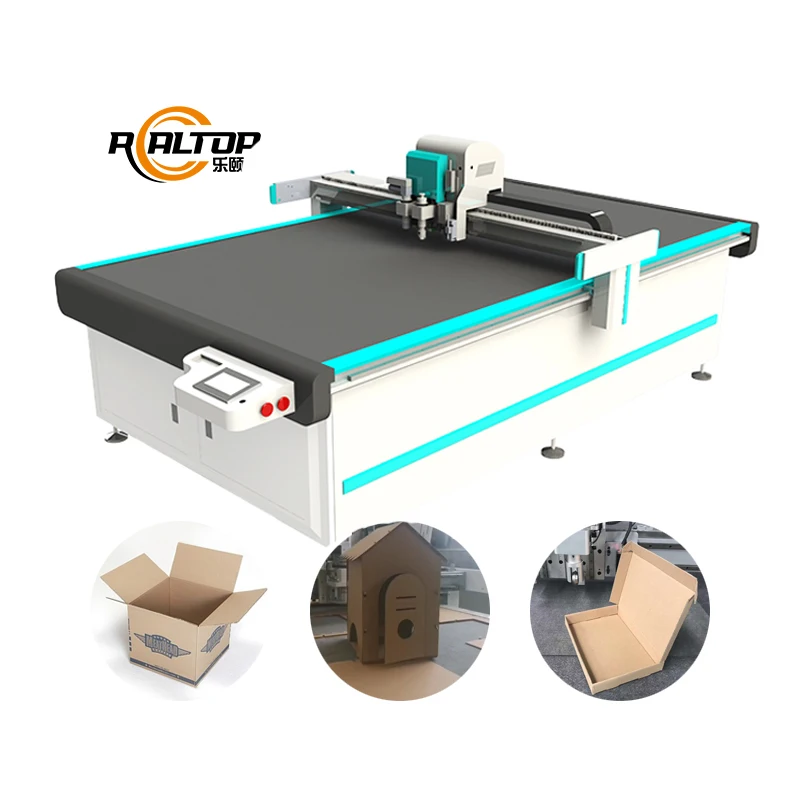
| Product Type | CNC Oscillating Knife Cutting Machine for Textile |
| Working Area | 1600 × 2500 mm |
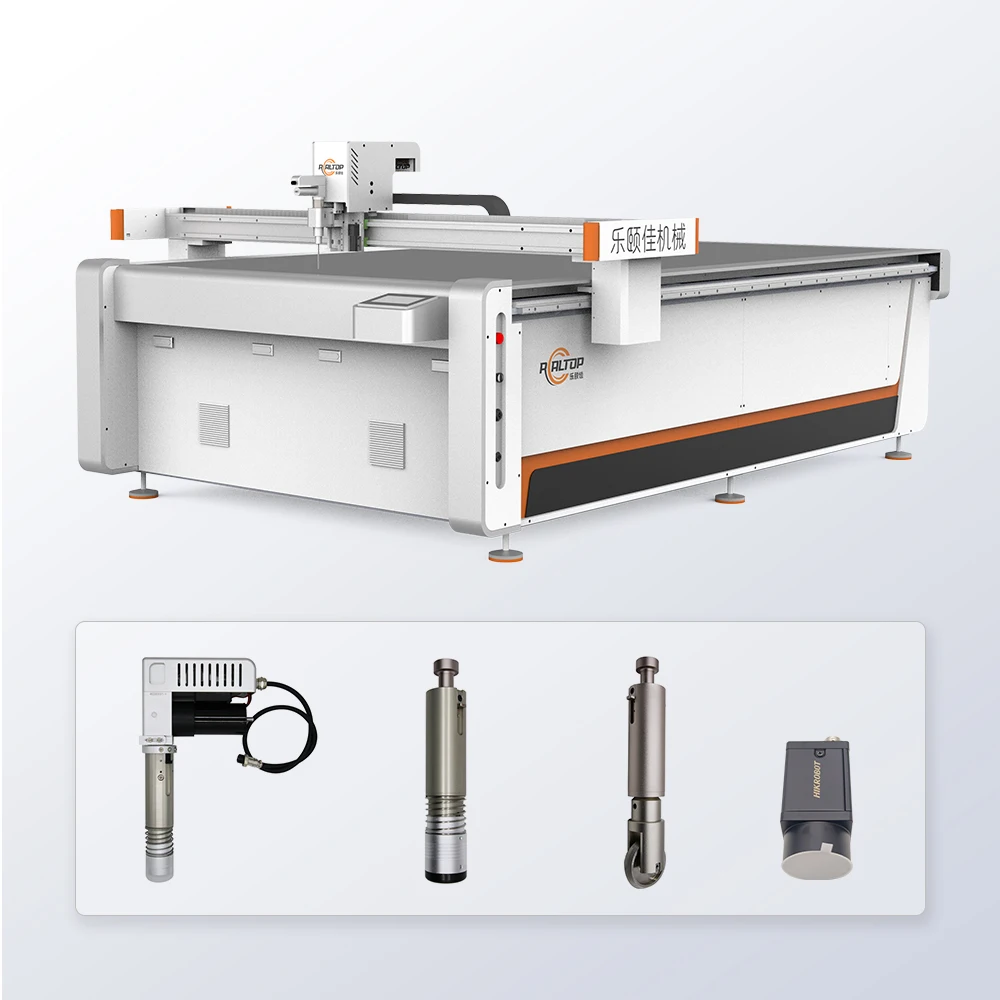
| Tool Head Options | Oscillating knife, driven rotary knife, creasing wheel, kiss cutting tool, pneumatic knife, milling tool, V-groove knife |
| Cutting Speed | 0–2000 mm/s |
| Cutting Thickness | ≤ 30 mm (basis not stated in source — confirm material type and density) |
| Cutting Accuracy | ±0.1 mm |
| Vacuum Pump | 9 kW |
| Vacuum Table | Aluminum bellows vacuum table |
| Control System | PLC control panel |
| Machine Frame | Heavy-duty frame with precision-ground surface |
| Voltage Options | 110 V, 220 V, 380 V |
| Overall Dimensions (L×W×H) | 3300 × 2100 × 1350 mm |
| Profile Formats | PLT, DXF, AI, PDF |
| Safety Devices | Infrared sensor device, emergency stop |
| Software Languages | English, Russian, Italian, Chinese (special languages customizable) |
| Servo Motors | Panasonic, Delta, Dorna (source value — verify against manufacturer catalog) |
| Certification | CE |
Application Suitability
| Application | Material or Output |
|---|---|
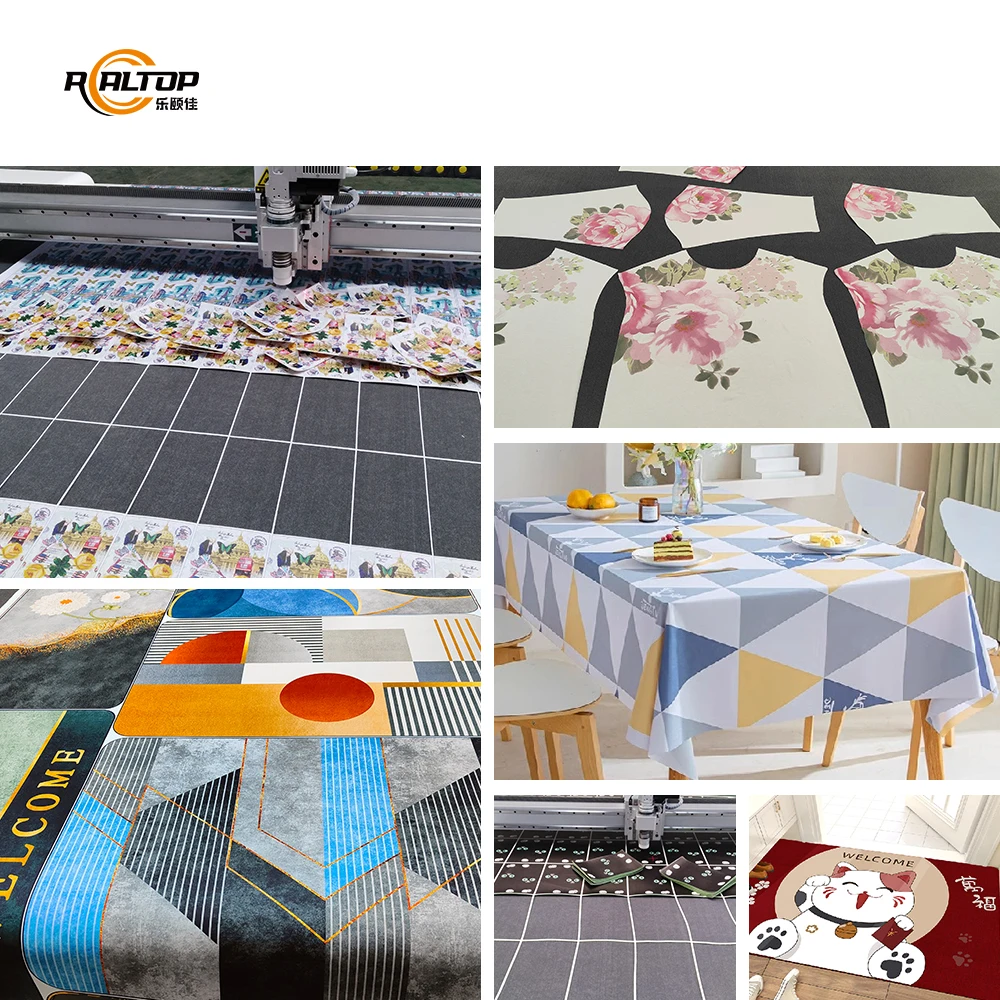
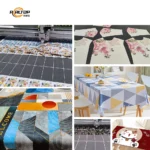
| Garment and fashion cutting | Silk scarves, chiffon, organza, crepe de chine, lace |
| Apparel mass production | Suits, knitwear, multi-layer pattern-matching layouts |
| Automotive interior textiles | Seat fabrics, carpets, PVC mats |
| Home textile processing | Sofa fabrics, curtains, rugs, multi-layer cutting |
| Composite and technical textiles | Carbon fiber prepreg, aramid, specialty materials |
Why the Voltage Question Should Come Before the Price
A CNC oscillating knife cutting machine manufacturer that skips voltage confirmation is selling a liability, not a machine.
I once watched a container arrive at a Chilean distributor’s warehouse. The machine ran fine on the factory test bench at 380 V. In Santiago, the facility was wired for 220 V with a neutral that drifted under load. The PLC controller threw faults within the first hour, and the servo drives refused to calibrate. Three days of installation vanished because a two-line form was never filled out [NEED_CITE: voltage and frequency standards by export market].
The same logic applies to software language and file format. A production manager in Lima sends DXF files from their nesting software. If the machine’s PLC cannot parse the nesting output, every pattern has to be manually re-entered. That is not a software glitch. That is a specification gap that should have been closed before the purchase order was signed.
Tool Head Selection Dictates Edge Quality
An oscillating knife cuts woven silk cleanly by vibrating at high frequency through the blade stroke, leaving the fibers sheared rather than torn. A driven rotary knife works differently — it rolls through the material and suits continuous curves on thicker knits. Confusing the two produces frayed edges on delicate scarves or sluggish cornering on heavy upholstery fabric. A CNC oscillating knife cutting machine manufacturer with multiple interchangeable tool heads lets you match the blade to the exact textile, not force a single head across incompatible materials.
Vacuum Zoning Holds Small Pieces Flat
When a scarf pattern leaves narrow offcuts near the table edge, a single-zone vacuum system loses grip on those smaller regions. The fabric lifts during the final passes, the blade catches the floating edge, and the entire piece is ruined. The aluminum bellows vacuum table on this machine is designed to maintain suction uniformity across the 1600 × 2500 mm working area. Proper zoning ensures that even a 150 mm wide strip stays pinned to the surface at full cutting speed [NEED_CITE: vacuum hold-down requirements for thin textile cutting].
Specs That Translate to Production Reality
The ±0.1 mm cutting accuracy matters most when pattern pieces must align after sewing — a sleeve cap and armhole that miss by even a millimeter create visible puckering on finished garments. The 9 kW vacuum pump provides enough suction force to grip multiple fabric layers simultaneously, which is critical for home textile runs cutting curtains or sofa panels in batches. The heavy-duty frame with precision-ground surface prevents vibration-induced drift during high-speed oscillation, keeping the blade path consistent from the first cut to the thousandth. PLC control with DXF, AI, PLT and PDF import means the machine slots into existing design workflows without forcing buyers to convert files through intermediary software.
The Hidden Cost of Wrong Configuration
A buyer specifies a machine by working area alone and assumes the tool head will handle any material that fits on the table. Then silk chiffon arrives on the production floor, the default oscillating frequency tears the fibers at the cut entry point, and an entire batch of scarves shows visible feathering along every seam line. The machine is not defective. The specification was incomplete [NEED_CITE: textile cutting tool head selection guidelines].
Why Source From This Factory
Every tool head and table configuration is specified in-house, matched to the buyer’s material type and daily production volume before the order is confirmed. The frame, motion components and vacuum system are built in the core factory, not assembled from sourced kits and rebranded. Sample cutting on the buyer’s own silk, chiffon or composite fabric is completed and documented before the machine ships — this is a hold point, not an optional extra. Voltage, plug type, control language and software compatibility are verified against the buyer’s facility data sheet prior to production. The design team adjusts machine parameters based on actual test results, not generic catalog promises.
Documentation & Verification
- Machine specification sheet listing confirmed tool head and vacuum table zoning for your textile type
- Electrical schematic and voltage confirmation matching your facility’s supply frequency and phase
- Sample cutting report on your own fabric stock showing edge quality and dimensional accuracy
- Factory test record documenting servo calibration, vacuum pressure and cutting cycle before dispatch
- Operation and maintenance manual with software license and supported file format compatibility notes
Installation, Commissioning & Support
- Heavy-duty frame requires level concrete floor capable of supporting 3300 × 2100 mm footprint plus operator clearance
- Dedicated electrical circuit matching confirmed voltage (110 V / 220 V / 380 V) with correct phase and breaker rating
- 9 kW vacuum pump connection requires separate ducting and adequate workshop extraction capacity
- PLC control panel configured to buyer’s language preference during commissioning with parameter sets saved per material
- Initial tool head calibration and vacuum zone mapping performed on buyer’s representative fabric samples on-site
- Spare parts list covering oscillating blades, rotary knife bearings and vacuum bellows seals provided at shipment
Before You Request a Quote
Send us the exact fabric type, weight in GSM, sheet or roll dimensions, and your typical daily cutting volume. Confirm your workshop voltage, phase and frequency, along with the control panel language your operators need. If you want a sample cutting test on your own material before commitment, ship a fabric roll or swatch kit so we can document edge quality and accuracy under real conditions.
Frequently Asked Questions
Q: How do you choose the right tool head for different fabrics?
A: Delicate woven textiles like silk and chiffon typically require a high-frequency oscillating knife for clean shearing, while heavier knits and multi-layer stacks may suit a driven rotary knife. We test multiple tool heads on your actual fabric and document edge quality before recommending a configuration. The selection depends on fiber type, weave density and layer count.
Q: Can the machine voltage and plug type be customized for my country?
A: Voltage is configurable across 110 V, 220 V and 380 V options, and plug type is matched to your local standard. We confirm the exact electrical specification against your facility data before production begins. The PLC control panel language is also set during this confirmation stage to match your operator team.
Q: What does the sample cutting process involve before ordering?
A: You send your fabric or material sample to the factory. We run cutting tests using your production files or representative patterns, then produce a sample cutting report documenting edge quality, dimensional accuracy and cutting speed. The report is reviewed with you before any purchase commitment is made.
Q: How do you handle spare parts and after-sales support?
A: A spare parts list is included at shipment covering consumable blades, vacuum seals and wear components. Our core factory design team provides technical support directly rather than through intermediaries. Replacement parts are supplied from the same production line that built your machine, ensuring configuration continuity.
You may also like

商品评价
Clear filtersThere are no reviews yet.