


-
 Courier delivery
-
 DHL Courier delivery
-
 Warranty 1 year
-
 Free 30-Day returns

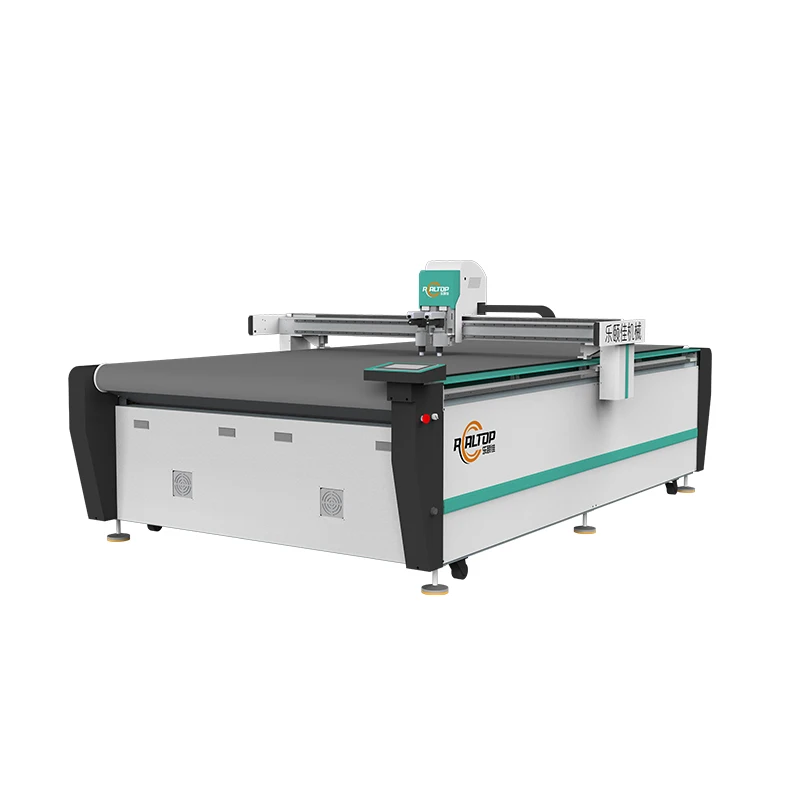
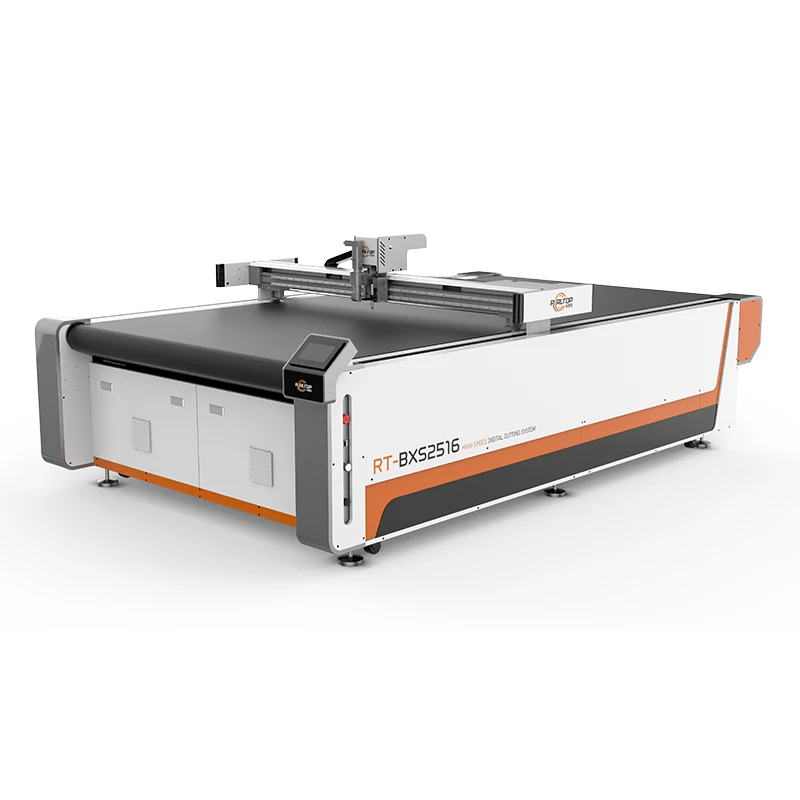
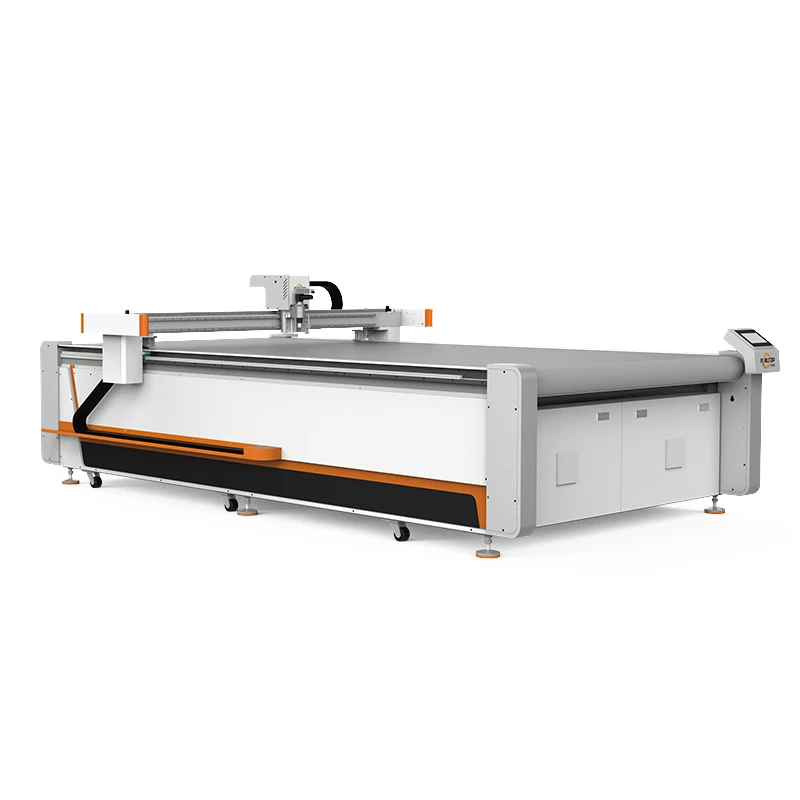
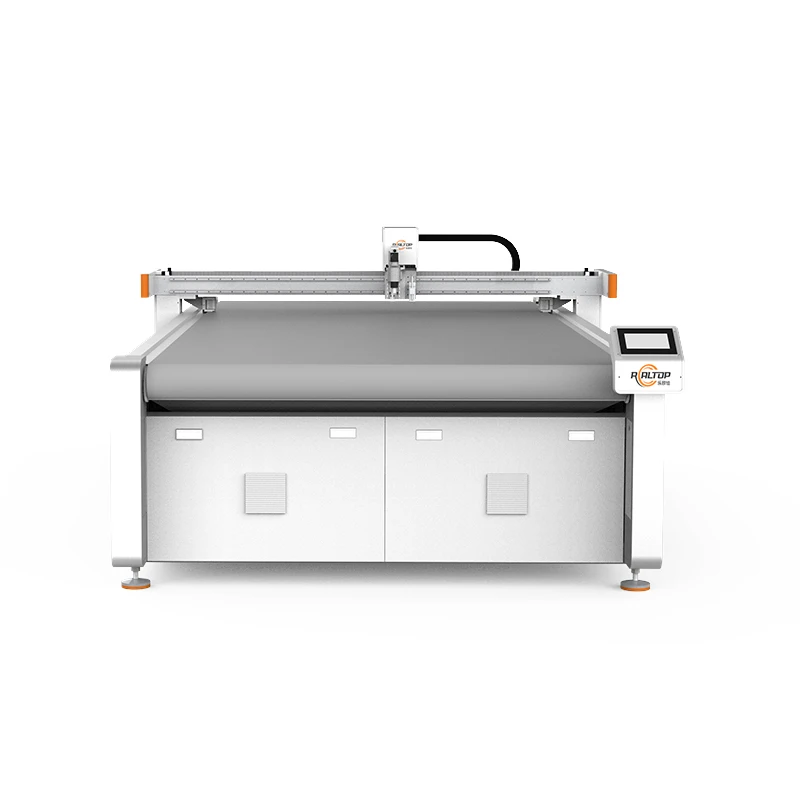
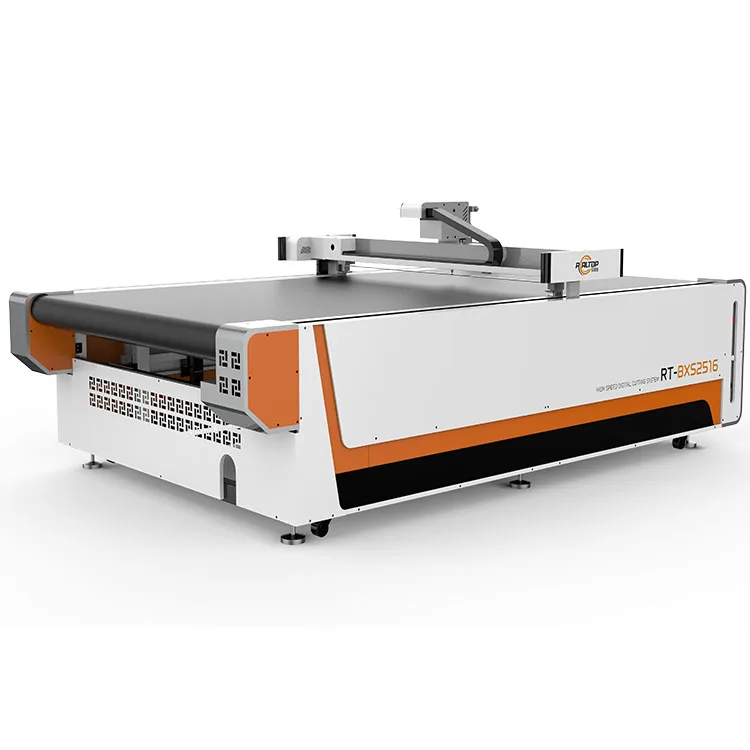
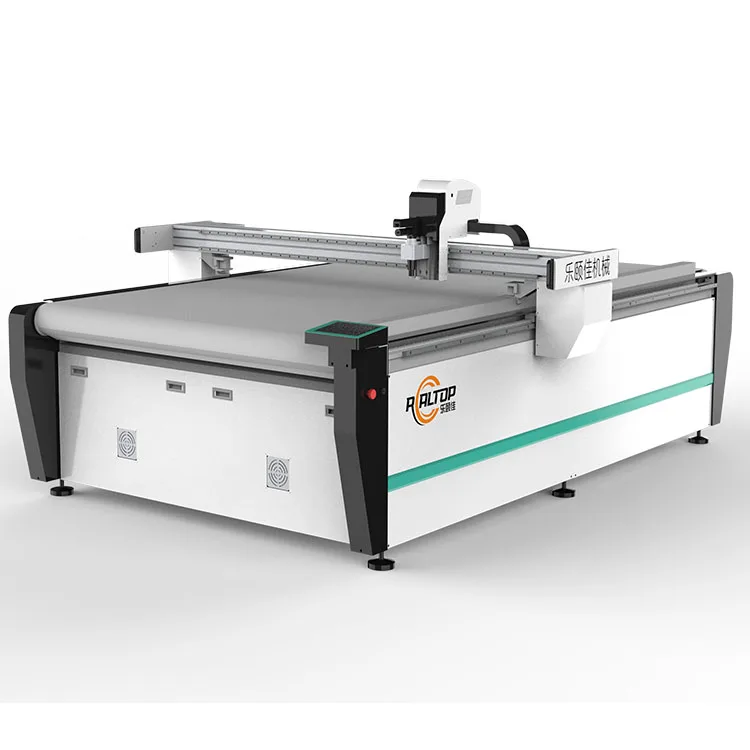
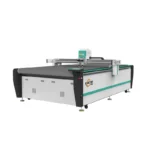
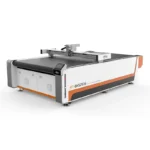
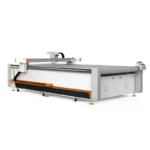
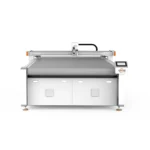
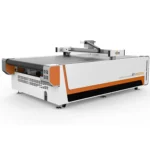
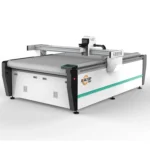
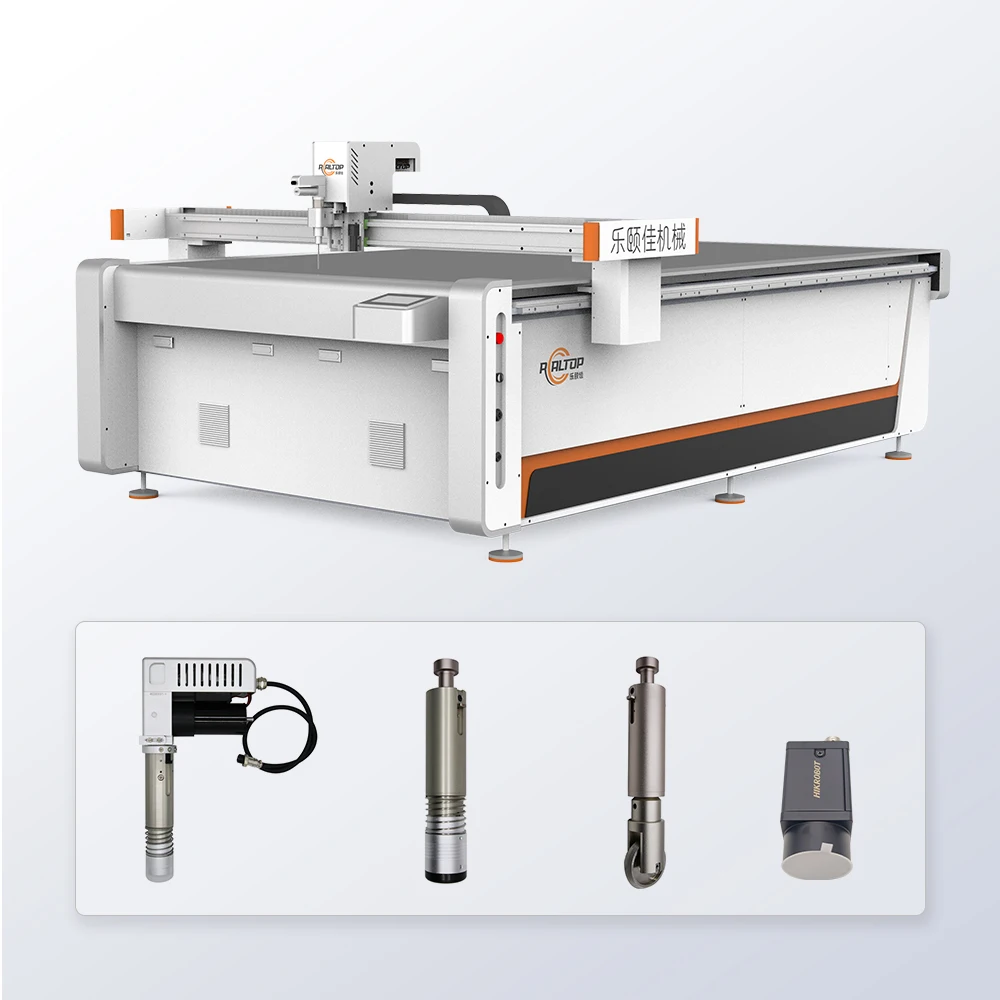
Tool Head and Table Configuration Specified per Leather Type — The RT-D2516/RT-S2516 platform allows buyers to match oscillating knife, drag knife, creasing wheel, punch and marking tools to the exact hide geometry and composite structure being processed, rather than accepting a fixed single-tool setup.
Technical Specifications
| Parameter | Value |
|---|---|
| Model | RT-D2516/RT-S2516 |
| Working Area | 1600×2500 mm |
| Machine Size | 3450×2300×1250 mm |
| Rated Power | 9 kW |
| Working Table | Flat vacuum adsorption table (magnesium-aluminum alloy, PVDF powder coated, anodic & hard oxidation) |
| Tool Head Options | Swiss imported knife (vibration full/half cutting + cursor location); oscillating knife, pneumatic knife, high-power vibrating knife, circular knife, V-cutting knife, drag knife, creasing wheel, dotted-line knife, punch, brush |
| Visual Positioning | Small CCD camera mark-point positioning; panoramic camera recognition; projection positioning |
| Translational Velocity | 800–1200 mm/s |
| Cutting Thickness | 20–80 mm (varies by material; source value — verify against manufacturer catalog) |
| Repeatability | ≤0.1 mm |
| Transmission System | Digital servo motor (Delta or Panasonic, IP67), linear guide, synchronous belt, ball screw |
| Rail | Taiwan Hiwin |
| Control Format | HP-GL compatible |
| Voltage | 380V ±10% |
| Vacuum Pump | 7.5 kW integrated aviation-aluminum shell with built-in silencer sponge |
| Conveyor | German imported conveyor belt with auto feeding |
| Safety Devices | Infrared sensor stop, beam anti-collision sensors, emergency stop button |
| Software Language | English, Russian, Italian, Chinese (others customizable) |
| Functions | Full-size cutting, kiss cutting, slot milling, punching, inkjet, drawing/marking |
Application Suitability
| Application | Material or Output |
|---|---|
| Footwear upper cutting | Natural and synthetic leather hides |
| Bag and leather goods pattern nesting | Cowhide, sheepskin, PU and microfiber leather with flaw avoidance |
| Automotive interior trimming | Sponge composite leather, PVC and soft-touch laminates |
| Gasket and seal fabrication | Silicone, rubber and flexible composite sheets |
| Apparel flexible material cutting | Composite fabrics and multi-layer textile stacks |
| Printed contour extraction | Hides with printed registration marks using CCD mark-point positioning |
Why the Wrong Tool Head Ruins Your Leather Yield
Selecting an oscillating knife for a material that actually requires a high-power vibrating knife or a drag knife produces ragged edges on natural hides and crushed layers on composite leather. The CNC oscillating knife leather cutting machine manufacturer must match tool geometry to the exact material density and thickness before the order is placed, not after the machine arrives.
Every hide type demands a different blade angle, oscillation frequency and downward pressure.
A buyer cutting 2 mm sheepskin for bag linings needs a completely different tool setup than one processing 5 mm sponge-backed PVC for automotive door panels. I have seen leather workshops running standard oscillating blades through玻纤-reinforced composites, only to find the edge fraying within the first few cuts and blade replacement becoming a daily event. The carriage on the RT-D2516/RT-S2516 accepts multiple tool heads simultaneously — Swiss imported oscillating knife, drag knife, creasing wheel, punch and marking pen — so the configuration changes with the job, not with the machine. [NEED_CITE: tool head selection criteria for composite leather materials]
Multi-Head Carriage for Mixed Leather Operations
The RT-D2516/RT-S2516 tool carriage holds several heads at once, allowing a single cutting cycle to switch between full cutting, kiss cutting, creasing, punching and ink marking without manual tool changes. For shoe factories cutting uppers from natural hides, this means the perimeter cut, stitch-hole punching and fold-line creasing all complete in one pass. The CNC oscillating knife leather cutting machine manufacturer configures which heads populate the carriage based on the buyer’s material list and edge-quality specification before the build begins.
Vacuum Zoning That Holds Small Leather Parts Flat
Small leather components — watch straps, card-holder panels, shoe tongue pieces — tend to lift off the table during high-speed cutting if vacuum suction is uneven across the bed. The magnesium-aluminum alloy table on this platform uses zoned adsorption channels with PVDF powder coating and hard anodic oxidation to maintain flat holding force even on irregularly shaped pieces. The 7.5 kW vacuum pump with aviation-aluminum shell and integrated silencer sponge delivers consistent suction across the full 1600×2500 mm surface. [NEED_CITE: vacuum adsorption zoning standards for flatbed cutting tables]
Reading the Specs That Actually Matter in Production
The Delta or Panasonic IP67-rated servo motors paired with Taiwan Hiwin linear guides give the RT-D2516/RT-S2516 a repeatability of ≤0.1 mm — a tolerance that directly affects how well nested patterns fit on irregular natural hides where every millimeter of yield counts. Translational velocity of 800–1200 mm/s matters less than the deceleration accuracy at curve endpoints; a machine that overshoots at corners wastes more leather than one that runs slightly slower but stops precisely. The HP-GL control format ensures compatibility with common nesting software used in footwear and leather goods factories. Cutting thickness of 20–80 mm varies significantly depending on material density, so a buyer processing dense rubber gaskets will see different effective depth than one cutting soft sponge composite. Voltage at 380V ±10% must be confirmed against the destination market’s supply standard before shipment to avoid motor damage on first startup.
The Hidden Cost of Skipping Material Testing
When a machine is specified only by working area and the buyer never sends a sample hide for testing, the tool head arrives mismatched to the actual material. I worked on a project where a customer ordered a standard oscillating knife setup for automotive seat cushion covers, tested the sample with regular PU leather, then ran reinforced composite material in production — the blade wore out every three days. The fix required a reinforced tool holder and adjusted oscillation parameters. Without a pre-shipment sample cutting report on the buyer’s exact material, these mismatches only surface after the machine is installed and production deadlines are already slipping. [NEED_CITE: material sample testing protocols for CNC cutting equipment procurement]
Why Buyers Source This Platform From the Core Factory
The RT-D2516/RT-S2516 is designed and built in-house, covering both knife cutting and the supporting vacuum and vision systems under one production line. The design team specifies tool head, table zoning and CCD positioning per leather type rather than selling a fixed configuration off the shelf. CCD mark-point positioning and panoramic camera recognition are calibrated against the buyer’s printed hide format before dispatch. Software compatibility with the buyer’s existing nesting workflow is confirmed during the order stage, not discovered at commissioning. Voltage, control language and plug type are locked in before the electrical panel is wired, matching the destination workshop’s supply.
Documentation & Verification
- Machine specification sheet listing every tool head and vacuum zone configured for your leather type
- Sample cutting report produced on your own hide material at production thickness
- Electrical schematic with voltage and frequency confirmed for your destination market
- Software licence and HP-GL file format compatibility note for your nesting workflow
- Factory test record showing repeatability and CCD tracking at rated speed before dispatch
- Spare parts list matched to the specific blade and tool holders installed on your carriage
Installation, Commissioning & Support
- 3450×2300 mm machine footprint requires level concrete floor with clearance for auto-feeding conveyor
- 9 kW rated power plus 7.5 kW vacuum pump need dedicated three-phase 380V circuit with proper breaker sizing
- Magnesium-aluminum vacuum table arrives pre-assembled; beam and gantry require on-site alignment
- First-run calibration includes servo tuning, vacuum zone balancing and CCD mark registration on your hides
- Operator training covers HP-GL file import, tool head changeover and nesting software integration
- Swiss imported knife blades and creasing wheels included as initial spare set with reorder part numbers
What to Include With Your Inquiry
Send the leather type, thickness and hide dimensions you process most frequently, along with your daily cutting volume and any existing nesting software you use. Specify the voltage and frequency at your workshop, preferred control language, and whether you need the auto-feeding conveyor for roll stock or sheet feeding. If you can ship a sample hide to our facility, we will run a cutting test and return a report before you commit to the order.
Frequently Asked Questions
Q: How is the tool head matched to different leather types and thicknesses?
A: The carriage supports multiple heads simultaneously, and the selection depends on your material density, thickness and edge-quality requirement. Natural cowhide for shoe uppers typically uses the Swiss imported oscillating knife, while sponge composite leather for automotive interiors may need a high-power vibrating knife. We test on your sample material before finalizing the configuration.
Q: Does CCD contour recognition keep up at production cutting speed?
A: The small CCD camera handles mark-point positioning for printed registration marks, and the panoramic camera option covers larger contour recognition tasks. Tracking accuracy depends on mark contrast and print quality on the hide. We verify recognition performance at production translational velocity during the factory test using your actual printed material.
Q: How does the vacuum table prevent small leather parts from lifting?
A: The magnesium-aluminum table uses zoned adsorption channels that distribute suction across the 1600×2500 mm surface. Small pieces like watch straps and shoe components hold flat because the zoning maintains localized vacuum pressure. The 7.5 kW pump provides sufficient flow to keep parts stable even at the 800–1200 mm/s translational speed range.
Q: What electrical and language confirmations happen before shipment?
A: Voltage at 380V ±10% is verified against your workshop supply standard, and frequency compatibility is confirmed on the electrical schematic. Control language — available in English, Russian, Italian, Chinese or other options — is set before the panel is wired. These details are documented in the specification sheet you approve before production starts.
Q: Can the working area or conveyor setup be customized?
A: The RT-D2516/RT-S2516 platform is built from the core factory, so working area dimensions, tool head count and conveyor configuration can be adjusted to your production layout. The German imported auto-feeding conveyor belt is standard but can be omitted for sheet-only operations. Custom requirements are addressed during the configuration stage before the build begins.
You may also like

商品评价
Clear filtersThere are no reviews yet.