







-
 Courier delivery
-
 DHL Courier delivery
-
 Warranty 1 year
-
 Free 30-Day returns

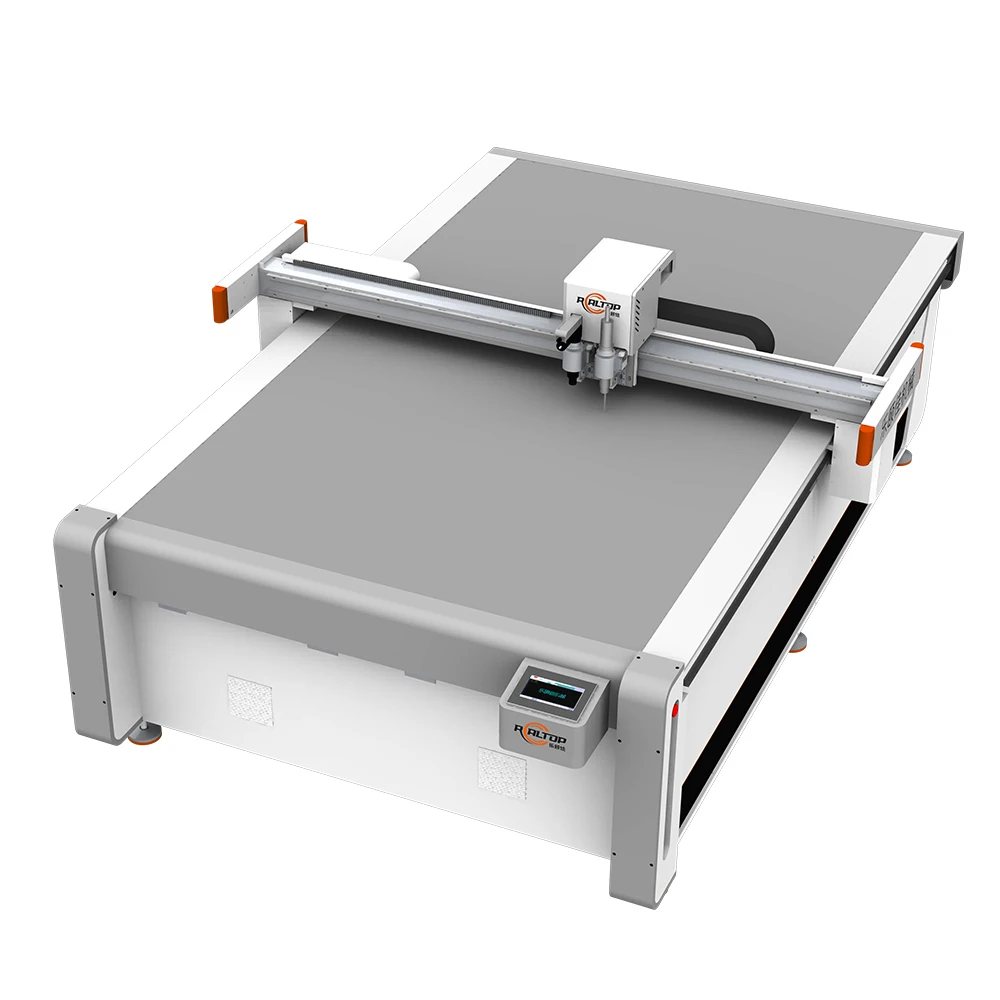
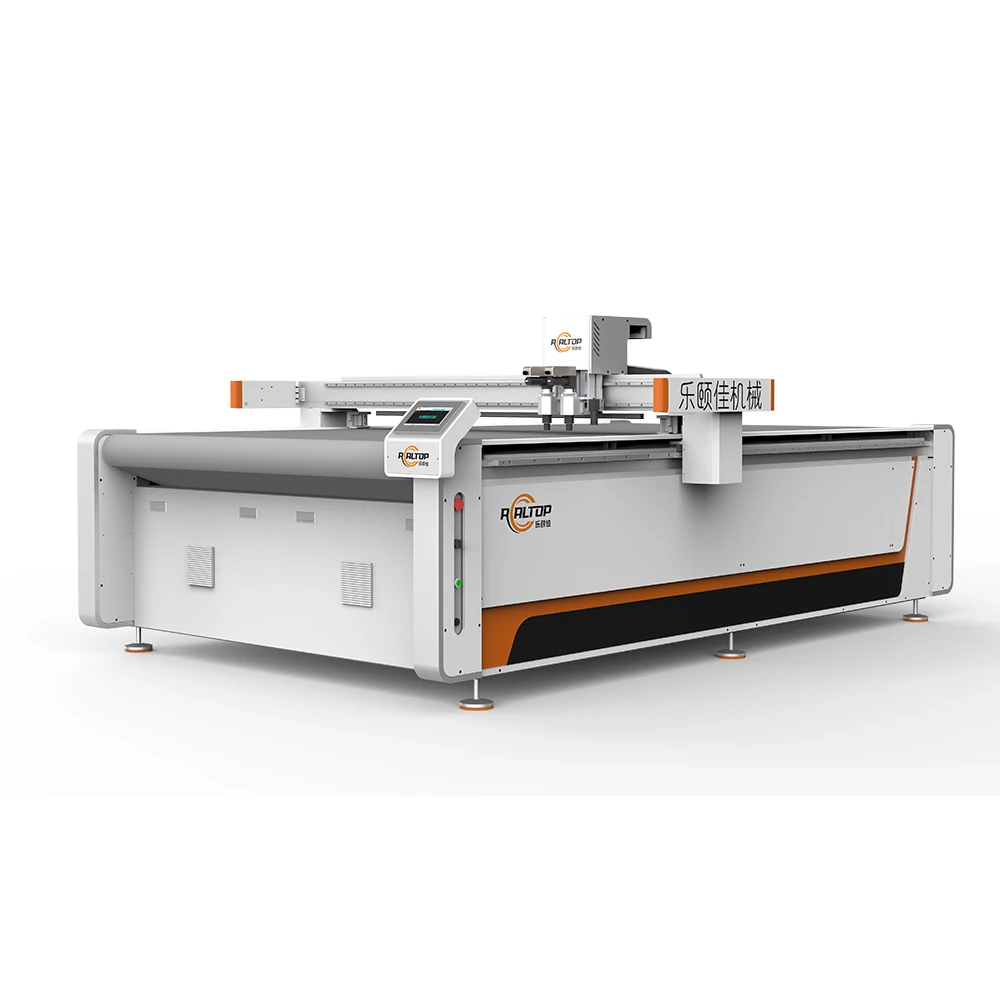
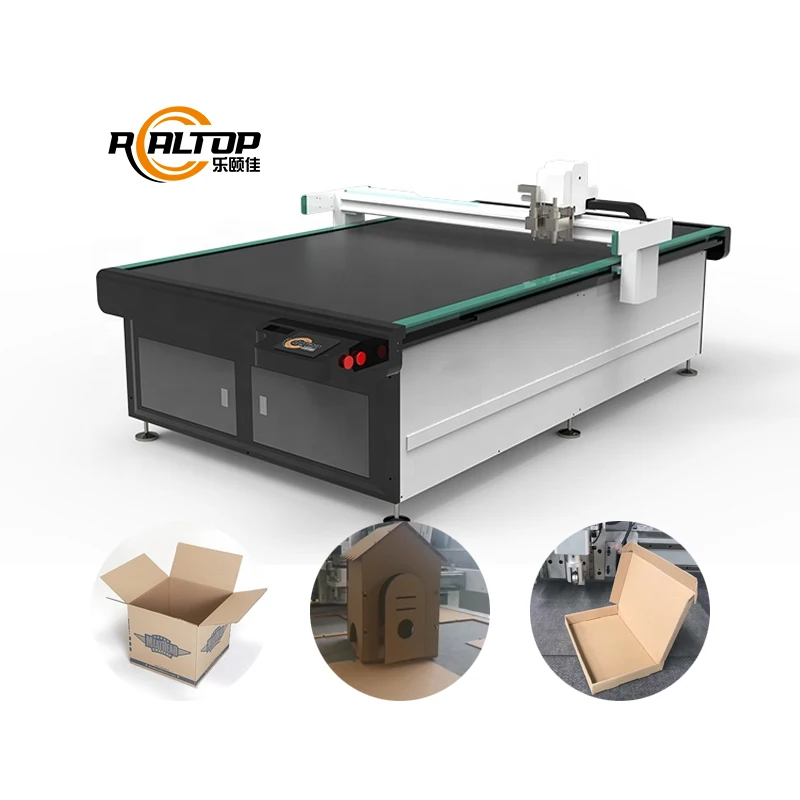
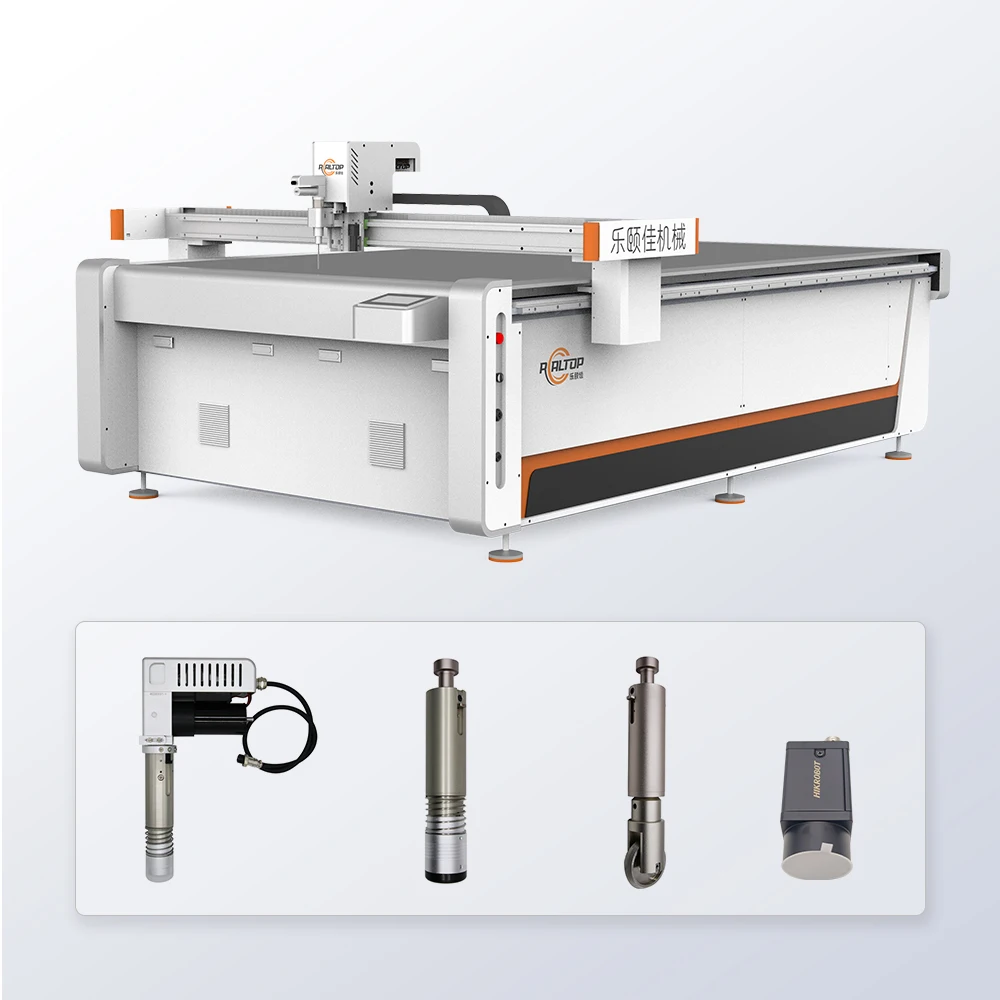
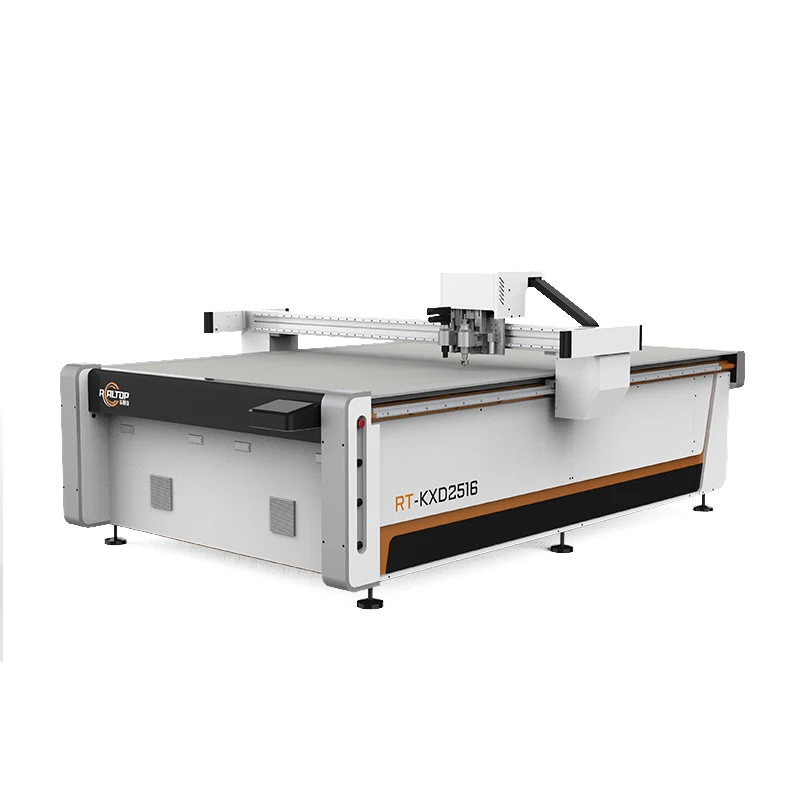
Precision-Engineered Frame Design — Every REALTOP 1625 cutting table undergoes in-house structural analysis and precision grinding to ensure the aluminum vacuum bed maintains flatness across the full 1600×2500 mm working envelope, verified through factory test records before dispatch.
Technical Specifications
| Parameter | Value |
|---|---|
| Model | 1625 |
| Product Type | CNC Oscillating Knife Cutting Table for Packaging |
| Working Area | 1600×2500 mm |
| Cutting Thickness | ≤ 40 mm |
| Cutting Speed | 0–1500 mm/s |
| Cutting Accuracy | ±0.1 mm |
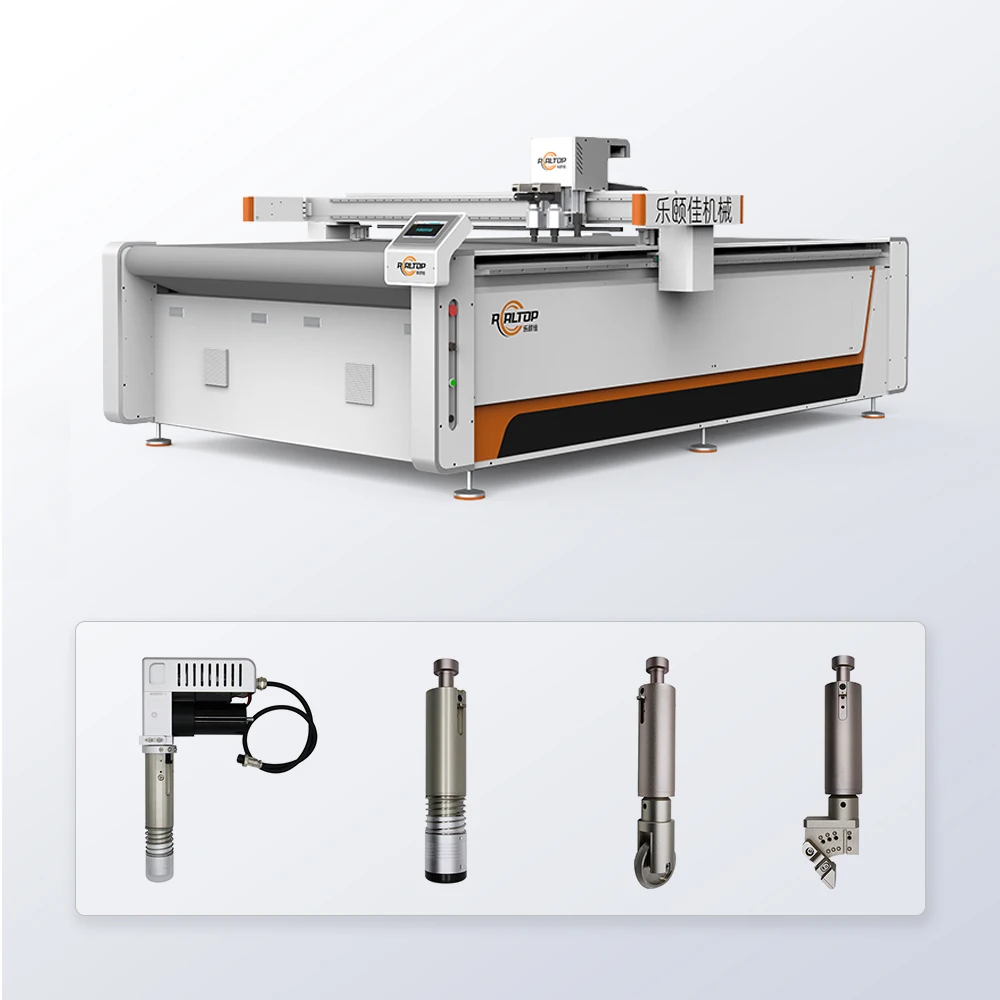
| Tool Head Options | Oscillating knife, Driven rotary knife, Creasing wheel, Kiss cutting tool, Pneumatic knife, Milling tool, V-groove knife |
| Vacuum Pump | 9 kW |
| Voltage Options | 110V, 220V, 380V |
| Control System | PLC control panel with intuitive interface |
| Servo Motor Options | Panasonic, Delta, Dorna |
| Supported File Formats | PLT, DXF, AI, PDF |
| Vacuum Table | Aluminum bellows vacuum table |
| Machine Frame | Heavy-duty frame with precision-ground surface |
| Safety Devices | Infrared sensor device and emergency stop device |
| Machine Dimensions | 3300×2100×1350 mm |
| Certification | CE |
Application Suitability
| Application | Material or Output |
|---|---|
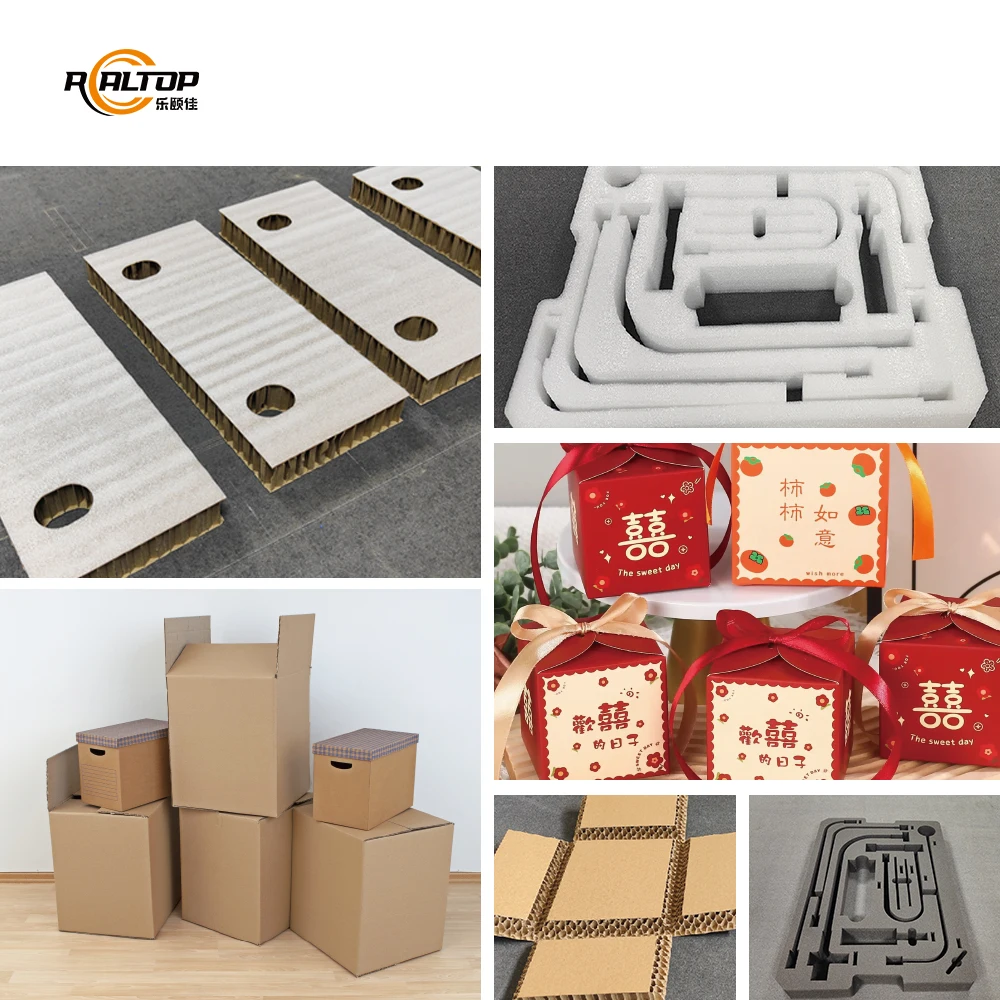
| Corrugated Box Prototyping | E-flute, B-flute, and BC-flute corrugated cardboard up to 40 mm |
| Carton Sample Making | Greyboard, cardstock, art paper, specialty paper |
| Foam Packaging Fabrication | EVA, EPE, PU foam sheets for protective inserts |
| Flexible Material Converting | Velvet, fleece, non-woven fabric, leather, synthetic leather |
| Plastic Sheet Cutting | PVC, PET thin sheets for blister and window packaging |
| Composite and Gasket Work | Rubber mats, PTFE, adhesive-backed composite materials |
Why "Just Tell Me the Working Area" Is Not Enough for Packaging Substrates
A 1600×2500 mm table that cannot hold a 50×50 mm corrugated offcut is not a packaging machine — it is a travel specification.
I used to approve orders based on sheet size alone until a greyboard sample job went sideways. The buyer had specified a standard corrugated configuration, but their actual stock was high-density greyboard running small die-cut shapes. The vacuum zoning on the machine they received was too coarse for small parts, and pieces lifted during the cut, ruining the entire sample batch [NEED_CITE: vacuum table zoning requirements for small-format packaging parts]. That is when I learned that the real question is never just how large the bed is, but how the vacuum zones map to the smallest part in your nesting layout. When sourcing a CNC oscillating knife cutting table manufacturer, the material sample must drive the configuration — not the other way around.
How the Factory Configures Tool Heads for Your Packaging Lineup
Packaging substrates range from delicate art paper to dense BC-flute corrugated board, and no single blade handles all of them cleanly. The 1625 platform supports seven interchangeable tool heads — oscillating knife for thick corrugated and foam, driven rotary knife for fabric rolls, creasing wheel for fold lines, kiss cutting tool for adhesive-backed labels, and V-groove knife for rigid box construction. During the inquiry stage, we match the tool head to the buyer’s specific material stack and run a sample cut on the actual stock before finalizing the configuration. This prevents the common failure mode where a machine arrives with a generic oscillating knife and struggles on the buyer’s heaviest substrate.
Build Quality and Motion Control on the Production Floor
The heavy-duty frame with precision-ground surface is not a marketing line — it is the reason the cutting accuracy holds at ±0.1 mm across the full working area over years of production cycles. Servo drive options from Panasonic, Delta, or Dorna are selected based on the buyer’s maintenance ecosystem and local service availability, not on a default bill of materials. The PLC control panel is specified with the control language confirmed before build, so operators in different markets are not navigating menus in an unfamiliar language [NEED_CITE: control system language configuration for export machinery]. This level of pre-shipment specification is what separates a reliable CNC oscillating knife cutting table manufacturer from a catalogue reseller.
Reading the Specs That Actually Matter for Packaging Work
Cutting speed of 0–1500 mm/s defines the upper travel limit, but real throughput depends on material density, tool path complexity, and the number of tool changes per sheet. The 9 kW vacuum pump paired with the aluminum bellows vacuum table generates holding force across multiple zones — the critical spec for corrugated board where edge lift destroys cut quality. File format support for PLT, DXF, AI, and PDF means the machine integrates with standard packaging design workflows from ArtiosCAD, AutoCAD, or Adobe Illustrator without requiring a secondary CAM translation step. Cutting thickness up to 40 mm covers most corrugated and foam packaging substrates, but the actual clean-cut depth depends on the specific tool head and material density combination confirmed during sample testing. The dedicated packaging box structure design software streamlines the path from box template to cut file, reducing the nesting and preparation time between design approval and sample output.
The Hidden Cost of Skipping the Material Sample Step
When a machine is configured without a physical sample test, the consequences show up on the first production day. Wrong tool head selection produces ragged edges on corrugated flute tips or crushes foam instead of shearing it cleanly. Insufficient vacuum zoning lets small carton blanks drift during high-speed cuts, generating scrap that the buyer only discovers after committing to a production run [NEED_CITE: material sample verification protocol for CNC cutting equipment]. Voltage mismatches discovered at commissioning can delay installation by weeks while transformers or motor rewinds are sourced locally. These are not theoretical risks — they are the most common callbacks we field from buyers who skipped the sample cutting stage.
Why Packaging Buyers Source This Machine from Our Factory
In-house design and production covering both knife and laser cutting technologies means the buyer gets an honest recommendation on which cutting method actually suits their material, rather than being forced into one technology. Tool head and table configuration are specified per packaging material and production volume, not left to a default package. CCD camera positioning is available for printed contour work on pre-printed carton stock, confirmed against the buyer’s registration mark size and print speed. Software compatibility is verified against the buyer’s existing design files before the order is finalized, not discovered at installation. Voltage, language, and mechanical specifications are locked in during the quotation stage, and sample cutting on the buyer’s own material is standard procedure before commitment — this is how a serious CNC oscillating knife cutting table manufacturer earns trust.
Documentation & Verification
- Machine specification sheet listing every tool head and vacuum zone configured for your substrate
- Electrical schematic and voltage confirmation matched to your facility’s power supply standard
- Sample cutting report on your actual corrugated, greyboard, or foam stock before order finalization
- Software licence documentation with file format compatibility note for your design workflow
- Factory test record showing cutting accuracy verification across the full working area
Installation, Commissioning & Support
- Foundation and floor leveling requirements for the 3300×2100×1350 mm machine footprint to maintain bed flatness
- Dedicated electrical circuit specified for the 9 kW vacuum pump plus servo drive load at confirmed voltage
- PLC control panel language set and packaging software licensed during factory build before shipment
- First-run parameter tuning on your material thickness range during commissioning with operator training
- Spare parts list covering blades, vacuum seals, and tool head wear components with reorder codes
What We Need to Specify Your Configuration Accurately
Send us your primary packaging materials with thickness range, the smallest part dimension in your typical nesting layout, and your daily sheet volume target. Confirm your facility voltage, frequency, and plug type so the electrical package matches your site. Let us know your existing design software and file format so we verify compatibility before quotation. If your stock is available, ship a sample sheet and we will run a cutting test and return a sample report with the configuration recommendation.
Frequently Asked Questions
Q: How do I choose the right tool head for my packaging materials?
A: The tool head depends on material type, thickness, and edge quality requirement. Oscillating knife handles corrugated and foam up to 40 mm, creasing wheel scores fold lines, and kiss cutting tool works for adhesive-backed labels. We confirm the selection by running a sample cut on your actual stock before the order is finalized.
Q: What voltage and control language options are available before shipment?
A: The machine supports 110V, 220V, and 380V configurations, and the PLC control panel is set to your preferred language — English, Russian, Italian, Chinese, or a custom language confirmed at order stage. We verify electrical specifications against your facility standard before production begins.
Q: Will the software accept my existing packaging design files?
A: The system supports PLT, DXF, AI, and PDF formats and includes dedicated packaging box structure design software. We test your actual design files on the software during the quotation stage to confirm import, nesting, and tool path generation compatibility before you commit.
Q: Can I see a sample cut on my own material before ordering?
A: Yes. Sample cutting on the buyer’s own corrugated, greyboard, foam, or fabric stock is standard procedure. We return a sample cutting report documenting edge quality, dimensional accuracy, and the recommended tool head and vacuum zone configuration for your specific material.
Q: How is the vacuum table configured for small packaging parts?
A: The aluminum bellows vacuum table is divided into multiple zones, and the active zone configuration is matched to your typical part size and nesting layout. Small carton blanks require finer zoning than large sheets, and we confirm the zone setup during the sample cutting stage.
You may also like

商品评价
Clear filtersThere are no reviews yet.