



-
 Courier delivery
-
 DHL Courier delivery
-
 Warranty 1 year
-
 Free 30-Day returns

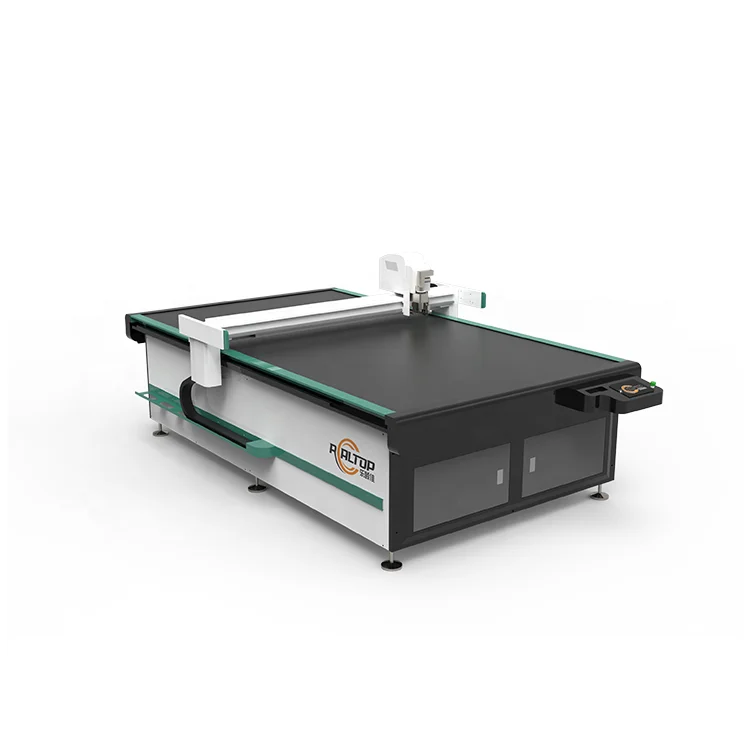
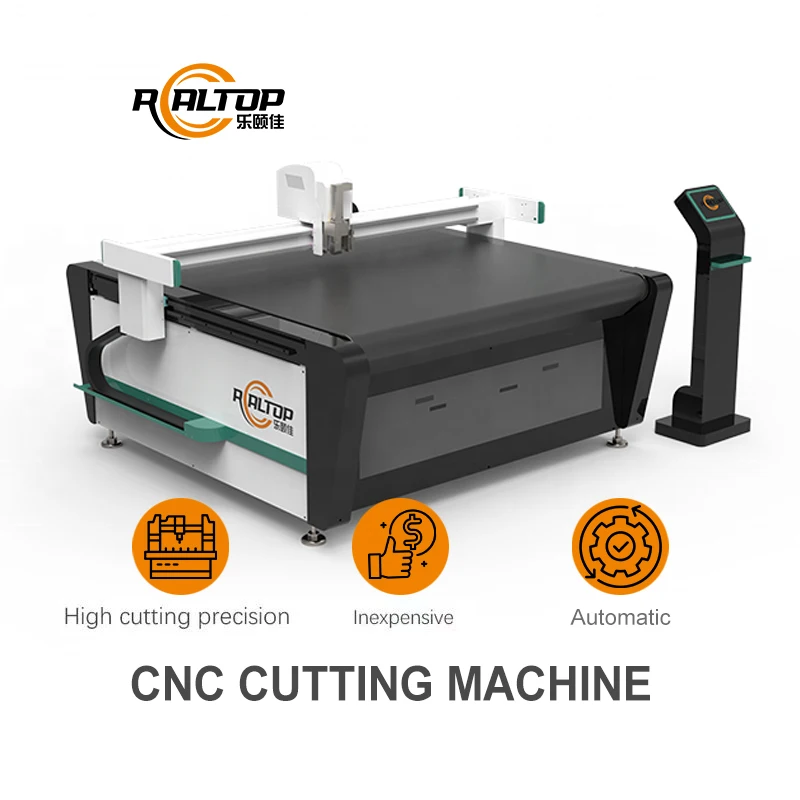
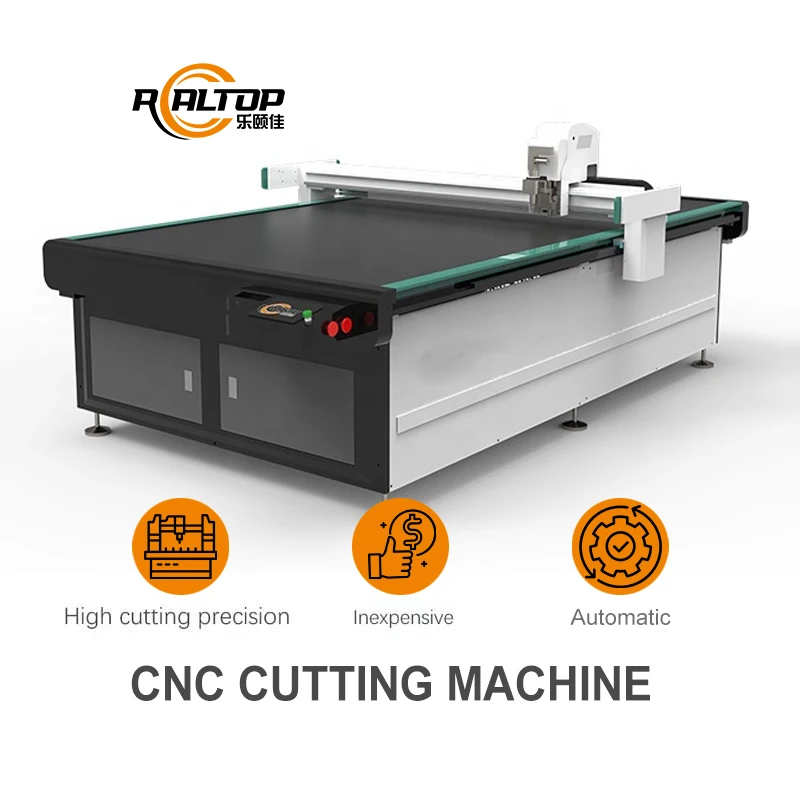
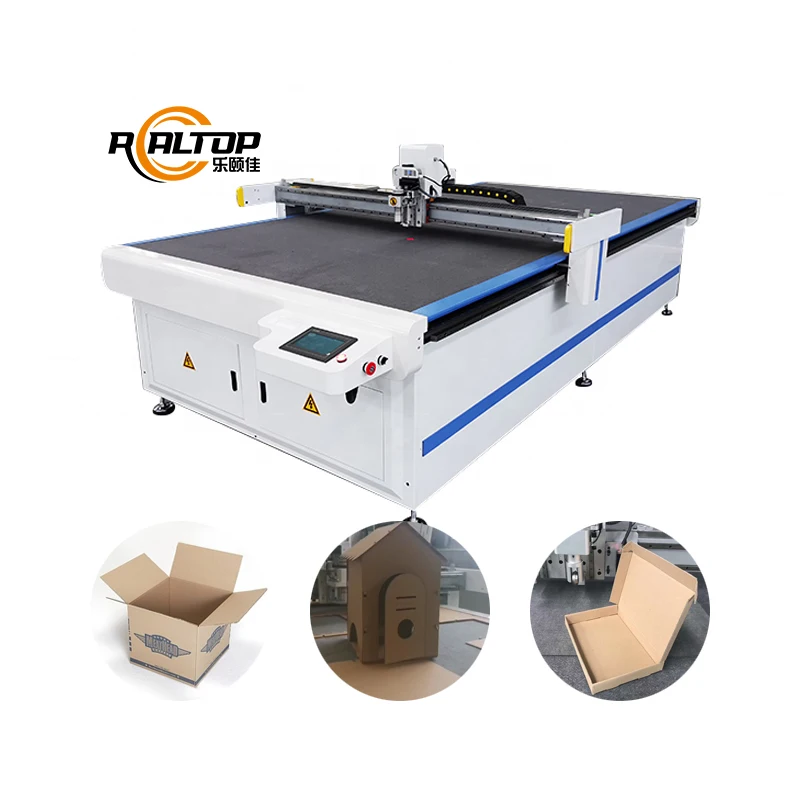
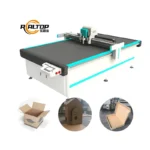
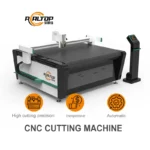
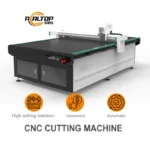
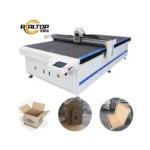
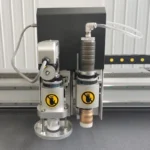
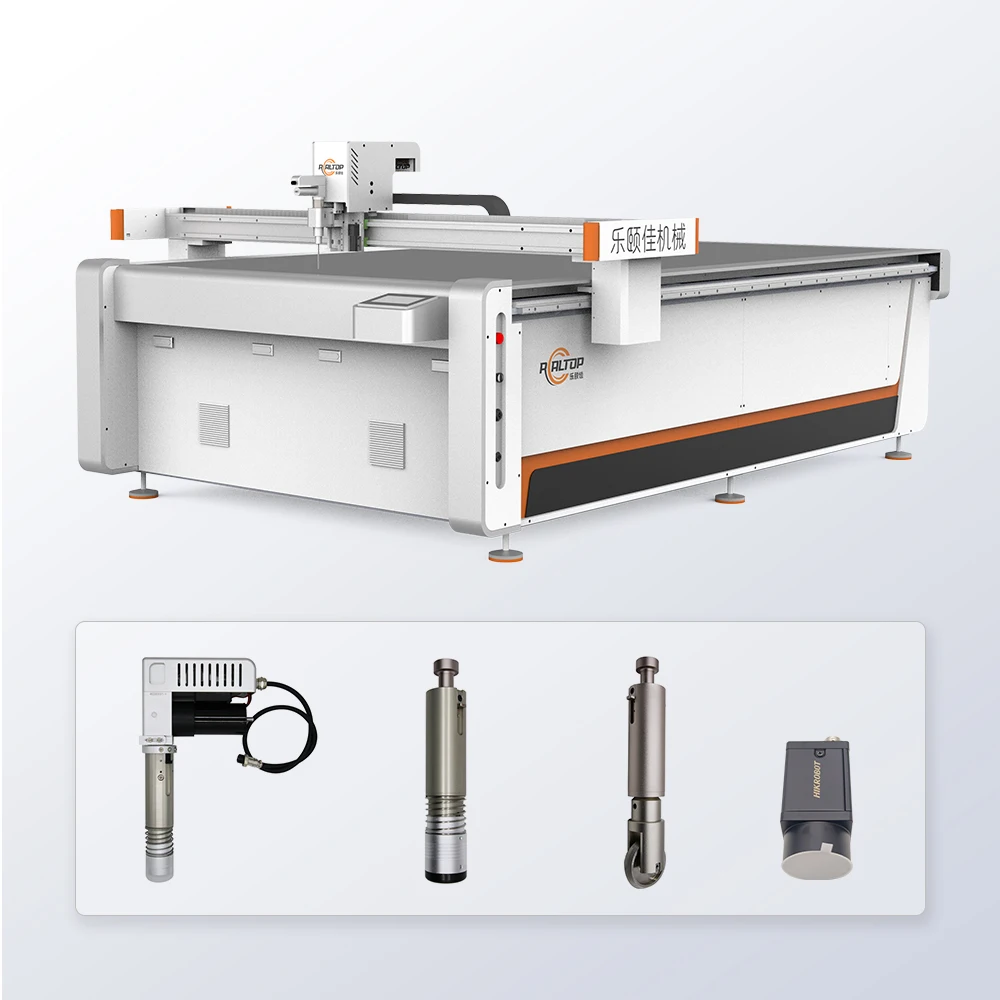
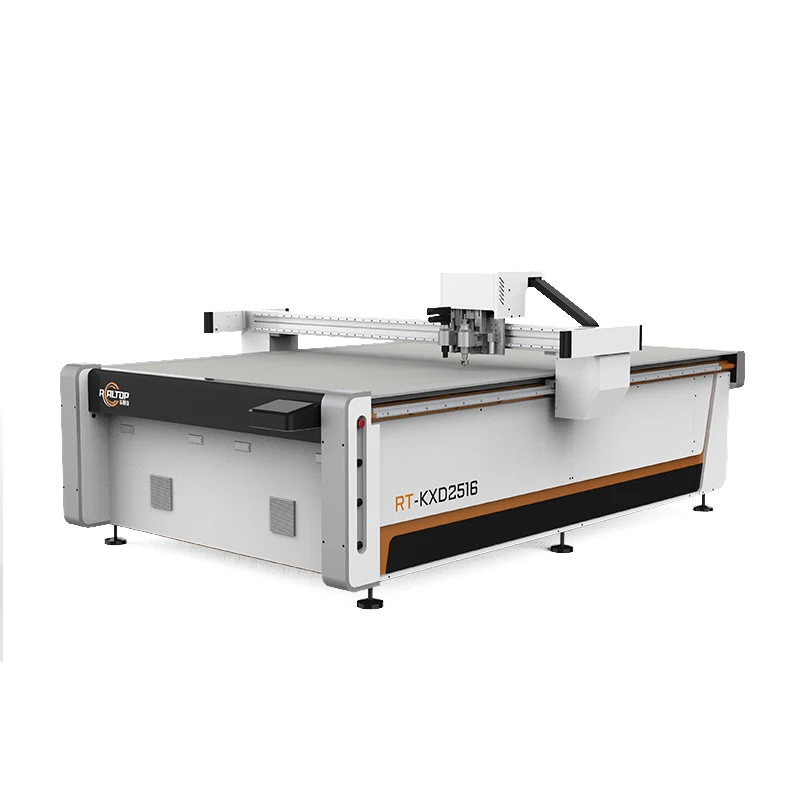
Precision-Built Configuration — we match the oscillating knife head, vacuum zoning, and conveyor feed to your actual knit fabric before the RT-D2516/RT-S2516 leaves our Jinan assembly floor.
Technical Specifications
| Parameter | Value |
|---|---|
| Product Type | CNC Oscillating Knife Cutting Machine |
| Model | RT-D2516/RT-S2516 |
| Working Area | 1600×2500 mm |
| Machine Size (L×W×H) | 3450×2300×1250 mm |
| Rated Power | 9 kW |
| Voltage | 380V ±10% (50/60 Hz to be confirmed) |
| Vacuum Pump | 7.5 kW |
| Translational Velocity | 800–1200 mm/s |
| Cutting Speed | 200–800 mm/s (basis not stated in source) |
| Repeated Accuracy | ≤0.1 mm |
| Transmission System | Digital servo motor, linear guide, synchronous belt, ball screw |
| Linear Rail | Taiwan Hiwin |
| Servo Motor | Delta (Panasonic optional) |
| Vacuum Table Material | Magnesium-aluminum alloy with PVDF coating and hard oxidation |
| Conveyor Belt | Germany imported belt (auto feeding) |
| Tool Head Options | Oscillating knife, pneumatic knife, high-power vibrating knife, circular knife, V cutting knife, drag knife, creasing wheel, dotted line knife, punching, brush |
| Visual Positioning | Small CCD mark point, panoramic camera, projection positioning |
| Instruction Format | HP-GL compatible |
| Safety Devices | Infrared sensors, anti-collision beam, emergency stop with in-situ resume |
| Language Options | English, Russian, Italian, Chinese (customizable) |
| Assembly State | Fully assembled |
Application Suitability
| Application | Material or Output |
|---|---|
| Multi-layer garment cutting | Knit fabric, woven textile, non-woven fabric, clothing cloth |
| Footwear and leather goods | Leather, sponge composite leather, shoe material, luggage material |
| Automotive interior trimming | Carpet, sponge, PU, EVA, XPE, composite interior panels |
| Soft home furnishings | Curtain fabric, upholstery textile, floor mats |
| Sealing and gasket fabrication | Rubber, PTFE, ETFE, gasket material |
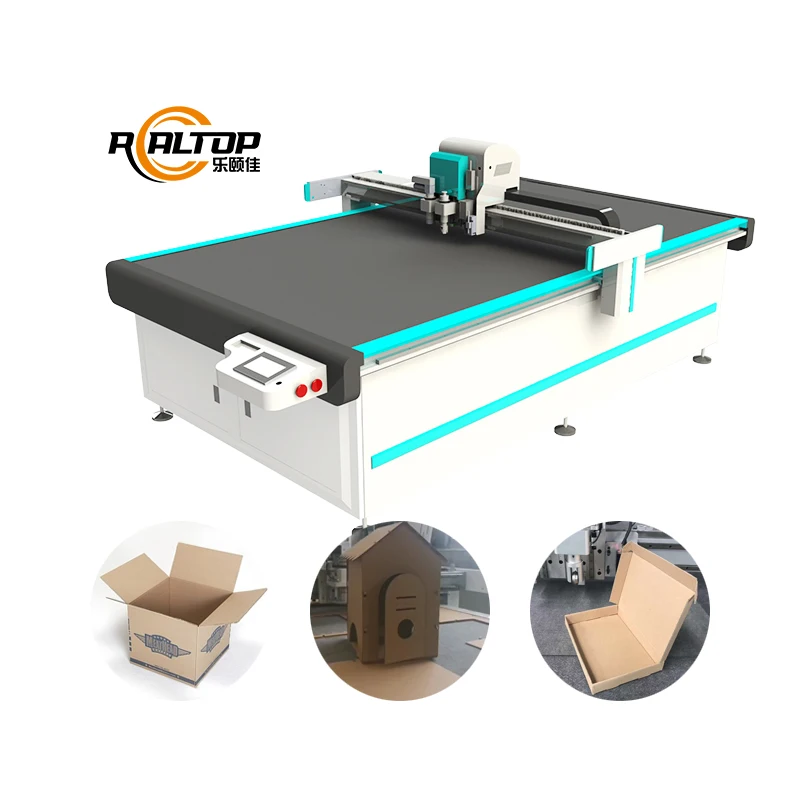
| Packaging sample making | Corrugated cardboard, plastic box, fiberglass |
| Graphic advertising | Sticker, film, foam board, PVC, soft glass |
Why Material Tension Ruins the Cut Before the Blade Does
When buyers specify a multi-layer textile cutting line on working area alone, the first sample looks perfect — then production rolls in with higher-stretch knit and the cut pieces come out warped and undersized. The blade is rarely the problem; the material feed and holding force are.
I spent weeks on the assembly floor before moving to technical sales, and the failures I saw almost always traced back to a mismatch between the vacuum zoning, the conveyor tension, and the actual fabric behaviour. A machine can have a rigid frame and a sharp Swiss knife, but if the vacuum table does not grip small pattern pieces evenly, or the auto-feeding conveyor stretches the knit beyond its natural recovery, every nested part will drift. That is why we insist on running the buyer’s real production roll — not a showroom swatch — before we lock the configuration. [NEED_CITE: fabric tension and dimensional stability in automated cutting]
Frame Rigidity That Survives 800 mm/s Translational Moves
A welded thick-walled seamless steel frame, tempered at high temperature and finished on a CNC machining center, is what keeps the gantry geometry true after thousands of cutting cycles. On a CNC Oscillating Knife Cutting Machine manufacturer like ours, frame stability is not a marketing line — it is the reason the repeated accuracy stays within 0.1 mm when the head accelerates across a 2500 mm stroke.
Vacuum Zoning and Table Flatness for Knit Fabric
Knit fabric shifts under the knife if suction is uneven. The magnesium-aluminum alloy table on the RT-D2516/RT-S2516 receives PVDF fluorocarbon powder spraying plus anodic and hard oxidation, giving a flat surface that holds suction uniformly across zones. The 7.5 kW vacuum pump housing uses integrated aviation aluminum with built-in silencer sponge to keep noise down without sacrificing airflow. [NEED_CITE: vacuum table flatness standards for CNC cutting]
What the Specs Actually Mean on the Shop Floor
The 1600×2500 mm working area fits standard garment marker lengths, reducing the number of repositioning stops per lay. Translational velocity of 800–1200 mm/s and cutting speed of 200–800 mm/s are governed by the servo and Hiwin linear rail pair; heavier composite stacks demand the lower end of that range to maintain edge quality. The multifunctional head accepts Swiss-imported knives for vibration full and half cutting, and swapping to a circular or V-cutting knife takes minutes when the job switches from knit fabric to corrugated board. CCD mark-point and panoramic camera options let the system track printed contours without slowing the line, while the HP-GL compatible instruction format keeps your existing nesting software in the workflow.
The Cost of Guessing the Wrong Tool Head
Choosing a drag knife for a 20 mm sponge composite might look fine on the first sheet, but the blade drags and tears the foam core once the run hits fifty pieces. I have watched buyers burn through weeks of material before admitting the oscillating knife — or a high-power vibrating knife — was the right call. Ragged edges on automotive carpet or crushed cells on EVA foam are not operator error; they are specification errors made before the machine was even crated. [NEED_CITE: tool head selection for composite and foam cutting]
Why Sourcing Directly from the Factory Matters Here
Our in-house design team covers both knife and laser cutting platforms, so when a textile job crosses into laser-edge sealing territory, the conversation happens under one roof. We build the RT-D2516/RT-S2516 in our core Jinan factory, meaning voltage, language, plug type, and control interface are confirmed before the frame goes to paint. Sample cutting on your exact roll of knit fabric is a standard gate, not a favour. Tool head and vacuum table configuration are specified per material, not defaulted. Every machine ships with a factory test record tied to your sample report.
Documentation & Verification
- Machine specification sheet listing confirmed tool heads and vacuum zone map for your material
- Electrical schematic with voltage and frequency locked to your local grid
- Sample cutting report run on your production knit fabric before order confirmation
- Factory test record documenting repeated accuracy and vacuum pull-down time
- Software licence and HP-GL file format compatibility note for your nesting system
- Spare parts list matched to the selected oscillating knife and conveyor configuration
Installation, Commissioning & Support
- 3450×2300 mm footprint requires level concrete floor; anchor points per foundation drawing
- 9 kW rated power plus 7.5 kW vacuum pump need dedicated 380V circuits with confirmed Hz
- Machine ships fully assembled; gantry and conveyor belt aligned at factory before crating
- First-run parameter setting covers servo tuning, vacuum zone calibration, and CCD registration
- Operator training on knife change, nesting import, and emergency stop in-situ resume sequence
- Wearing parts kit includes Swiss knife blades, conveyor belt segments, and Hiwin rail wipers
What We Need to Quote Accurately
Send us the fabric type, ply count, and roll width you run daily, plus your target nesting yield and any existing cutting software you want to keep. We also need your workshop voltage and frequency, the control language your operators read, and a sample roll so we can run a cutting trial on our floor before we finalise the RT-D2516/RT-S2516 configuration.
Frequently Asked Questions
Q: How do you decide which knife head to fit for a specific knit fabric?
A: We test your actual roll on our sample table, checking ply count, stretch recovery, and edge condition after a full cutting cycle. The result dictates whether the oscillating knife, high-power vibrating knife, or circular knife is specified, and we document the choice in the configuration list before production starts.
Q: Will the machine accept my local voltage and control language?
A: Voltage and frequency are confirmed against your site supply before the electrical cabinet is wired. Control language defaults to English, Russian, Italian, or Chinese, and special languages can be customized at the design stage so operators see familiar terms from day one.
Q: How does vacuum zoning prevent small knit pieces from lifting?
A: The table is divided into suction zones that can be activated independently. For small garment pattern pieces, only the zones under the cutting path are opened, concentrating the 7.5 kW pump’s airflow and holding the fabric flat against the magnesium-aluminum surface.
Q: Can my existing nesting software drive this cutter?
A: The instruction system accepts HP-GL compatible formats, which covers most textile nesting packages. We run a compatibility note with your file samples before the order is placed to confirm import, tool path assignment, and contour recognition work without manual translation.
Q: What is the scope of OEM or custom configuration you offer?
A: Because design and assembly happen in our Jinan core factory, we can adjust working area, tool head array, conveyor type, and visual positioning to your production flow. Custom requests are reviewed by the in-house engineering team and prototyped on the sample line before batch commitment.
You may also like

商品评价
Clear filtersThere are no reviews yet.