


-
 Courier delivery
-
 DHL Courier delivery
-
 Warranty 1 year
-
 Free 30-Day returns

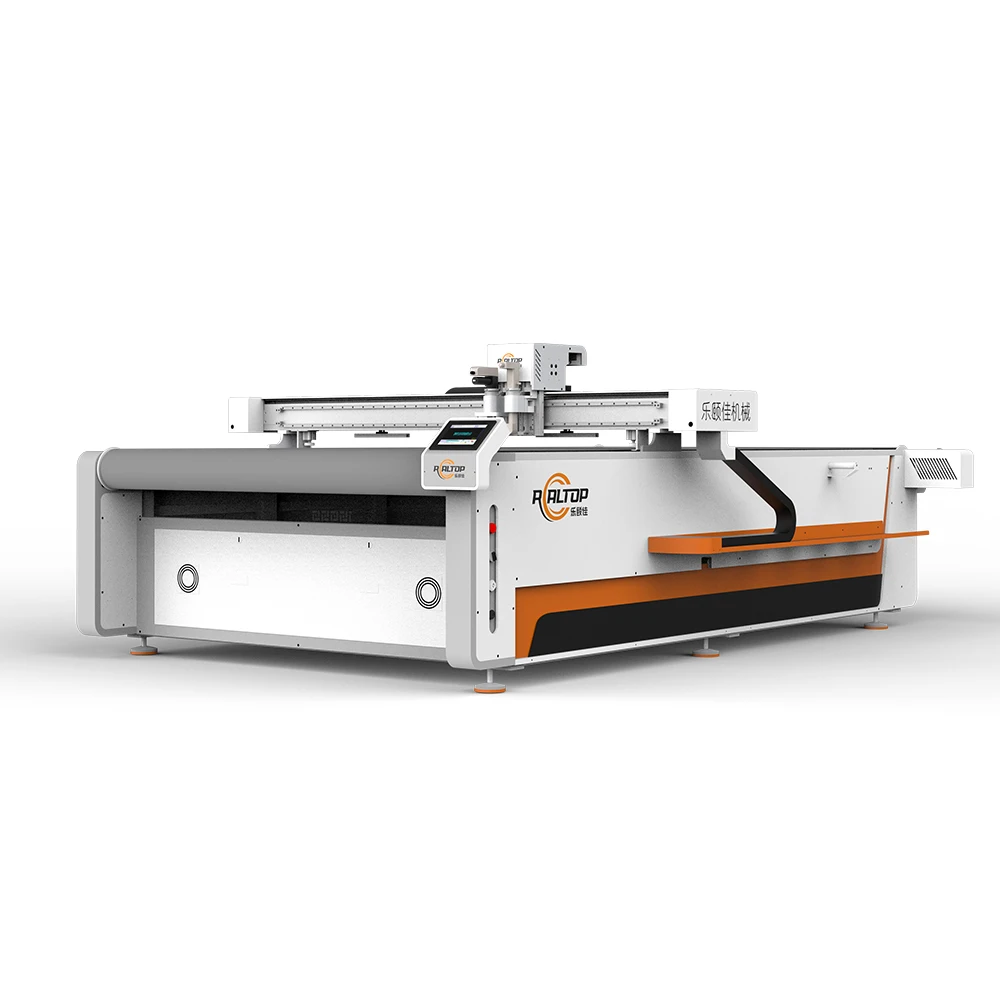
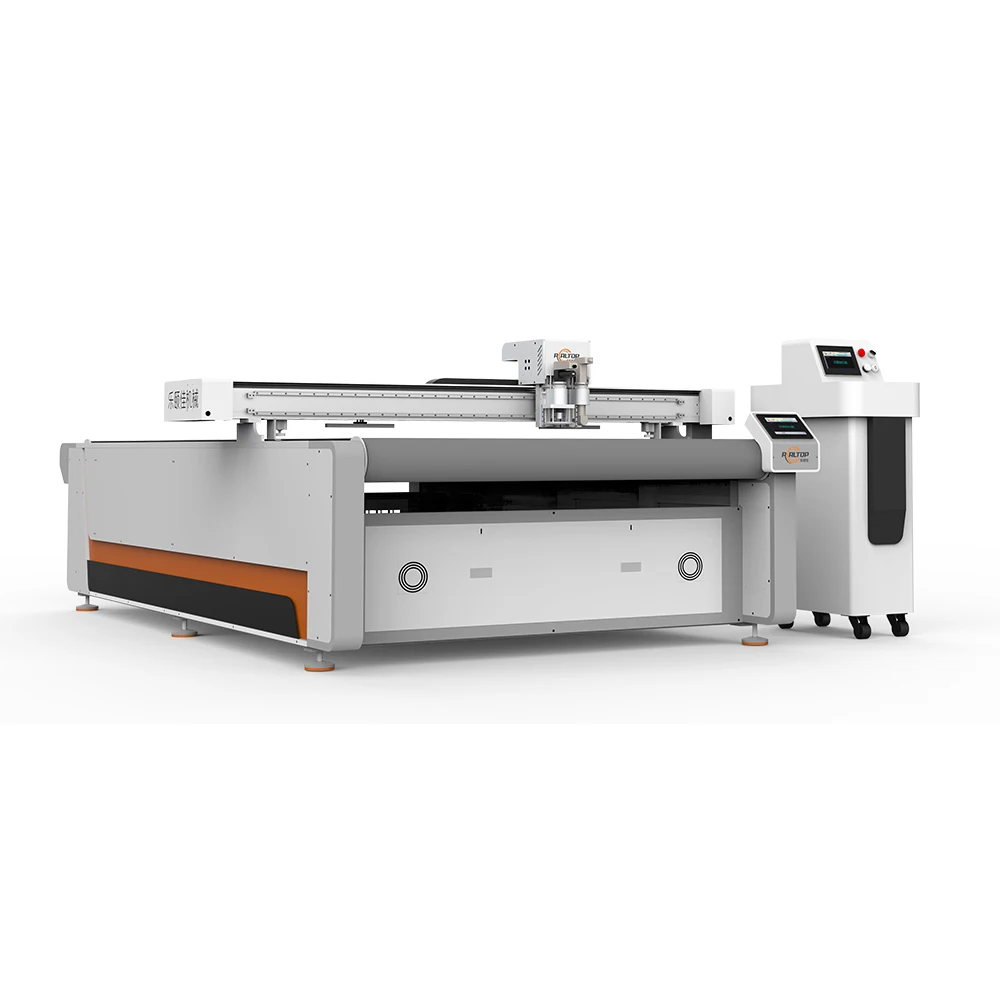
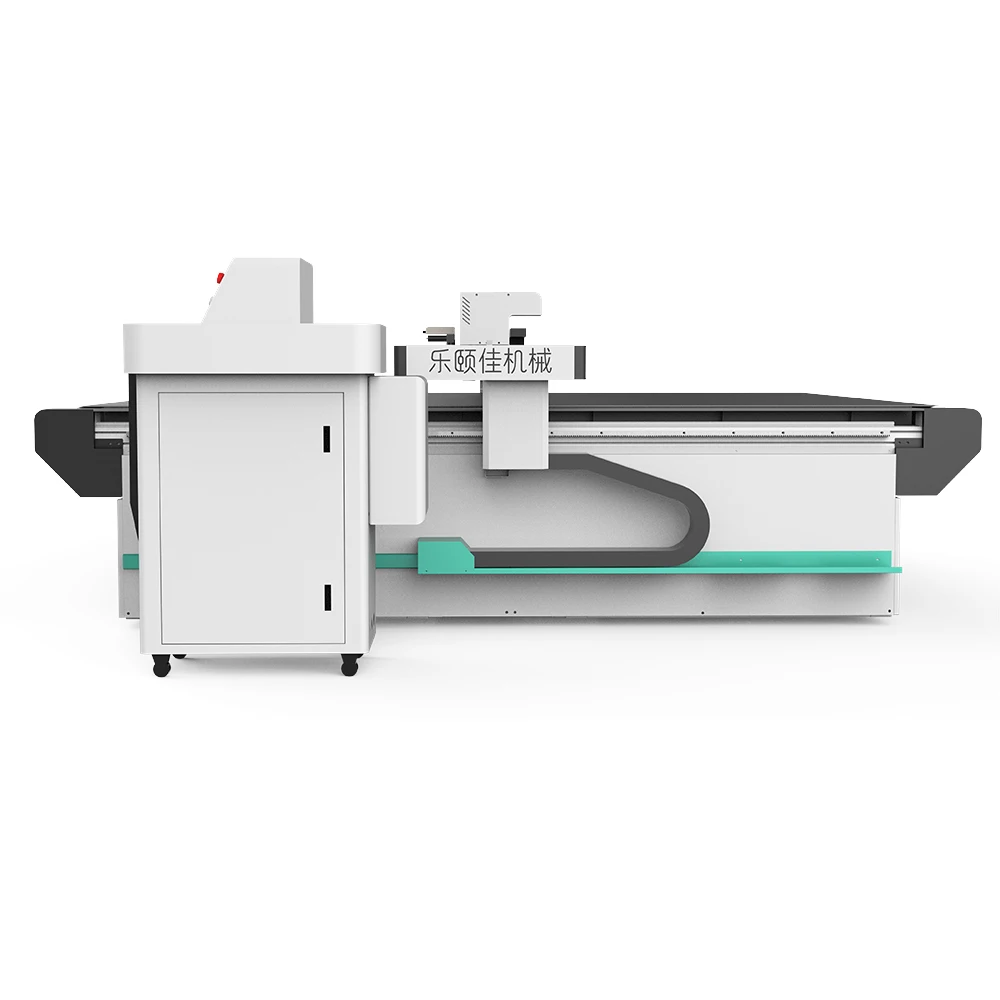
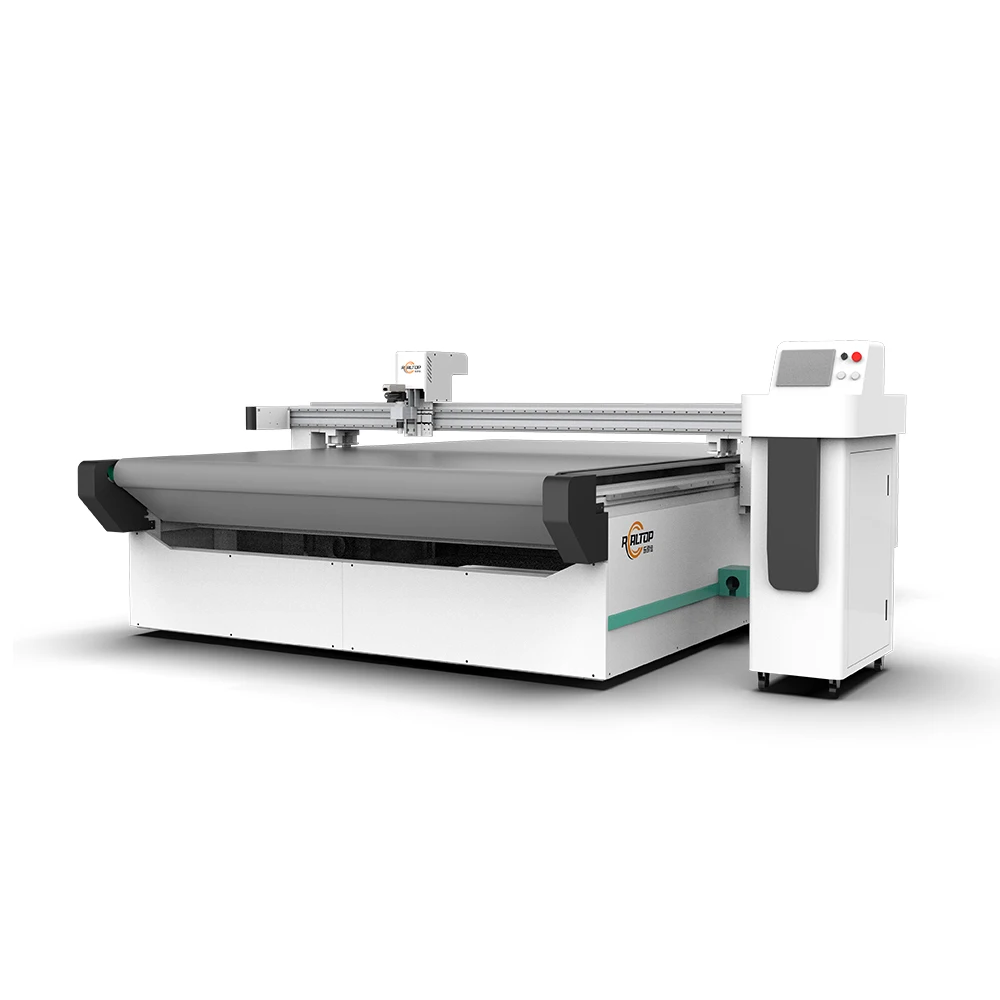
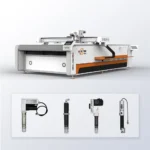
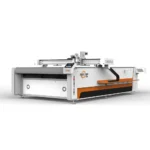
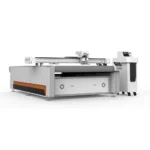
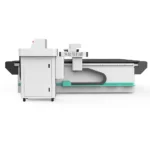
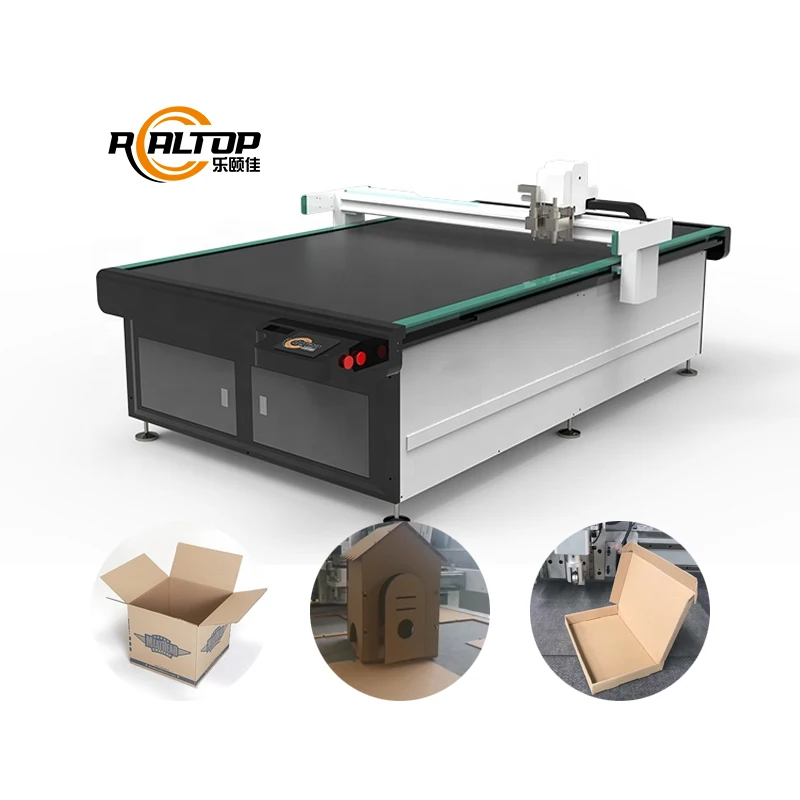
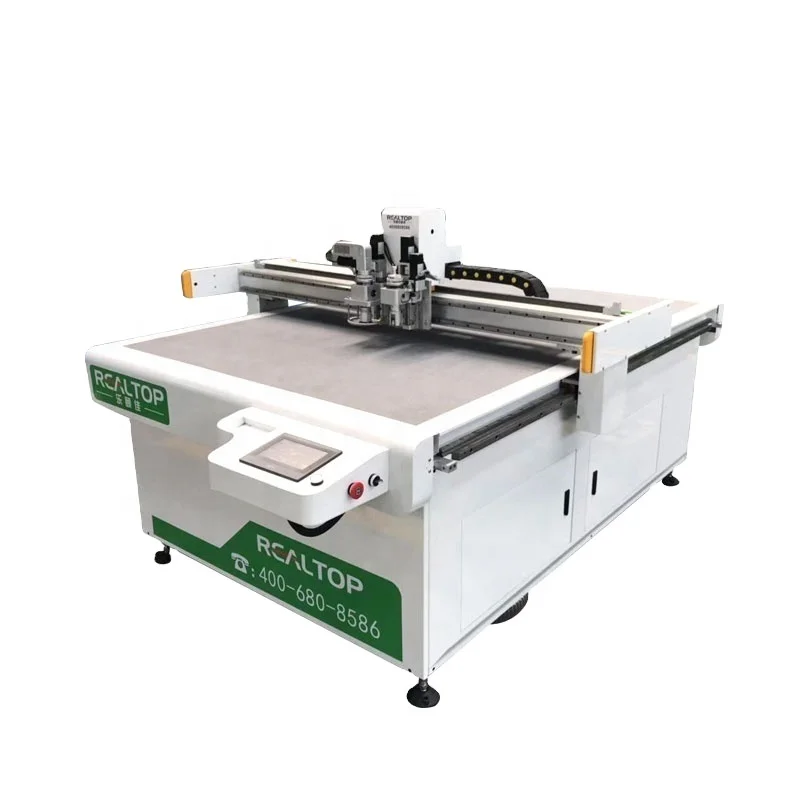
Factory-Built Frame and Motion Assembly — The 1625 cutting platform is engineered and manufactured under one roof, allowing frame rigidity and motion calibration to be matched directly to the oscillating knife forces generated during multi-layer fabric and composite cutting.
Technical Specifications
| Parameter | Value |
|---|---|
| Model | 1625 |
| Product Type | CNC Oscillating Knife Cutting Machine |
| Working Area | 1600 × 2500 mm |
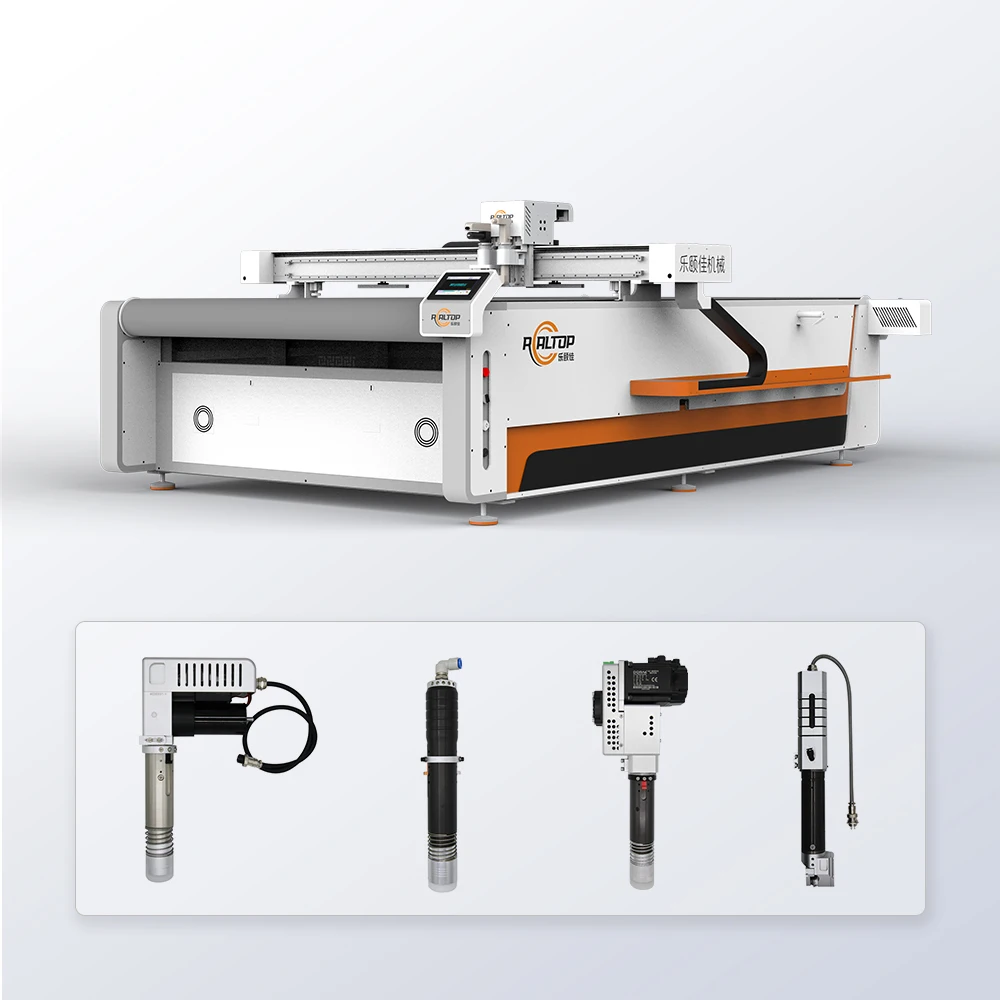
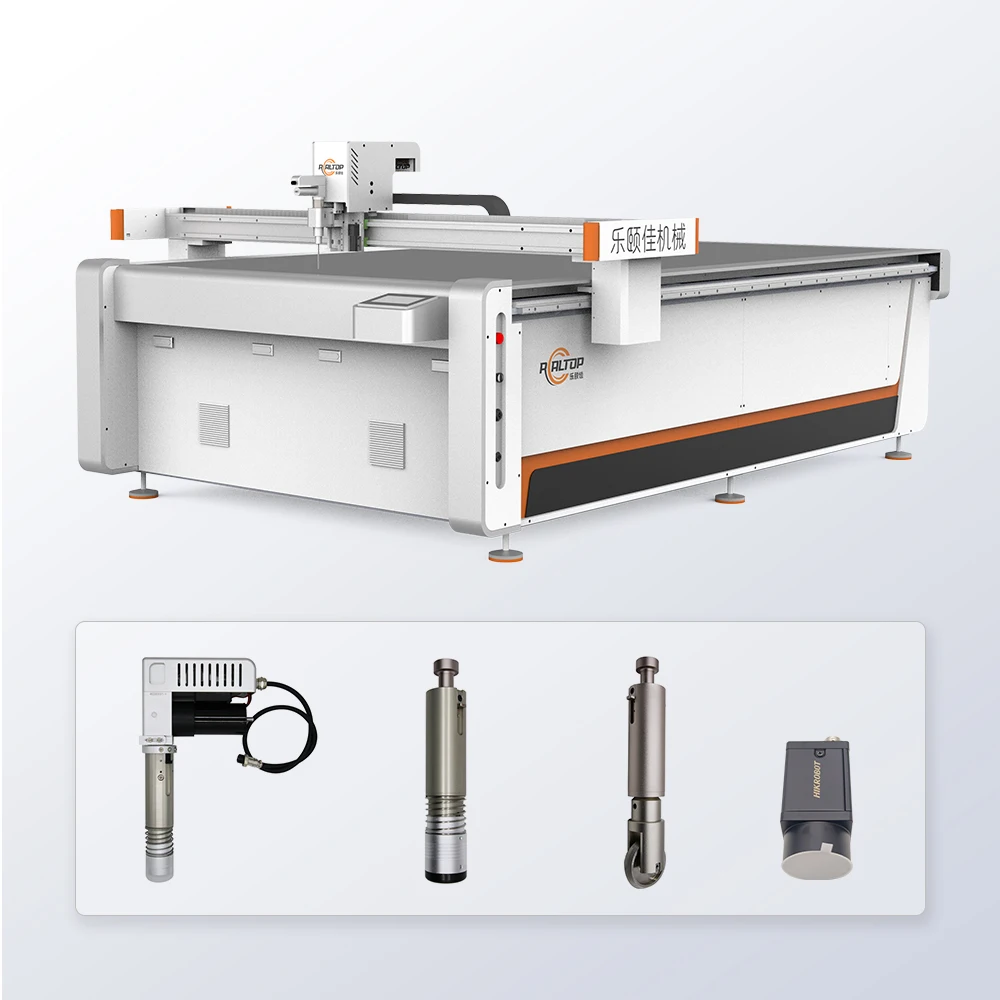
| Tool Head Options | Oscillating knife, Driven rotary knife, Creasing wheel, Kiss cutting tool, Pneumatic knife, Milling tool, V groove knife |
| Cutting Speed | 0–2000 mm/s |
| Cutting Thickness | ≤ 30 mm (basis not stated in source — confirm material type and density) |
| Cutting Accuracy | ±0.1 mm |
| Vacuum Table | Aluminum bellows vacuum table |
| Vacuum Pump | 9 kW |
| Servo Motor Options | Panasonic, Delta, Dorna |
| Control System | PLC control panel with optional display languages |
| Voltage Options | 110V, 220V, 380V (frequency to be confirmed) |
| File Format Compatibility | PLT, DXF, AI, PDF |
| Safety Devices | Infrared sensor, Emergency stop |
| Machine Dimensions | 3300 × 2100 × 1350 mm |
| Certification | CE (2026) |
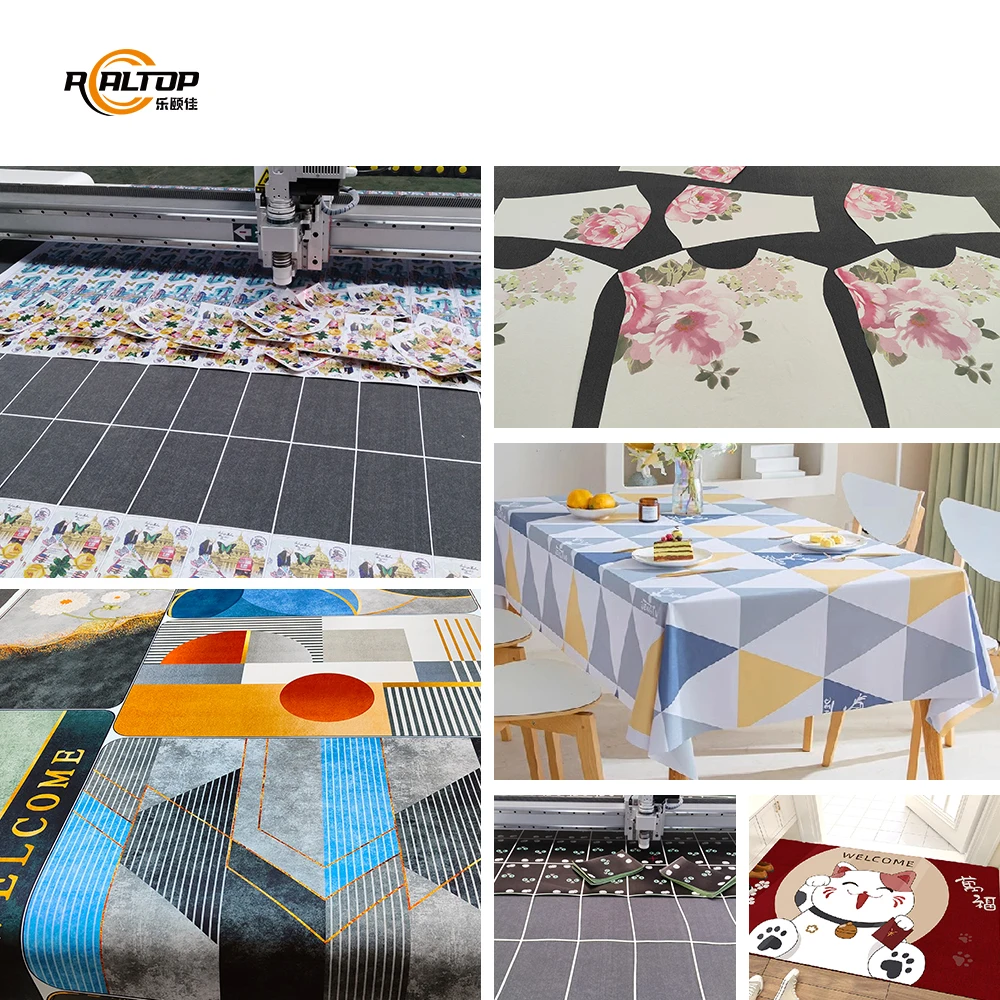
Application Suitability
| Application | Material or Output |
|---|---|
| Apparel manufacturing | Suits, knitwear, lace, complex layered fabrics |
| Automotive interiors | Seat fabrics, carpets, PVC floor mats |
| Home textiles | Sofa fabrics, curtains, rugs |
| Composite material processing | Carbon fiber prepreg, aramid sheets |
Why Cutting Depth Claims Fail Once Production Starts
A machine quoted on working area alone often reveals its limits only after the first real production run, when a multi-layer lay-up or dense composite fails to cut cleanly through the bottom ply. The 1625 CNC fabric cutting machine manufacturer approach is to verify actual cutting depth on the buyer’s specific material stack before any order commitment is made.
I have watched buyers sign off on sample cuts performed on thin polyester, only to discover three months later that the same machine struggles with multi-layer coated canvas, producing frayed edges and premature spindle bearing noise [NEED_CITE: material density impact on oscillating knife cutting force]. The 30 mm thickness rating on this CNC fabric cutting machine must always be validated against the actual material density, adhesive content, and layer count of the intended production job.
Tool Head Selection Dictates Edge Quality More Than Speed Does
The 1625 platform supports seven distinct tool head configurations, each engineered for a different material behavior. An oscillating knife handles woven and non-woven fabrics with a reciprocating stroke that prevents delamination between layers, while a driven rotary knife suits single-ply technical textiles where continuous cutting produces a sealed edge. Pneumatic knife heads are specified for compressible foams and gasket materials where downward blade pressure must be modulated to avoid crushing the substrate.
Vacuum Table Zoning and Small-Part Stability
The aluminum bellows vacuum table is divided into zones that can be activated independently based on the material footprint on the cutting bed. This matters directly when cutting small pattern pieces — gaskets, shoe components, or automotive trim inserts — where full-table vacuum would waste suction capacity and allow part lift during high-speed knife travel [NEED_CITE: vacuum zoning requirements for small-part CNC cutting]. Consistent hold-down across the entire 1600 × 2500 mm surface is maintained by the 9 kW vacuum pump matched to this table area.
Reading the Specifications Against Real Production Variables
The ±0.1 mm cutting accuracy figure reflects machine positioning repeatability under controlled conditions; on a production floor, actual cut accuracy is equally affected by material stretch, vacuum seal quality, and tool wear rate across different substrates. The 0–2000 mm/s speed range represents maximum traverse capability, but sustained cutting speed on multi-layer fabric or carbon fiber prepreg will be set lower to maintain edge integrity and prevent the oscillating knife from deflecting mid-stroke. Servo motor selection — Panasonic, Delta, or Dorna — influences acceleration profiles and long-term positional drift, which is why the specification is left configurable rather than fixed to one brand. File format compatibility with PLT, DXF, AI, and PDF means most pattern files from garment CAD or packaging design software can be loaded directly, though nesting efficiency should be validated with the buyer’s own file workflow before production begins.
The Cost of Skipping Material-Specific Configuration
When a distributor imports a cutting table without confirming the vacuum zone map against the buyer’s typical part geometry, small pieces lift and shift during cutting, producing rejected nests and wasted material. A wrong tool head selection — using a standard oscillating knife on abrasive fiberglass composites instead of a specified pneumatic or milling tool — accelerates blade wear and generates ragged edges that fail downstream quality checks [NEED_CITE: tool head wear rates on abrasive composite materials]. These failures are not machine defects; they are configuration mismatches that become visible only under sustained production load.
Why Buyers Source This Machine From the Core Factory
The 1625 is built in a facility that designs and produces both knife and laser cutting platforms, so the recommendation on cutting method is driven by material suitability rather than by whichever technology the factory happens to push. Frame construction, motion components, and vacuum system integration are handled under one production line, eliminating the alignment errors that occur when sub-assemblies are sourced from separate suppliers. Every machine leaves the factory with a test record generated on material matching the buyer’s stated application. Voltage, plug type, and control language are confirmed against the destination market’s electrical standards before the build begins [NEED_CITE: voltage and frequency standards by export market]. Distributors evaluating OEM capability can review the in-house design team’s engineering files and discuss private-label configuration options directly with production engineers.
Documentation & Verification
- Machine specification sheet listing confirmed tool head and vacuum zone configuration
- Electrical schematic matched to destination voltage and frequency
- Sample cutting report on buyer-supplied material with measured edge quality
- Factory test record documenting positioning accuracy across the full working area
- Operation and maintenance manual with tool change procedures and wear-part intervals
- Software license and file format compatibility note for buyer’s existing CAD workflow
Installation, Commissioning & Support
- Floor space requirement of approximately 3300 × 2100 mm with clearance for material loading on the 1600 × 2500 mm bed
- Dedicated power circuit matching confirmed voltage (110V, 220V, or 380V) and the 9 kW vacuum pump draw
- Machine shipped as a single frame assembly requiring vacuum table leveling and tool head calibration on site
- First-run parameter setting including vacuum zone activation, knife oscillation frequency, and servo acceleration tuning
- Operator training covering tool head changeover, nesting software operation, and file import from PLT/DXF/AI/PDF sources
- Spare parts list with recommended consumable blade stock and vacuum seal replacement schedule
Before You Send an Inquiry
To receive a configuration that matches your production environment, include the material type, maximum lay-up thickness, typical sheet or roll dimensions, and daily cutting volume. Specify your local voltage and frequency, preferred control panel language, and whether your existing nesting or CAD workflow needs to be validated against the machine software. If your material involves adhesive layers, coating, or unusual density, request sample cutting on your own stock before confirming the order.
Frequently Asked Questions
Q: How is cutting thickness verified for my specific fabric type and layer count?
A: Before order confirmation, we run a cutting test using your actual material — including any adhesive or coating layers — and document edge quality, cut-through consistency, and achievable speed. The 30 mm rating is a baseline that must be validated against your material’s density and compressibility to avoid specifying a machine that underperforms in production.
Q: Which tool head configuration matches my material — oscillating, rotary, or pneumatic?
A: Tool head selection depends on material behavior under the blade: woven multi-layer fabrics typically require an oscillating knife, single-ply technical textiles suit a driven rotary knife, and compressible foams need a pneumatic head. We specify the tool head based on your sample cutting results, not on a default configuration.
Q: What voltage, plug type, and control language will be confirmed before shipment?
A: We document the destination market’s voltage and frequency, plug standard, and preferred control panel language in the electrical schematic before production starts. The PLC interface supports English, Russian, Italian, Chinese, and custom language options to match your operator requirements.
Q: Can I visit the core factory to inspect frame build quality and motion components?
A: Factory visits are welcomed and can be arranged to review the frame welding, motion rail installation, servo motor mounting, and vacuum table assembly in person. Distributors evaluating OEM partnerships can also discuss private-label configuration and branding options directly with the design and production teams on site.
Q: What OEM customization is available for distributors importing under their own brand?
A: Customization covers control panel branding, machine color, documentation language, software interface labeling, and packaging marking. The in-house design team works with distributors to adapt these elements while keeping the core machine configuration — frame, motion system, and tool head interface — to the proven production standard.
You may also like

商品评价
Clear filtersThere are no reviews yet.