


-
 Courier delivery
-
 DHL Courier delivery
-
 Warranty 1 year
-
 Free 30-Day returns

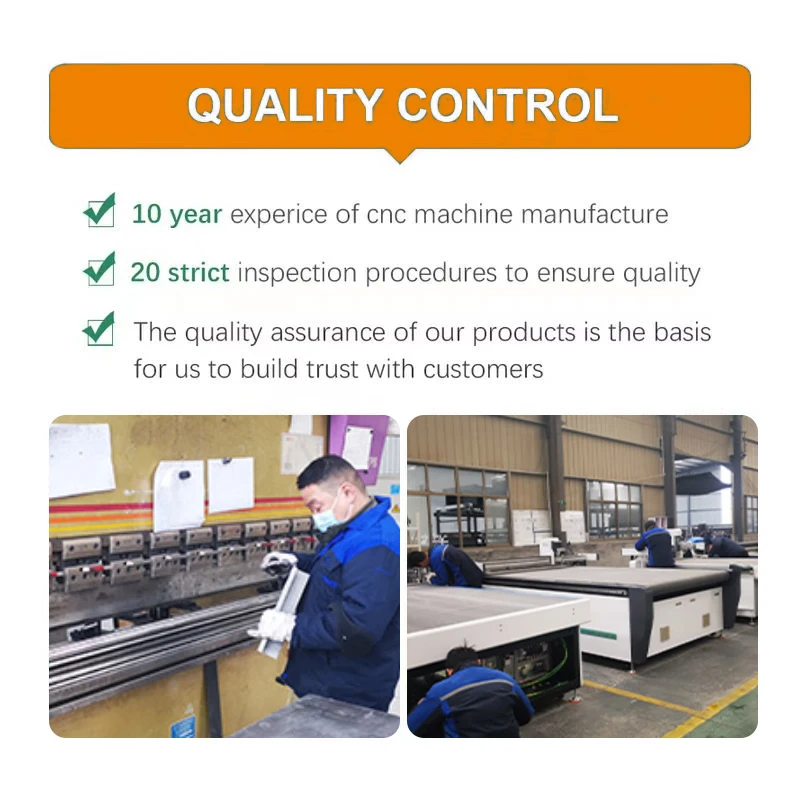
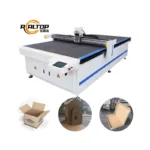
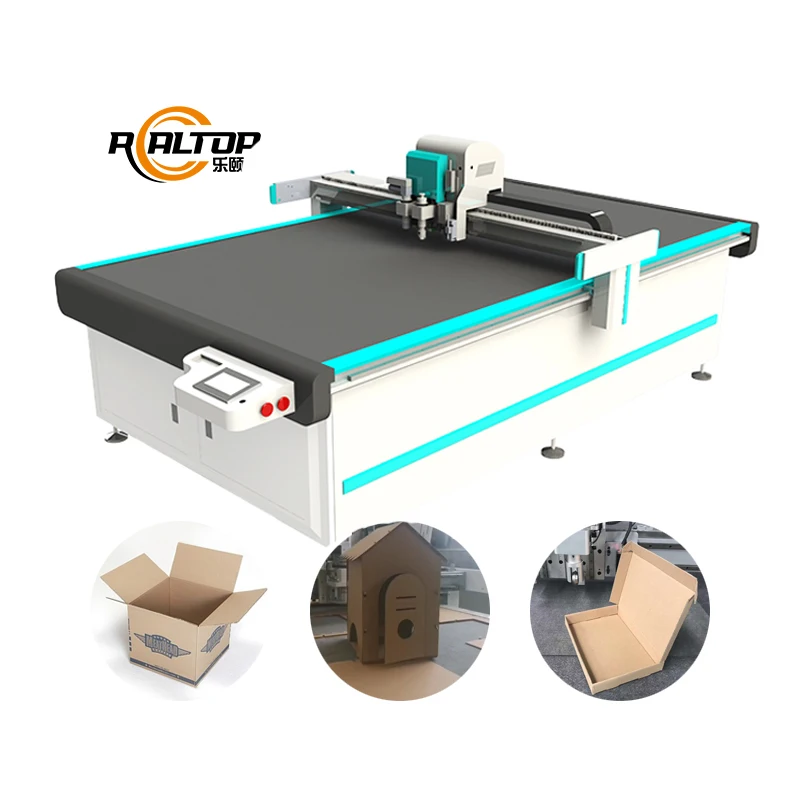
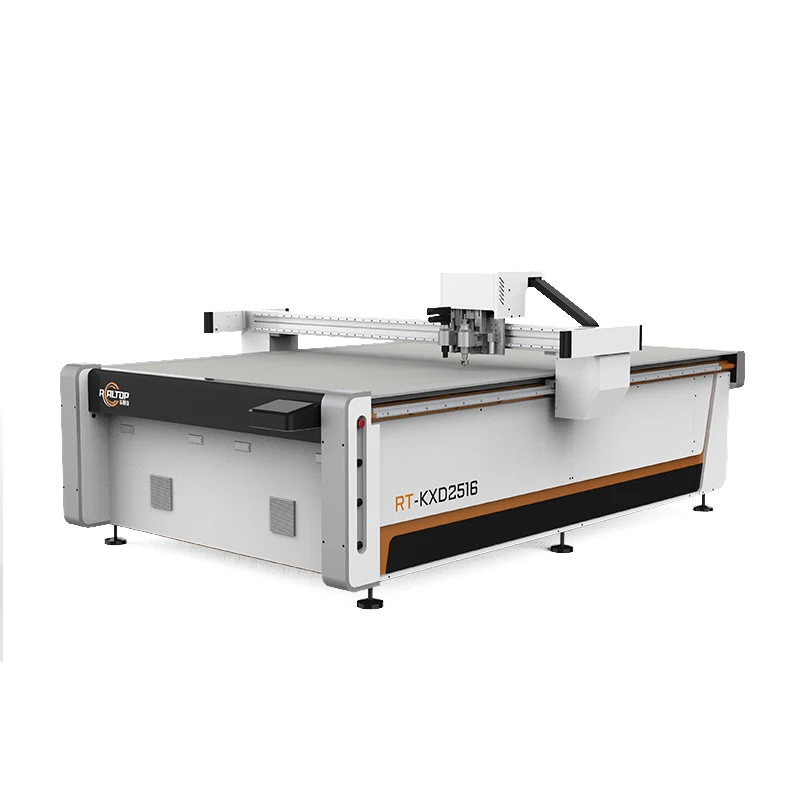
Built From The Ground Up — Realtop engineers the frame, motion systems, and tool head integration for the RT-D2516/RT-S2516 in-house, giving distributors a verifiable manufacturing source rather than an untraceable trading intermediary.
Technical Specifications
| Parameter | Value |
|---|---|
| Model | RT-D2516/RT-S2516 |
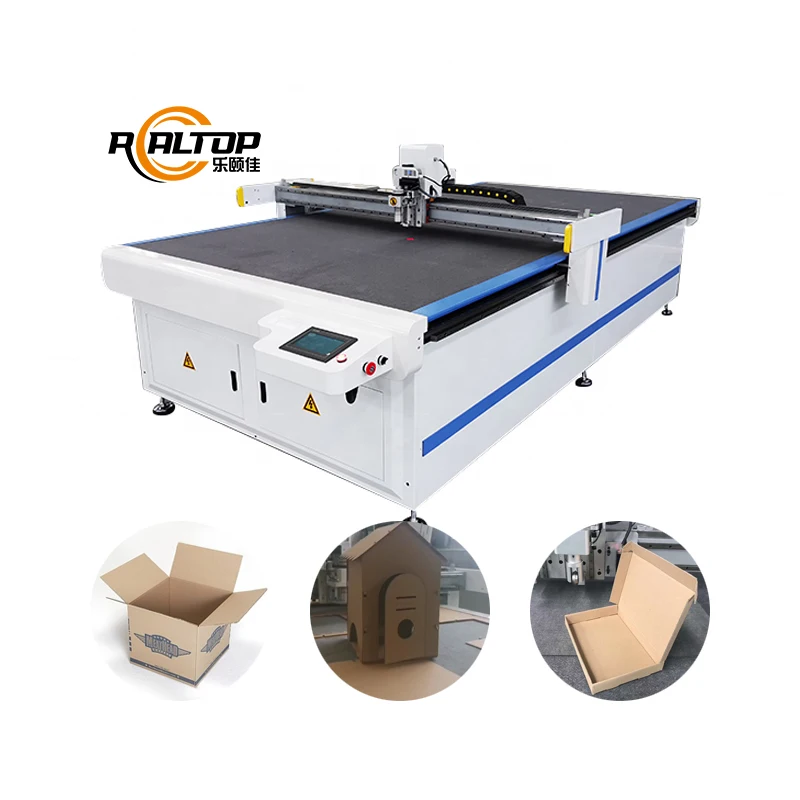
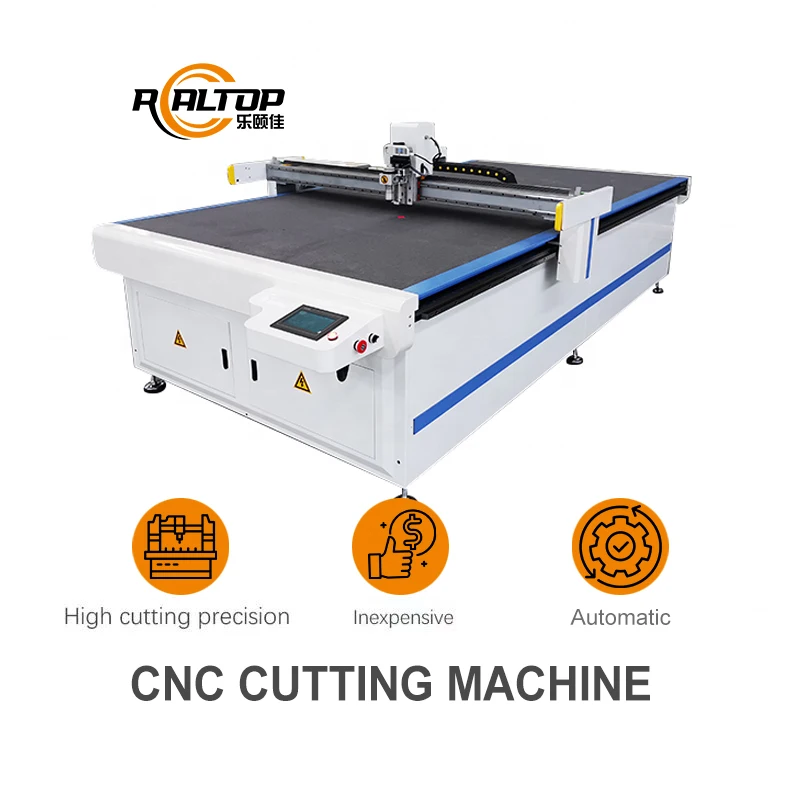
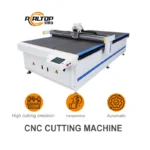
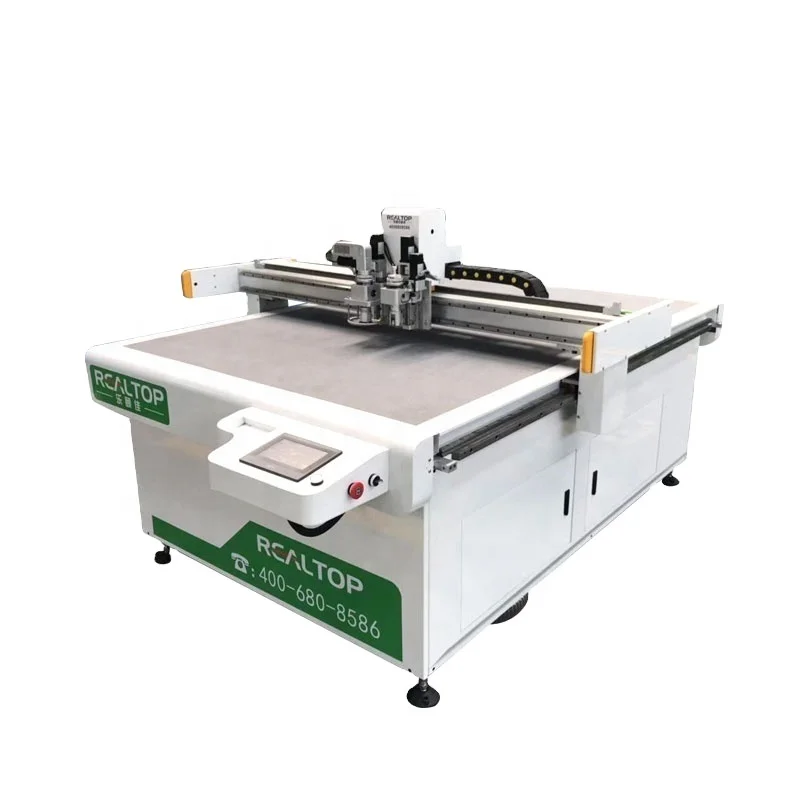
| Product Type | CNC Flatbed Digital Cutting Machine |
| Working Area | 1600×2500 mm |
| Machine Footprint | 3450×2300×1250 mm |
| Rated Power | 9 kW |
| Voltage Requirement | 380V±10% |
| Vacuum Pump Capacity | 7.5 kW |
| Translational Velocity | 800–1200 mm/s |
| Repeated Accuracy | ≤0.1 mm |
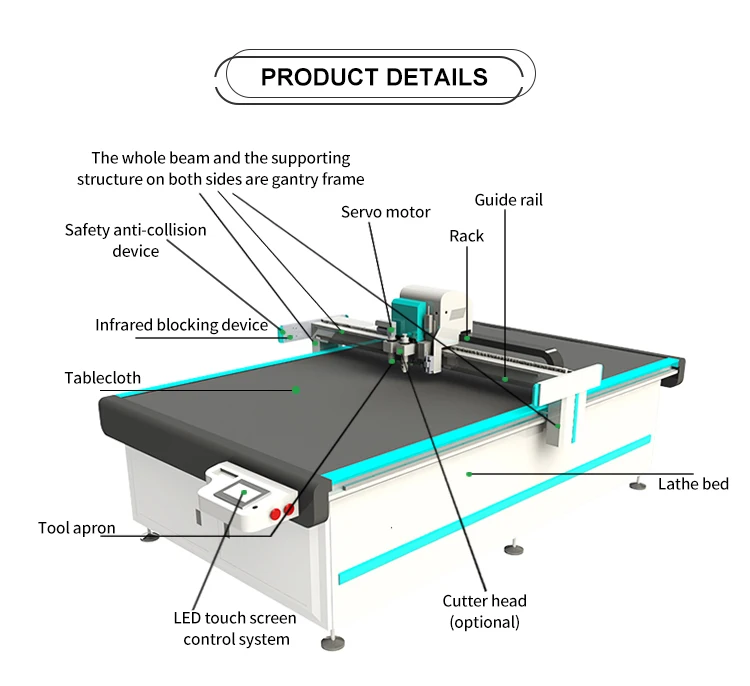
| Transmission Drive | Digital servo motor (Delta or Panasonic optional, IP67) |
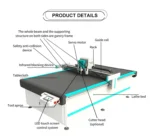
| Guidance System | Linear guide, synchronous belt, ball screw (Taiwan Hiwin rail) |
| Table Construction | Magnesium-aluminum alloy vacuum adsorption table |
| Visual Positioning Options | Small CCD camera mark point, panoramic camera recognition, projection positioning |
Application Suitability
| Application | Material or Output |
|---|---|
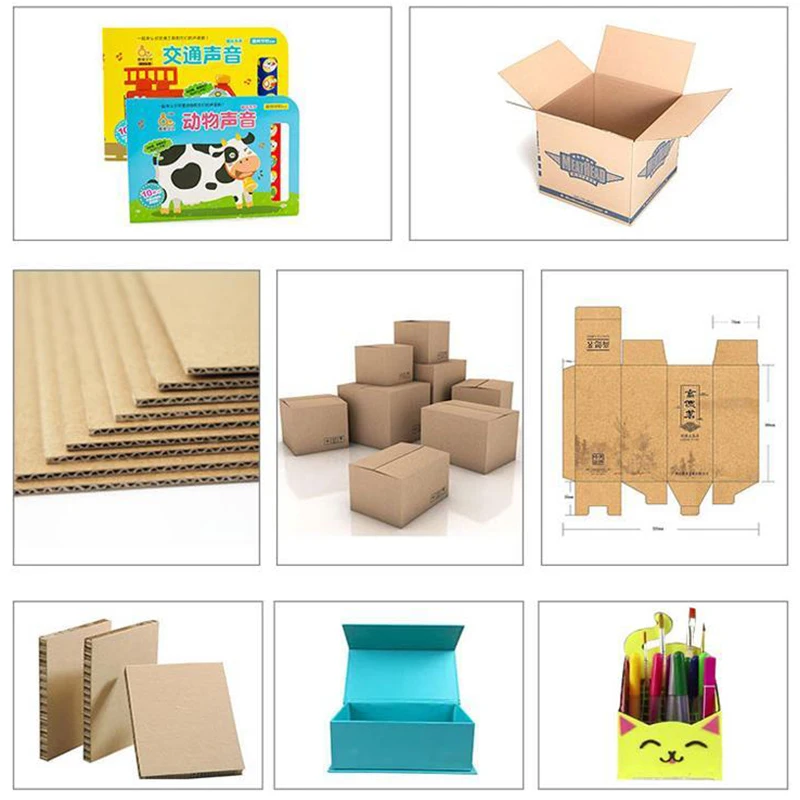
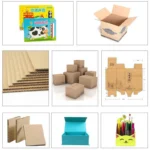
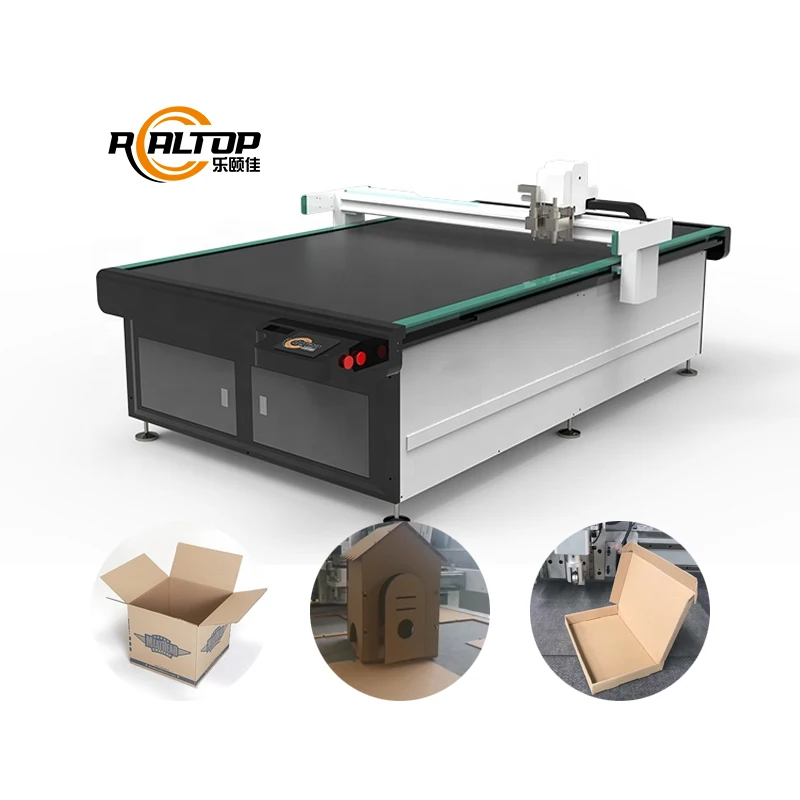
| Packaging and Carton Sample Making | Corrugated cardboard, grey board, plastic box materials, sticker films |
| Automotive Interior Components | Leather, synthetic fabric, non-woven fabric, carpet, sponge, PU, EVA |
| Gasket and Sealing Fabrication | Rubber, PTFE, ETFE, composite sealing materials |
| Apparel and Footwear Production | Clothing cloth, shoe material, luggage material, textile layers |
| Advertising and Signage | PVC foam board, acrylic, vinyl, composite panels |
The Specification Trap: Why "20–80 mm" Means Nothing Without Density
A machine specified on working area and thickness range alone often fails the moment a buyer runs their actual production material. Cutting depth capacity is always a function of both thickness and material density, not just a single linear dimension.
I have seen distributors source CNC flatbed cutting systems based on a quoted thickness number, only to find the machine stalls or produces crushed edges when the actual material density differs from the factory test standard. One packaging client ran high-density corrugated board that was nominally within the thickness range but significantly denser than the standard test stock. The tool head could not clear the chips, the blade edge deteriorated within days, and the vacuum table failed to hold the sheets flat [NEED_CITE: industrial material density variance in packaging substrates]. This is why our sales process requires the buyer to ship a roll or stack of their own material for sample cutting before the CNC knife cutting machine manufacturer finalizes the tool head configuration and feed rate.
Why Distributors Must Audit the Manufacturer, Not the Brochure
When an importer evaluates a CNC knife cutting machine manufacturer, the visible specifications on a data sheet rarely reveal the structural integrity of the chassis or the quality control steps applied during assembly. The RT-D2516/RT-S2516 frame is welded from thick-walled seamless steel and subjected to high-temperature tempering before CNC machining center finishing. This process relieves internal welding stresses, ensuring the bed remains dimensionally stable over years of continuous vibration. Without this tempering step, the frame can warp slightly over time, causing the linear guides to bind and the repeated accuracy to drift beyond the ≤0.1 mm tolerance.
Suction and Surface Flatness on the Cutting Bed
The working table is not simply a flat aluminum sheet; it is a magnesium-aluminum alloy structure processed through fluorocarbon PVDF powder spraying, anodic oxidation, and hard oxidation. This multi-stage treatment provides a surface that resists abrasion from heavy composite materials and maintains flatness across the entire 1600×2500 mm area. The 7.5 kW vacuum pump, built with an integrated aviation aluminum shell and silencer sponge, delivers uniform suction. For small gasket parts or intricate shoe patterns, uniform vacuum zoning prevents material lift at high translational velocities [NEED_CITE: vacuum adsorption dynamics on flatbed digital cutters].
Translating Parameters into Production Reality
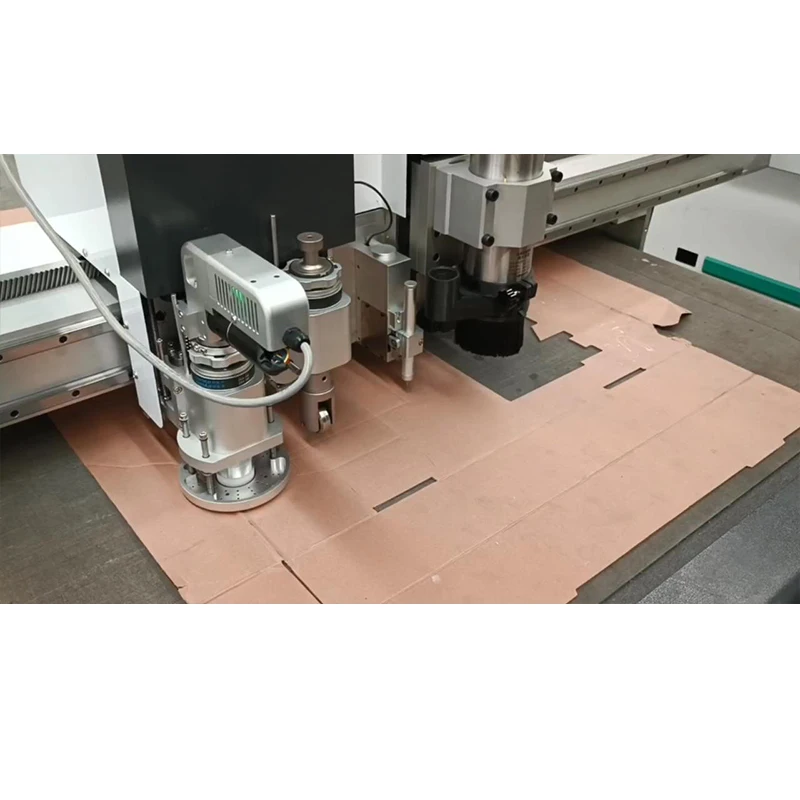
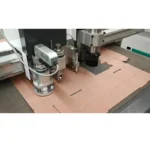
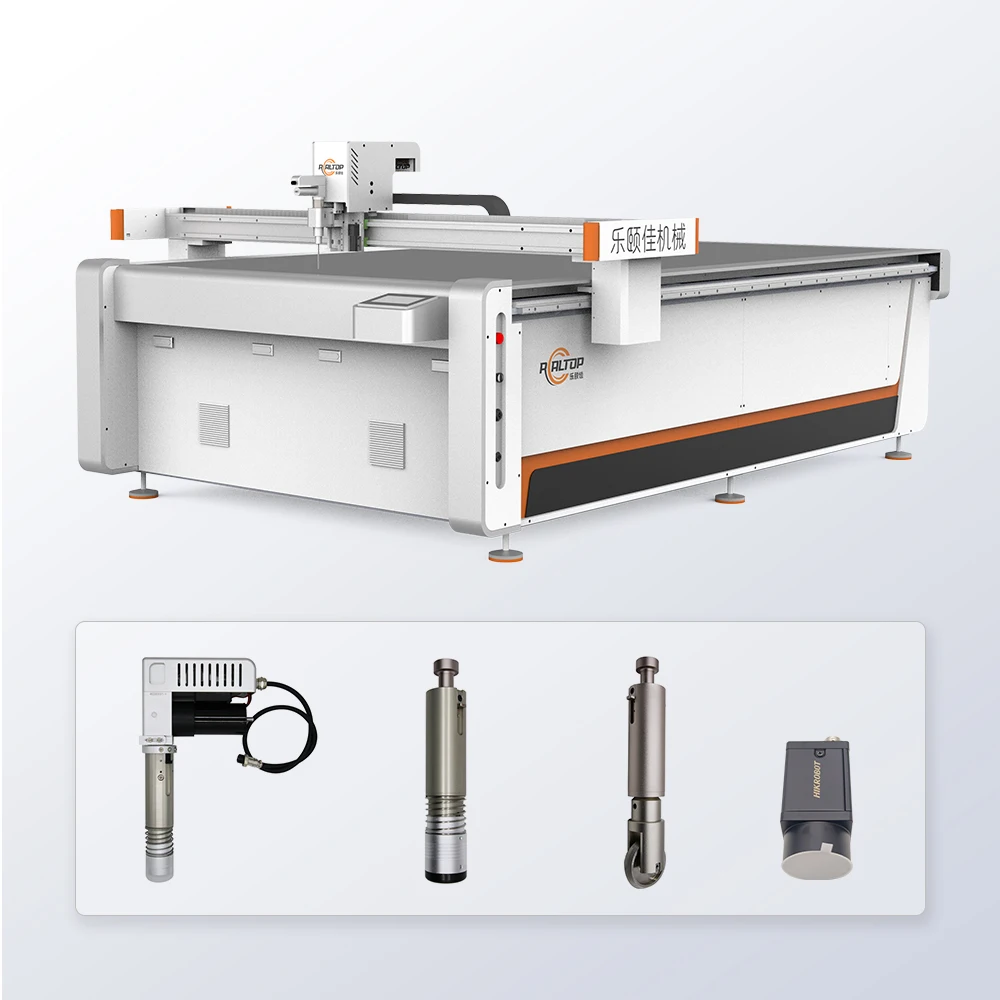
The drive system relies on IP67-rated digital servo motors, which protect against dust ingress and incidental fluid splashes common in fabric and leather workshops. The motors feature real-time automatic gain adjustment, which suppresses vibration when the oscillating knife encounters varying resistance through multi-layer textile stacks. The cutting thickness of 20–80 mm is achievable on specific low-density foams and sponges, but for dense rubber gaskets or thick PVC boards, the effective depth is lower and must be verified through a physical sample test. The tool head selection—ranging from a high-power vibrating knife and pneumatic knife to a creasing wheel and drag knife—determines the actual edge quality and throughput far more than the raw motor power.
The Hidden Costs of Unverified Tooling
Choosing the wrong tool head for a specific material produces immediate downstream losses. A circular knife might cut through foam rapidly, but it leaves a compressed edge that requires secondary trimming. A standard drag knife on dense fiberglass-reinforced gasket material will tear the fibers rather than shear them cleanly, leading to rejected parts and frequent blade changes. Furthermore, if the vacuum table zoning is not matched to the nest layout, small parts can shift during the final cuts, ruining an entire sheet of expensive composite material [NEED_CITE: material waste from incorrect tool head selection].
Why Sourcing Directly from the Production Floor Matters
- In-house design and production cover the entire chain from frame welding to motion component integration, eliminating the markup and information loss of a middleman.
- OEM capability extends beyond branding; we configure the working area size, multi-head setups, and tool head combinations specifically for the distributor’s target regional industries.
- Voltage, plug type, and control language are engineered into the electrical schematic before production begins, preventing costly rewiring or software replacement on the showroom floor.
- Sample cutting on the buyer’s actual material provides a physical report, proving the edge quality and cutting speed before the order is locked in.
Documentation & Verification
- Detailed machine specification sheet with confirmed voltage and frequency parameters.
- Electrical schematic with localized plug and breaker requirements.
- Tool head and table configuration list matched to your specific material samples.
- Factory test record showing dimensional accuracy and cutting results.
- Software licence and file format compatibility note for your nesting workflows.
Installation, Commissioning & Support
- Requires a level concrete floor to maintain the 3450×2300×1250 mm footprint alignment.
- Dedicated 380V±10% circuit required to handle the 9 kW rated power and 7.5 kW vacuum pump.
- Machine ships fully assembled to eliminate on-site calibration errors.
- Delta or Panasonic servo parameters calibrated to your material density during commissioning.
- Training covers tool head changes and CCD camera contour calibration for printed marks.
Preparing Your Configuration Inquiry
To ensure the RT-D2516/RT-S2516 is configured correctly for your distribution network or production line, provide the exact material composition, maximum thickness, and typical sheet dimensions you intend to process. Specify the local industrial voltage standard and the preferred control interface language. Finally, indicate whether you require CCD camera positioning for printed contour work or standard software nesting for blank materials.
Frequently Asked Questions
Q: What customization scope does Realtop offer for machinery distributors?
A: We provide comprehensive OEM and customization services, allowing distributors to specify working area dimensions, single or multi-head configurations, and specific tool head combinations. We also engineer the electrical systems to match local voltage, plug types, and control languages before production, ensuring the equipment is market-ready upon arrival without secondary modifications.
Q: How is the machine frame built to ensure long-term accuracy?
A: The frame is constructed from thick-walled seamless steel and undergoes high-temperature tempering to relieve welding stresses. It is then finished using a CNC machining center to guarantee flatness and alignment. This process ensures the linear guides and ball screws operate smoothly, maintaining the ≤0.1 mm repeated accuracy throughout the machine’s operational life.
Q: Can voltage and control language be confirmed before production?
A: Yes, electrical schematics and software configurations are finalized during the specification review stage. We confirm the exact voltage, frequency, and control interface language required for your market. This prevents compatibility issues and ensures the operator manual and software license match the local requirements.
Q: What documentation is included with the shipment?
A: Each unit ships with a machine specification sheet, electrical schematic, tool head configuration list, and a factory test record. We also provide the operation and maintenance manual, software license with file format compatibility notes, and a spare parts list to support long-term maintenance.
Q: How does the sample cutting process work before ordering?
A: Buyers send a sample of their actual production material to our facility. We run cutting tests using various tool heads and vacuum settings to determine the optimal configuration. The resulting sample cutting report demonstrates the edge quality and achievable speed, forming the basis for the final machine specification.
You may also like

商品评价
Clear filtersThere are no reviews yet.