


-
 Courier delivery
-
 DHL Courier delivery
-
 Warranty 1 year
-
 Free 30-Day returns

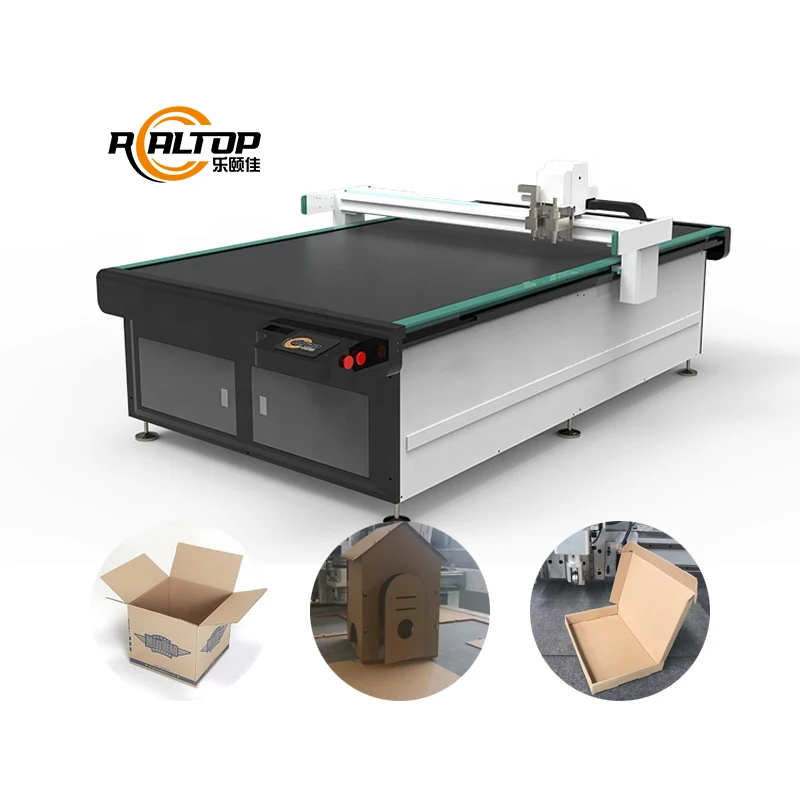
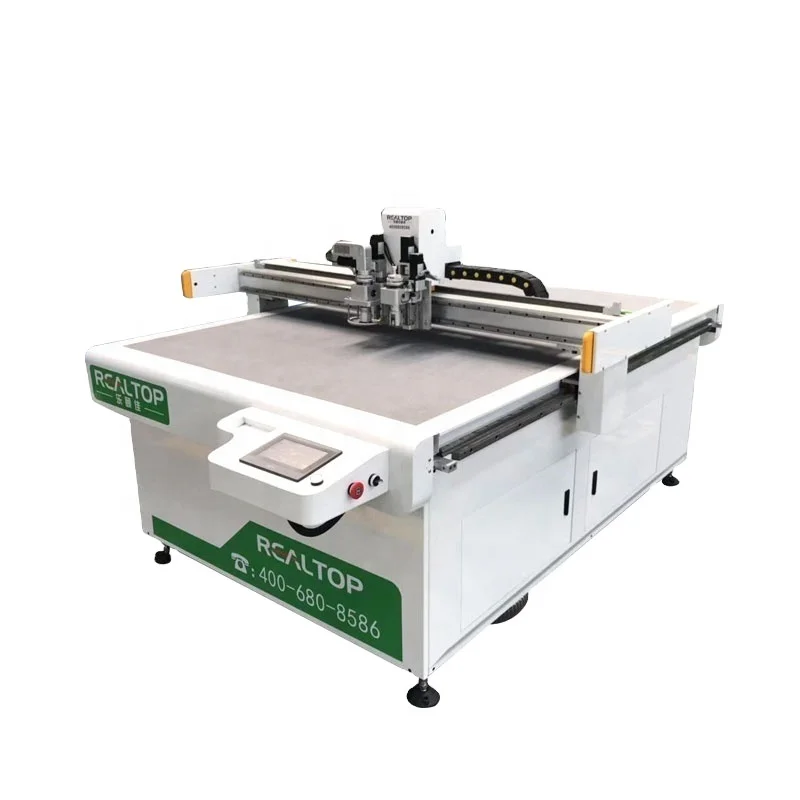
Design-Driven Manufacturing — we configure the RT-D2516/RT-S2516 around your actual foam density and sheet format, matching vacuum zoning, blade geometry and feed rate to what you really cut, not just what the brochure says.
Technical Specifications
| Parameter | Value |
|---|---|
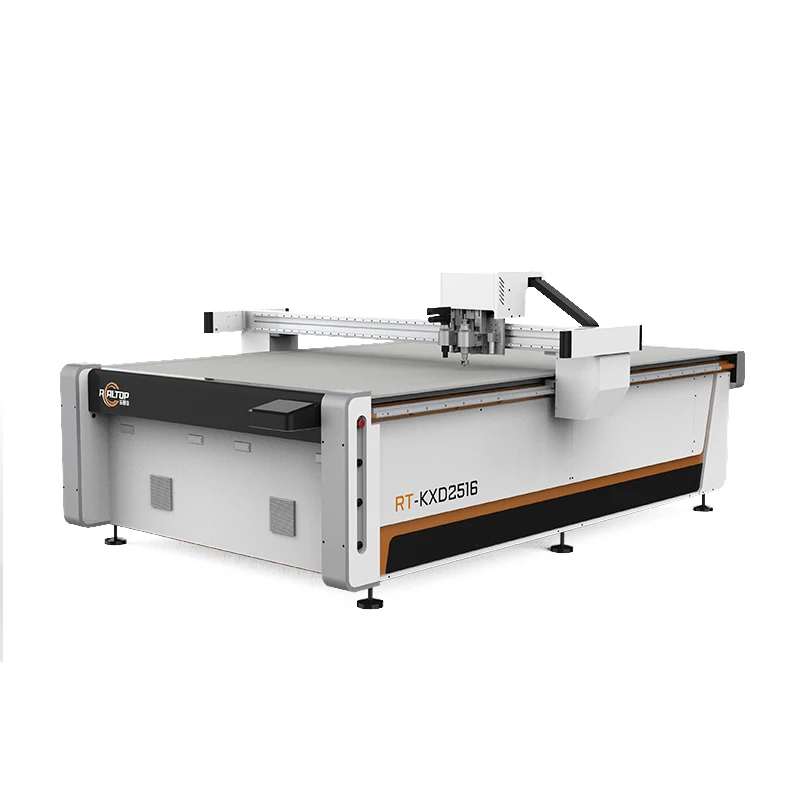
| Model | RT-D2516 / RT-S2516 |
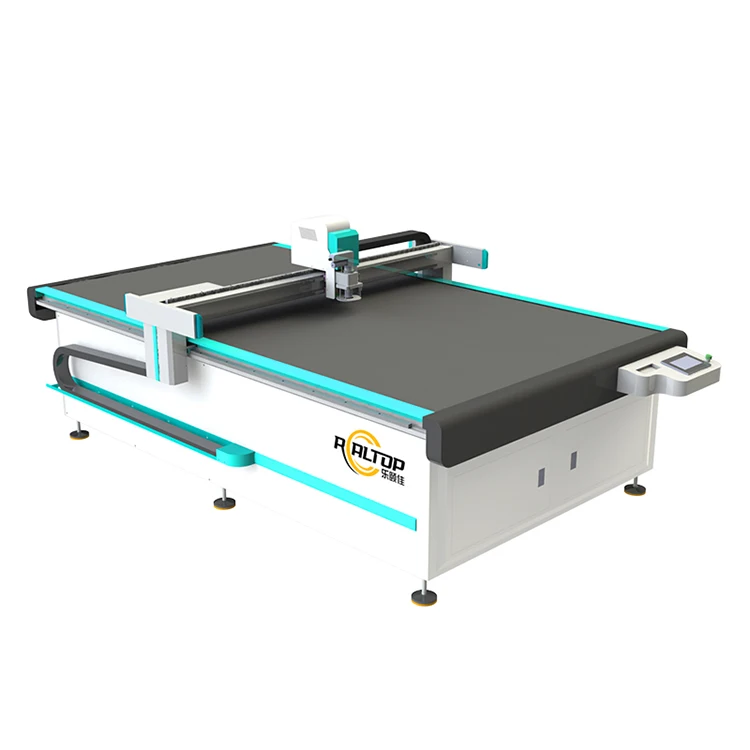
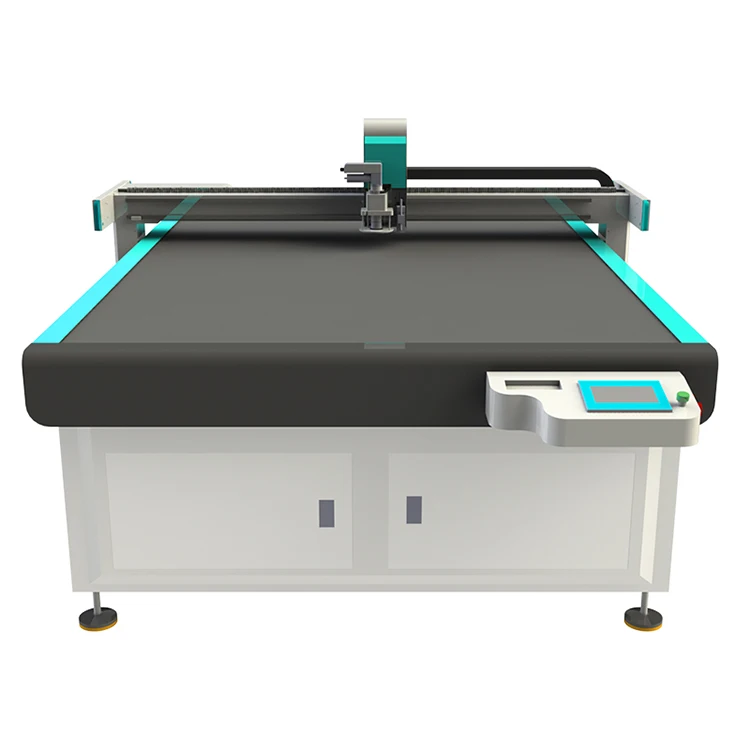
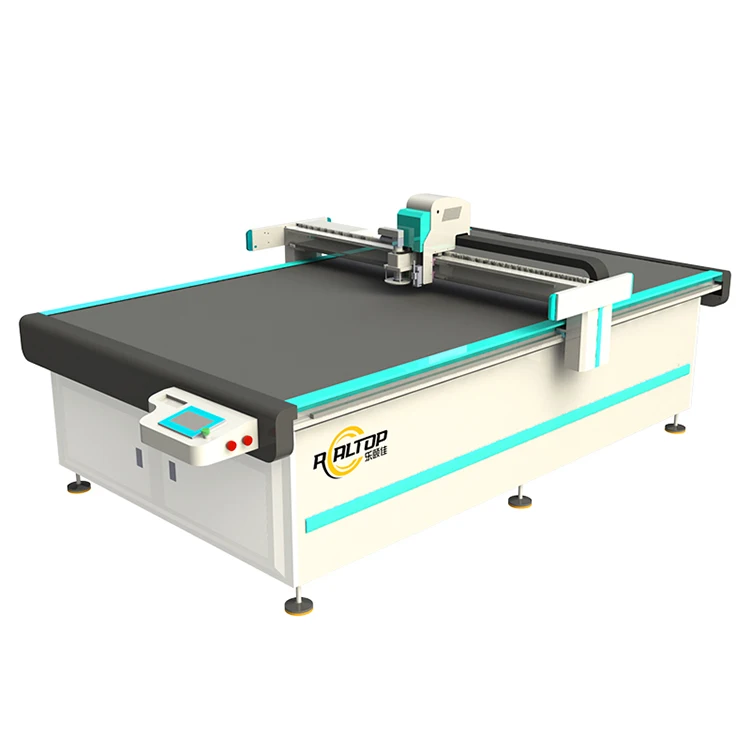
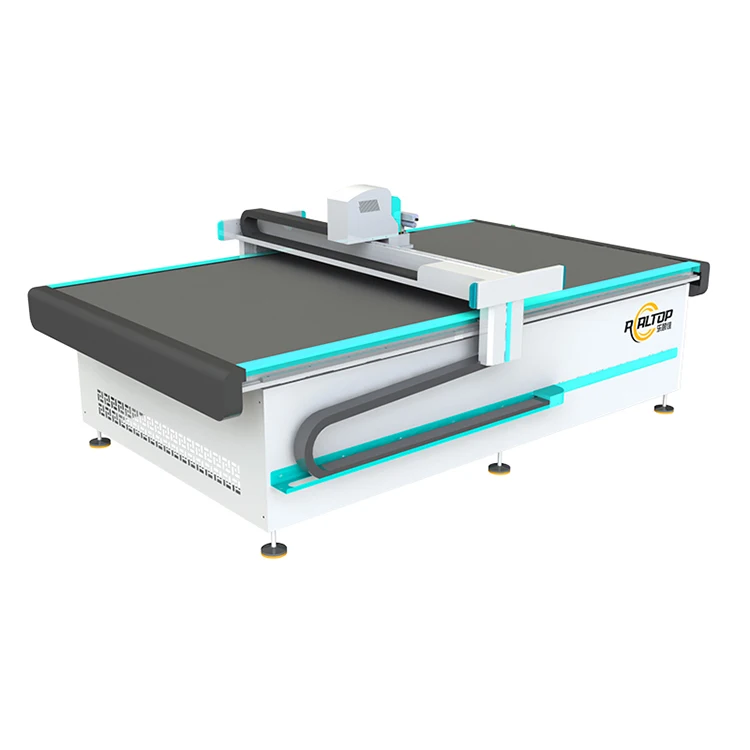
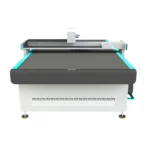
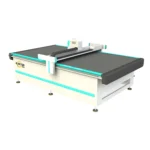
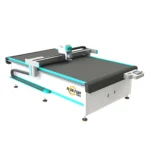
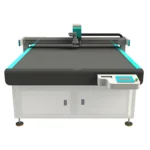
| Product Type | CNC Oscillating Knife Cutting Machine |
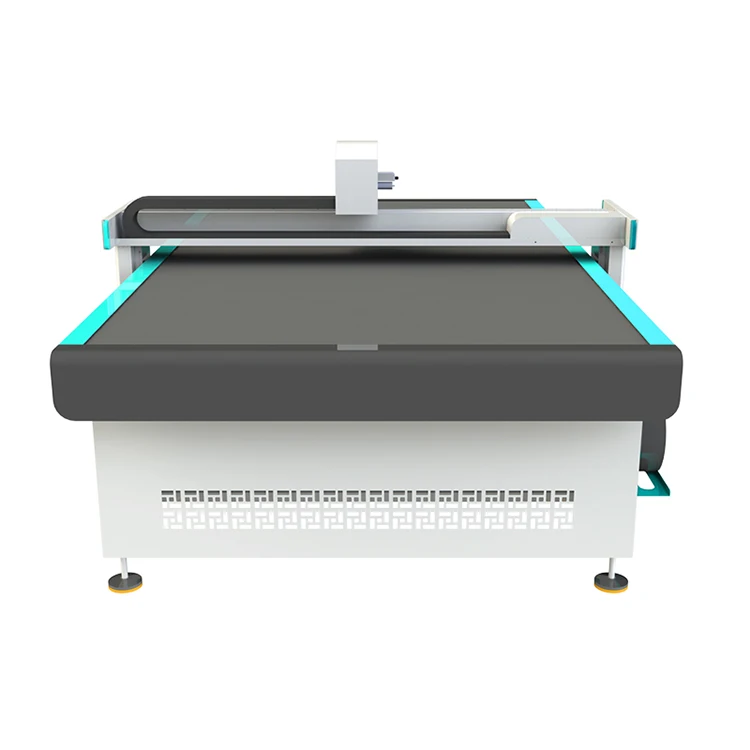
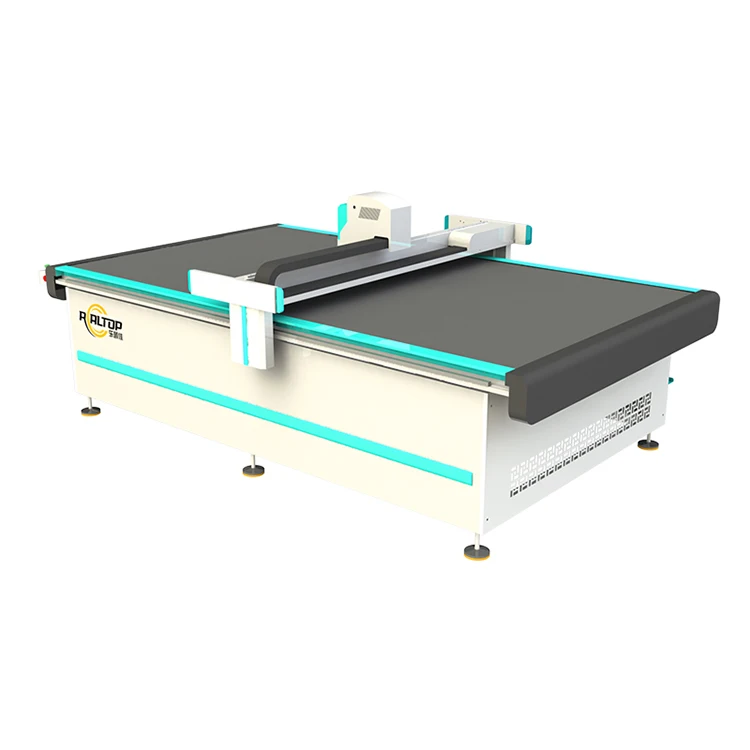
| Working Area | 1600 × 2500 mm |
| Machine Footprint | 3450 × 2300 × 1250 mm |
| Rated Power | 9 kW (title references 11 kW — confirm configuration with manufacturer) |
| Vacuum Pump | 7.5 kW |
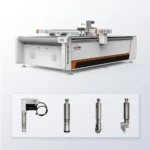
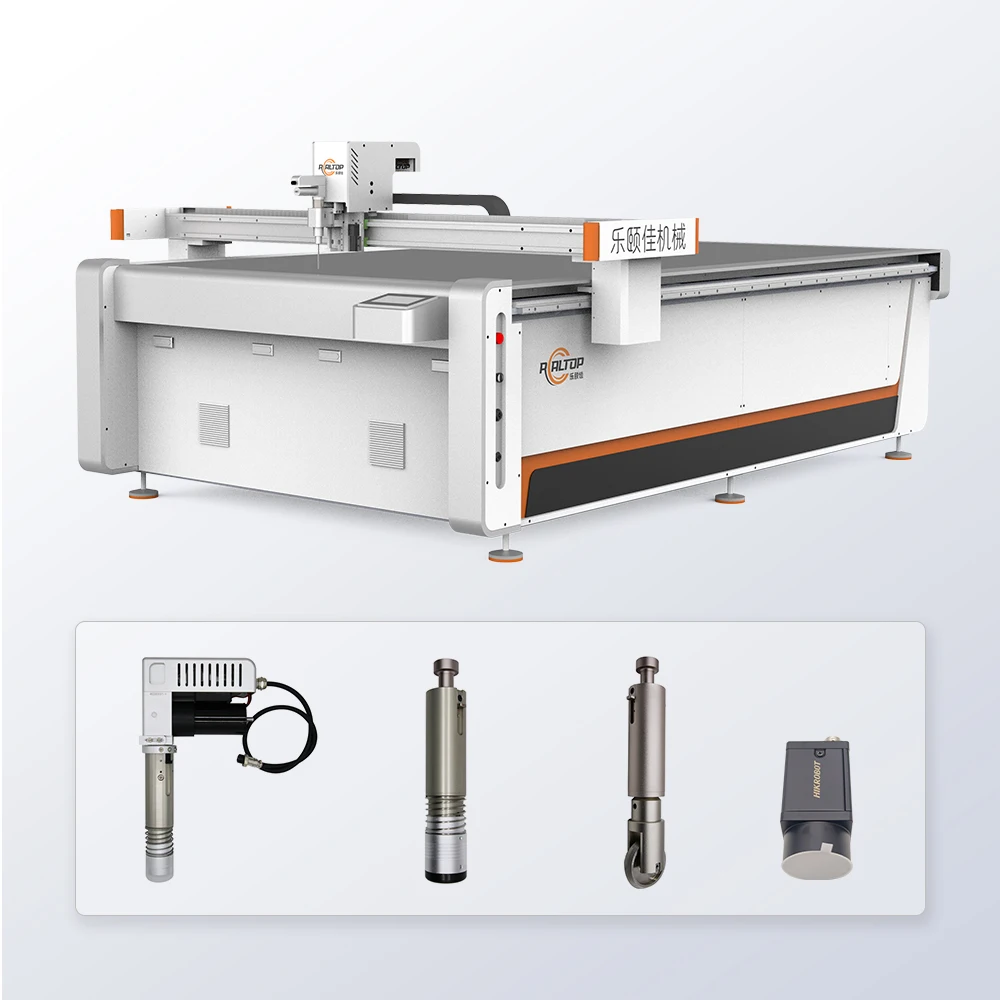
| Tool Head | Oscillating knife with Swiss imported blade — full cut, half cut, cursor location |
| Translational Velocity | 800–1200 mm/s |
| Cutting Speed | 200–800 mm/s (basis not stated in source — confirm with material and thickness) |
| Repeatability | ≤ 0.1 mm |
| Servo Motor | Japanese Yaskawa digital servo |
| Linear Guide | Taiwan Hiwin rail |
| Conveyor Belt | Germany imported |
| Table Type | Flat vacuum table with auto-feeding conveyor |
| Safety Device | Infrared sensors |
| Control Format | HP-GL compatible |
| Voltage | 380V ± 10% |
| Warranty | 12 months whole machine, 3 months consumables |
| Certification | CE (scope to confirm per model) |
Application Suitability
| Application | Material or Output |
|---|---|
| Protective packaging inserts | EPE foam, EVA foam, cross-linked polyethylene |
| Carton and corrugated sample making | Corrugated board, folding carton, greyboard |
| Foam gasket and cushioning fabrication | Closed-cell sponge, rubber sponge composites |
| Flexible material cutting for leather goods | Leather, synthetic leather, garment textiles |
| PVC and soft glass processing | Flexible PVC sheet, soft glass, silicone rubber |
Why "Working Area Only" Specification Fails on Foam
The cutting table is only half the machine — the other half is how the tool head, blade profile and vacuum zones interact with your specific material density and thickness.
A machine specified purely by working area often arrives on the shop floor and immediately struggles. The oscillating knife tears through low-density EVA cleanly but chatters on high-density EPE, leaving ragged edges or crushed cell structure. Vacuum zoning set for large sheets cannot grip small nested gasket parts, so they lift and shift mid-cut. I have watched production runs stall because nobody confirmed material density before shipment — the machine was built for one thing and asked to do another [NEED_CITE: oscillating knife selection criteria by foam density and cell structure].
Configuring the Tool Head for Real Foam Behavior
The Swiss imported oscillating knife on this platform performs full-cut, half-cut and cursor-location operations. Full-cut separates parts cleanly from the parent sheet, while half-cut scores fold lines on corrugated or laminated packaging blanks without penetrating the backing. Cursor location marks drill points or registration targets for downstream assembly. The key decision is blade geometry — a wider blade suits dense EPE and composite sponge, while a narrower profile reduces drag on thin EVA and flexible PVC. Specifying blade type against your actual material prevents the crushed-edge problem that forces manual trimming on every part.
Vacuum Zoning and What Happens When It Is Wrong
The 7.5 kW vacuum pump paired with the flat working table must hold material flat across a 1600 × 2500 mm surface. When the table zoning is set for full-sheet cutting, small gasket blanks or nested packaging inserts lose suction at the edges and lift into the knife path. That lift causes dimensional drift and forces operators to tape sheets down manually — negating the throughput advantage of the auto-feeding conveyor. Proper zone configuration matched to your typical nesting layout keeps parts pinned without operator intervention [NEED_CITE: vacuum hold-down requirements for small-part CNC cutting].
Reading the Specs Against Your Production Reality
The Yaskawa digital servo motors and Hiwin linear guides deliver ≤ 0.1 mm repeatability, which matters when packaging inserts must mate precisely with molded housings or when gasket profiles follow tight radii. Translational velocity reaches 800–1200 mm/s between cuts, but actual cutting speed of 200–800 mm/s depends entirely on foam density and thickness — dense EPE demands slower passes to avoid blade deflection, while thin EVA allows faster travel. The HP-GL compatible control format is standard, yet your existing design software or nesting workflow may export in DXF, PLT or AI. Confirming file format compatibility before order prevents a situation where the machine arrives and cannot read your production files.
The Cost of Skipping Material Verification
When a buyer orders based on catalog cutting speed without testing their actual foam, the first production batch reveals the gap. Edges that should be clean show compression marks. Half-cut scores penetrate too deep or not deep enough. Small parts shift despite the vacuum pump running at full capacity. These problems are not machine defects — they are specification gaps that a sample cutting report would have caught before the machine left the factory [NEED_CITE: common causes of edge quality failure in foam CNC cutting].
Why Source This Platform Directly From the Factory
In-house design covers both oscillating knife and laser cutting technologies, so you match the method to the material rather than forcing one approach. The RT-D2516/RT-S2516 is configured per material type and production volume with documented blade, vacuum and conveyor choices. Tool head and table configuration are specified and confirmed before order — not adjusted after delivery. Software compatibility and file format support are verified in advance. Voltage, plug type and control language are confirmed to match your facility. Every machine ships with a factory test record run on material you provide.
Documentation & Verification
- Machine specification sheet listing servo and guide component origins with rated power confirmation
- Electrical schematic and voltage confirmation matching your local 380V or target market supply
- Tool head and table configuration list specifying blade geometry, vacuum zoning and conveyor setup
- Sample cutting report on your EPE, EVA or corrugated material showing edge quality and achievable speed
- Factory test record documenting repeatability and dimensional accuracy before dispatch
- CE declaration and certificate scope documentation per model configuration
Installation, Commissioning & Support
- Confirm floor loading for the 3450 × 2300 mm machine footprint and allow clearance for the auto-feeding conveyor
- Provide a dedicated 380V ± 10% circuit rated for the 9 kW total draw including the 7.5 kW vacuum pump
- Verify whether the machine ships fully assembled or requires on-site frame and gantry assembly
- First-run parameter tuning covers oscillation frequency, vacuum zone mapping and cutting speed by material
- Operator training addresses blade replacement intervals, HP-GL file import and nesting workflow setup
- Consumable spare parts list includes Swiss imported blades, conveyor belt segments and vacuum seals
What to Include in Your Inquiry
Send us the exact material type, density and thickness you cut most often — EPE, EVA, corrugated or composite. Specify your target market voltage and frequency so we confirm electrical compatibility before production. If your design team works in a specific file format or nesting software, tell us which one so we verify import capability. We will cut samples on your material and share the report before you commit.
Frequently Asked Questions
Q: How do I choose the right blade for EPE versus EVA foam?
A: Dense EPE typically needs a wider blade with higher oscillation frequency to push through the closed-cell structure without crushing it. Low-density EVA cuts cleanly with a narrower blade at faster travel speed. We test both on your actual material samples and document the recommended blade type in the configuration list before production begins.
Q: Can the vacuum table hold small nested gasket parts without shifting?
A: Standard full-zone vacuum settings are designed for large sheets and often lose grip on small blanks. We configure vacuum zoning to match your typical nesting layout, concentrating suction where parts sit. The sample cutting report demonstrates hold-down performance on your specific part geometry before the machine is built.
Q: Will my existing nesting software work with this machine?
A: The control system accepts HP-GL compatible formats as standard. If your workflow uses DXF, PLT or proprietary nesting output, we verify import compatibility during the pre-order stage. File format confirmation is documented in the software licence and compatibility note before shipment.
Q: What voltage options are available for export markets?
A: The standard configuration is 380V ± 10%, but target market voltage and frequency must be confirmed before production. We document the electrical schematic, plug type and transformer requirements per your local supply standard so there are no surprises on the installation day.
Q: What does the sample cutting report actually cover?
A: We cut your supplied material on the configured machine and document edge quality, achievable cutting speed, vacuum hold-down stability and dimensional accuracy. The report includes recommended blade type, oscillation settings and vacuum zone mapping — giving you verified production parameters before you place the order.
You may also like

商品评价
Clear filtersThere are no reviews yet.