



-
 Courier delivery
-
 DHL Courier delivery
-
 Warranty 1 year
-
 Free 30-Day returns

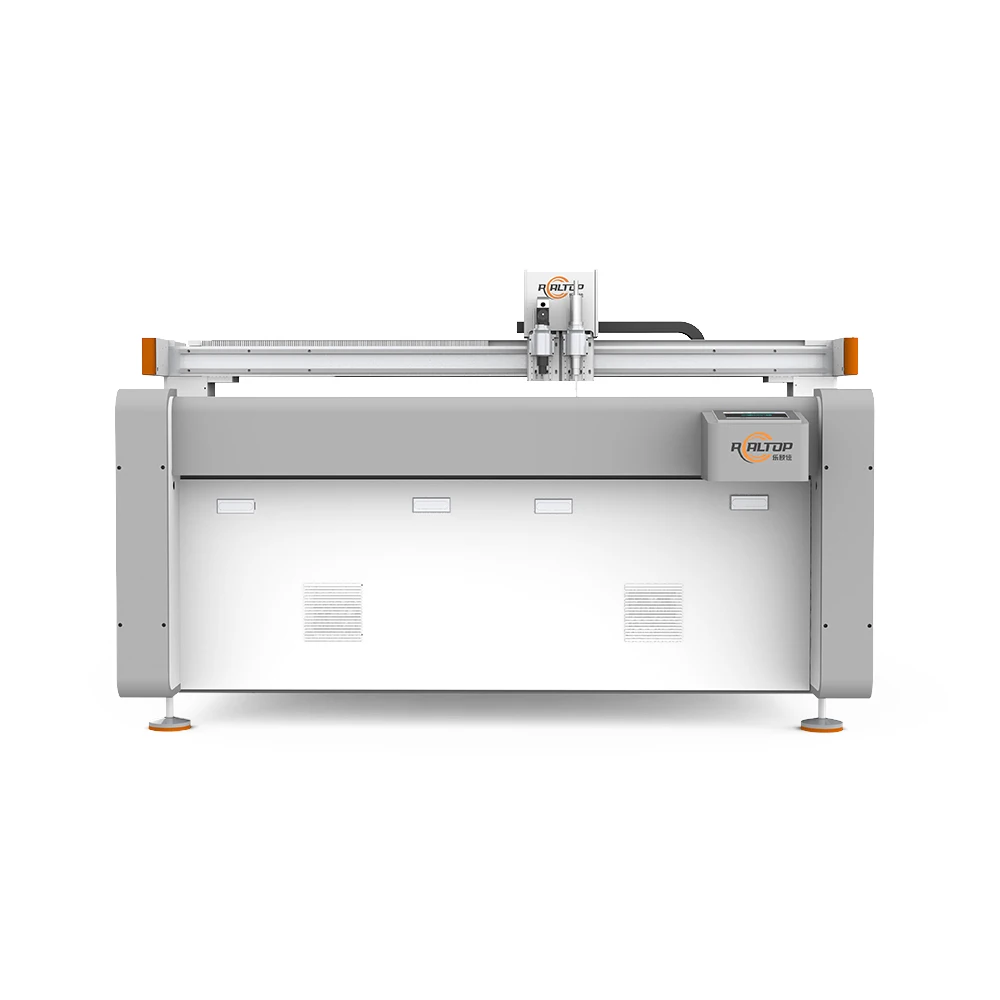
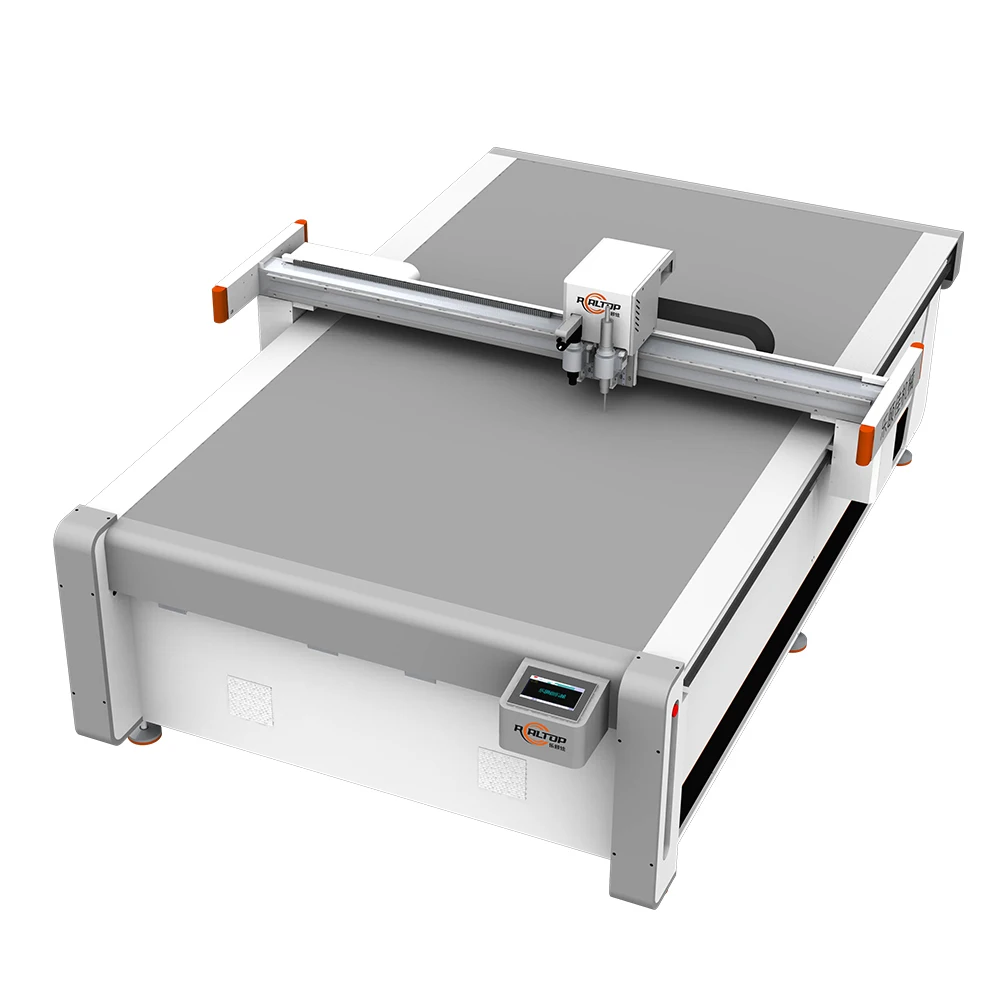
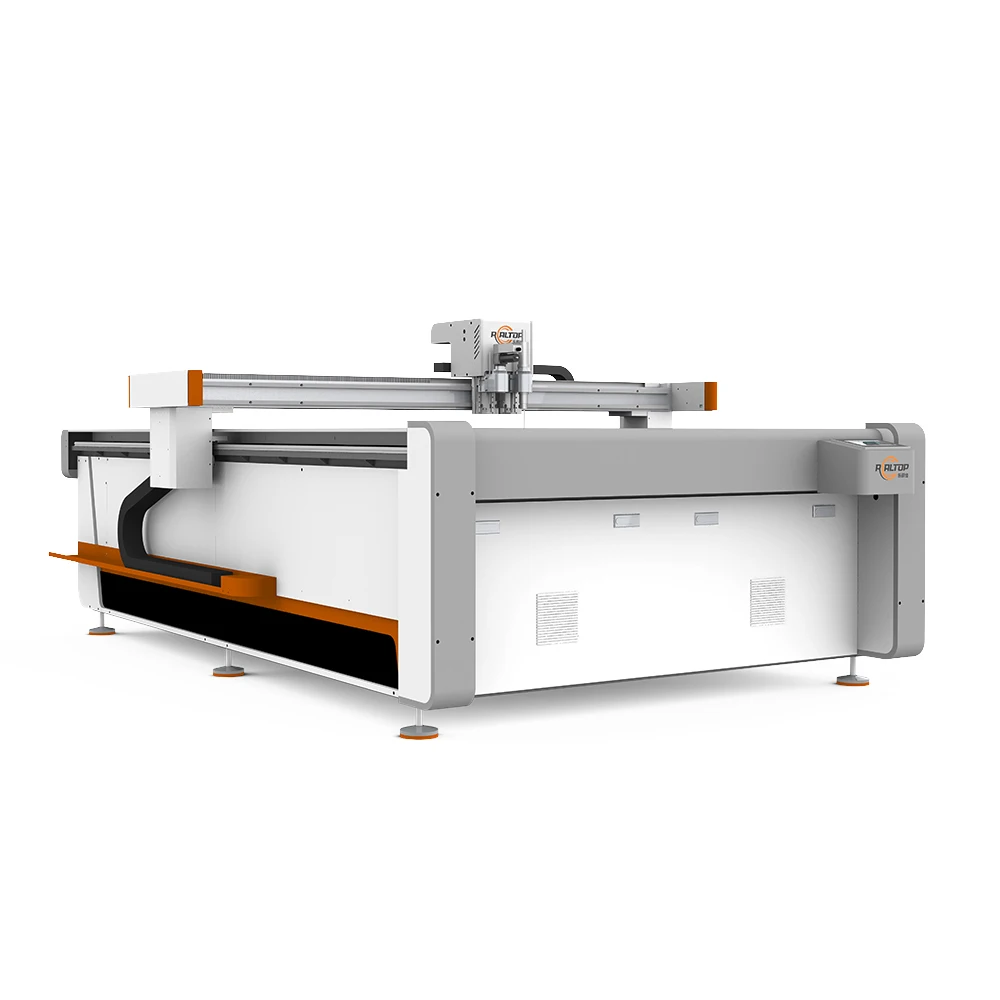
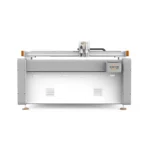
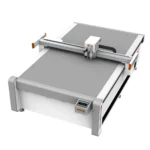
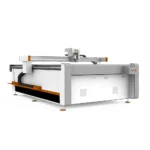
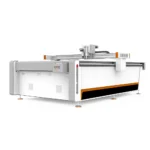
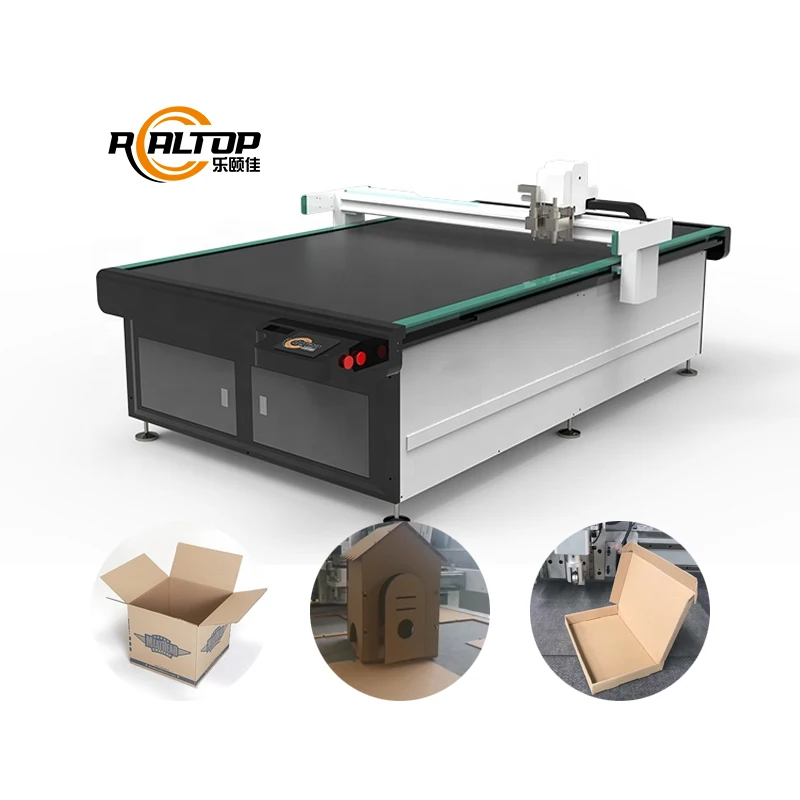
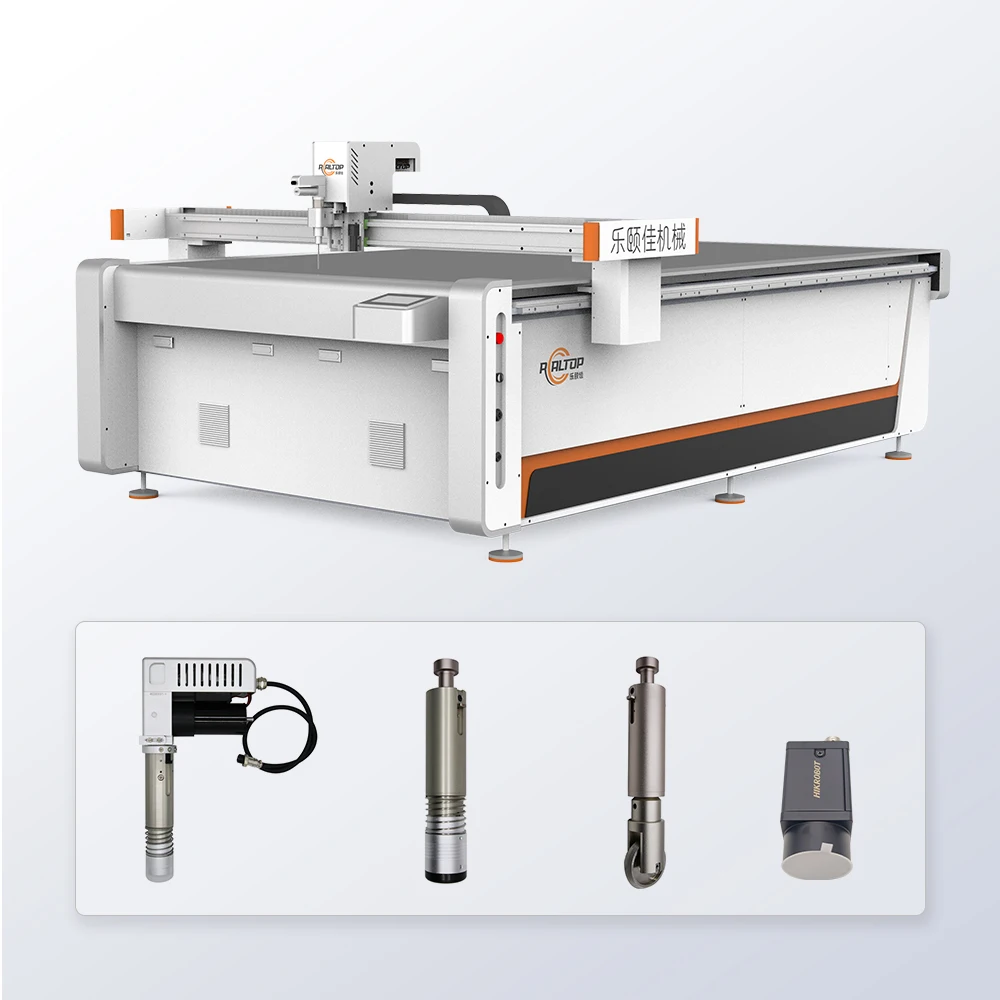
Structural integrity verified — Every frame undergoes high-temperature tempering and CNC machining center finishing before assembly, eliminating residual stress and ensuring dimensional accuracy across the full 1600×2500 mm working envelope for packaging and corrugated board applications.
Technical Specifications
| Parameter | Value |
|---|---|
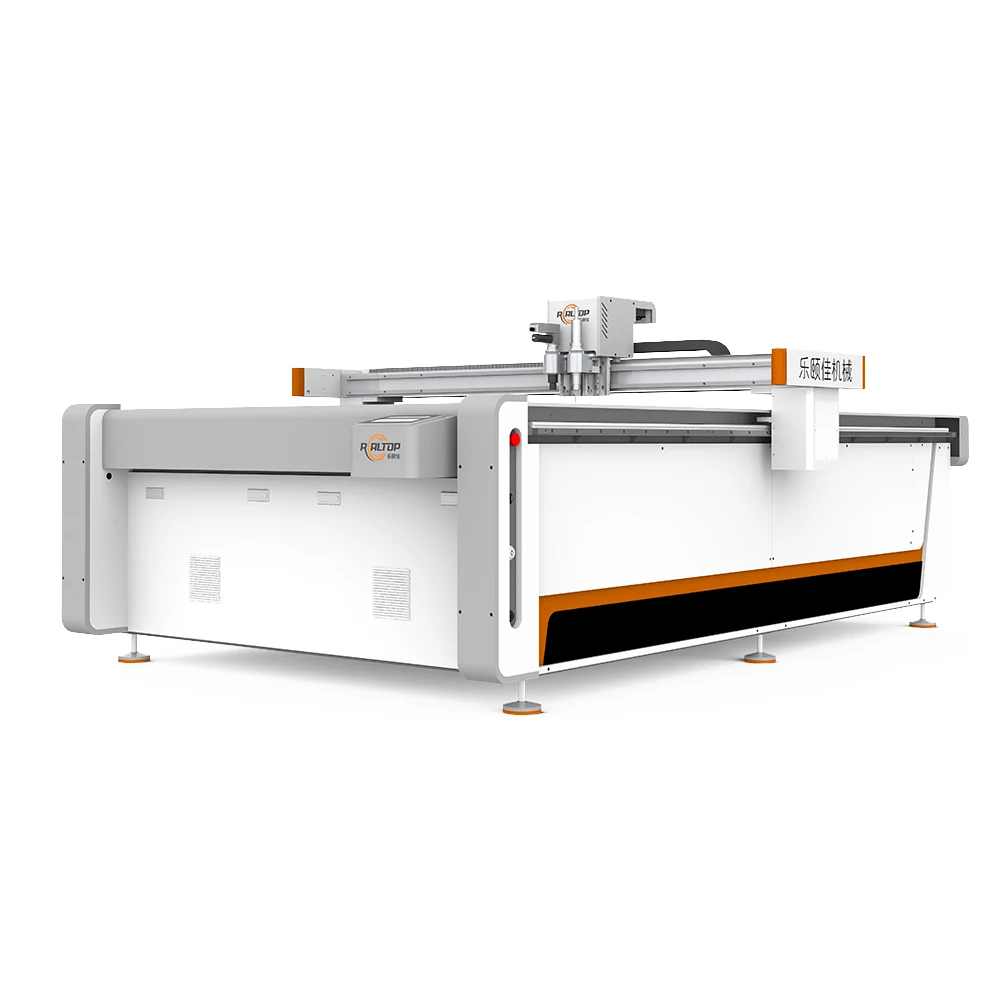
| Product Type | CNC Oscillating Knife Cutting Table |
| Working Area | 1600×2500 mm |
| Machine Dimensions | 3450×2300×1250 mm |
| Rated Power | 9 kW |
| Voltage | 380V±10% (50/60Hz to be confirmed per market) |
| Transmission System | Digital servo motor, linear guide, synchronous belt, ball screw |
| Servo Motor Options | Delta or Panasonic, IP67 protection |
| Vacuum Table Surface | Magnesium-aluminum alloy, PVDF fluorocarbon powder spraying, anodic and hard oxidation |
| Vacuum Pump | 7.5 kW, integrated aviation aluminum shell, built-in silencer sponge |
| Translational Velocity | 800–2000 mm/s |
| Cutting Speed | 200–800 mm/s (material dependent) |
| Maximum Cutting Thickness | ≤100 mm (varies with material density and tool selection) |
| Repeatability | ≤0.1 mm |
| Safety Devices | Infrared sensor stop, beam anti-collision sensors, emergency stop |
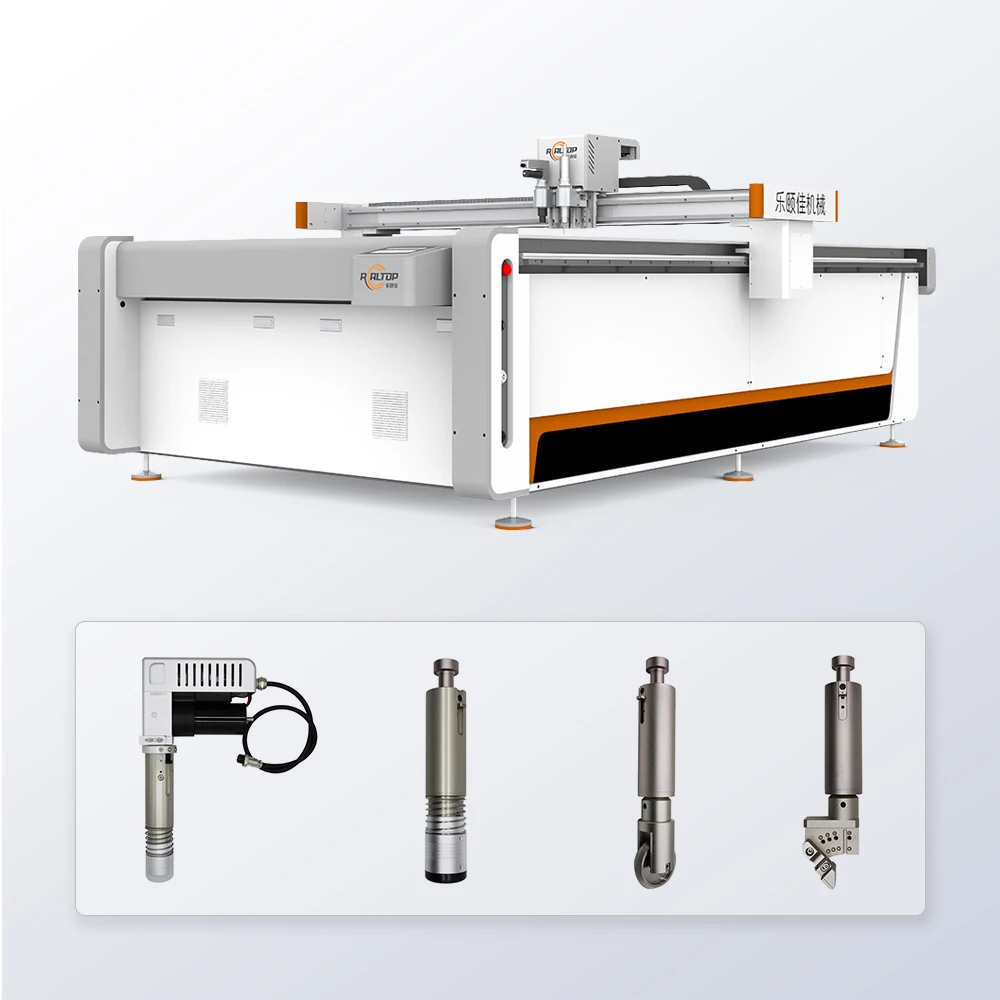
| Tool Head Options | Swiss oscillating knife, pneumatic knife, high-power vibrating knife, circular knife, V-cutting knife, drag knife, creasing wheel, dotted line knife, punching tool, brush |
| Visual Positioning | Small CCD camera mark point, panoramic camera recognition, projection positioning |
| Instruction System | HP-GL compatible format |
| Software File Support | PLT, DXF, AI |
| Control Panel | Touch screen with multi-language support (EN, RU, IT, CN; custom languages available) |
| Fixed Model Options | Flat working table or auto feeding table |
| Key Features | Germany imported conveyor belt, Taiwan Hiwin rail, CE declaration available |
Application Suitability
| Application | Material or Output |
|---|---|
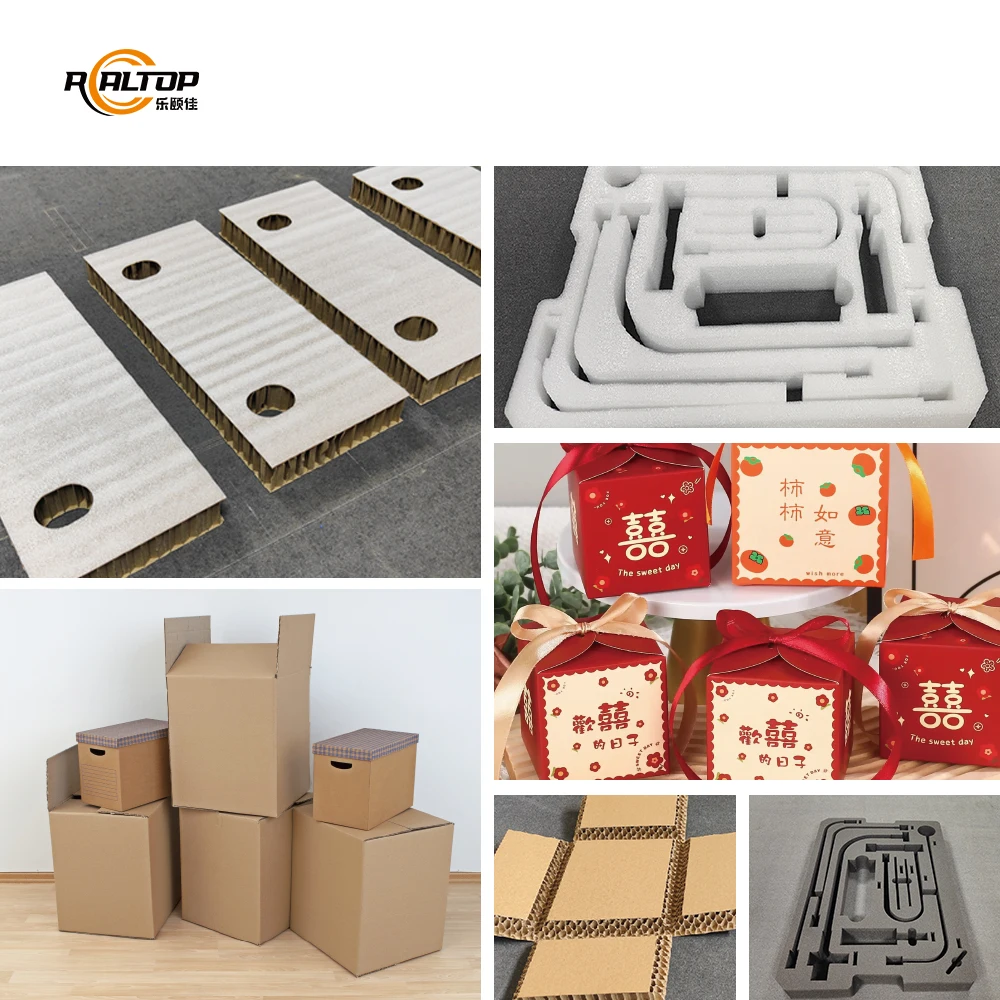
| Carton and packaging sample making | Corrugated cardboard, honeycomb board with creasing, V-slotting and full-cut |
| Gasket and sealing production | Rubber, PTFE, ETFE, fiberglass composites |
| Advertising and signage fabrication | PVC sheet, vinyl sticker, adhesive film, soft glass |
| Garment and luggage cutting | Leather, fabric, PU, EVA, XPE, sponge composite |
| Automotive interior trimming | Floor mats, composite upholstery panels |
| Foam and composite processing | Foam board, PE, PP, non-woven fabric |
What "Maximum 100 mm Thickness" Actually Means on the Shop Floor
Cutting depth is a function of material density, tool selection and vacuum hold-down — not just the stroke of the oscillating knife.
I spent years on the assembly floor before moving into technical sales, and the most common failure I have witnessed involves buyers specifying a CNC oscillating knife cutting table based on working area alone, only to discover their actual material — dense grey board rather than standard corrugated — cannot be penetrated at production speed. The knife oscillates at high frequency, but if the material compresses under the blade instead of shearing cleanly, the edge tears and the vacuum table loses grip on small offcuts. That mismatch stops a packaging line faster than any electrical fault. [NEED_CITE: material density and blade interaction in flatbed digital cutting]
Frame Welding, Tempering and Machining Center Finish
A CNC oscillating knife cutting table manufacturer that controls its own frame production can guarantee flatness across the entire magnesium-aluminum bed. Realtop welds thick-walled seamless steel tubing, subjects every frame to high-temperature tempering to relieve internal stress, and then runs it through a CNC machining center for the final surface finish. This sequence prevents the gradual warping that cheaper frames develop after months of vibration, keeping the linear guide and ball screw aligned over the long term.
Vacuum Table Design for Small Packaging Parts
Packaging sample work produces many small offcuts that tend to lift when the knife exits the material. The magnesium-aluminum alloy table surface here receives a PVDF fluorocarbon powder coating followed by anodic and hard oxidation treatment, achieving the flatness needed for uniform suction. The 7.5 kW vacuum pump sits in an integrated aviation aluminum shell with built-in silencer sponge, reducing noise while maintaining suction pressure across all zones. [NEED_CITE: vacuum zoning requirements for small-part hold-down in digital cutting]
Reading the Specification Sheet Beyond the Headline Numbers
The 9 kW rated power covers the servo system, vacuum pump and oscillating knife motor combined, which is relevant when sizing your workshop’s dedicated circuit. Servo motors from Delta or Panasonic carry IP67 protection, meaning dust and incidental moisture will not degrade the encoder feedback that maintains ≤0.1 mm repeatability. The cutting speed range of 200–800 mm/s is material dependent: honeycomb board at 5 mm thickness allows speeds near the upper limit, while dense rubber gaskets require the lower end for clean shearing. The touch screen control panel supports English, Russian, Italian and Chinese natively, with other languages configurable before shipment, so operators do not struggle with mistranslated menu items. HP-GL compatibility with PLT, DXF and AI file import means most packaging CAD outputs feed directly into the nesting workflow without manual re-drawing.
The Hidden Cost of Skipping the Material Test
Choosing the wrong tool head for a given material produces ragged edges on corrugated board or crushed foam cores, forcing operators to slow the cutting speed and reduce daily output. If the CCD contour recognition is specified but the camera cannot track printed registration marks at full translational velocity, the machine defaults to slower manual alignment on every sheet. Voltage and plug type left unconfirmed until the week before shipment can delay commissioning while a transformer is sourced locally. [NEED_CITE: tool head selection errors in oscillating knife cutting applications]
Why Source This Machine from the Core Factory
In-house design and production cover both knife and laser cutting technologies, so a buyer can match the cutting method to the material rather than force a single process across all substrates. Tool head and table configuration is specified per material type and production volume before the order is finalized. CCD camera positioning for printed contour work is calibrated in the factory using the buyer’s own artwork files. Software compatibility — including file format import and nesting workflow — is confirmed before production begins. Voltage, control language and plug standard are locked in during the quotation stage, not left for the packing department. Sample cutting on the buyer’s own material runs before commitment, with a test report documenting edge quality, cutting speed and tool wear.
Documentation & Verification
- Machine specification sheet listing exact tool head and vacuum table configuration per material
- Electrical schematic with voltage and frequency confirmed for your local grid standard
- Factory test record on your corrugated board or gasket material before dispatch
- CE declaration applicability noted per unit and target market
- Software licence with file format compatibility confirmed for your CAD output
- Spare parts list matched to your selected tool head combination
Installation, Commissioning & Support
- 3450×2300 mm footprint requires a level concrete floor with clearance for material loading on all sides
- 9 kW total load demands a dedicated 380V circuit with the confirmed frequency for your region
- Flat table or auto feeding configuration affects upstream conveyor alignment at installation
- First-run parameter tuning on your actual board thickness and tool head combination
- Touch screen language set to your operator preference during commissioning
- Consumable blade and creasing wheel stock recommended for the first quarter of operation
What to Share Before Requesting a Quotation
Provide the exact material type, maximum sheet size and typical thickness range you will cut most often. Confirm your workshop voltage and frequency standard, preferred control language and any existing CAD software whose files must import directly. If you need sample cutting on your own substrate before committing, send a representative sheet with your standard print file for CCD calibration.
Frequently Asked Questions
Q: How is the machine frame built and finished before assembly?
A: The frame uses thick-walled seamless steel tubing, welded in-house and subjected to high-temperature tempering to eliminate residual stress. It then passes through a CNC machining center for the final surface finish, ensuring the linear guide rails and ball screw mounting surfaces remain flat. This process prevents the gradual distortion that affects lighter frames after extended vibration cycles.
Q: What OEM and customization options are available for distributors?
A: Voltage and frequency are configured to match your local grid, control panel language is set to your market preference, and branding can be applied to the machine body and software interface. Tool head combinations are specified per your target customer base, and the full tooling package is documented in the specification sheet before production begins.
Q: How do you verify motion accuracy and repeatability before shipment?
A: Every unit runs a factory test cycle that exercises the full 1600×2500 mm working area, checking repeatability against the ≤0.1 mm specification. The test uses the buyer’s own material where possible, and a report documents cutting speed, edge quality and vacuum hold-down performance on small parts. Servo motor gain adjustment is verified under load.
Q: What is the typical lead time for a custom-configured order?
A: Custom configurations involving specific tool head combinations, non-standard voltage or bespoke control language require typical multi-week lead times from order confirmation. The exact schedule depends on current production queue and component availability. Factory testing on the buyer’s material adds time but is included before dispatch.
Q: Can we visit the factory to inspect build quality and run sample tests?
A: Factory visits are welcome, and buyers can run sample cutting tests on their own material using the exact tool head and vacuum table configuration intended for their order. The core factory handles frame welding, tempering, CNC machining and final assembly, so the full production chain is visible in one location.
You may also like

商品评价
Clear filtersThere are no reviews yet.