




-
 Courier delivery
-
 DHL Courier delivery
-
 Warranty 1 year
-
 Free 30-Day returns

Material-Driven Configuration — Tool heads, vacuum zoning and control logic are specified against your actual stock before production begins, not guessed from a brochure checkbox.
Technical Specifications
| Parameter | Value |
|---|---|
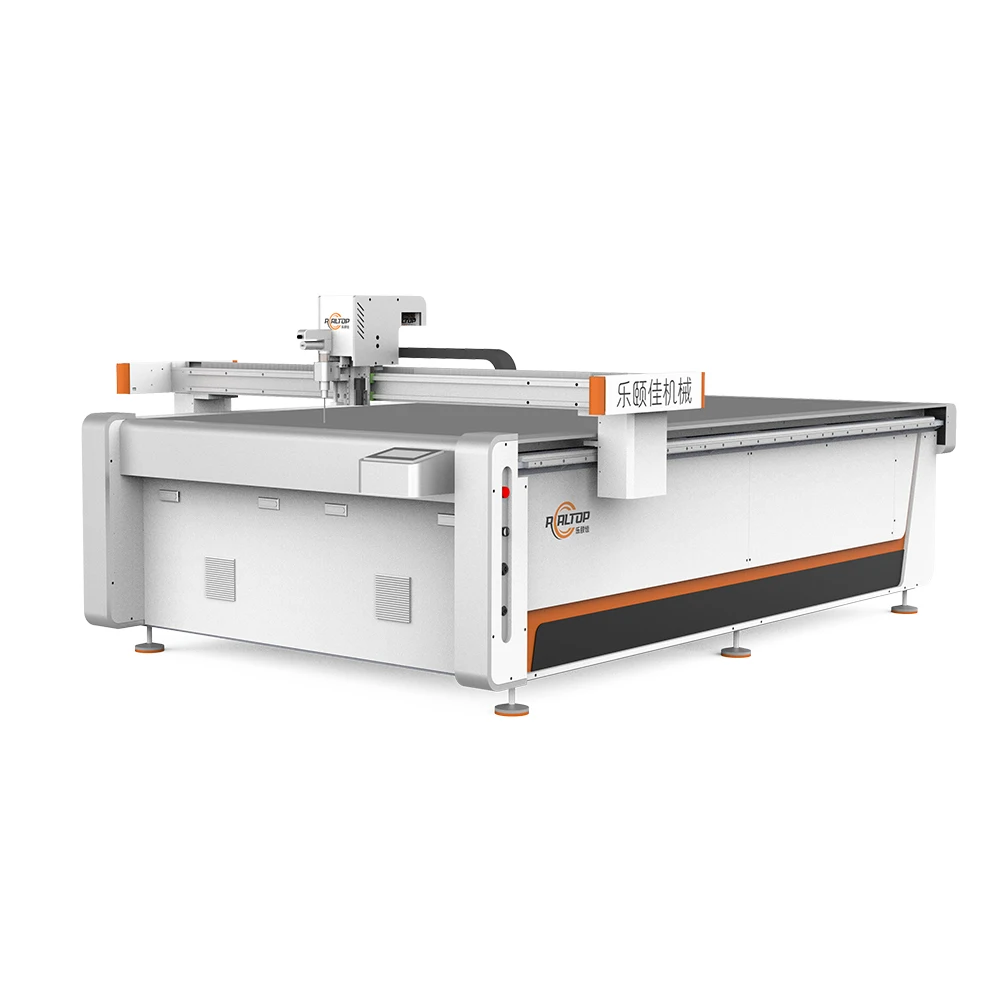
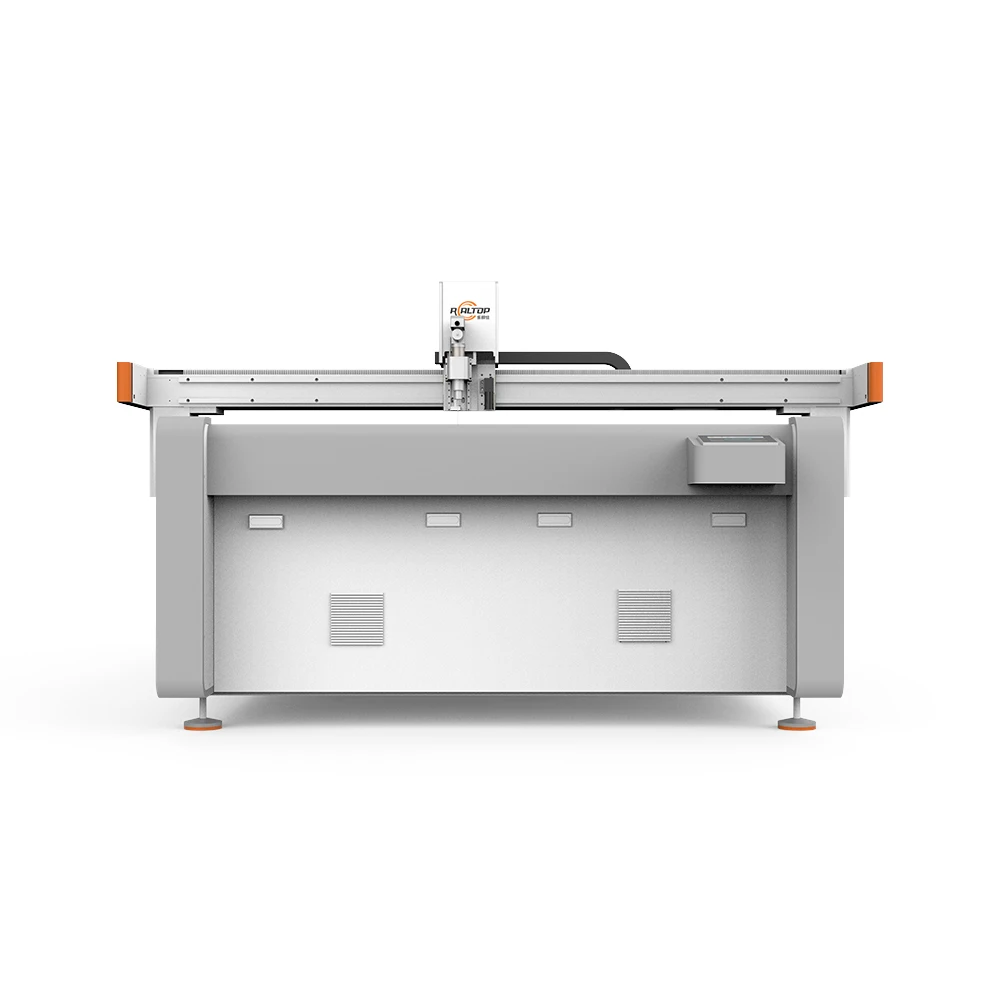
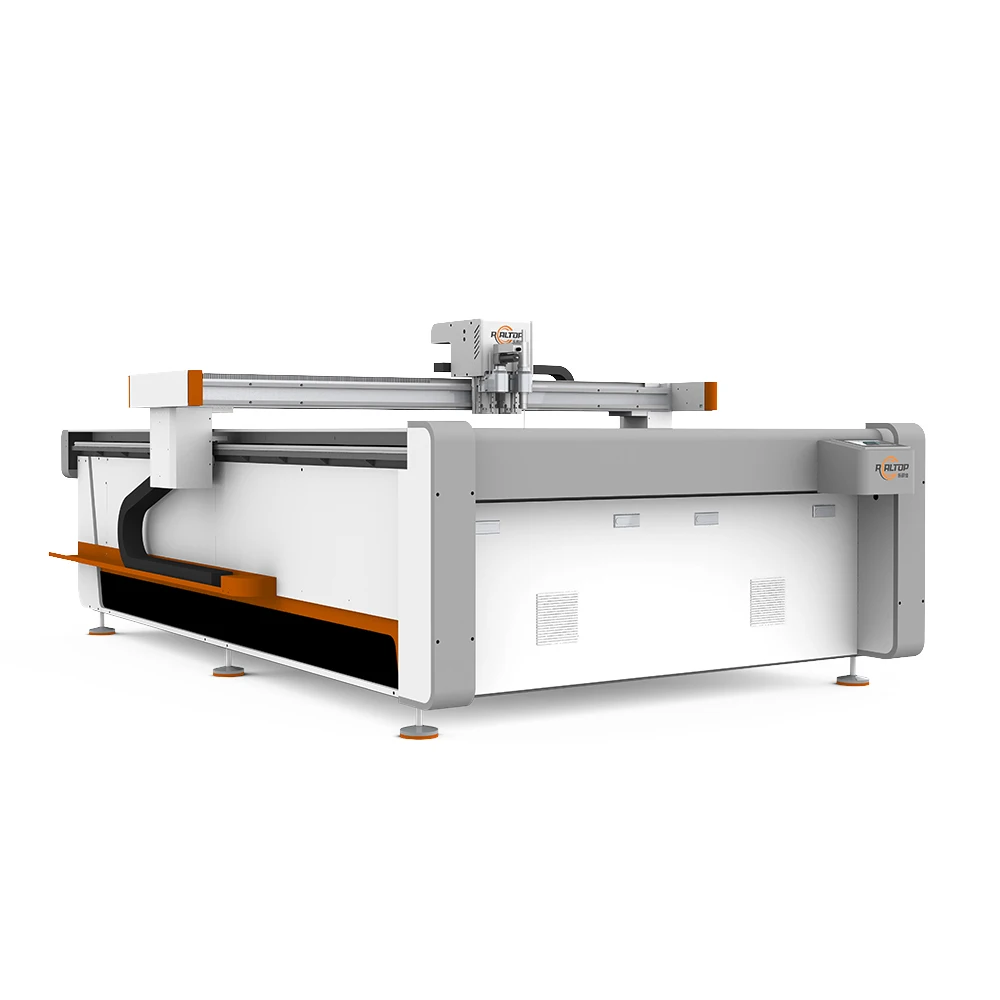
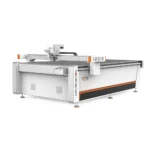
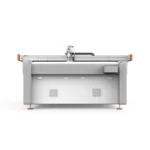
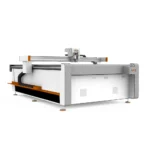
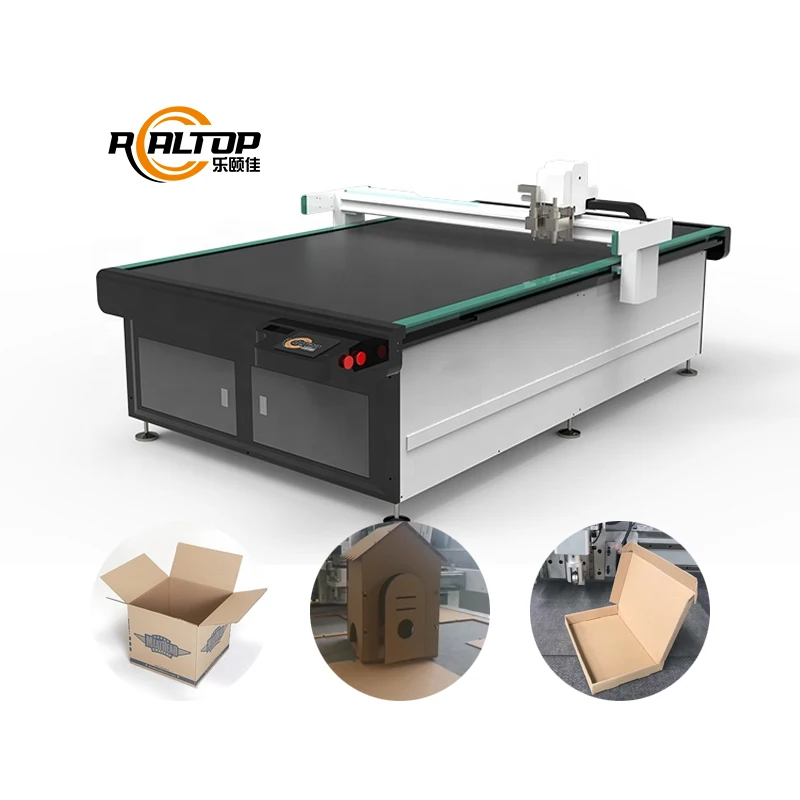
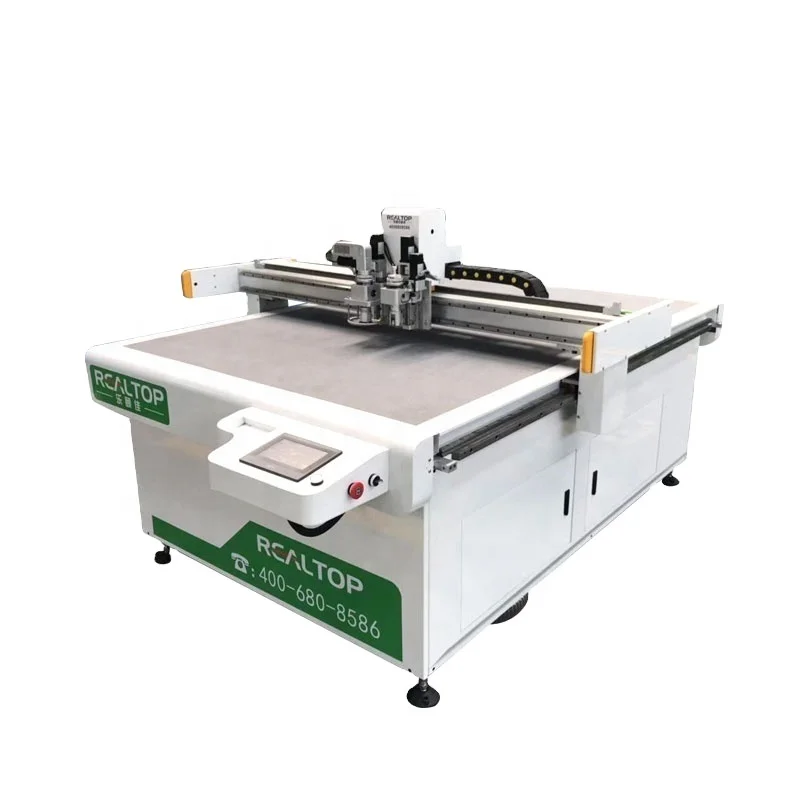
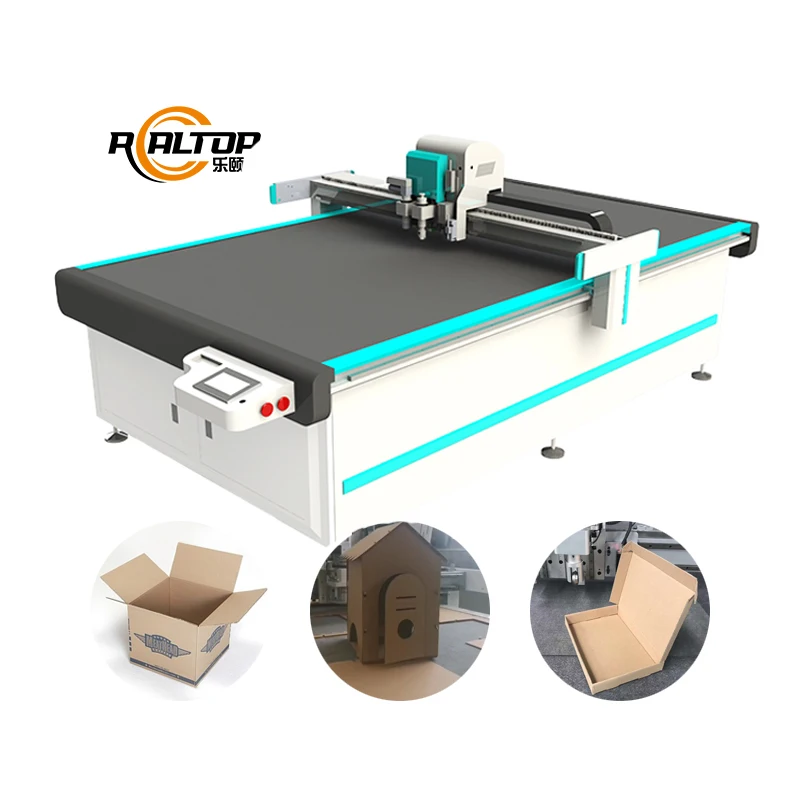
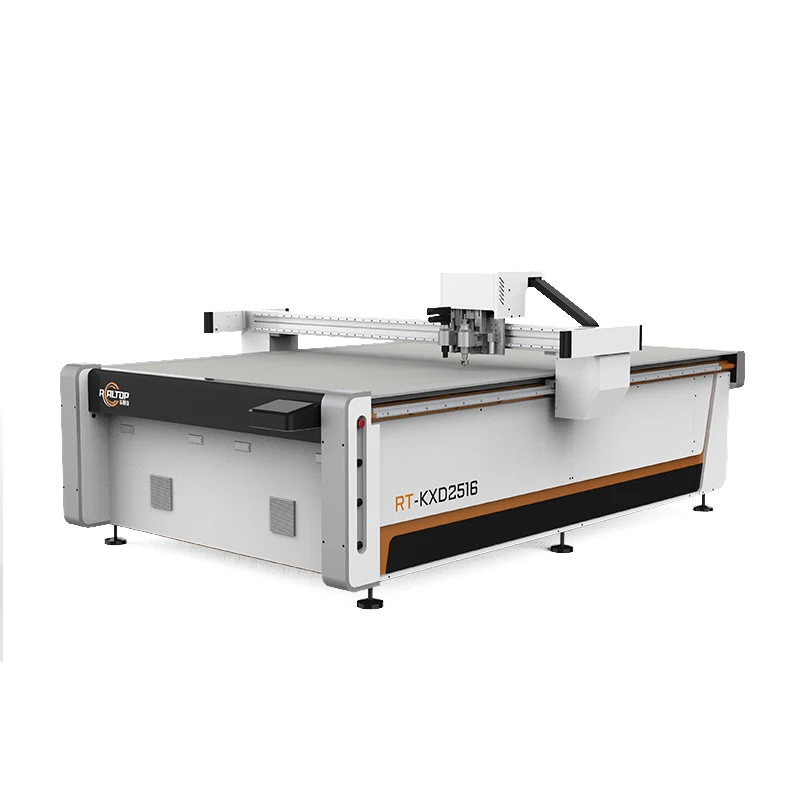
| Product Type | CNC Oscillating Knife Cutting Table |
| Working Area | 1600 × 2500 mm |
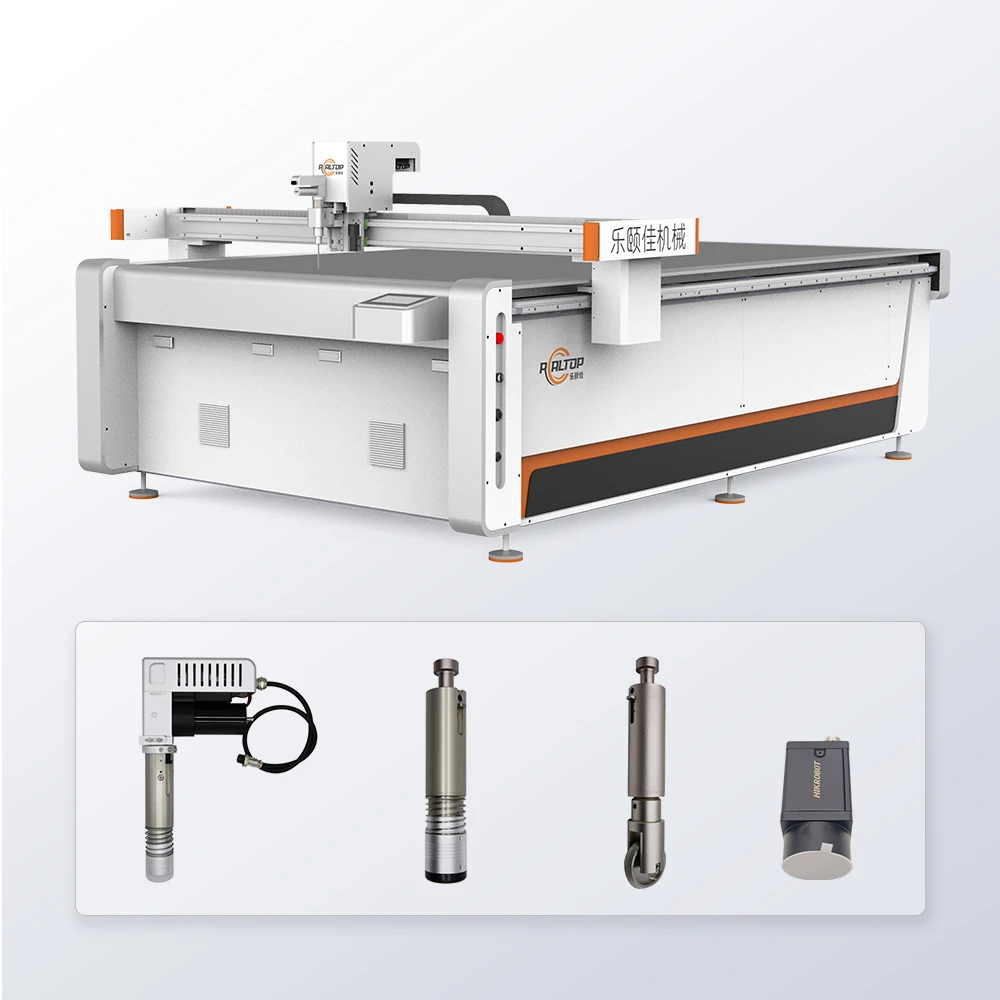
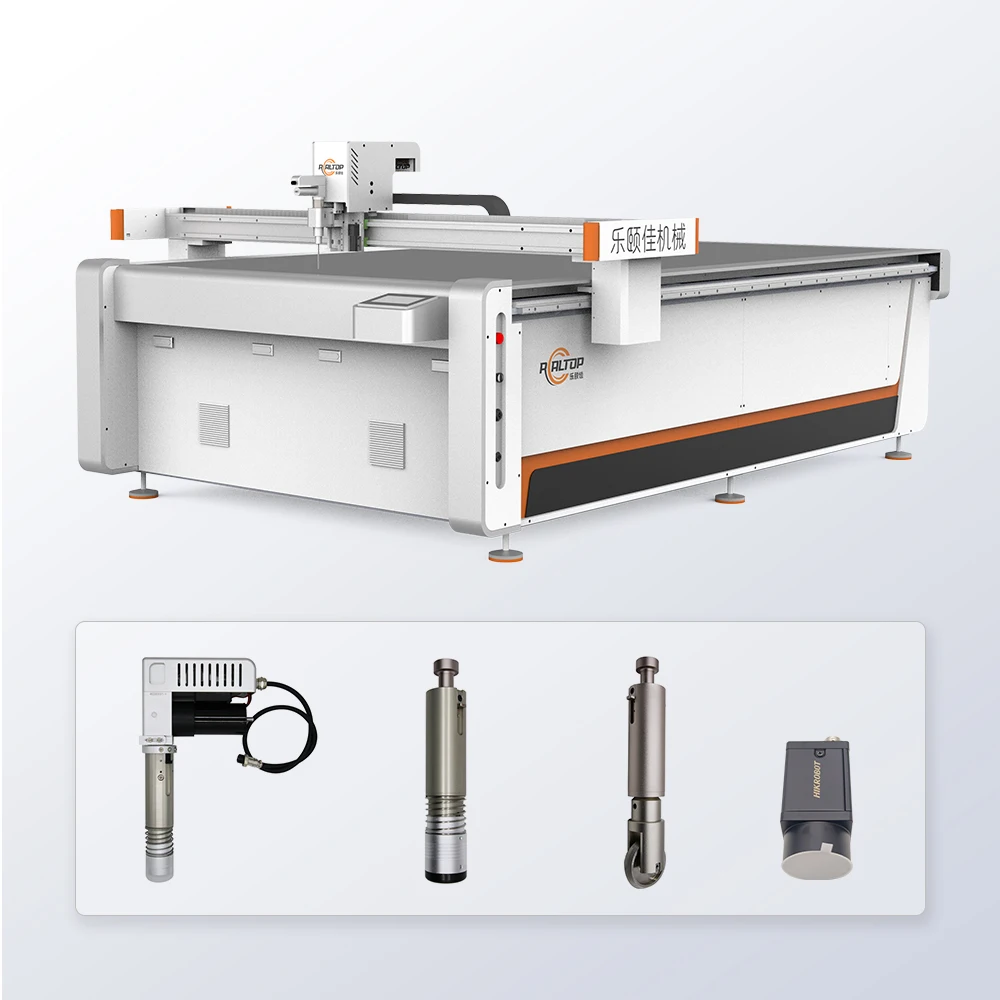
| Tool Head Options | Oscillating knife, Driven rotary knife, Creasing wheel, Kiss cutting tool, Pneumatic knife, Milling tool, V-groove knife |
| Cutting Speed | 0–1500 mm/s |
| Cutting Thickness Capacity | ≤ 40 mm (basis to be confirmed with material type and density) |
| Cutting Accuracy | ±0.1 mm |
| Vacuum Pump Power | 9 kW |
| Vacuum Table | Aluminum bellows vacuum table |
| Control System | PLC panel with dedicated packaging box structure design software |
| Voltage Options | 110V, 220V, 380V (frequency to be confirmed per market) |
| Servo Drive Options | Panasonic, Delta, Dorna (source value — verify against manufacturer catalog) |
| Safety Devices | Infrared sensor device, emergency stop |
| Compatible File Formats | PLT, DXF, AI, PDF |
| Machine Size | 3300 × 2100 × 1350 mm |
| Interface Languages | English, Russian, Italian, Chinese (special languages customizable) |
Application Suitability
| Application | Material or Output |
|---|---|
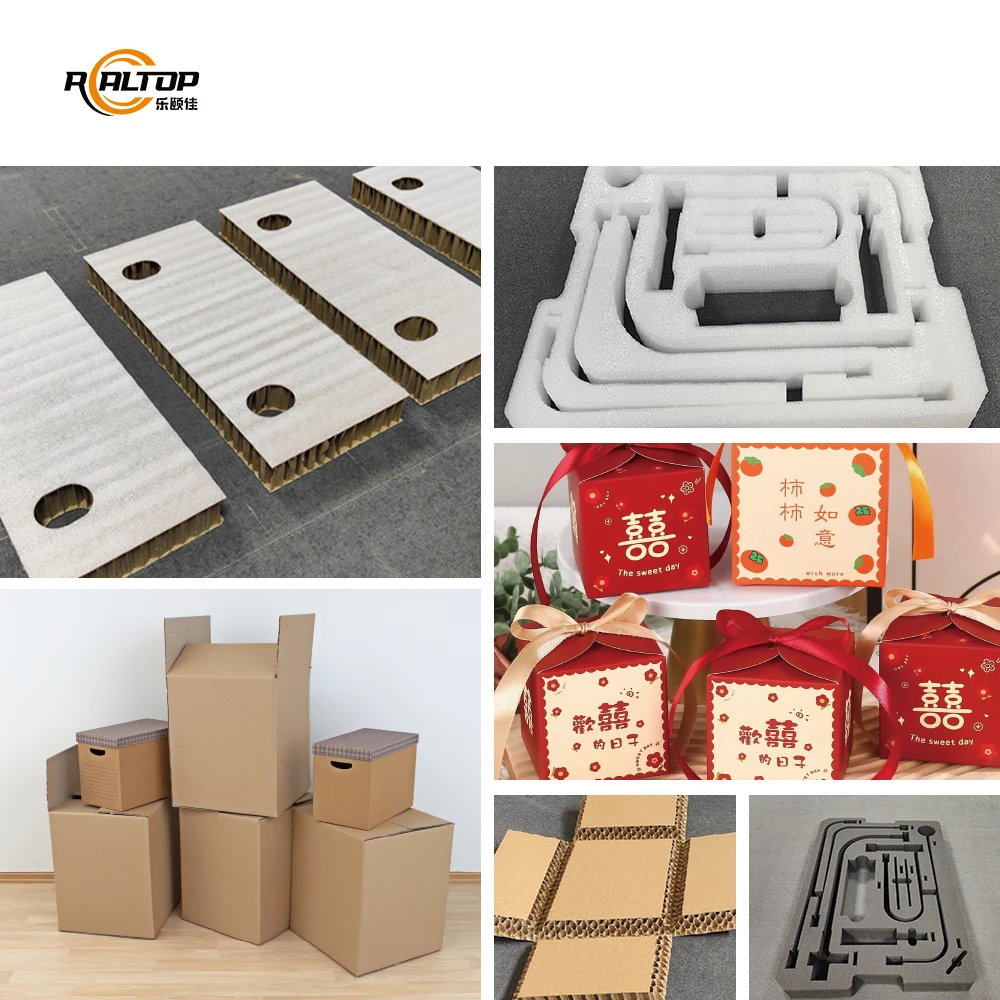
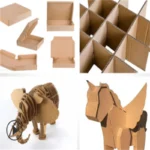
| Packaging sample making and short-run production | Greyboard, cardstock, art paper, specialty paper |
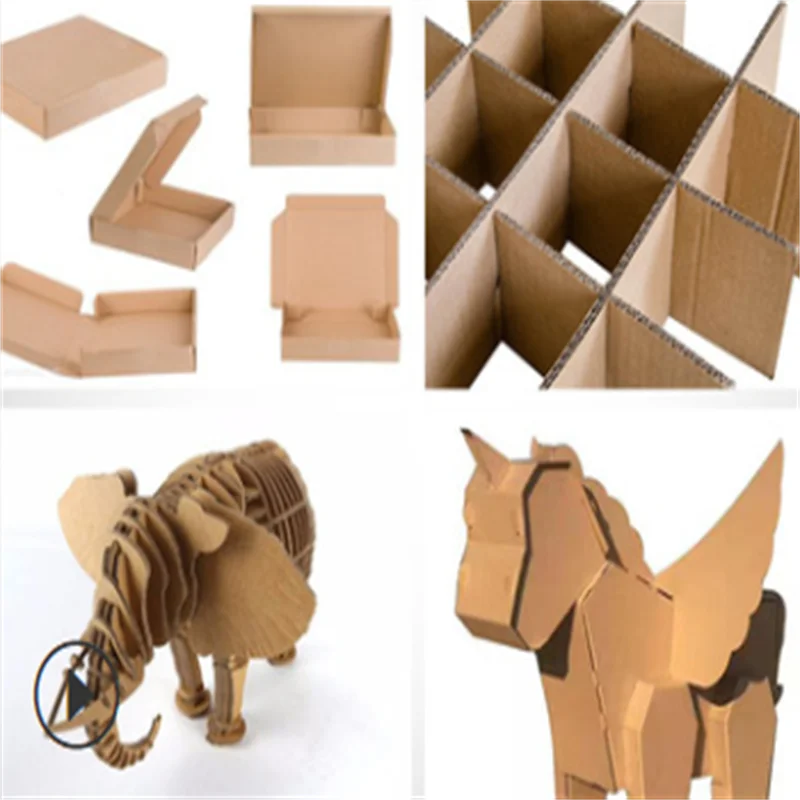
| Corrugated board prototyping and short runs | E-flute, B-flute, BC-flute corrugated cardboard |
| Foam and gasket fabrication | EVA, EPE, PU foam, rubber mats |
| Non-metal flat stock cutting | PVC, PET, leather, synthetic leather, velvet, fleece, non-woven fabric |
| Composite and adhesive-backed material processing | Laminated sheets, multi-layer composites |
Why "Cutting Thickness" Without Material Density Is Misleading
Cutting capacity is a function of material, not just millimeters.
A 40 mm claim on low-density foam tells a packaging shop nothing about how the same machine handles a dense BC-flute corrugated board or a hardened EVA gasket stock. I once saw a buyer receive a machine rated for thick foam, only to find the blade stalled and chipped within the first shift on dense corrugated — because the quotation never specified what material the thickness was measured against. The vacuum pump ran flat out, the tool head oscillated at maximum stroke, and the edge came out ragged. That production halt cost days, not hours. [NEED_CITE: material density impact on oscillating knife cutting depth]
The only honest answer is a sample cut on the buyer’s own stock before any specification sheet is signed off.
Matching Tool Heads to the Material on the Bed
A CNC oscillating knife cutting table manufacturer that offers a single fixed tool head forces the buyer to compromise on every material that falls outside its sweet spot. This platform carries seven interchangeable tool options — from a creasing wheel for scored carton folds to a V-groove knife for inlaid packaging inserts — so the configuration follows the production job rather than the other way around.
How the Vacuum Table Holds What Others Let Go
Holding a full sheet is straightforward; holding a small die-cut insert in the corner of a large bed is where most tables fail. The aluminum bellows vacuum surface here is paired with a 9 kW pump, and zoning configuration can be specified to match the buyer’s typical part geometry. Small parts that lift during high-speed passes cause blade deflection and scrapped sheets — a problem that vacuum zoning addresses at the source rather than through operator workarounds. [NEED_CITE: vacuum hold-down requirements for small-part digital cutting]
Reading the Specification Sheet Like a Production Manager
Cutting speed of 0–1500 mm/s sets the upper boundary for straight passes, but contour cuts on printed corrugated demand lower speeds for accuracy — and the PLC control software allows speed profiles to be stored per job. The ±0.1 mm accuracy figure matters most in packaging, where a scored crease line offset by even a fraction of a millimeter causes misaligned folds and rejected cartons. File format compatibility across PLT, DXF, AI and PDF means most packaging design workflows import without intermediate conversion, preserving dimensional fidelity from screen to bed. Servo drive selection across Panasonic, Delta or Dorna lets the buyer align with service networks already present in their region.
The Cost of Skipping the Sample Cut
When a machine ships without a test on the buyer’s actual material, every parameter is a guess. Blade angle, oscillation frequency, vacuum zone map and feed rate all interact with stock density and coating in ways that spec sheets cannot predict. The buyer discovers the mismatch on day one of production — ragged edges on coated cardstock, crushed flutes on corrugated, or delamination on adhesive-backed composites — and the machine sits idle while tools and settings are reworked from scratch. [NEED_CITE: cost of unplanned downtime in packaging sample production]
Why Buyers Source This Platform Here
In-house design covers both knife and laser cutting technologies, so the buyer is not pushed toward one method when the material demands the other. Every configuration — tool head, vacuum zoning, voltage, language — is documented and confirmed before production starts. Sample cutting on the buyer’s own material is standard procedure, producing a test report with edge quality, cycle time and depth verification. Software compatibility is validated against the buyer’s existing file format and nesting workflow before the order is finalized. Factory testing replicates the buyer’s production scenario, not a generic demonstration on standard stock.
Documentation & Verification
- Machine specification sheet listing every tool head and vacuum zone as configured
- Electrical schematic with voltage and frequency confirmed for destination market
- Sample cutting report run on buyer-supplied material with edge and depth notes
- Software licence documentation with verified file format compatibility list
- Operation and maintenance manual in the buyer’s selected interface language
Installation, Commissioning & Support
- Floor space requirement based on the 3300 × 2100 mm machine footprint plus operator access
- Dedicated electrical circuit matching confirmed 110V, 220V or 380V supply
- Machine arrives fully assembled with vacuum table and PLC panel pre-wired
- First-run commissioning uses buyer’s material to validate stored cutting profiles
- Operator training covers tool head changeover across all seven configured tools
- Spare blade and creasing wheel kit shipped with initial delivery
What We Need to Build Your Configuration
Send the material type, thickness range and typical sheet size you run most often. Let us know the daily volume and whether your current workflow uses nesting software or imports files directly. Confirm your facility voltage, frequency and the control language your operators need on screen.
Frequently Asked Questions
Q: How is cutting thickness capacity verified for my specific material and density?
A: We run a sample cut using material shipped by you to our factory. The test records blade type, oscillation frequency, cutting speed and edge quality on your exact stock. Results are documented in a sample cutting report shared before you approve the final machine configuration.
Q: What voltage, plug type and control language are confirmed before shipment?
A: Your facility voltage, frequency and plug standard are confirmed during the specification stage and written into the electrical schematic. The PLC control panel language is set to your choice from available options — English, Russian, Italian, Chinese or a custom language — and verified at factory test.
Q: How is the correct tool head selected for my material — and can I test before ordering?
A: Tool head selection is based on your material type, thickness and the edge quality your product requires. The sample cut tests one or more of the seven available tool heads on your stock, and the results determine the final configuration listed on your specification sheet.
Q: What file formats and nesting workflows does the software support with my existing design files?
A: The dedicated packaging structure design software imports PLT, DXF, AI and PDF natively. Before order confirmation, we verify compatibility with your existing design files and nesting workflow to ensure dimensional accuracy transfers from screen to cut without conversion loss.
Q: What vacuum table zoning options are available for small parts that tend to lift during cutting?
A: The aluminum bellows vacuum table can be configured with zoning matched to your typical part sizes. Zones are mapped based on your sample cut results so that small pieces remain flat under the tool head throughout the cutting pass, preventing blade deflection and edge damage.
You may also like

商品评价
Clear filtersThere are no reviews yet.