


-
 Courier delivery
-
 DHL Courier delivery
-
 Warranty 1 year
-
 Free 30-Day returns

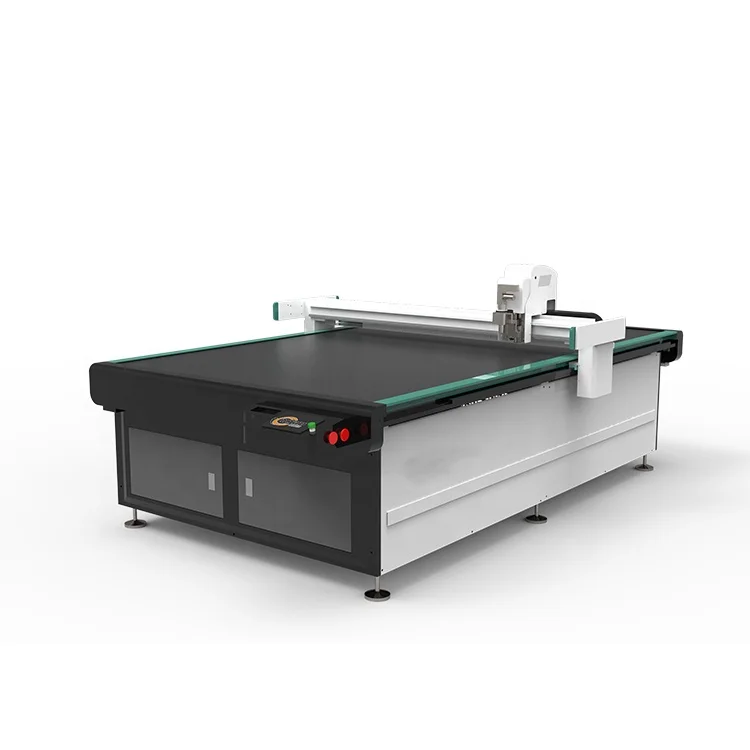
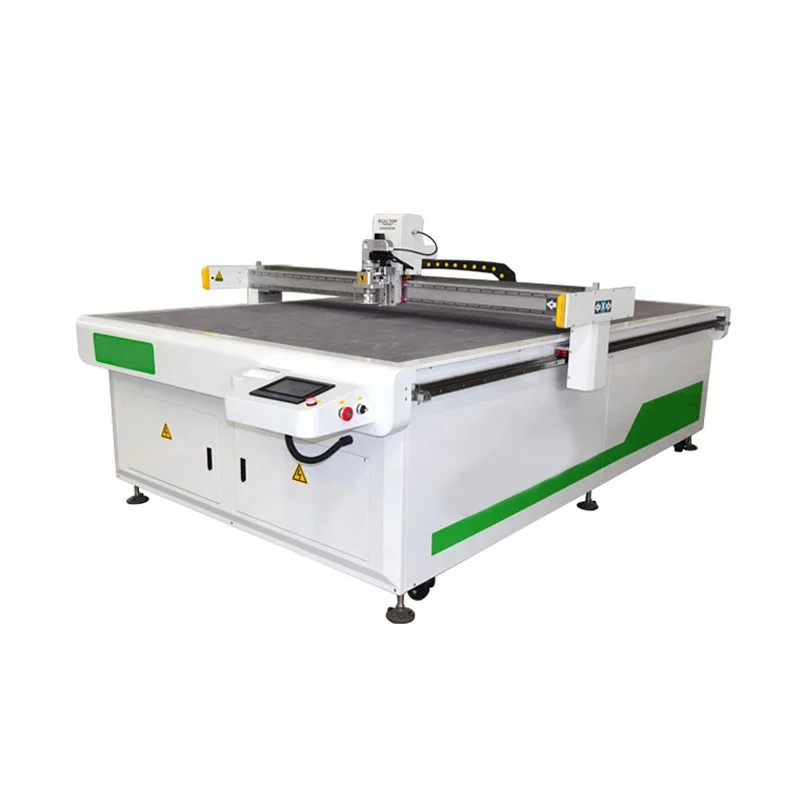
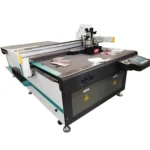
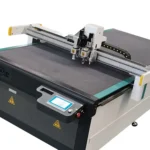
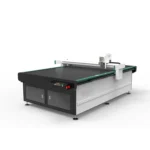
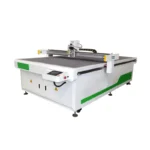
In-house engineering control — Every RT-D2516/RT-S2516 CNC Oscillating Knife Cutting Table is built and tested under one roof in Jinan, ensuring frame rigidity, motion accuracy and tool-head calibration are verified before the machine leaves the factory rather than assembled from sourced sub-assemblies.
Technical Specifications
| Parameter | Value |
|---|---|
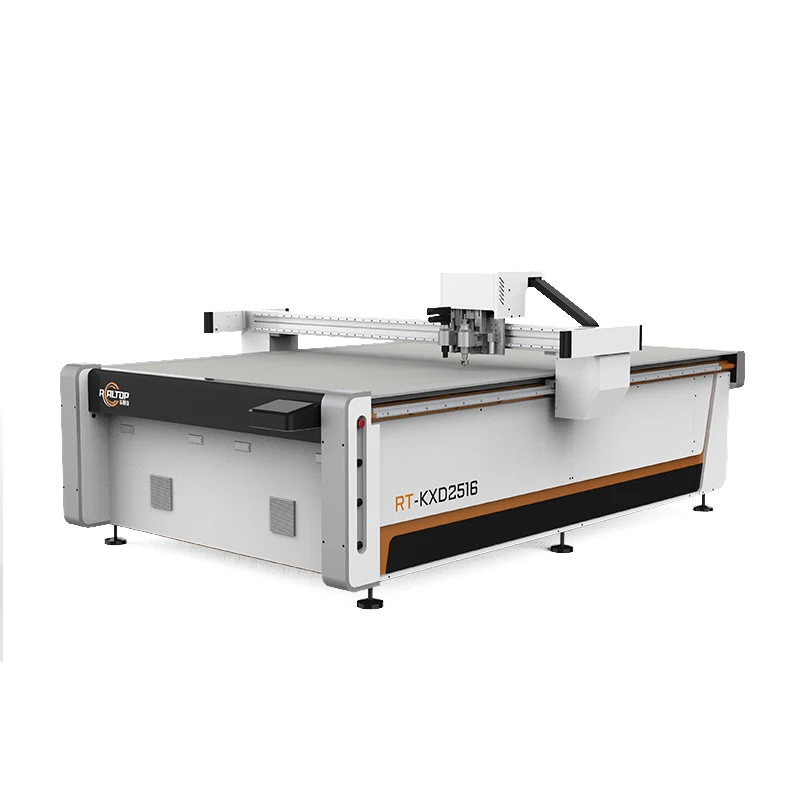
| Model | RT-D2516/RT-S2516 |
| Product Type | CNC Oscillating Knife Cutting Table |
| Working Area | 1600 × 2500 mm |
| Machine Size | 3450 × 2300 × 1250 mm |
| Rated Power | 9 kW |
| Vacuum Pump | 7.5 kW |
| Translational Velocity | 800–1200 mm/s |
| Cutting Speed | 200–800 mm/s (material dependent) |
| Repeated Accuracy | ≤0.1 mm |
| Servo Motor | Japanese Yaskawa |
| Linear Rail | Taiwan Hiwin |
| Transmission System | Digital servo motor, linear guide, synchronous belt, ball screw (imported) |
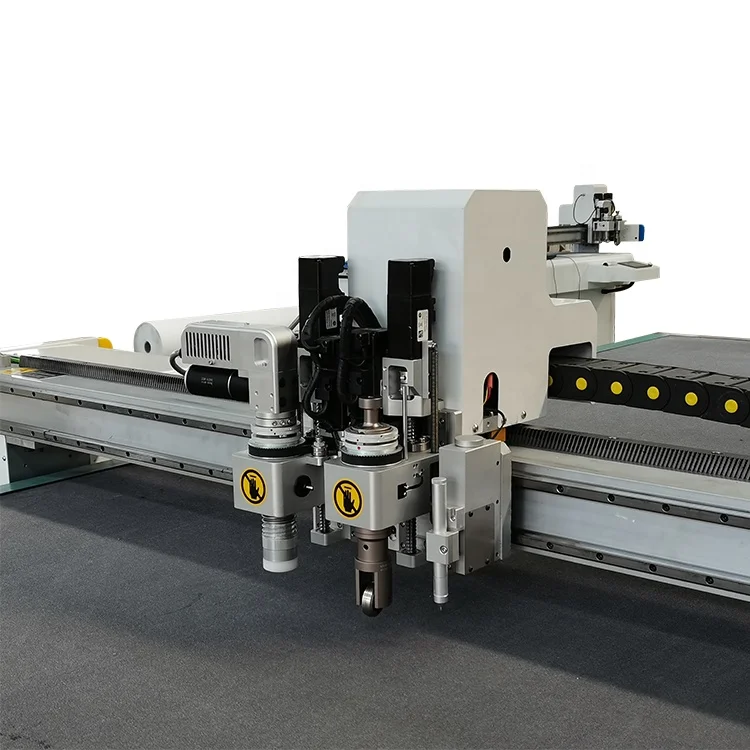
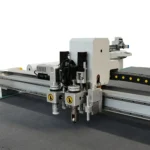
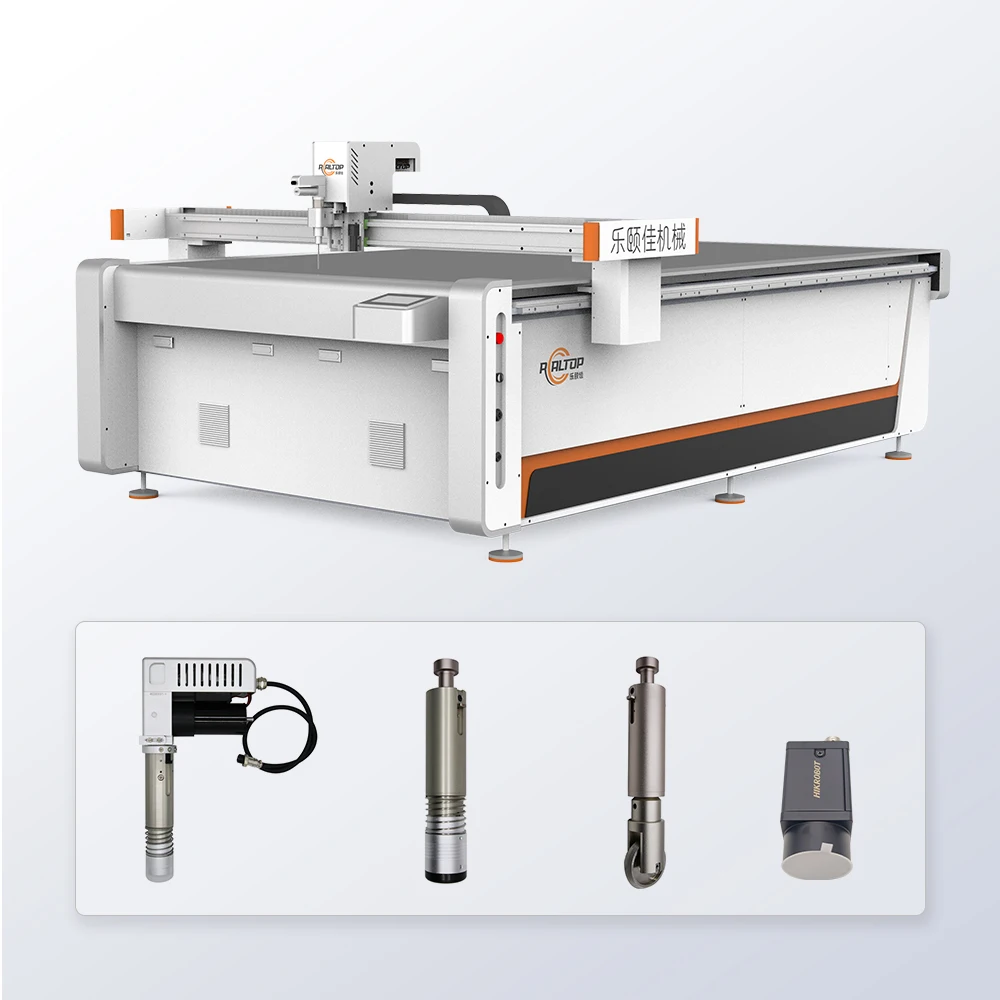
| Multifunctional Head | Swiss imported knife — vibration full cutting, half cutting, cursor location |
| Pneumatic Cutting Tool Max Thickness | Up to 70 mm |
| Worktable Type | Flat vacuum table with auto-feeding conveyor (Germany imported belt) |
| Instruction System | HP-GL compatible format |
| Voltage | 380V ± 10% |
| Safety Device | Infrared sensors |
| Functions | Cutting, creasing, marking |
| Certification | CE (implied, verify for destination market) |
Application Suitability
| Application | Material or Output |
|---|---|
| Carton and packaging sample making | Corrugated board, grey board, coated folding carton stock |
| Sticker and label production | Self-adhesive vinyl, paper-backed label stock, reflective film |
| Gift box and display prototyping | Foam board, honeycomb paper, magnet-board laminates |
| Leather and footwear panel cutting | Natural and synthetic leather, PU, microfiber textile |
| Gasket and seal fabrication | Rubber sheet, silicone, composite cork, non-asbestos fiber |
| Automotive interior trimming | PVC soft glass, sponge composite leather, acoustic foam |
Why the Material Test Must Come Before the Purchase Order
A cutting table specified only by working area will fail the moment material density or thickness exceeds the tool head’s capacity.
I learned this the hard way on the buyer’s side. A European packaging sample house ordered a flatbed cutter rated for standard corrugated, only to discover on arrival that their daily workload was high-density laminated grey board. The oscillating knife head could not penetrate the compressed fiber, and the first batch of box prototypes came out with torn edges and incomplete cuts. Two weeks of rework followed before the tooling and vacuum zoning were reconfigured to match [NEED_CITE: material density and tool-head compatibility in digital cutting]. That experience reshaped how I approach every inquiry: send the actual material first, cut samples, confirm edge quality and throughput, then talk about the order. A CNC Oscillating Knife Cutting Table manufacturer worth working with will never ask you to commit before the material has been on the table.
Frame, Motion and Repeatability
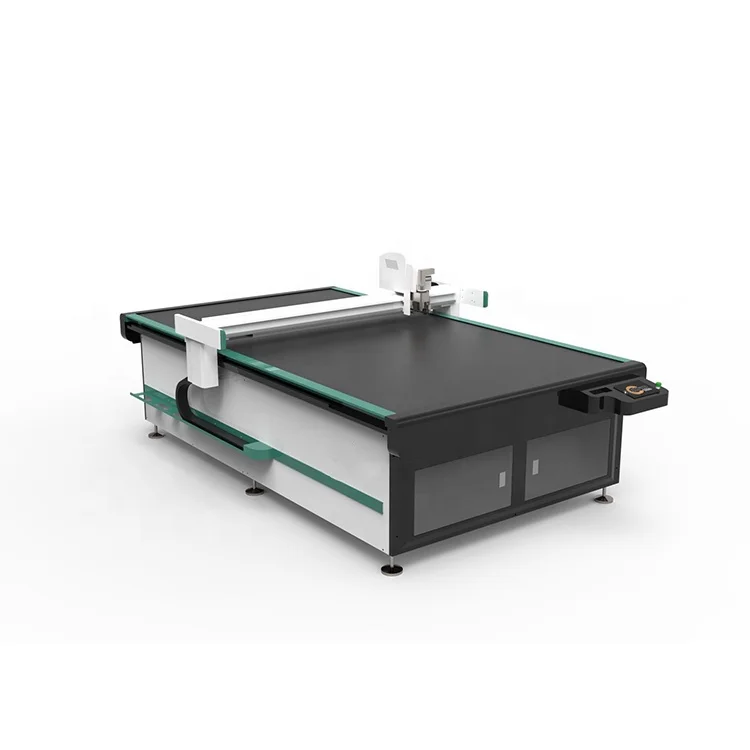
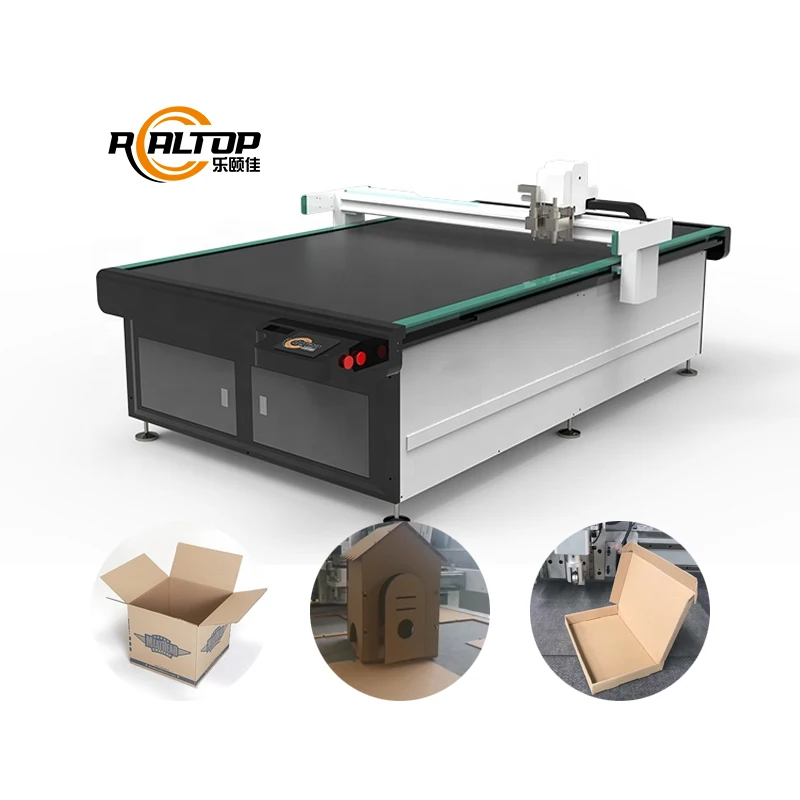
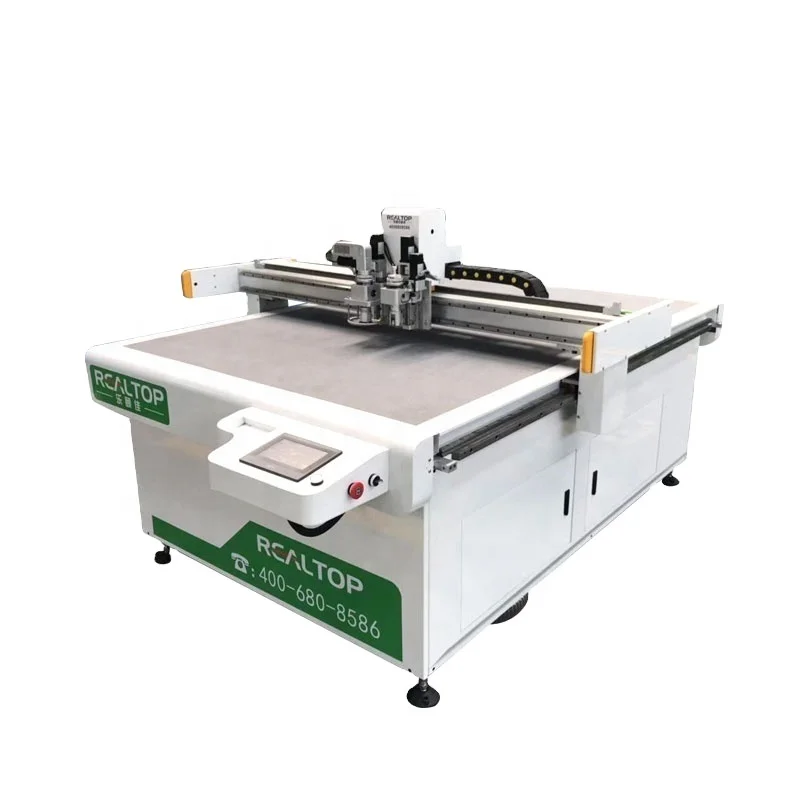
The RT-D2516/RT-S2516 is built on a welded steel frame stress-relieved before machining, which keeps the 1600 × 2500 mm work surface flat across the full travel range. Yaskawa digi*linear rails and imported ball screws, holding repeated accuracy within 0.1 mm. For packaging sample makers running short-run box prototypes, that level of repeatability means crease lines and cut paths stay aligned sheet after sheet, eliminating the misregistration that forces operators to scrap expensive printed stock.
Tool Head Selection and Material Matching
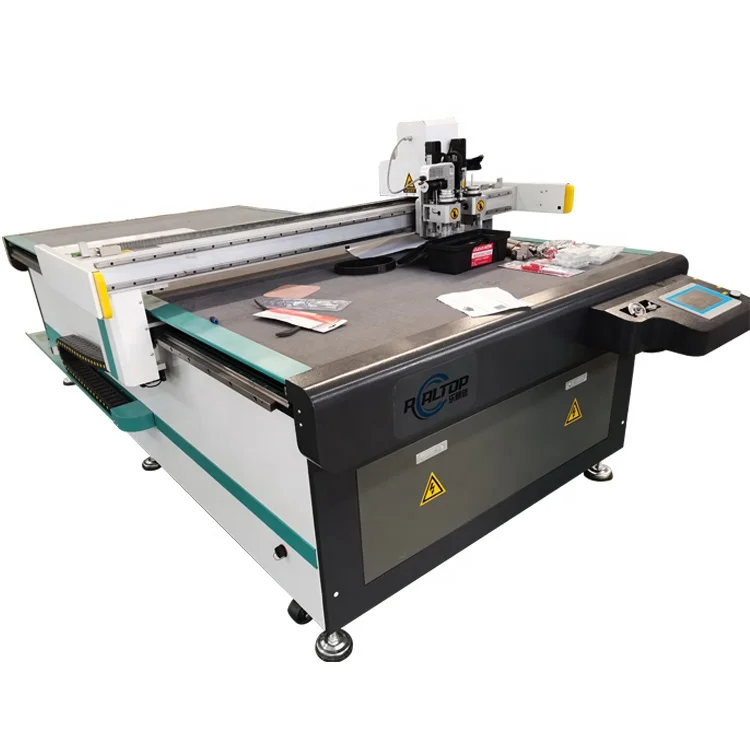
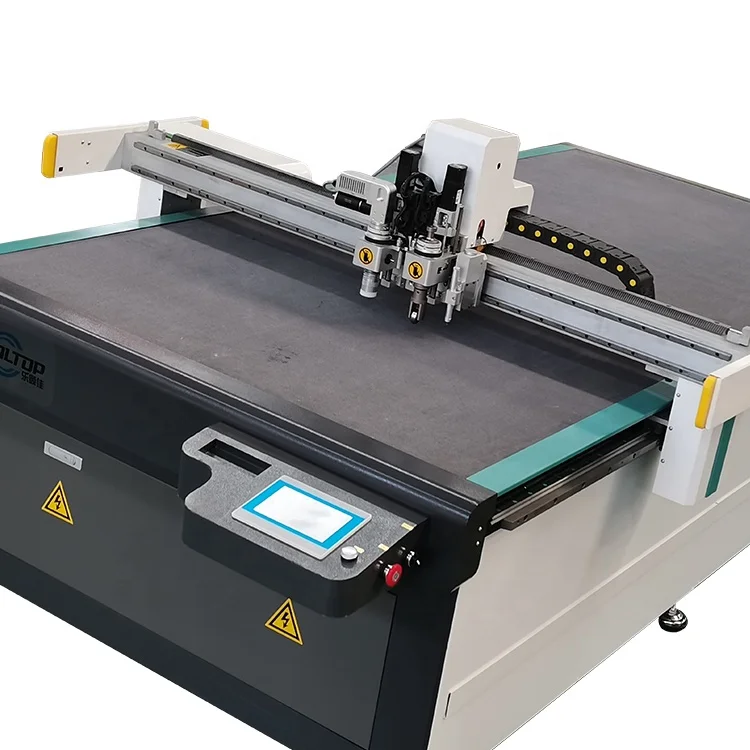
The Swiss imported multifunctional head offers vibration full cutting, half cutting and cursor location in one unit. Full cutting handles through-cuts on corrugated and grey board, while half cutting scores fold lines without penetrating the back liner — essential for folding carton prototypes. For denser materials like rubber gasket stock or thick acoustic foam, a pneumatic cutting tool option extends usable thickness up to 70 mm. Selecting the right tool head is not a catalogue exercise; it depends on the exact material composition, density and finish the buyer requires [NEED_CITE: oscillating knife frequency and amplitude settings for composite materials].
Reading the Specifications That Matter
Cutting speed is listed at 200–800 mm/s, but that range is material dependent — dense grey board demands the lower end while self-adhesive vinyl allows the upper. Translational velocity of 800–1200 mm/s governs how fast the head repositions between cuts, which directly affects cycle time on complex nesting layouts. The 7.5 kW vacuum pump must be matched to table zoning; small parts like gaskets or label sheets require concentrated suction in localized zones rather than full-table vacuum, otherwise material lift during cutting produces ragged edges. The HP-GL compatible instruction system accepts standard vector formats, but buyers should confirm that their existing nesting software exports cleanly before the order is placed. Voltage is set at 380V ± 10%, and any deviation in the destination workshop’s supply must be flagged early to avoid servo drive faults [NEED_CITE: voltage tolerance and servo motor performance in CNC cutting equipment].
The Hidden Cost of Skipping Configuration Checks
When vacuum zoning is too broad for the part size, small gaskets and label sheets lift off the table mid-cut, producing scrap instead of finished product. When a buyer selects a machine based on bed size alone and later discovers the standard oscillating head cannot handle 8 mm compressed foam, the result is either a costly retrofit or a machine that sits idle. Wrong tool head geometry on coated materials produces delaminated edges that fail quality inspection, forcing the operator into slow manual rework [NEED_CITE: vacuum hold-down requirements for small-format digital cutting].
Why Source This Machine from the Builder, Not a Broker
Realtop designs and manufactures both knife and laser cutting platforms in-house, so the RT-D2516/RT-S2516 is specified around the buyer’s actual material rather than forced into a one-method-fits-all box. Tool head and table configurations are locked in after sample cutting on the buyer’s own stock, not guessed from a brochure. CCD cursor location is available for printed contour work, and software compatibility is confirmed before the purchase order is signed. Voltage, plug type and control panel language are documented and verified during production, not left to chance at the loading dock. Every machine ships with a factory test record and packing photographs, giving the buyer visual proof before the crate is sealed.
Documentation & Verification
- Machine specification sheet confirming working area, tool head and vacuum configuration
- Electrical schematic with voltage, plug type and circuit protection details
- Sample cutting report on the buyer’s own material with edge and depth photos
- Tool head and table configuration list matched to stated material type and thickness
- Software licence and HP-GL file format compatibility note before shipment
- Factory test record and packing photographs provided prior to dispatch
Installation, Commissioning & Support
- 3450 × 2300 mm footprint requires a level concrete floor with minimum 150 mm clearance on all sides
- 9 kW rated power plus 7.5 kW vacuum pump need a dedicated 380V three-phase circuit
- Machine ships partially assembled; gantry and conveyor belt require on-site alignment
- First-run parameter tuning covers vacuum zone mapping, knife depth and oscillation frequency
- Operator training addresses HP-GL file import, nesting layout and tool head changeover
- Spare parts list includes Swiss knife blades, conveyor belt segments and vacuum seals
Before You Request a Quote
Send the actual material you plan to cut — type, thickness, sheet size and whether it is printed or laminated. Confirm your workshop voltage and frequency, the control panel language your operators need, and whether your existing nesting software outputs HP-GL or requires a conversion workflow. If daily volume is high, specify whether you need continuous auto-feeding or batch loading, so the conveyor and vacuum configuration can be sized accordingly.
Frequently Asked Questions
Q: How is the cutting configuration matched to my material and thickness?
A: We cut samples on your actual stock before confirming the order. The tool head type, oscillation frequency, vacuum zone layout and conveyor feed rate are all selected based on those test results, not from a generic chart. You receive a sample cutting report showing edge quality, achievable speed and cutting depth before any commitment.
Q: What voltage, plug standard and control panel language are confirmed before shipment?
A: Voltage is specified at 380V ± 10%, but we verify your workshop supply and confirm plug type and frequency before production starts. Control panel language and software interface language are documented in the specification sheet so there are no surprises when the machine arrives on your floor.
Q: Which software file formats does the system accept?
A: The instruction system is HP-GL compatible, accepting standard vector output from most CAD and nesting platforms. We confirm file format compatibility with your existing workflow before the order, and provide a test file exchange to verify that cut paths, crease lines and registration marks import correctly.
Q: Can I send my own material for a sample test before ordering?
A: Yes, and we insist on it. Ship a representative sheet or roll of your production material, and we run cutting, creasing and contour tests on the RT-D2516/RT-S2516. The resulting sample report and physical cut pieces are sent back for your approval before the machine enters final assembly.
Q: What does the warranty cover and how are spare parts supplied?
A: The warranty covers structural frame, servo drives and motion components under normal use. Consumables such as Swiss knife blades and vacuum seals are listed in the spare parts sheet provided at delivery. Replacement parts are shipped directly from the factory with lead times confirmed at the time of request.
You may also like

商品评价
Clear filtersThere are no reviews yet.