







-
 Courier delivery
-
 DHL Courier delivery
-
 Warranty 1 year
-
 Free 30-Day returns

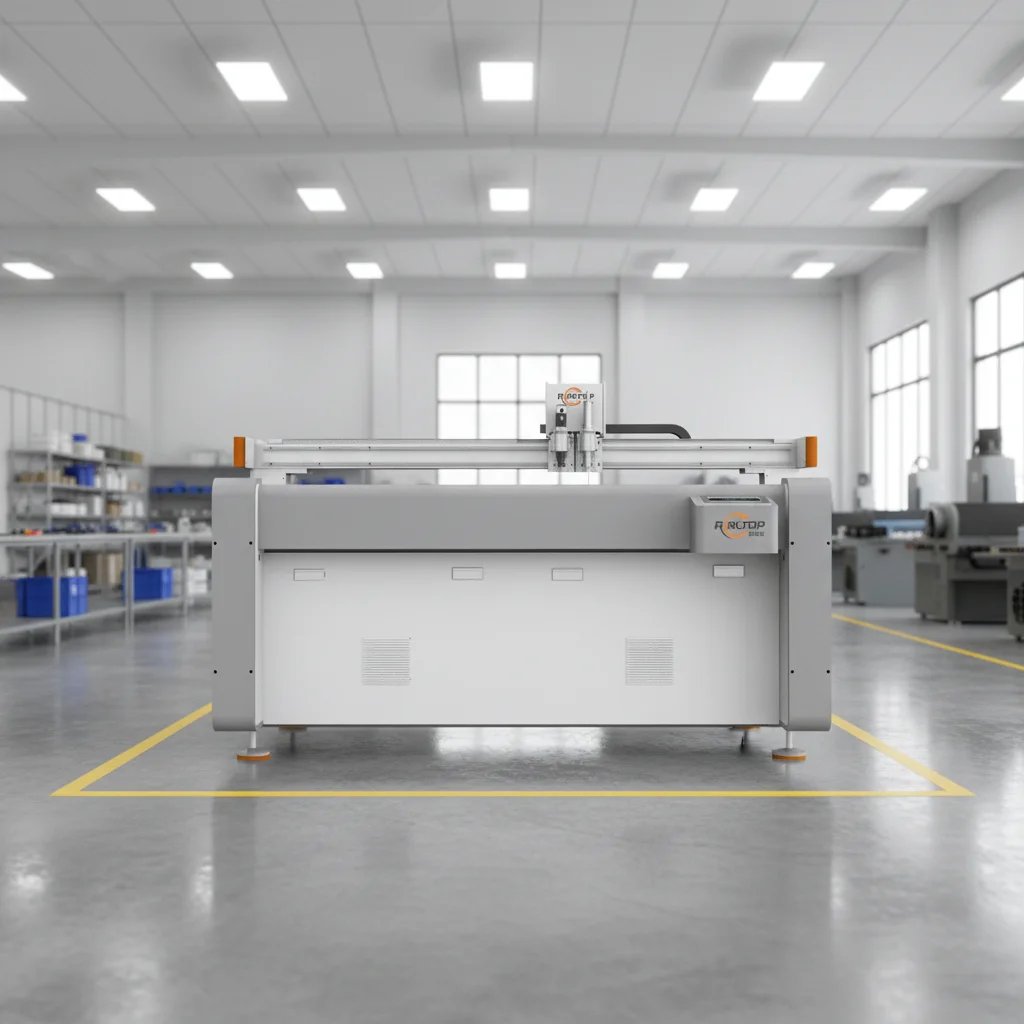
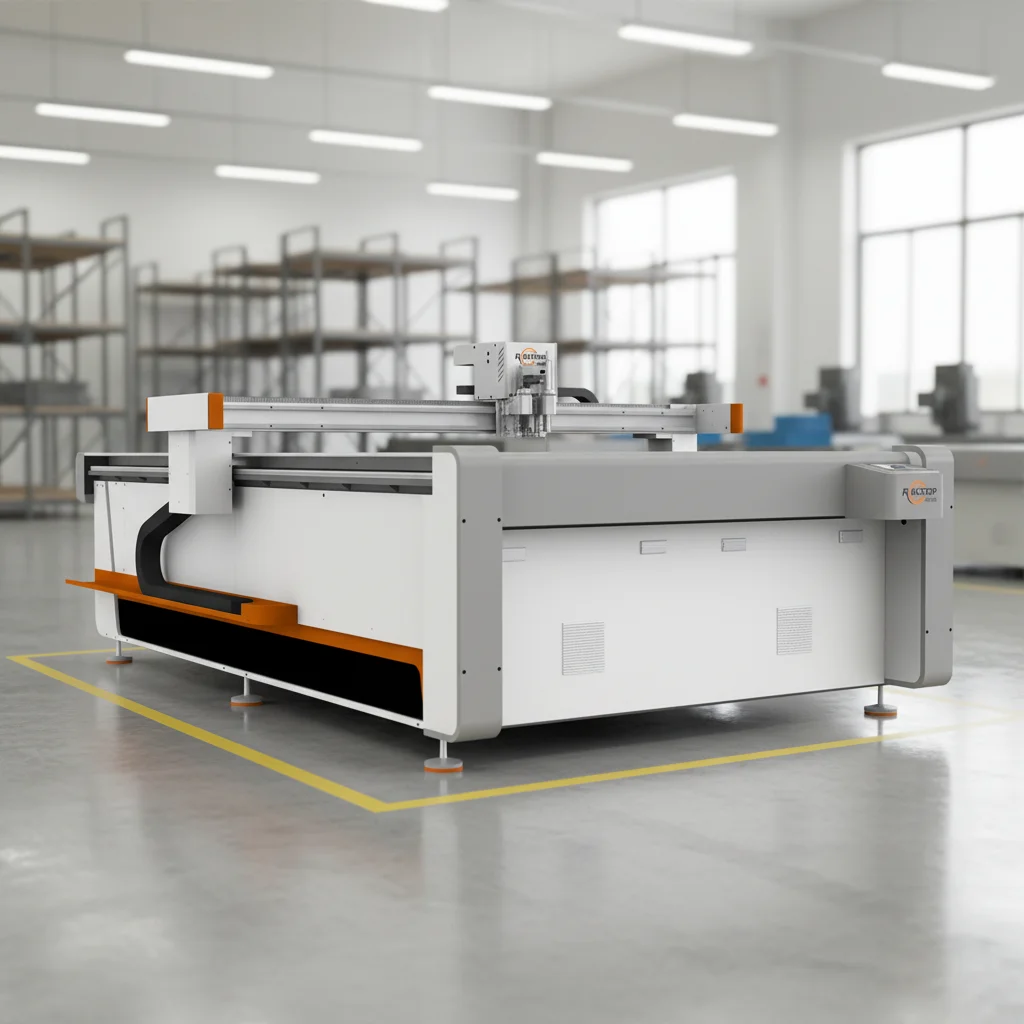
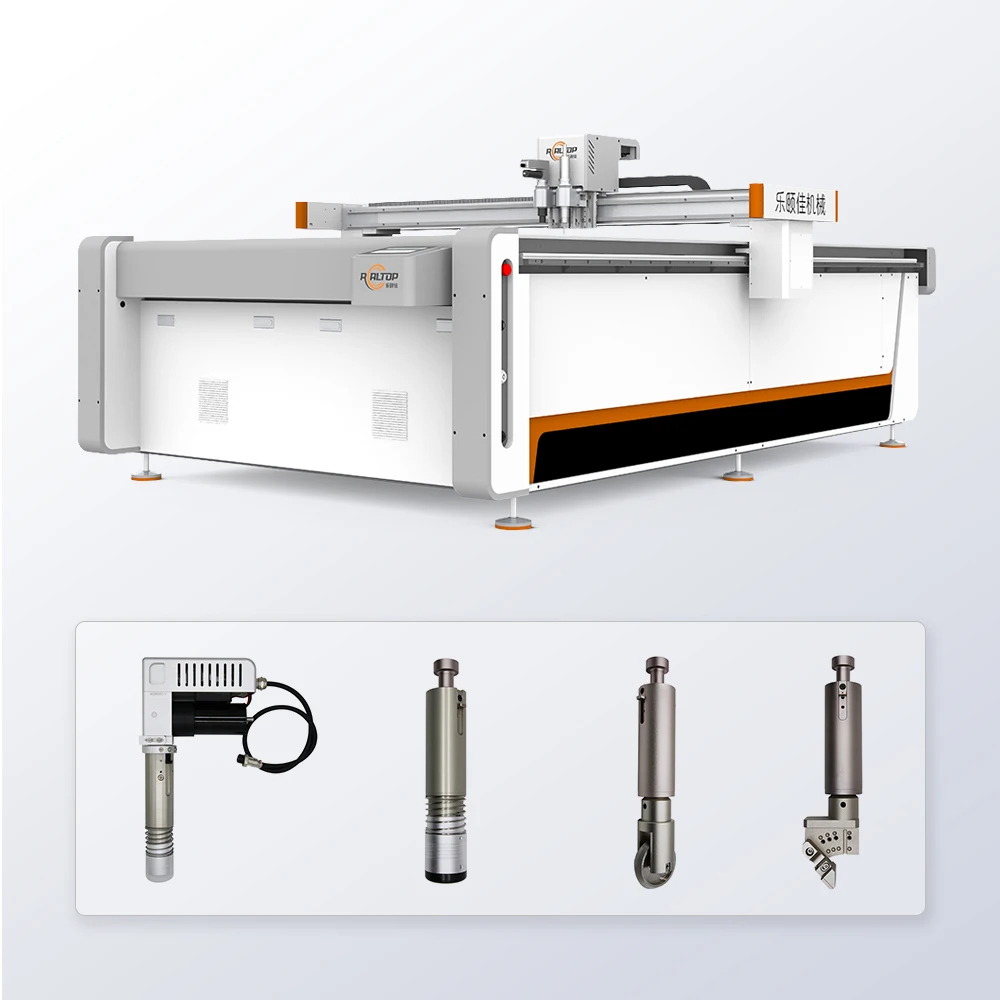
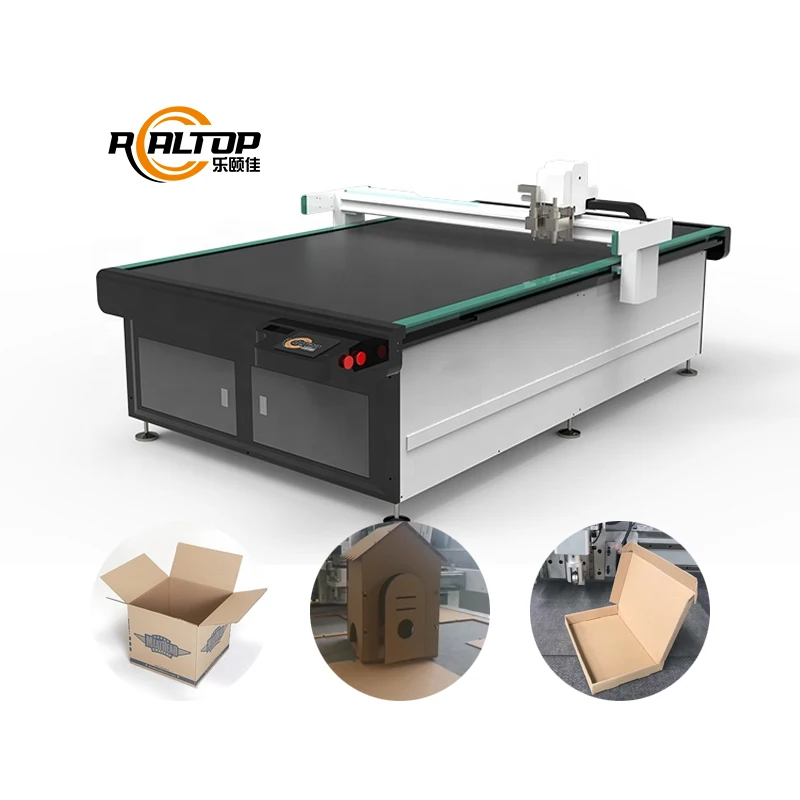
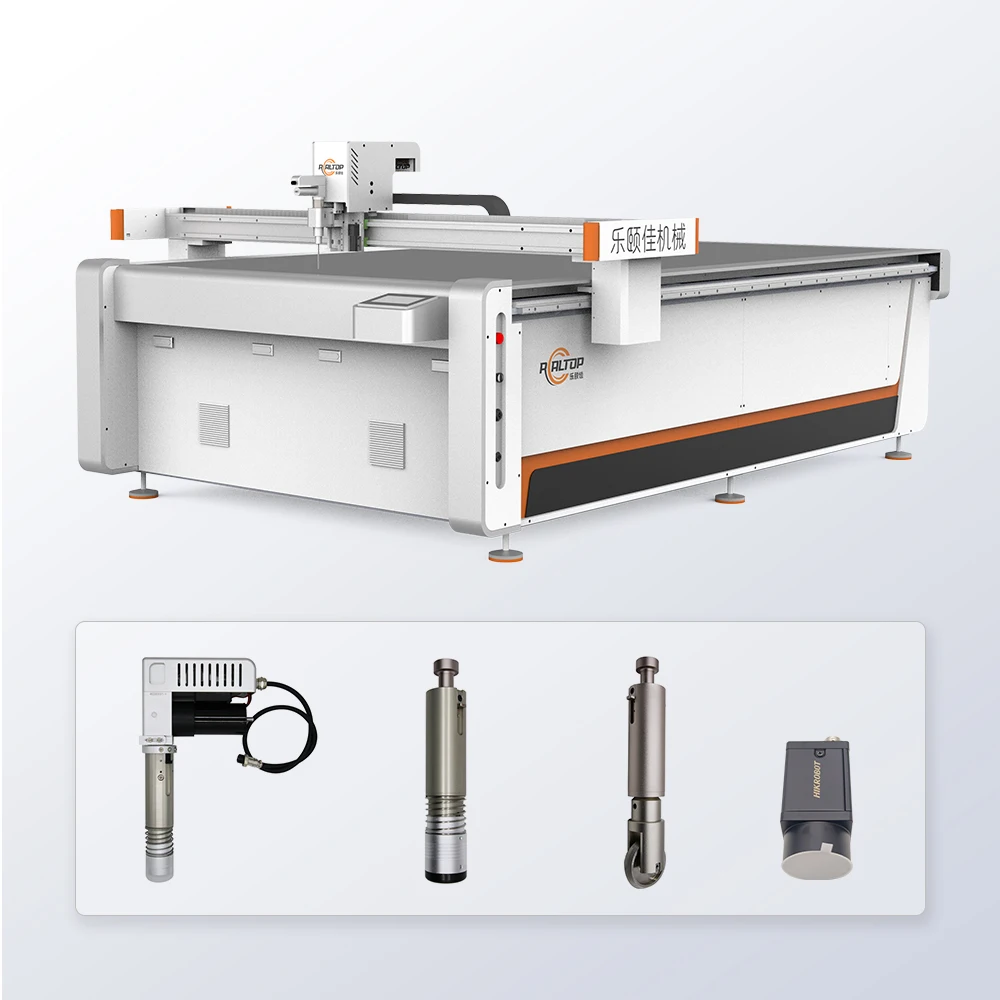
Seven Tool Heads on One Gantry — REALTOP configures the knife, creasing and cutting combination per packaging substrate rather than shipping a single universal head, so corrugated board, foam inserts and cardstock each get the tool geometry they actually need.
Technical Specifications
| Parameter | Value |
|---|---|
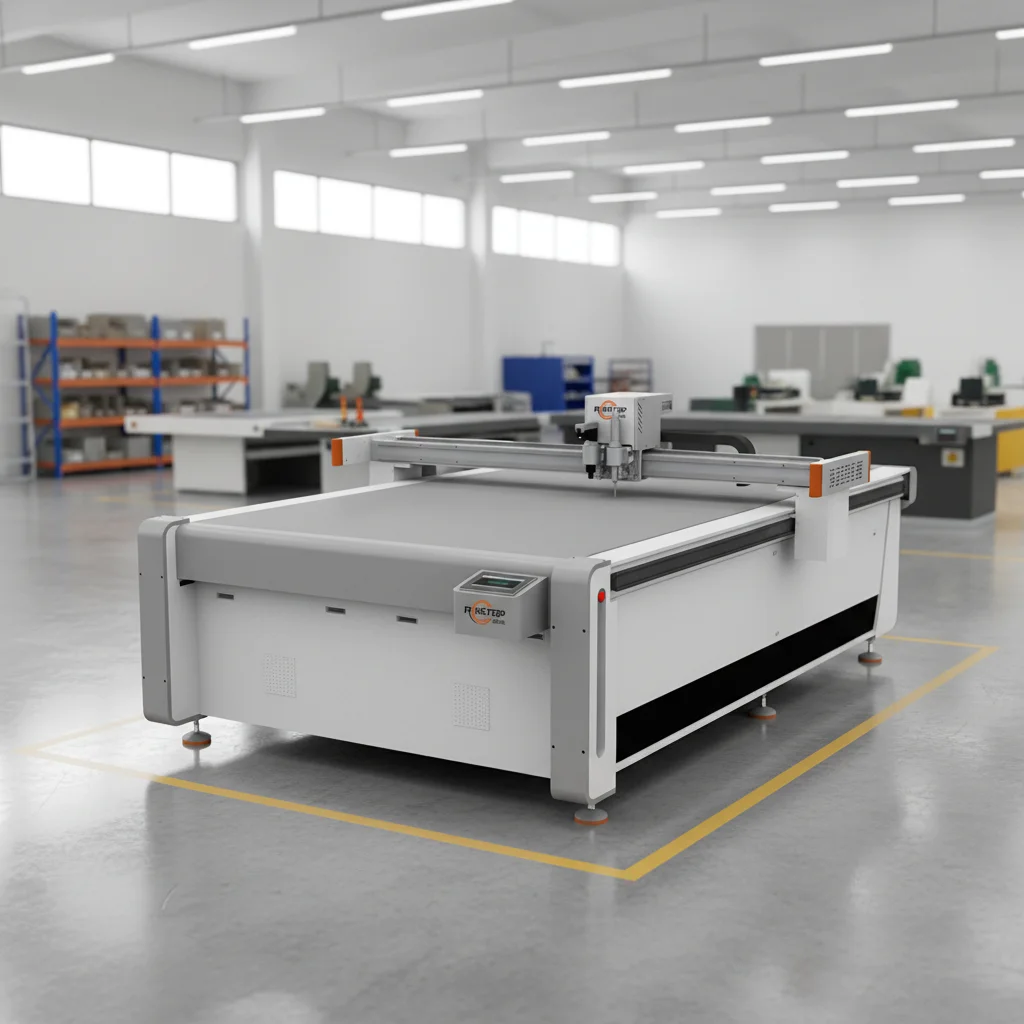
| Product Type | CNC Oscillating Knife Cutting Machine for Packaging |
| Working Area | 1600×2500 mm |
| Tool Head Options | Oscillating knife, driven rotary knife, creasing wheel, kiss cutting tool, pneumatic knife, milling tool, V-groove knife |
| Cutting Speed Range | 0–1500 mm/s |
| Cutting Thickness Capacity | ≤ 40 mm (basis not stated in source — confirm material type and density) |
| Cutting Accuracy | ±0.1 mm |
| Vacuum Pump Power | 9 kW |
| Voltage Options | 110V, 220V, 380V (frequency to be confirmed per destination market) |
| Supported File Formats | PLT, DXF, AI, PDF |
| Safety Features | Infrared sensor device, emergency stop |
| Machine Dimensions (L×W×H) | 3300×2100×1350 mm |
| Control System | PLC with optional display languages; dedicated packaging box structure design software included |
| Servo Drive Options | Panasonic, Delta, Dorna (rated or peak not specified in source) |
| Vacuum Table | Aluminum bellows type, full-surface adsorption |
| Language Options | English, Russian, Italian, Chinese; custom languages available |
| Compliance | CE |
Application Suitability
| Application | Material or Output |
|---|---|
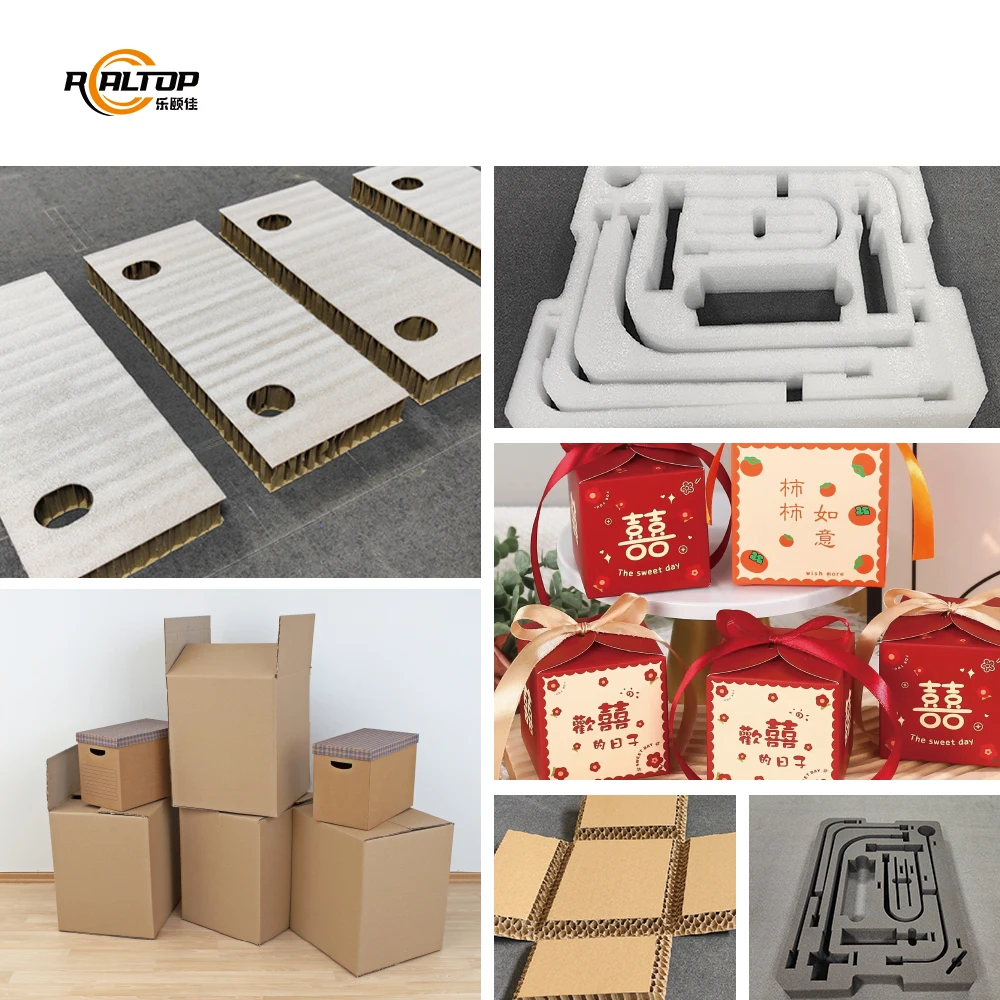
| Carton sample making and short-run custom box production | Corrugated cardboard (E-flute, B-flute, BC-flute), greyboard, cardstock |
| Protective packaging insert fabrication | EVA foam, EPE foam, PU foam, rubber mats |
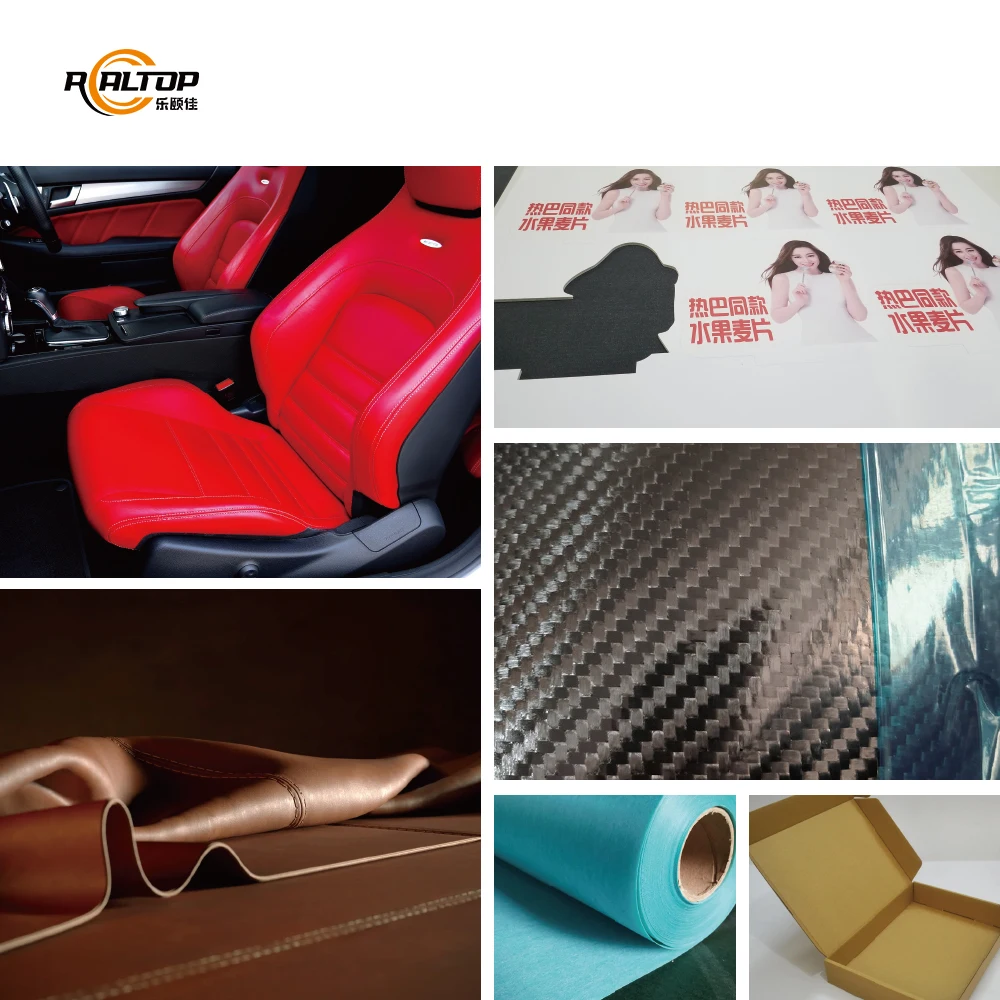
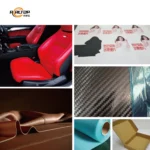
| Premium packaging and display structure cutting | Art paper, specialty paper, velvet/fleece fabric, non-woven fabric |
| Gasket and thin-sheet component cutting | PVC, PET, leather, synthetic leather, composite materials, adhesive-backed laminates |
Why the Voltage Question Should Come Before the Machine Price
A cutting table that cannot be powered on arrival is not a machine — it is a crate.
When a packaging converter specifies a CNC oscillating knife cutting machine manufacturer based on working area and cutting speed alone, the electrical supply at the destination facility often gets confirmed too late. I once shipped a unit to a carton sample shop without verifying their single-phase 220V supply against the three-phase requirement on the schematic. The machine sat idle while electricians re-routed the panel. [NEED_CITE: voltage and frequency standards by export market] That three-week delay cost the buyer more than any discount on the machine price ever could. Every order now starts with an electrical schematic matched to the buyer’s actual workshop supply before production begins.
Tool Head Selection as a Material Conversation
A packaging operation rarely runs one substrate. Corrugated board at B-flute demands an oscillating knife with enough stroke to shear through the flute without crushing the face liner, while greyboard for rigid boxes needs a creasing wheel paired with a kiss-cut tool to score without penetrating. The REALTOP system carries seven interchangeable heads on one gantry, and the CNC oscillating knife cutting machine manufacturer configures which heads ship with the machine based on the buyer’s actual material stack rather than a default kit.
This matters because swapping heads in the field takes minutes, but discovering mid-run that the creasing wheel cannot hold a clean fold line on triple-wall board means the sample was never cut on the material the buyer actually processes.
Vacuum Hold-Down and What Full-Surface Adsorption Means in Practice
Corrugated sheets warp. Foam off-cuts lift at the edges. Thin cardstock buckles the moment the knife engages. The aluminum bellows vacuum table on this platform delivers full-surface adsorption across the 1600×2500 mm bed, which means the hold-down force is distributed rather than concentrated in zones. [NEED_CITE: vacuum table flatness and hold-down requirements for corrugated packaging substrates] For short-run carton sample making, this matters because operators are not taping sheets to the bed or repositioning mid-job to chase lift zones. The 9 kW vacuum pump provides the suction needed to keep warped flute board flat through an entire cutting cycle.
Reading the Spec Sheet Against the Substrate Stack
Cutting speed rated at 0–1500 mm/s is a range, not a promise — the actual speed depends on the substrate density and the number of tool changes in the file. The ±0.1 mm cutting accuracy holds significance for packaging because folding carton geometry depends on crease lines landing exactly where the structural design software places them; even a small drift across a multi-panel layout produces a box that will not fold square. The dedicated packaging box structure design software included with the PLC accepts PLT, DXF, AI and PDF imports, which matters when the buyer’s existing design workflow lives in a specific CAD environment and cannot be rebuilt around proprietary file formats. Servo drive selection from Panasonic, Delta or Dorna gives buyers the option to align with a brand their local service technicians already stock and support.
The Hidden Cost of Skipping the Material Test
Buyers who commit on working area and speed alone often discover the problem during commissioning. A kiss-cut tool that performs cleanly on 2 mm cardstock may tear through adhesive-backed vinyl. A driven rotary knife that slices foam inserts cleanly at low speed may melt the cell structure when pushed to production rates. [NEED_CITE: material-specific cutting test requirements for packaging converters] These are not machine failures — they are specification gaps, and they surface only when the buyer’s actual material runs on the actual table.
Why Source From This Floor
REALTOP designs and builds both knife and laser cutting systems under one roof, so packaging converters are not steered toward knife cutting when a laser edge-seal would serve their synthetic material better. Tool head and table configuration is specified per buyer material before the order is placed, not substituted from stock. Electrical schematics and voltage confirmation documents are reviewed against the destination facility supply before the machine leaves the assembly area. Software compatibility is verified against the buyer’s existing file formats during the pre-order stage. Sample cutting on the buyer’s own substrate is completed and documented before commitment is required.
Documentation & Verification
- Machine specification sheet listing all seven tool heads and their material assignments
- Electrical schematic and voltage confirmation matched to buyer facility supply
- Sample cutting report on buyer substrate with measured edge and crease quality
- Tool head and table configuration list per material and thickness
- Software licence and file format compatibility note for PLT, DXF, AI and PDF workflows
- Factory test record and CE documentation before dispatch
Installation, Commissioning & Support
- Floor space allocation for 3300×2100 mm footprint with clearance for material feed and operator access
- Dedicated electrical circuit matching confirmed voltage and frequency at the installation site
- Assembly of gantry and vacuum table sections upon arrival with alignment verification
- PLC control panel language set to operator preference during first-power commissioning
- Vacuum pump and 9 kW circuit tested under full adsorption load before production run
- Spare parts list covering oscillating blades, creasing wheels and vacuum seals provided at handover
What to Bring to the Inquiry
To get a configuration that matches the workshop rather than a catalogue default, provide the substrate types and flute grades you process most frequently, the daily sample or short-run volume you need to sustain, and the voltage and frequency at your facility. If your design team already works in a specific CAD environment, share a sample file so the software import path can be verified before the order.
Frequently Asked Questions
Q: How do I match the tool head to my specific board flute and foam thickness?
A: Each of the seven available heads — oscillating knife, driven rotary knife, creasing wheel, kiss-cut, pneumatic, milling and V-groove — is assigned to specific substrate types and thickness ranges. REALTOP runs a sample cut on your actual material and documents which head produces the edge quality and crease integrity your product requires before the machine configuration is finalized.
Q: What electrical details need confirming before the machine ships?
A: The voltage and frequency at your facility must be verified against the machine’s available options of 110V, 220V or 380V. An electrical schematic is issued and reviewed with you before production. The plug type and circuit capacity for the 9 kW vacuum pump are confirmed so the machine can be powered on the day it is positioned.
Q: How is cutting accuracy verified on my material before I commit?
A: A sample cutting report is produced on your own substrate, measuring dimensional accuracy against the ±0.1 mm specification and documenting crease quality, edge finish and fold-line registration. This report is shared with you before any order commitment is required, so you can evaluate real results on real material.
Q: Which file formats does the packaging design software accept and how does it integrate?
A: The dedicated packaging box structure design software bundled with the PLC control system imports PLT, DXF, AI and PDF files. If your design team works in a specific CAD environment, a test file import is run during the pre-order stage to confirm the nesting and cutting workflow transfers without manual re-drawing.
Q: What does installation and after-sales support look like after delivery?
A: Commissioning covers gantry alignment, vacuum system load testing, PLC language configuration and first-run parameter setting on your material. Operator training is conducted on-site. A spare parts list covering blades, creasing wheels and seals is supplied, and after-sales support covers troubleshooting and replacement component supply for the service life of the machine.
You may also like

商品评价
Clear filtersThere are no reviews yet.