


-
 Courier delivery
-
 DHL Courier delivery
-
 Warranty 1 year
-
 Free 30-Day returns

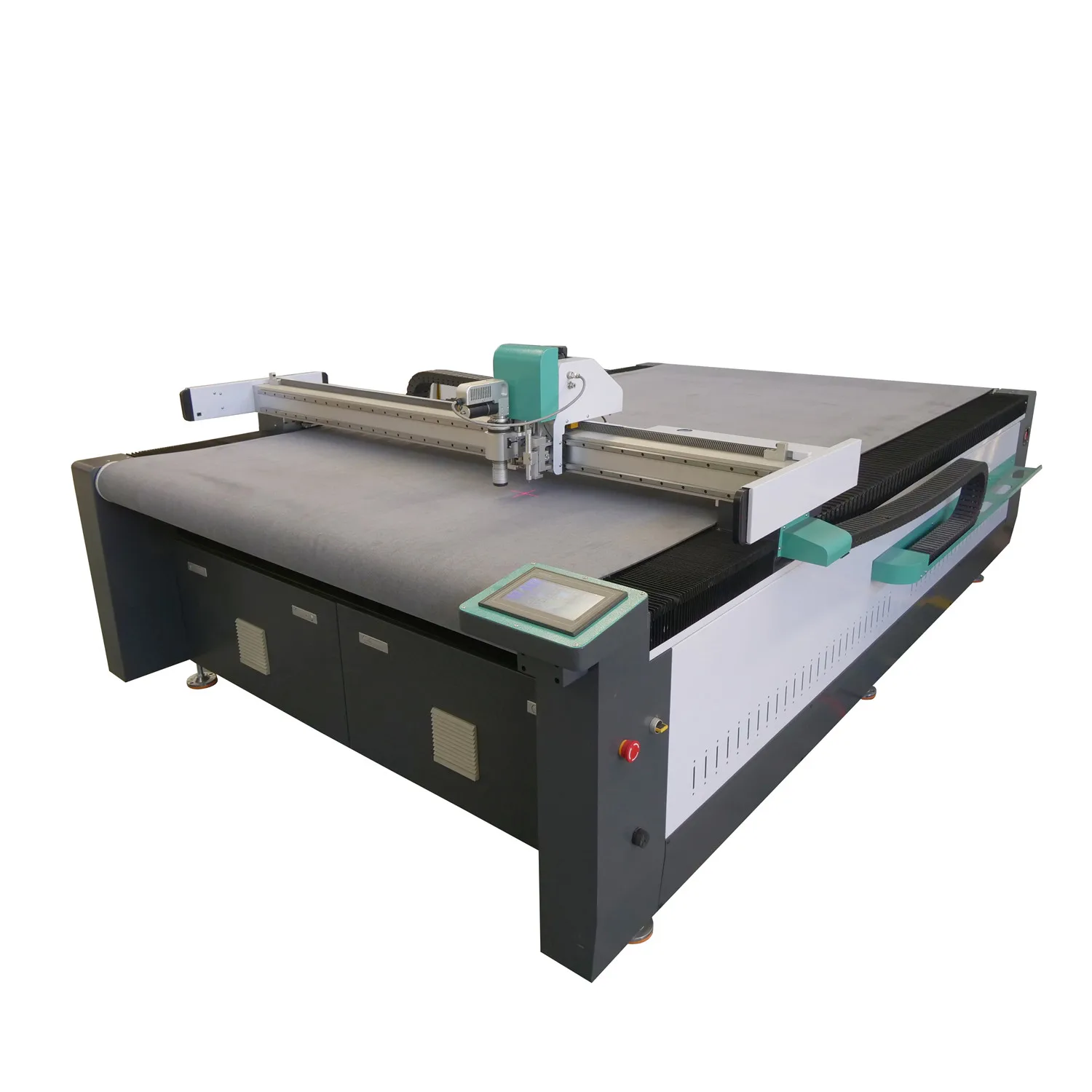
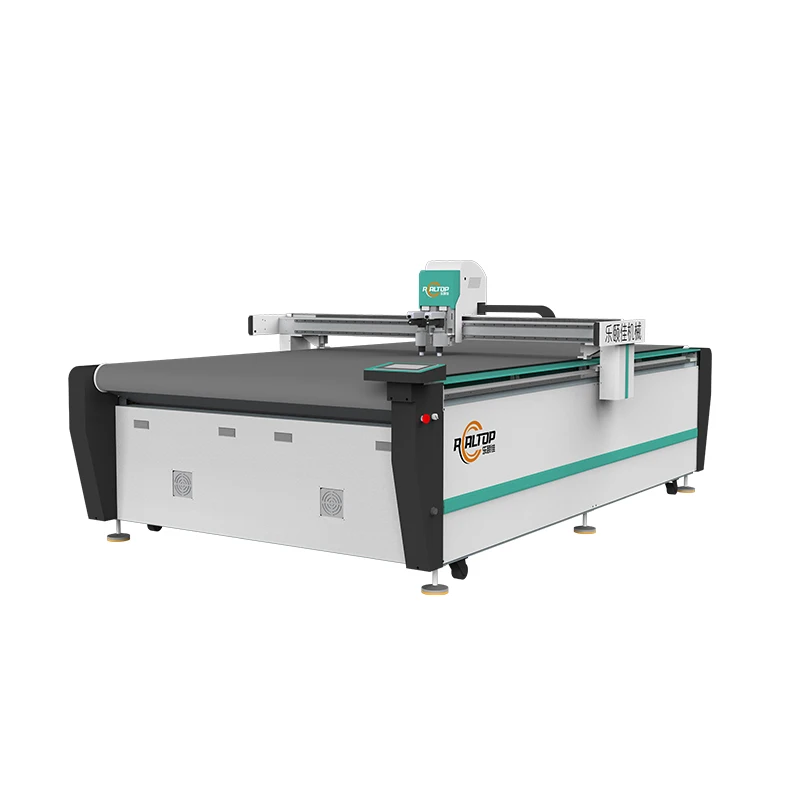
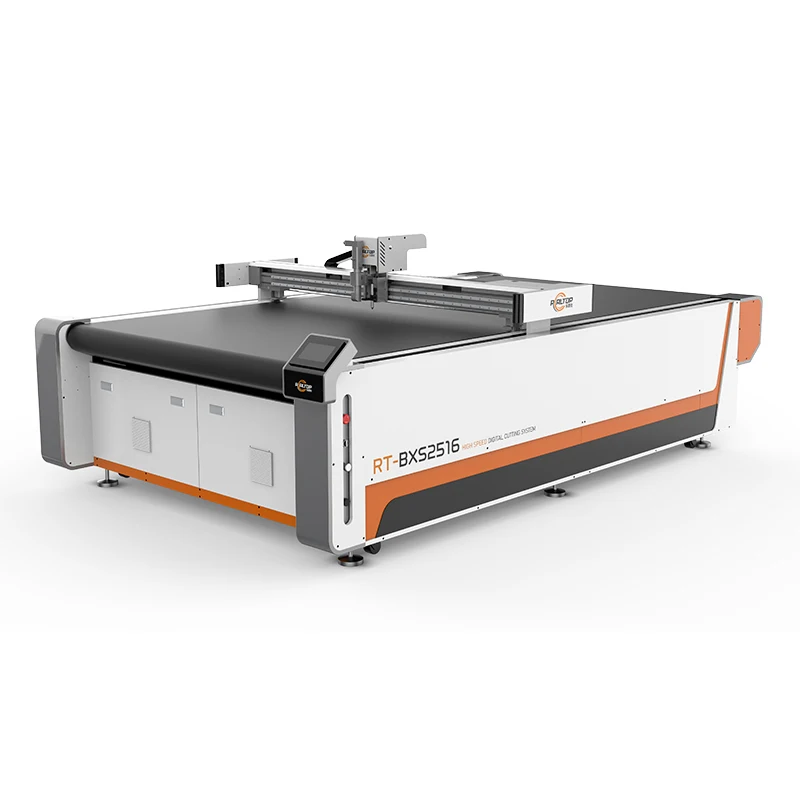
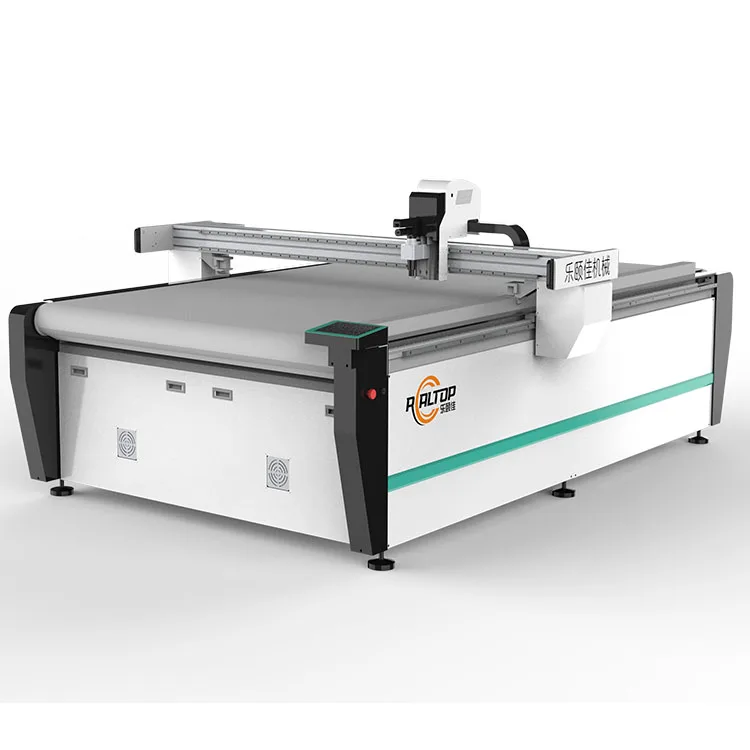
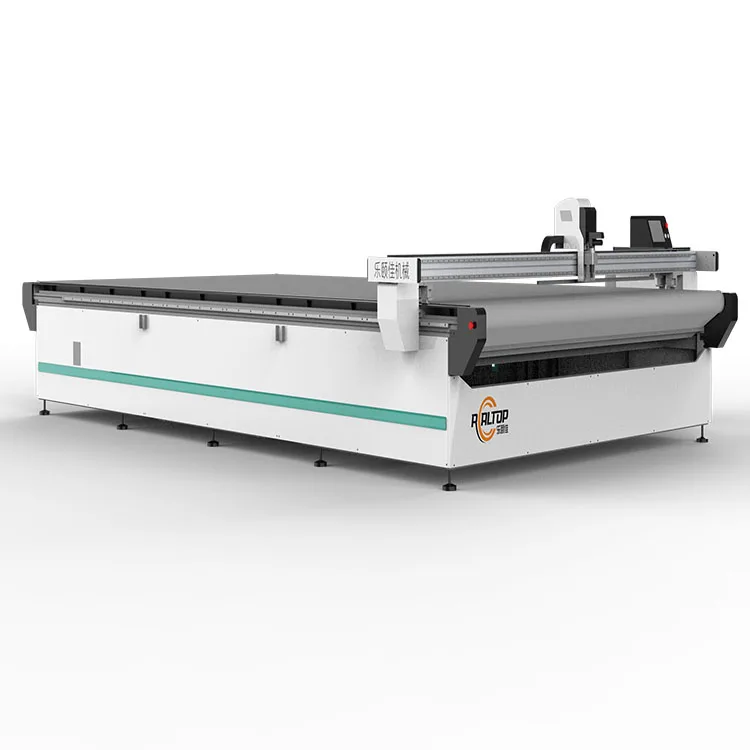
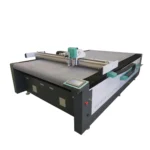
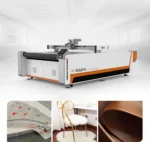
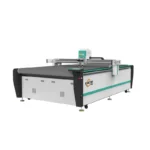
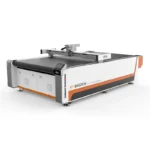
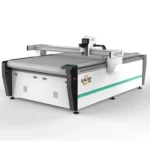
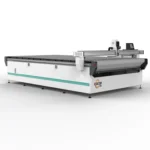
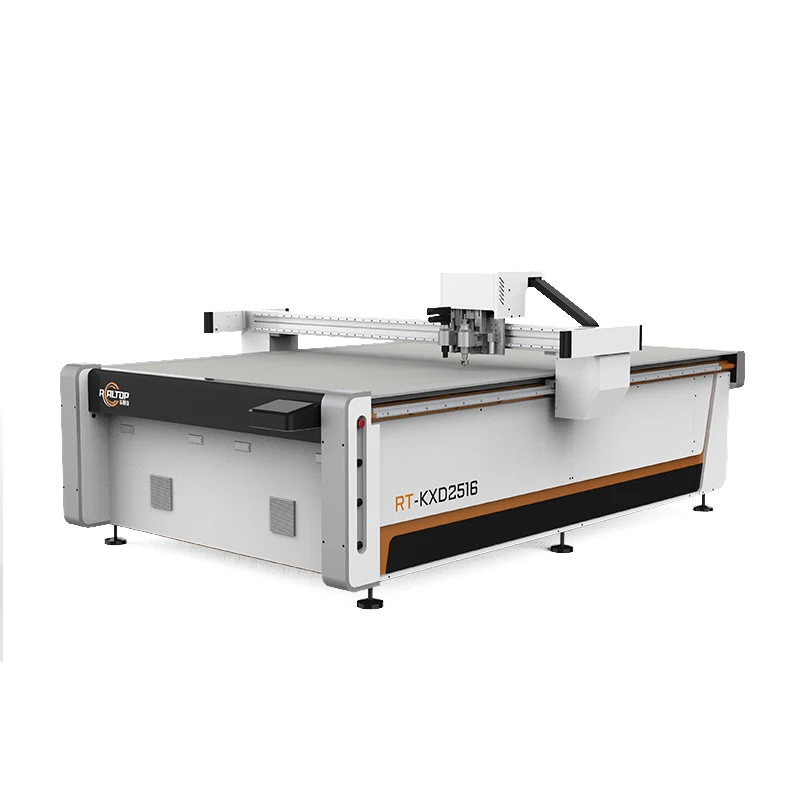
Welded Frame Rigidity — The RT-D2516/RT-S2516 chassis uses thick-walled seamless steel treated by high-temperature tempering and finished on a CNC machining center, maintaining flatness across the 1600×2500mm work envelope under continuous vibration loads.
Technical Specifications
| Parameter | Value |
|---|---|
| Product Type | CNC Oscillating Knife Cutting Table |
| Model | RT-D2516 / RT-S2516 |
| Working Area | 1600 × 2500 mm |
| Overall Dimensions | 3450 × 2300 × 1250 mm |
| Rated Power | 9 kW |
| Voltage | 380V ±10% |
| Control System | CNC with touch screen panel |
| Servo Motor | Delta or Panasonic, IP67 rated |
| Transmission | Digital servo, linear guide, synchronous belt, ball screw |
| Linear Rail | Taiwan Hiwin |
| Working Table | Magnesium-aluminum alloy vacuum adsorption (PVDF coated, anodic and hard oxidation) |
| Table Option | Flat working table or auto feeding table |
| Vacuum Pump | 7.5 kW, aviation aluminum shell, built-in silencer sponge |
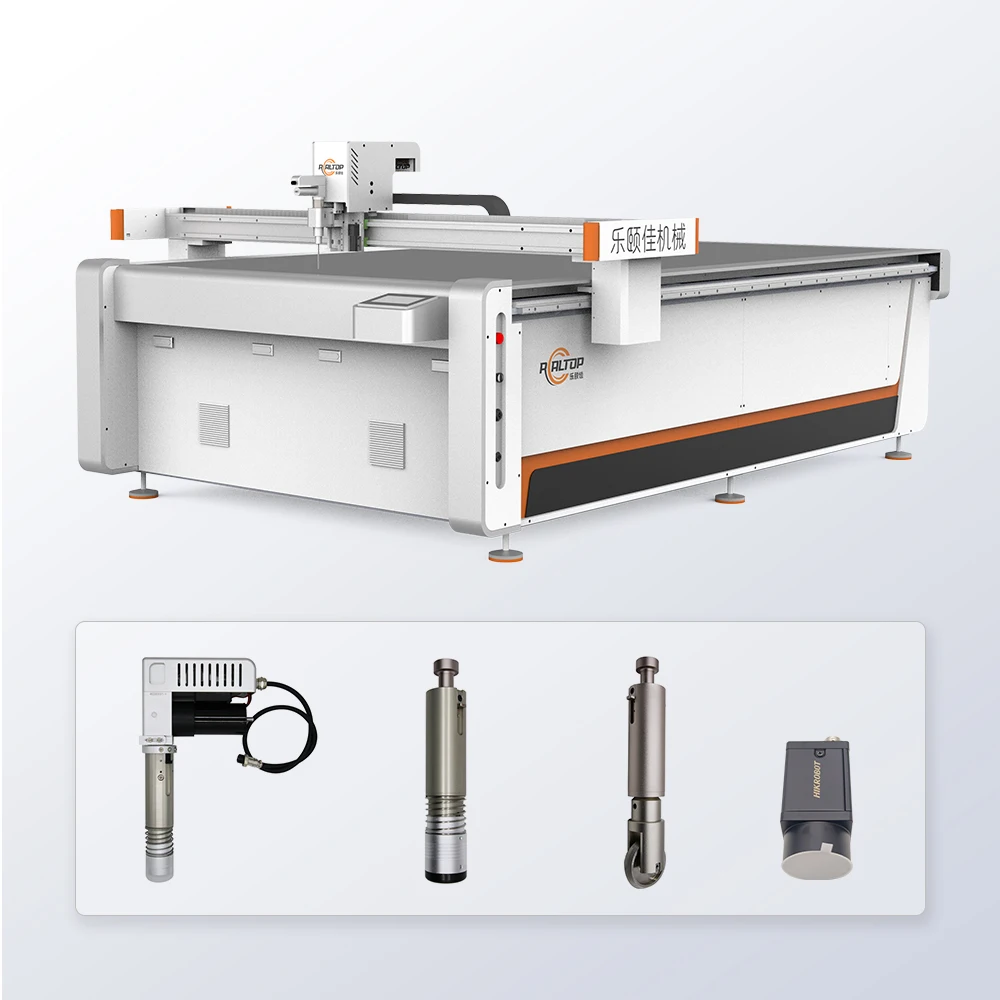
| Tool Head Options | Oscillating knife, pneumatic knife, high-power vibrating knife, circular knife, drag knife, creasing wheel, V cutting knife, punching, brush |
| Knife Origin | Swiss imported blade |
| Visual Positioning | Small CCD mark point, panoramic camera recognition, projection positioning |
| Translational Velocity | 800–2000 mm/s |
| Cutting Speed | 200–800 mm/s depending on material (basis to be confirmed) |
| Cutting Thickness | Up to 100 mm depending on material density |
| Repeated Accuracy | ≤0.1 mm |
| Safety Device | Infrared sensors, beam anti-collision, emergency stop |
| Instruction Format | HP-GL compatible |
| File Compatibility | PLT, DXF, AI and other formats |
| Language Options | English, Russian, Italian, Chinese; custom available |
| Conveyor Belt | Germany imported |
| Warranty | One year free, domestic and overseas |
Application Suitability
| Application | Material or Output |
|---|---|
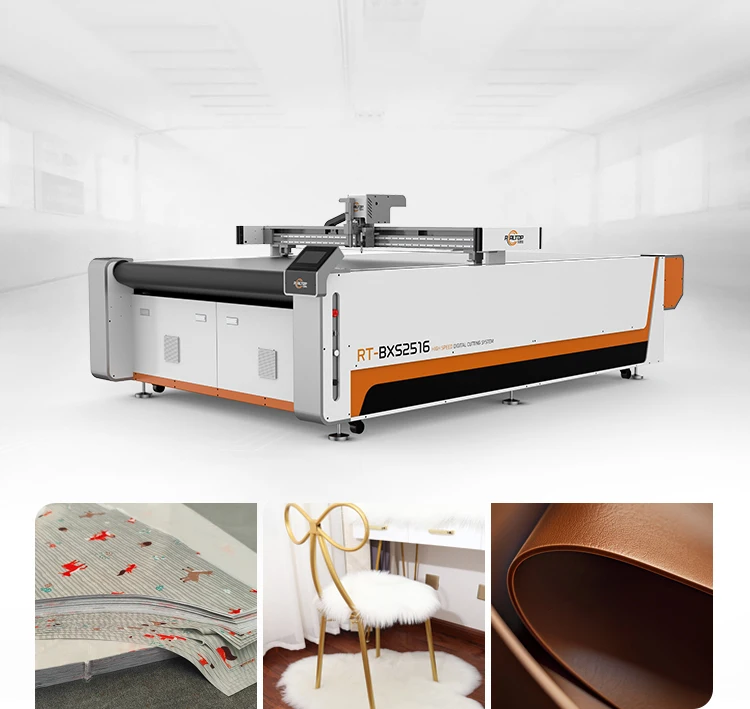
| Garment and apparel production | Woven fabric, non-woven, lining cloth |
| Sofa and soft furnishing cutting | Upholstery textile, velvet, chenille |
| Automotive interior trimming | Headliner fabric, seat cover textile, carpet |
| Footwear and luggage manufacturing | Shoe upper material, bag lining, PU leather |
| Sports and outdoor goods | Technical fabric, mesh, coated textile |
| Carpet and floor mat production | Tufted carpet, rubber-backed mat |
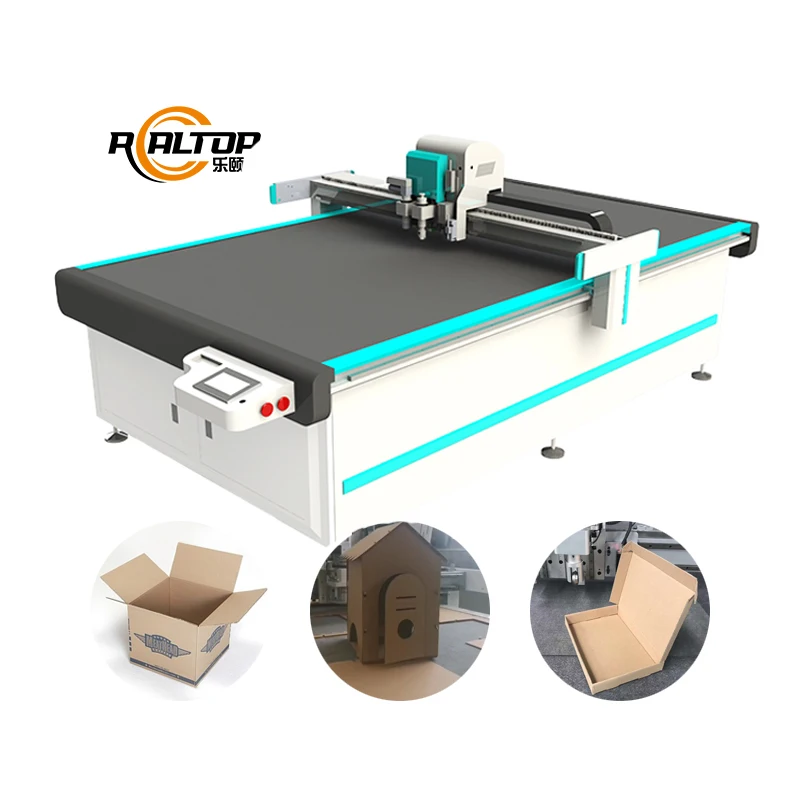
| Packaging and carton sample making | Corrugated cardboard, plastic box |
| Composite material processing | Fiberglass, PU, EVA, XPE layered sheets |
| Sealing pads and gaskets | Rubber, PTFE, ETFE gasket stock |
| Advertising and graphic printing | Vinyl, sticker, film |
Why Frame Flatness Dictates Whether a CNC Oscillating Knife Cutting Table Manufacturer Delivers or Disappoints
A machine that loses accuracy at production speed is a machine that wastes material, not time.
When distributors quote cutting tables based only on working area and price, the frame construction often goes unexamined until the unit is running on the factory floor. I have watched buyers discover mid-installation that the gantry deflects under the lateral force of an oscillating knife cutting through dense foam or multi-layer textile stacks [NEED_CITE: structural rigidity standards for CNC cutting equipment]. The result is ragged edges on thick stock, dimensional drift across a nesting layout, and rejected panels that were already counted as output. The RT-D2516 and RT-S2516 address this at the manufacturing stage: the entire frame is welded from thick-walled seamless steel tube, then put through high-temperature tempering to relieve internal stress before final machining on a CNC machining center. That sequence is what holds the repeated accuracy at ≤0.1 mm whether the machine is cutting a single ply of silk or a 50mm stack of sponge.
What the Frame Build Sequence Actually Means for Your Buyers
Every CNC oscillating knife cutting table manufacturer claims precision, but the path to getting there separates a spec sheet promise from a machine that holds tolerance after two years of shift work. Our welding department fixtures the main beam and side rails on a dedicated jig, then the completed weldment enters a tempering furnace where it soaks at controlled temperature to release locked-in welding stress. Without that step, the frame slowly warps over the first months of operation as residual stress equalizes — a problem that shows up as inconsistent cut depth from one side of the table to the other. After tempering, the mounting surfaces for the Taiwan Hiwin linear rails are finished on a CNC machining center, so rail alignment is machined-in rather than shimmed-in during assembly. For a distributor, that means fewer service calls about tracking errors and less time spent on remote troubleshooting with your end users.
How the Vacuum Table Surface Holds Up Under Real Production Conditions
The magnesium-aluminum alloy vacuum table on the RT-D2516/RT-S2516 is not simply a flat plate with holes drilled through it. Each table undergoes PVDF powder spraying, anodic oxidation, and hard oxidation in sequence — a triple treatment that resists the chemical exposure from adhesive-backed films and the mechanical abrasion from sliding heavy textile rolls across the surface [NEED_CITE: surface treatment durability for industrial cutting tables]. The vacuum pump runs at 7.5 kW inside an integrated aviation aluminum shell that is fire-proof and corrosion-resistant, and the built-in silencer sponge reduces operational noise by a noticeable margin compared to open-mounted pump units. Buyers who cut small parts on fabric or vinyl often struggle with material lift at the edges, so specifying vacuum table zoning matched to the typical part size in your customer’s nesting layout is something we confirm before the order goes to production.
Reading the Specs That Matter for Knife Cutting Performance
The tool head selection is where most cutting quality problems originate, because a drag knife that works on thin vinyl will crush foam or leave frayed edges on woven textile. The RT-D2516/RT-S2516 supports oscillating knife, pneumatic knife, high-power vibrating knife, circular knife, V cutting knife, drag knife, creasing wheel, and punching tools, and we match the head to the buyer’s actual material before building the machine. The Swiss imported blade stock gives a cleaner entry cut on synthetic fabric compared to standard tool steel, which matters when edge sealing is not an option in the downstream process. Translational velocity reaches 800–2000 mm/s for positioning moves, but the actual cutting speed of 200–800 mm/s depends entirely on material density and layer count — a figure we verify on the buyer’s own sample material rather than quoting from a generic chart. The Delta or Panasonic IP67 servo motors handle the inertia of rapid direction changes during contour cutting, which is where undersized drives typically fail in dusty textile workshops.
The Cost of Skipping the Material Sample Test
I learned this lesson the hard way when a sofa fabric customer ran a full production batch on a machine configured for standard-density sponge, only to find the knife pressure could not penetrate their high-density composite foam [NEED_CITE: material density variation in upholstery foam supply chains]. The entire run was scrap. Now, for every cloth CNC cutting order we handle, the first step is receiving the buyer’s actual material and running a documented sample cut. If the tool head needs to change, or if the vacuum zoning requires adjustment for the part geometry in their nesting file, we catch it before the machine ships. Distributors who skip this step inherit the problem when their end user calls three weeks after delivery with a cutting quality complaint that could have been resolved with a different oscillating knife amplitude setting.
Why Distributors Source Both Knife and Laser from One Factory
Most cutting equipment buyers eventually need both technologies — knife for fabric and foam, laser for acrylic and sheet metal — and sourcing from separate manufacturers means managing two sets of documentation, two spare parts inventories, and two service relationships. Our in-house design team covers both knife cutting and laser cutting, so a distributor building a production line for an automotive interior supplier can specify oscillating knife for headliner fabric and fiber laser for metal brackets from the same order. The control panel language, voltage configuration, and safety labeling are coordinated across both machines before shipment. Voltage customization goes beyond the 380V ±10% baseline; we confirm the destination market’s electrical standard and configure the transformer, plug type, and circuit protection accordingly before the machine enters final assembly.
Documentation & Verification
- Electrical schematic with confirmed voltage and plug type for destination market
- Factory test record on buyer’s own fabric or composite sample before dispatch
- Tool head configuration list matched to specified material type and thickness
- Software licence file and confirmed compatibility with PLT, DXF, AI formats
- CE declaration documentation with machinery directive compliance statement
- Packing photographs showing crating, bracing and moisture protection before container loading
Installation, Commissioning & Support
- 9 kW rated power requires a dedicated 3-phase circuit with confirmed amperage at the buyer’s facility
- 3450×2300mm footprint plus operator clearance requires minimum 4500×3500mm floor allocation
- 7.5 kW vacuum pump may require separate exhaust routing depending on workshop ventilation layout
- Touch screen CNC panel configured to buyer’s chosen language before first power-on
- One-year warranty covers servo motors, vacuum pump, and control system components
- Spare parts list includes Swiss knife blades, vacuum seals, and conveyor belt sections
What We Need to Quote Accurately
Send us the material type, maximum thickness, and typical sheet size your end users are cutting, along with the daily volume expectation so we can recommend flat table or auto-feeding configuration. Confirm the destination voltage and frequency, the preferred control panel language, and whether CCD camera positioning is required for printed contour work. If your buyer has an existing nesting software workflow, share a sample file so we verify format compatibility before the order is placed.
Frequently Asked Questions
Q: Can you customize the machine branding and control panel for our distribution market?
A: Yes. We configure control panel language, machine color, nameplate branding, and safety labeling to match your market identity. Voltage and plug type are set per your destination electrical standard. All customization is documented in the specification sheet and confirmed before production starts, so there are no surprises when the machine arrives at your warehouse.
Q: What does a factory visit cover before we commit to a bulk order?
A: You can inspect the welding and tempering process, CNC machining center finishing, assembly line, and quality control checkpoints. We also arrange a live sample cut on your material so you can evaluate edge quality and cycle time firsthand. Our in-house design team is available to discuss any configuration changes your market requires.
Q: How do you handle voltage differences for export markets?
A: The baseline configuration is 380V ±10%, but we build machines for 220V, 415V, 440V, and other standards as required. The transformer, circuit protection, and plug are all matched to the destination country before assembly. We provide the electrical schematic for your local electrician to verify compliance before the machine is connected.
Q: What is the typical lead time from order to shipment?
A: Standard configurations ship within typical multi-week lead times, while customized voltage, language, or OEM branding adds time for component sourcing and documentation preparation. Every machine undergoes a full factory test with the buyer’s material before packing. We share the test report and packing photographs for your approval before the container is booked.
Q: How does spare parts supply work after the warranty period?
A: We maintain inventory of high-wear items including Swiss knife blades, vacuum pump seals, conveyor belt sections, and servo drive components. After the one-year warranty, parts are supplied at bare cost with standard shipping options. The spare parts list included with your machine documentation identifies recommended stock levels based on your buyers’ cutting volume and material type.
You may also like

商品评价
Clear filtersThere are no reviews yet.