



-
 Courier delivery
-
 DHL Courier delivery
-
 Warranty 1 year
-
 Free 30-Day returns

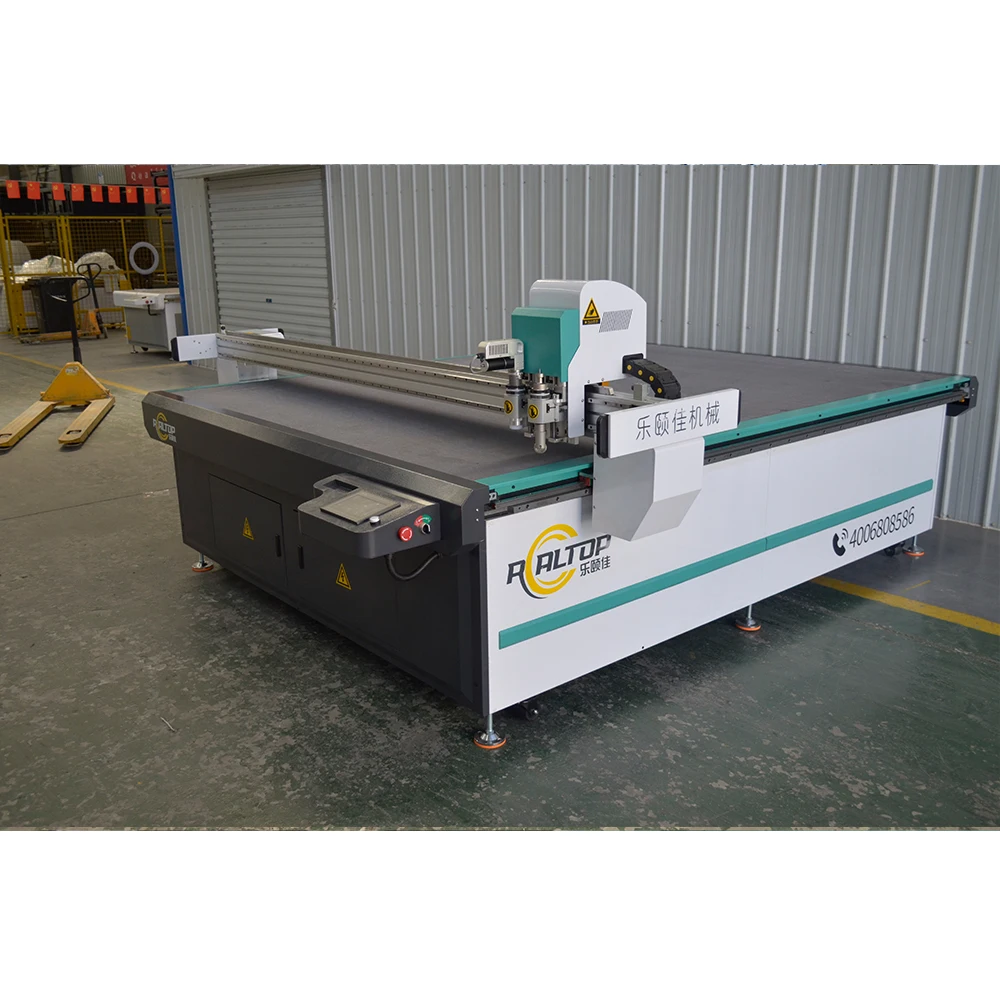
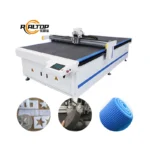
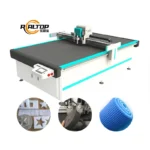
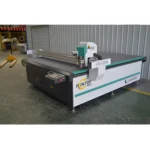
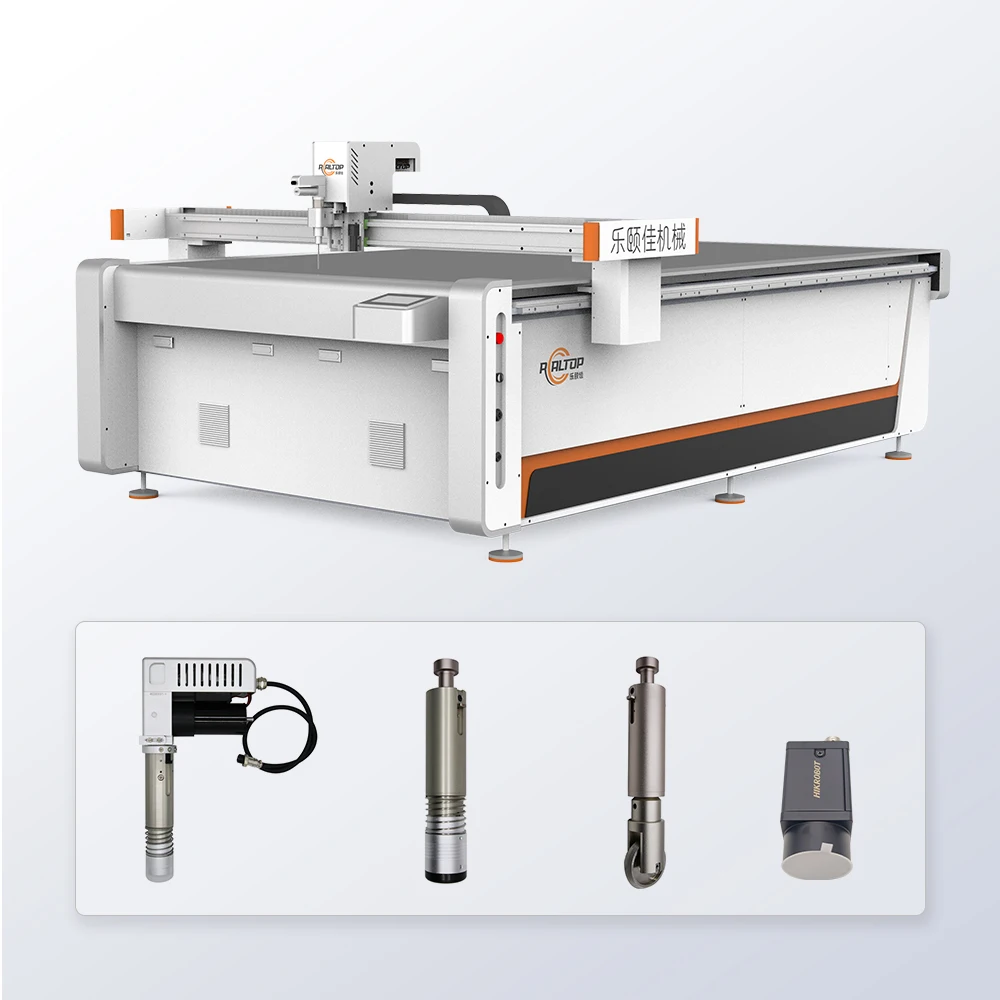
Swiss Knife Configuration — Every RT-D2516/RT-S2516 leaving our Jinan workshop carries a Swiss imported oscillating head specified for the buyer’s own foam, leather or composite stock before dispatch.
Technical Specifications
| Parameter | Value |
|---|---|
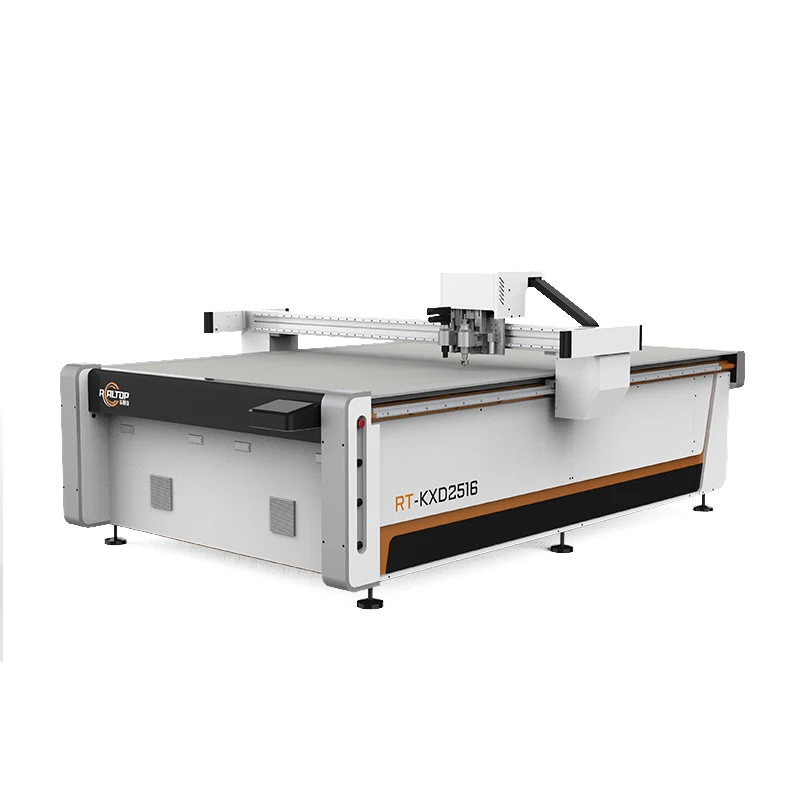
| Model | RT-D2516/RT-S2516 |
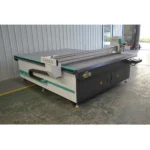
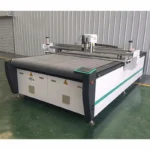
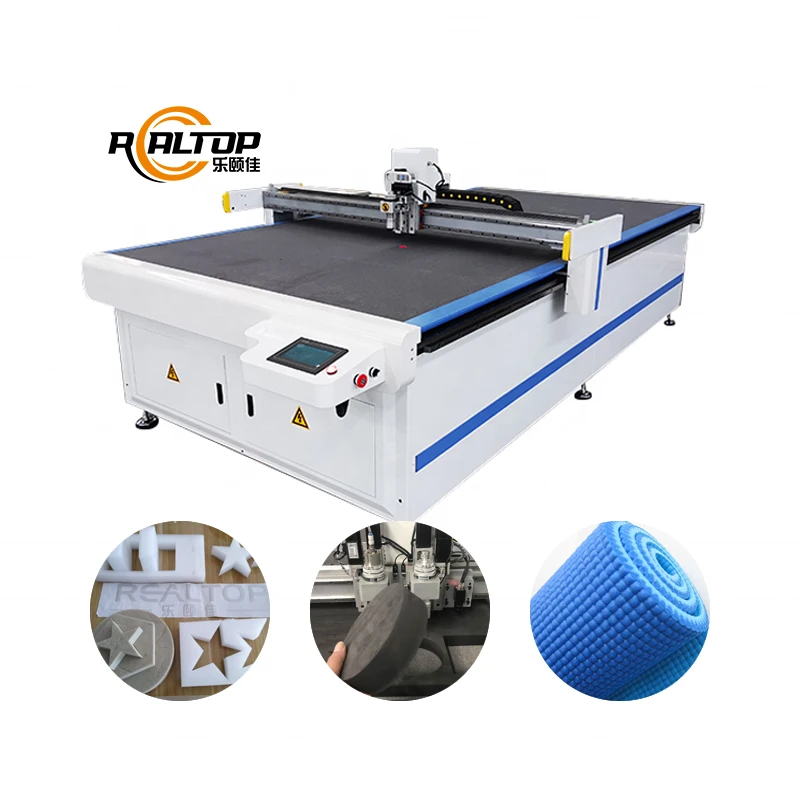
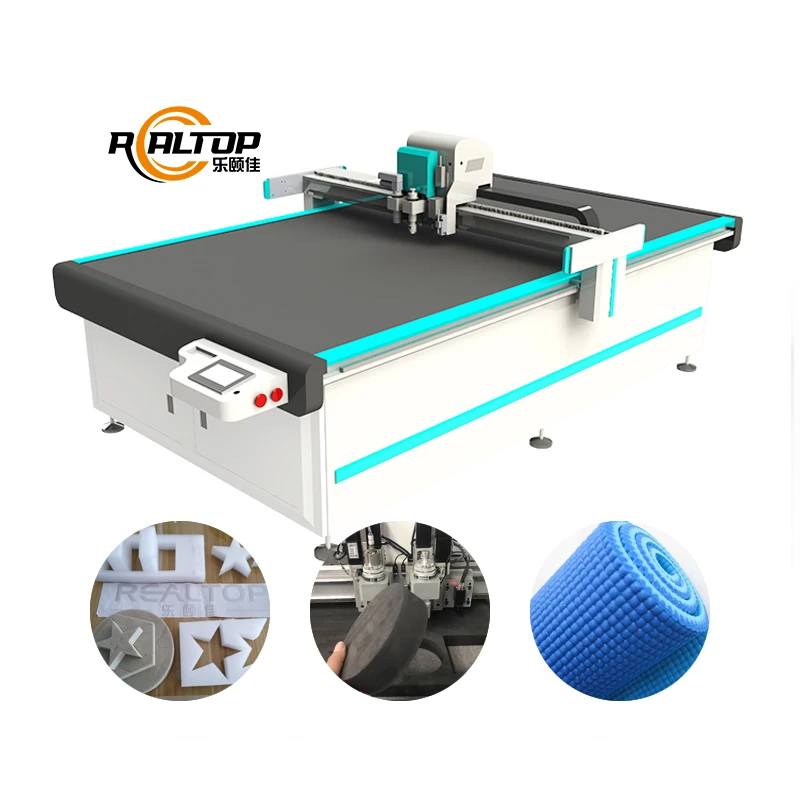
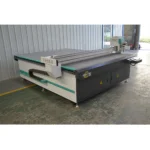
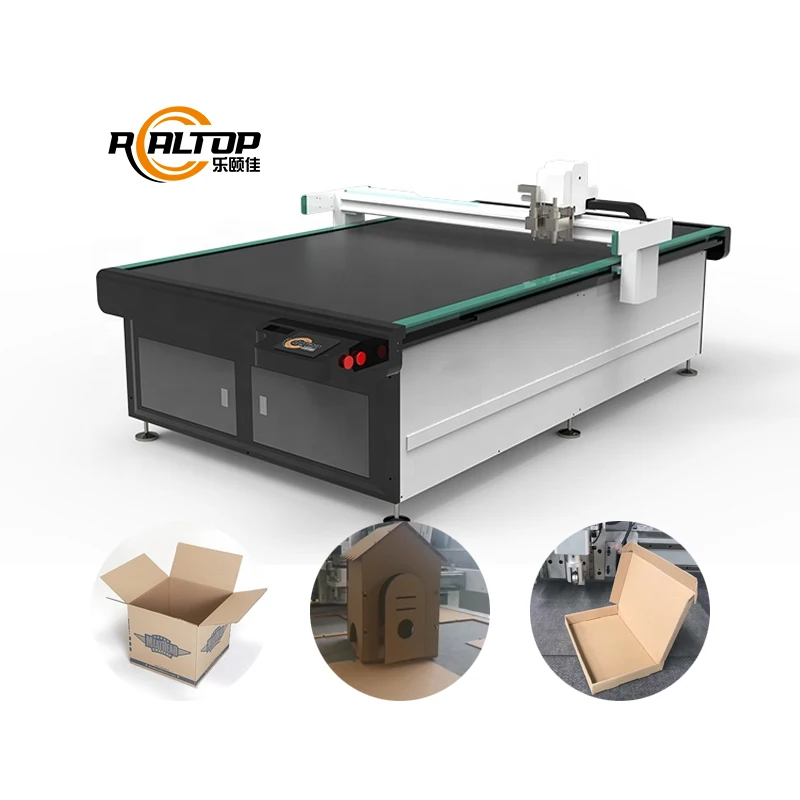
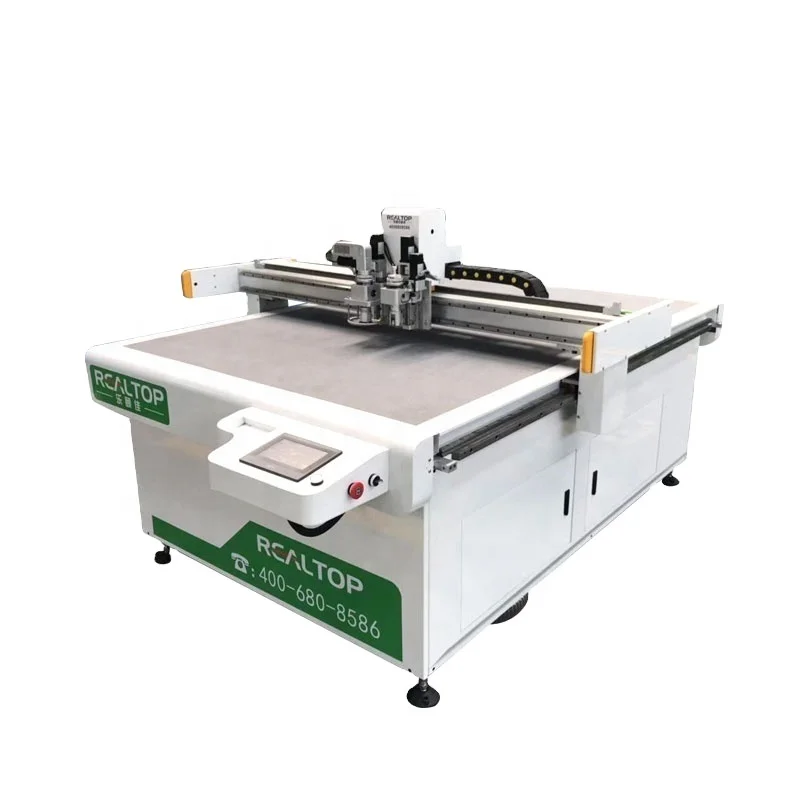
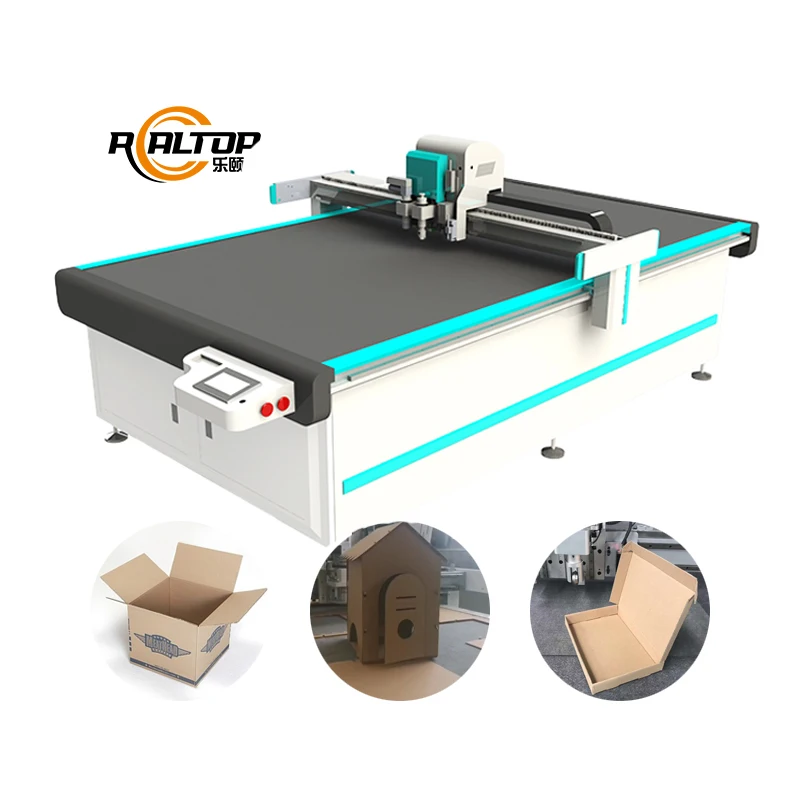
| Product Type | CNC Oscillating Knife Cutting Machine |
| Working Area | 1600 × 2500 mm |
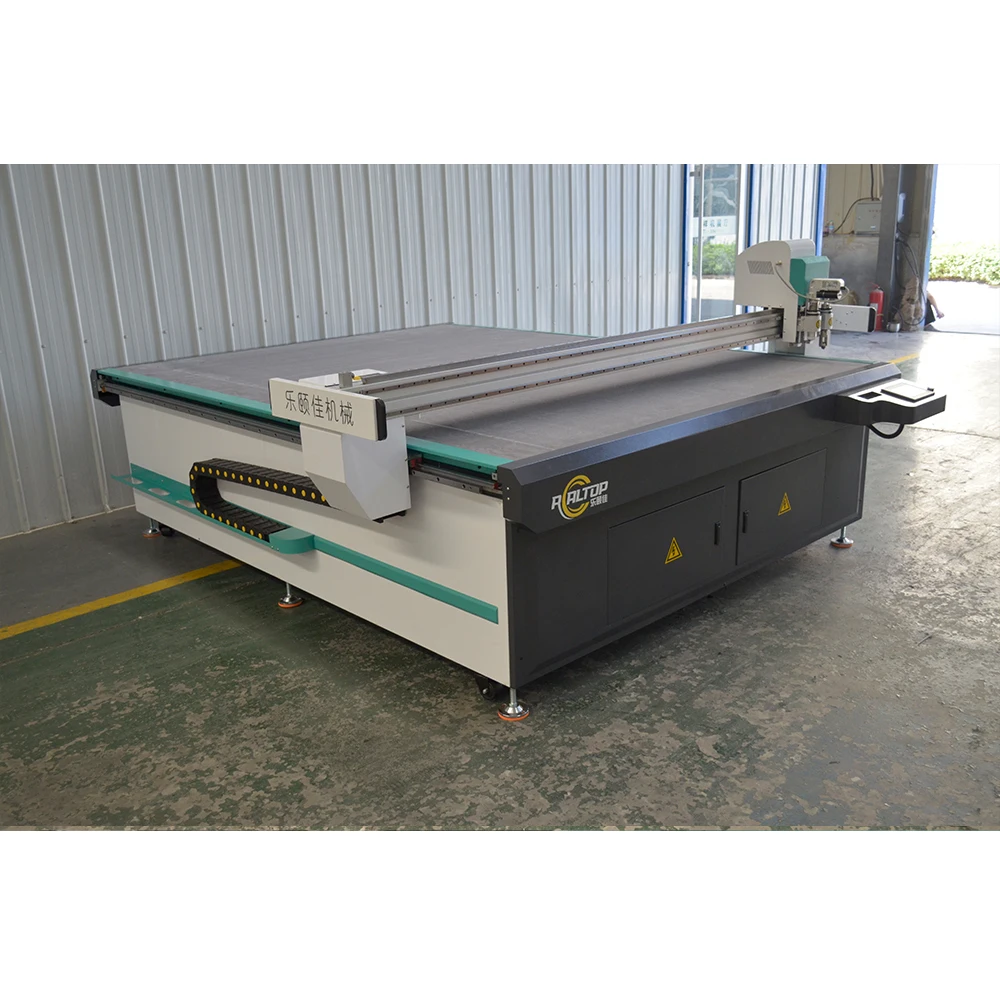
| Machine Size | 3450 × 2300 × 1250 mm |
| Rated Power | 9 kW |
| Table Type | Flat vacuum working table with auto feeding |
| Tool Head | Swiss imported multifunctional knife: vibration full cutting, vibration half cutting, cursor location |
| Translational Velocity | 800–1200 mm/s |
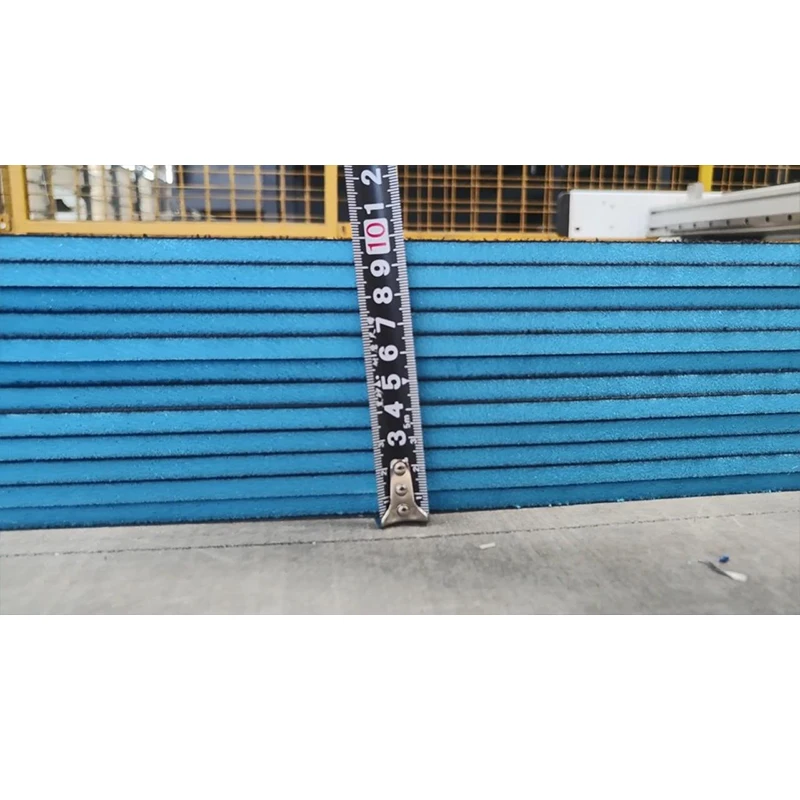
| Cutting Thickness | 20–80 mm depending on material density and structure (basis not stated in source) |
| Repeated Accuracy | ≤ 0.1 mm |
| Transmission System | Digital servo motor, linear guide, synchronous belt, ball screw |
| Servo Brand | Delta with IP67 waterproof rating |
| Linear Guide | Taiwan Hiwin rail |
| Vacuum Pump | 7.5 kW |
| Conveyor Belt | Germany imported belt |
| Safety Device | Infrared sensors with responsive automatic pause |
| Instruction System | HP-GL compatible format |
| Voltage | 380V ± 10% |
Application Suitability
| Application | Material or Output |
|---|---|
| Automotive interior trim and gasket fabrication | Leather, sponge composite leather, rubber sheets |
| Footwear and leather goods production | Natural and synthetic leather, flexible uppers |
| Packaging and protective insert converting | EPE pearl cotton, EVA foam, corrugated board |
| Soft furnishing and carpet cutting | Textiles, carpets, floor mats, composite fabrics |
| Sealing and insulation component manufacturing | Silicon, soft glass, rubber gasket stock |
| Graphic advertising and print finishing | Vinyl, PVC sheets, flexible signage media |
Why Foam Density Decides Whether Your CNC Oscillating Knife Cutting Machine Manufacturer Gets a Second Order
Cutting capacity claims mean nothing until your exact material block is clamped to the table and the blade runs through it.
I learned this the hard way years ago. A customer sent a sample of EPE pearl cotton for trial cutting. The RT-D2516/RT-S2516 sliced through it cleanly on our workshop table. We shipped the machine. Weeks later, their production floor was running a higher-density batch — edges came out fuzzy, layers separated, and an entire shipment nearly had to be scrapped. The cutting thickness figure on any spec sheet shifts depending on what you are actually feeding. That is why we now pull your stock back to Jinan and run it ourselves before the order is confirmed [NEED_CITE: common causes of delamination during oscillating knife cutting of closed-cell foams].
Tool Head and Material Matching on the Flatbed
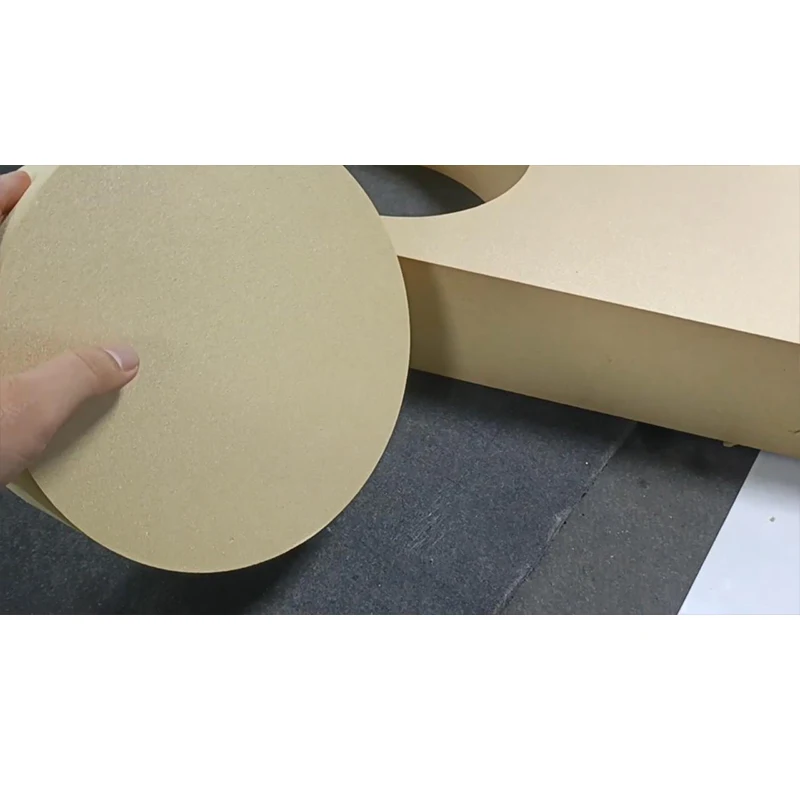
A Swiss imported oscillating knife head handles full-depth cuts, kiss cuts and cursor positioning within one setup. For closed-cell foams like EPE and EVA, the high-frequency vibration keeps the blade moving through dense layers without dragging or crushing the cell structure. When the same head switches to leather or sponge composite, the stroke and amplitude settings change — and that adjustment must happen before the first production sheet is laid down, not after a dozen rejected panels.
How the Vacuum Table and Feeding System Hold the Workpiece
The 7.5 kW vacuum pump pulls through a flat adsorption table while the Germany imported conveyor belt feeds material into the 1600 × 2500 mm cutting zone. Small die-cut shapes tend to lift once the blade exits if suction is uneven across the surface. Zoning the vacuum table to match the nesting layout keeps every piece anchored until the head finishes its path. On long runs of automotive gaskets or shoe components, auto feeding pulls the next sheet into position without manual repositioning between cycles [NEED_CITE: vacuum table zoning practices for nested small-part cutting].
Reading the Spec Sheet Against Your Actual Production Needs
The 800–1200 mm/s translational velocity governs how fast the head travels between cut points, but effective throughput depends on contour complexity and material resistance. A simple rectangular EPE insert allows near-maximum travel speed, while a contoured automotive door panel with internal cutouts forces the head to decelerate at every corner. The Delta servo motors with IP67 protection maintain positional accuracy through coolant mist and dust that accumulate in foam converting shops. Taiwan Hiwin rails keep the gantry tracking true across the full 2500 mm stroke, which matters when a 0.1 mm repeated accuracy tolerance must hold from the first piece to the five-hundredth. The HP-GL compatible instruction format accepts nesting files from most mainstream CAD and packaging design platforms, reducing the translation errors that plague shops switching from older cutting systems.
What Happens When the Configuration Is Wrong for the Material
Specifying a CNC oscillating knife cutting machine by working area alone is the fastest route to a costly mismatch. A table large enough for full sheets of foam is useless if the tool head cannot handle the density. Ragged edges on EPE inserts mean your customer rejects the lot. Crushed sponge composite on automotive panels forces rework downstream. A vacuum table without proper zoning lets small gasket pieces shift mid-cut, pushing dimensions outside tolerance and generating scrap that accumulates fast over a production shift [NEED_CITE: financial impact of material handling errors in flexible material converting].
Why Buyers Keep Coming Back to This Workshop
In-house design and production means the same engineering team that specifies your tool head also builds the frame and wires the cabinet — no third-party integrator to call when something does not match. Tool head and table configuration get locked to your material sample, not a generic catalogue default. CCD camera positioning can be added for printed contour work if your product line requires it. Voltage and control language are confirmed against your factory’s electrical standard before the machine enters assembly. And sample cutting on your own stock runs before commitment, so you see the edge quality and cycle behavior on the exact material you will process every day.
Documentation & Verification
- Machine specification sheet listing RT-D2516/RT-S2516 working area and tool head options
- Electrical schematic with 380V ± 10% supply confirmation for your market
- Sample cutting report run on your foam, leather or composite stock
- Tool head and vacuum table configuration list matched to your material
- HP-GL software compatibility note and file format test record
- Packing photographs taken before crate sealing at our Jinan facility
Installation, Commissioning & Support
- 3450 × 2300 mm footprint requires a level concrete floor with clearance for sheet infeed
- Dedicated 9 kW circuit with 380V ± 10% supply and earth bonding to frame
- Machine ships partially assembled; gantry and tool head aligned on-site during commissioning
- First-run parameter tuning on your material for oscillation stroke, vacuum zoning and feed speed
- Operator training covering HP-GL file import, tool change and Delta servo reset procedures
- Spare parts list covering Swiss knife blades, conveyor belt segments and Hiwin rail blocks
What to Include in Your First Enquiry
Send us the material type, density and sheet dimensions you process, along with your daily volume and any contour printing that requires optical recognition. Confirm the voltage and frequency at your facility, and let us know which CAD or nesting software you currently use. If your material is a proprietary composite or an unusual foam grade, courier a sample to our workshop so we can run it on the RT-D2516/RT-S2516 before any specification is finalized.
Frequently Asked Questions
Q: How do I confirm the cutting thickness for my specific foam density?
A: Send a sample of your actual production material to our workshop. We run it on the RT-D2516/RT-S2516, document edge quality and maximum clean-cut depth, and provide a sample cutting report. The 20–80 mm range on the spec sheet shifts depending on cell structure and density, so your own stock is the only reliable reference point before ordering.
Q: Can the voltage and control interface be customized for my country?
A: Voltage is configurable beyond the standard 380V ± 10% to match your local supply, and the control language is set before shipment. We confirm your factory’s electrical standard and plug type during the quotation stage so the cabinet arrives ready to connect without on-site rewiring or transformer additions.
Q: How is the tool head selected for different material types?
A: The Swiss imported multifunctional head supports oscillation stroke and amplitude adjustment across foams, leather and composites. We match the knife profile and vibration settings to your material during sample testing, then lock the configuration into your machine’s build sheet so production starts with validated parameters from day one.
Q: Will the vacuum table hold very small parts during nested cutting?
A: The 7.5 kW vacuum pump supplies multiple zones across the flat adsorption table. We configure zone boundaries to match your nesting layout so suction concentrates where small gasket or shoe components sit. This prevents lift and drift at the end of each cut path, keeping dimensions within the 0.1 mm repeated accuracy tolerance.
Q: Is CCD camera positioning available for printed contour work?
A: CCD camera contour recognition can be integrated for buyers cutting printed graphics or pre-printed packaging outlines. The camera reads registration marks and adjusts the cutting path in real time. We confirm mark size, contrast and placement on your artwork file before the system is configured for your production workflow.
You may also like

商品评价
Clear filtersThere are no reviews yet.