

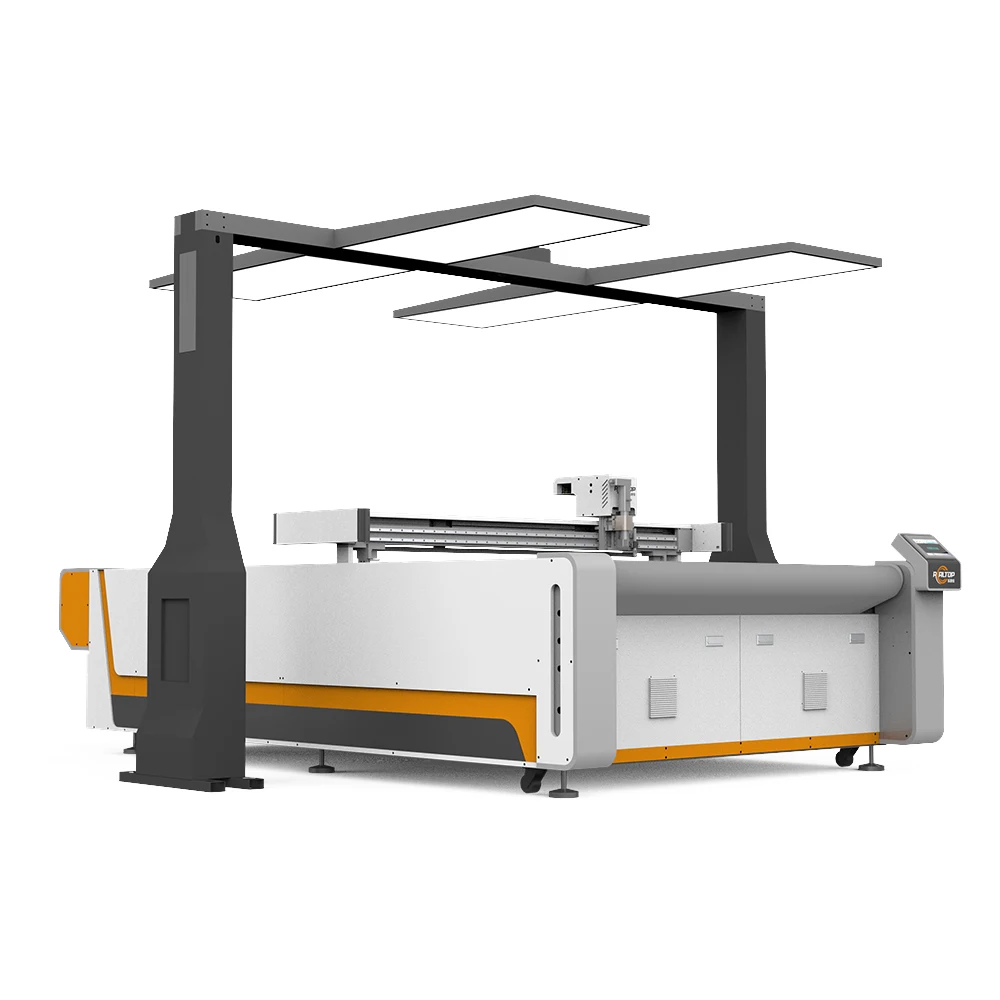
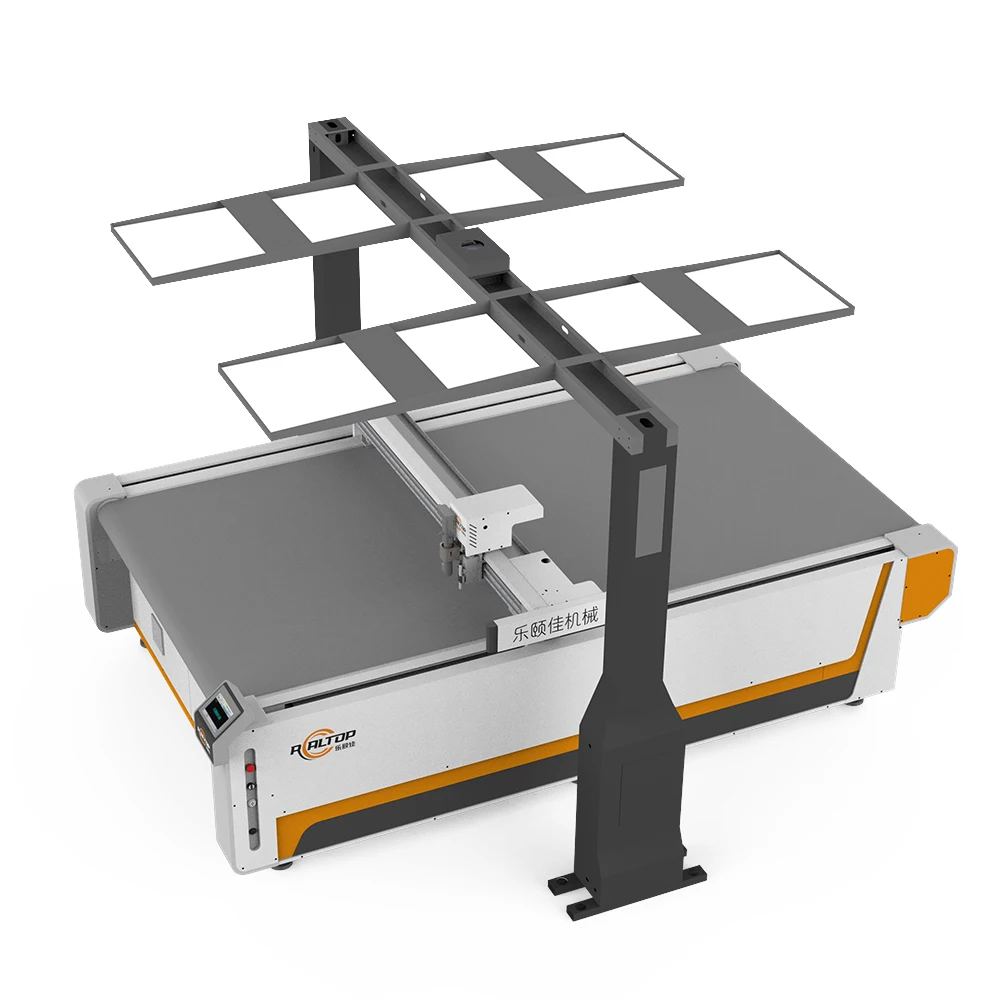
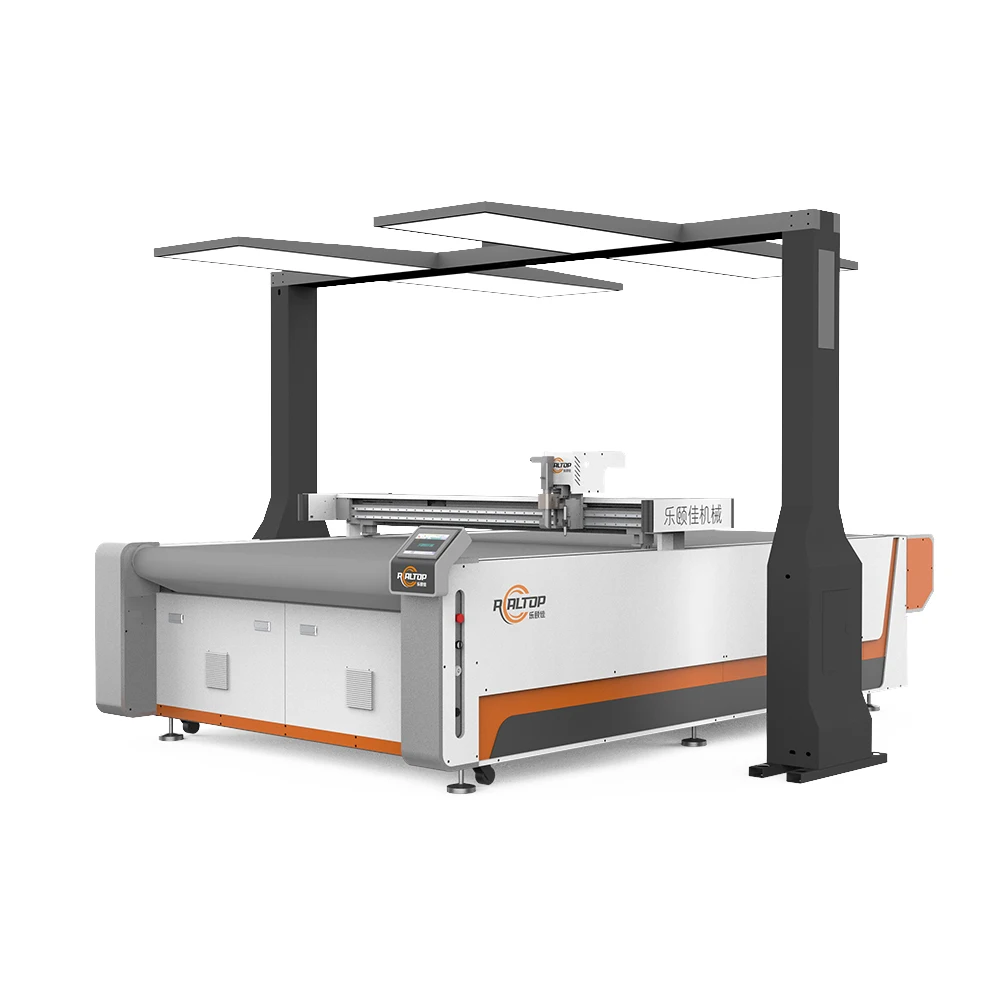

-
 Courier delivery
-
 DHL Courier delivery
-
 Warranty 1 year
-
 Free 30-Day returns

Tool-Head Matched to Material — Every REALTOP cutter ships with the knife, wheel, or spindle configuration validated against the buyer’s actual leather, foam, or board sample, not a default catalog setting.
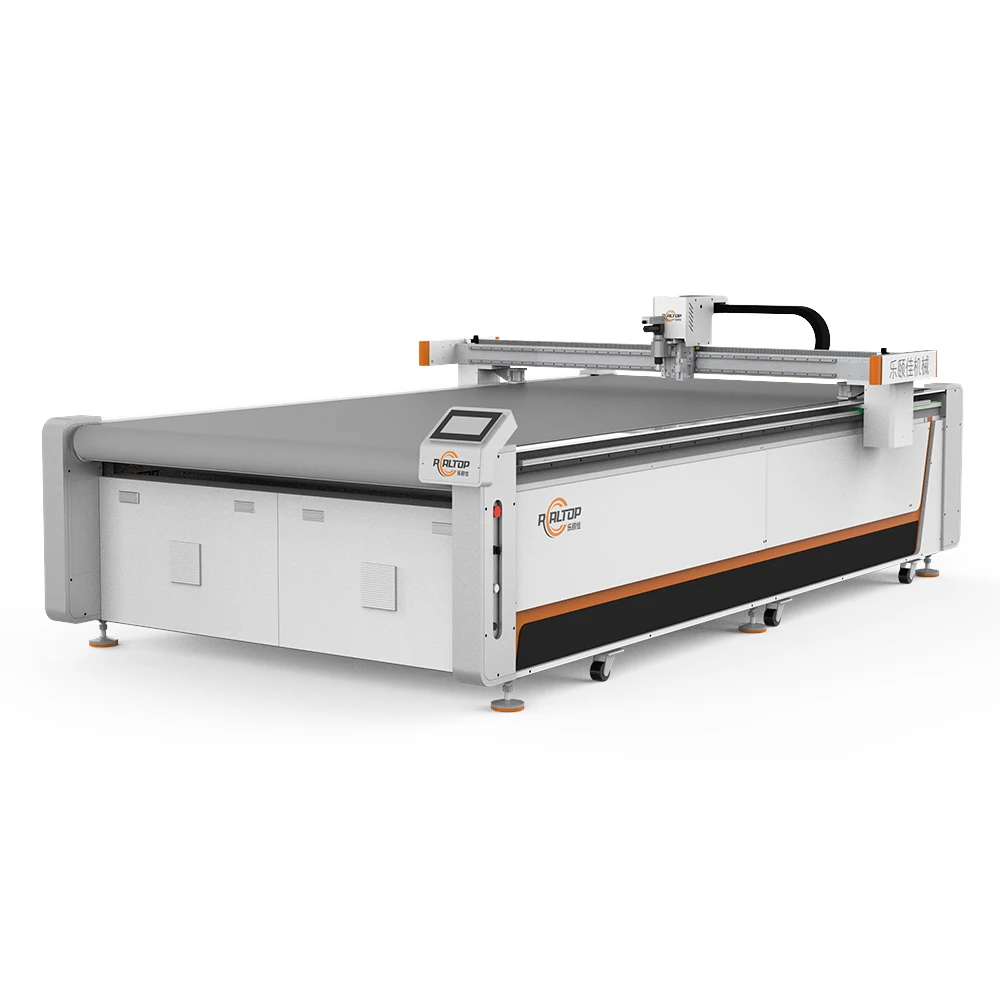
Technical Specifications
| Parameter | Value |
|---|---|
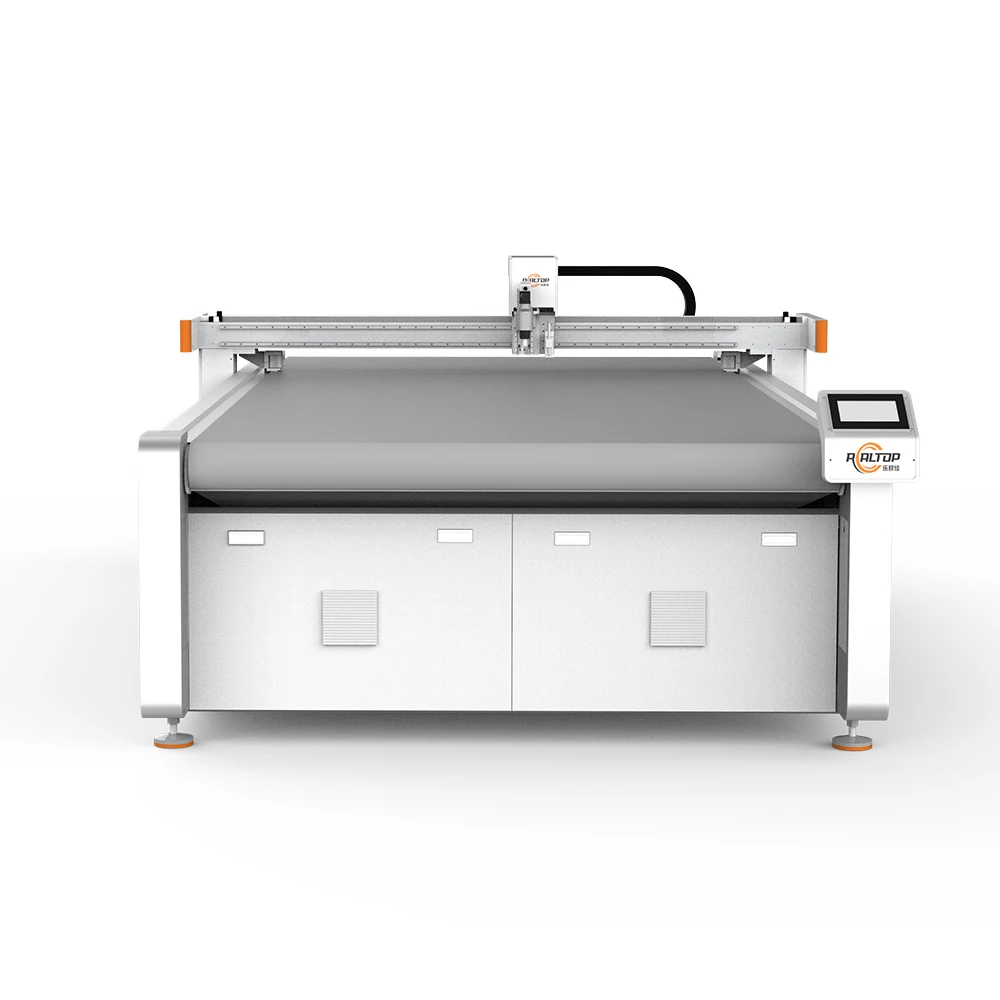
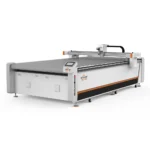
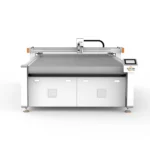
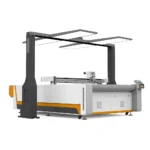
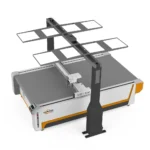
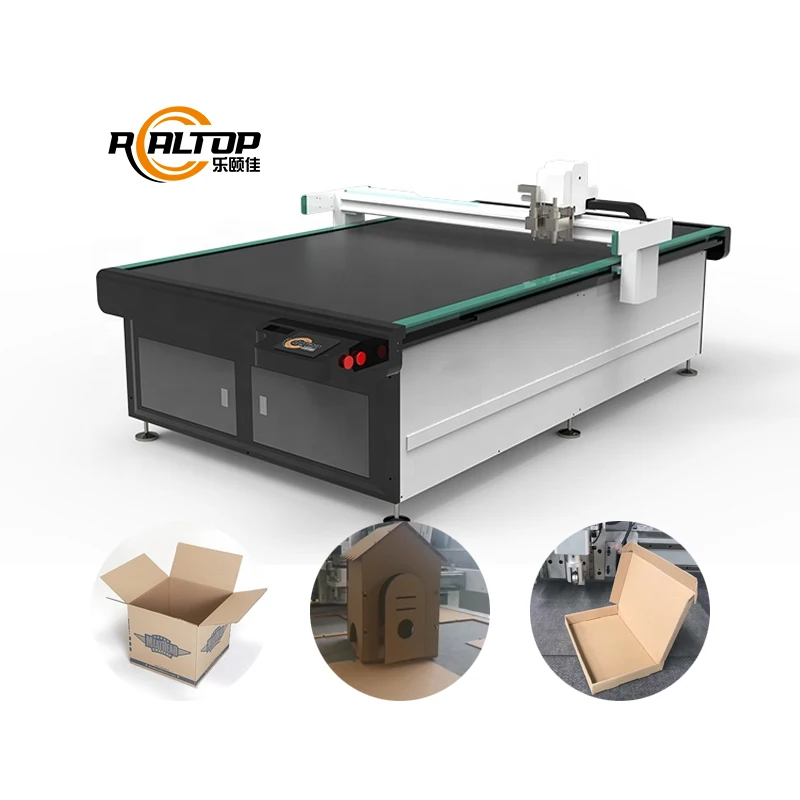
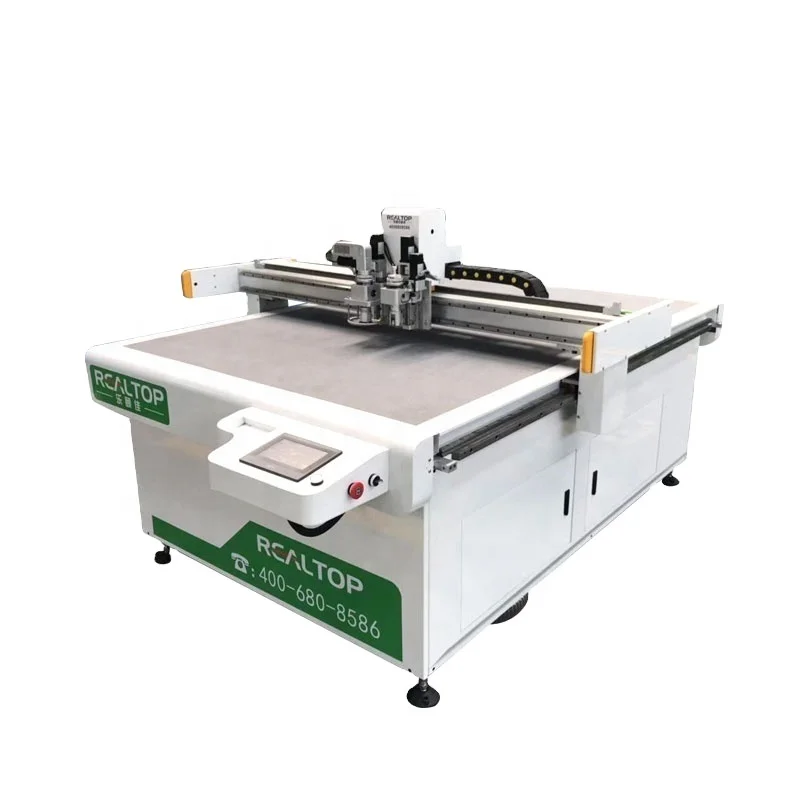
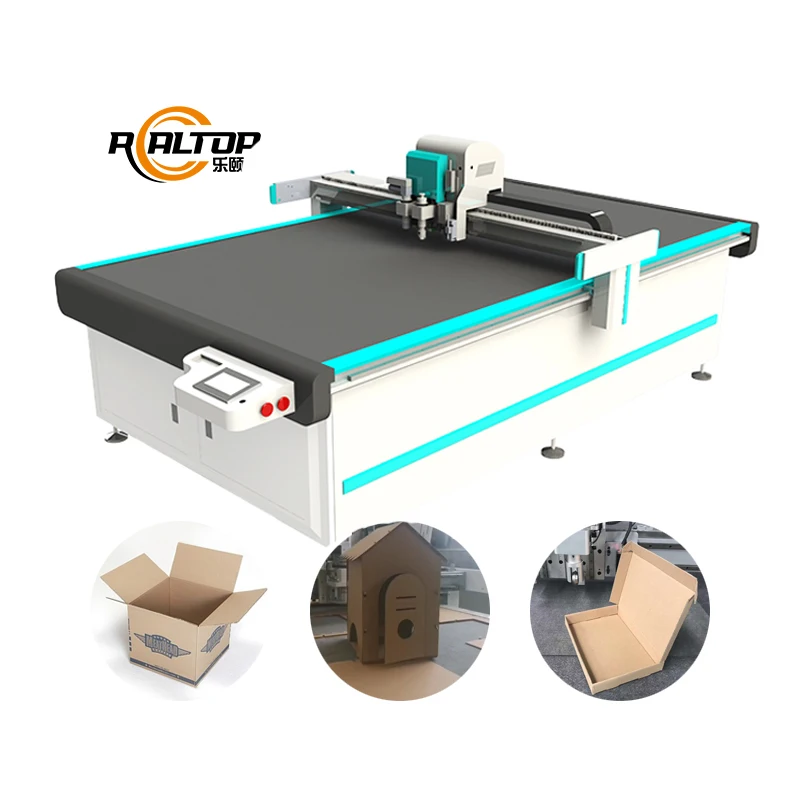
| Product Type | CNC Oscillating Knife Cutting Machine |
| Working Area | 1600×2500 mm |
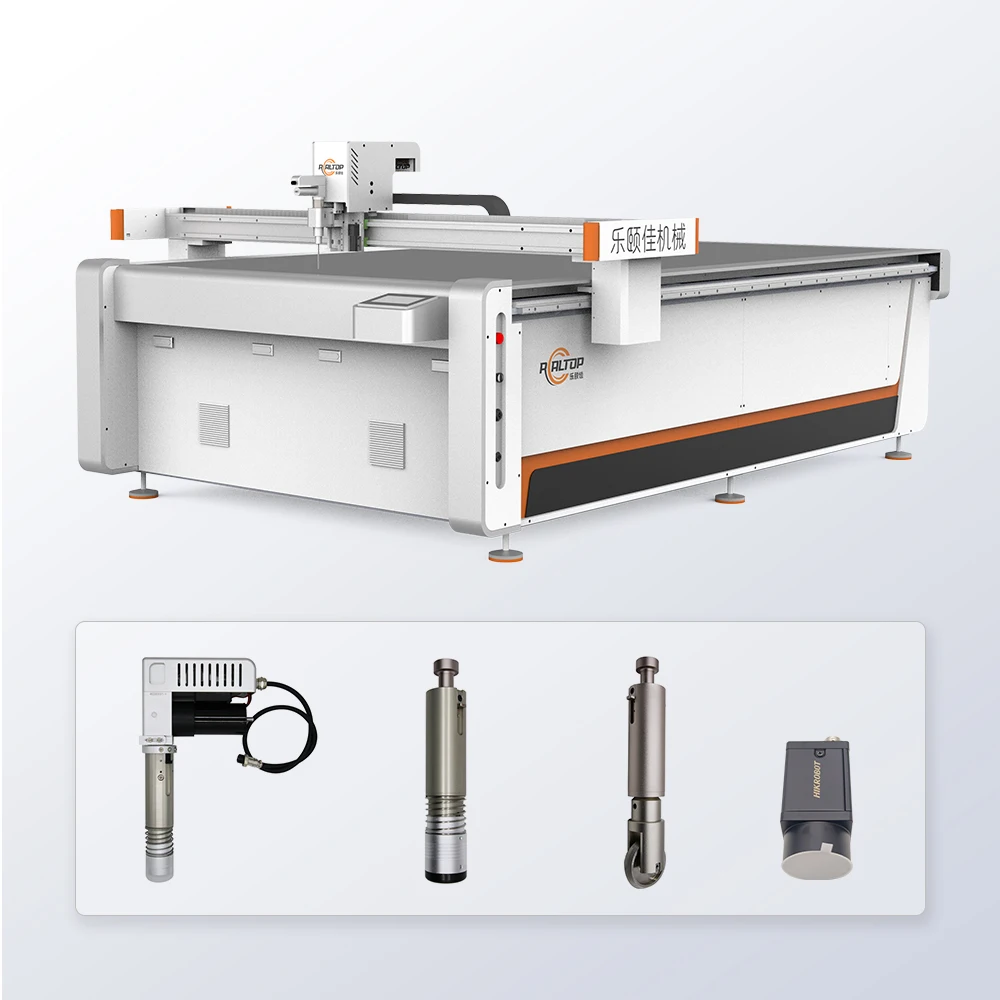
| Tool Head Options | Oscillating knife, Driven rotary knife, Creasing wheel, Kiss cutting tool, Pneumatic knife, Milling tool, V-groove knife, CCD camera |
| Cutting Speed | 0–1500 mm/s (basis not stated in source) |
| Cutting Thickness | ≤ 40 mm (basis to be confirmed per material) |
| Positioning Accuracy | ±0.1 mm |
| Vacuum Table | Aluminum bellows vacuum table, full-surface adsorption |
| Vacuum Pump | 9 kW |
| Control System | PLC control panel with optional display languages |
| Supported File Formats | PLT, DXF, AI, PDF |
| Servo Drive Options | Panasonic, Delta, Dorna |
| Voltage Options | 110V / 220V / 380V |
| Safety Devices | Infrared sensor, emergency stop |
| Machine Size (L×W×H) | 3300×2100×1350 mm |
Application Suitability
| Application | Material or Output |
|---|---|
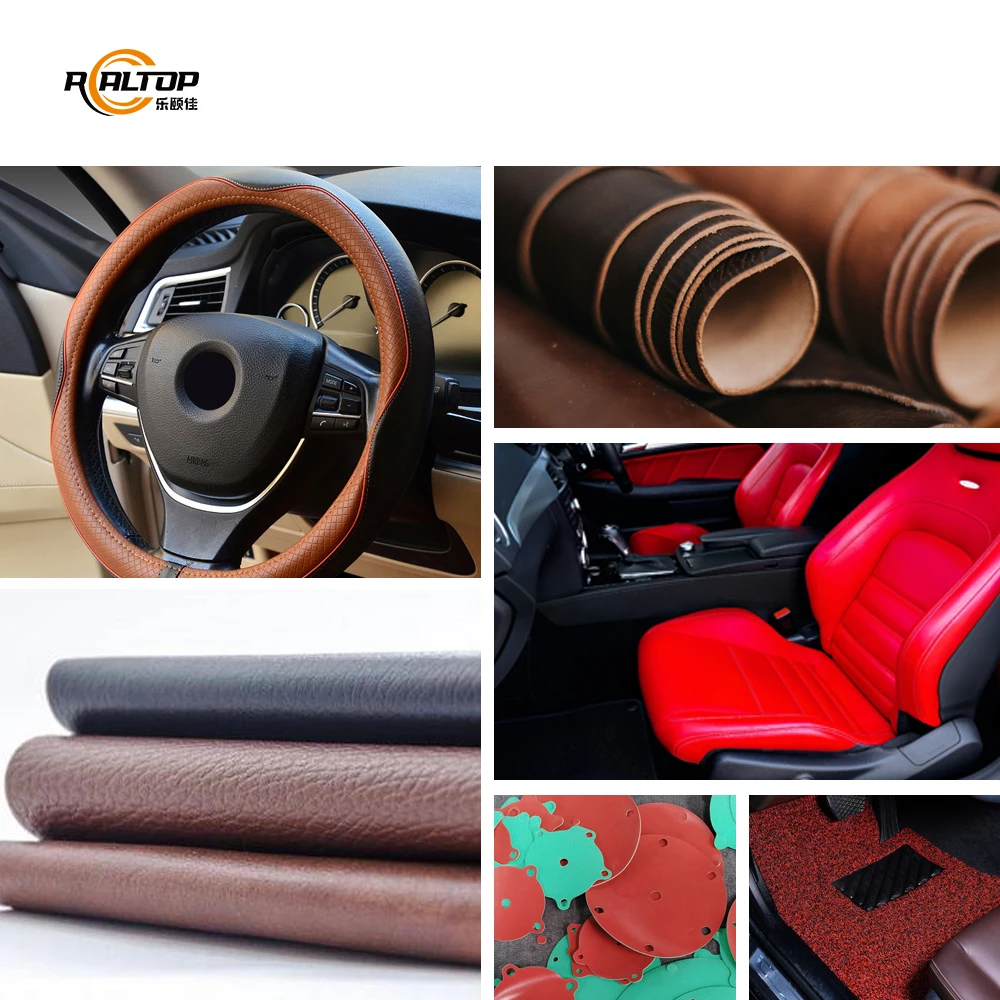
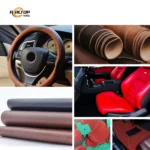
| Footwear & Leather Goods | Genuine and synthetic leather for uppers, linings, and bag components |
| Packaging Sample Making | Corrugated cardboard, greyboard, cardstock, specialty paper |
| Automotive Interior Parts | Foam, PU, EVA, rubber mats, and composite layers |
| Garment & Textile Cutting | Woven fabric, non-woven textile, and technical textiles |
| Advertising & Gasket Production | PVC, PET sheets, rubber, and sealing gasket materials |
What Buyers Overlook When Sizing a Leather CNC Cutting Machine
The working area tells you nothing about whether the blade will penetrate your leather at full speed.
In my time visiting workshops around the Yangtze Delta, I have watched operators force a standard oscillating blade through thick vegetable-tanned leather because the machine was bought for its table size alone. The edge frays, the vacuum seal breaks, and the cutting head stalls mid-path. Leather varies enormously in density — chrome-tanned splits behave nothing like full-grain harness leather. A CNC oscillating knife cutting machine manufacturer that only quotes table dimensions is leaving the critical material-matching step out of the conversation [NEED_CITE: leather cutting force varies by tannage and thickness].
Why the Knife Configuration Must Change Between Leather Types
A pneumatic knife slices cleanly through soft garment leather but chatters against stiff shoe sole leather. Driven rotary knives handle continuous curves on synthetic uppers without the micro-vibration that leaves scallop marks. When a buyer sources from a CNC oscillating knife cutting machine manufacturer that stocks multiple tool heads under one roof, the head can be swapped during factory testing — not guessed at the quotation stage. REALTOP designs both knife and laser cutting systems in-house, so the cutting method itself can be matched to the material rather than forcing leather onto a laser bed where it scorches.
Vacuum Table Zoning for Small Leather Components
Full-surface adsorption sounds adequate until you cut small strap components that lift off the table the moment the blade changes direction. The aluminum bellows vacuum table on this machine is divided into controllable zones so that vacuum concentrates directly under the cutting path. A 9 kW pump provides the suction head, but zoning is what actually prevents small leather pieces from shifting during high-speed contour work [NEED_CITE: vacuum hold-down effectiveness on small nested parts]. Without proper zoning, nesting software saves material on paper but wastes it on the table.
Reading the Specs That Actually Matter
The ±0.1 mm positioning accuracy depends on servo response and gantry rigidity; Panasonic, Delta, and Dorna servo options let buyers match the motion control tier to their production precision requirement. Cutting speed reaches up to 1500 mm/s, though real throughput depends on leather thickness and curve complexity — a straight cut on thin lining leather is not comparable to contouring thick sole leather. File format support for PLT, DXF, AI, and PDF means most design offices can send artwork directly without converting through intermediate software, which is where registration errors usually creep in for CCD-contour jobs.
The Cost of Defaulting to the Lowest Configuration Quote
When a buyer accepts the base configuration without specifying leather type and daily volume, the machine arrives with a single oscillating head and generic vacuum settings. Three weeks into production, thick gasket material does not cut through, and the buyer discovers that a V-groove knife or milling tool was never quoted. Downtime while waiting for a replacement tool head and revised vacuum zoning often stretches into weeks [NEED_CITE: lead times for retrofit tool heads on configured machines]. The savings from the initial lower quote disappear against the cost of stalled production.
Why Buyers Keep Coming Back to the Same Factory
REALTOP covers knife and laser technologies under one production roof, so the cutting method is recommended based on the material, not on whichever machine line has open capacity. Tool head and table configuration is locked in during the sample-cutting stage on the buyer’s actual leather or board, not left to a default list. CCD camera positioning for printed contour work is tested with the buyer’s artwork before shipment, and voltage, plug type, and control language are confirmed against the destination market’s electrical standards. Every machine ships with a factory test record showing real cuts on the buyer’s specified materials.
Documentation & Verification
- Machine specification sheet listing selected tool head and table zone configuration
- Electrical schematic confirming voltage and frequency for destination market
- Sample cutting report produced on buyer’s own leather or packaging material
- Factory test record demonstrating cutting accuracy on specified thickness
- Software license and file format compatibility confirmation note
Installation, Commissioning & Support
- Level concrete floor required to support the 3300×2100 mm footprint and gantry travel
- Dedicated electrical circuit matching confirmed 110V, 220V, or 380V supply
- Machine arrives fully assembled; gantry alignment verified during on-site commissioning
- PLC control panel set to operator language during installation training session
- Oscillating and rotary knife blade replacement schedule provided with spare parts list
What to Include in Your Inquiry
Send the specific leather or material type, thickness range, and maximum sheet dimensions you work with daily. Include your local voltage and frequency so the electrical package is configured before production. If you run printed contour cutting, share a sample file so CCD recognition can be validated at your production speed.
Frequently Asked Questions
Q: How is cutting thickness verified before I commit to an order?
A: We run sample cuts on your actual leather, foam, or board and record the edge quality, penetration depth, and cutting speed. The sample cutting report is shared before the order is finalized, so you see real results on your material — not a generic catalog claim.
Q: Which tool head works best for leather versus corrugated board?
A: Genuine leather generally uses an oscillating or pneumatic knife depending on stiffness, while corrugated board typically needs a creasing wheel paired with a drag or oscillating knife. We match the tool head during sampling based on the exact materials you provide.
Q: Can the control panel language and voltage be customized?
A: The PLC panel supports English, Russian, Italian, and Chinese as standard, with special languages available on request. Voltage is configured to 110V, 220V, or 380V based on your confirmed site electrical supply before the machine enters production.
Q: How does CCD contour recognition perform at full cutting speed?
A: The CCD camera reads printed registration marks and adjusts the cutting path in real time. We test recognition accuracy using your own printed artwork during factory sampling to confirm tracking holds at your required production speed.
Q: What OEM customization is available for frame size and configuration?
A: The factory can adjust working area dimensions, tool head selection, vacuum zoning layout, and conveyor integration based on your production requirements. Each customization is documented in the specification sheet and verified during factory testing before dispatch.
You may also like

商品评价
Clear filtersThere are no reviews yet.