


-
 Courier delivery
-
 DHL Courier delivery
-
 Warranty 1 year
-
 Free 30-Day returns

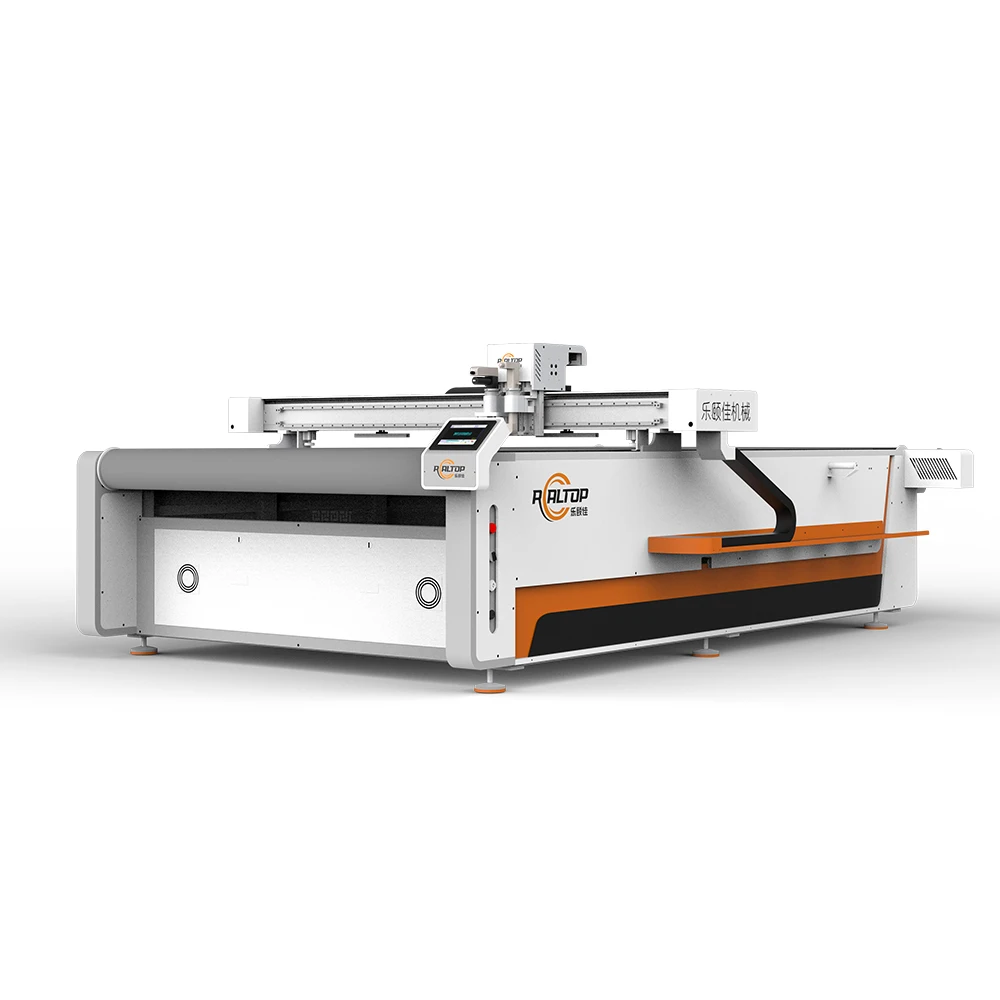
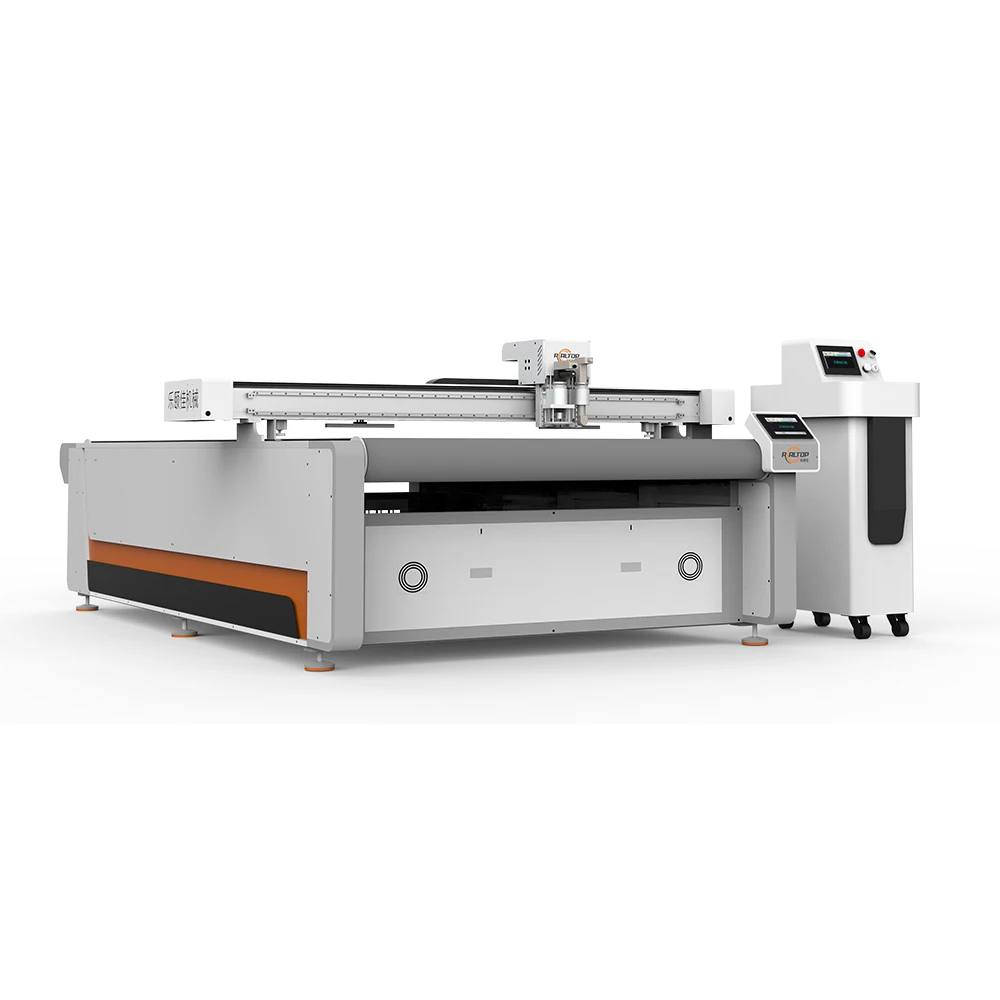
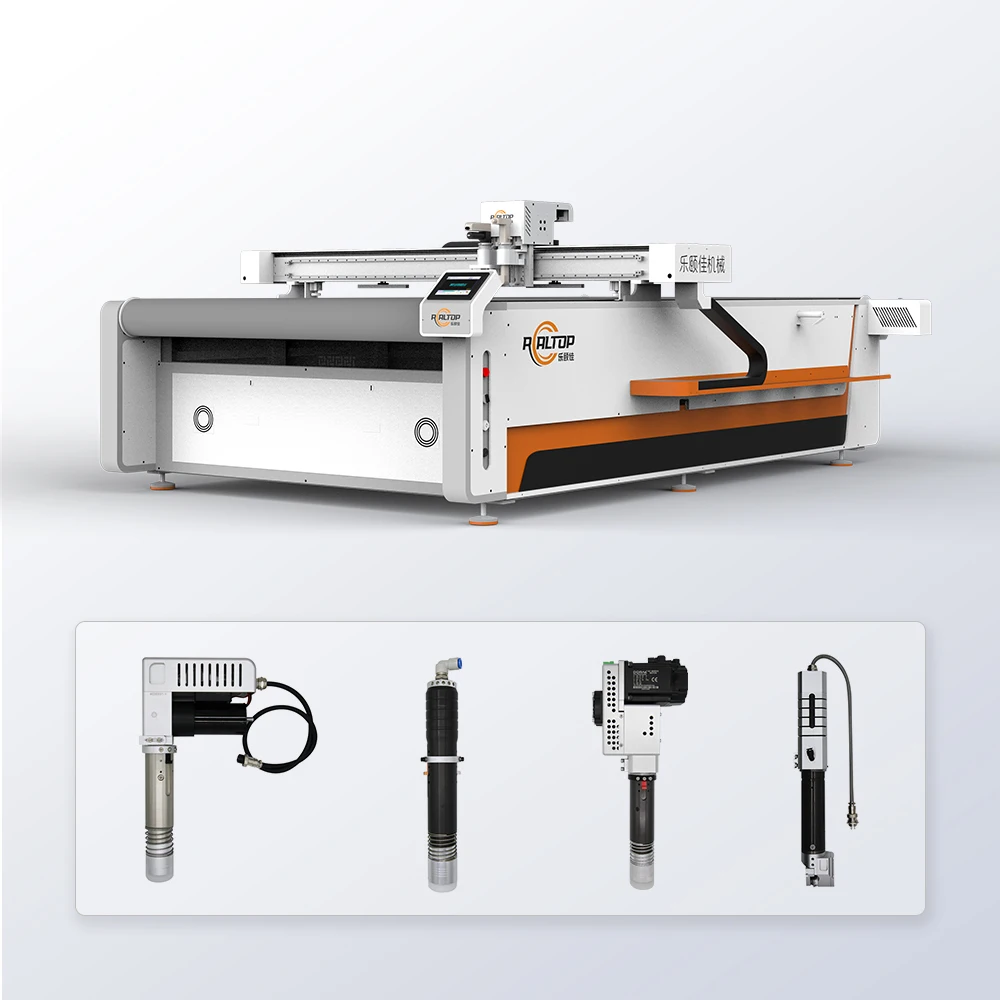
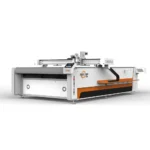
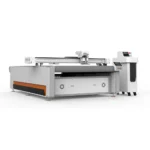
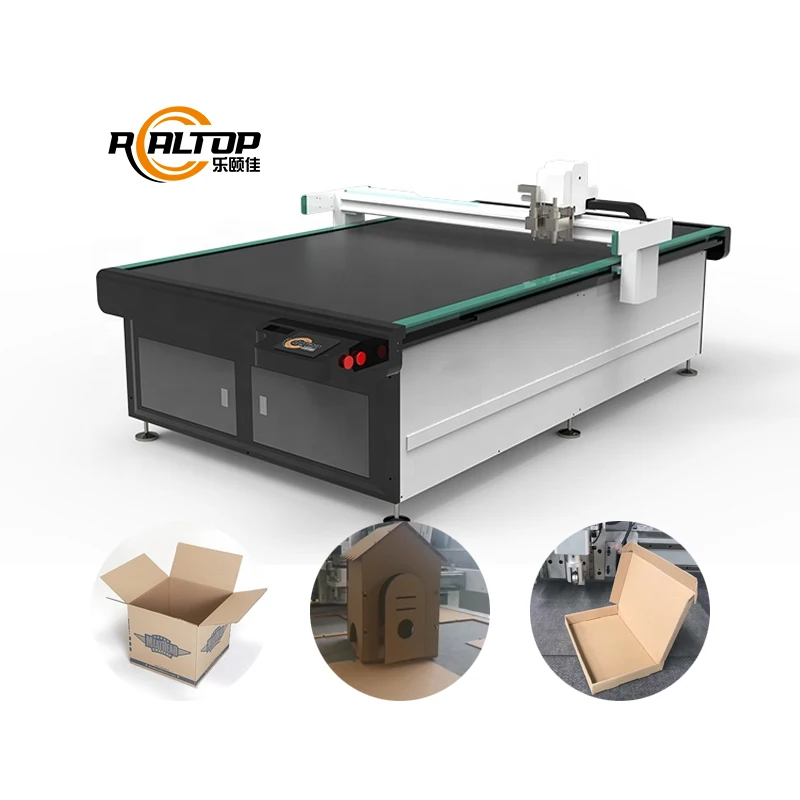
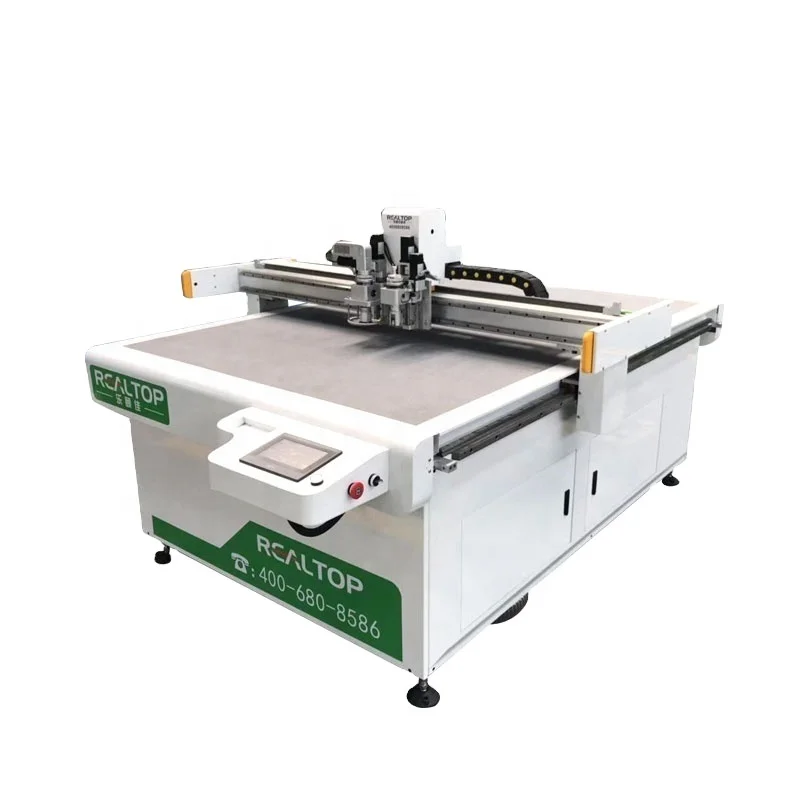
Tool Head Configured to the Material — REALTOP designs both knife tooling and vacuum table engineering in-house, so the 1625 CNC oscillating knife cutting machine is matched to your fabric, foam or composite rather than forcing a generic setup.
Technical Specifications
| Parameter | Value |
|---|---|
| Model | 1625 |
| Product Type | CNC Oscillating Knife Cutting Machine |
| Working Area | 1600×2500 mm |
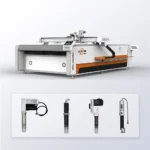
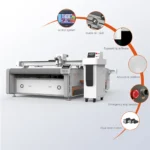
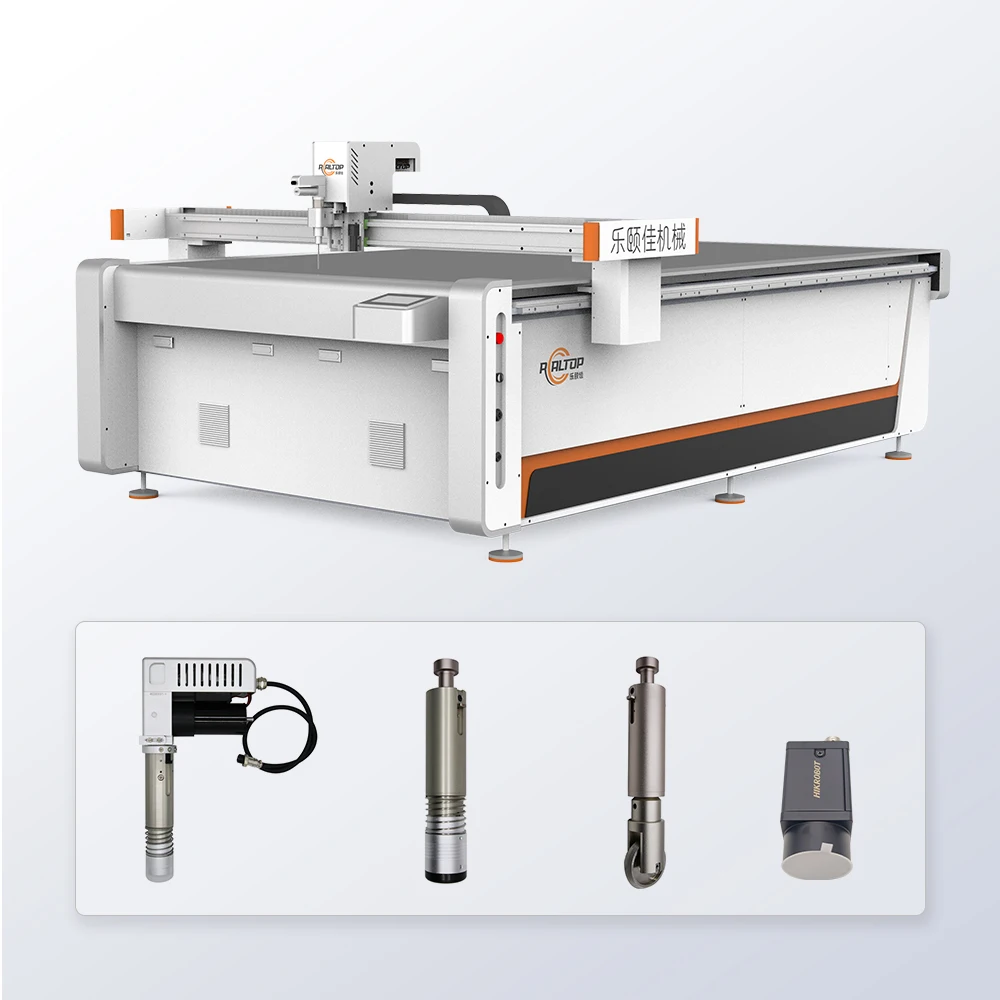
| Tool Head Options | Oscillating knife, Driven rotary knife, Creasing wheel, Kiss cutting tool, Pneumatic knife, Milling tool, V groove knife |
| Cutting Speed | 0–2000 mm/s |
| Cutting Thickness | ≤ 30 mm (basis not stated in source — confirm material type and density) |
| Positioning Accuracy | ±0.1 mm |
| Vacuum Pump Power | 9 kW |
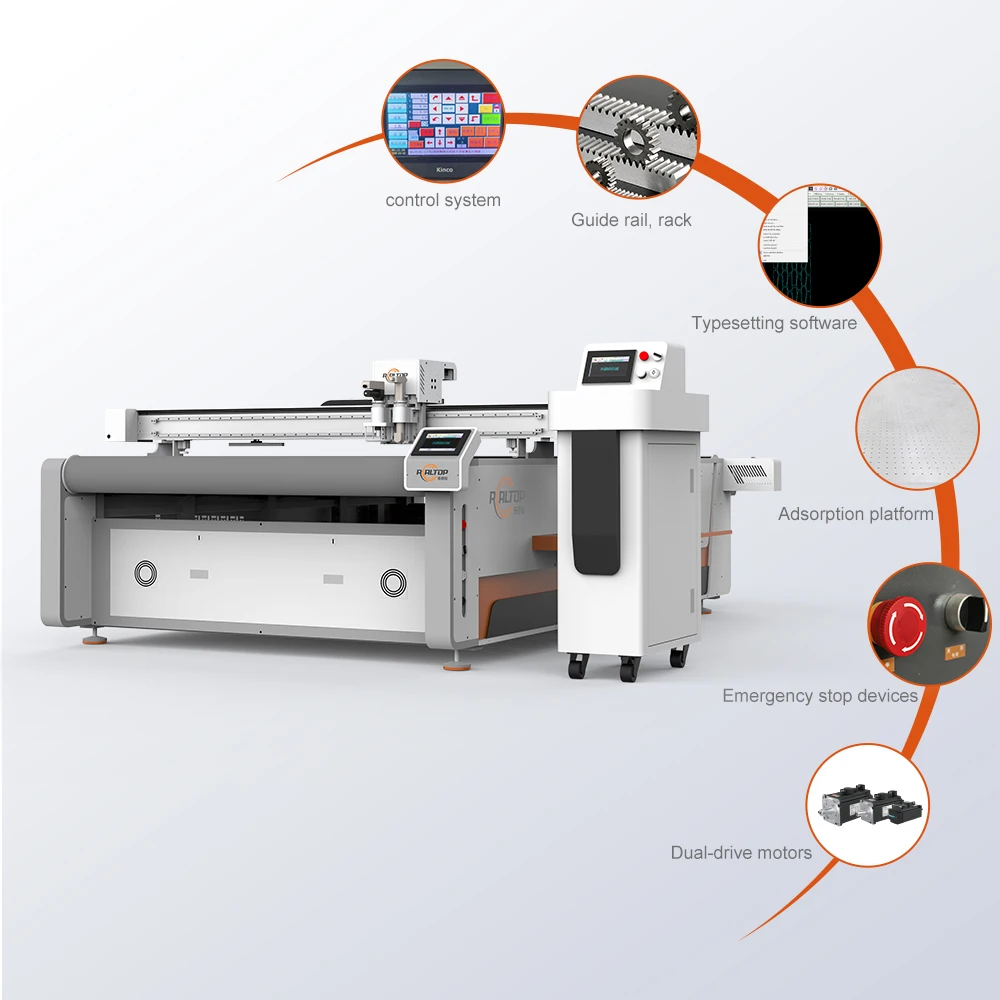
| Vacuum Table | Aluminum bellows vacuum table with high flatness and sealing |
| Machine Frame | Heavy-duty frame with precision-ground surface |
| Servo Drive Options | Panasonic, Delta, Dorna |
| Control System | PLC control panel with intuitive interface |
| Software & File Formats | PLT, DXF, AI, PDF; dedicated packaging box structure design software included |
| Nesting System | Intelligent nesting with automatic defect avoidance |
| Voltage Options | 110V / 220V / 380V (frequency not specified in source) |
| Language Options | English, Russian, Italian, Chinese; special languages customizable |
| Safety Device | Infrared sensor device and emergency stop device |
| Machine Size | 3300×2100×1350 mm |
| Standards | CE |
Application Suitability
| Application | Material or Output |
|---|---|
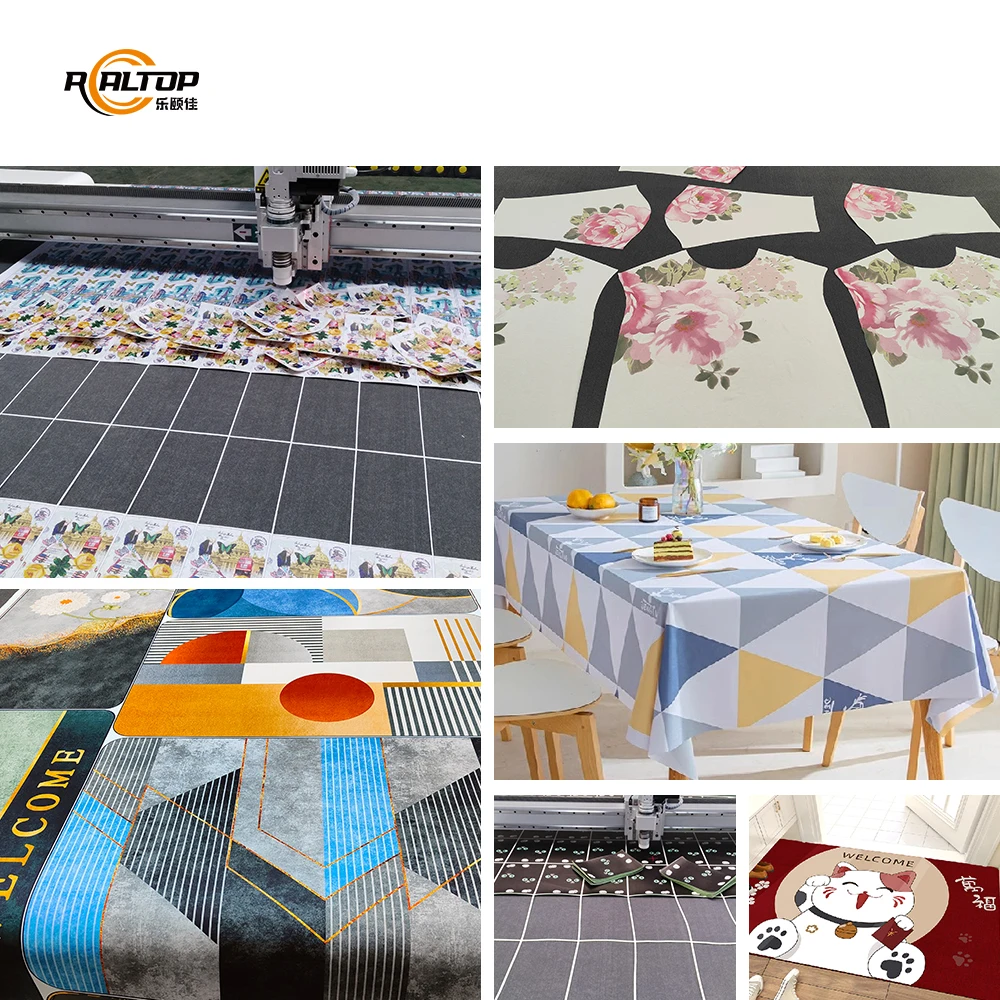
| Apparel manufacturing | Suits, knitwear, lace, complex woven and pattern-matching fabrics |
| Automotive interiors | Seat fabrics, carpets, PVC floor mats |
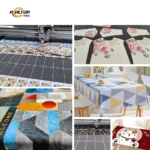
| Home textiles | Sofa fabrics, curtains, rugs, multi-layer fabric stacks |
| Composite material processing | Carbon fiber prepreg, aramid, specialty materials requiring cold cutting |
| General flexible material | Leather, EVA, foam, PTFE, rubber, cardboard, acrylic sheets |
Why "Working Area" Is the Wrong Starting Point for a CNC Oscillating Knife Cutting Machine Manufacturer
The working area tells you nothing about whether the machine will actually hold and cut your material cleanly.
I have seen buyers focus on the 1600×2500 mm bed size, sign the contract, and then discover their 20 mm foam lifts off the table mid-cut because the vacuum zoning was never discussed. Others find the oscillating knife they were quoted cannot handle their layered knitwear stack, producing fused edges instead of clean slices. A textile producer once called me at midnight because their blade consumption ran out in two weeks — the machine was cutting abrasive technical fabric, but nobody had adjusted the spare parts list for the actual material density. [NEED_CITE: vacuum holding requirements for flexible materials at high cutting speed]
When you evaluate a CNC oscillating knife cutting machine manufacturer, the conversation should start with your material type, thickness, and daily cutting volume. Everything else — tool head, vacuum zoning, blade consumption rate — flows from that.
Seven Tool Heads, But Only One Matters for Your Material
This CNC oscillating knife cutting machine supports seven interchangeable tool heads: oscillating knife, driven rotary knife, creasing wheel, kiss cutting, pneumatic knife, milling, and V-groove. The selection is not a menu you browse — it is determined by your material behavior. Knitwear and lace typically need a driven rotary knife for continuous clean edges without fraying. Dense foam and gasket materials require the oscillating knife to slice through without crushing the cell structure. Carbon fiber prepreg demands cold cutting with minimal vibration to prevent delamination. The CNC oscillating knife cutting machine manufacturer should confirm the correct tool head on your actual material sample before the order is finalized.
Vacuum Flatness and Sealing Decide Whether Small Parts Stay Put
The aluminum bellows vacuum table on this unit provides full-surface adsorption with high flatness. In practice, this matters most when you are cutting small garment pattern pieces or intricate automotive interior shapes. If the table surface has even slight unevenness, thin fabrics lift at the edges during high-speed passes, producing dimensional errors and wasted material. The 9 kW vacuum pump must be matched to the porosity of your material — a tightly woven suit fabric holds differently than an open-mesh technical textile. [NEED_CITE: vacuum table flatness tolerances for precision digital cutting]
Reading the Specs That Actually Affect Your Cutting Floor
The ±0.1 mm positioning accuracy is achievable because of the heavy-duty precision-ground frame combined with servo drive options from Panasonic, Delta, or Dorna. Frame mass and surface flatness directly affect whether the machine maintains accuracy across the full 1600×2500 mm working area, especially when the cutting head reverses direction at speeds approaching 2000 mm/s. The PLC control panel processes PLT, DXF, AI, and PDF files through dedicated nesting software that includes automatic defect avoidance — meaning the system routes around fabric flaws rather than cutting through them. For a garment factory importing patterns from a CAD department, file format compatibility must be verified before the machine ships, not after it arrives on your floor. The intelligent nesting function also reduces fabric waste by optimizing layout across the entire cutting bed.
The Cost of Skipping the Sample Cut
When a buyer skips material sample testing, the problems surface on the production floor. Wrong tool head selection produces ragged edges on leather or crushed cells in foam, forcing secondary trimming that erases any time saving. Insufficient vacuum zoning lets small parts shift during cutting, generating scrap at a rate that quietly consumes material margin. Underspecified blade consumption leads to unplanned downtime while waiting for replacement blades to clear customs. [NEED_CITE: production downtime cost from incorrect cutting tool configuration]
Why Source This Machine From REALTOP
REALTOP designs and manufactures both knife cutting systems and laser cutting equipment in-house at the Jinan facility, meaning the 1625 is built around cutting method suitability rather than pushing one platform for every material. The tool head and vacuum table configuration is specified per your material and production volume, not offered as a fixed package. CCD camera positioning is available for printed contour work where registration accuracy is critical. Software and file format compatibility are confirmed against your existing workflow before the purchase order is signed. Voltage, control language, and plug type are locked in during specification review so there are no surprises when the crate arrives.
Documentation & Verification
- Machine specification sheet listing confirmed tool head and vacuum table configuration
- Electrical schematic with voltage and frequency matched to your facility supply
- Sample cutting report on your fabric or composite showing edge quality and thickness result
- Software licence and file format compatibility note for your CAD workflow
- Factory test record with packing photographs taken before crate closure
- CE declaration included where applicable to your import market
Installation, Commissioning & Support
- Foundation must support 3300×2100×1350 mm machine footprint with level tolerance for the precision-ground frame
- Dedicated electrical circuit required matching confirmed voltage option (110V, 220V, or 380V)
- Machine ships as a single assembled unit requiring overhead clearance for placement
- First-run parameter setting includes vacuum pressure calibration for your specific material porosity
- Operator training covers tool head changeover and nesting software workflow on your file formats
- Spare parts list calculated against your material abrasiveness and estimated daily cutting hours
What to Include in Your Inquiry
Send your material type, maximum thickness, sheet or roll dimensions, and estimated daily cutting volume. Specify your local voltage and frequency, preferred control language, and whether your existing design files are in DXF, PLT, AI, or PDF format. If your production line requires conveyor feeding or integration with upstream spreading equipment, describe that layout so the CNC oscillating knife cutting machine manufacturer can configure the table and software accordingly.
Frequently Asked Questions
Q: How is cutting thickness verified for my specific material, and what does the sample cutting report include?
A: We run your actual material on the 1625 and document the tool head used, cutting speed, edge quality photographs, and achievable thickness. The sample cutting report confirms whether the oscillating knife, rotary knife, or another head is correct for your fabric, foam, or composite before any order commitment.
Q: Which tool head is right for my fabric, foam or composite, and how is the selection confirmed?
A: Tool head selection depends on material structure. Knits and lace typically need driven rotary knives, while dense foam and gasket materials require oscillating knives. Carbon fiber prepreg is tested cold to check for delamination. We confirm selection through sample cutting on your material.
Q: What voltage, plug type and control language are configured before shipment?
A: Voltage is confirmed during specification review from available options (110V, 220V, or 380V) along with your local frequency. Plug type matches your country standard. The PLC control panel language is set to English, Russian, Italian, Chinese, or a custom language before the machine leaves the factory.
Q: Can the software import my existing DXF, PLT, AI files and nesting workflow?
A: The nesting system accepts PLT, DXF, AI, and PDF formats and includes automatic defect avoidance. We verify file import against your actual design files before order confirmation and provide a software compatibility note documenting the result, so your CAD department workflow transfers without rework.
Q: What does the OEM capability cover for customizing the machine to my production line?
A: OEM customization includes working area adjustments, conveyor or vacuum table configuration, specific tool head combinations, control language, and servo drive brand selection from Panasonic, Delta, or Dorna. We adapt the 1625 platform to your automation level and line layout based on your production requirements.
You may also like

商品评价
Clear filtersThere are no reviews yet.