



-
 Courier delivery
-
 DHL Courier delivery
-
 Warranty 1 year
-
 Free 30-Day returns

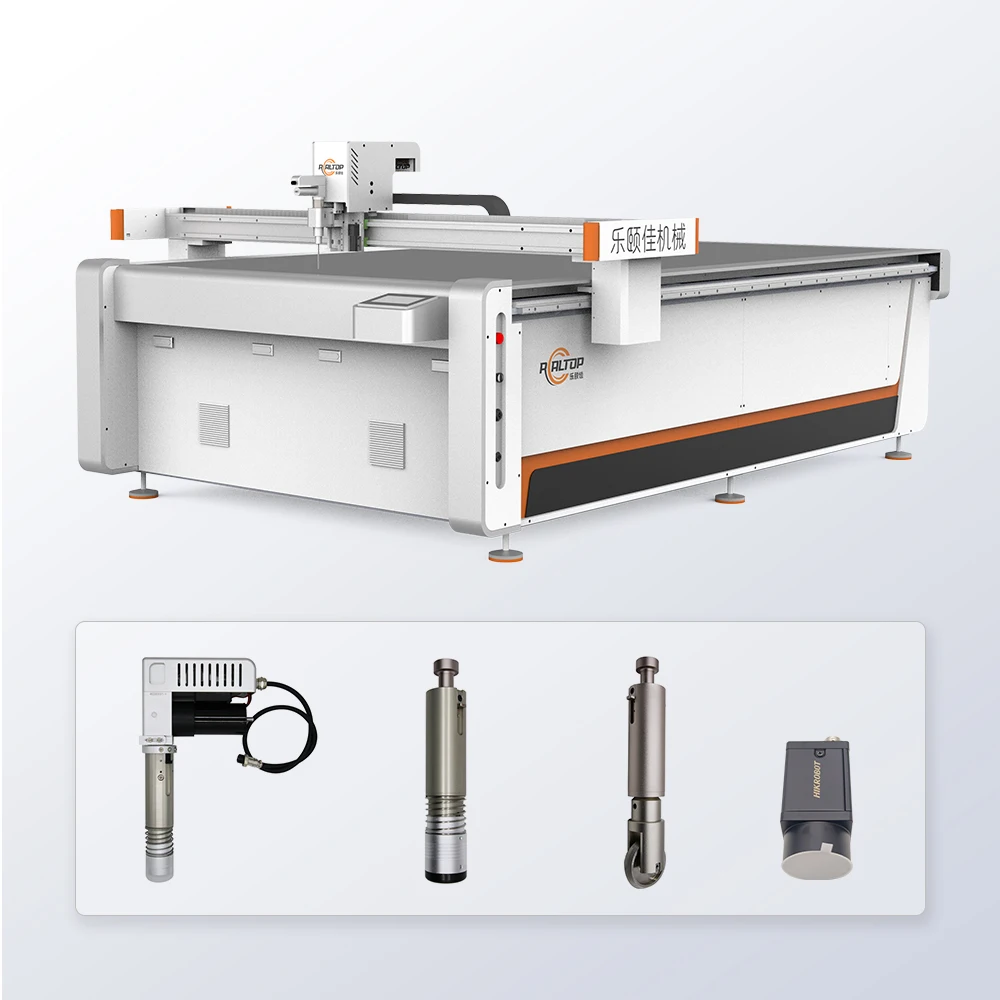
In-house design control — frame rigidity, motion paths and vacuum zoning specified together so the cutting table matches the actual fabric stack, not just a working area number.
Technical Specifications
| Parameter | Value |
|---|---|
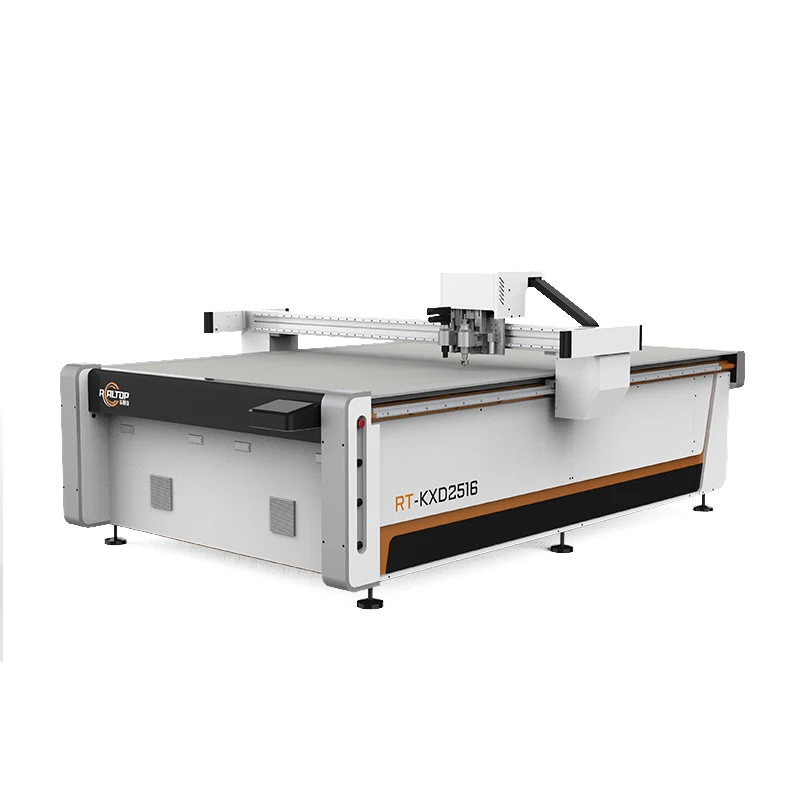
| Model | RT-D2516/RT-S2516 |
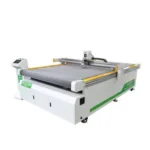
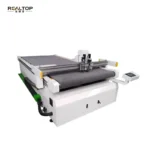
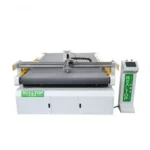
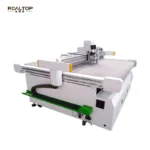
| Product Type | CNC Multi-layer Fabric Cutting Machine |
| Working Area | 1600 × 2500 mm |
| Machine Size (L×W×H) | 3450 × 2300 × 1250 mm |
| Rated Power | 9 kW |
| Vacuum Pump | 7.5 kW |
| Table Type | Vacuum table with auto feeding |
| Conveyor Belt | Germany imported |
| Servo Motor | Japanese Yaskawa digital servo |
| Linear Guide | Taiwan Hiwin rail |
| Transmission System | Digital servo motor, linear guide, synchronous belt, ball screw |
| Translational Velocity | 800–1200 mm/s |
| Cutting Speed | 200–800 mm/s (varies by material type and layer count) |
| Repeated Accuracy | ≤0.1 mm |
| Multifunctional Head | Swiss imported knife: vibration full cutting, vibration half cutting, cursor location |
| Safety Device | Infrared sensors |
| Instruction System | HP-GL compatible format |
| Voltage | 380V ±10% |
| Certification | CE (where applicable) |
Application Suitability
| Application | Material or Output |
|---|---|
| Garment and suit production | Multi-layer woven, knitted and blended fabric lay-ups |
| Leather goods manufacturing | Natural and synthetic leather hides, split leather |
| Flexible composite processing | Sponge composite leather, coated textile laminates |
| Technical textile cutting | PVC sheets, soft glass, silicon, rubber gasket stock |
Why Working Area Alone Cannot Define a Multi-layer Cutter
A CNC Multi-layer Fabric Cutting Machine manufacturer must size the vacuum system, knife stroke and servo torque together with the table footprint, because specifying working area alone leaves out the lay-up height and fabric density that determine whether the blade can actually penetrate the full stack.
The table must be matched to the fabric stack and daily volume, not just the sheet size.
I have seen factories take delivery of a flatbed cutter that fit the room and the budget, only to find the vacuum hold-down could not keep small garment panels flat during high-speed traversal. The edges drifted, the top layers shifted, and operators spent more time re-laying fabric than feeding the next job. [NEED_CITE: vacuum hold-down force versus fabric porosity in multi-layer cutting]
Frame and Motion Built for Continuous Lay-up Cutting
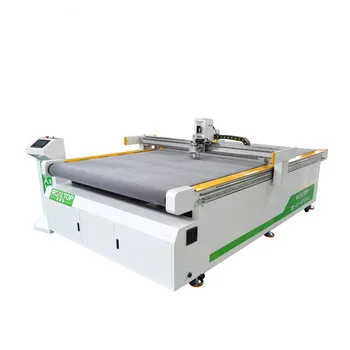
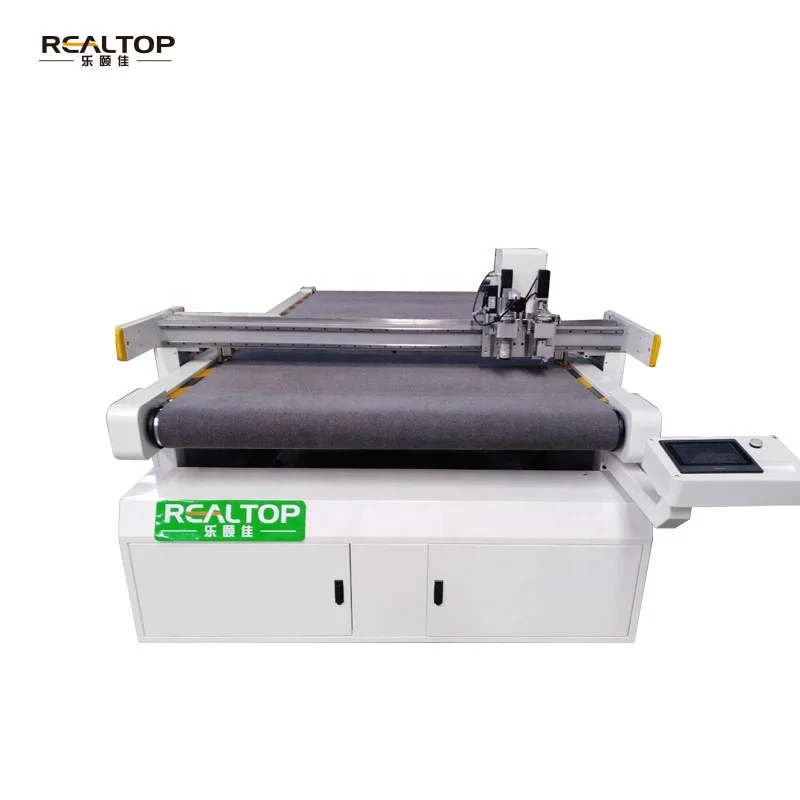
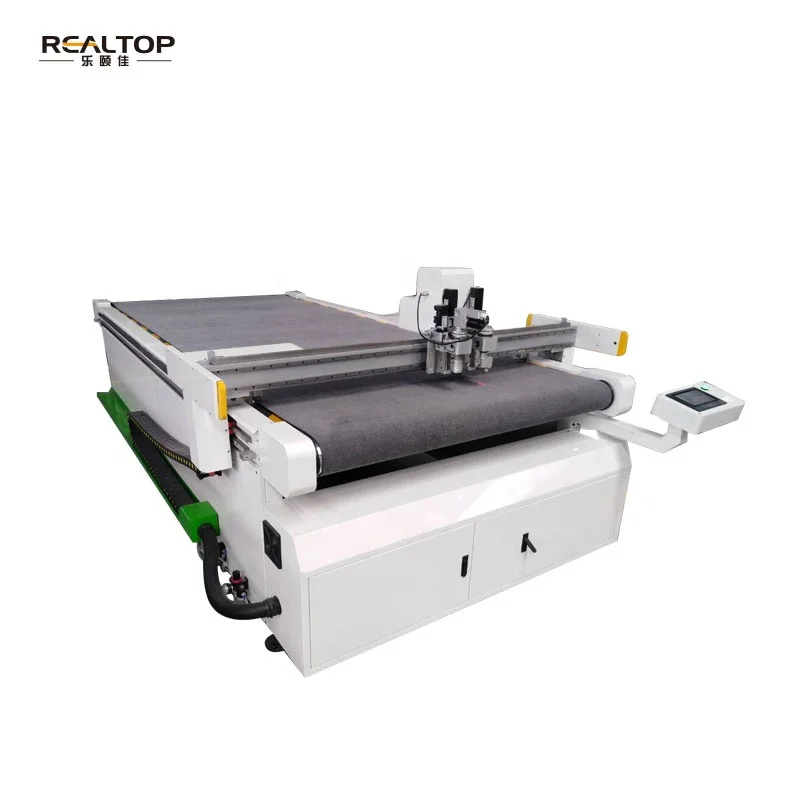
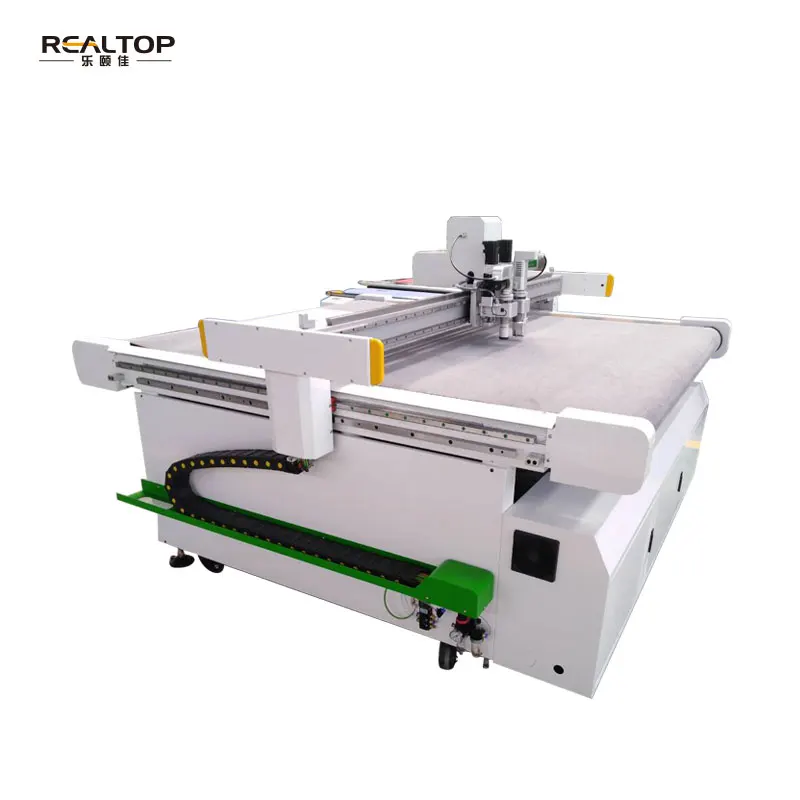
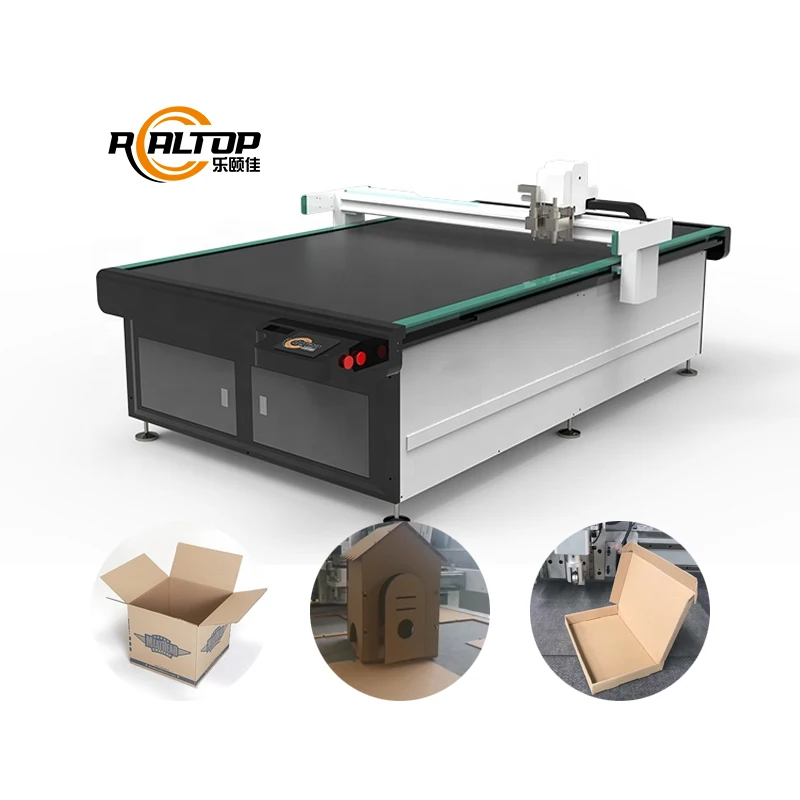
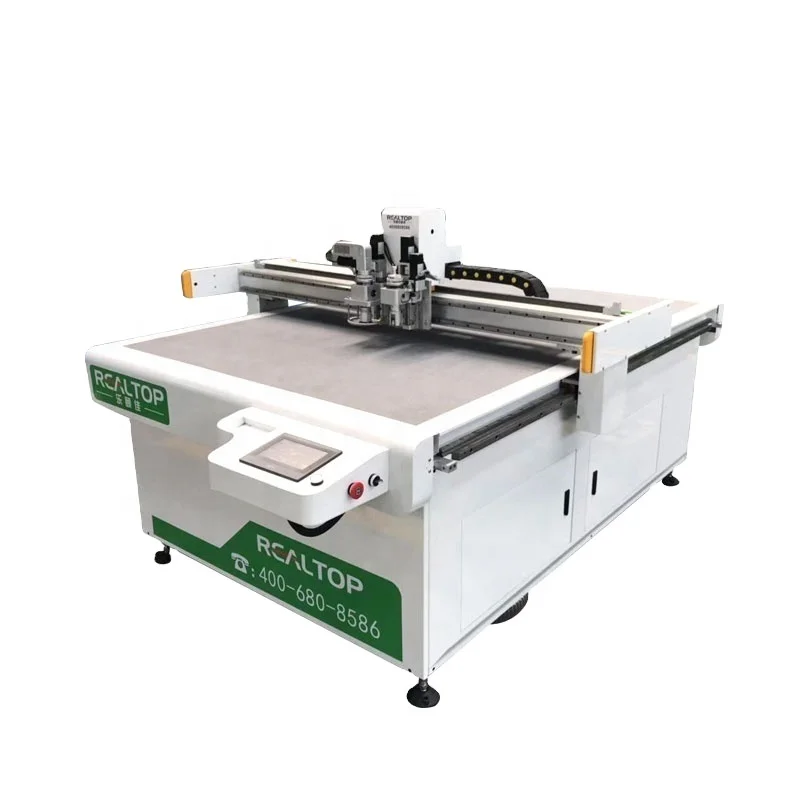
The RT-D2516/RT-S2516 frame is designed and assembled in-house, which means the distance between the linear guide mounting points and the vacuum table surface is set during fabrication rather than adjusted in the field. Japanese Yaskawa digital servo motors drive the gantry through synchronous belts and ball screws, and the Taiwan Hiwin rails carry the cutting head across the 1600 × 2500 mm working area. Repeated accuracy holds at ≤0.1 mm across the full travel, so pattern pieces cut at the far end of the table land within the same tolerance as those cut near the home position. For a CNC Multi-layer Fabric Cutting Machine manufacturer, keeping motion components under one roof removes the alignment drift that appears when frame, drive and guide come from separate vendors.
Vacuum Hold-down and Continuous Material Flow
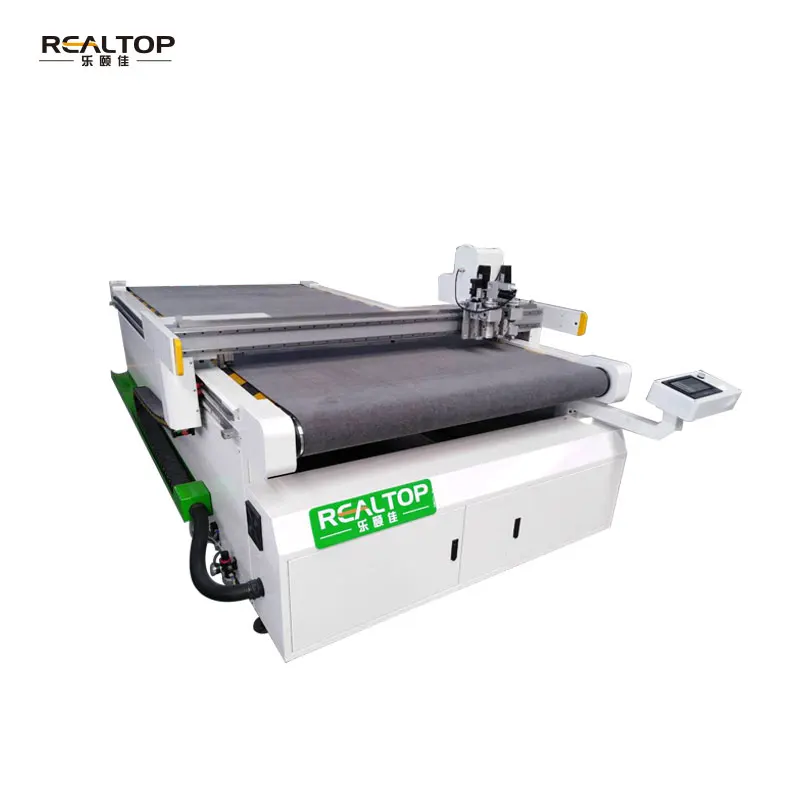
The 7.5 kW vacuum pump pulls air through the table surface while the Germany-imported conveyor belt advances fabric from the roll to the cutting zone. Auto feeding means the operator loads the next lay-up while the previous one is still being cut, reducing idle time between jobs. The Swiss imported oscillating knife head handles vibration full cutting for through-ply stacks and vibration half cutting for kiss-cut applications, with a cursor location function that references the starting point after each tool change. [NEED_CITE: continuous vacuum conveyor systems in high-volume garment cutting]
Reading the Specs That Affect Daily Output
Cutting speed is listed at 200–800 mm/s, a range that depends entirely on the material being processed. A single layer of light cotton runs near the upper end, while a 30 mm stack of sponge composite leather forces the head to slow down so the blade can complete each stroke cleanly. Translational velocity at 800–1200 mm/s governs how fast the head moves between cut paths — a non-cutting travel figure that matters when nesting software spreads pattern pieces across the full 1600 × 2500 mm area. The HP-GL compatible instruction format ensures the controller reads files from common nesting and pattern-making software without a conversion step. Rated power of 9 kW covers the servo drives, vacuum pump and conveyor together, so the electrical supply must account for the full load at startup.
The Cost of Mismatched Tooling and Table Zoning
When the knife head is specified for thin garment fabric but the buyer actually runs coated composites, the blade chatters through the top ply and tears the layers underneath. Ragged edges become visible only after the stack is separated, by which time the entire lay-up is waste. Infrared sensors protect operators during high-speed traversal, but they cannot compensate for a vacuum zone layout that leaves small pattern pieces unanchored. [NEED_CITE: oscillating knife frequency selection by material density and layer count]
Why Buyers Evaluate This Build Before Committing
The design team and production floor share the same facility, so configuration changes — vacuum zone count, knife stroke length, conveyor width — are engineered into the frame rather than bolted on afterward. Sample cutting runs on the buyer’s own material confirm that the Swiss imported knife head, servo tuning and vacuum level are matched to the actual fabric stack before the order enters production. Voltage and plug configuration are locked to the destination market before assembly begins. Electrical schematics and a factory test record ship with the machine, giving the buyer’s maintenance team a baseline for troubleshooting. OEM customization covers control language, machine color and branding for distributors who resell under their own name.
Documentation & Verification
- Machine specification sheet listing table size, servo model and vacuum pump rating
- Electrical schematic confirming 380V ±10% supply and circuit protection
- Tool head and conveyor configuration matched to your fabric type and stack height
- Factory test record cut on your material before dispatch
- Operation manual with HP-GL file import procedure and nesting workflow
- Spare parts list covering knife blades, conveyor segments and vacuum seals
Installation, Commissioning & Support
- Foundation must be level within tolerance across the 3450 × 2300 mm footprint to maintain guide alignment
- Dedicated 380V ±10% circuit rated for the 9 kW total load plus startup surge
- Machine ships with vacuum table and gantry pre-assembled; conveyor tensioned on site
- First-run commissioning verifies Yaskawa servo tuning and repeated accuracy at full travel
- Operator training covers knife head changeover, vacuum zone control and HP-GL file loading
- Spare blade and conveyor belt segment kit included for initial maintenance cycle
What to Share With Your Inquiry
Send the fabric type, number of layers per lay-up and the maximum stack thickness you plan to run daily. Include the local voltage and frequency standard so the electrical cabinet is wired before shipment. If you have existing nesting software, confirm the file format it exports so the HP-GL compatibility is verified against your actual workflow before the order is placed.
Frequently Asked Questions
Q: How is the cutting configuration matched to fabric type, layer count and thickness?
A: We select the knife stroke length, oscillation frequency and vacuum level based on your specific material stack. A sample cutting run on your own fabric confirms edge quality and layer alignment before the machine enters production. Configuration details are recorded on the tool head and table list that ships with the unit.
Q: What voltage and plug standard is confirmed before shipment for the target market?
A: The standard supply is 380V ±10%, but the transformer ratio, plug type and circuit protection are matched to your local electrical code. We confirm the exact specification on the electrical schematic before assembly begins, so no field rewiring is needed on arrival.
Q: Can the buyer send their own material for sample cutting before order commitment?
A: Yes. You ship a roll or sample panel of your production fabric, and we run it on the configured table with your selected knife head. The sample cutting report documents edge quality, layer shift and cutting speed so you can evaluate results before placing the order.
Q: What motion components and build quality should a distributor verify at the factory?
A: Check the Yaskawa servo mounting, Hiwin rail alignment and synchronous belt tension on the gantry. Verify that the vacuum table surface is machined flat relative to the guide rails. Request the factory test record that documents repeated accuracy across the full 1600 × 2500 mm working area.
Q: What OEM customization is available for control language, branding and machine color?
A: Control panel language, machine color scheme and nameplate branding are configurable during production. We adjust the HMI text, safety labels and documentation language to match the destination market, and apply distributor branding where requested before the machine enters the packing stage.
You may also like

商品评价
Clear filtersThere are no reviews yet.