



-
 Courier delivery
-
 DHL Courier delivery
-
 Warranty 1 year
-
 Free 30-Day returns

Material Matched to Method — we design and build both knife and laser cutting systems in-house, so your fabric gets the right process rather than a forced compromise.
Technical Specifications
| Parameter | Value |
|---|---|
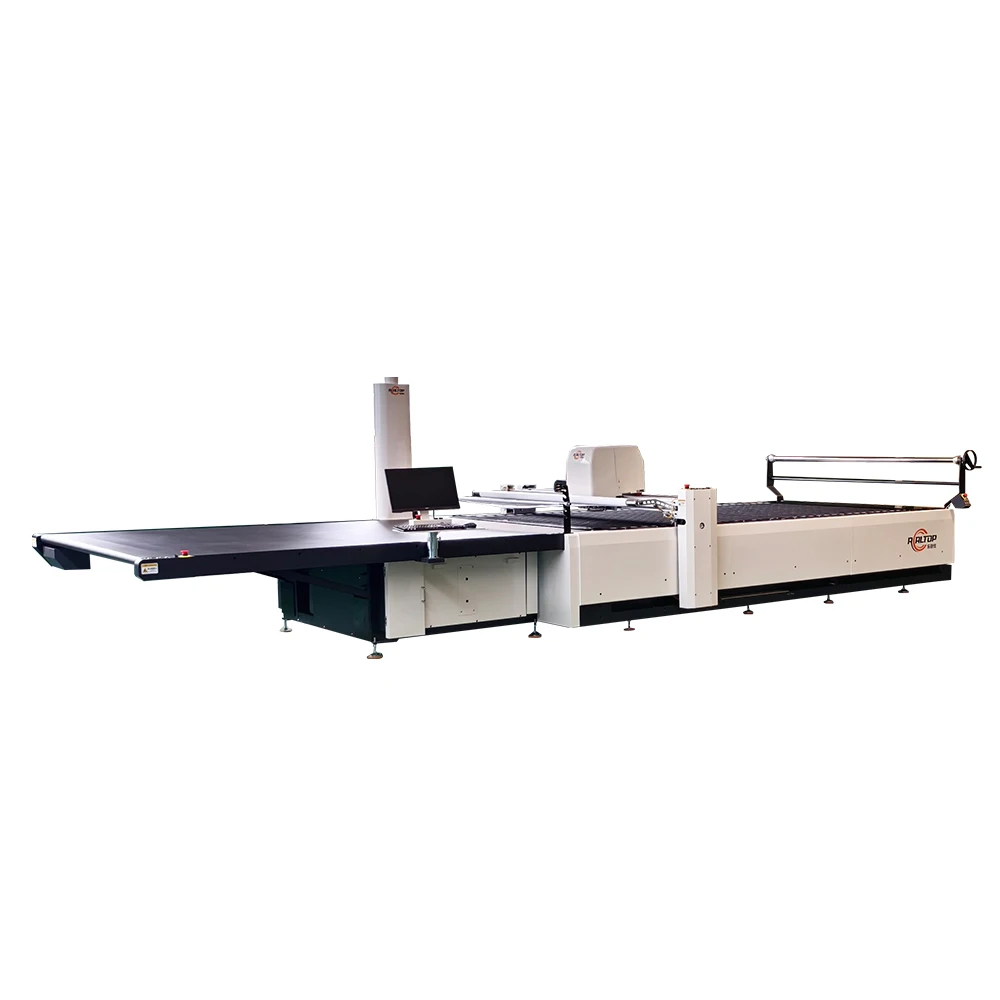
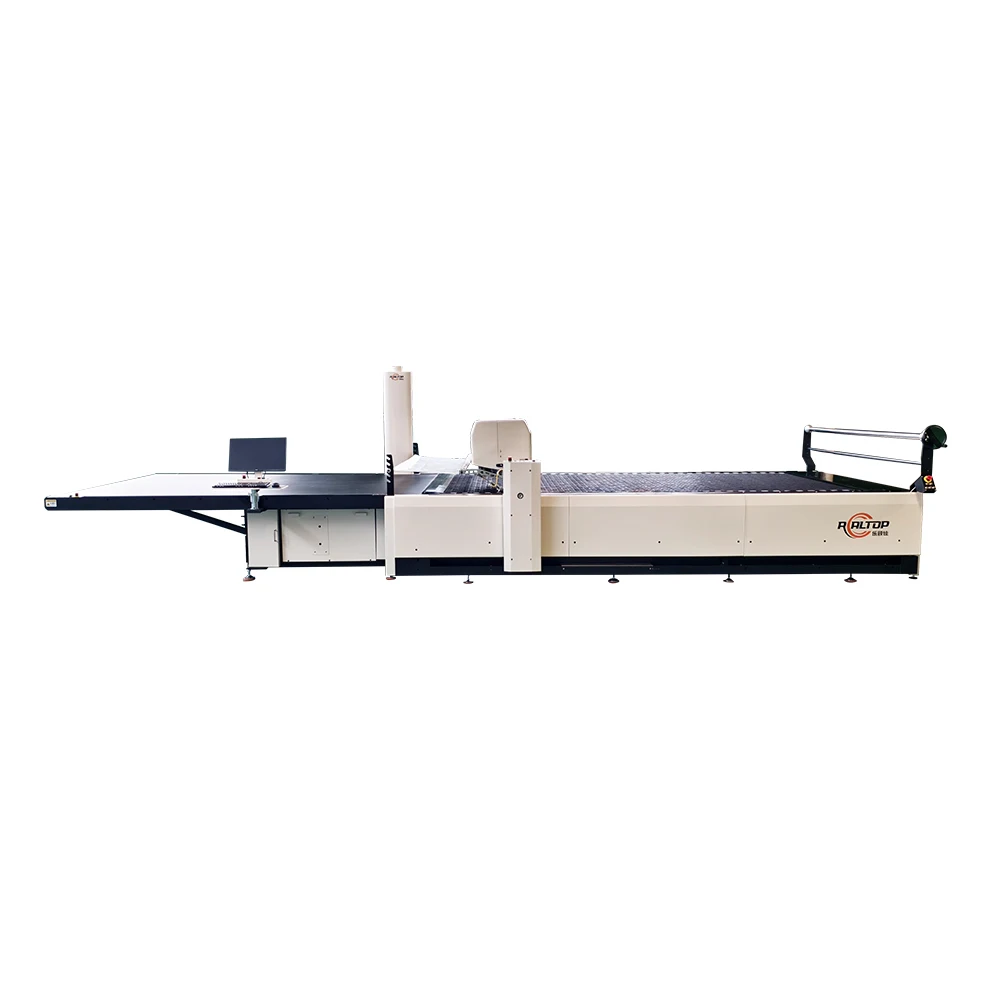
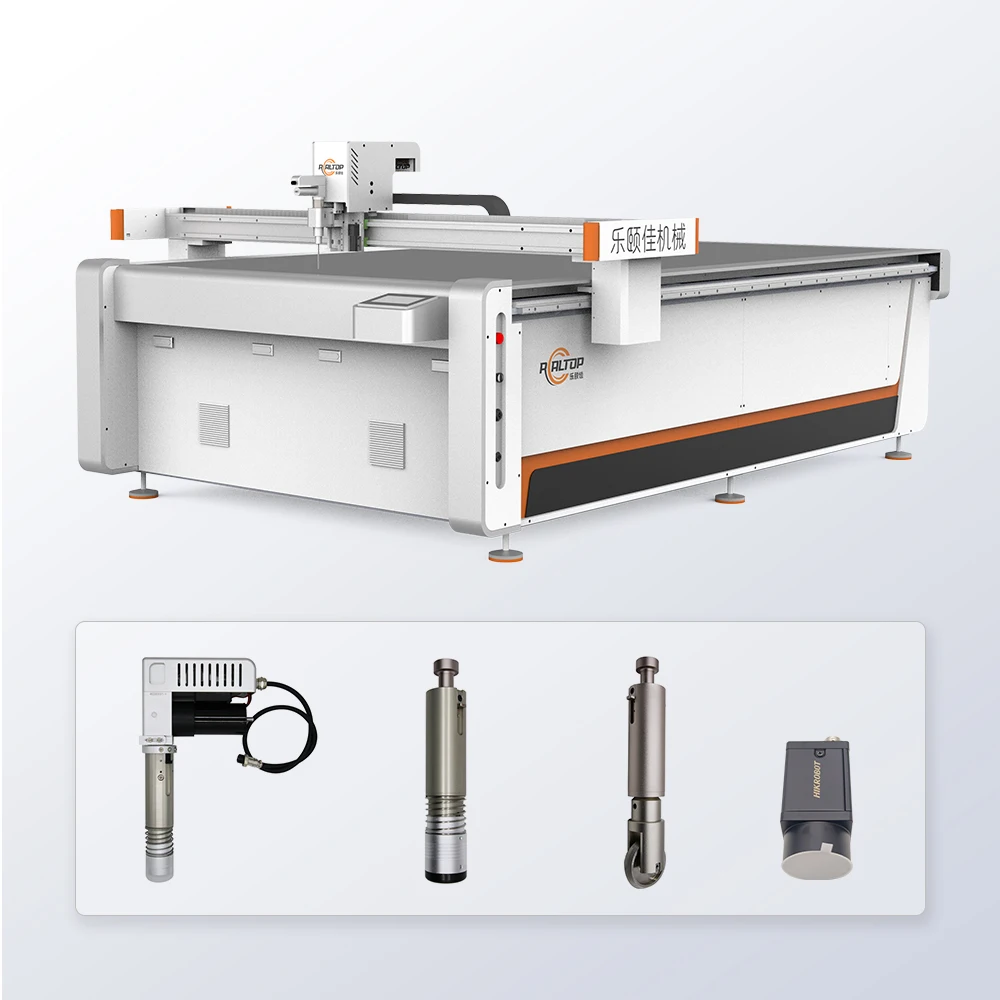
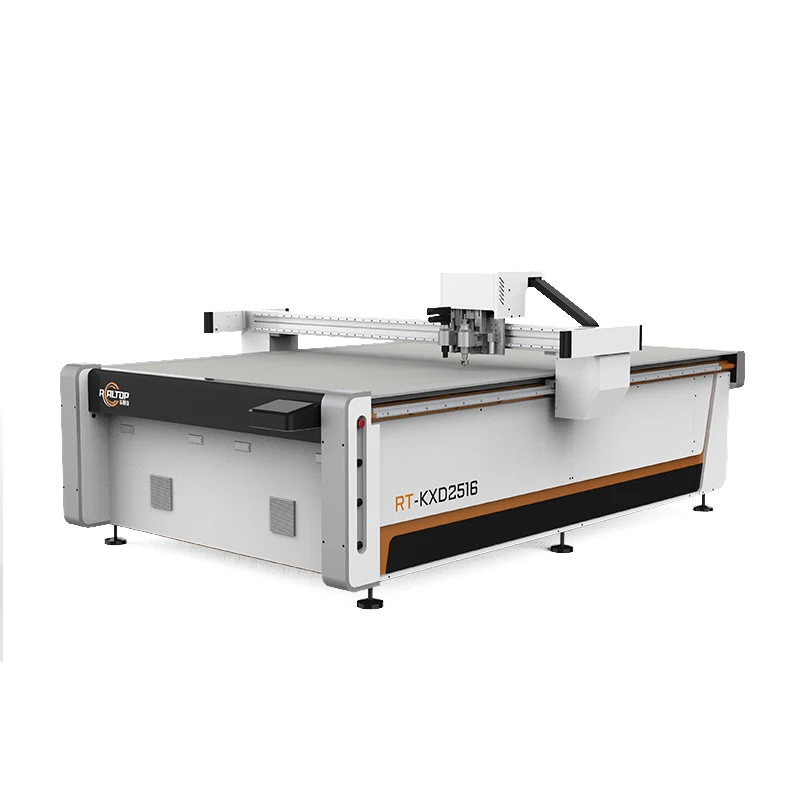
| Product Type | CNC Oscillating Knife Fabric Cutting Machine |
| Working Area (L) | 2000 mm / 3300 mm (multiple options) |
| Working Area (W) | 1700 mm / 1900 mm / 2300 mm (multiple options) |
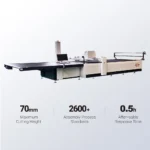
| Max Operating Speed | 80 m/min |
| Average Cutting Speed | 12 m/min |
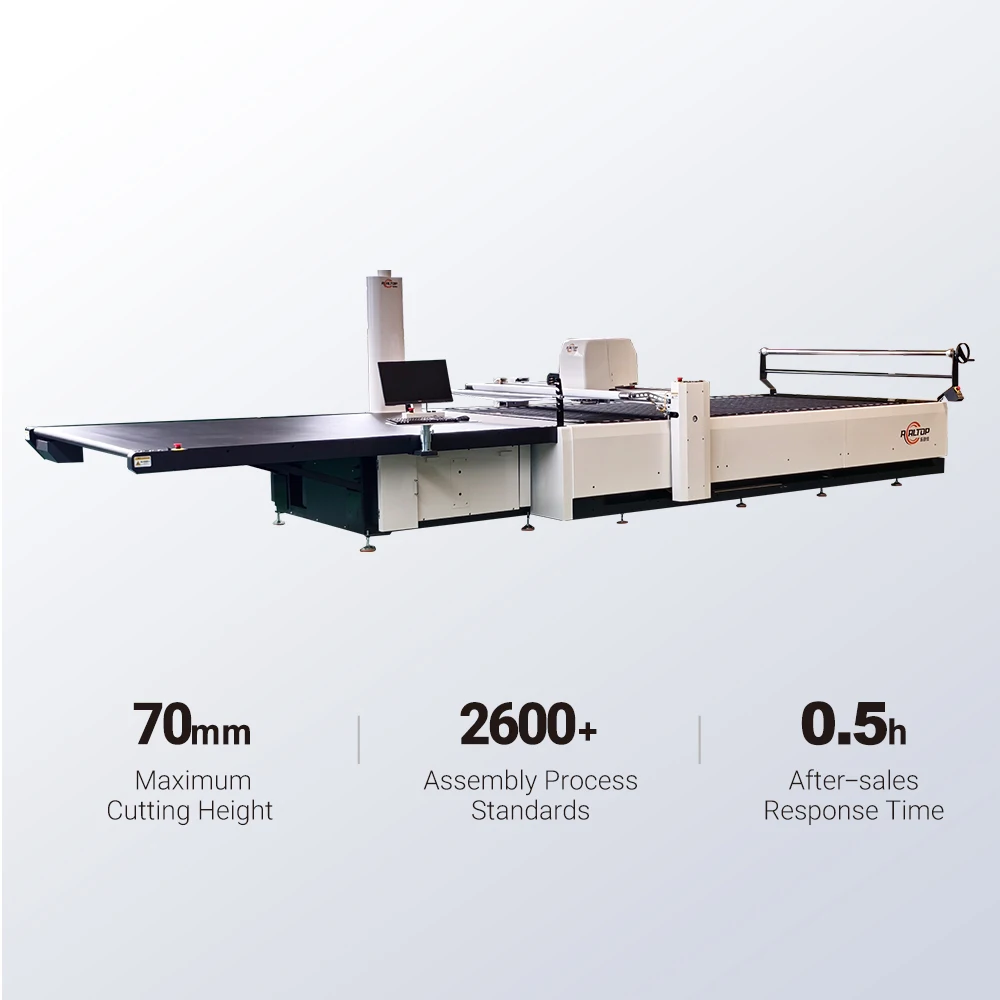
| Cutting Thickness | Up to 70 mm (basis not stated in source — confirm material type and layer density) |
| Voltage & Frequency | 380V / 50Hz |
| Max Power | 26 kW (rated or peak not specified in source) |
| Air Flow Volume | 160 L/min |
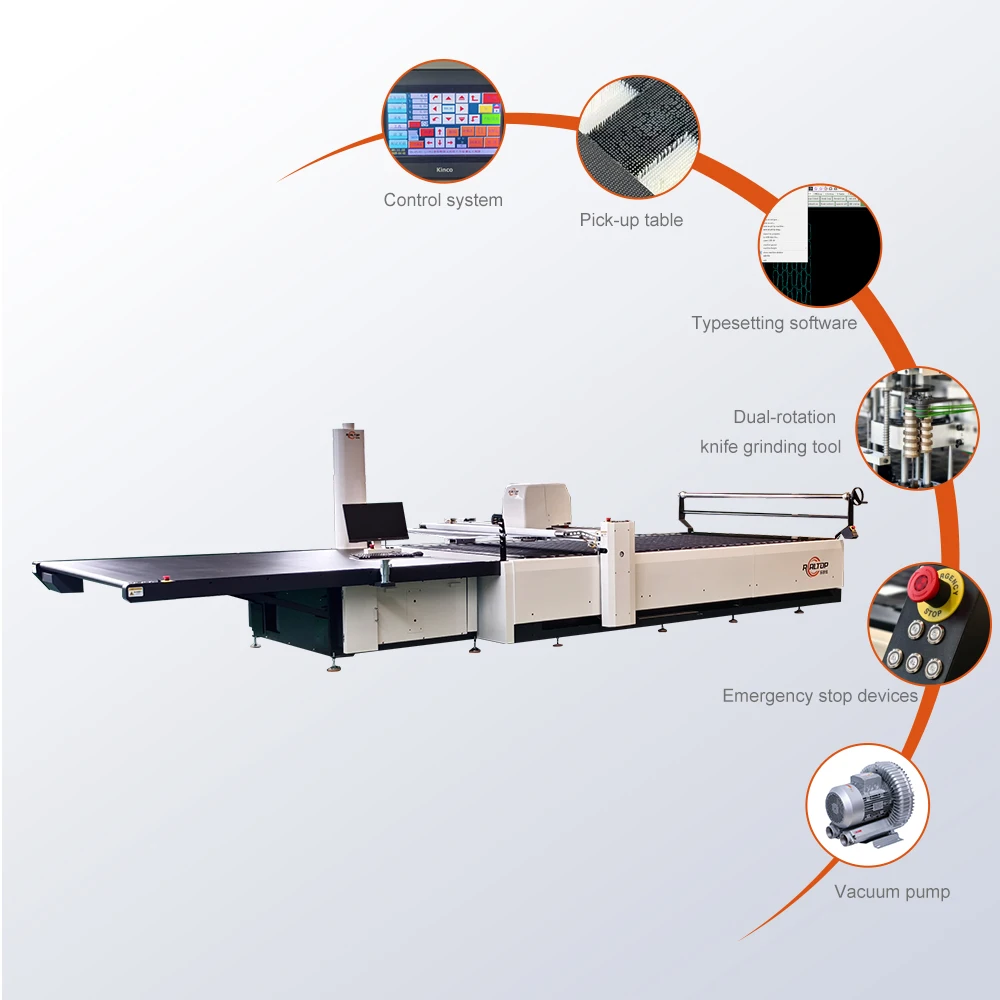
| Blade Grinding Method | Double rotary sharpener |
| Control System | PLC control panel with intuitive interface |
| Vacuum Table | Aluminum bellows vacuum table with full-surface adsorption |
| Vacuum Pump | Custom high-efficiency pump, aerospace-grade aluminum casting |
| Servo Motors | Multiple options available (Panasonic, Delta, Dorna) |
| Positioning Accuracy | ±0.1 mm (repeat positioning) |
| Software File Formats | DXF / PLT / AI / PDF |
| Language Options | English, Russian, Italian, Chinese (special languages customizable) |
| Tool Head | Interchangeable cutting knife handle |
| Nesting Software | Intelligent nesting with automatic defect avoidance |
| Assembly State | Fully assembled |
| Packaging Software | Dedicated packaging box structure design software included |
| Standards | CE |
Application Suitability
| Application | Material or Output |
|---|---|
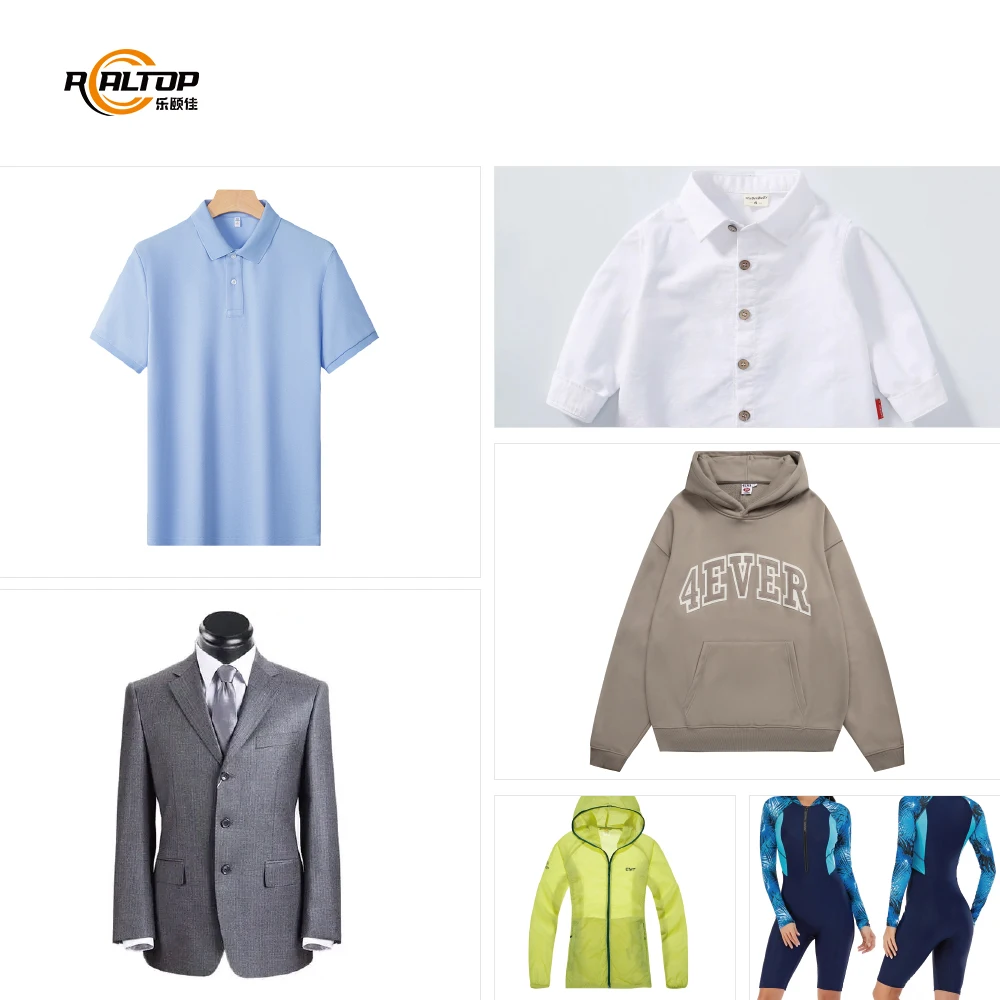
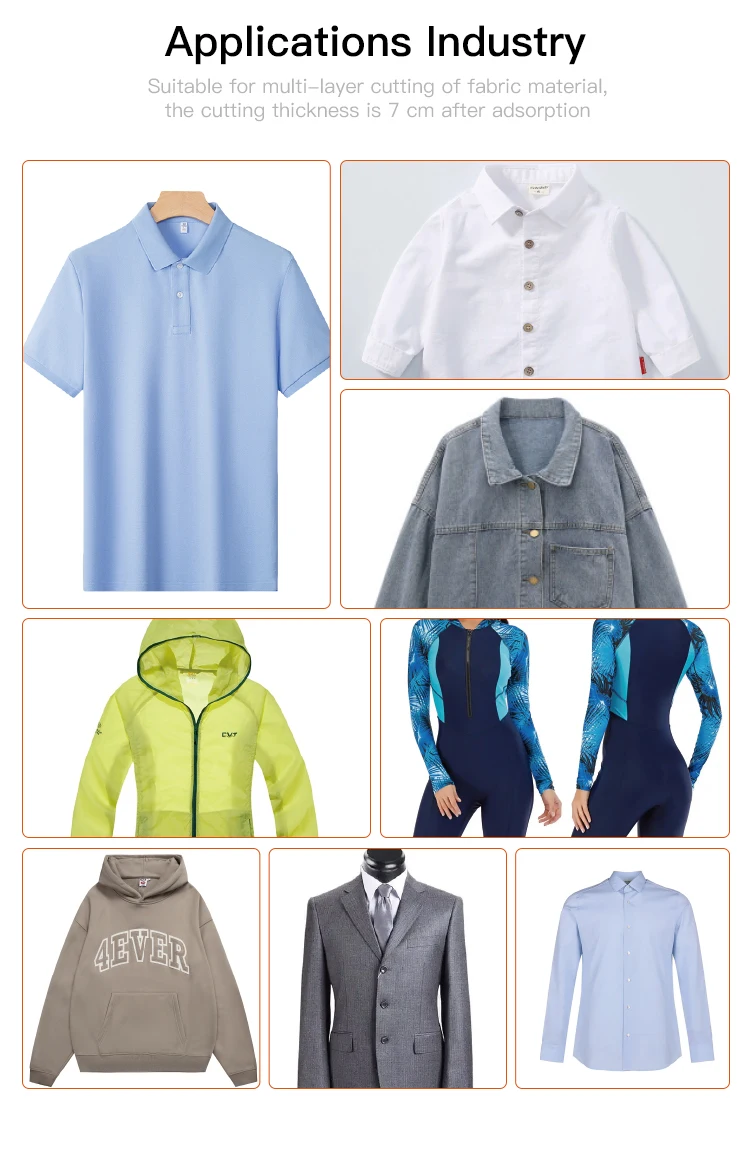
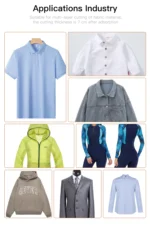
| Suit and knitwear cutting | Woven wool, stretch knits, lace with pattern-matching |
| Home textile production | Multi-layer sofa fabrics, curtain panels, area rugs |
| Technical textile processing | Plush, fleece, and composite flexible materials up to 70 mm thick |
| Packaging sample making | Corrugated and cardstock via included packaging design software |
Why Specified Thickness Fails on the Shop Floor
A CNC fabric cutting machine manufacturer who quotes cutting depth alone without tying it to your actual fabric weight and layer count is selling you guesswork. Real thickness capacity depends on material density, ply count, and fiber composition — not a single number on a data sheet.
I learned this the hard way when a Middle Eastern automotive interior plant ordered a vibrating knife table based on a spec sheet rating. They tested on standard PU leather, but their production material was glass-fiber-reinforced composite leather. The blade edge chipped within three days. After that, we require buyers to ship their actual production material to our facility first. We run the cuts, document the tooling and parameters, and only then release the machine for build. [NEED_CITE: material variability in composite textiles and its effect on tool wear]
Cold Cutting Preserves Synthetic Fibers
When you cut polyester, nylon, or blended performance fabrics with a laser, the heat seals edges but also melts, discolors, and releases fumes that require extraction infrastructure. Oscillating knife technology cuts at room temperature, leaving fibers intact and edges clean without scorching or darkening. For apparel producers running light-colored suiting or stretch knits, this means no secondary trimming to remove heat-affected zones and no air quality concerns on the cutting floor.
Nesting Intelligence Reduces Fabric Waste
The intelligent nesting module automatically identifies fabric defects such as weaving faults, dye inconsistencies, or holes and routes cutting paths around them. For garment factories working with expensive natural fibers or pattern-matched plaids, this removes the manual layout step where human error typically generates the most waste. The system imports your existing DXF, PLT, AI, or PDF files so your current pattern workflow stays intact. [NEED_CITE: textile nesting optimization and material yield in garment production]
Reading the Specs That Actually Matter
The ±0.1 mm repeat positioning accuracy is driven by the servo motor selection — you can specify Panasonic, Delta, or Dorna drives depending on your budget and precision requirement. In multi-layer cutting, this tolerance ensures that the bottom ply of a 70 mm lay aligns with the top ply, which is critical when cutting suit panels or automotive seat covers where edge mismatch shows up in the sewing stage.
The aluminum bellows vacuum table uses full-surface adsorption rather than zoned vacuum cups. This matters when you are cutting small pattern pieces like collar stays or gussets — zoned systems lose grip on pieces smaller than the zone grid, causing lift and misalignment mid-cut. The custom pump casting in aerospace-grade aluminum keeps the table flat under continuous vacuum load, preventing deflection that would alter cutting depth across the bed.
The double rotary sharpener keeps the oscillating blade edge dressed during long production runs without stopping for manual blade changes. For high-volume home textile operations cutting dozens of sofa fabric plies, this means the blade stays sharp through the entire lay rather than degrading midway and producing ragged edges on the bottom layers.
The Cost of Choosing the Wrong Tool Head
Picking a standard drag knife for a dense woven or a rigid oscillating blade for delicate lace creates problems that show up after the machine is installed. Ragged edges on knits, crushed foam layers, and blades that need replacement every shift are all symptoms of a tool head that was selected from a catalog rather than matched to your material. [NEED_CITE: tool head selection criteria for flexible material CNC cutting]
The only way to prevent this is to cut your actual production fabric on the machine before you commit to the purchase. A sample cutting report documents blade type, oscillation frequency, cutting speed, and edge quality on your specific material, so you see the result before the machine ships.
Why Source This CNC Fabric Cutting Machine Manufacturer
In-house design and production covers both knife and laser cutting, so your textile gets matched to the correct thermal or mechanical process rather than being forced through whichever machine the factory builds.
Tool head and vacuum table configuration is specified per your fabric type and daily volume, not pulled from a standard build sheet.
CCD camera positioning is available for printed contour work on sublimated sportswear and home textile panels where registration to a printed line is required.
Voltage, frequency, plug type, and control panel language are confirmed for your target market before the machine enters production, not after it arrives on your dock.
Software file format compatibility is verified against your existing DXF, AI, or PDF workflow before order confirmation.
Sample cutting runs on your own fabric material are completed and documented before you sign off on the build.
Documentation & Verification
- Machine specification sheet listing confirmed working area, tool head, and cutting thickness for your fabric
- Electrical schematic with voltage and frequency matched to your facility before production begins
- Sample cutting report on your own fabric showing edge quality, tooling, and speed parameters
- Software license note confirming DXF, PLT, AI, and PDF compatibility with your nesting workflow
- Factory test record documenting positioning accuracy and vacuum performance prior to crating
Installation, Commissioning & Support
- Fully assembled shipping; the 2000–3300 mm bed arrives ready for leveling, not reassembly
- 380V / 50Hz three-phase supply with dedicated 26 kW circuit and verified grounding required at site
- PLC control panel language set to your preference before dispatch — English, Russian, Italian, or custom
- First-run parameter tuning done on your fabric samples with operator training on blade and speed settings
- Double rotary sharpener and interchangeable knife handles supplied with initial spare blade stock
- Preventive maintenance schedule covers vacuum pump inspection, bellows seal check, and servo calibration
Preparing Your Inquiry
Send us your fabric type, ply count, and maximum lay thickness along with your daily cutting volume target. Include your facility voltage and frequency, preferred control language, and the file formats your design team currently outputs. If you have small pattern pieces under 100 mm, note that so we can confirm vacuum hold-down adequacy for your specific piece geometry.
Frequently Asked Questions
Q: How is cutting thickness verified for my specific fabric type and layer count?
A: You send a roll or sample of your actual production fabric to our facility. We run test cuts at varying ply counts and document blade type, speed, edge quality, and any delamination. You receive a sample cutting report before committing to the machine order, so the 70 mm figure is validated against your real material.
Q: What voltage, plug type and control language are confirmed before shipment?
A: During the specification phase we confirm your facility voltage, frequency, and plug standard, then issue an electrical schematic for your approval. The PLC control panel language is set before the machine leaves our factory. Standard options include English, Russian, Italian, and Chinese, with custom languages available on request.
Q: How do I confirm the vacuum table zoning is sufficient for my small pattern pieces?
A: The aluminum bellows table uses full-surface adsorption rather than a zoned grid. During sample cutting we test your smallest production pieces to verify that vacuum hold-down prevents lift during cutting. If any piece geometry shows movement, we adjust the airflow or table surface before finalizing the configuration.
Q: Can the software import my existing DXF or AI files and nesting workflow?
A: The system accepts DXF, PLT, AI, and PDF files natively. Before order confirmation we run your actual pattern files through the nesting module, including automatic defect avoidance, and verify that output matches your current layout expectations. Any format conversion issues are resolved before the machine ships.
Q: What is the process for sample cutting on my own material before commitment?
A: Ship a representative sample of your production fabric to us. We configure the tool head and vacuum settings, run cutting tests across your required ply range, and send you a documented report with photos of edge quality. You approve the results before we release the machine into production.
You may also like

商品评价
Clear filtersThere are no reviews yet.