


-
 Courier delivery
-
 DHL Courier delivery
-
 Warranty 1 year
-
 Free 30-Day returns

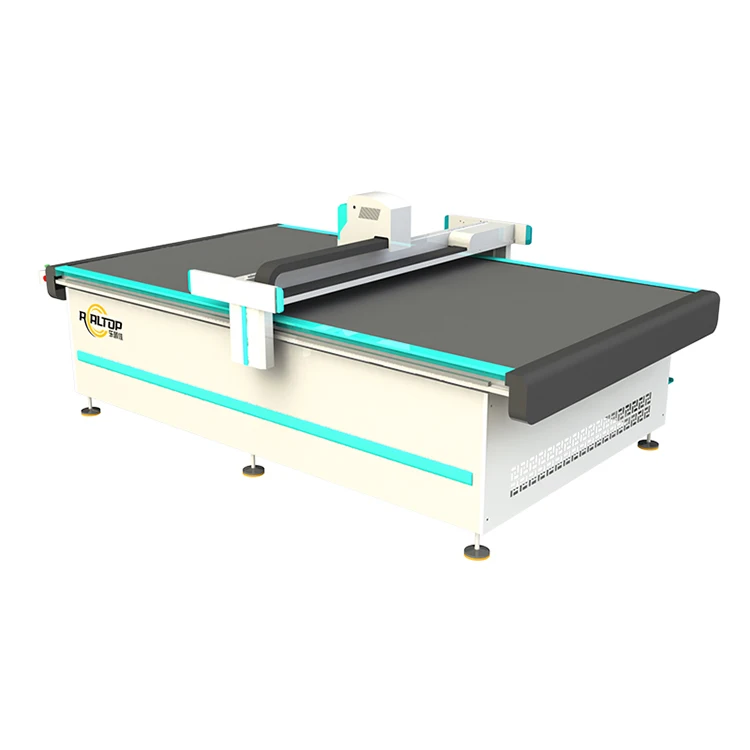
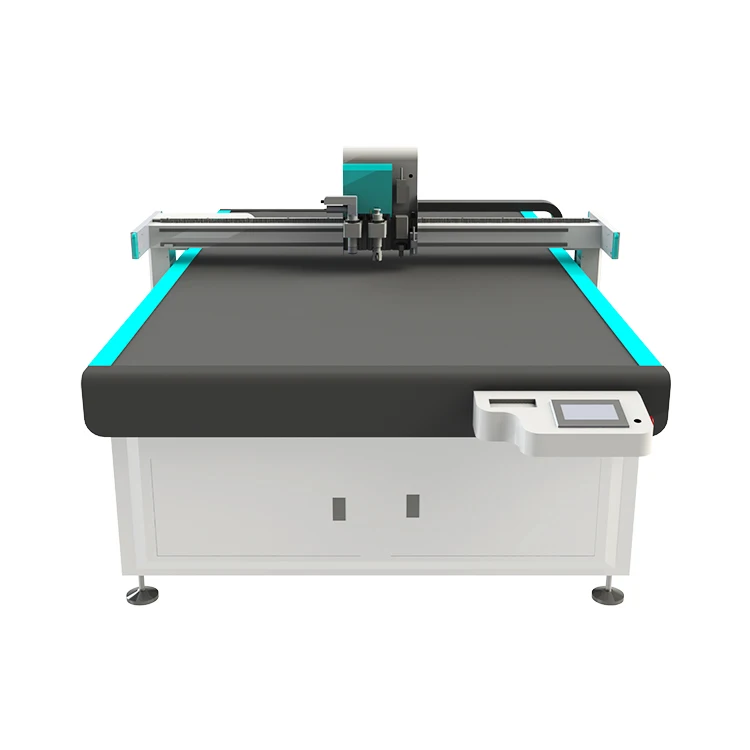
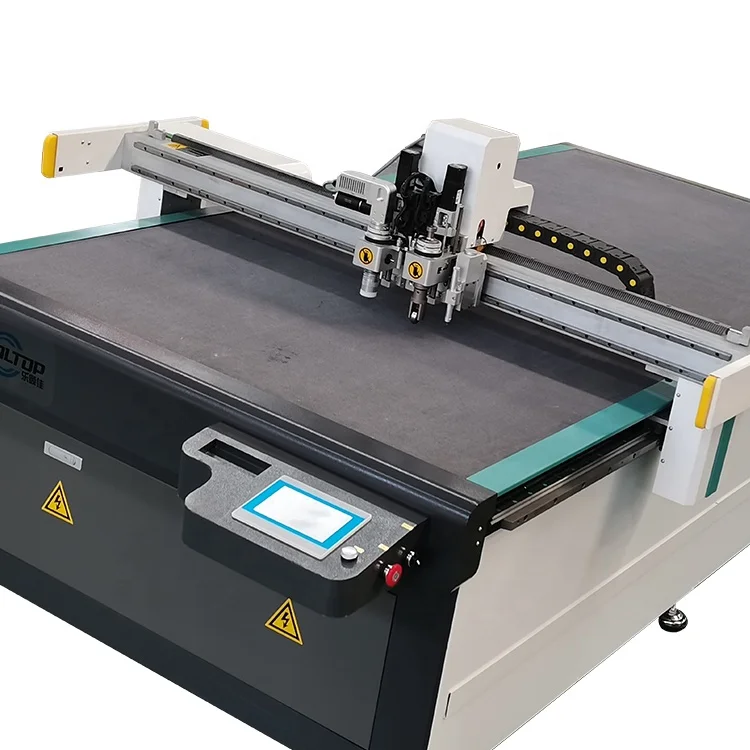
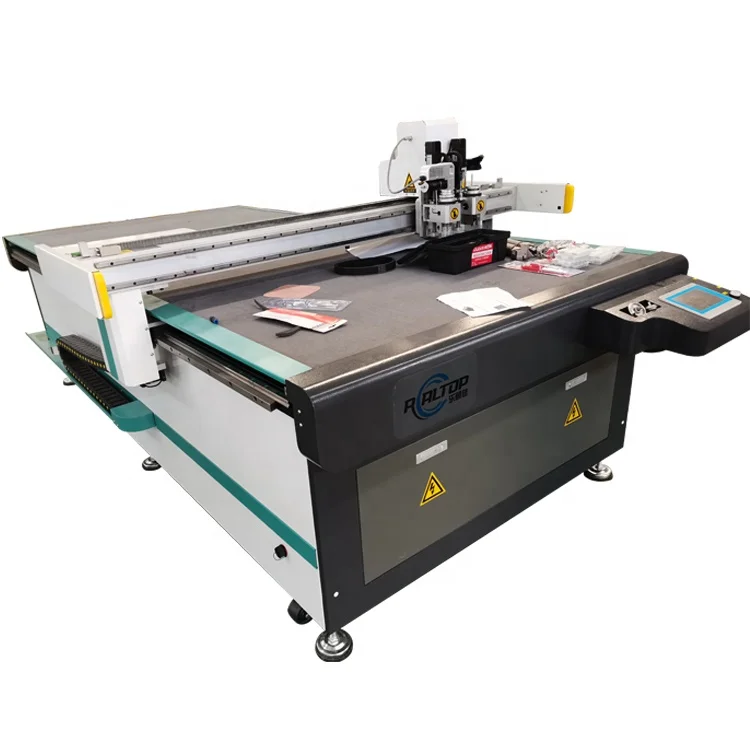
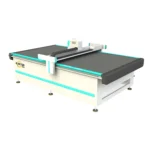
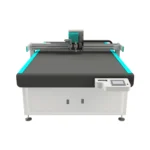
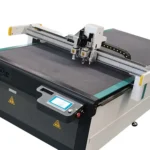
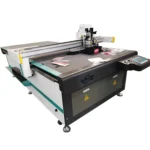
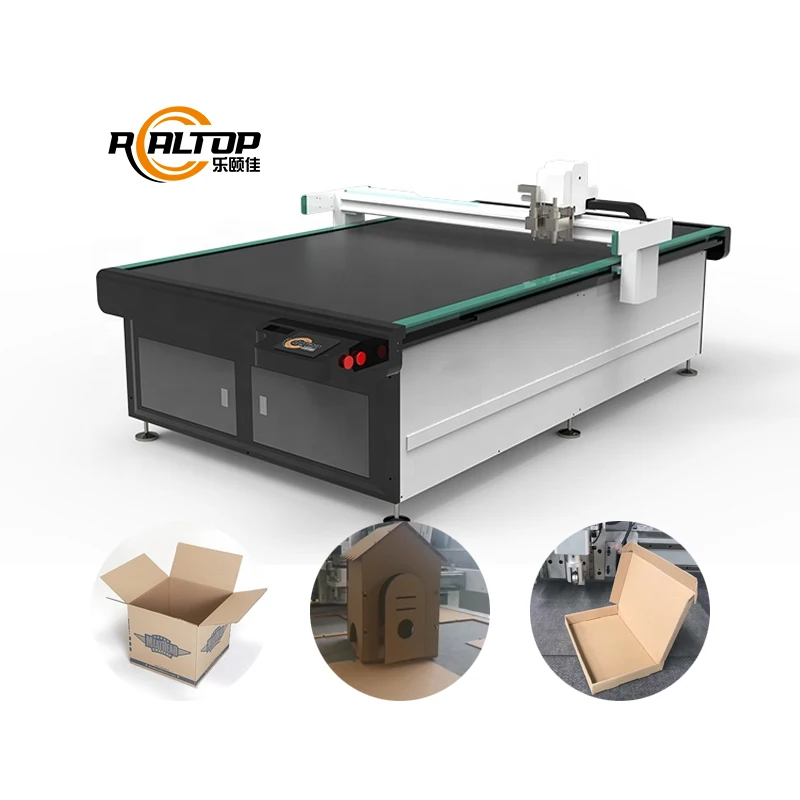
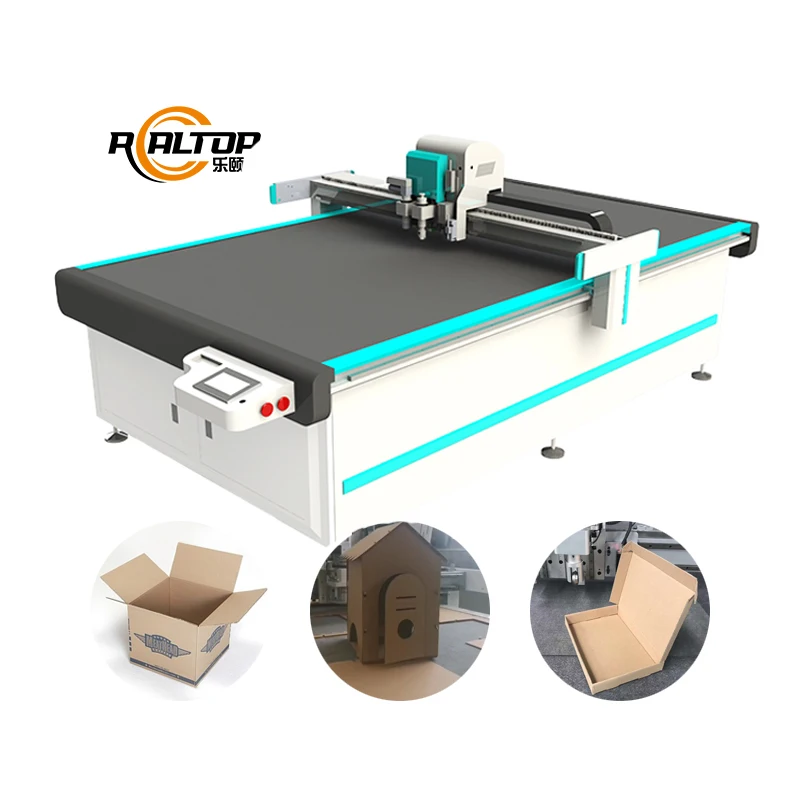
In-House Design Control — The REALTOP core factory builds every frame, motion system, and vacuum table for this CNC oscillating knife cutting machine under one roof, matching each configuration to the buyer’s actual material and production workflow.
Technical Specifications
| Parameter | Value |
|---|---|
| Product Type | CNC Oscillating Knife Cutting Machine |
| Working Area | 1600 × 2500 mm |
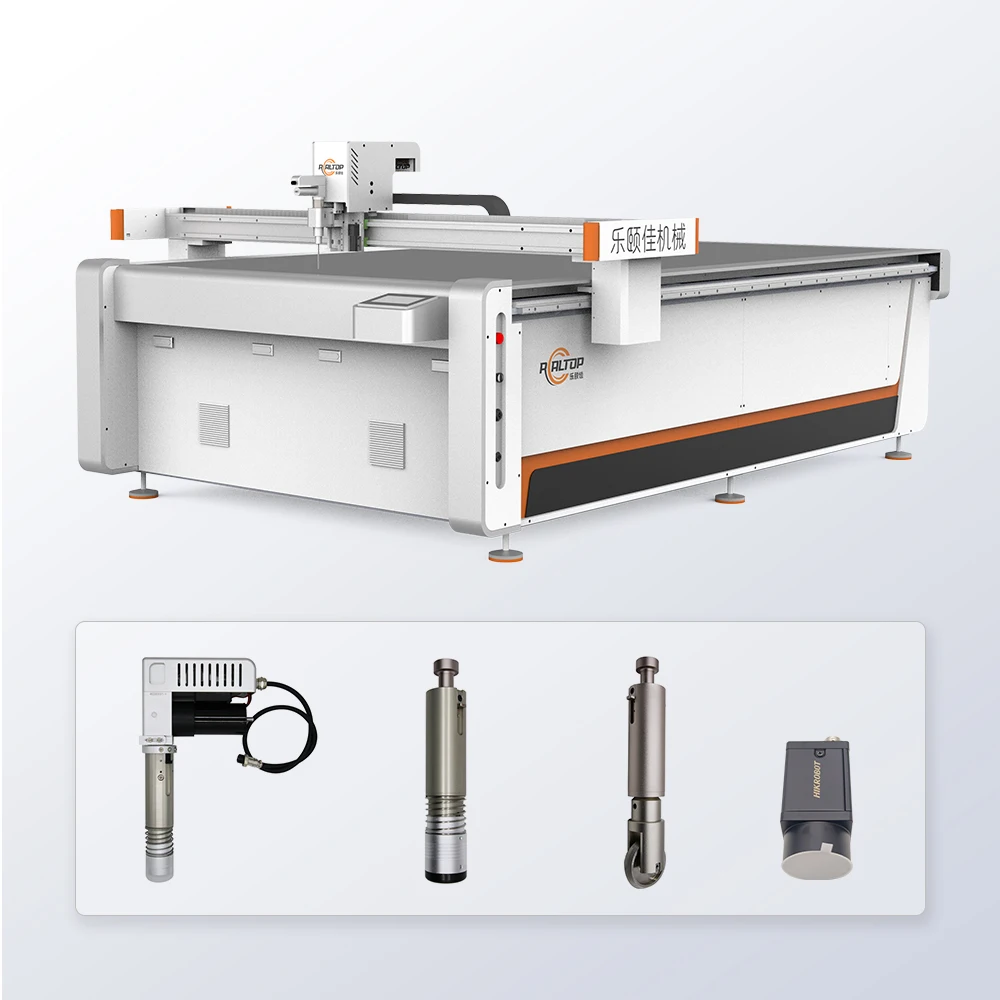
| Tool Head Options | Oscillating knife, driven rotary knife, creasing wheel, kiss cutting tool, pneumatic knife, milling tool, V-groove knife |
| Cutting Speed | 0–1500 mm/s |
| Cutting Thickness | Up to 40 mm (basis to be confirmed by material and tool selection) |
| Cutting Accuracy | ±0.1 mm |
| Vacuum Pump | 9 kW |
| Vacuum Table | Aluminum bellows vacuum table |
| Servo Motor Options | Multiple options available (configuration confirmed per order) |
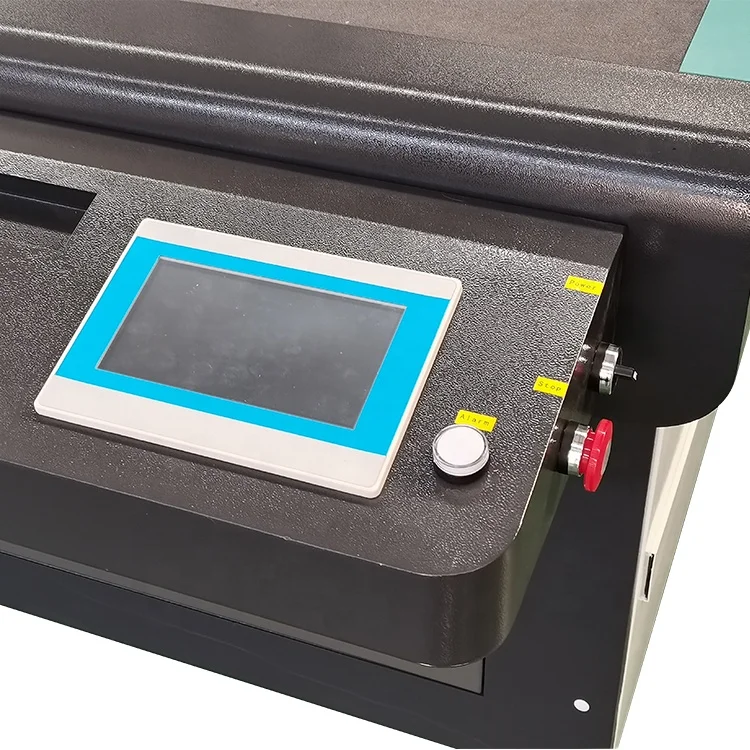
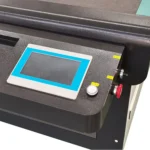
| Control System | PLC control panel with intuitive interface |
| Supported File Formats | PLT, DXF, AI, PDF |
| Voltage Options | 110V / 220V / 380V (frequency and plug confirmed before shipment) |
| Language Options | English, Russian, Italian, Chinese, custom languages available |
| Safety Devices | Infrared sensor device, emergency stop |
| Machine Dimensions | 3300 × 2100 × 1350 mm |
| Standards | CE |
Application Suitability
| Application | Material or Output |
|---|---|
| Packaging sample making | Corrugated cardboard (E-flute, B-flute, BC-flute), greyboard, cardstock, art paper, specialty paper |
| Garment and footwear production | Fabric, velvet/fleece, non-woven fabric, leather, synthetic leather |
| Signage and advertising | PVC, PET, thin plastic sheets, flock vinyl, flex vinyl |
| Automotive interior and gasket production | EVA foam, EPE foam, PU foam, rubber mats |
| Composite material processing | Adhesive-backed materials, composite laminates |
Why the Voltage Question Should Come Before the Price
Every CNC oscillating knife cutting machine manufacturer can quote a working area and a cutting speed. What often gets skipped is whether the electrical supply at your facility will actually run the machine when it arrives. Confirming voltage, phase, and frequency before the order is placed is the single step that prevents a machine from sitting dead on the dock.
I spent years on the assembly floor wiring servo drives and bolting gantry frames, and I have seen what happens when that conversation is deferred. A cutter ordered for 380V three-phase showed up at a buyer running 220V single-phase — the machine never powered on, and the project stalled while a transformer was sourced locally. That delay cost far more than the transformer itself [NEED_CITE: voltage and frequency standards by export market]. The lesson stuck: every electrical detail gets locked down before a machine leaves our floor.
Frame Construction and Long-Term Repeatability
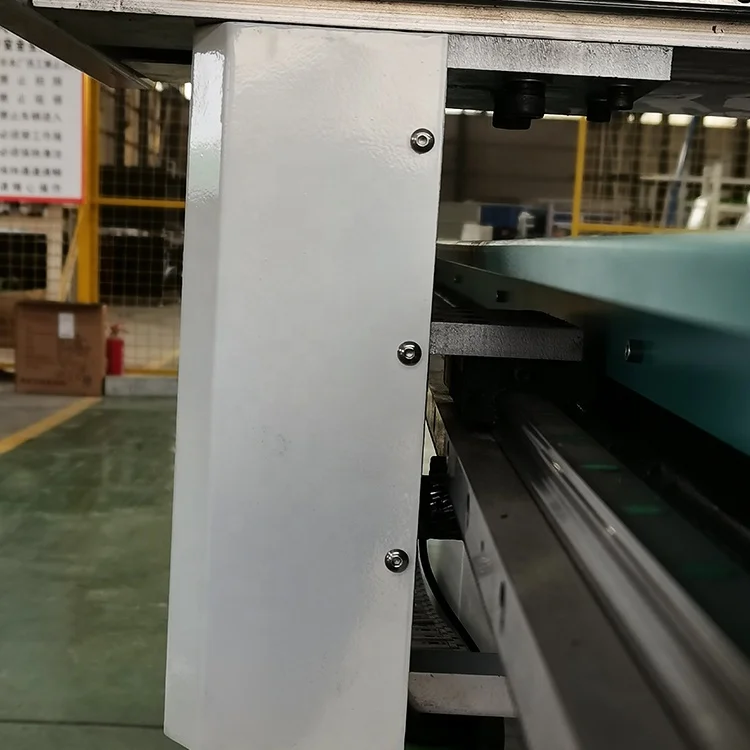
The cutting accuracy of a CNC oscillating knife cutting machine depends on the rigidity of its frame over years of vibration and load cycling. Our core factory machines the structural frame surfaces in-house, keeping the gantry alignment and the aluminum bellows vacuum table flatness within tolerance across the full 1600 × 2500 mm working area. A frame that deflects under cutting load will produce dimensional drift — the first cut of the day matches the drawing, but the fiftieth cut does not. Controlling the build from raw steel to final assembly means we verify that geometry before the PLC is even powered on.
Tool Head Configuration as a Material Decision
This machine is not sold with a fixed tool head. Instead, the tool selection — oscillating knife, driven rotary knife, creasing wheel, kiss cutting, pneumatic knife, milling, or V-groove — is determined by the specific material and thickness you intend to cut. A driven rotary knife slices through woven fabric and fleece cleanly, while an oscillating knife handles denser stock like EVA foam or corrugated board. Forcing one tool across every material produces ragged edges or crushed layers, which is why our design team specifies the head configuration against your actual sample material before the quotation is finalized [NEED_CITE: oscillating versus rotary knife selection for textile cutting].
What the Specification Sheet Actually Tells You
Cutting speed of 0–1500 mm/s defines the traversal range, but real throughput depends on material density and the tool path complexity of your nesting layout. The 9 kW vacuum pump drives the aluminum bellows table, and its hold-down capacity matters most when cutting small parts that tend to lift under the knife — if zoning is not matched to your part size, vacuum leakage can cause material shift mid-cut. The ±0.1 mm accuracy rating is a mechanical capability, achievable when the frame, servo system, and vacuum hold-down are all functioning as an integrated unit. File format support for PLT, DXF, AI, and PDF means the machine integrates with most existing design and nesting workflows, but software license and compatibility should be verified against your specific file pipeline before the order is placed.
The Cost of Skipping Configuration Validation
A buyer who specifies only the working area and discovers the machine cannot handle the material thickness after delivery faces weeks of reconfiguration. Selecting the wrong tool head for foam or gasket material produces crushed edges that fail quality inspection and generate scrap. If the vacuum table zoning is sized for large sheets but your production runs consist of small nested parts, insufficient hold-down causes lift and dimensional errors [NEED_CITE: vacuum table zoning requirements for nested cutting operations]. These are not equipment failures — they are specification failures, and they are entirely preventable before the purchase order is signed.
Why Procurement Teams Source From the REALTOP Factory
The in-house design team controls both the mechanical build and the integration of the servo, vacuum, and PLC systems, so a single engineering group owns the machine from concept to dispatch. Tool head and table configurations are specified per material and volume rather than offered as a fixed catalog package. The electrical schematic, voltage confirmation, and language settings are verified against the buyer’s facility requirements before production begins. Sample cutting on the buyer’s own material is conducted as part of the sales process, so the quotation reflects demonstrated cutting performance rather than theoretical capacity. The core factory handles OEM configuration requests — custom voltage, non-standard language interfaces, and tool head combinations — without routing through a third-party integrator.
Documentation & Verification
- Machine specification sheet listing tool head and vacuum table configuration matched to your material
- Electrical schematic with confirmed voltage, phase, and frequency for your facility
- Factory test record documenting cutting results on buyer-supplied sample material
- Software license and file format compatibility note for PLT, DXF, AI, and PDF workflows
- Packing photographs showing machine condition and configuration at point of dispatch
- CE declaration and operation manual in the confirmed control language
Installation, Commissioning & Support
- Foundation leveling for the 3300 × 2100 mm footprint to maintain vacuum table flatness across the working area
- Dedicated electrical circuit matching the confirmed voltage (110V/220V/380V) and the 9 kW vacuum pump load
- Machine arrives as a single unit with PLC pre-wired; gantry and tool head commissioning performed on-site
- First-run parameter tuning for cutting speed, knife oscillation frequency, and vacuum zoning based on your material
- Operator training on tool head changeover, file import workflow, and safety device operation
- Spare parts list covering knife blades, vacuum seals, and wear components with reorder specifications
What We Need to Specify Your Machine
To configure the right cutting system for your production, we need the material type, maximum thickness, and typical sheet size you process. Share your daily volume expectations and the file formats your design team currently uses. Confirm the voltage and phase available in your workshop, along with your preferred control language, so the electrical and interface specifications are locked in before production begins.
Frequently Asked Questions
Q: How does REALTOP configure the machine for my specific material and thickness?
A: Our in-house design team reviews your material samples and production requirements, then specifies the appropriate tool head — oscillating, rotary, creasing, or other options — along with vacuum table zoning and cutting parameters. A sample cutting test on your actual material is performed before the order is finalized to confirm edge quality and dimensional accuracy.
Q: What build quality should I expect from the REALTOP core factory?
A: The core factory machines the structural frame and integrates the servo, vacuum, and PLC systems under one roof. Every machine is assembled and tested by our own team, and the frame geometry is verified to maintain ±0.1 mm cutting accuracy across the full 1600 × 2500 mm working area before dispatch.
Q: Can I request a sample cutting test on my own material before committing?
A: Yes. Send us your material samples and we will run cutting tests on the configured machine, documenting edge quality, cutting speed, and dimensional results. The sample cutting report is included with your quotation so you can evaluate actual performance against your quality standards.
Q: What customization is available for voltage, language, and tool head configuration?
A: We configure voltage and frequency to match your local supply (110V, 220V, or 380V), set the control interface in your preferred language, and specify tool heads based on your material mix. Custom languages and non-standard electrical configurations are handled directly by our engineering team without third-party involvement.
Q: How is quality control handled before the machine ships?
A: Each machine undergoes a full factory test including frame alignment verification, servo motion calibration, vacuum hold-down testing, and cutting runs on sample material. The test record, electrical schematic, and packing photographs are shared with the buyer before the machine is released for shipment.
You may also like

商品评价
Clear filtersThere are no reviews yet.