







-
 Courier delivery
-
 DHL Courier delivery
-
 Warranty 1 year
-
 Free 30-Day returns

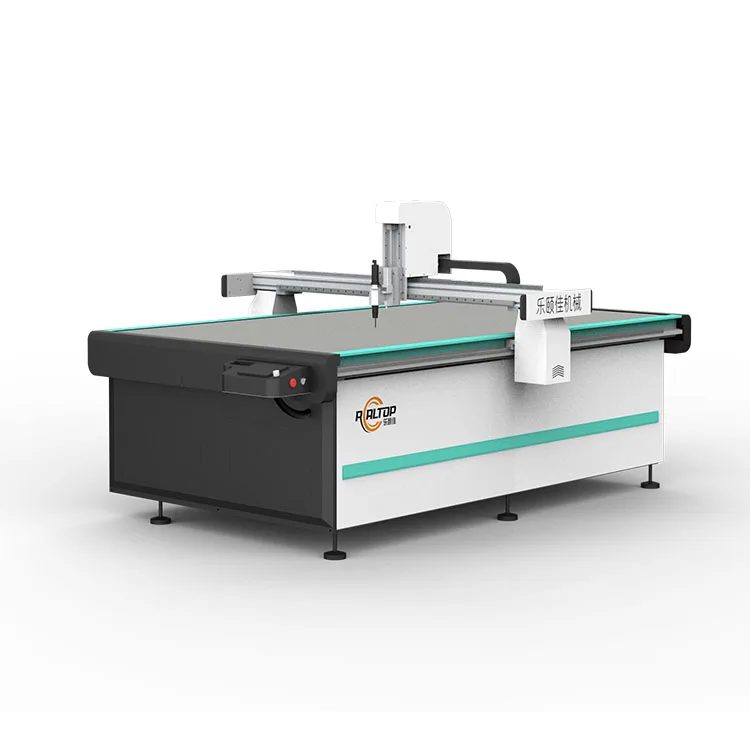
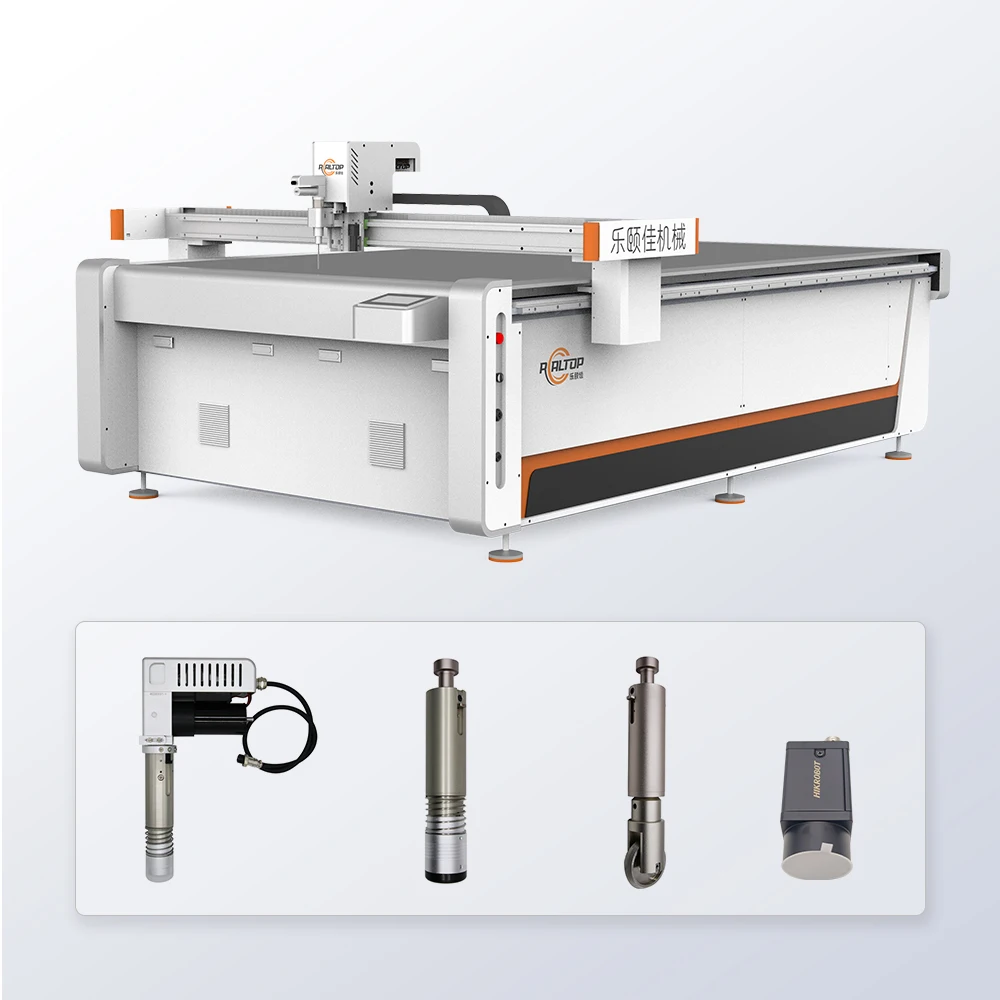
Factory-Built Precision — In-house design and production covering both knife cutting technology and machine build under one roof, with configuration specified per board grade and flute type rather than sold as a generic working area.
Technical Specifications
| Parameter | Value |
|---|---|
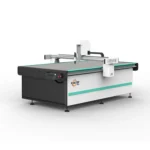
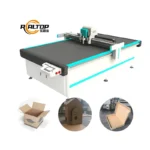
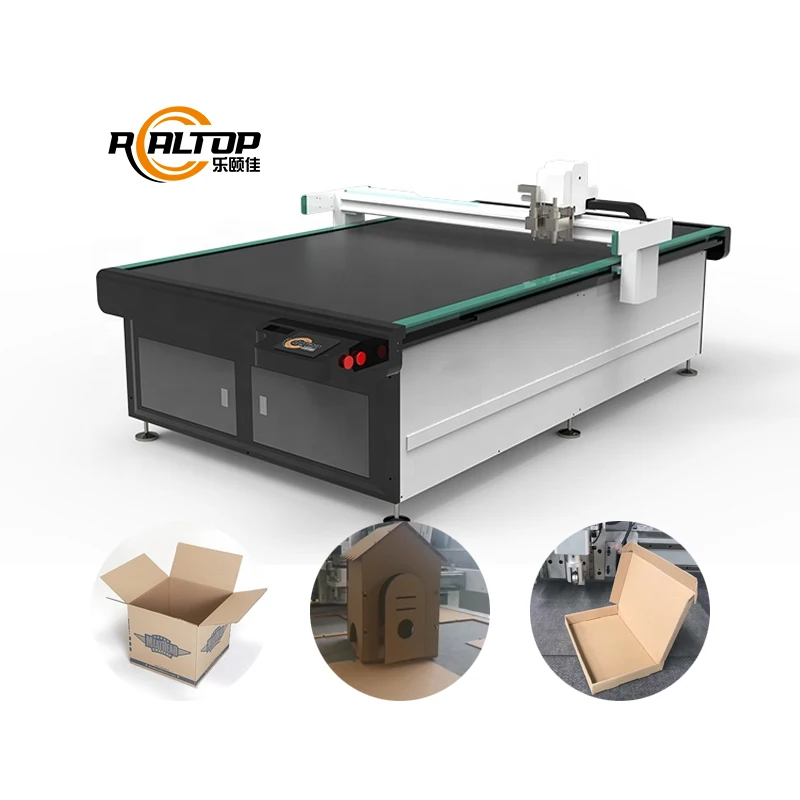
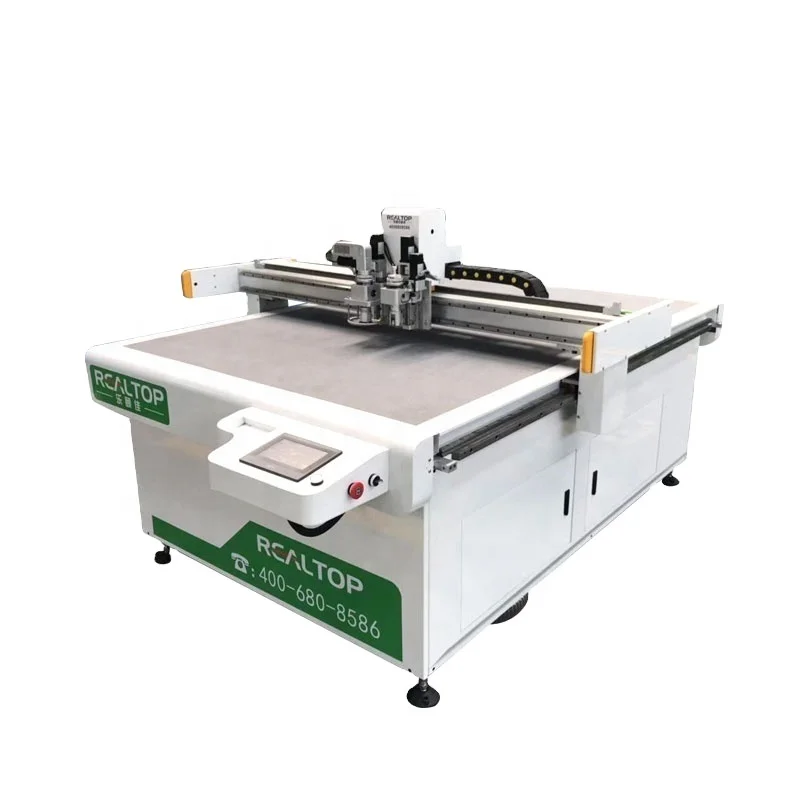
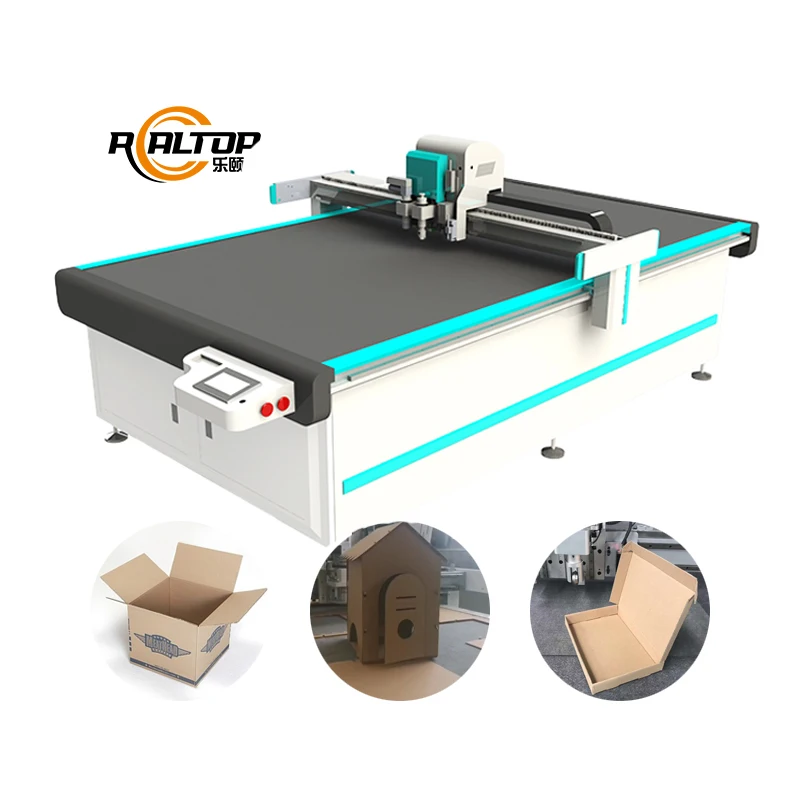
| Product Type | CNC Carton & Packaging Sample Cutting Machine |
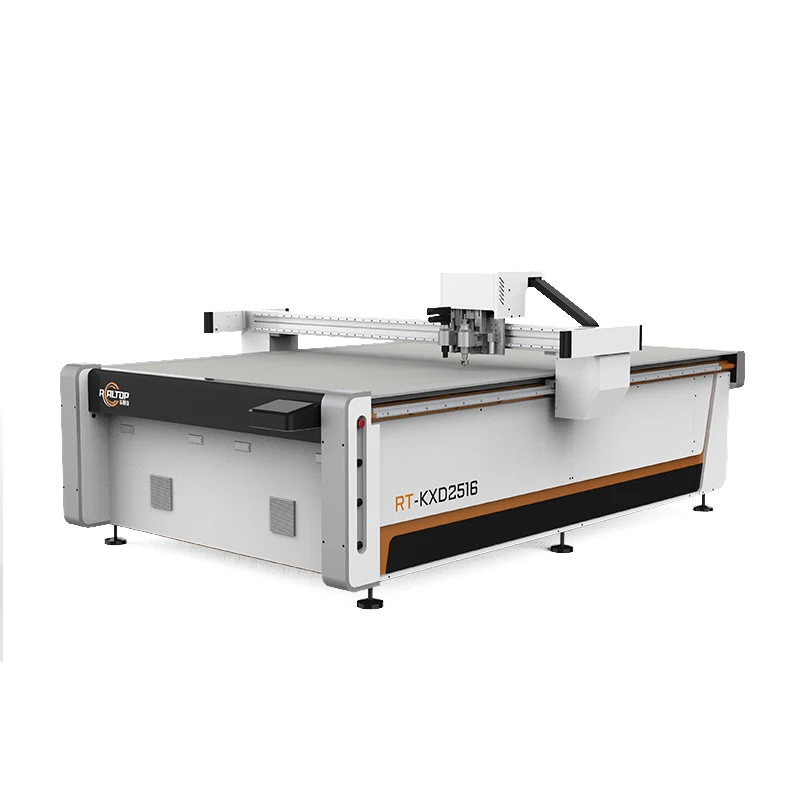
| Working Area | 1600×2500 mm |
| Machine Size | 3450×2300×1250 mm |
| Rated Power | 9 kW |
| Voltage | 380V ±10% |
| Working Table | Flatbed aluminum alloy honeycomb vacuum adsorption platform |
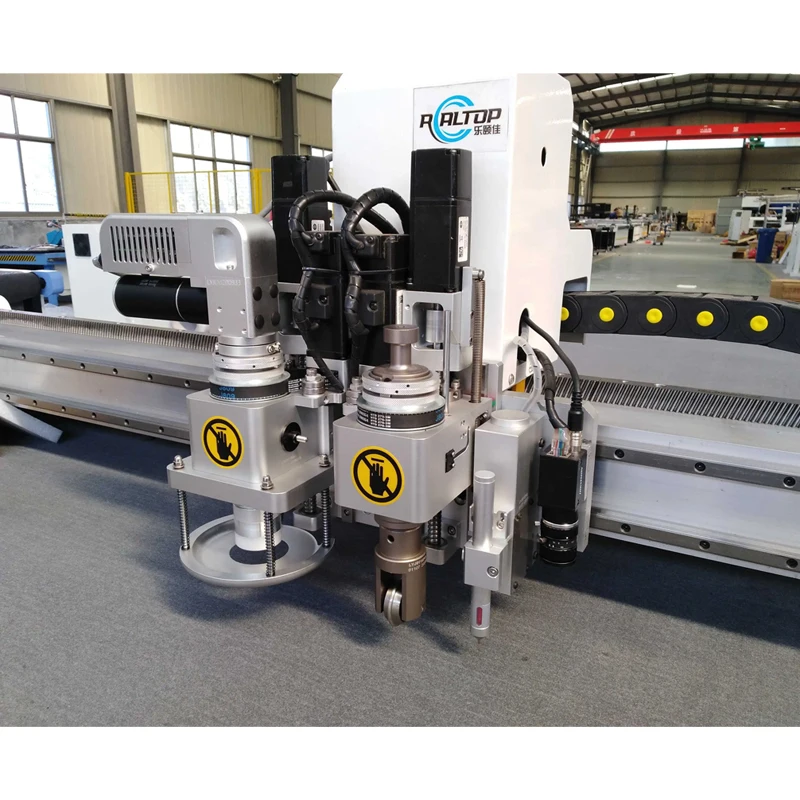
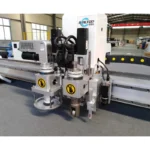
| Tool Head | Swiss imported vibration knife (full cut, half cut, cursor location) |
| Translational Velocity | 800-1200 mm/s |
| Cutting Speed | 200-800 mm/s (basis not stated in source — confirm material type / thickness / board grade) |
| Repeatability | ≤0.1 mm |
| Servo Motor | Taiwan Delta digital servo |
| Linear Guide | Taiwan Hiwin |
| Transmission System | Synchronous belt and ball screw |
| Vacuum Pump | 7.5 kW |
| Instruction System | HP-GL compatible format |
| Safety Device | Infrared sensors and emergency stop |
| Frame Construction | Welded thick square seamless steel with high-temperature stress relief |
| Software | Professional carton cutting and nesting (language customizable) |
Application Suitability
| Application | Material or Output |
|---|---|
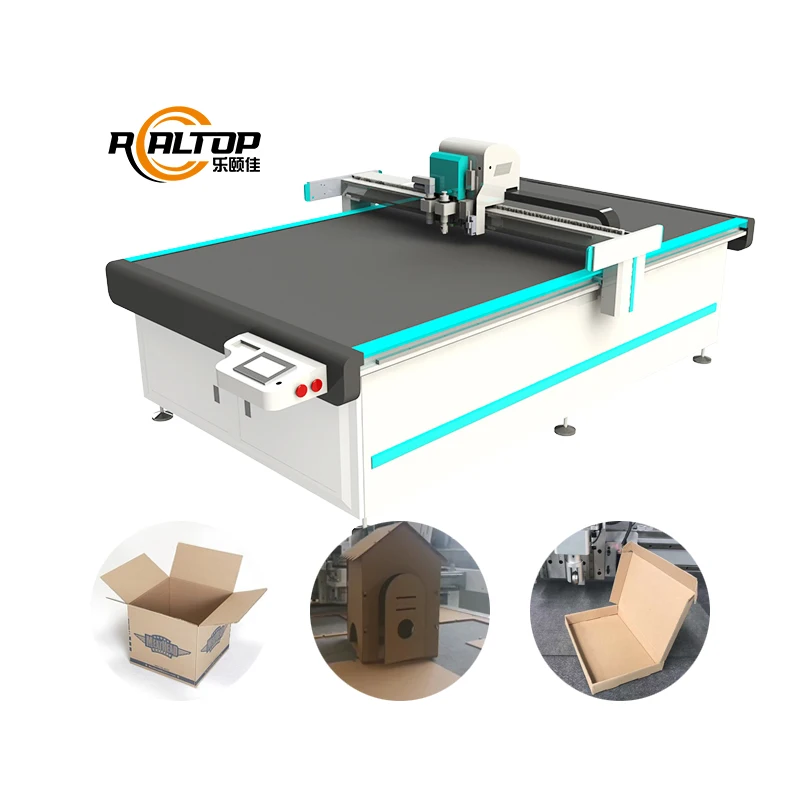
| Packaging sample and prototype making | Corrugated board, folding carton stock, gray board without die tooling |
| Short-run corrugated box production | Single-wall, double-wall, and E-flute corrugated sheets |
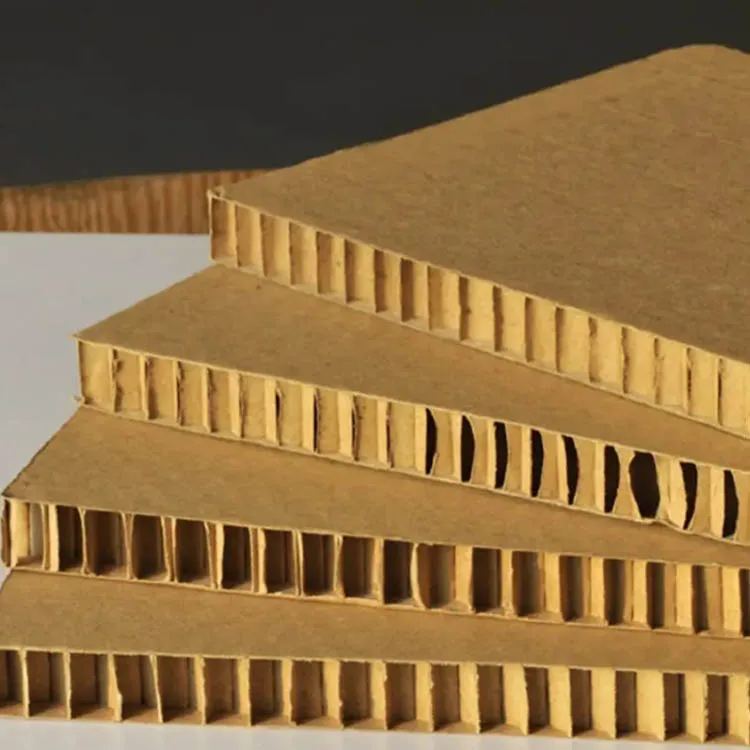
| Large appliance and express shipping packaging | Heavy-duty corrugated and honeycomb cardboard blanks |
| High-end gift and snack food carton finishing | Laminated board and coated carton stock |
| Sticker, tag, and label contour cutting | Self-adhesive vinyl, paper labels, and flexible sheet materials |
| Signage and display board cutting | Printed cardboard, honeycomb board, and foam board with contour recognition |
Why Working Area Alone Cannot Guarantee Cutting Quality
A cardboard box making machine manufacturer that quotes only table dimensions leaves out the variables that determine whether your carton blanks actually come off the bed clean. Tool head selection, vacuum zone layout, and knife oscillation frequency must be matched to the specific flute profile and board density you run daily.
I have watched packaging shops invest in large-format tables only to discover that the vacuum zones were sized for full sheets, leaving small tag and sticker parts lifting during the cut. The knife angle suited single-wall corrugated but crushed E-flute on the same table. These mismatches show up only when real production material hits the bed [NEED_CITE:]. Sourcing a cardboard box making machine manufacturer that specifies the cutting configuration against your actual board grades and part sizes avoids this costly discovery after delivery.
Matching the Knife to the Board Profile
The Swiss imported vibration knife on this system performs full cutting, half cutting for crease lines, and cursor location in a single work cycle. This matters because corrugated carton sample making often requires a crease on one pass and a through-cut on the next, with registration accuracy held within 0.1 mm across the entire 1600×2500 mm bed. The oscillation frequency must stay consistent through double-wall flute just as reliably as through thin folding carton stock, and that consistency comes from the knife mechanism rather than software compensation after the fact. When sourcing from a cardboard box making machine manufacturer, confirming which knife geometry ships with your configuration prevents ragged edges on the board grades you run most.
Vacuum Zoning for Mixed Part Sizes
The aluminum alloy honeycomb vacuum platform paired with a 7.5 kW vacuum pump is designed to hold large carton blanks flat across the full working area. However, packaging sample makers frequently cut small tags, business cards, and sticker contours on the same table, and these parts require zone-following vacuum to stay secure. Without proper zoning, small die-cut shapes drift or lift as the knife exits the material, ruining registration on an entire sheet [NEED_CITE:]. Confirming the vacuum zone layout against your smallest recurring part size before order placement eliminates this failure mode.
Frame Rigidity and Long-Term Registration
The welded thick square seamless steel frame undergoes high-temperature stress relief treatment before assembly. In carton sample cutting, the knife head traverses the bed at up to 1200 mm/s, and any frame deflection under that acceleration compounds into registration errors across the sheet. A stress-relieved frame maintains flatness over years of service, which is critical when your nesting software positions dozens of carton blanks per layout and every one must cut within the 0.1 mm repeatability tolerance. Taiwan Hiwin linear guides and Delta digital servo motors transmit that precision to the cutting head without backlash buildup over extended production runs.
The Hidden Cost of Ignoring Board-Specific Configuration
When a cutting table ships with a single tool head setting regardless of the buyer’s material mix, the consequences appear quickly on the production floor. Thick double-wall corrugated requires deeper knife penetration and slower oscillation, while thin laminated gift box board needs a sharper angle to avoid tearing the printed surface. Shops that receive a generic configuration end up manually adjusting knife depth for every job changeover, losing throughput on short runs where quick turnaround is the entire business model [NEED_CITE:]. Voltage mismatches compound this problem when the 380V motor runs on a different local supply, causing the vacuum pump to underperform and the servo to lose positional accuracy during high-speed traverses.
Why This Build Approach Works for Packaging Producers
The in-house design team covers both the knife cutting technology and the machine frame engineering, so the vibration knife specifications are developed alongside the motion system rather than bolted on afterward. Tool head and table configuration are specified against the buyer’s actual board grades, flute types, and production volume before the order is finalized. CCD camera positioning for printed contour work is available for signage and display board applications requiring registration to printed marks. Software compatibility with the buyer’s existing CAD and nesting workflow is confirmed before production begins. Material sample cutting on the buyer’s own cardboard stock takes place before commitment, providing a cut quality report that documents edge finish, crease depth, and registration accuracy on the specific board grade submitted [NEED_CITE:].
Documentation & Verification
- Machine specification sheet confirming tool head configuration and vacuum zone layout for your board grades
- Electrical schematic and voltage confirmation matched to your destination market supply standard
- Sample cutting report on your own cardboard stock documenting edge quality and crease depth
- Factory test record with cut quality inspection on buyer-supplied material before shipment
- Software licence and file format compatibility note verified against your existing CAD workflow
- Operation and maintenance manual with customizable control language for your operator team
Installation, Commissioning & Support
- Flatbed installation requires a level concrete floor supporting the 3450×2300×1250 mm machine footprint and 7.5 kW vacuum pump
- Dedicated 380V ±10% three-phase circuit with proper grounding for the 9 kW rated power draw
- Machine ships fully assembled with welded steel frame; only vacuum pump connection and software loading required on site
- First-run commissioning includes knife depth calibration against your specific board thickness and flute profile
- Operator training covers nesting software workflow, tool head changeover, and vacuum zone configuration for mixed part sizes
- Spare parts list includes replacement vibration knife blades, vacuum seals, and linear guide lubrication schedule
Preparing Your Inquiry
To receive a configuration that matches your production reality rather than a generic table size, share the board grades and flute types you cut most frequently, along with typical sheet sizes and the smallest part dimensions in your job mix. Specify your local voltage and frequency standard, preferred control interface language, and whether your current CAD files use HP-GL or another format. If you have existing nesting software workflows, provide a sample file so compatibility can be verified before quotation.
Frequently Asked Questions
Q: How do I match the tool head to different board grades and flute types?
A: The vibration knife configuration is specified based on your most common board thickness, flute profile, and whether you need half-cut creasing alongside full cuts. Share your specific corrugated grades and folding carton stock weights, and a tool head recommendation will be prepared before quotation, followed by sample cutting on your material to verify edge quality.
Q: How do I verify voltage, plug type, and control language before shipment?
A: Provide your local supply voltage, frequency, and plug standard during the inquiry stage. The electrical schematic and voltage confirmation document is prepared for your approval before production. Control interface language is set during software configuration, and a compatibility note is included in the shipment documentation.
Q: Is the vacuum table sufficient for small parts like tags and stickers?
A: The aluminum honeycomb platform supports zone-following vacuum, but zone layout must be confirmed against your smallest recurring part size. Share your minimum part dimensions during specification so the vacuum zoning can be configured to prevent small shapes from lifting during the cutting cycle.
Q: What file formats does the carton software support?
A: The included professional carton cutting and nesting software supports HP-GL compatible format and handles standard file imports from major packaging CAD systems. Provide a sample of your current workflow files during the inquiry stage so format compatibility is verified before your machine is built.
Q: How can I arrange sample cutting on my own material before ordering?
A: Send a representative sample of your cardboard stock including the specific flute type, GSM, and thickness you run in production. A sample cutting report is then prepared documenting cut quality, crease depth, and registration accuracy, giving you verified results on your own material before any order commitment.
You may also like

商品评价
Clear filtersThere are no reviews yet.