


-
 Courier delivery
-
 DHL Courier delivery
-
 Warranty 1 year
-
 Free 30-Day returns

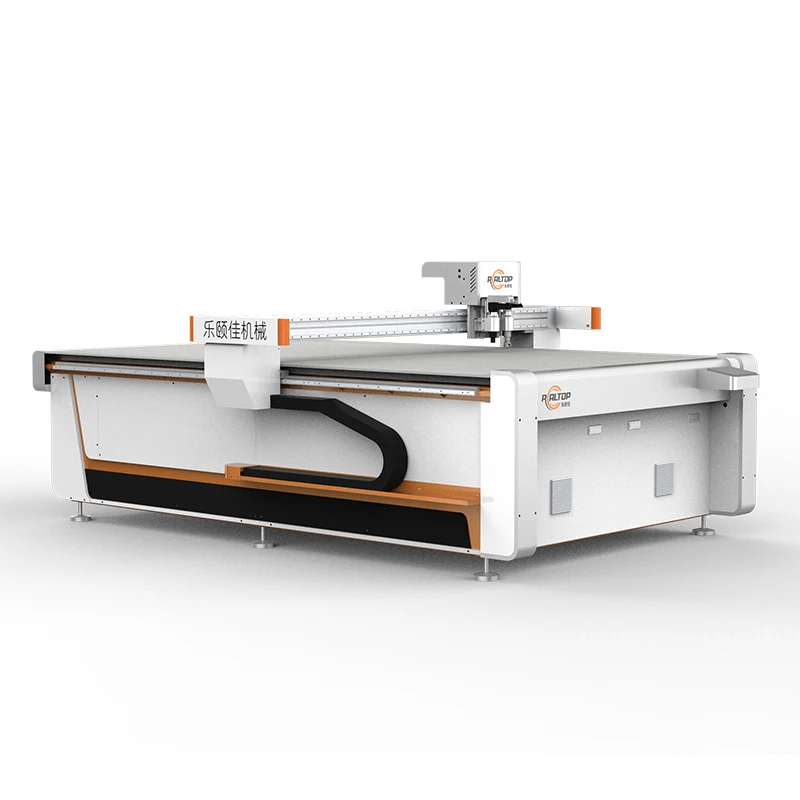
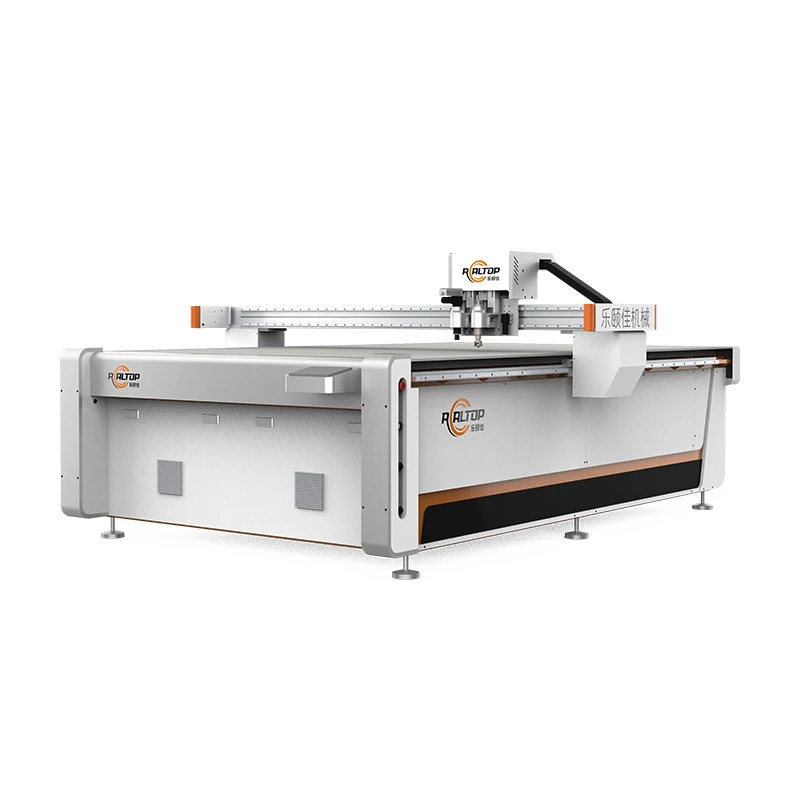
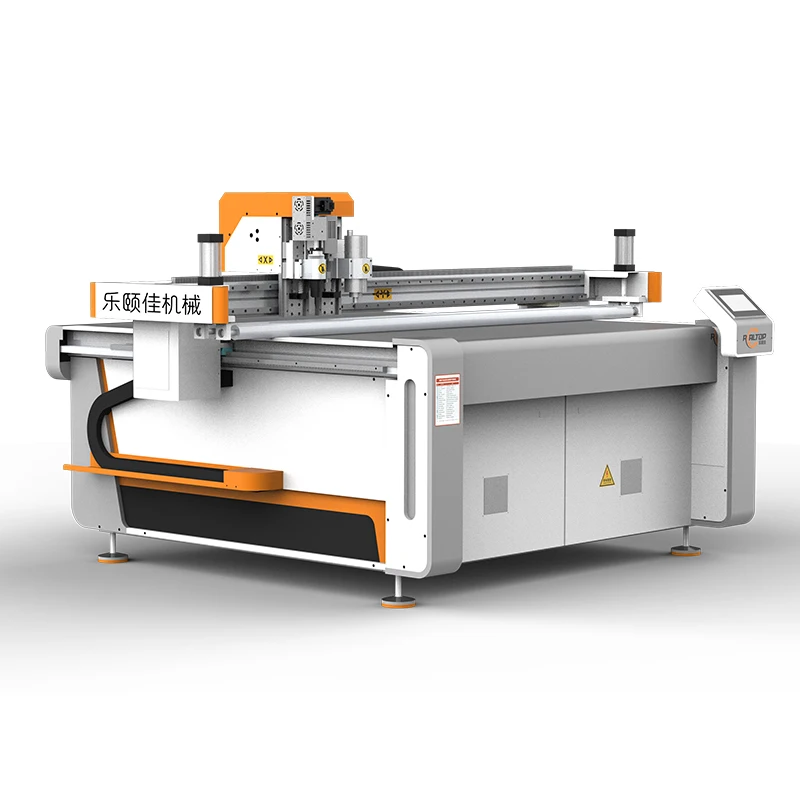
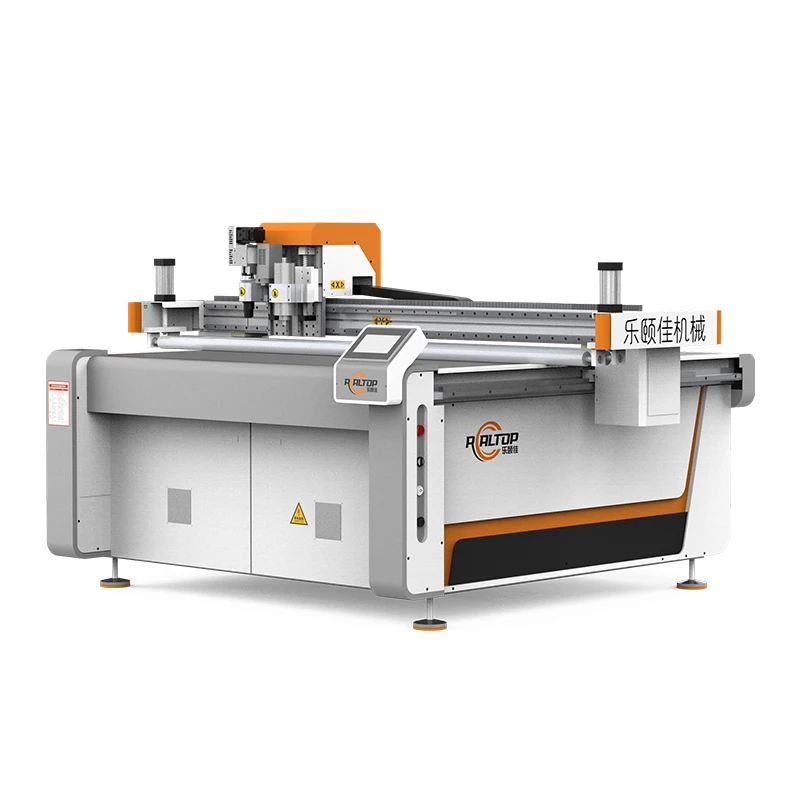
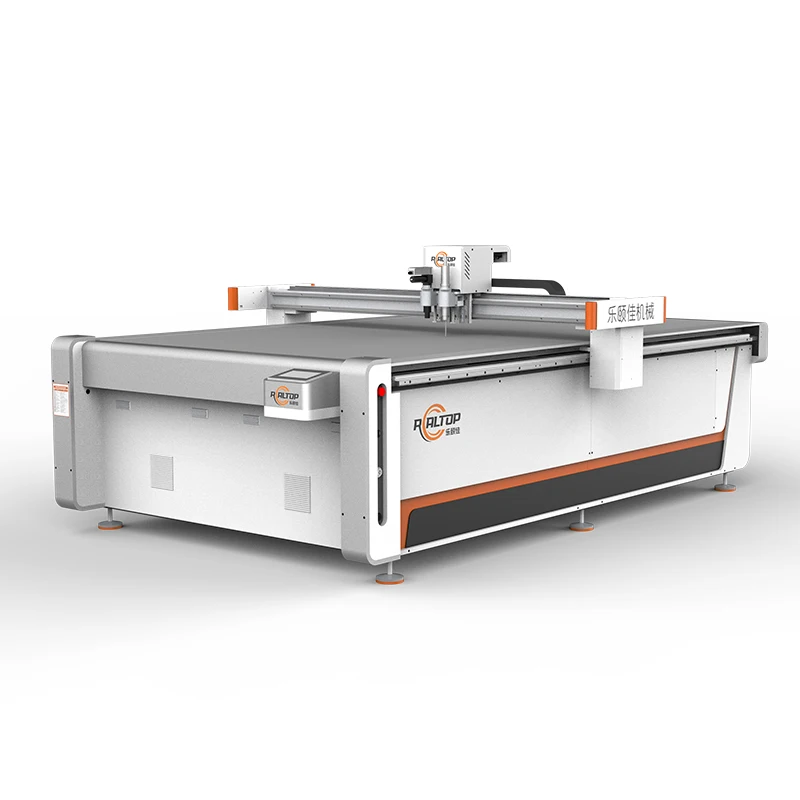
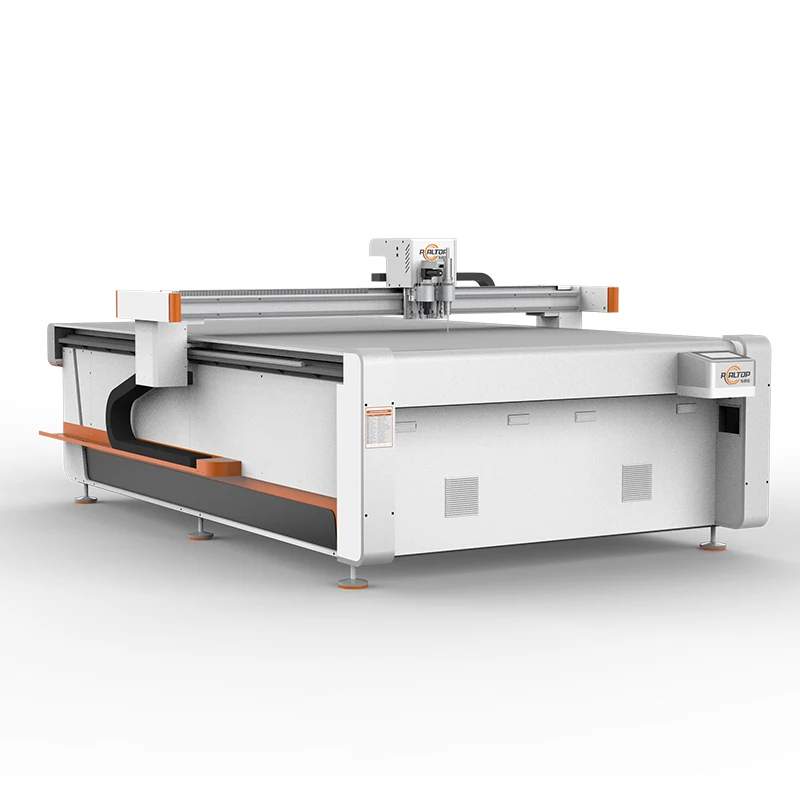
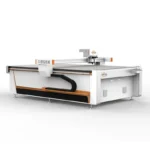
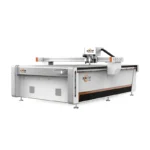
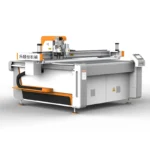
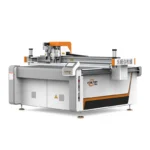
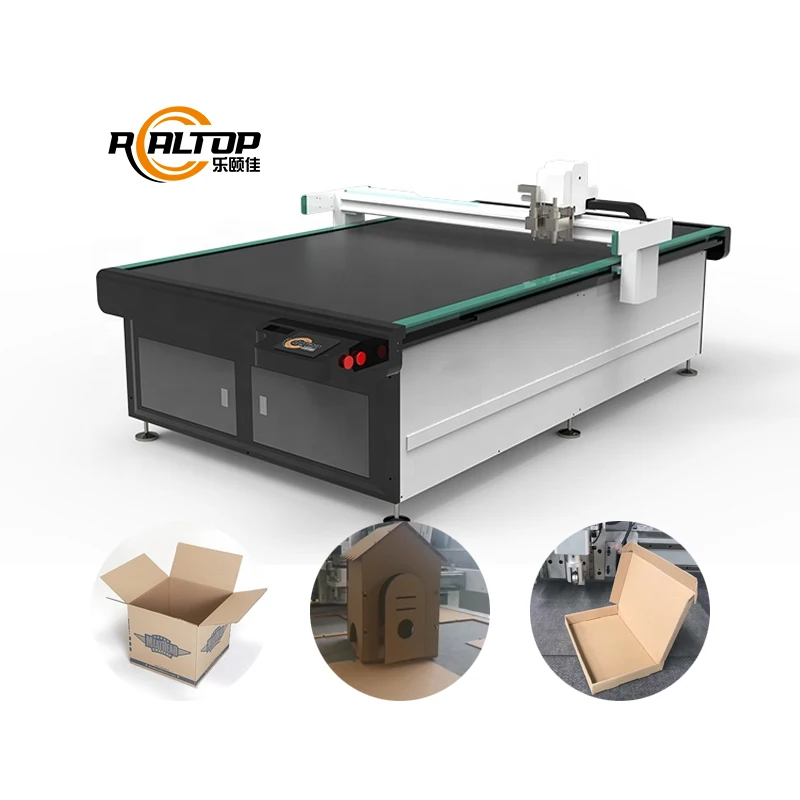
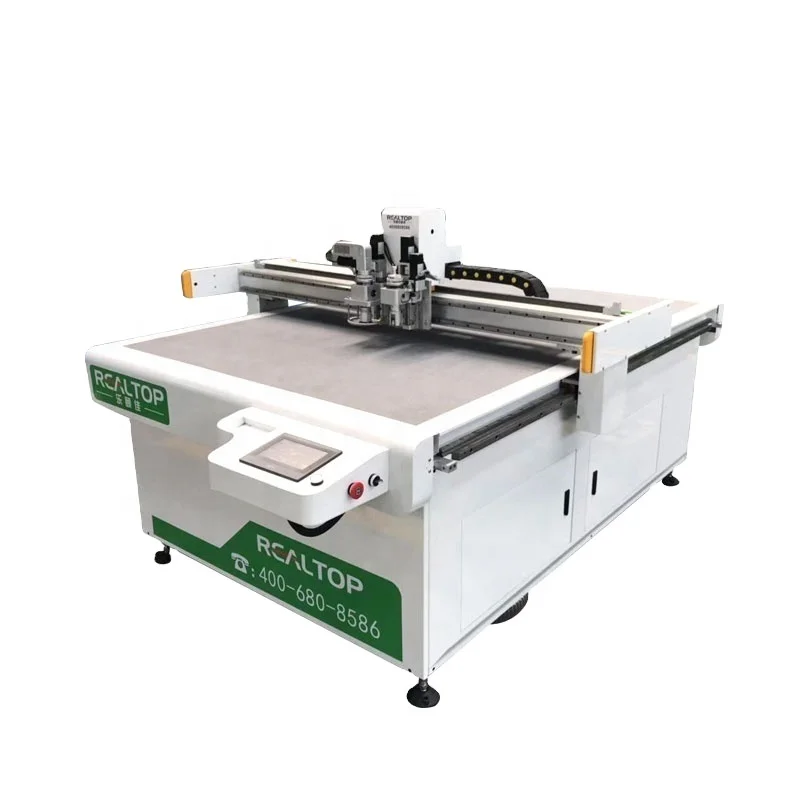
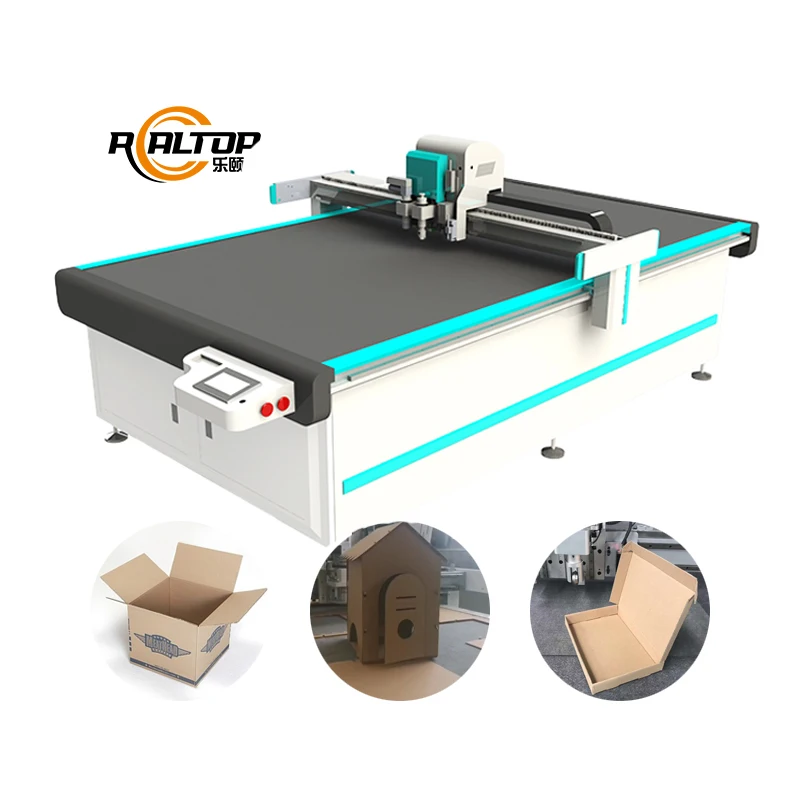
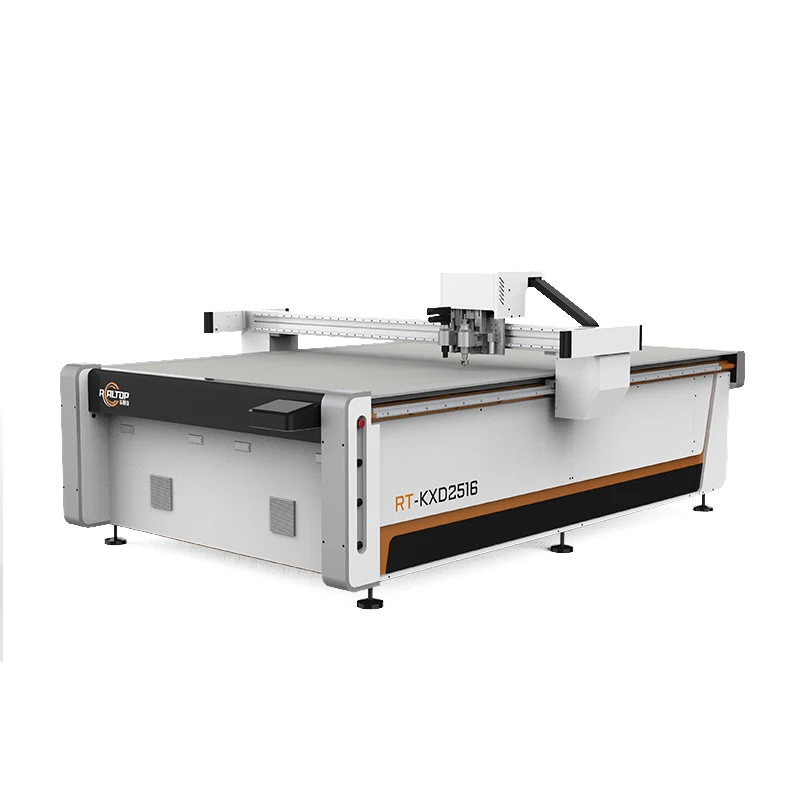
Engineered Frame Construction — The RT-D2516/RT-S2516 chassis undergoes high-temperature tempering after welding, then receives final machining on a CNC center to guarantee the motion rails sit on a verified flat reference plane.
Technical Specifications
| Parameter | Value |
|---|---|
| Product Type | CNC Digital Cutting Machine |
| Working Area | 1600 × 2500 mm |
| Overall Dimensions (L×W×H) | 3450 × 2300 × 1250 mm |
| Rated Power | 9 kW |
| Voltage | 380V ±10% |
| Transmission System | Digital servo motor, linear guide, synchronous belt, ball screw |
| Servo Motor Options | Delta or Panasonic (IP67 waterproof rating) |
| Translational Velocity | 800–2000 mm/s |
| Cutting Speed | 200–800 mm/s (basis not stated in source — confirm material / thickness) |
| Cutting Thickness | ≤100 mm (varies with material) |
| Repeatability | ≤0.1 mm |
| Table Type | Magnesium-aluminum alloy vacuum adsorption table, PVDF spray, anodic and hard oxidation |
| Vacuum Pump | 7.5 kW, integrated aviation aluminum shell with built-in silencer sponge |
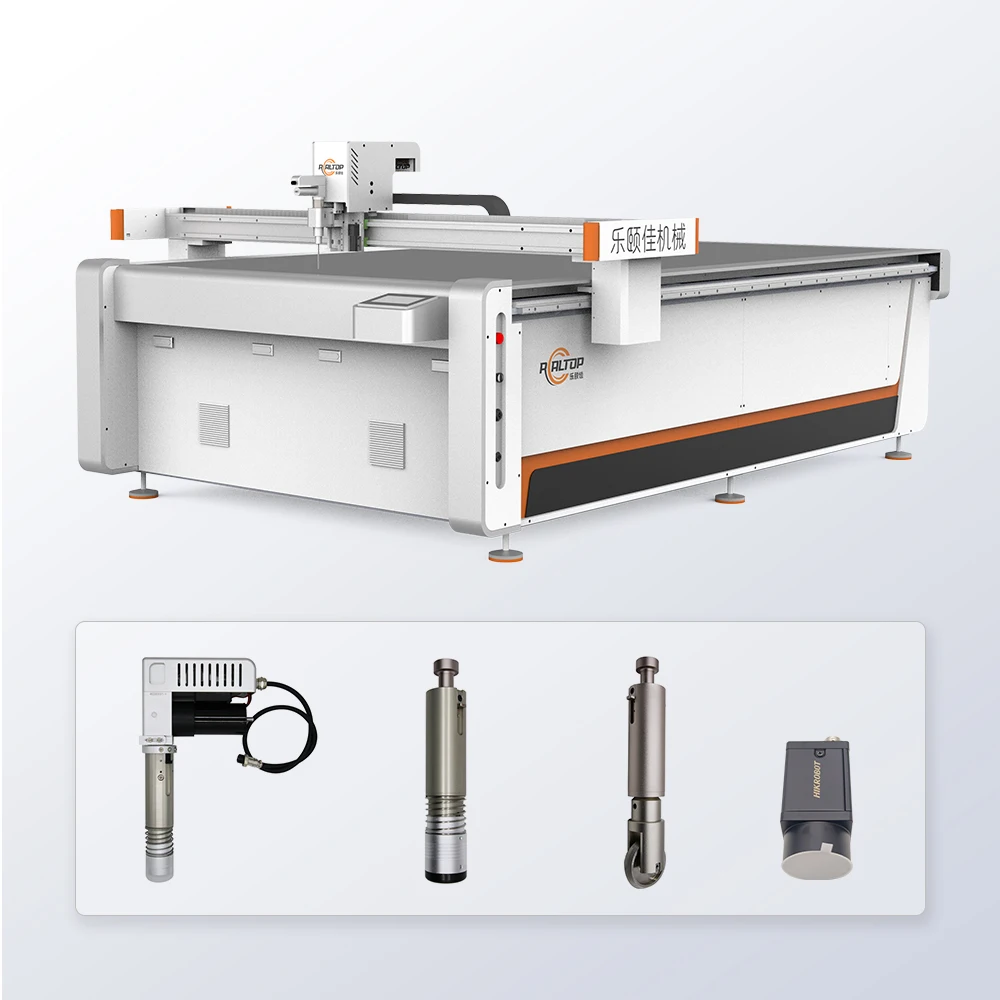
| Tool Head Options | Oscillating knife, pneumatic knife, high-power vibrating knife, circular knife, V-cutting knife, drag knife, creasing wheel, dotted line knife, punching, brush |
| Visual Positioning Options | Small CCD camera mark point positioning, panoramic camera recognition, projection positioning |
| Software File Formats | PLT, DXF, AI (HP-GL compatible) |
Application Suitability
| Application | Material or Output |
|---|---|
| Packaging and Carton Sample Making | Corrugated cardboard, honeycomb board, greyboard |
| PVC and Plastic Box Processing | Soft PVC, PET, PP folding cartons |
| Sticker and Film Cutting | Self-adhesive vinyl, reflective film, transfer tape |
| Gasket and Seal Fabrication | Non-asbestos fiber, rubber sheet, PTFE |
| Advertising and Signage Production | Foam board, KT board, magnetic sheet |
| Automotive Interior Trimming | Synthetic leather, sound insulation felt, headliner fabric |
Why the Voltage Question Must Precede the CNC Digital Cutting Machine Manufacturer Order
Matching the electrical schematic to the buyer’s actual facility supply prevents the most common cause of dead-on-arrival industrial equipment.
I once oversaw the delivery of a carton cutter to a packaging shop in Bogotá where we confirmed 220V on the purchase order. The facility actually ran on 440V three-phase. The machine sat on their floor for three weeks while we arranged a step-down transformer. Since that incident, I review the single-line diagram and voltage tolerance myself before any machine ships. A 380V ±10% supply requirement means the buyer must verify their local transformer taps and phase balance before the CNC digital cutting machine manufacturer begins assembly [NEED_CITE: voltage and frequency standards by export market].
How the Frame and Motion Architecture Supports Accuracy
Every cut on a flatbed digital table relies on the geometric relationship between the tool head and the vacuum surface. The RT-D2516/RT-S2516 frame is fabricated from thick-walled seamless steel tubing, welded into a single structure, and then placed in a tempering oven to relieve the thermal stress introduced during welding. After tempering, the mounting surfaces for the linear guides are finished on a CNC machining center. This sequence ensures the rails remain parallel and flat over the entire 1600 × 2500 mm working envelope, which directly supports the published repeatability of ≤0.1 mm.
Magnesium-Aluminum Vacuum Table and Surface Treatment
The cutting surface on this CNC digital cutting machine is machined from a magnesium-aluminum alloy rather than standard steel or phenolic resin. The alloy provides a favorable stiffness-to-weight ratio and resists the warping that mild steel tables exhibit after repeated vacuum cycles. The surface receives three distinct treatments: a fluorocarbon PVDF powder spray for chemical resistance against adhesive residue, an anodic oxidation layer for uniform dielectric protection, and a final hard oxidation pass to prevent scoring from drag knife or creasing wheel tools.
Reading the Specifications Against the Production Job
The 7.5 kW vacuum pump is housed in an aviation aluminum shell with internal silencer sponge, which addresses two frequent buyer complaints: corrosion in humid workshops and noise levels that interfere with operator communication. Servo motor selection between Delta and Panasonic IP67-rated units allows the buyer to align with the service network available in their region. Translational velocity reaches 2000 mm/s during rapid traverse, while the cutting speed band of 200–800 mm/s must be validated against the actual material stack and thickness during the sample cutting phase [NEED_CITE: typical cutting speed variance across corrugated board grades].
The Cost of Overlooking Tool Head and Vacuum Zoning
Selecting a tool head based on a catalog listing rather than a material sample leads to ragged edges on corrugated flutes or crushed foam cores that cannot be glued during assembly. Similarly, a vacuum table without zoning appropriate to the part geometry will allow small gaskets or carton blanks to lift during high-speed oscillating knife passes. These failures rarely appear during the factory demonstration, where large rectangular sheets are used, but they surface within the first production week when nested, irregular geometries run at full speed [NEED_CITE: vacuum hold-down requirements for small nested parts].
Why Sourcing Directly from the Manufacturer Changes the Outcome
The in-house design team engineers both the knife and laser platforms, so a buyer evaluating corrugated board against acrylic can receive an honest comparison of which cutting method suits their material mix. Tool head and vacuum table configurations are specified per material sample rather than pulled from a standard bill of materials. Electrical schematics, voltage settings, and control language are confirmed in writing before the frame enters final assembly. Every unit undergoes a factory test on the buyer’s own material stock, and the resulting sample cutting report ships with the documentation packet. CE declaration is prepared where applicable, supporting import compliance in regulated markets.
Documentation & Verification
- Machine specification sheet listing every selected tool head and vacuum zone configuration.
- Electrical schematic confirming 380V ±10% wiring, breaker sizing, and phase rotation.
- Factory test record with sample cutting report produced on the buyer’s supplied material.
- Software licence certificate noting file format compatibility for PLT, DXF, and AI inputs.
- Operation and maintenance manual translated into the confirmed control language.
Installation, Commissioning & Support
- Machine arrives fully assembled; confirm 3450 × 2300 mm footprint and ceiling clearance exceed 1250 mm.
- Dedicated 380V three-phase circuit with minimum 63A breaker required for the 9 kW rated load.
- Vacuum pump requires level placement and clear exhaust path for the integrated silencer system.
- First-run commissioning includes tool offset calibration and vacuum zone mapping to the buyer’s nesting files.
- Spare parts list covers oscillating knife blades, creasing wheel inserts, and vacuum table seals.
Preparing Your Inquiry for a Technical Evaluation
Send a cross-section drawing or physical sample of the heaviest and thinnest materials you intend to cut, along with your typical nested sheet layout. Confirm your facility voltage, phase configuration, and the frequency of your local grid. Specify whether your workflow requires flat table loading or continuous auto-feeding, and list the software generating your current DXF or AI files so we can verify compatibility before quotation.
Frequently Asked Questions
Q: How does the factory control frame flatness before the motion components are mounted?
A: The welded frame enters a tempering oven to relieve residual stress, then the rail mounting surfaces are finished on a CNC machining center. This sequence guarantees the linear guides sit on a verified flat reference, supporting the ≤0.1 mm repeatability figure published in the specification sheet.
Q: Can the vacuum table zoning be reconfigured for small packaging samples?
A: Yes. The magnesium-aluminum table can be configured with multiple independent vacuum zones. We review your nested part geometry during the sample cutting phase and map the zone layout to ensure small carton blanks and gaskets remain fixed during high-speed oscillating knife passes.
Q: What OEM and private-label options are available for machinery distributors?
A: The manufacturer supports private-label control panel graphics, custom language interfaces, and brand-specific documentation packages. Electrical schematics and tool head configurations can be standardized to a distributor’s regional preferences, and all units ship with the agreed branding applied before dispatch.
Q: How are voltage, plug type, and language confirmed before production?
A: We require a signed electrical schematic and a language confirmation form before the machine enters final assembly. The schematic details the 380V ±100% wiring, breaker sizing, and plug configuration, preventing the transformer delays that occur when power specs are assumed rather than verified.
Q: What documentation accompanies the machine at shipment?
A: The documentation packet includes the machine specification sheet, electrical schematic, factory test record with sample cutting report on your material, CE declaration where applicable, operation manual in the confirmed language, software licence note, and a spare parts list with packing photographs for customs inspection.
You may also like

商品评价
Clear filtersThere are no reviews yet.