



-
 Courier delivery
-
 DHL Courier delivery
-
 Warranty 1 year
-
 Free 30-Day returns

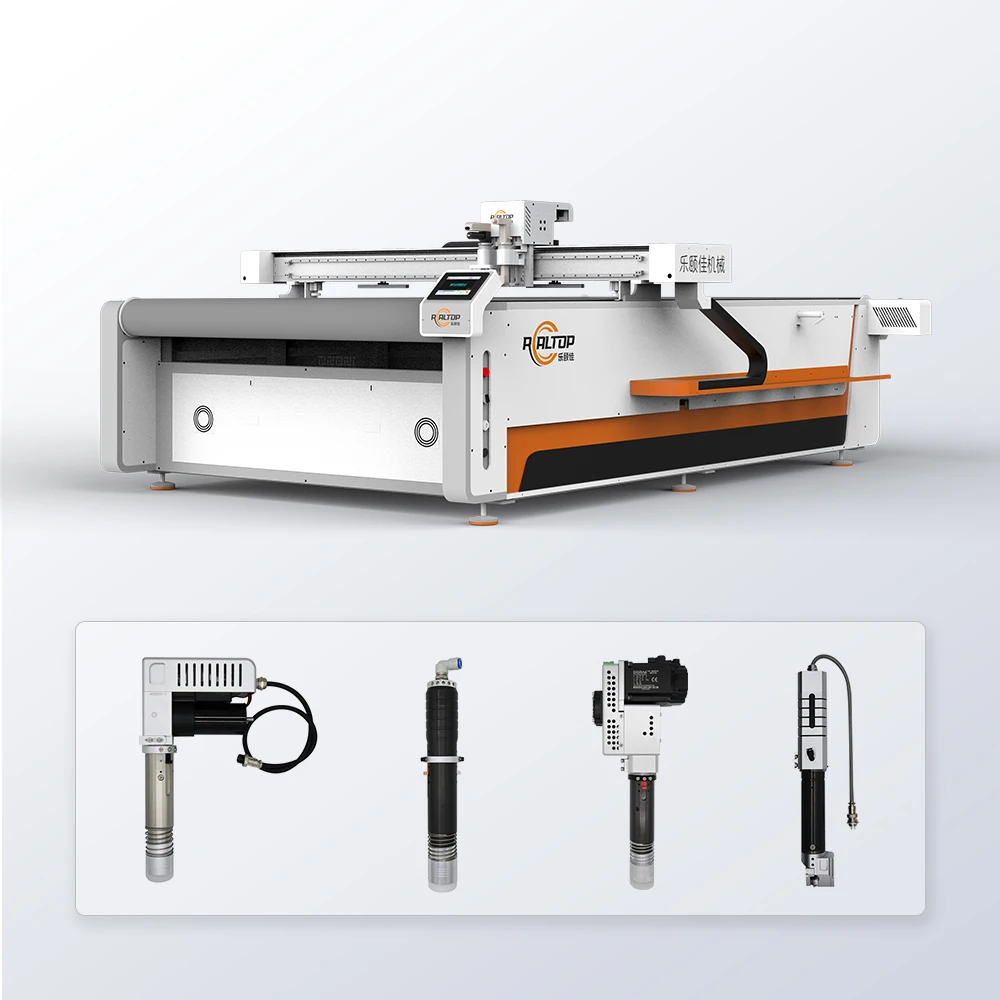
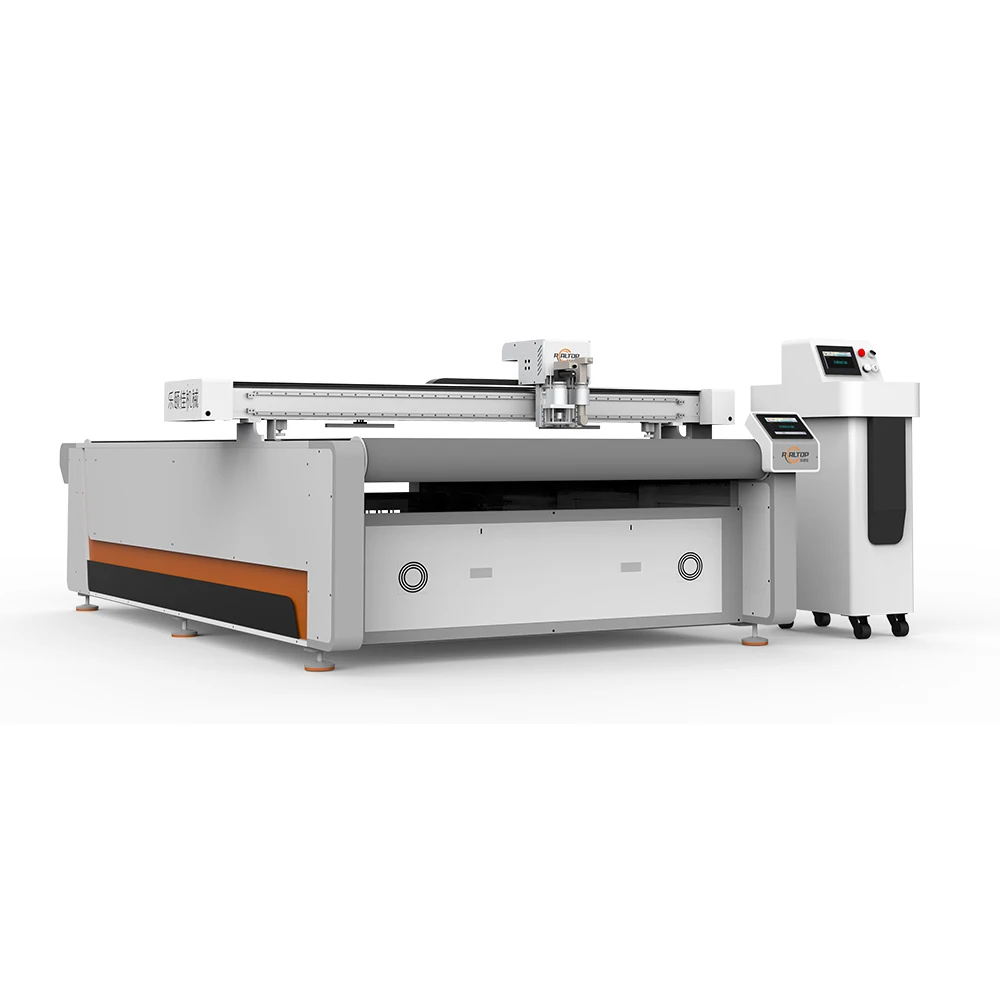
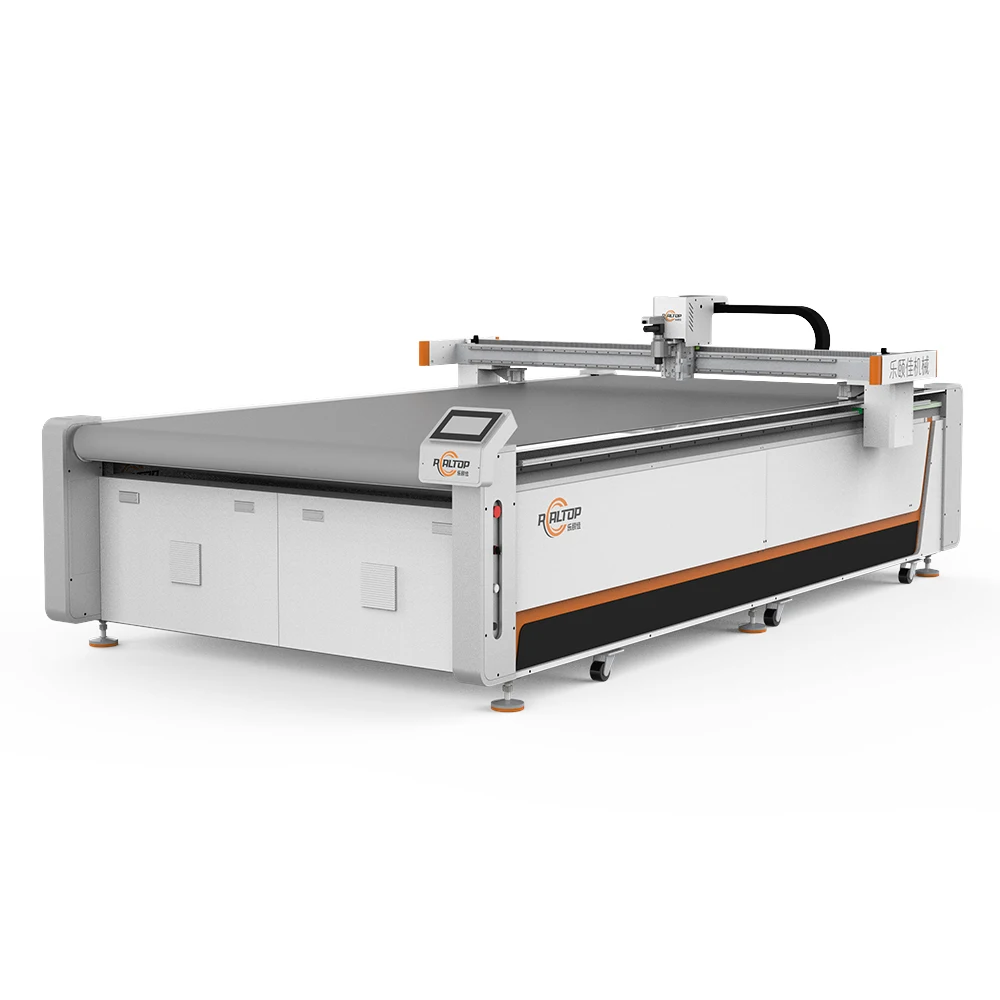
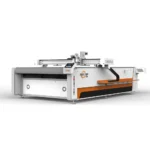
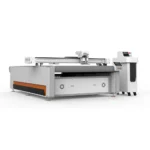
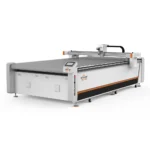
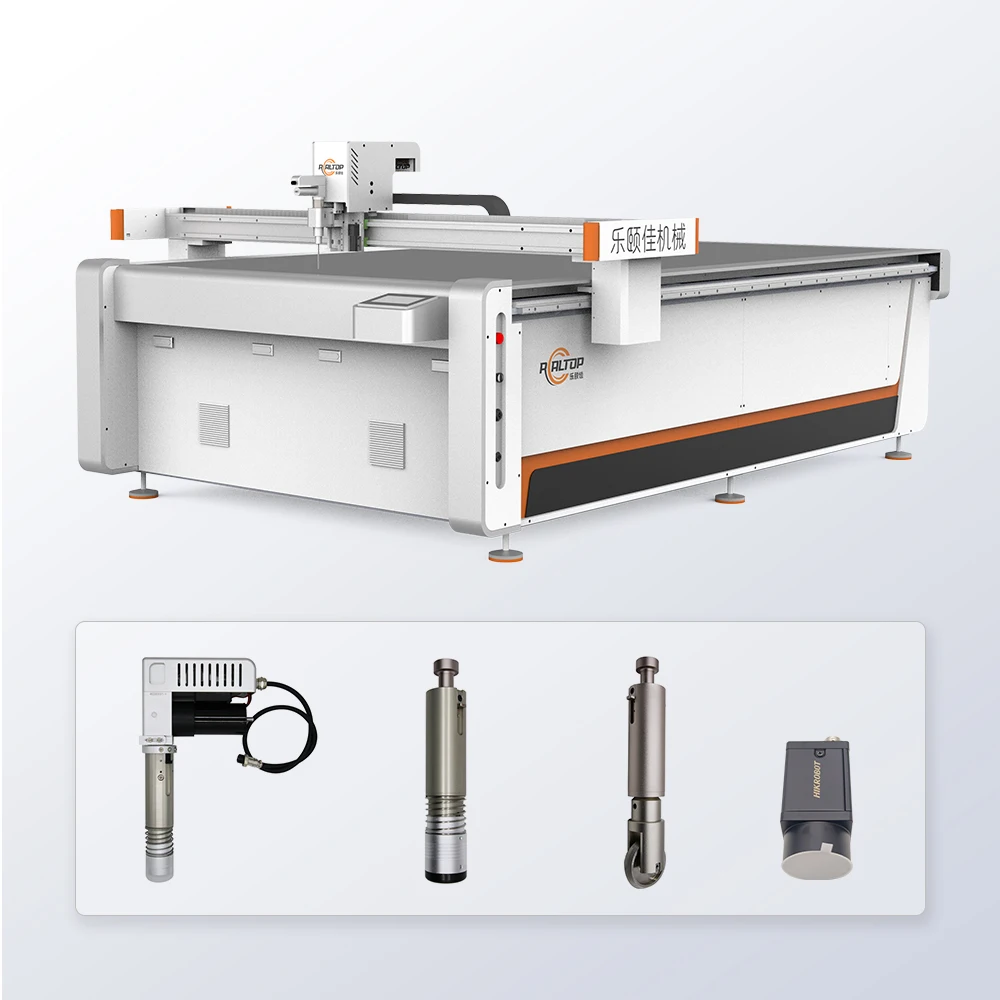
In-House Design and Production — REALTOP engineers the 1625 platform as one integrated system, covering frame, motion, vacuum and tool head under one roof so the cutting method matches your material rather than forcing a compromise.
Technical Specifications
| Parameter | Value |
|---|---|
| Model | 1625 |
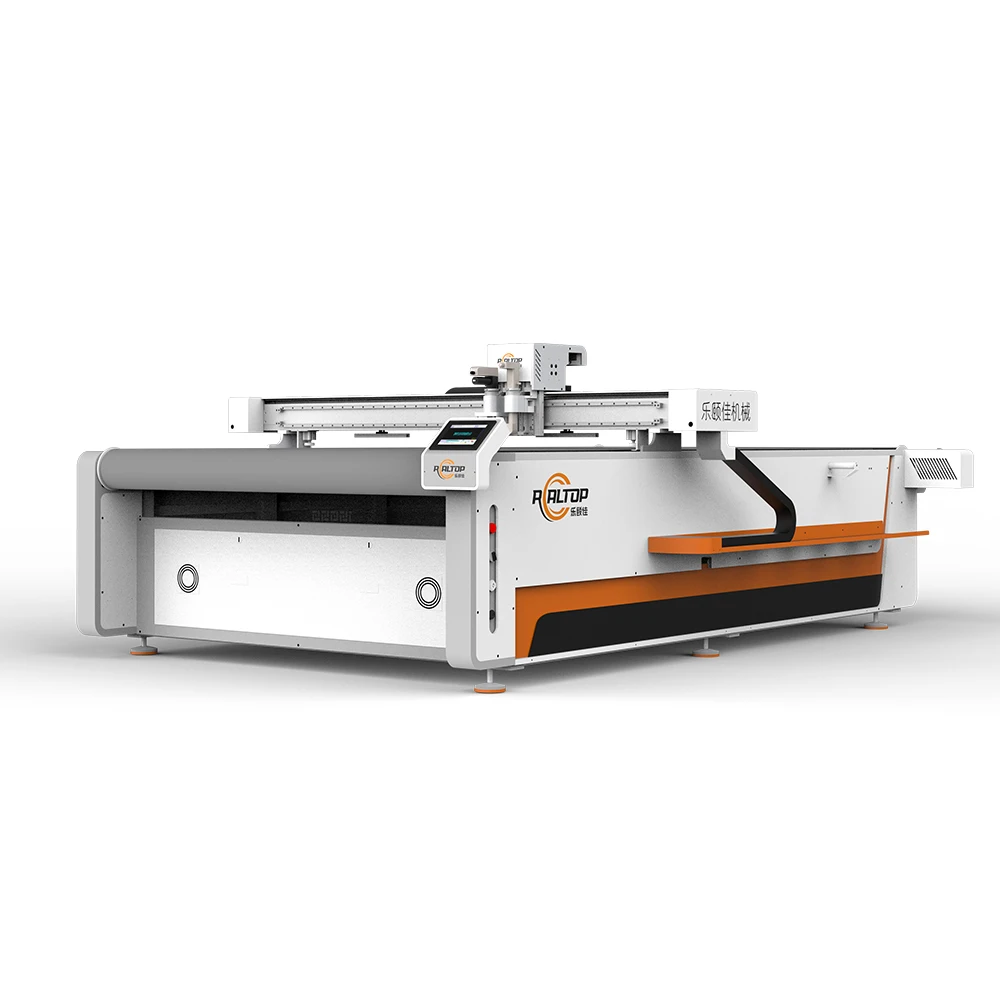
| Product Type | CNC Oscillating Knife Cutting Machine |
| Working Area | 1600 × 2500 mm |
| Tool Head Options | Oscillating knife, Driven rotary knife, Creasing wheel, Kiss cutting tool, Pneumatic knife, Milling tool, V groove knife |
| Cutting Speed | 0–2000 mm/s |
| Cutting Thickness | Up to 30 mm (basis to be confirmed by material and layer density) |
| Multi-layer Capability | Up to 30–50 mm (basis to be confirmed by material type and layer density) |
| Positioning Accuracy | ±0.1 mm |
| Vacuum Pump Power | 9 kW |
| Vacuum Table | Aluminum bellows with full-surface adsorption |
| Servo Motor Options | Panasonic, Delta, Dorna |
| Control System | PLC with optional display languages |
| Voltage Options | 110V / 220V / 380V |
| File Format Compatibility | PLT, DXF, AI, PDF |
| Safety Devices | Infrared sensor, Emergency stop |
| Machine Dimensions | 3300 × 2100 × 1350 mm |
| Software Features | Intelligent nesting, automatic path generation, optional packaging box structure design software |
Application Suitability
| Application | Material or Output |
|---|---|
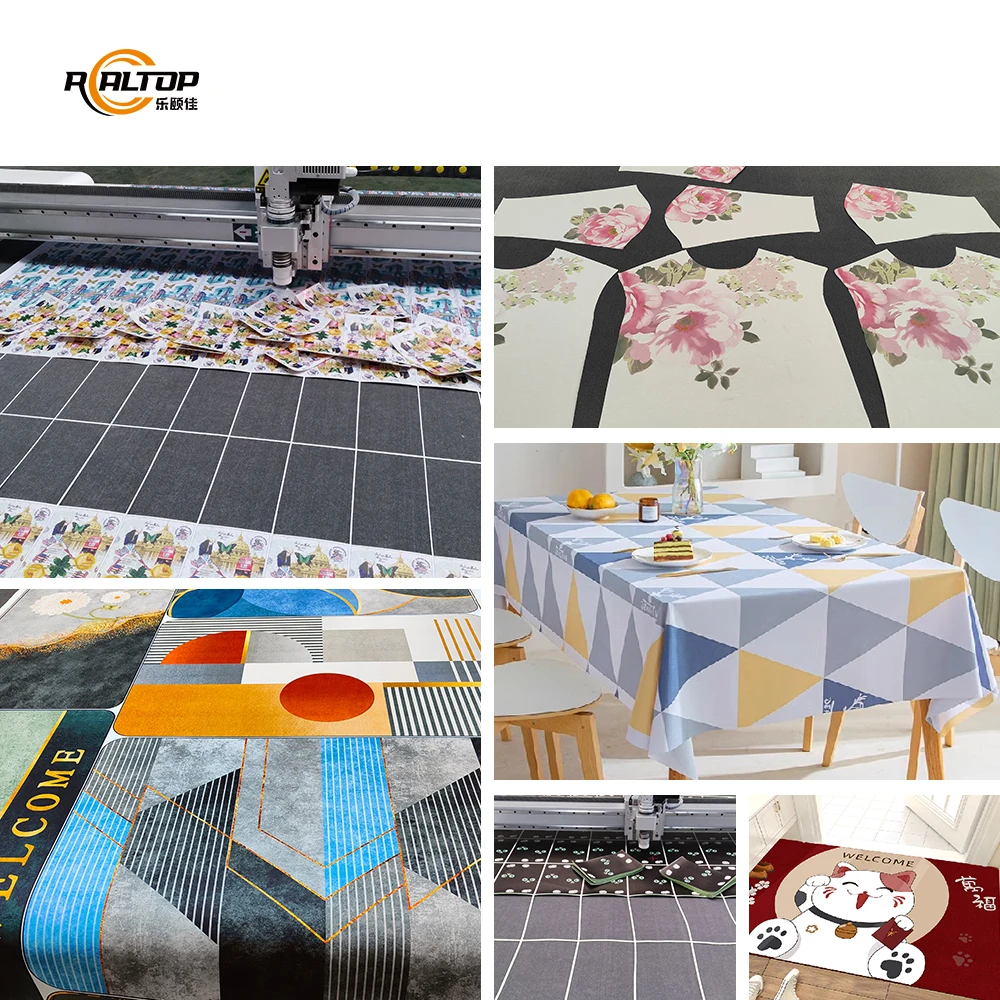
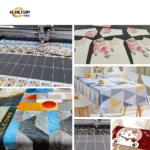
| Apparel manufacturing | Suits, knitwear, lace, pattern-matched fabrics cut in multi-layer lay-ups |
| Automotive interiors | Seat fabrics, carpets, PVC mats with burr-free edge quality |
| Home textiles | Sofa fabrics, curtains, rugs and heavy woven materials |
| Composite processing | Carbon fiber prepreg, aramid, specialty materials without delamination or thermal deformation |
| Footwear and leather goods | Natural and synthetic leather, PU uppers, insole board |
| Gasket and foam fabrication | PTFE, rubber, EVA, closed-cell foam sheets |
Why the Wrong Tool Head Costs More Than the Machine Itself
Specifying a CNC oscillating knife cutting machine by working area alone ignores the variable that actually determines output quality: the tool head matched to your material.
I spent years installing oscillating knife systems across South Asia and Africa, and the pattern repeats itself. A buyer orders a machine based on table size, the factory ships a standard oscillating knife head, and then the first real production run reveals ragged edges on prepreg or crushed foam cores. The machine is not broken. It was simply specified wrong from the start [NEED_CITE: tool head selection criteria for composite and foam cutting]. When carbon fiber prepreg arrives with higher resin tack than the sample used during testing, blade life drops and the production line stops waiting for replacements. That is why every 1625 configuration starts with your actual material, not a catalog default.
Building the Frame and Motion Around the Material
REALTOP manufactures the 1625 CNC oscillating knife cutting machine with an in-house design team that treats the frame, gantry and motion system as one structure. The aluminum bellows vacuum table is machined for flatness across the full 1600 × 2500 mm surface, which matters when small parts in a nesting layout lose hold-down on a zoned table with dead spots. Servo options from Panasonic, Delta or Dorna are selected based on the acceleration profile your material demands, not a one-size catalog pick.
The Vacuum Table Is Where Small Parts Succeed or Fail
Full-surface adsorption through the aluminum bellows design means the 9 kW vacuum pump generates consistent hold-down across the entire cutting bed. On a zoned table with insufficient coverage, lightweight fabric or thin gasket material lifts during high-speed traverses, producing shifted cuts and scrapped pieces. The 1625 platform addresses this at the table design stage rather than relying on the operator to tape edges down [NEED_CITE: vacuum hold-down requirements for flexible material cutting]. This matters especially in nested layouts where small gasket or pattern pieces sit between larger cut-outs.
Reading the Specs That Actually Affect Your Production
Positioning accuracy of ±0.1 mm sets the tolerance floor for contour work on printed fabric and automotive interior panels where edge deviation is visible in the finished assembly. Cutting speed of 0–2000 mm/s is the kinematic ceiling; actual throughput depends on material density, layer count and contour complexity. The interchangeable tool head system — oscillating knife, driven rotary, kiss cutting, pneumatic knife, V groove, creasing wheel and milling — means one platform covers fabric lay-ups, single-ply leather scoring and foam contouring without forcing a second machine onto the floor. File format support for PLT, DXF, AI and PDF ensures the 1625 integrates with your existing nesting workflow and design software rather than requiring a parallel CAD investment. Intelligent nesting with automatic defect avoidance optimizes fabric yield, which on high-cost technical textiles directly affects per-piece cost.
The Hidden Cost of Skipping Material Validation
I once commissioned a cutting line at a composite fabricator where the standard test used plain carbon fiber cloth, but the customer’s real incoming material was high-temperature-cure prepreg with aggressive resin tack. Blades dulled within days and output dropped by half while the production line sat idle waiting for tooling. That line did not have a machine problem. It had a specification problem. Without a sample cutting report run on your actual material — documenting edge quality, blade wear rate and cycle time — you are buying a machine on faith [NEED_CITE: material validation protocols in CNC cutting procurement]. Voltage mismatch adds another layer of failure; a 380V machine delivered to a 220V workshop does not underperform gracefully, it fails outright.
Why Buyers Source This Platform from REALTOP
The 1625 is designed and built under one roof, which means a buyer can change the tool head specification or vacuum table zoning during the engineering phase without waiting on third-party integration. Sample cutting runs on your exact material before order commitment provide documented edge quality and cycle time data. Electrical schematics with voltage confirmation are issued for your target market before production begins, preventing the costly rewiring that happens when assumptions replace specifications. Software compatibility — file format import, nesting workflow, control language — is confirmed at the order stage so the machine arrives ready for your existing production environment. CE documentation is available where applicable for market entry requirements.
Documentation & Verification
- Machine specification sheet with tool head and table configuration matched to your material
- Electrical schematic and voltage confirmation for your target market before production starts
- Sample cutting report on your actual material documenting edge quality and cycle time
- Software licence and file format compatibility note for PLT, DXF, AI and PDF integration
- Factory test record with positioning accuracy verification before dispatch
- Operation and maintenance manual in your specified control language
Installation, Commissioning & Support
- 3300 × 2100 × 1350 mm footprint requires level concrete floor with clearance for material loading on all sides
- 9 kW vacuum pump plus servo and control loads require a dedicated circuit matched to your confirmed voltage option
- Machine ships as integrated frame with gantry; on-site assembly covers leveling, vacuum connection and servo calibration
- First-run commissioning includes tool head offset calibration, vacuum zone verification and nesting test on your material
- Operator training covers PLC interface navigation, tool change procedure and daily blade inspection routine
- Spare parts list covers blades, knife holders and vacuum seals with recommended reorder intervals
What to Include in Your Inquiry
Send the material type, thickness, sheet or roll dimensions and your daily volume target so the tool head and vacuum configuration can be matched before quotation. Specify your workshop voltage, frequency and preferred control language to prevent post-delivery electrical rework. If your production involves printed contour cutting or multi-layer nesting, include file samples so software compatibility is verified against your actual workflow before the order is confirmed.
Frequently Asked Questions
Q: How do I choose the right tool head for my material?
A: The 1625 supports seven tool head types including oscillating knife, driven rotary, kiss cutting and pneumatic knife. Selection depends on material type, thickness and required edge quality. We run sample cuts on your actual incoming material before order confirmation, documenting blade wear and edge finish so the tool head is specified on evidence rather than assumption.
Q: What voltage and plug options are available before shipment?
A: The 1625 is configurable for 110V, 220V or 380V systems. Voltage, plug type and control language are confirmed at the order stage and documented in the electrical schematic issued before production. This prevents the common situation where a machine arrives at a workshop with incompatible power supply requirements.
Q: Is the vacuum table adequate for very small parts?
A: The aluminum bellows vacuum table provides full-surface adsorption across the 1600 × 2500 mm working area. For small parts in a nested layout, we review your typical nesting pattern during the specification phase to confirm hold-down is sufficient. Zoning adjustments can be addressed at the engineering stage before the table is manufactured.
Q: Will the software work with my existing design files?
A: The control system accepts PLT, DXF, AI and PDF formats. Intelligent nesting with automatic defect avoidance is included. During the inquiry stage we verify file import compatibility against your actual design workflow and nesting requirements, and provide a software licence note confirming integration before the machine ships.
Q: Can I see cutting results on my own material before committing?
A: Sample cutting on the buyer’s own material is a standard step in the sales process. You receive a documented sample cutting report showing edge quality, cycle time and blade wear on your exact material, so the purchase decision is based on verified performance rather than catalog specifications.
You may also like

商品评价
Clear filtersThere are no reviews yet.