



-
 Courier delivery
-
 DHL Courier delivery
-
 Warranty 1 year
-
 Free 30-Day returns

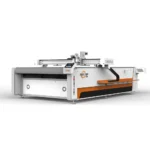
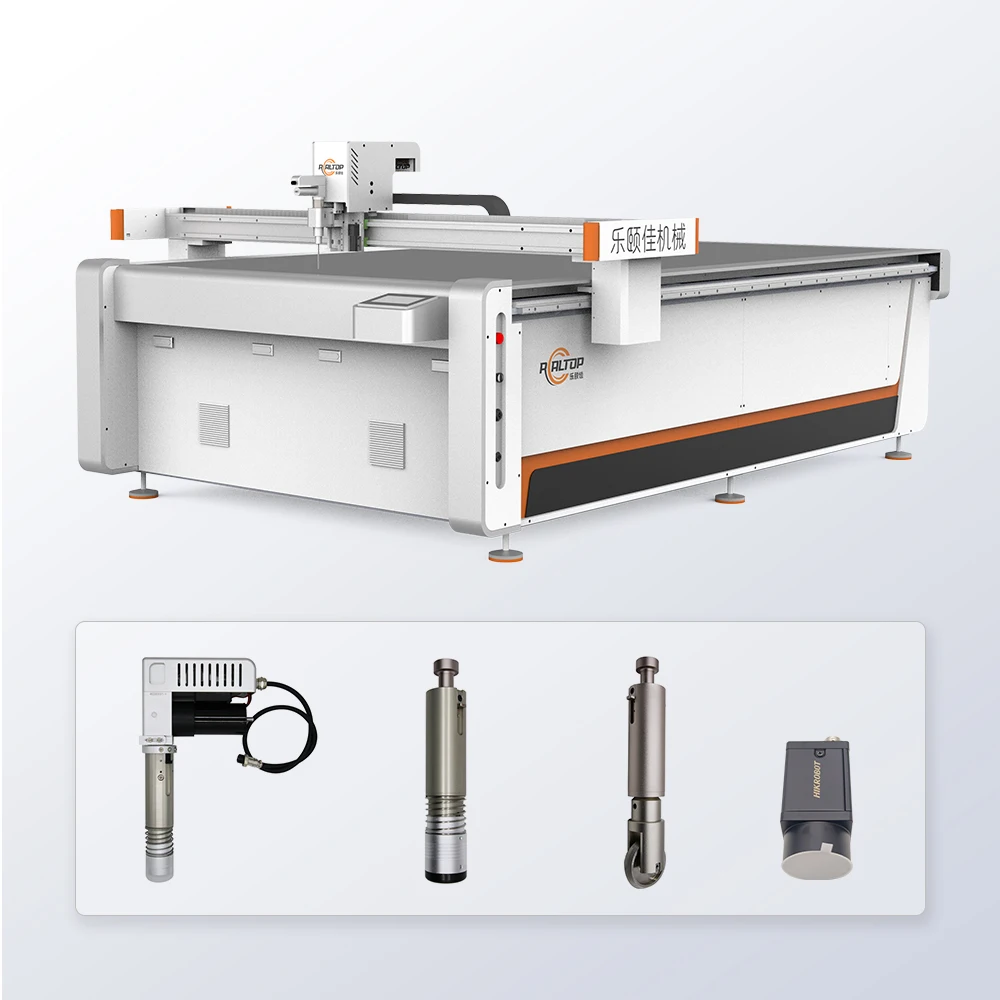
Material-matched cutting systems — Tool heads and vacuum configurations selected against your specific fabric, leather or composite rather than forcing a single setup across different production runs.
Technical Specifications
| Parameter | Value |
|---|---|
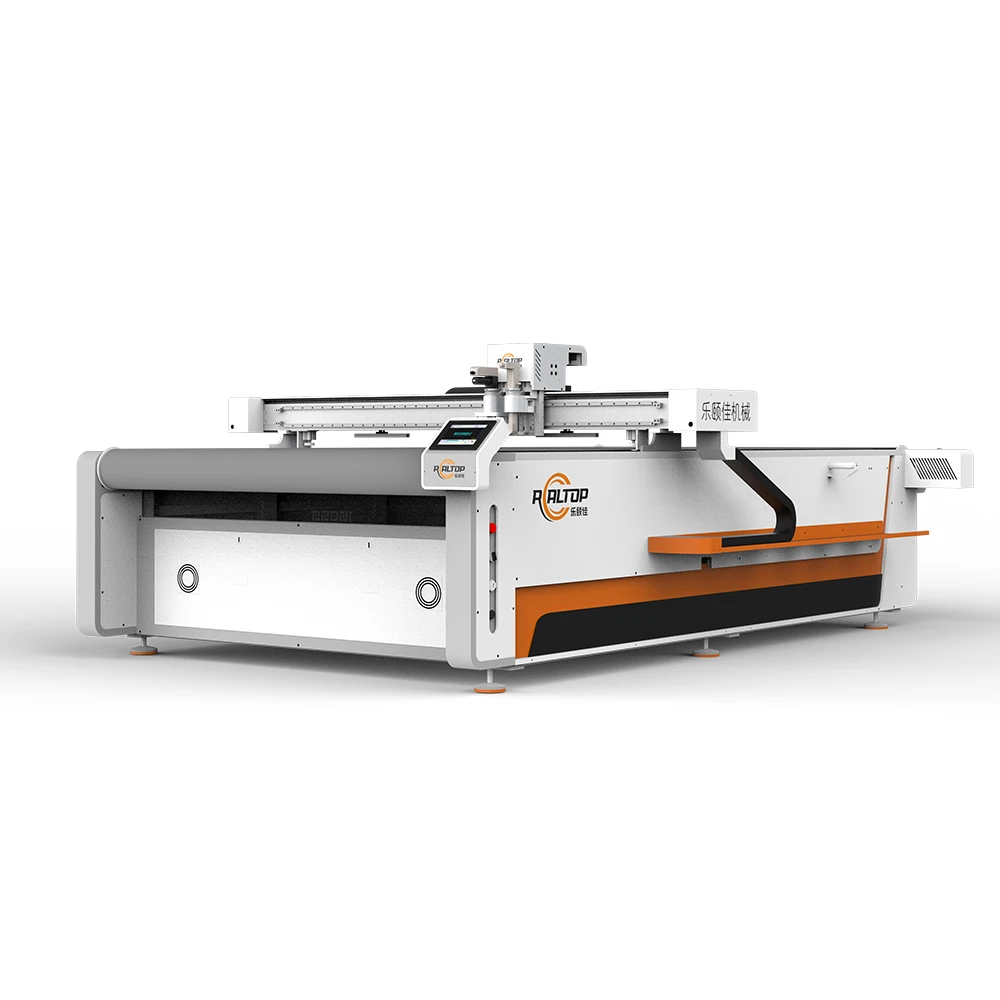
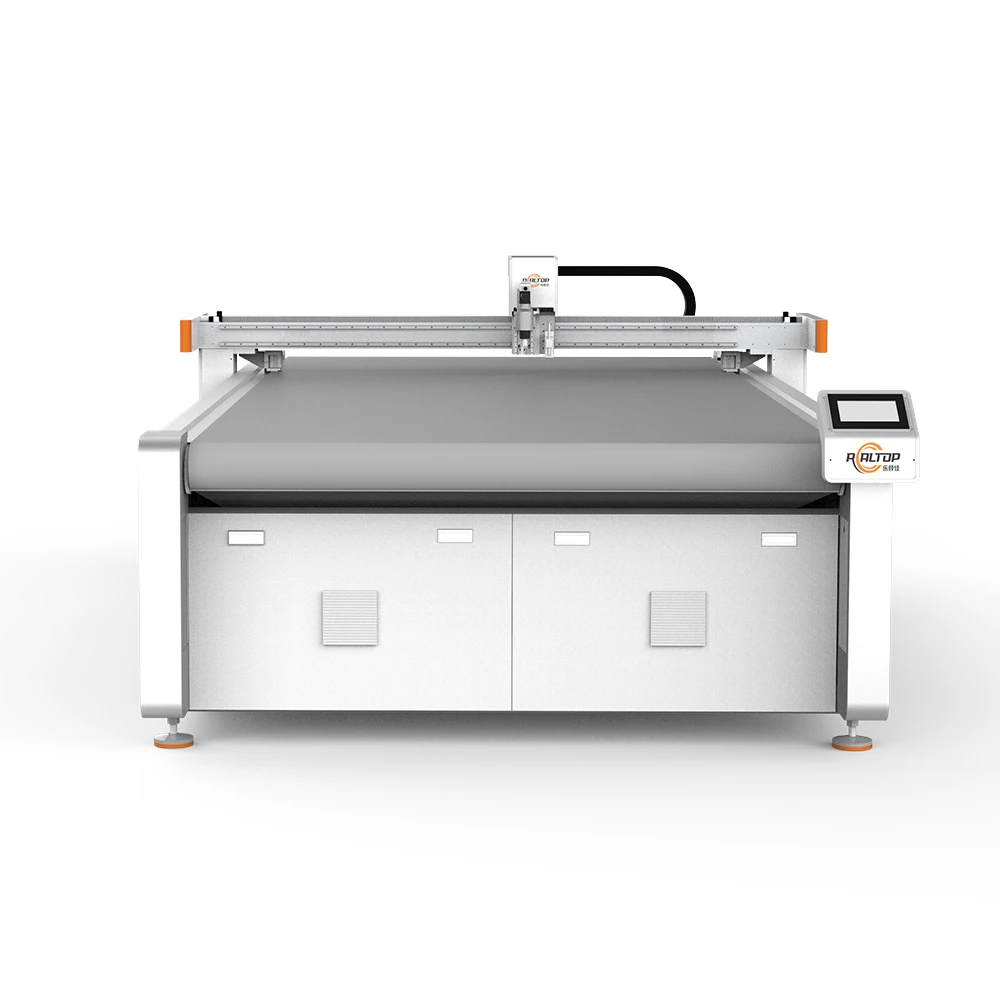
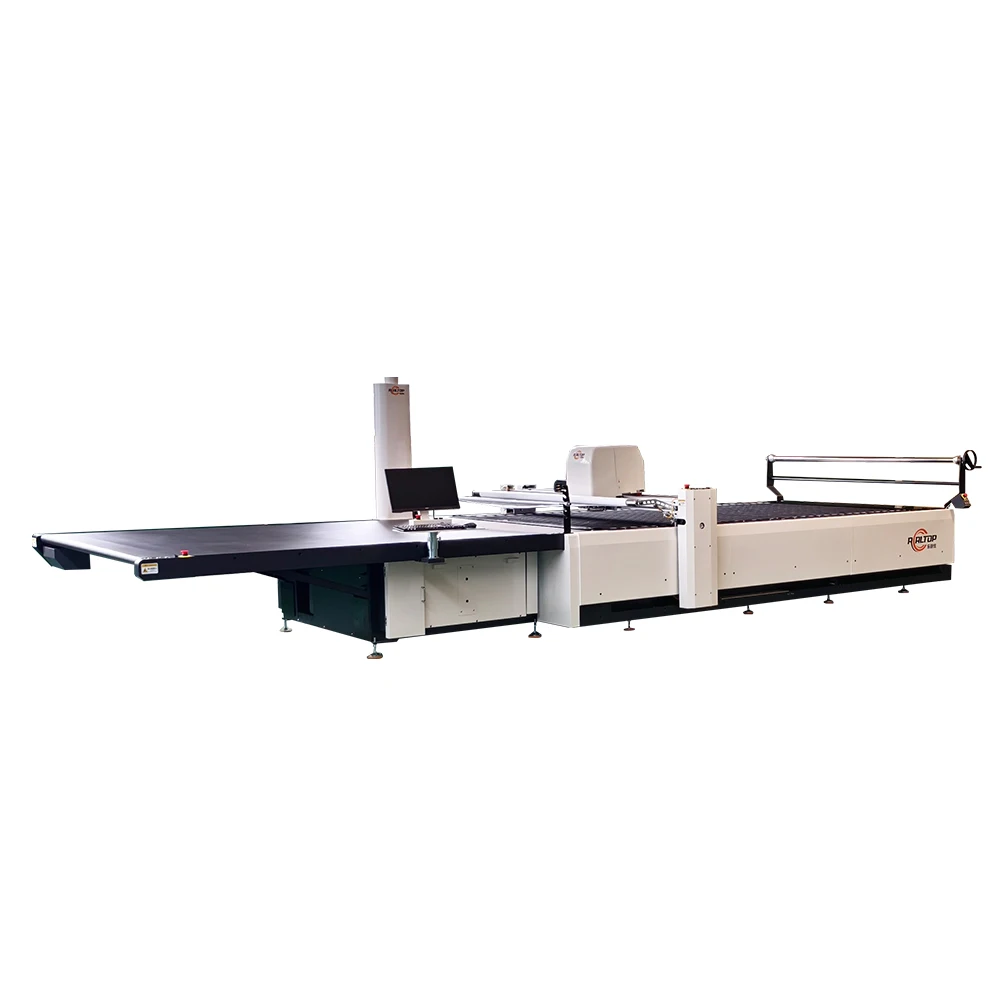
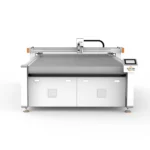
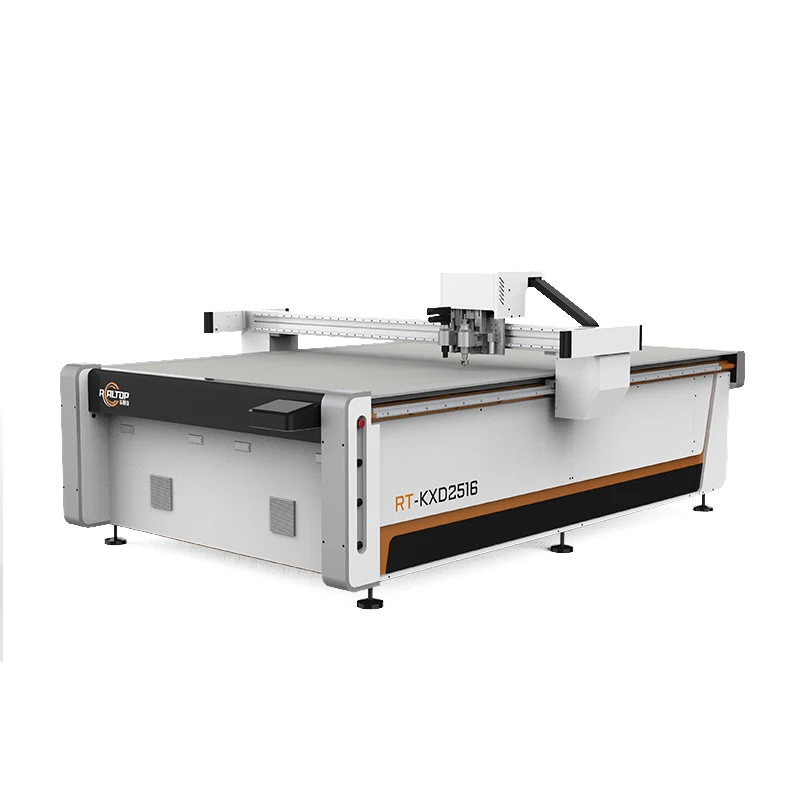
| Product Type | CNC Oscillating Knife Cutting Table |
| Working Area | 1600×2500 mm |
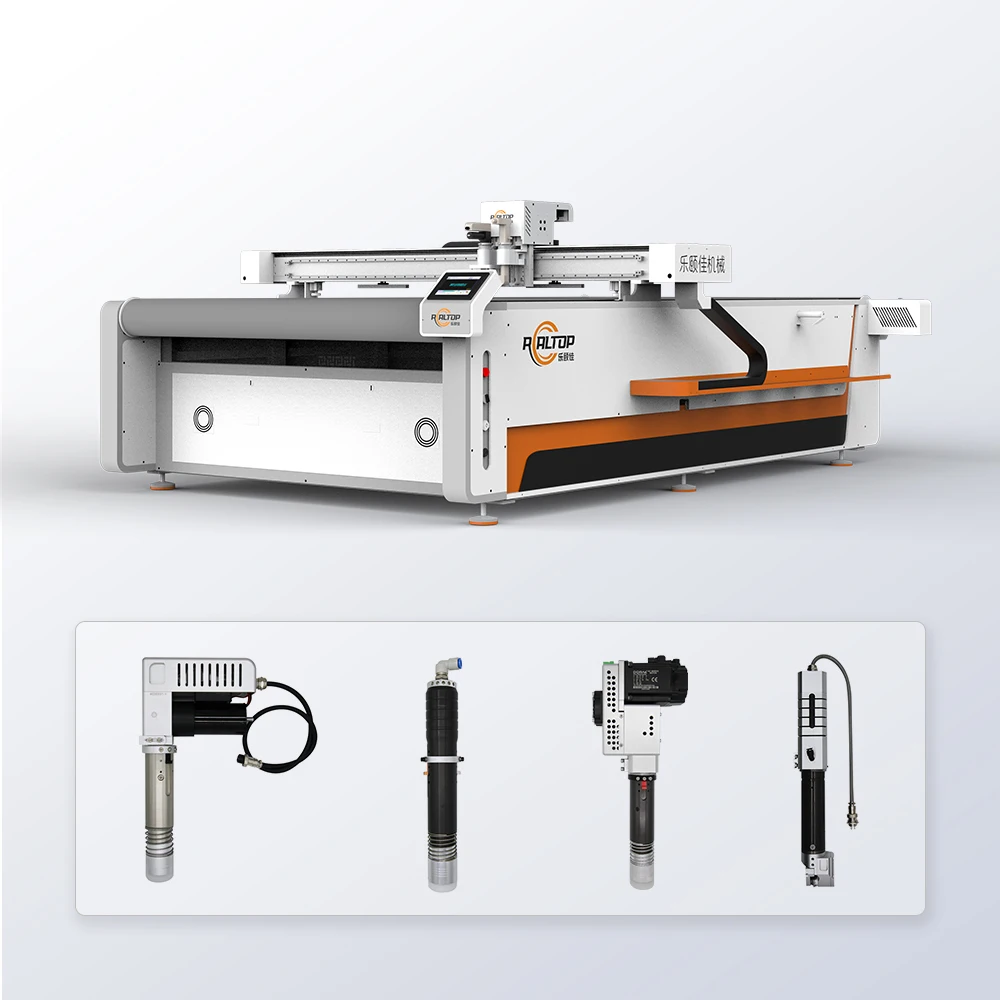
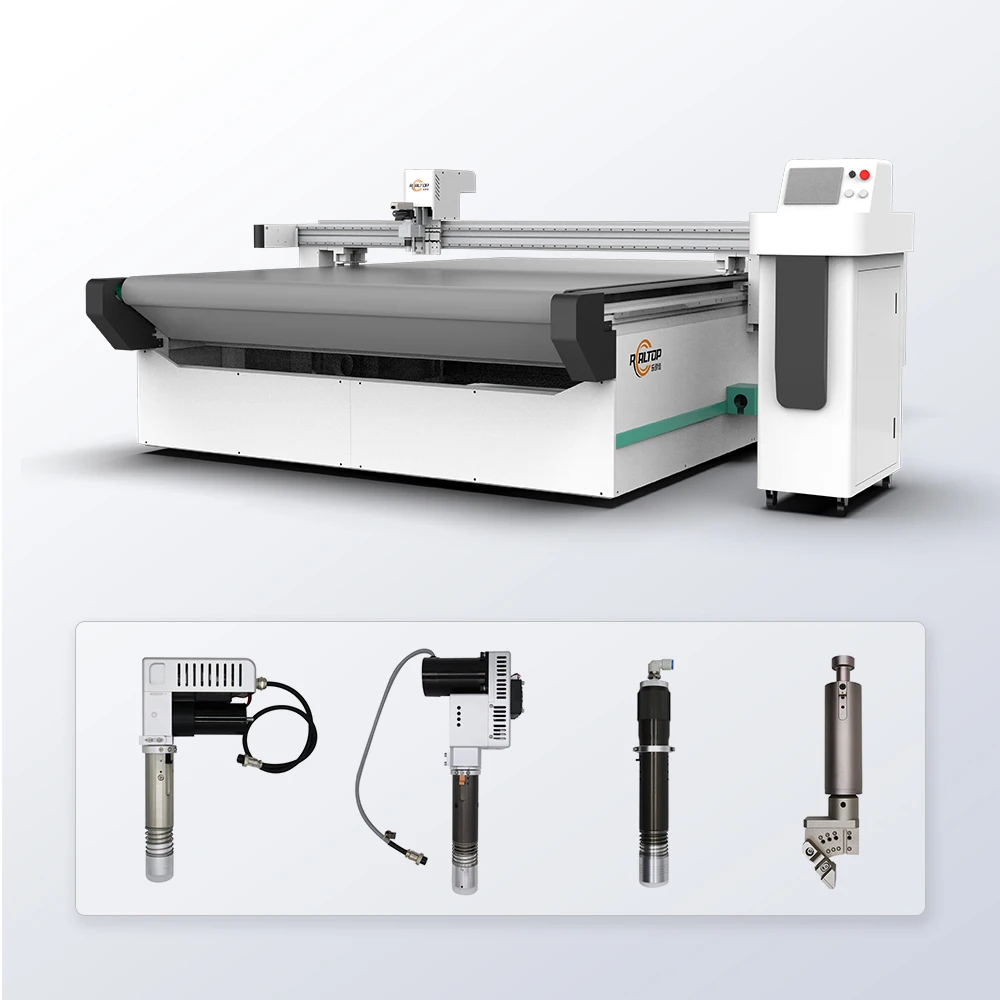
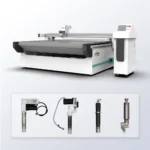
| Tool Head Options | Oscillating knife, Driven rotary knife, Creasing wheel, Kiss cutting tool, Pneumatic knife, Milling tool, V groove knife |
| Cutting Thickness | Up to 30 mm (basis to be confirmed by material type) |
| Cutting Speed | 0–2000 mm/s (basis to be confirmed by material, thickness and tool head) |
| Positioning Accuracy | ±0.1 mm |
| Vacuum Pump | 9 kW |
| Vacuum Table | Aluminum bellows vacuum table |
| Servo Motor Options | Panasonic, Delta, Dorna |
| Control System | PLC with intuitive interface |
| Supported File Formats | PLT, DXF, AI, PDF |
| Voltage Options | 110V, 220V, 380V |
| Safety Features | Infrared sensor device, emergency stop device |
| Machine Dimensions | 3300×2100×1350 mm |
| Machine Frame | Heavy-duty frame with precision-ground surface |
| Software | Dedicated packaging box structure design software included |
| Language Options | English, Russian, Italian, Chinese, custom languages available |
| Compliance | CE declaration |
Application Suitability
| Application | Material or Output |
|---|---|
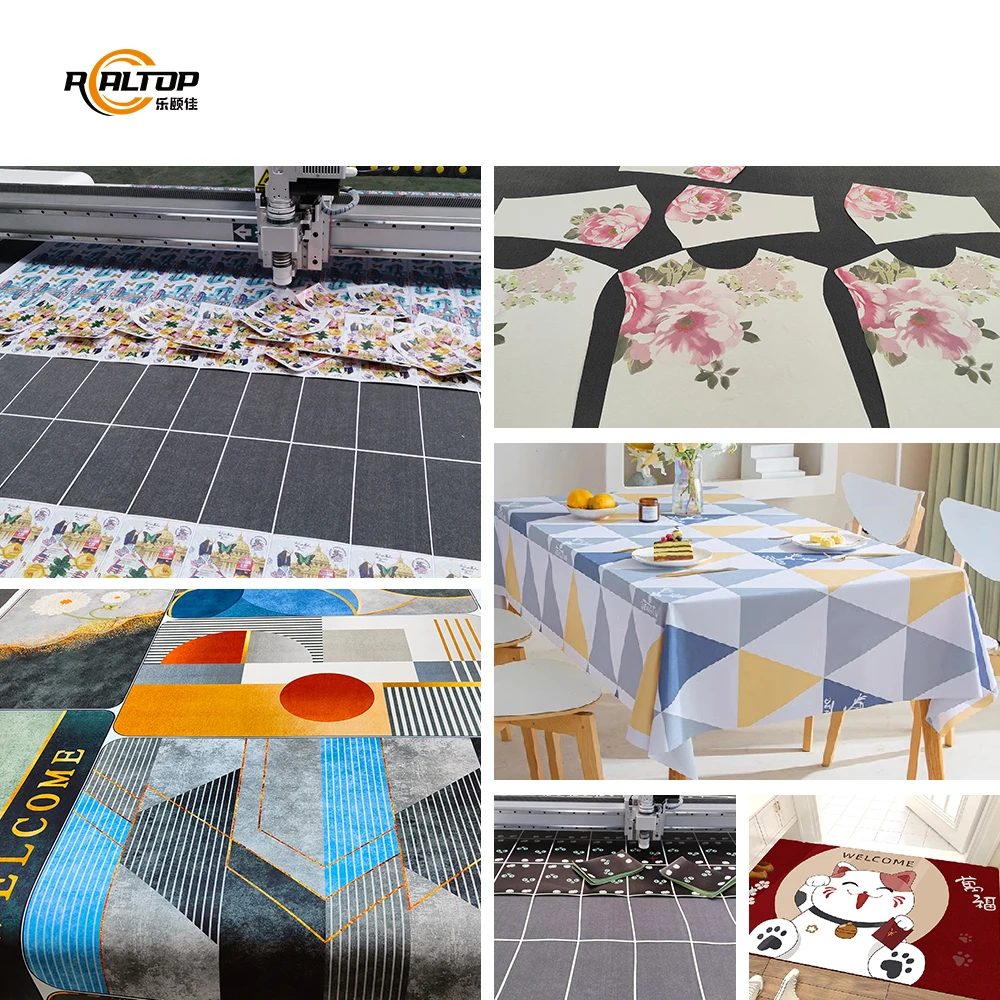
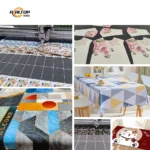
| Apparel manufacturing | Suits, knitwear, lace, complex multi-layer fabrics |
| Automotive interiors | Seat fabrics, carpets, PVC floor mats |
| Home textiles | Sofa upholstery fabrics, curtains, woven rugs |
| Composite material processing | Carbon fiber prepreg, aramid layups |
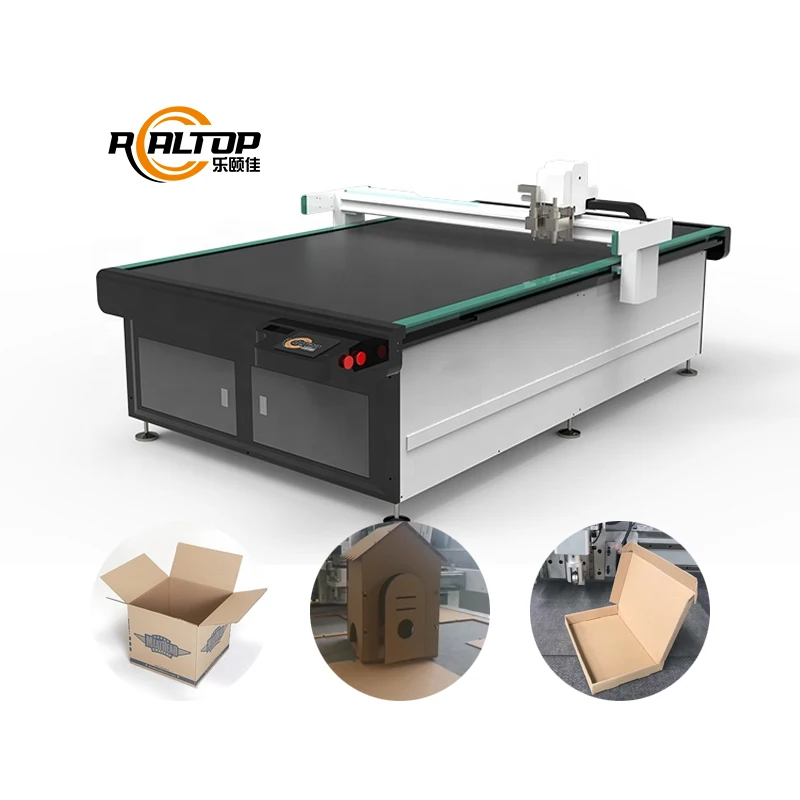
| Packaging sample making | Cardboard, corrugated carton, foam inserts |
| Gasket and seal production | PTFE, rubber, EVA sheets |
Why "One Machine Cuts Everything" Leads to Ragged Edges
The cutting method must match the material, not the other way around.
A buyer once specified a cutting table based solely on working area, assuming any flexible material within the thickness range would behave identically on the same oscillating knife. When production switched from cotton jersey to coated waterproof textile, the edge quality degraded noticeably — fibers frayed, and the blade path left micro-tears along curved contours. [NEED_CITE: material-dependent cutting behavior in technical textiles] The tool head that performed well on natural fibers was wrong for the coated substrate. A CNC Oscillating Knife Cutting Table manufacturer should specify the tool head, blade profile and vacuum zoning against each material before the order is placed, not after the machine arrives on the shop floor.
Interchangeable Tool Heads for Distinct Material Behaviors
This system offers seven tool head options including oscillating knife, driven rotary knife, creasing wheel, kiss cutting tool, pneumatic knife, milling tool and V groove knife. Each addresses a different material response — the driven rotary knife suits continuous textile cutting where woven edges must remain sealed, while the pneumatic knife handles thicker foam and gasket stock that would crush under a standard oscillating blade. Selecting the correct tool head during configuration eliminates the trial-and-error period that otherwise consumes the first weeks of production on a new CNC Oscillating Knife Cutting Table.
Vacuum Table Design and Small-Part Holding
The aluminum bellows vacuum table provides high flatness across the 1600×2500 mm work surface, and the 9 kW vacuum pump generates sufficient negative pressure for multi-layer fabric stacks. [NEED_CITE: vacuum hold-down requirements for flexible material cutting] However, small cut parts — such as collar stays or gasket rings — can lift if the vacuum zoning does not match the nest layout. The table configuration should be discussed in relation to your typical part geometry and sheet utilization pattern so that zoning segments align with the nesting software output rather than operating as a single undivided zone.
Reading the Specifications Against Your Production Reality
The stated cutting speed of 0–2000 mm/s and cutting thickness of up to 30 mm are maximum ranges; actual throughput depends on the material density, number of fabric layers and selected tool head. A single-layer aramid cut at full speed behaves very differently from a 30-layer stack of knit jersey. The ±0.1 mm positioning accuracy is achievable on the heavy-duty precision-ground frame, but maintaining that tolerance over long production runs requires the servo system — available with Panasonic, Delta or Dorna motors — to be tuned for the specific inertia of the cutting head in use. File format compatibility with PLT, DXF, AI and PDF ensures that most pattern workflows can feed directly into the PLC control without intermediate conversion steps. The included packaging box structure design software adds a layer of capability for sample-making environments where carton and insert prototypes are produced alongside textile cutting.
The Hidden Cost of Underspecified Configurations
When the vacuum table zoning is too coarse for the part mix, small pieces shift during the final cuts, producing scrap that accumulates across a full shift. [NEED_CITE: material lift and registration loss during flatbed cutting] A machine configured without confirming the buyer’s voltage standard may require an on-site transformer — an unplanned cost that delays commissioning. Similarly, control panel language and software file compatibility left unconfirmed before shipment mean the operator cannot run production on day one, turning installation into a multi-day troubleshooting exercise.
Why Source This Equipment From the Factory
The design team and core factory handle both knife and laser cutting technologies under one roof, so the cutting method is matched to your material rather than limited to whatever a single-technology supplier offers. Tool head and table configuration is specified per material and production volume, documented before the order goes into build. Voltage, plug type and control language are confirmed for the destination market. Sample cutting runs on the buyer’s own material take place before commitment, providing a physical benchmark rather than a catalog claim. The PLC control interface and available language options reduce the training curve for operators in different regions.
Documentation & Verification
- Factory test record on your specific fabric weight and layer count before dispatch
- Tool head and vacuum table configuration list matched to your material data sheet
- Electrical schematic and voltage confirmation for destination market standards
- Sample cutting report with edge quality photographs on buyer-supplied material
- Software license and file format compatibility note for your existing CAD workflow
- CE declaration documentation with applicable machinery directive references
Installation, Commissioning & Support
- 3300×2100×1350 mm footprint requires level concrete floor with clearance for sheet loading on both sides
- Dedicated circuit matching confirmed voltage (110V, 220V or 380V) with appropriate breaker rating for the 9 kW vacuum pump plus servo load
- Machine ships partially assembled; frame leveling and vacuum table calibration completed on site
- First-run parameter tuning for oscillation frequency, blade depth and vacuum zoning against your material stack
- Operator training on PLC interface, tool head changeover and nesting file import in confirmed language
- Spare blade inventory and pneumatic knife seal kit provided based on expected weekly cutting hours
What to Include With Your Inquiry
Provide the material types you cut most frequently, including coating or lamination details, along with typical sheet dimensions and layer counts per cut. Specify your facility voltage and frequency, preferred control language and any existing nesting or CAD software in use. If your production includes printed contour work, describe the registration mark format so that the configuration can be evaluated before quotation.
Frequently Asked Questions
Q: How do I verify the cutting capacity for my specific material before ordering?
A: Submit sample material to the factory for a test cut. The report documents tool head used, blade type, cutting speed, edge quality and any fraying or delamination observed. This physical benchmark confirms whether the configuration handles your actual production stock, not just a generic catalog material.
Q: What voltage customization is available for different export markets?
A: The system supports 110V, 220V and 380V configurations. Voltage, plug type and frequency are confirmed during the specification stage so that the electrical cabinet, vacuum pump motor and servo drives are built to your local grid standard, avoiding the need for external transformers after delivery.
Q: How is the tool head selected for my material and edge quality requirement?
A: Tool head selection is based on material composition, thickness, coating presence and required edge finish. The factory maps each of the seven available tool heads against these factors and documents the recommendation in the configuration list before production begins, eliminating guesswork during commissioning.
Q: Which file formats and control languages does the system support?
A: The PLC control accepts PLT, DXF, AI and PDF files. Interface language options include English, Russian, Italian, Chinese and custom languages on request. File format and language are confirmed before shipment so operators can begin production without software conversion delays.
Q: What OEM or custom configuration options are available from the factory?
A: The factory handles custom working area requests, tool head combinations, vacuum table zoning layouts and software integrations. Servo motor brand preference (Panasonic, Delta or Dorna) and safety device requirements are accommodated during the design stage, with updated schematics provided for approval before the build commences.
You may also like

商品评价
Clear filtersThere are no reviews yet.