


-
 Courier delivery
-
 DHL Courier delivery
-
 Warranty 1 year
-
 Free 30-Day returns

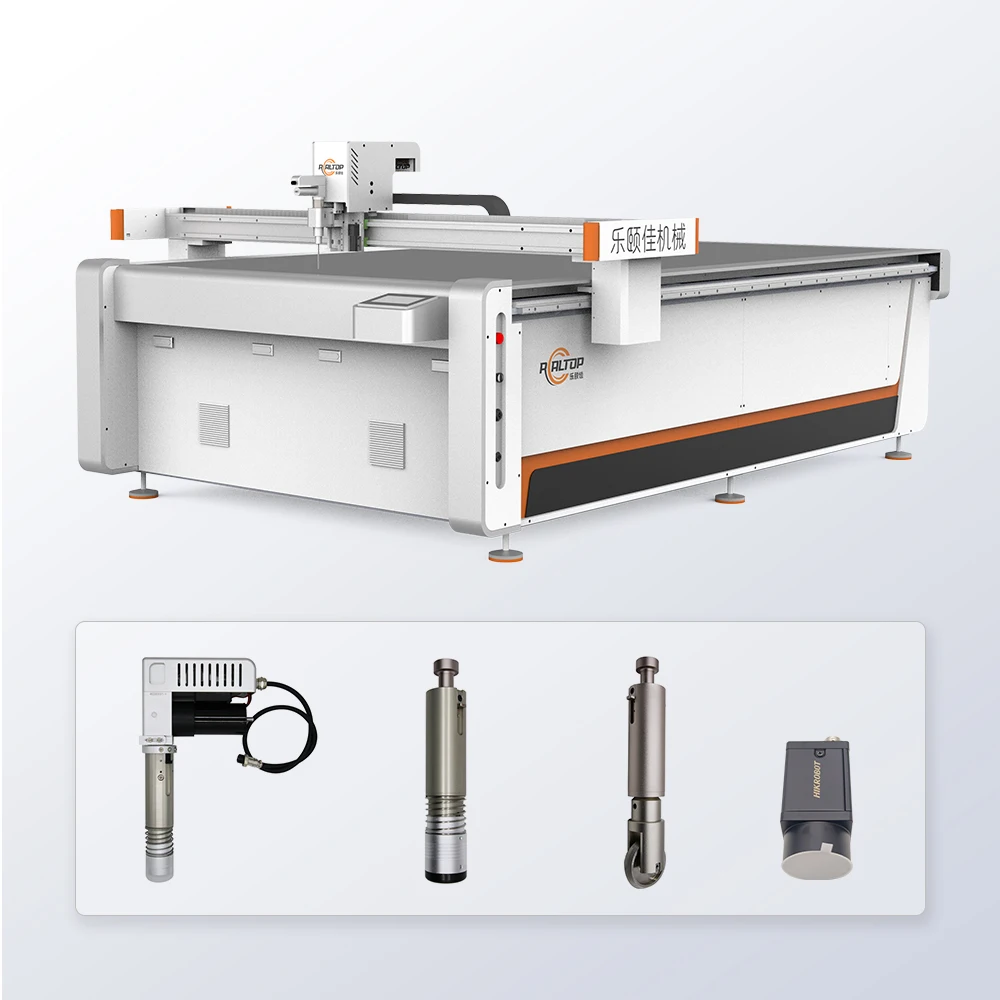
Tool Head Matched to Material — our in-house engineering team pairs oscillating knife, driven rotary, and pneumatic tools to your fabric stack after live sample testing, preventing ragged edges before the machine ever ships.
Technical Specifications
| Parameter | Value |
|---|---|
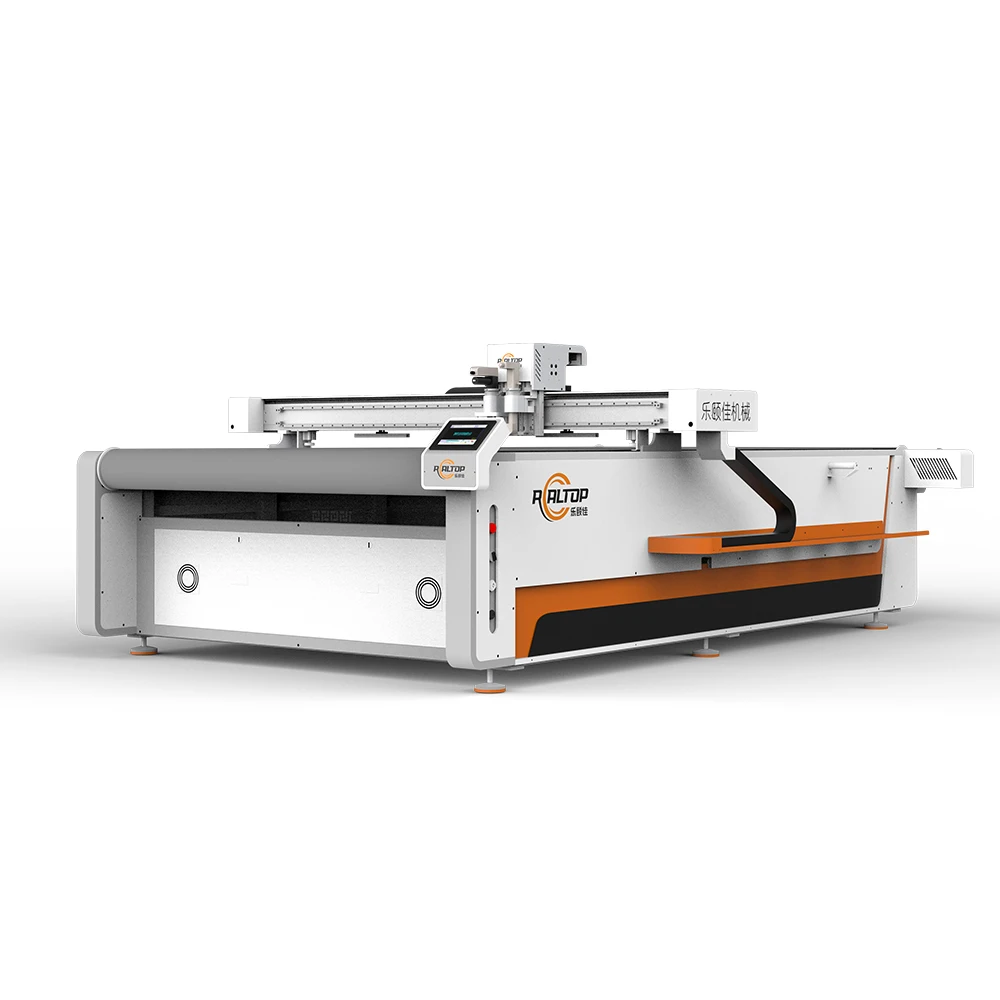
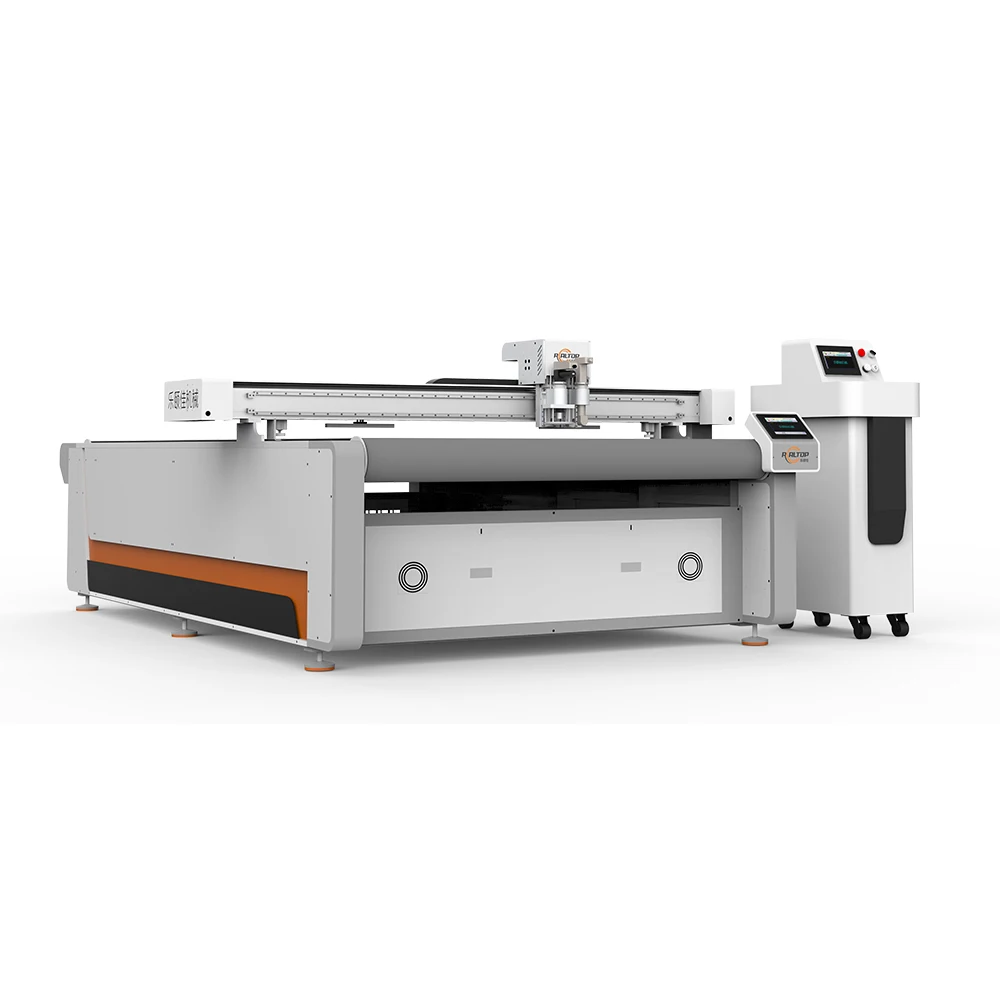
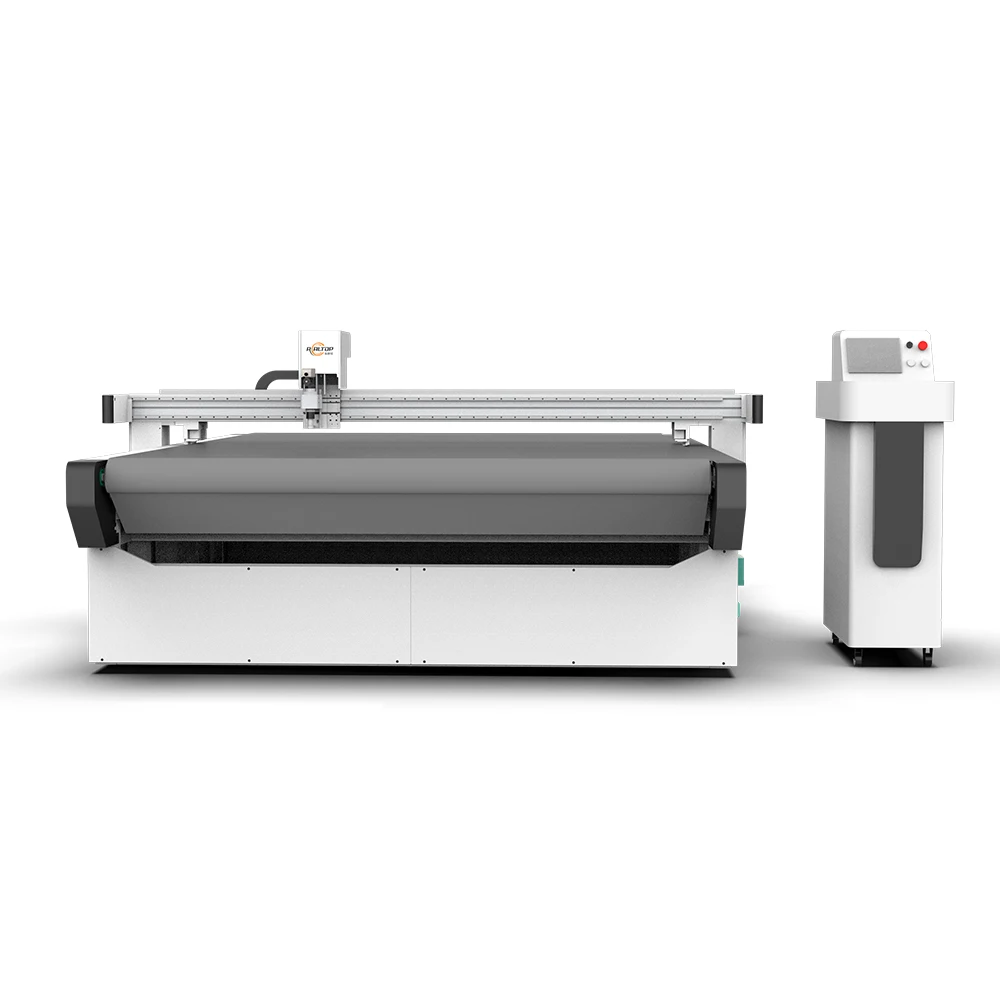
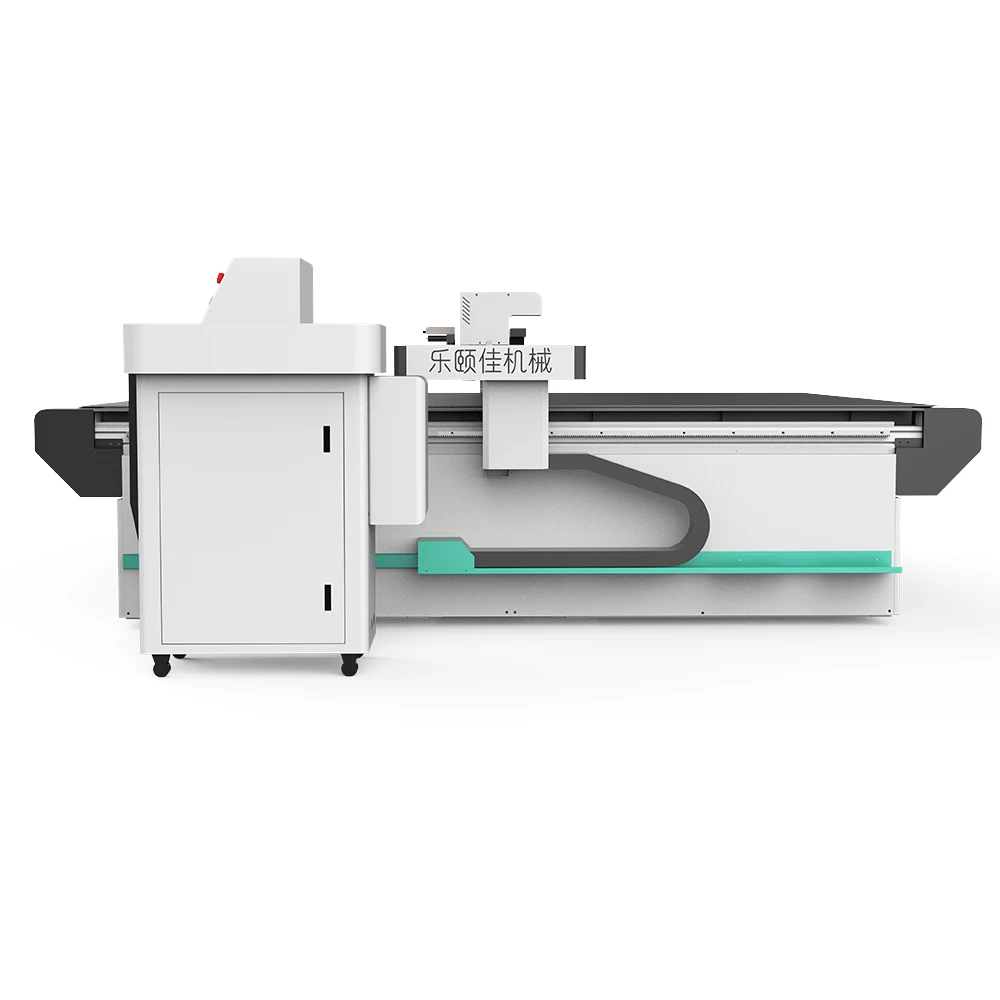
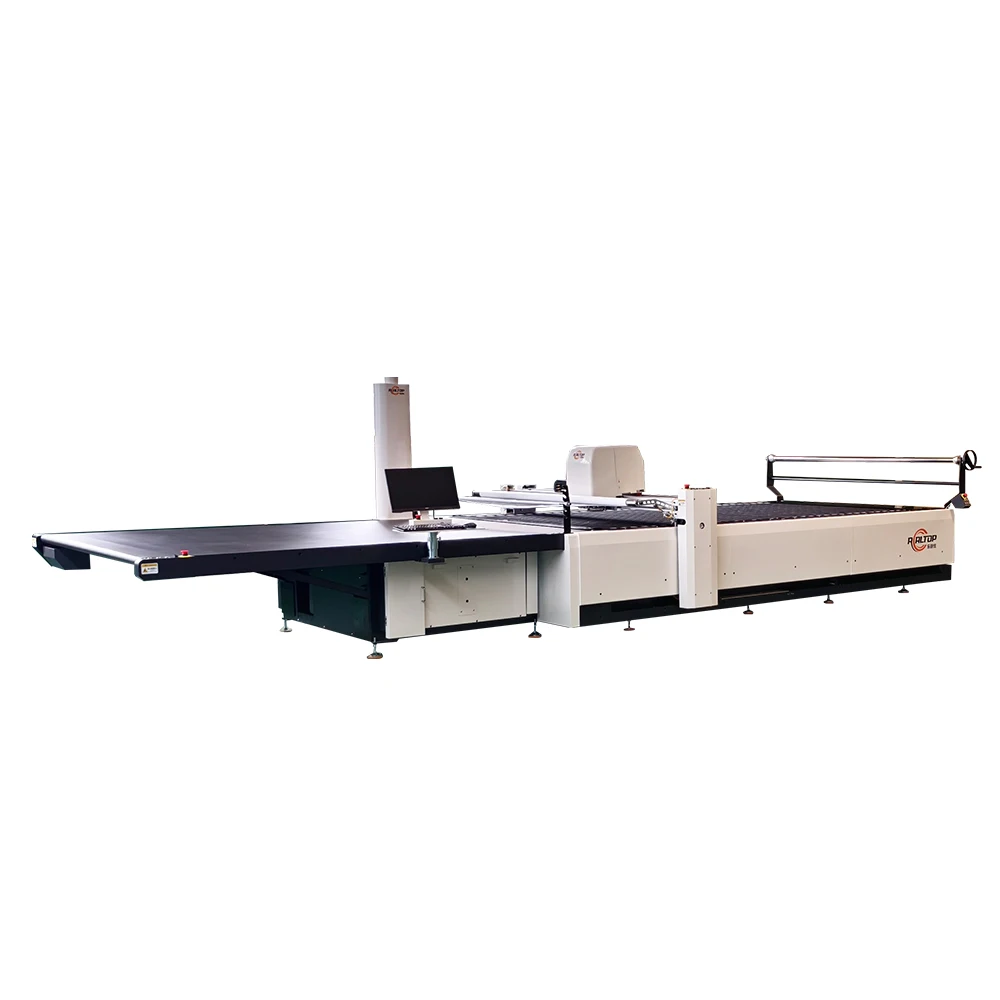
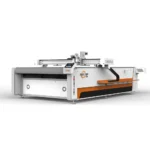
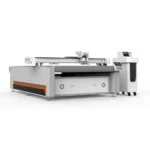
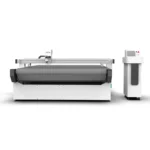
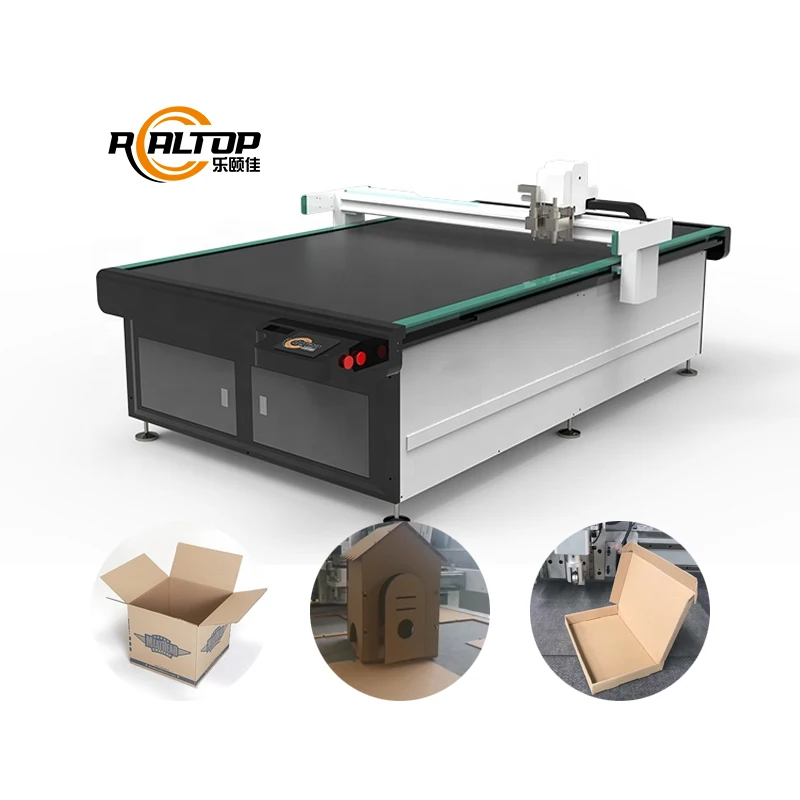
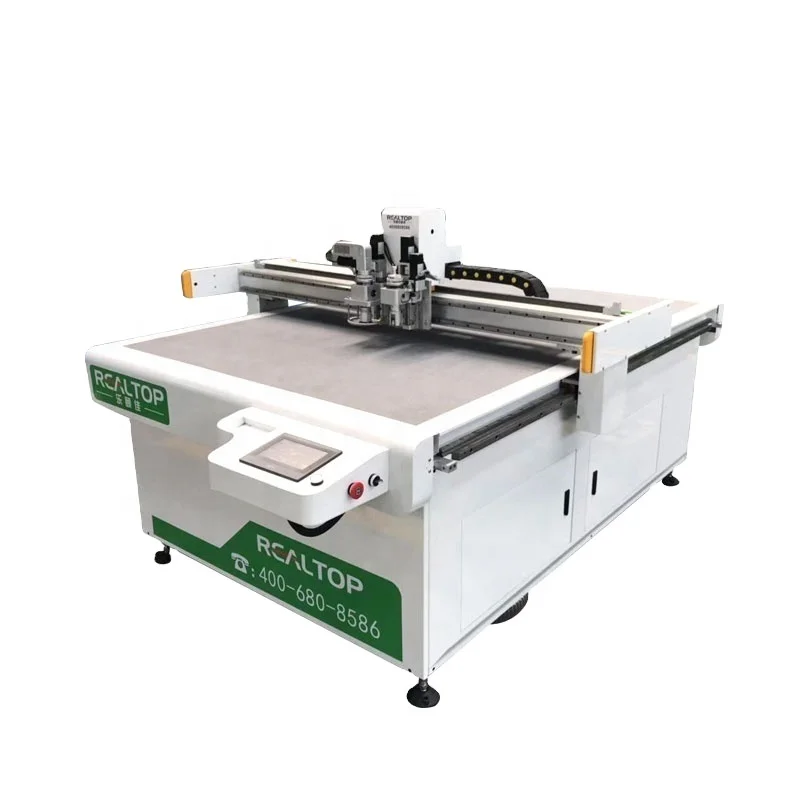
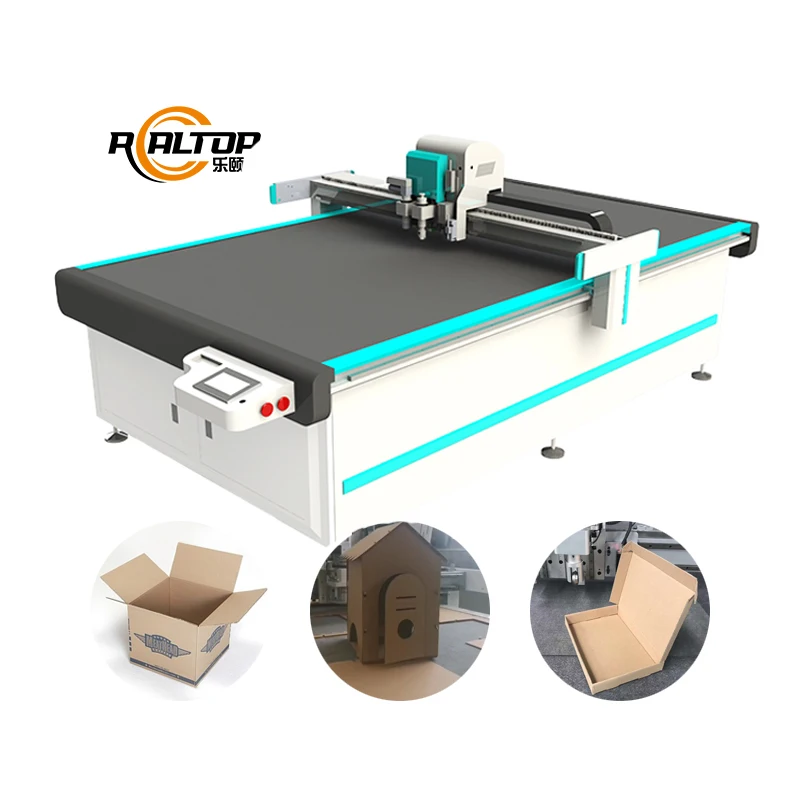
| Product Type | CNC Flatbed Digital Fabric Cutting Machine |
| Working Area | 1600 × 2500 mm |
| Cutting Speed | 0–2000 mm/s |
| Cutting Thickness | ≤ 30 mm (basis not stated in source — confirm material type and density) |
| Cutting Accuracy | ±0.1 mm |
| Tool Head Options | Oscillating knife, Driven rotary knife, Creasing wheel, Kiss cutting tool, Pneumatic knife, Milling tool, V groove knife |
| Vacuum Table Type | Aluminum bellows vacuum table |
| Vacuum Pump Power | 9 kW |
| Control System | PLC control panel |
| Servo Motor Options | Panasonic, Delta, Dorna |
| File Format Compatibility | PLT, DXF, AI, PDF |
| Voltage Options | 110V / 220V / 380V |
| Safety Devices | Infrared sensor, Emergency stop |
| Machine Dimensions (L×W×H) | 3300 × 2100 × 1350 mm |
| Software Language Options | English, Russian, Italian, Chinese (custom languages available) |
| Certification | CE |
Application Suitability
| Application | Material or Output |
|---|---|
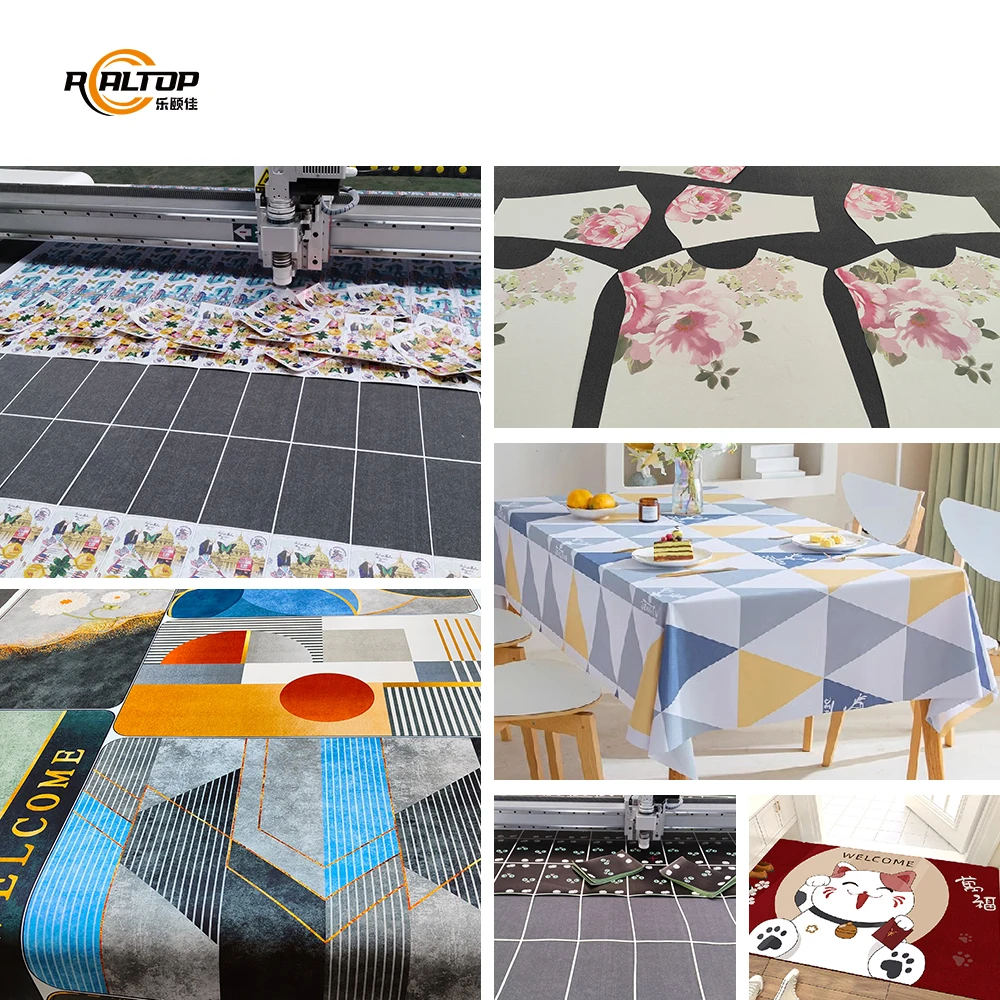
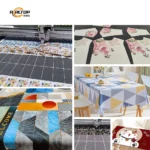
| Apparel manufacturing | Suits, knitwear, lace, complex patterned fabrics (single and multi-ply) |
| Automotive interiors | Seat fabrics, carpets, PVC mats requiring burr-free cold-cut edges |
| Home textiles | Sofa fabrics, curtains, rugs in multi-layer stacks |
| Composite processing | Carbon fiber prepreg, aramid, specialty flexible materials |
| General flexible materials | Leather, EVA, foam, PTFE, rubber, cardboard |
Why "Cutting Thickness up to 30 mm" Needs a Closer Look
Stack height capability depends entirely on fabric density, ply composition, and the tool head selected.
A CNC fabric cutting machine manufacturer quoting a single thickness figure without specifying the material basis leaves buyers exposed. I have seen lines go down because a machine rated for 30 mm on soft foam could not penetrate a 12 mm stack of coated technical textile with a fiberglass interlayer. The blade chattered, edges frayed, and the operator had to slow the feed rate to a fraction of the quoted speed just to get acceptable quality [NEED_CITE:]. That is why we run every fabric a buyer sends through actual cutting trials and document the achievable speed, edge condition, and tool wear before any order is confirmed.
How We Match Tool Heads to Your Fabric Stack
Choosing between an oscillating knife and a driven rotary knife is not a catalog exercise. Woven fabrics with tight weaves respond well to high-frequency oscillation, while knits and stretch materials often need the continuous shearing action of a rotary tool. For multi-layer stacks of automotive seat fabric, a pneumatic knife can maintain consistent*e bottom plies. We test each option on your actual material roll and record the results so the configuration is locked before production begins.
Vacuum Zoning and Material Hold-Down in Practice
Multi-layer cutting fails the moment the bottom ply shifts. The aluminum bellows vacuum table on this platform provides full-surface adsorption across the 1600 × 2500 mm bed, but flatness alone is not enough. Small pattern pieces near the table edges can lift if the vacuum zoning does not isolate those sectors. We configure the vacuum zones to match your typical nesting layout so that every piece, whether a large seat panel or a small gusset, stays pinned through the entire cut cycle [NEED_CITE: vacuum hold-down requirements for multi-layer fabric cutting].
What the Specs Mean on the Shop Floor
The ±0.1 mm repeat positioning accuracy matters most when you are cutting patterned fabric that must align across panels. A drift of even half a millimeter on a nested layout of suit jackets means the plaid or stripe will not match at the seams downstream. The PLC control panel imports DXF, PLT, AI, and PDF files directly, so your existing nesting workflow transfers without file conversion errors. Servo motor selection from Panasonic, Delta, or Dorna affects acceleration response and long-term positioning stability; we recommend based on your daily volume and the complexity of the contours you cut most often. The 9 kW vacuum pump is sized to sustain adequate suction across the full working area even when cutting porous woven materials that bleed air through the weave.
The Cost of Specifying on Working Area Alone
Buyers who select a machine based only on bed size often discover that the vacuum pump cannot hold small pieces, the tool head produces frayed edges on their specific weave, or the software cannot import their nesting files. These problems surface during production, not during the factory demo. Re-tooling, re-wiring voltage, or replacing the vacuum pump after delivery costs far more than getting the configuration right before the crate is sealed [NEED_CITE: common post-delivery reconfiguration costs in CNC cutting equipment].
Why Source This Platform from REALTOP
REALTOP designs and builds both knife and laser cutting platforms in-house, meaning the cutting method is selected to fit your material rather than forced into whatever technology happens to be on the showroom floor. Every tool head and table configuration is specified per your material and production volume, documented in a written configuration list before you pay. Sample cutting on your own fabric is mandatory — not optional — and the results are shared in a formal report. Software compatibility, control language, and voltage are confirmed against your destination market requirements so nothing arrives as a surprise on the dock.
Documentation & Verification
- Machine specification sheet listing every selected tool head and table option
- Electrical schematic with voltage and frequency matched to your facility
- Sample cutting report on your fabric showing speed, edge quality, and ply count
- Tool head and vacuum zone configuration list locked to your material profile
- Software license and file format compatibility note for your nesting workflow
- Factory test record with video of your material running on your machine
Installation, Commissioning & Support
- Floor space of at least 3500 × 2300 mm required to accommodate the 3300 × 2100 mm frame and operator access
- Dedicated circuit matching your confirmed voltage option (110V / 220V / 380V) with appropriate breaker rating for the 9 kW vacuum pump
- Machine ships as a single assembled unit; rigging plan needed for the 1350 mm frame height at your dock
- PLC control panel parameters set to your confirmed tool head and vacuum zone layout during commissioning
- Operator training covers tool change procedures for all selected heads (oscillating, rotary, pneumatic, etc.)
- Spare blade and consumable list provided based on your confirmed fabric type and daily volume
Before You Request a Quote
Tell us what you are cutting: fabric type, weave or knit construction, coating or laminate layers, single-ply thickness, and the number of plies you intend to stack. Share your target daily output, your existing nesting software and file formats, and the voltage and frequency at your facility. If you have unusual materials — coated fabrics, fiberglass-reinforced textiles, or composite prepregs — send us sample rolls so we can run cutting trials and confirm the right tool head before quoting.
Frequently Asked Questions
Q: Which tool head is correct for my fabric type and ply count?
A: Oscillating knives suit tight wovens and single-ply technical textiles, driven rotary knives handle knits and stretch fabrics, and pneumatic knives maintain penetration through thick multi-layer stacks. We test each option on your actual material and recommend based on edge quality, cutting speed, and tool wear observed during the trial.
Q: How is cutting capacity verified before I commit to an order?
A: We cut your actual fabric samples on the machine configured for your order, documenting achievable speed, edge condition across all plies, and tool wear rate. The sample cutting report is shared with you before production begins so there are no surprises on the shop floor.
Q: What voltage, plug type, and control language will the machine ship with?
A: Voltage is confirmed during the specification stage — 110V, 220V, or 380V matched to your facility. Plug type follows your country standard, and the PLC control panel language is set to your preference from English, Russian, Italian, Chinese, or a custom language arranged before shipment.
Q: Can the software import my existing nesting files and workflow?
A: The system accepts PLT, DXF, AI, and PDF formats. We verify compatibility with your specific nesting software and file structure before the order is finalized, and document the result in a file format compatibility note included with your shipment.
Q: What does factory testing cover, and can I see my material being cut?
A: Factory testing runs your fabric through the complete cut cycle on your configured machine, checking positioning accuracy, vacuum hold-down, tool head performance, and software file import. We provide video of the test run and the full factory test record before dispatch.
You may also like

商品评价
Clear filtersThere are no reviews yet.