


-
 Courier delivery
-
 DHL Courier delivery
-
 Warranty 1 year
-
 Free 30-Day returns

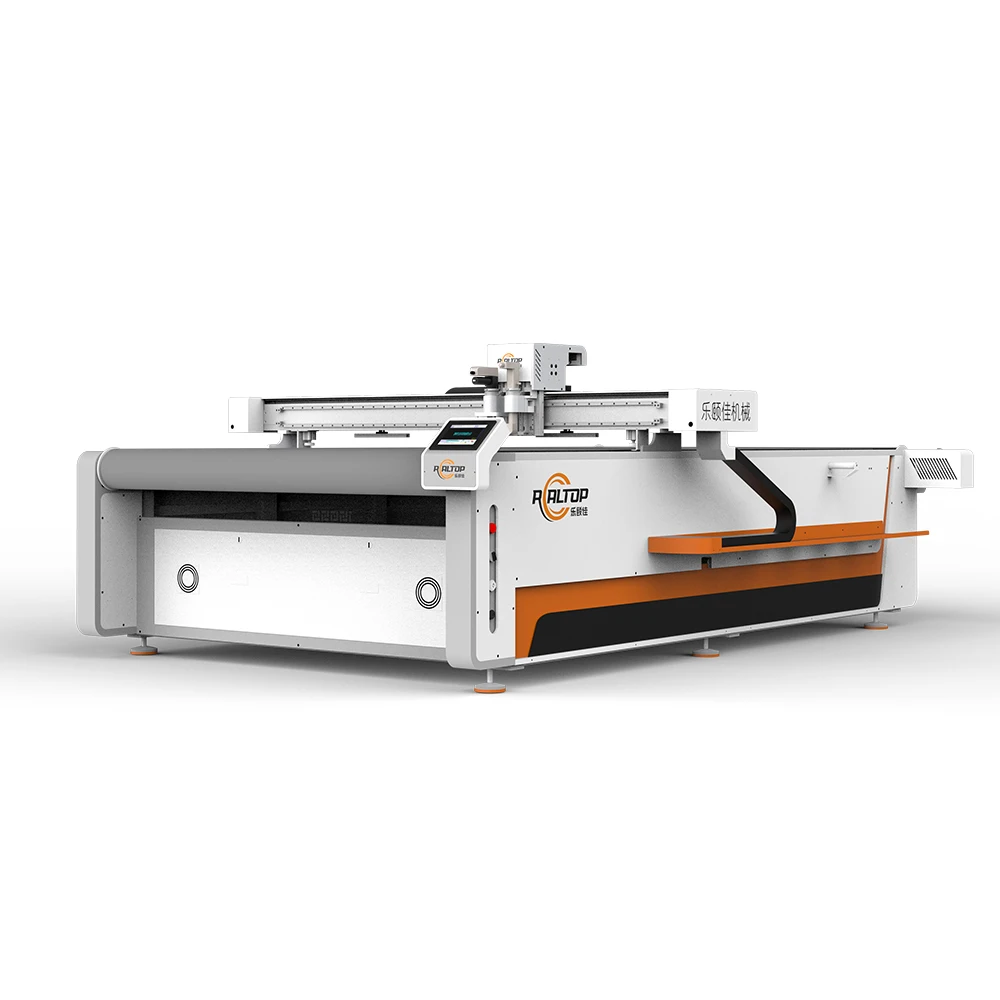
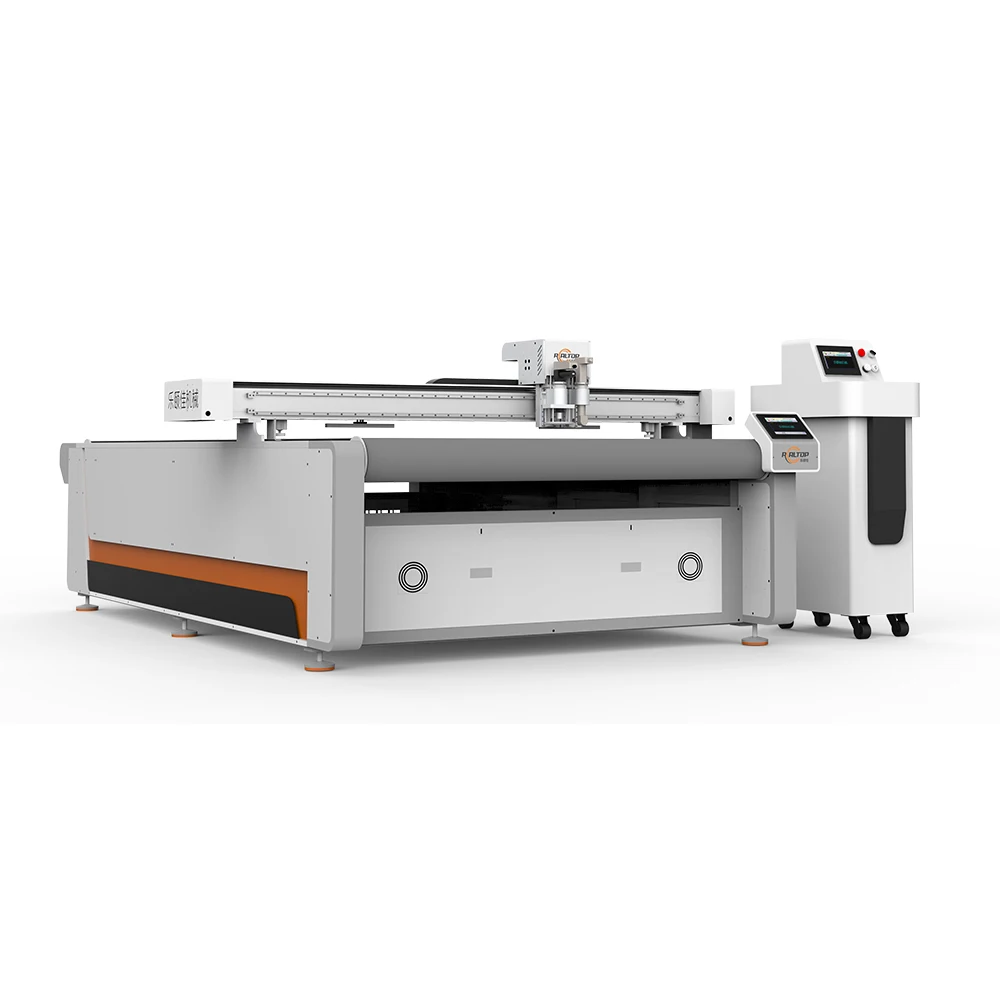
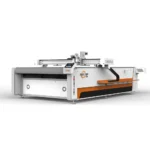
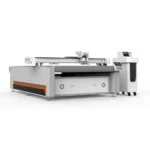
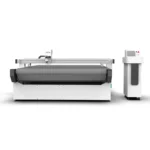
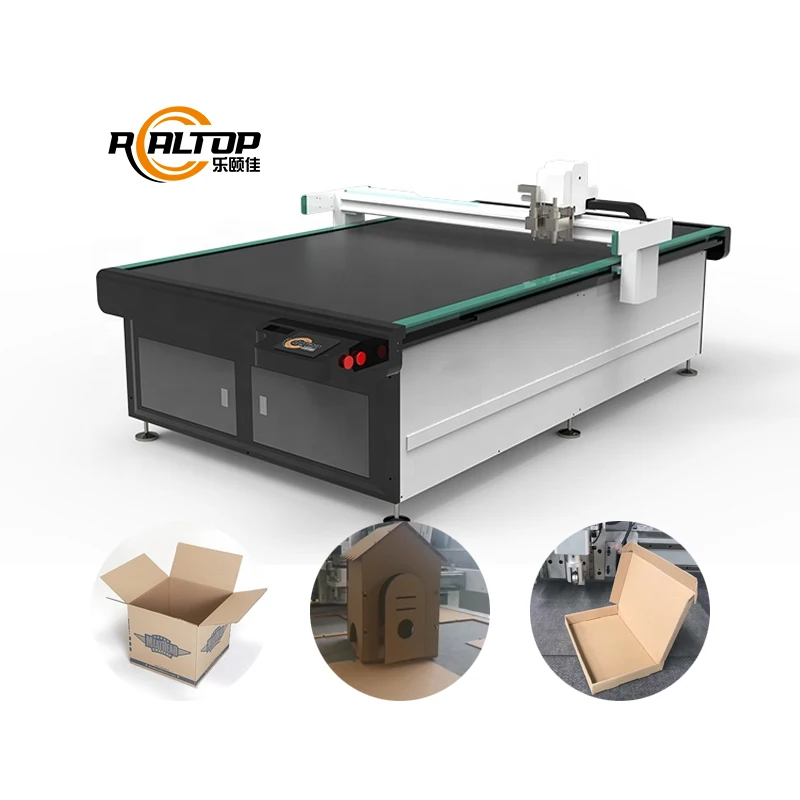
Built in-house for material accuracy — REALTOP produces both oscillating knife and laser cutting platforms under one roof, so your fabric, leather or composite material dictates the tool head and table layout rather than a fixed machine catalog.
Technical Specifications
| Parameter | Value |
|---|---|
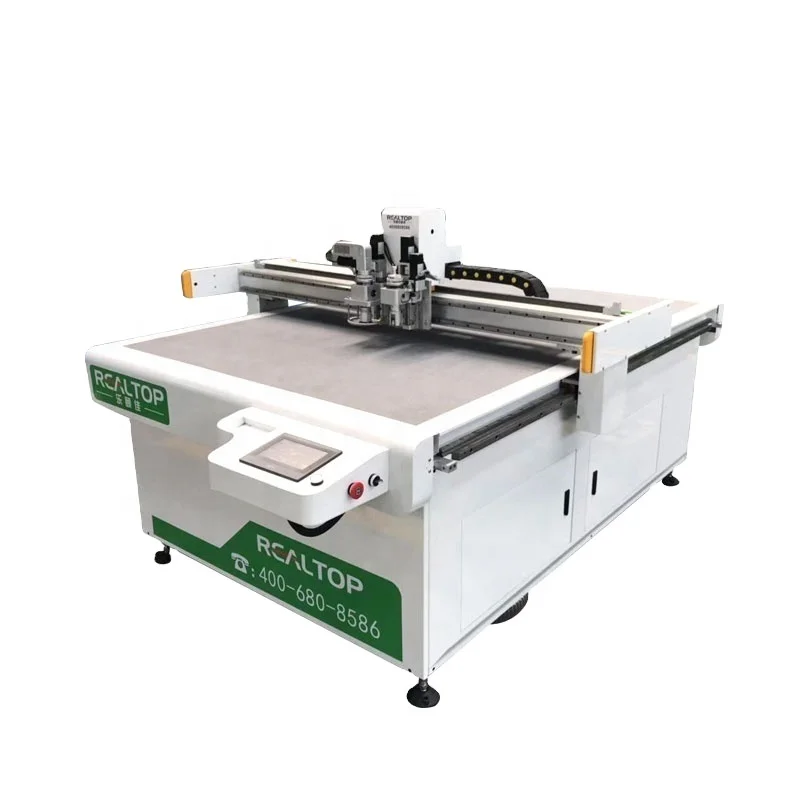
| Product Type | CNC Flatbed Digital Cutting Machine |
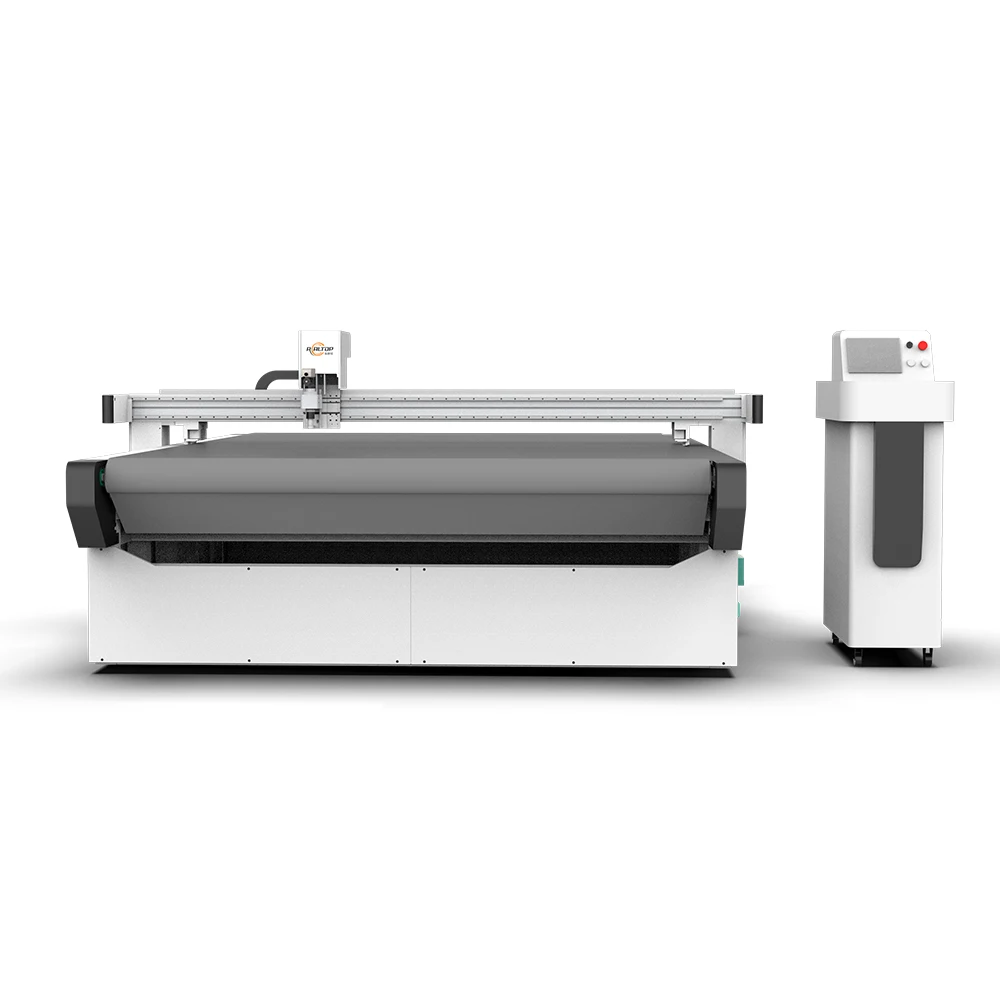
| Working Area | 1600 × 2500 mm |
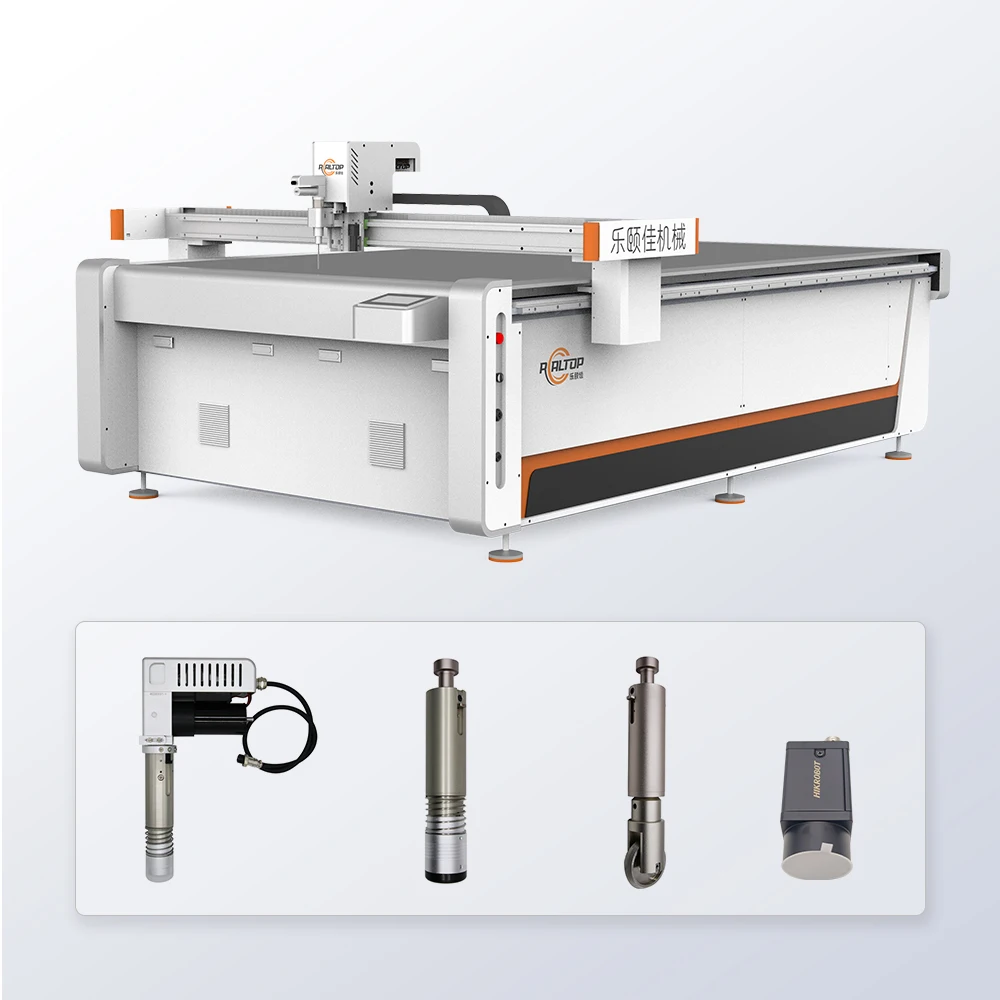
| Tool Head Options | Oscillating knife, Driven rotary knife, Creasing wheel, Kiss cutting tool, Pneumatic knife, Milling tool, V groove knife |
| Cutting Speed | 0 – 2000 mm/s |
| Cutting Thickness | ≤ 30 mm |
| Cutting Accuracy | ±0.1 mm |
| Vacuum Pump Power | 9 kW |
| Vacuum Table | Aluminum bellows vacuum table |
| Servo Motor Brands | Panasonic, Delta, Dorna |
| Voltage Options | 110V, 220V, 380V |
| Supported File Formats | PLT, DXF, AI, PDF |
| Control System | PLC with multi-language intuitive interface |
| Safety Devices | Infrared sensor, Emergency stop |
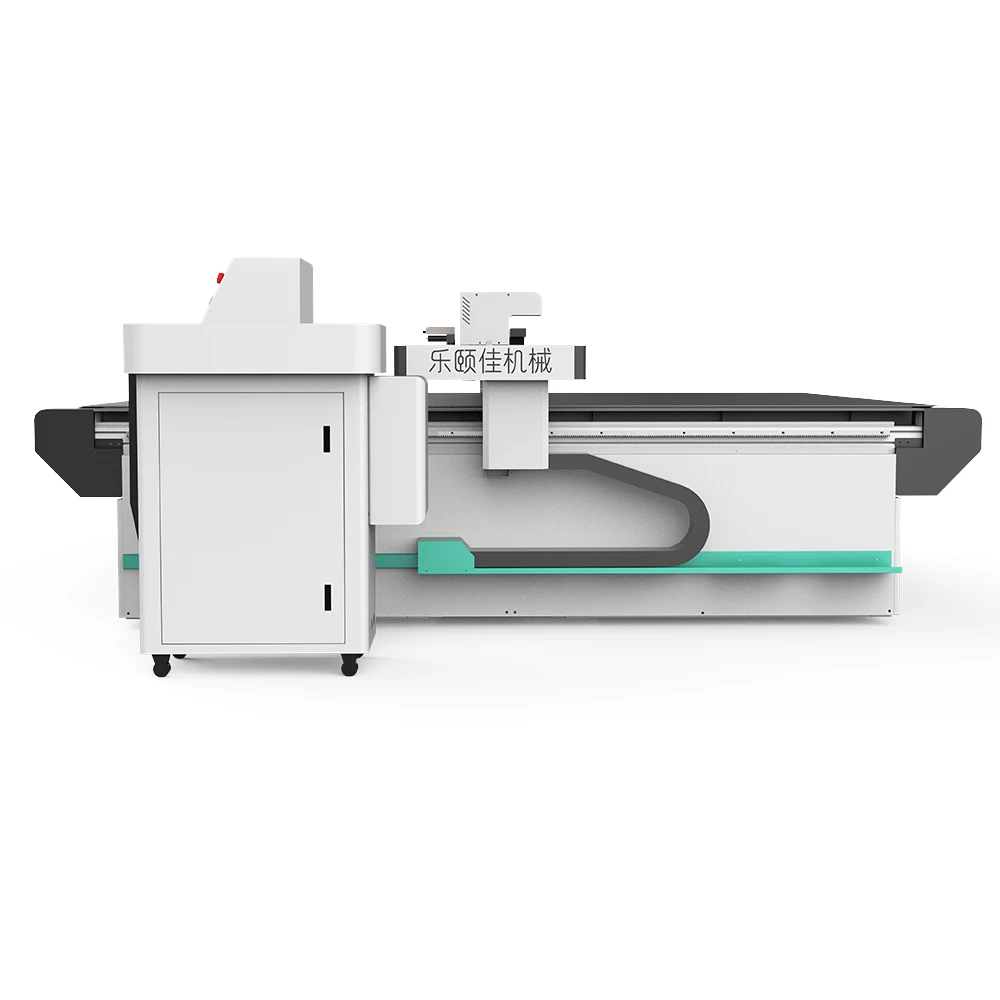
| Machine Dimensions | 3300 × 2100 × 1350 mm |
Application Suitability
| Application | Material or Output |
|---|---|
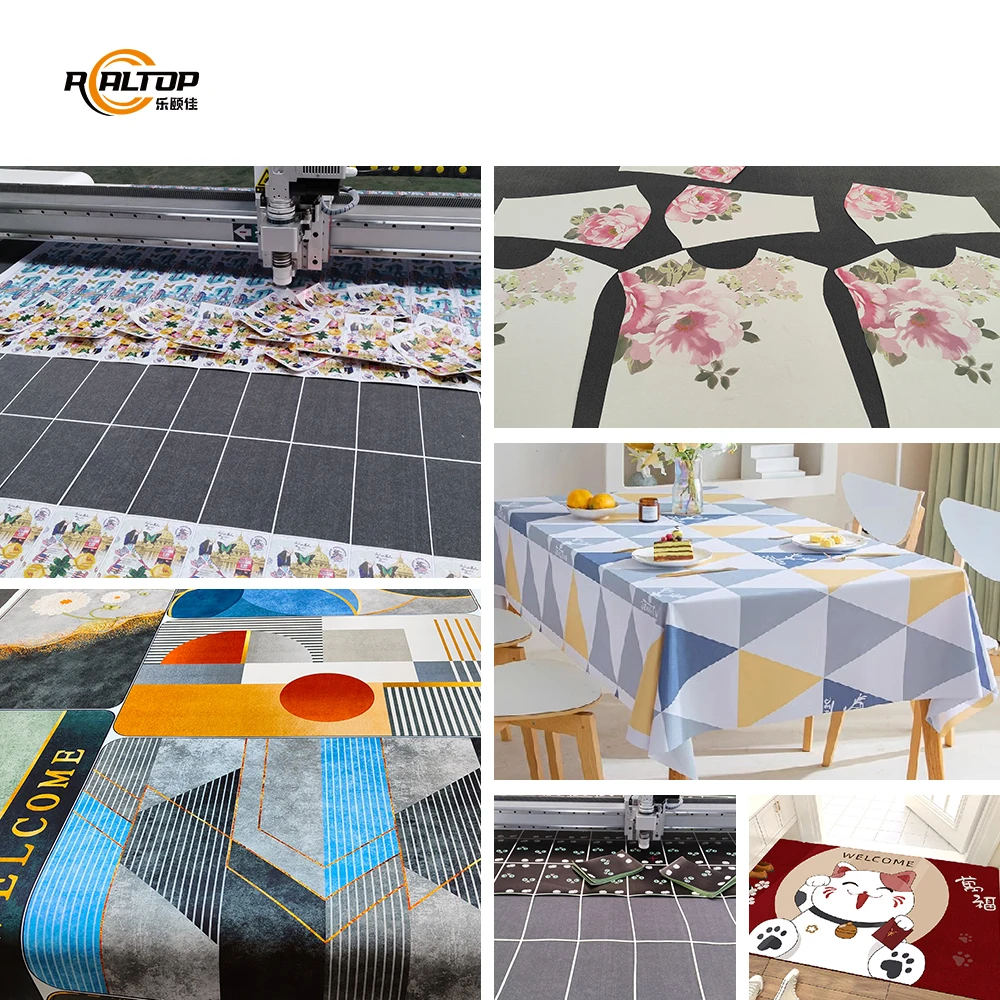
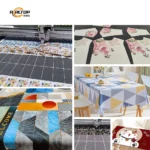
| Apparel manufacturing | Suits, knitwear, lace, complex woven fabrics, multi-layer textile lays |
| Automotive interiors | Seat fabrics, carpets, PVC floor mats, headliner textiles |
| Home textiles | Sofa fabrics, blackout curtains, area rugs, upholstery panels |
| Composite material processing | Carbon fiber prepreg, aramid weaves, specialty layered materials |
Why Cutting Thickness Specs Fail on Real Fabrics
A machine specified on working area alone, then found unable to handle the actual material thickness and density — this remains the most frequent buyer disappointment in fabric cutting procurement. The only reliable verification is a sample cut on your own material before the purchase order is signed.
Catalog thickness ratings assume ideal, uniform single-layer stock. In production, garment factories run multi-layer lays of bonded or coated textiles, automotive suppliers cut dense PVC mats with foam backing, and composite workshops handle resin-impregnated prepregs that behave nothing like plain cotton. A CNC oscillating knife cutting machine manufacturer that does not test on your specific lay height and fabric construction is quoting blind [NEED_CITE: industrial textile cutting tolerance standards for multi-layer composite materials]. The oscillation frequency, blade geometry and vacuum hold-down must all be matched to what the knife actually encounters at the cutting edge, not to a generic material chart.
Seven Tool Heads, One Decision Framework
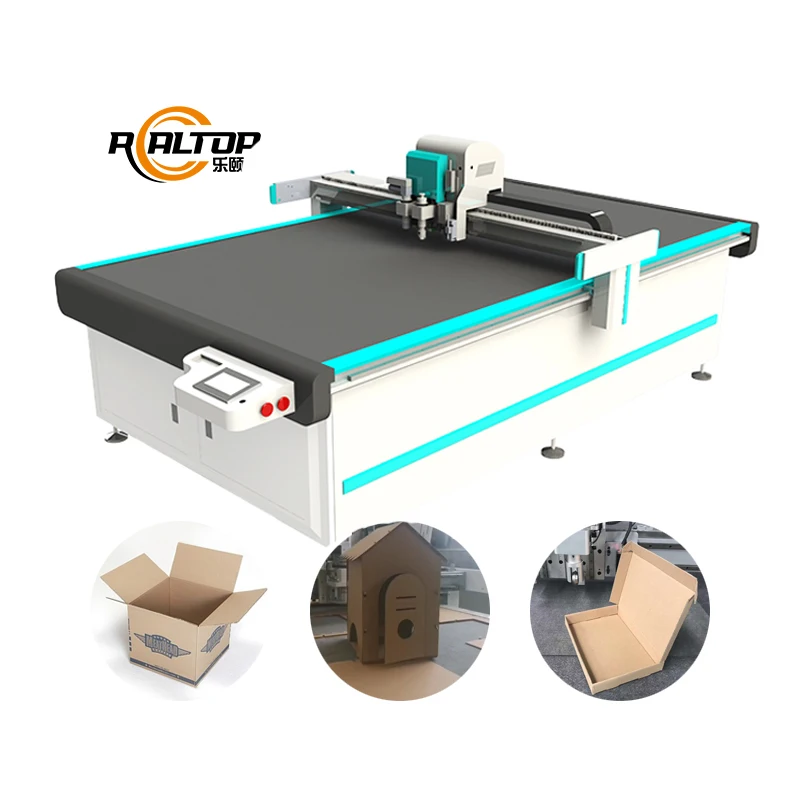
The 1600 × 2500 mm cutting area accepts seven different tool head configurations, and choosing among them is the single most consequential specification decision a buyer makes. Oscillating knife handles most woven and knitted fabrics with clean, sealed edges. Driven rotary knife suits single-ply technical textiles where continuous rotation prevents fraying. Kiss cutting tool preserves the backing paper on adhesive-backed fabrics and vinyls used in automotive trim. The CNC oscillating knife cutting machine manufacturer must confirm which heads your production actually requires — not which heads the machine can theoretically carry.
Vacuum Zoning and Hold-Down for Small Pattern Pieces
The 9 kW vacuum pump feeds an aluminum bellows vacuum table designed to maintain suction across the entire 1600 × 2500 mm surface. For large garment panels or automotive carpet blanks, full-area vacuum is straightforward. The challenge appears when cutting small pieces — collar stays, gussets, label patches — where the vacuum must be zoned tightly around the cutting path to prevent material lift. Insufficient zoning causes edge drift that accumulates across a production run, forcing secondary trimming that erodes the ±0.1 mm accuracy the machine is built to deliver [NEED_CITE: vacuum table zoning requirements for small-part digital cutting].
Reading the Specs That Actually Matter in Production
Cutting speed rated at 2000 mm/s is a travel maximum, not a production constant. Real throughput depends on cornering deceleration, blade penetration depth and the complexity of the nesting layout. The ±0.1 mm cutting accuracy is a positioning tolerance — it tells you the machine can follow a DXF or PLT file path within that band, which directly determines whether pattern pieces assemble cleanly in downstream sewing or bonding operations. Voltage configurability across 110V, 220V and 380V means the servo drives and vacuum pump can be wired to match your facility supply without external transformers, reducing installation complexity. The PLC control system supports English, Russian, Italian and Chinese natively, with custom language packs available — a detail that matters when the operators running the machine daily do not read the language the sales engineer speaks.
The Hidden Cost of a Wrong Tool Head Selection
Selecting a standard oscillating blade for a dense, multi-layer composite lay may appear to work during the first few cuts, then produce delaminated edges and ragged ply separation as the blade deflects through the stack. A pneumatic knife might handle thick foam gaskets but crush knitwear layers if applied incorrectly. These mismatches rarely show up in a factory acceptance test run on sample cardboard — they surface weeks after installation, when your actual production material is on the table and the machine is already paid for [NEED_CITE: material-tool compatibility failures in digital cutting installations]. The corrective path involves new tool heads, revised blade consumables, and recalibration downtime.
Why Procurement Lands Here
REALTOP engineers and builds both knife cutting and laser cutting systems in the same Jinan facility, which means the cutting method is selected based on your material behaviour, not based on which machine happens to be in stock. Tool head and table configurations are specified per material type, lay thickness and daily volume before quotation. CCD camera positioning is available for printed contour recognition work, confirmed against your actual print marks at production speed. Software compatibility with your existing nesting workflow and file formats is verified before the order enters production. Sample cutting on your own fabric or composite is a standard pre-commitment step, not a special request.
Documentation & Verification
- Factory test record cutting your specific fabric type and lay thickness before dispatch
- Electrical schematic with confirmed voltage, frequency and plug type for your facility
- Tool head and table configuration list matched to your documented material range
- Software licence with confirmed PLT, DXF, AI and PDF format compatibility
- Spare parts list including blade consumables and pneumatic wear components
- CE declaration documentation where required by destination market regulations
Installation, Commissioning & Support
- Level concrete floor required to support 3300 × 2100 × 1350 mm machine footprint and dynamic cutting loads
- Dedicated electrical circuit matching confirmed 110V, 220V or 380V supply with proper grounding for 9 kW vacuum pump
- Machine arrives on flatbed; vacuum table and gantry assembled on-site per installation manual
- First-run parameter calibration performed on your material samples with cutting speed and blade depth adjustment
- Operator training covers PLC interface in confirmed language, file import workflow and nesting software operation
- Blade consumables and pneumatic seals included in initial spare parts kit with sourcing guidance for replacements
Preparing Your Inquiry
To receive an accurate configuration and lead time, provide your primary material types with typical lay thickness and sheet dimensions. Specify your facility voltage, frequency and preferred plug standard. Identify the control language your operators need. If you require sample cutting before commitment, send representative material rolls or sheets with your standard nesting file.
Frequently Asked Questions
Q: How is cutting thickness verified for my specific multi-layer fabric lay?
A: We run a sample cut using your actual material at your production lay height. The report documents blade type, oscillation setting, cutting speed and edge quality across the full stack depth. This confirms the machine handles your real production conditions, not just a catalog rating based on single-ply reference stock.
Q: What voltage, plug type and software language are confirmed before shipment?
A: Voltage is selected from 110V, 220V or 380V to match your facility. Plug type follows the destination country standard. Software language is confirmed during order — English, Russian, Italian and Chinese are native, with custom language packs available. All three are documented on the electrical schematic and specification sheet before the machine leaves the factory.
Q: How do I choose between oscillating knife, rotary knife and other tool heads?
A: The choice depends on your material construction, layer count and edge quality requirement. Oscillating knife suits most woven and knitted multi-layer lays. Driven rotary knife works for single-ply technical textiles. Kiss cutting preserves backing on adhesive materials. We recommend tool heads based on the sample cutting results from your actual fabric.
Q: Can I send my own material for sample cutting before placing an order?
A: Yes — sample cutting on buyer-supplied material is a standard step in our sales process. Send representative fabric or composite sheets along with a nesting file in PLT, DXF, AI or PDF format. We return a sample cutting report documenting edge quality, cutting parameters and any tool head adjustments required for your specific material.
Q: What spare parts and blade consumables are included with the machine?
A: The initial delivery package includes a spare parts kit covering blades for your specified tool heads, pneumatic seals and wear components identified from your material profile. The documentation lists part numbers and specifications so replacements can be sourced locally or ordered directly from our Jinan production facility.
You may also like

商品评价
Clear filtersThere are no reviews yet.