



-
 Courier delivery
-
 DHL Courier delivery
-
 Warranty 1 year
-
 Free 30-Day returns

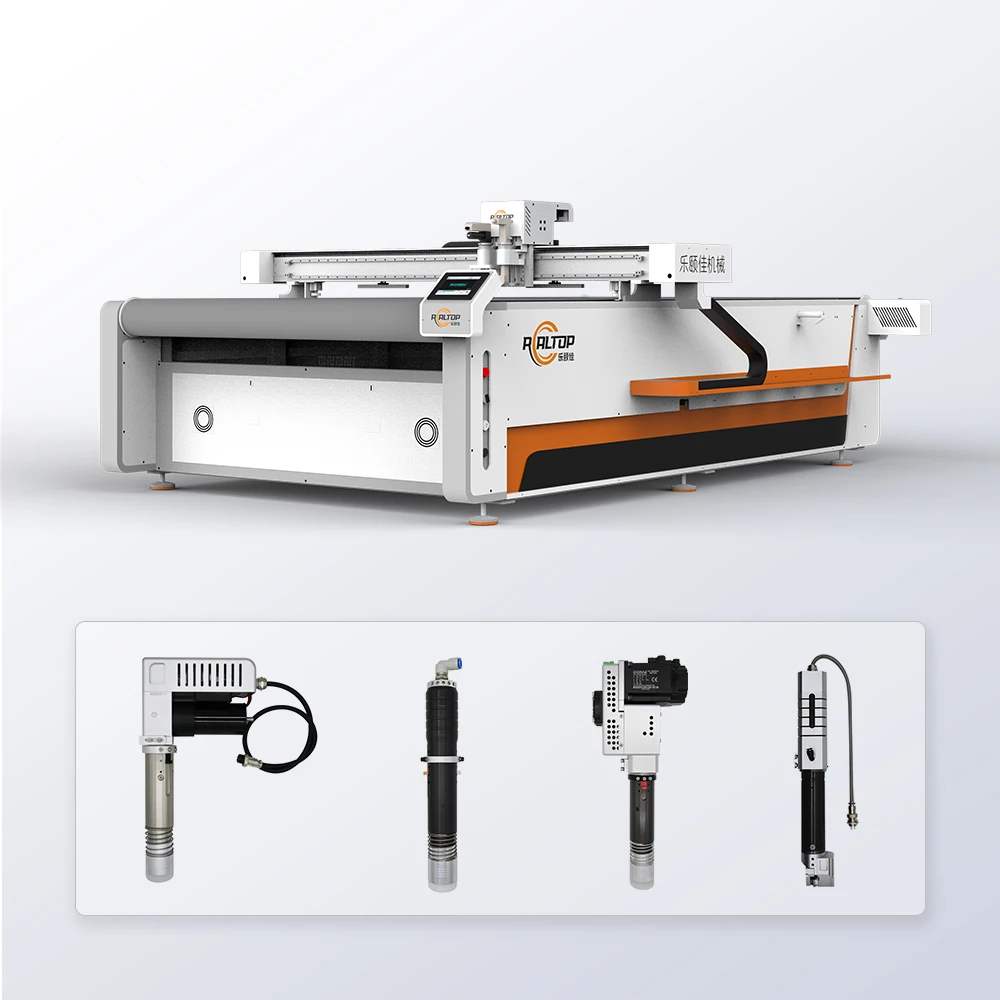
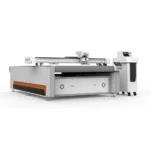
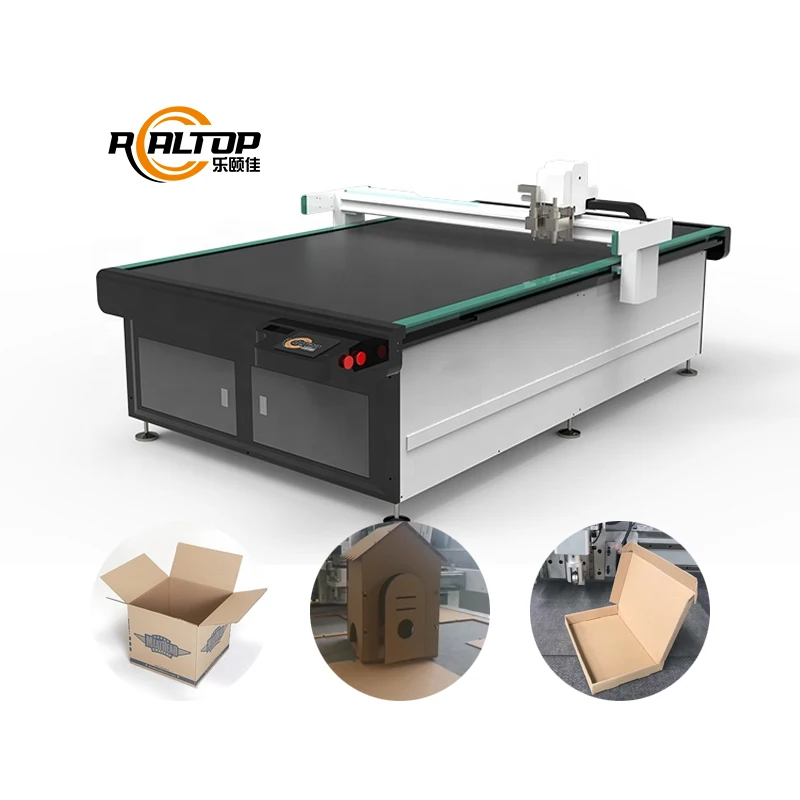
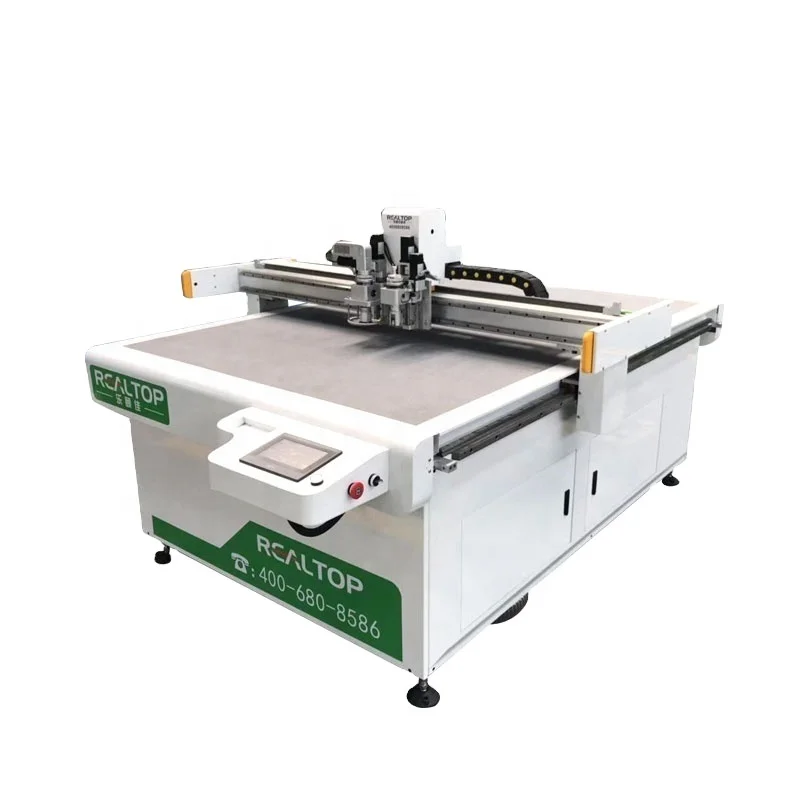
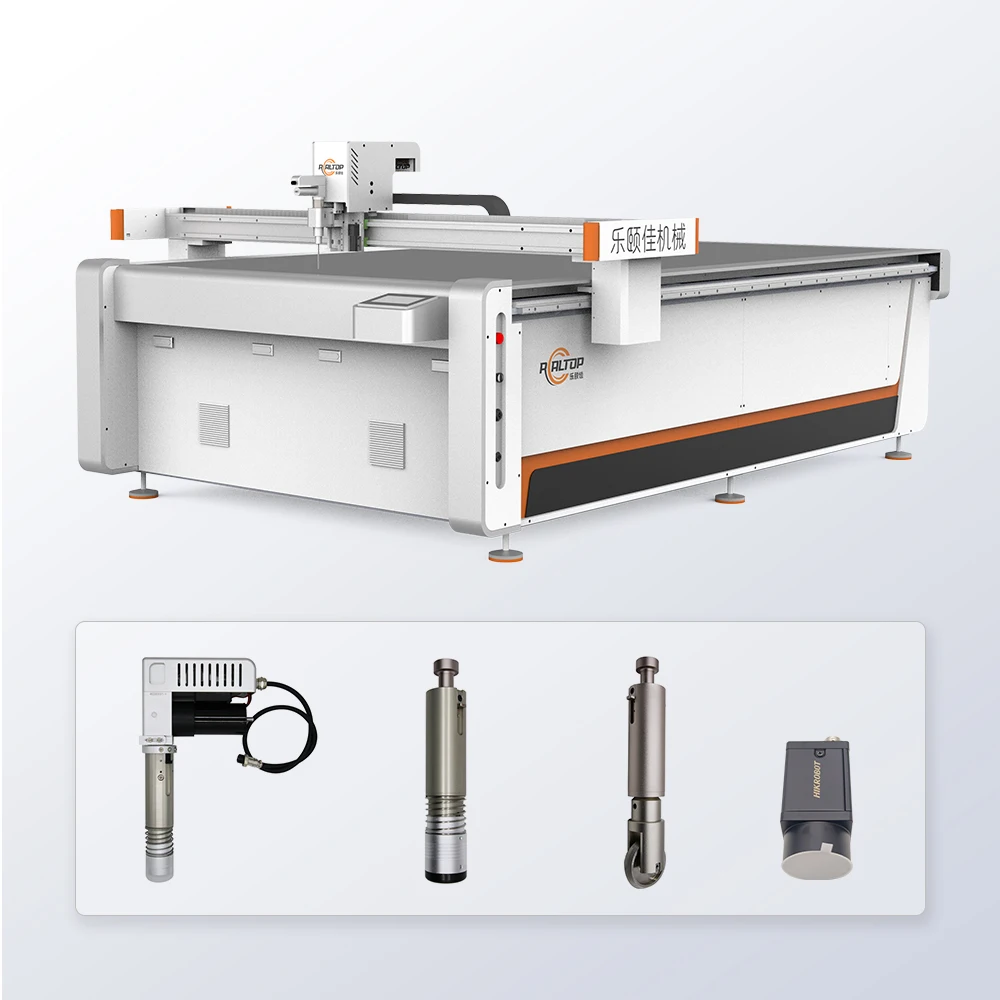
Configuration matched to material — The 1625 is engineered with selectable tool heads (oscillating, rotary, V-groove, pneumatic) and a 9 kW vacuum system, so the cutting action is adapted to carbon fiber prepreg, aramid, or technical fabric rather than forcing every material through a single blade setup.
Technical Specifications
| Parameter | Value |
|---|---|
| Model | 1625 |
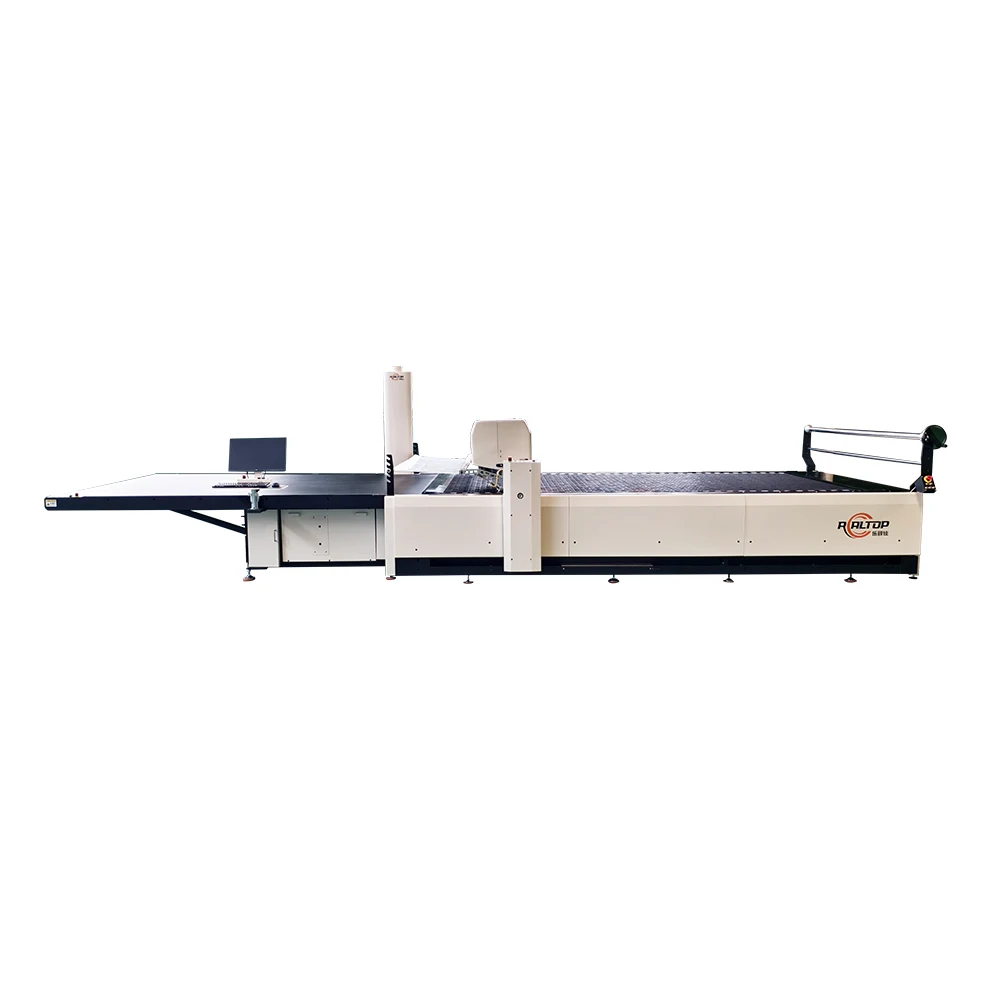
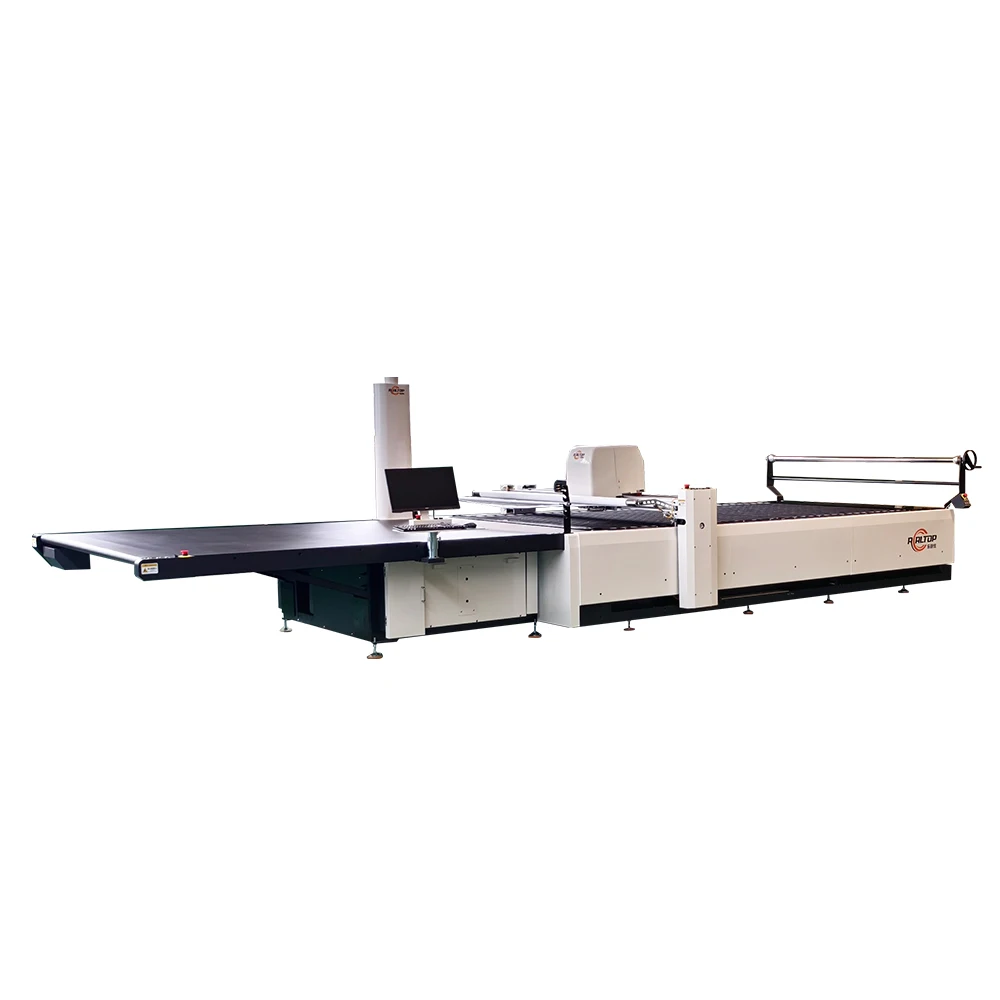
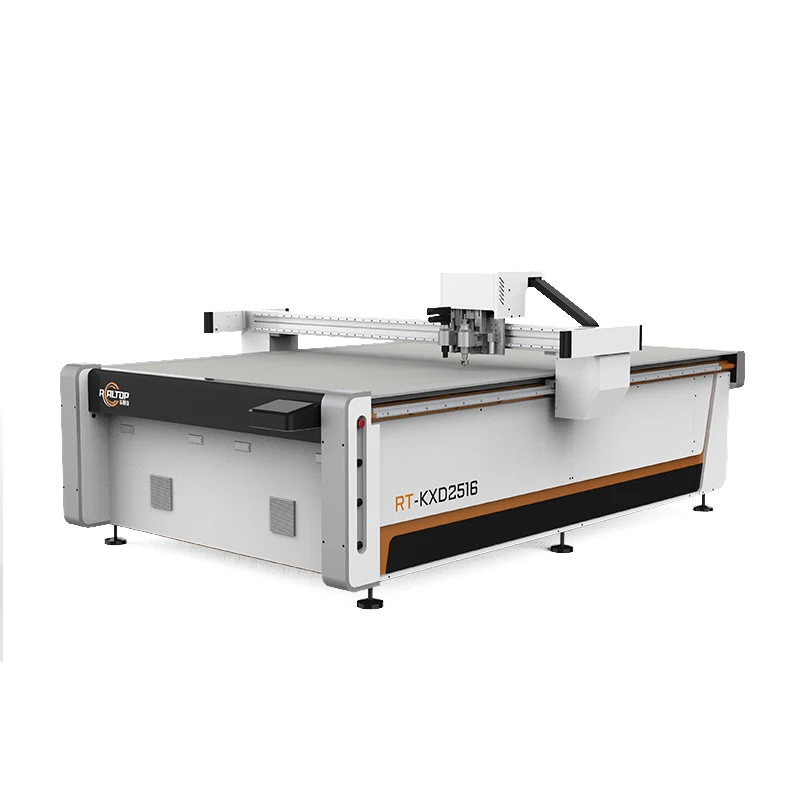
| Product Type | CNC Oscillating Knife Cutting Machine |
| Working Area | 1600 × 2500 mm |
| Cutting Thickness | Up to 30 mm (basis not stated in source — verify material density) |
| Tool Head Options | Oscillating knife, Driven rotary knife, Creasing wheel, Kiss cutting tool, Pneumatic knife, Milling tool, V groove knife |
| Positioning Accuracy | ±0.1 mm |
| Cutting Speed | 0 – 2000 mm/s |
| Vacuum Pump | 9 kW |
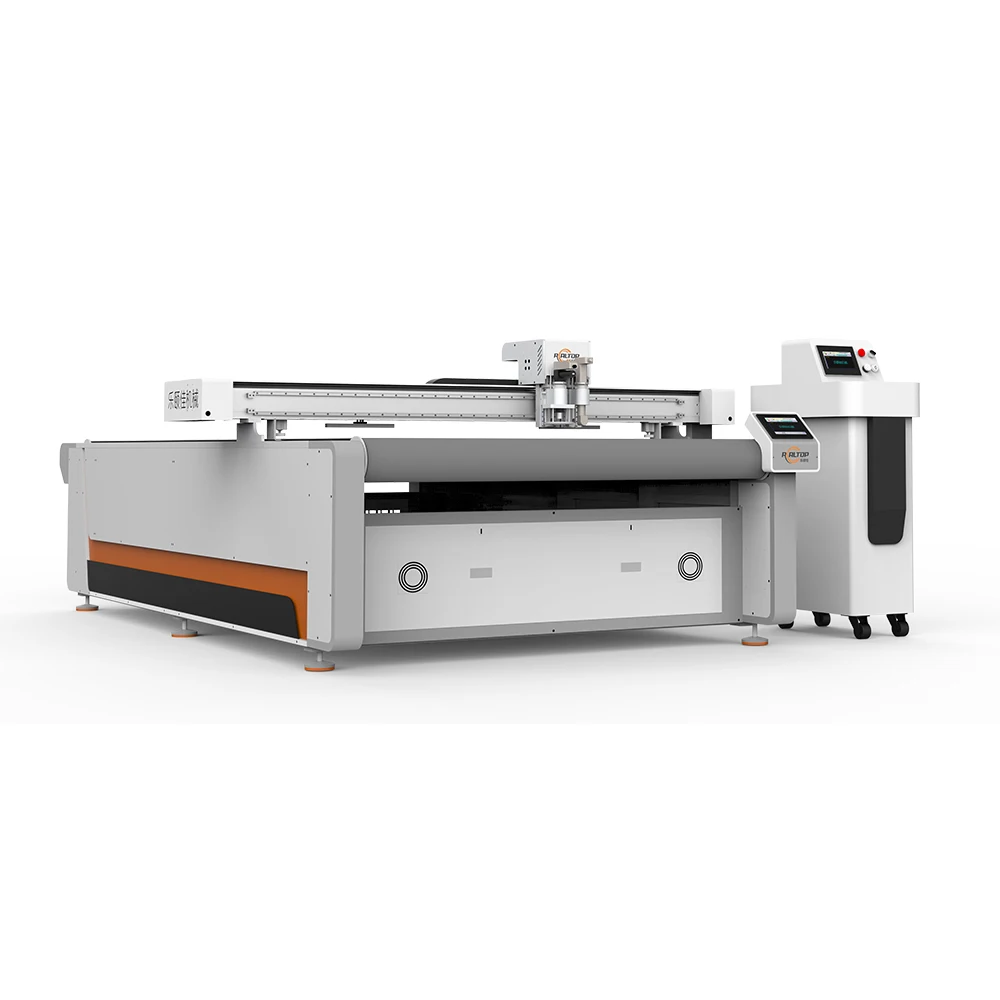
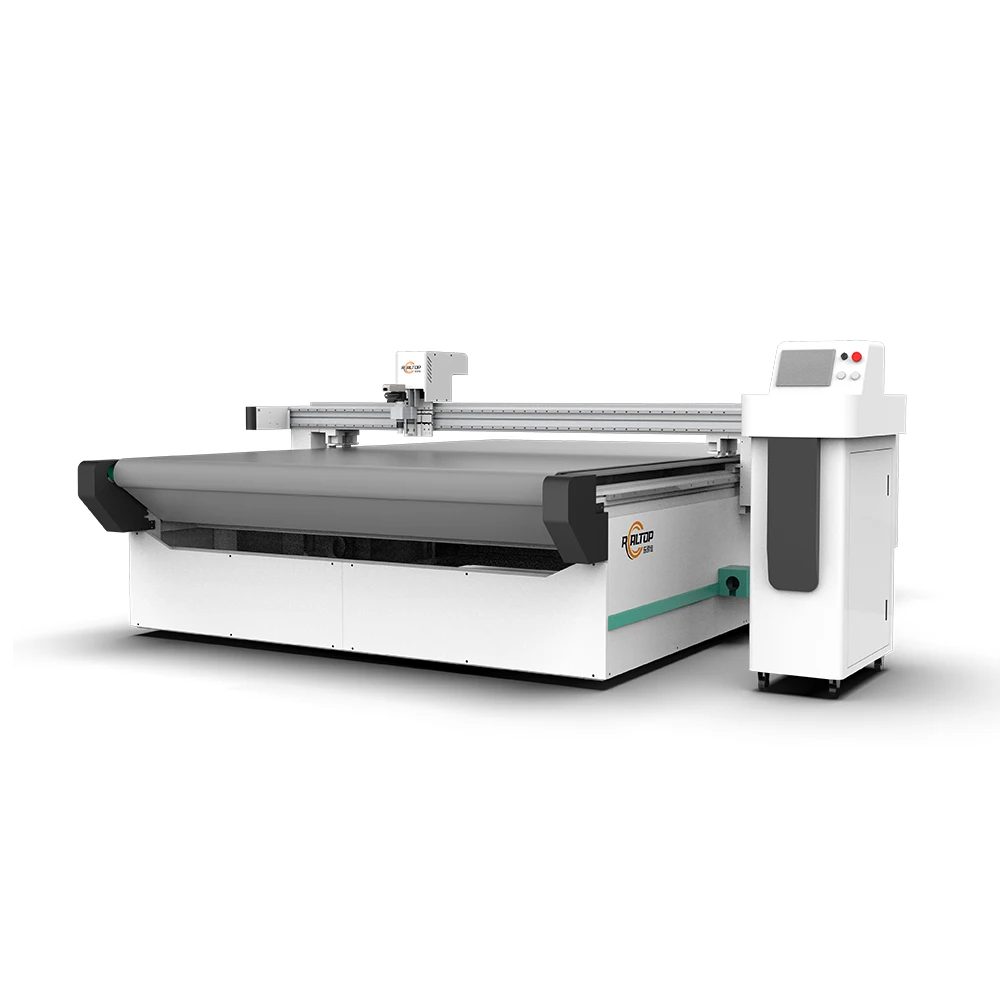
| Vacuum Table | Aluminum bellows vacuum table with high flatness and sealing |
| Control System | PLC control panel with intuitive interface |
| Servo Drive Options | Panasonic, Delta, or Dorna (verify availability) |
| Voltage Options | 110V, 220V, or 380V (frequency to be confirmed) |
| Language Options | English, Russian, Italian, Chinese; special languages customizable |
| File Formats Supported | PLT, DXF, AI, PDF |
| Safety Device | Infrared sensor device and emergency stop |
| Machine Dimensions (L×W×H) | 3300 × 2100 × 1350 mm |
| Standards | CE (implied via certification documentation) |
Application Suitability
| Application | Material or Output |
|---|---|
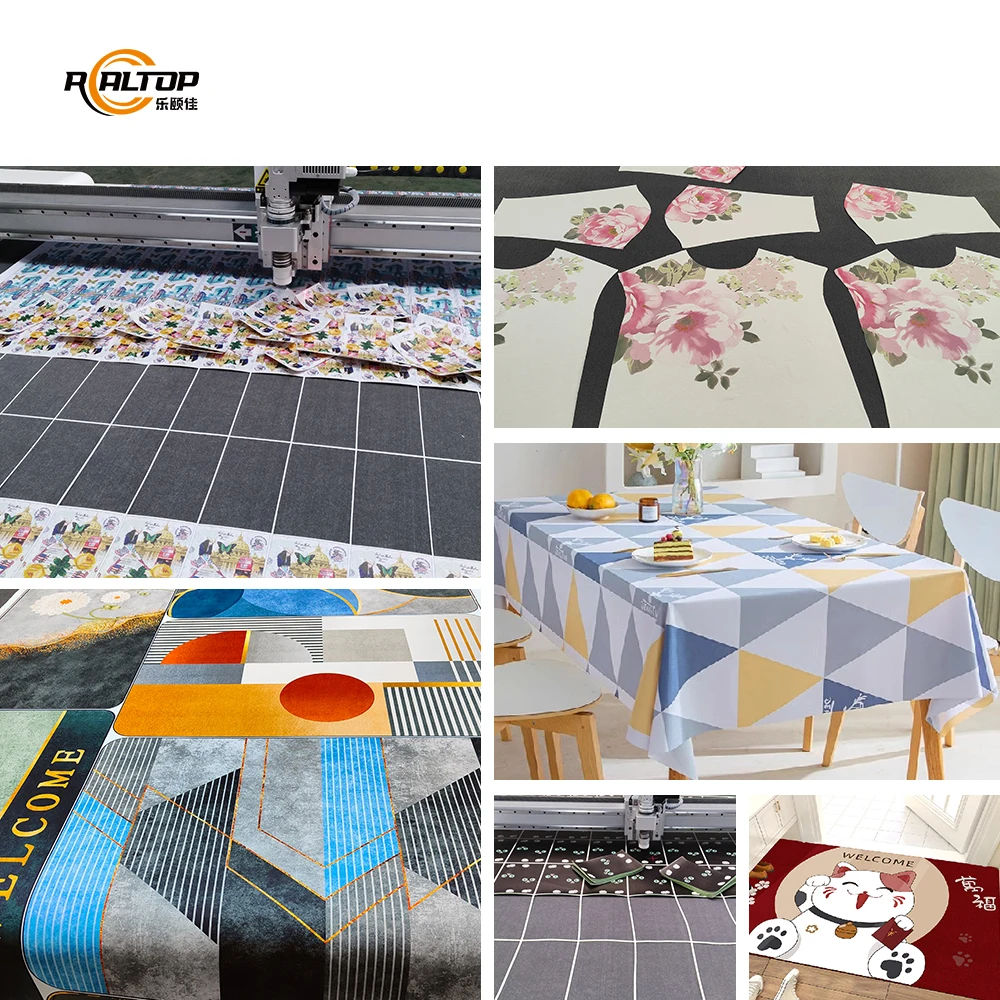
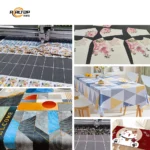
| Apparel and technical garment cutting | Suits, knitwear, lace, and complex woven or knitted fabrics |
| Automotive interior trimming | Seat fabrics, floor carpets, and PVC mats |
| Home textile production | Sofa fabrics, heavy curtains, rugs, and upholstery layers |
| Composite material processing | Carbon fiber prepreg, aramid sheets, and specialty reinforcement materials |
Why Material Density Changes the Meaning of "Cutting Capacity"
A specification sheet that lists a maximum cutting thickness without naming the test material leaves a gap that only shows up once your own stock is on the table. The true capacity of this CNC oscillating knife cutting machine manufacturer platform is validated by running your specific prepreg or fabric layup before the order is finalized.
When I watched a carbon fiber prepreg run for the first time on a flatbed cutter configured for PVC, the blade edge delaminated the top layers within three passes. The oscillating frequency that slices cleanly through foam or gasket rubber will fray an abrasive composite if the tool head and stroke length are not reconsidered. That mismatch is the reason a sample cutting report on your own material is a standard step in this process, not an optional extra [NEED_CITE: material-specific cutting validation for composite prepreg].
Matching the Tool Head to the Composite Layup
Carbon fiber prepreg behaves differently from dry fabric or thermoplastic sheet. The resin content, the tow direction, and the backing paper or film all influence how the blade engages. An oscillating knife head with a high-frequency stroke handles multi-layer fabric, but a driven rotary knife or a specialized V-groove tool may produce a cleaner edge on a stiff, resin-impregnated composite. The 1625 platform supports swapping and configuring these tool heads so the cutting action aligns with the actual material structure rather than a generic setting. This CNC oscillating knife cutting machine manufacturer approach means the configuration list you receive before production names the exact tool selected for your layup.
Holding the Material Flat Without Crushing It
The aluminum bellows vacuum table on the 1625 provides full-surface adsorption across the 1600 × 2500 mm bed. For prepreg, this matters because localized vacuum zones can leave edges of a nested pattern slightly lifted, causing the blade to catch and pull fibers. A high-flatness table surface, combined with a 9 kW vacuum pump, keeps the entire sheet seated during high-speed contour cuts. When small parts are nested tightly — common in automotive interior and aerospace interior trim — the vacuum must hold pieces that are only a few centimeters across without shifting [NEED_CITE: vacuum table flatness and small-part holding in digital cutting].
What the Positioning Tolerance Means for Pattern Matching
The ±0.1 mm repeat positioning accuracy governs how closely the blade follows the programmed path across successive cuts. In garment production, this determines whether a plaid or stripe pattern aligns from one panel to the next after nesting. In composite work, it controls whether a cut around a curved template edge stays within the tolerance the laminating department expects. This is a mechanical and servo-driven result, not a software correction, and it depends on the drive system selected — Panasonic, Delta, or Dorna servo options are listed, each with different resolution characteristics that should be confirmed against your tolerance requirement.
The Cost of Skipping the Configuration Conversation
I have seen machines arrive at a workshop with the wrong tool head mounted because the purchase conversation stayed on working area size and never reached material type. The result is not just poor edge quality — it is production downtime while a replacement tool is sourced, and material waste from every sheet cut during the troubleshooting period. On composite prepreg, a misconfigured cutter can also generate conductive carbon dust that infiltrates guide rails and servo encoders if the extraction and sealing assumptions are wrong. These are costs that never appear on the original quotation [NEED_CITE: hidden costs of misconfigured CNC cutting tool heads in production].
Why Procurement Flows Through This Factory
The design team and core factory are under one roof, which means the engineer who selects your tool head can walk to the assembly bay and verify the setup on the actual machine being built. In-house production covers both knife cutting and laser cutting technologies, so if a material test reveals that a CO2 laser edge-seals a synthetic better than a knife, the recommendation can change without involving a third party. The PLC control panel and software are configured with your target voltage, plug type, and control language before the machine leaves Jinan, eliminating the field rewiring and interface translation that delay commissioning. Sample cutting on your own carbon fiber prepreg or fabric is documented in a report you review before committing to the order.
Documentation & Verification
- Machine specification sheet confirming the selected tool head and servo drive brand for your configuration
- Electrical schematic with voltage and frequency matched to your facility supply before production begins
- Sample cutting report on your specific prepreg or fabric, including edge quality photographs and measured tolerances
- Software licence and file format compatibility note covering PLT, DXF, AI, and PDF workflows
- Factory test record documenting a full dry run of your nested pattern before crating
Installation, Commissioning & Support
- Floor space allocation based on the 3300 × 2100 × 1350 mm machine footprint plus operator access clearance
- Dedicated electrical circuit sized for the selected voltage option (110V, 220V, or 380V) and the 9 kW vacuum pump draw
- Machine arrives fully assembled; commissioning focuses on vacuum calibration and tool head zeroing rather than structural build
- PLC control panel configured in your selected language (English, Russian, Italian, Chinese, or custom) during factory setup
- Initial parameter tuning session covering oscillating frequency, blade depth, and vacuum zoning for your primary material
- Spare parts list provided at delivery, identifying oscillating blades, vacuum seals, and drive belts specific to your tool head configuration
What to Prepare Before Requesting a Quotation
Send the material data sheet for your primary stock — including resin content for prepreg or weight per square meter for fabric — along with the maximum sheet size you will load. Specify your local voltage and frequency, the control language your operators require, and whether your existing nesting software exports DXF, PLT, AI, or PDF. If your production includes printed contour work, state whether CCD camera positioning is needed so the configuration can be confirmed before the build starts.
Frequently Asked Questions
Q: How is the cutting thickness capacity actually verified for my material?
A: The up to 30 mm figure is a general specification. We run a sample cutting test on your specific carbon fiber prepreg, fabric, or composite at your required thickness and document edge quality, delamination, and dimensional accuracy in a report you approve before the order is confirmed.
Q: Which tool head should I specify for carbon fiber prepreg versus standard fabric?
A: Carbon fiber prepreg often requires a driven rotary knife or a specialized oscillating blade with a adjusted stroke to prevent delamination. Standard woven or knitted fabric typically runs well on the standard oscillating knife head. The correct tool is selected during the sample cutting phase and listed on your configuration sheet.
Q: Will the voltage, plug, and control language be correct when the machine arrives?
A: Yes. The 1625 is configured for 110V, 220V, or 380V with your specified plug type, and the PLC control panel is set to English, Russian, Italian, Chinese, or a custom language. All electrical details are confirmed on the schematic before production begins.
Q: Can I send my own material for a cutting test before I place an order?
A: Yes. Sending a sample of your actual prepreg, fabric, or composite is a standard step. We run it on the 1625 with the proposed tool head and vacuum settings, and you receive a cutting report with edge photographs and measured tolerances to review before committing.
Q: What custom configuration is available for distributors or importers?
A: OEM configuration covers tool head selection, servo drive brand preference (Panasonic, Delta, or Dorna), control language, voltage and plug standard, and software file format compatibility. The in-house design team adjusts these parameters and documents the build specification for your market.
You may also like

商品评价
Clear filtersThere are no reviews yet.