



-
 Courier delivery
-
 DHL Courier delivery
-
 Warranty 1 year
-
 Free 30-Day returns

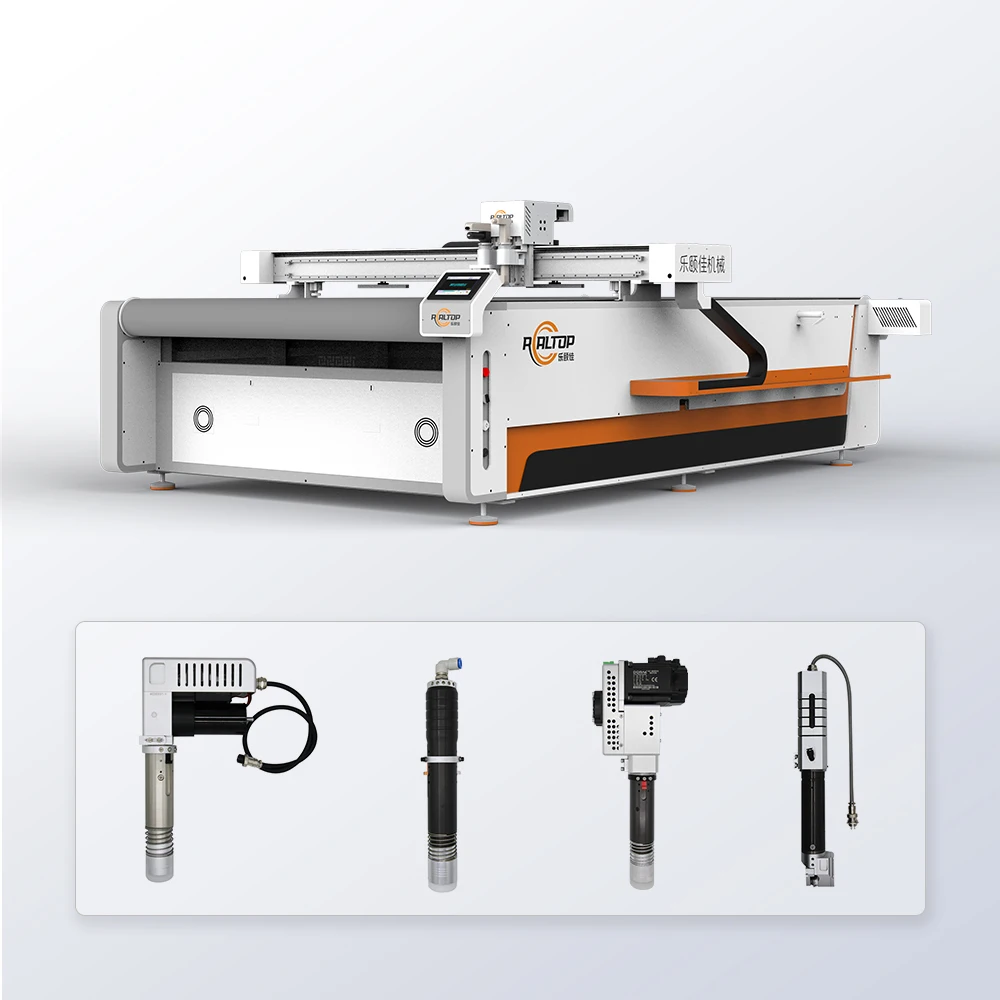
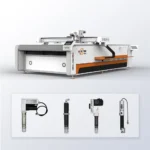
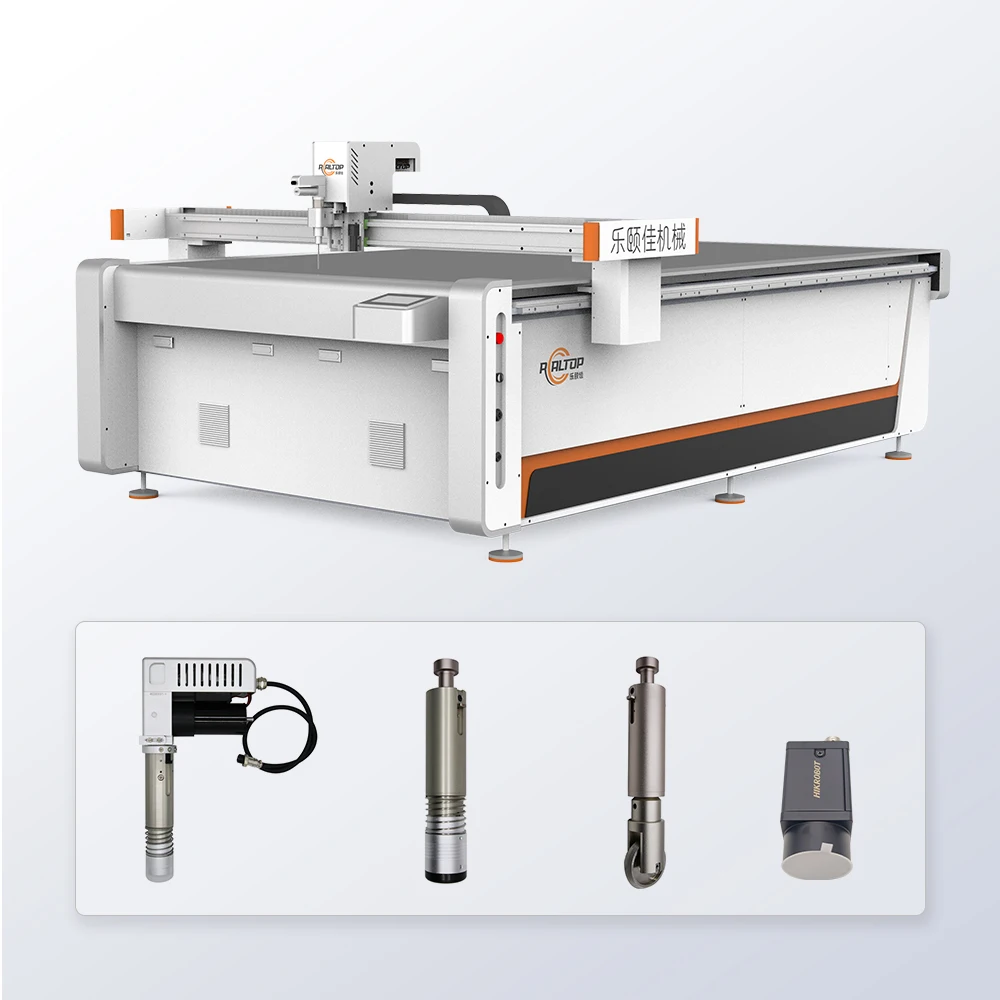
Tool Head Matching to Material — our factory tests oscillating, rotary and pneumatic knife options on your specific fabric stack before locking the configuration.
Technical Specifications
| Parameter | Value |
|---|---|
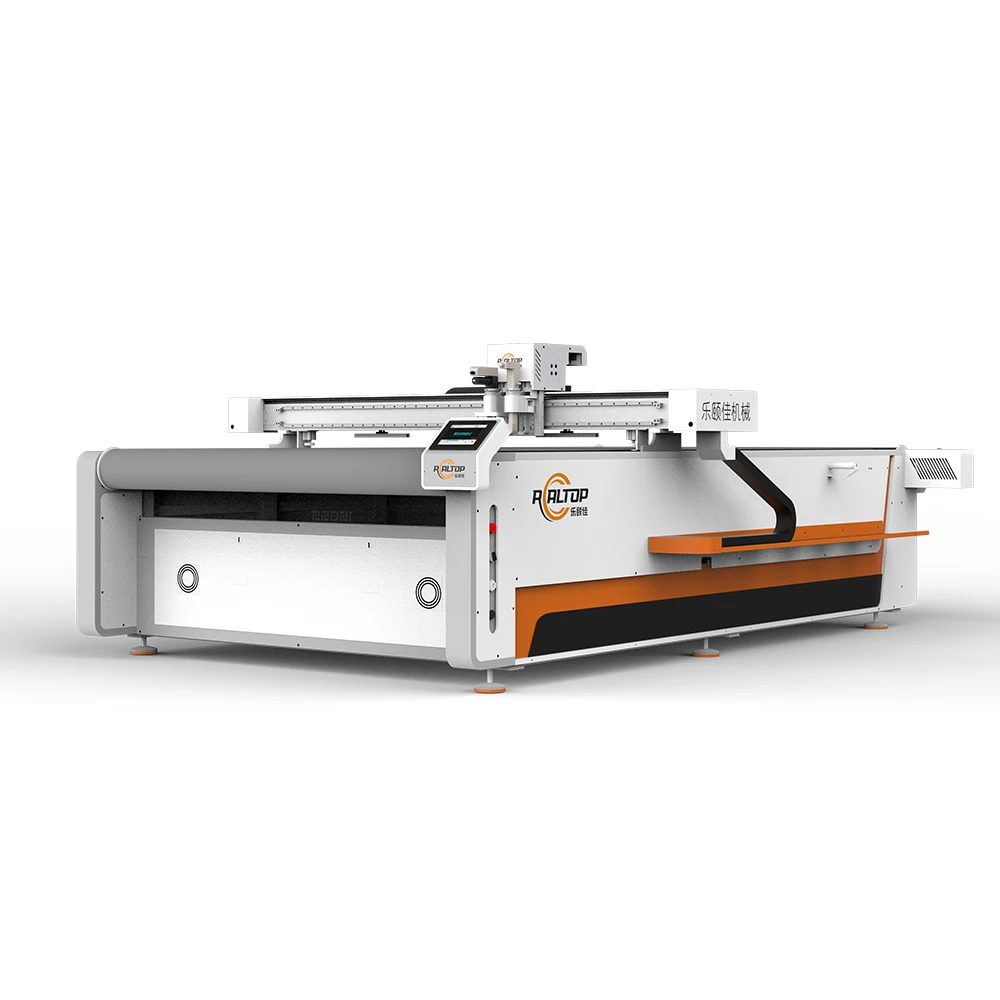
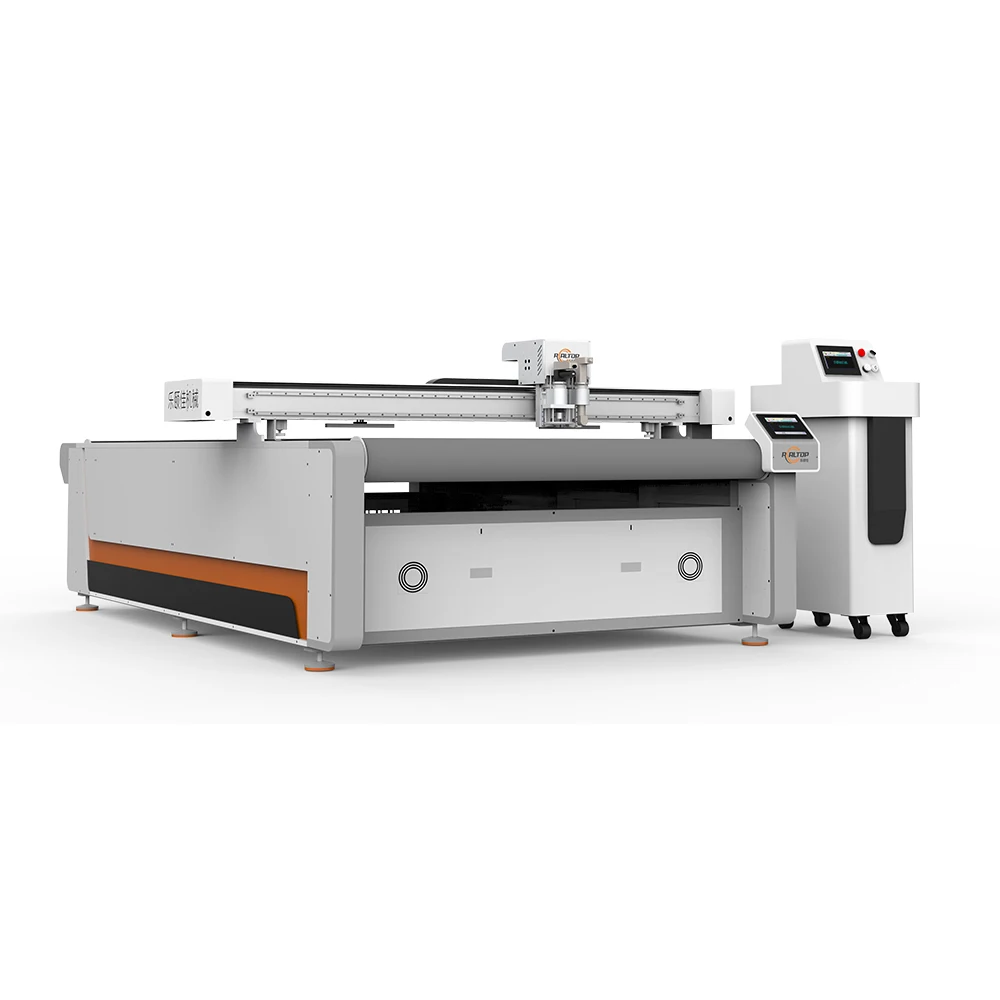
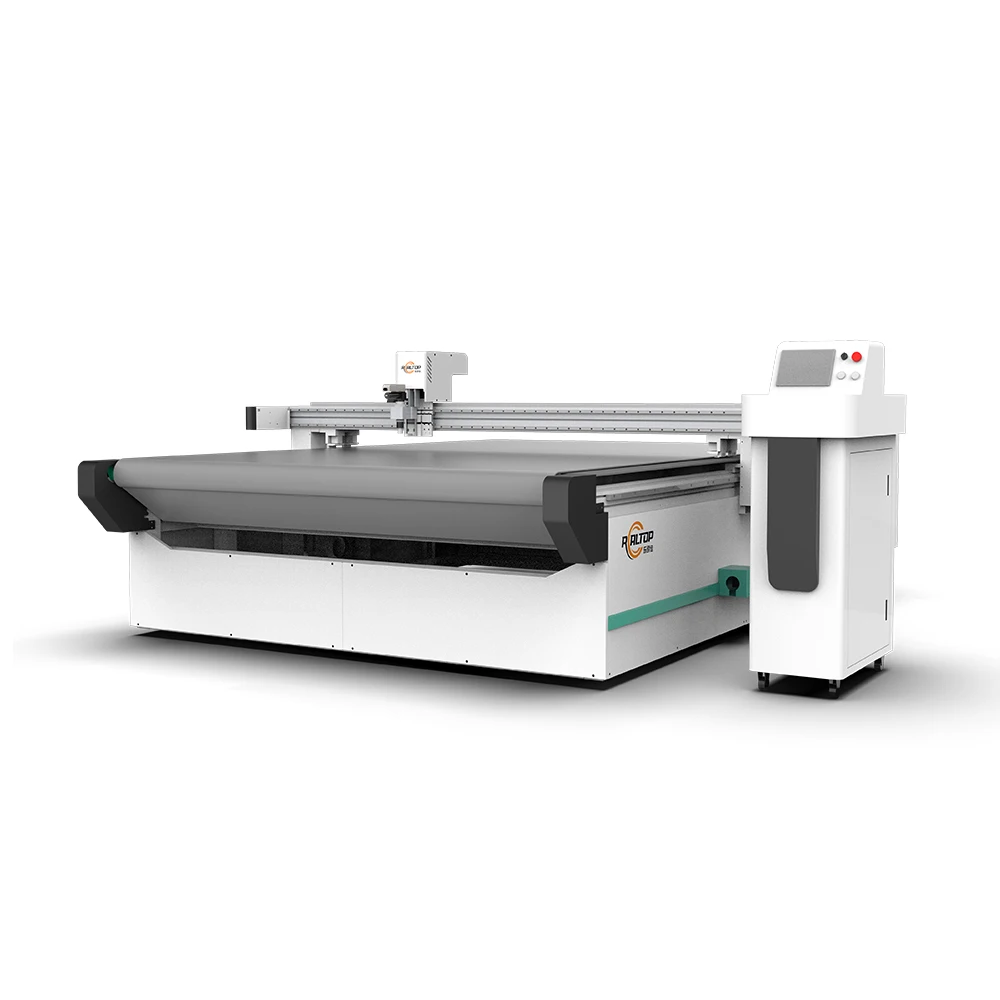
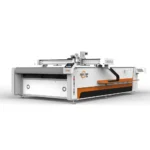
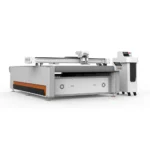
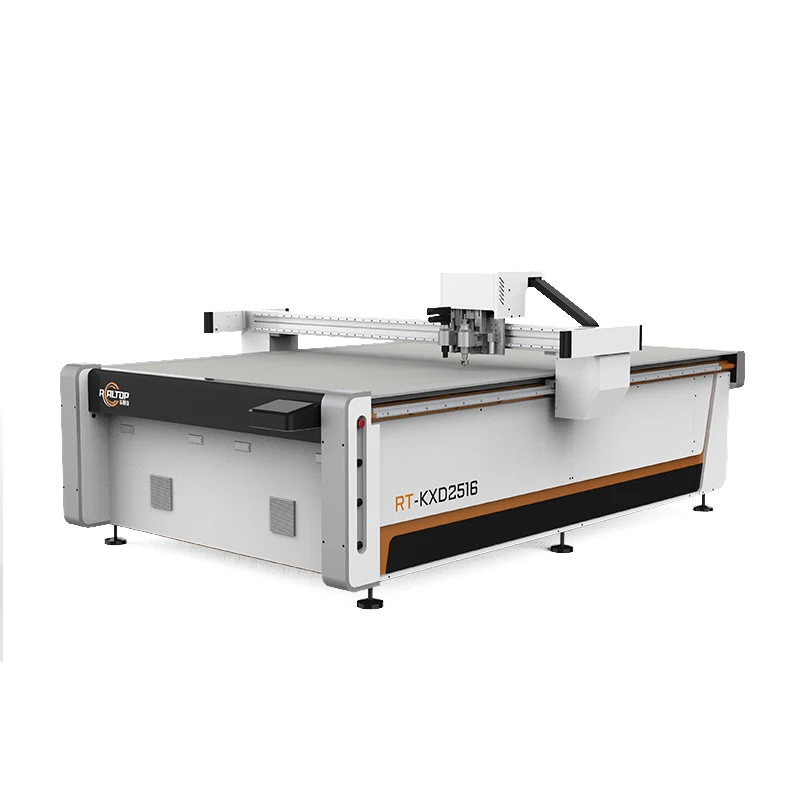
| Product Type | CNC Oscillating Knife Cutting Machine |
| Working Area | 1600 × 2500 mm |
| Tool Head Options | Oscillating knife, driven rotary knife, creasing wheel, kiss cutting tool, pneumatic knife, milling tool, V-groove knife |
| Cutting Speed Range | 0–2000 mm/s (basis not stated in source) |
| Cutting Thickness Capacity | Up to 30 mm (basis to be confirmed by material and layer count) |
| Positioning Accuracy | ±0.1 mm |
| Vacuum Pump | 9 kW |
| Vacuum Table Construction | Aluminum bellows with full-surface adsorption |
| Drive System | Servo motors (Panasonic, Delta or Dorna options) |
| Control Interface | PLC control panel |
| Language Options | English, Russian, Italian, Chinese; custom languages available |
| Voltage Options | 110V, 220V, 380V |
| File Format Compatibility | PLT, DXF, AI, PDF |
| Safety Features | Infrared sensor device, emergency stop |
| Machine Dimensions (L×W×H) | 3300 × 2100 × 1350 mm |
Application Suitability
| Application | Material or Output |
|---|---|
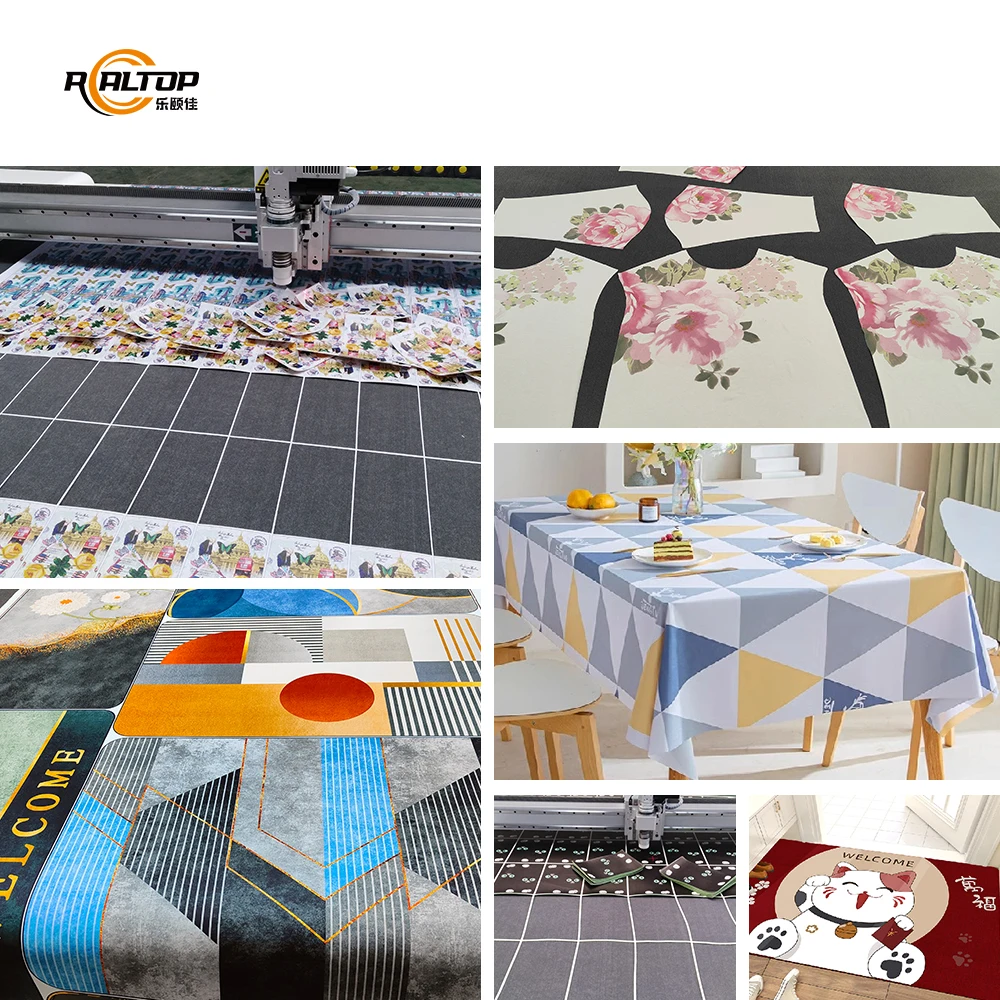
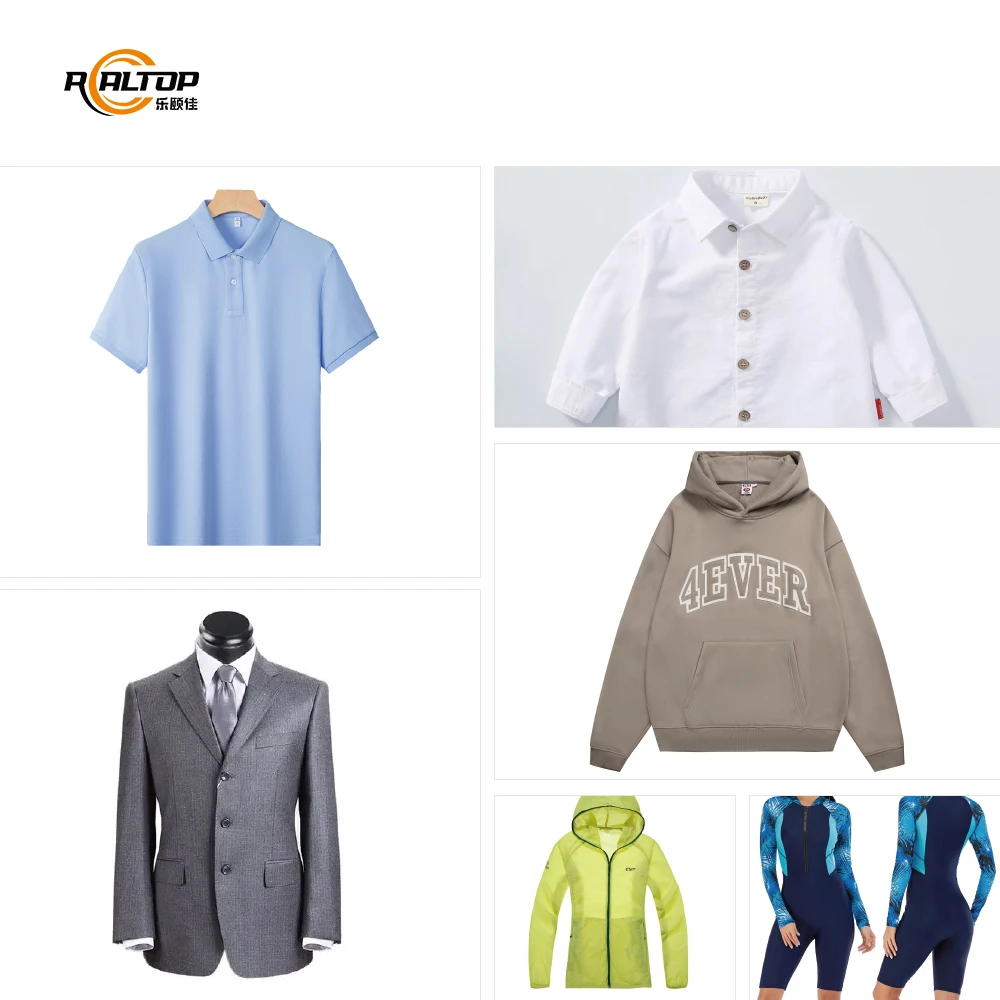
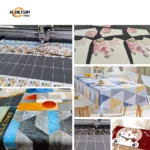
| Apparel manufacturing | Suits, knitwear, lace, complex pattern-matched fabrics in multi-layer stacks |
| Automotive interiors | Seat fabrics, carpets, PVC mats requiring burr-free cut edges |
| Home textiles | Sofa upholstery fabrics, curtains, rugs processed in high-ply bundles |
| Composite material processing | Carbon fiber prepreg, aramid weaves cut without delamination or fraying |
Why "Working Area" Is the Wrong Starting Point for a CNC Oscillating Knife Cutting Machine Manufacturer
A machine bought on table size alone will underperform the moment material thickness, layer count or ply composition changes on the shop floor.
I spent years on the assembly floor before moving into technical sales, and the most expensive mistakes I have witnessed started with a buyer specifying only the bed dimensions. A machine that handles ten layers of standard polyester cleanly may stall or produce ragged edges on a rubber-backed composite at the same speed [NEED_CITE: material shear resistance versus oscillating knife stroke frequency]. The cutting depth rating means little without knowing your exact fabric construction, adhesive layers and daily volume targets.
How the Factory Matches Tooling to Your Fabric Stack
Choosing the correct tool head is the single most consequential decision when ordering a CNC oscillating knife cutting machine manufacturer configuration for textile work. Oscillating knives handle dense woven stacks and technical composites by vibrating at high frequency to slice through plies without dragging. Driven rotary knives excel on single or few-layer knits where a clean shear edge matters more than penetration force. Pneumatic knives offer adjustable downward pressure suited to foam-backed or compressible materials where a fixed blade would crush the substrate.
Vacuum Table Design and Multi-Layer Stability
Holding thirty plies of lightweight knit flat while the blade traverses at production speed requires more than a generic vacuum zone. The aluminum bellows table on this machine delivers full-surface adsorption across the entire 1600 × 2500 mm bed. Zoned vacuum regions can be opened or closed depending on the nesting layout, so small pattern pieces do not lift or shift when surrounding material is removed [NEED_CITE: vacuum hold-down requirements for multi-ply fabric cutting]. This matters particularly in automotive carpet and upholstery work, where a shifted ply ruins the entire stack and wastes material upstream.
Interpreting the Specifications for Production Reality
The 9 kW vacuum pump is sized to maintain suction across the full table area even when cutting porous woven textiles that leak air through the weave. Positioning accuracy of ±0.1 mm ensures pattern-matched pieces in apparel lay-ups align correctly at the sewing stage, where even a millimeter of drift causes visible mismatch at seams. Servo motor selection across Panasonic, Delta or Dorna options lets buyers match drive reliability expectations to their maintenance infrastructure and spare parts sourcing region. The PLC control panel with configurable language support means operators in different markets work in their native interface rather than relying on translated cheat sheets taped to the monitor.
The Hidden Cost of Skipping the Sample Cut
When a buyer commits without sending actual production material for trial, the machine arrives configured for a best-case scenario that rarely matches reality. A rubber-backed automotive floor mat behaves nothing like the standard felt used in factory demonstrations. The blade may chatter, the vacuum may fail to hold the rubber layer, and the cutting parameters must be rebuilt from scratch on site [NEED_CITE: composite material cutting behavior versus homogeneous textile]. This costs the buyer production days, forces emergency spare blade orders, and creates friction that no amount of remote support can fully resolve.
Why Procurement Flows Through the Core Factory
Our design team engineers the frame, motion system and tool head interface in-house, so configuration changes do not require third-party coordination. Every machine leaves the Jinan facility with a factory test record run on the buyer’s specified material category. Voltage and frequency are confirmed against the destination market grid before the electrical cabinet is closed. Software licenses and file format compatibility are verified against the buyer’s existing nesting workflow, so PLT, DXF, AI or PDF files load without conversion workarounds. OEM configurations including custom bed sizes and specialized tool holders are handled within the same production line rather than outsourced.
Documentation & Verification
- Machine specification sheet listing confirmed tool head and table configuration per material
- Electrical schematic showing voltage, frequency and breaker ratings for your facility
- Sample cutting report produced on buyer-supplied fabric with measured edge quality and cycle time
- Software license document with file format compatibility confirmed against your nesting system
- Factory test record documenting positioning accuracy verification and vacuum hold-down performance
Installation, Commissioning & Support
- Foundation must support the 3300 × 2100 mm footprint with level tolerance across the full aluminum table surface
- Dedicated electrical circuit matching confirmed voltage option (110V, 220V or 380V) with correct frequency
- Machine ships with vacuum pump and control cabinet pre-wired; site assembly limited to gantry and table leveling
- Initial parameter tuning performed on buyer material to establish baseline cutting speed and knife stroke settings
- Operator training covers PLC panel navigation, nesting software file import and tool head changeover procedure
- Spare blade inventory and oscillating knife maintenance intervals documented in the operation manual
What to Include with Your Inquiry
Send a sample of the actual material you cut most frequently, including the full lay-up composition if you work with bonded or composite fabrics. Specify your target daily volume in pieces or linear meters, the maximum number of plies you stack, and your facility voltage and frequency. Note the control language your operators require and whether your current design files use PLT, DXF, AI or PDF format.
Frequently Asked Questions
Q: Can you run my actual fabric before I place the order?
A: We require a sample of your production material to conduct a cutting trial at our facility. The test confirms achievable thickness, edge quality and appropriate tool head selection. You receive a written sample cutting report documenting results before any commercial commitment is made.
Q: Which tool head should I choose for mixed fabric production?
A: Oscillating knives suit dense woven stacks and composites, driven rotary knives handle lightweight knits cleanly, and pneumatic knives manage compressible foam-backed materials. If your production spans multiple categories, the tool head system is interchangeable, and we configure the primary holder based on your highest-volume material.
Q: How are voltage and language confirmed before shipment?
A: Your destination voltage, frequency and plug standard are recorded at order confirmation and reflected in the electrical schematic. The PLC control panel language is set to your specification from the available options or customized if your language falls outside the standard list.
Q: What does the factory build process involve?
A: The machine frame is fabricated and precision-ground in-house. Motion components, servo drives and the vacuum table are assembled on the same production line. Each unit undergoes a factory acceptance test covering positioning accuracy, vacuum performance and cutting quality on the specified material before crating.
Q: Are OEM or custom configurations available?
A: The core factory handles custom working area dimensions, specialized tool holder arrangements and non-standard voltage builds within the same production workflow. OEM branding and documentation packages are available for distributors and importers placing volume orders.
You may also like

商品评价
Clear filtersThere are no reviews yet.