




-
 Courier delivery
-
 DHL Courier delivery
-
 Warranty 1 year
-
 Free 30-Day returns

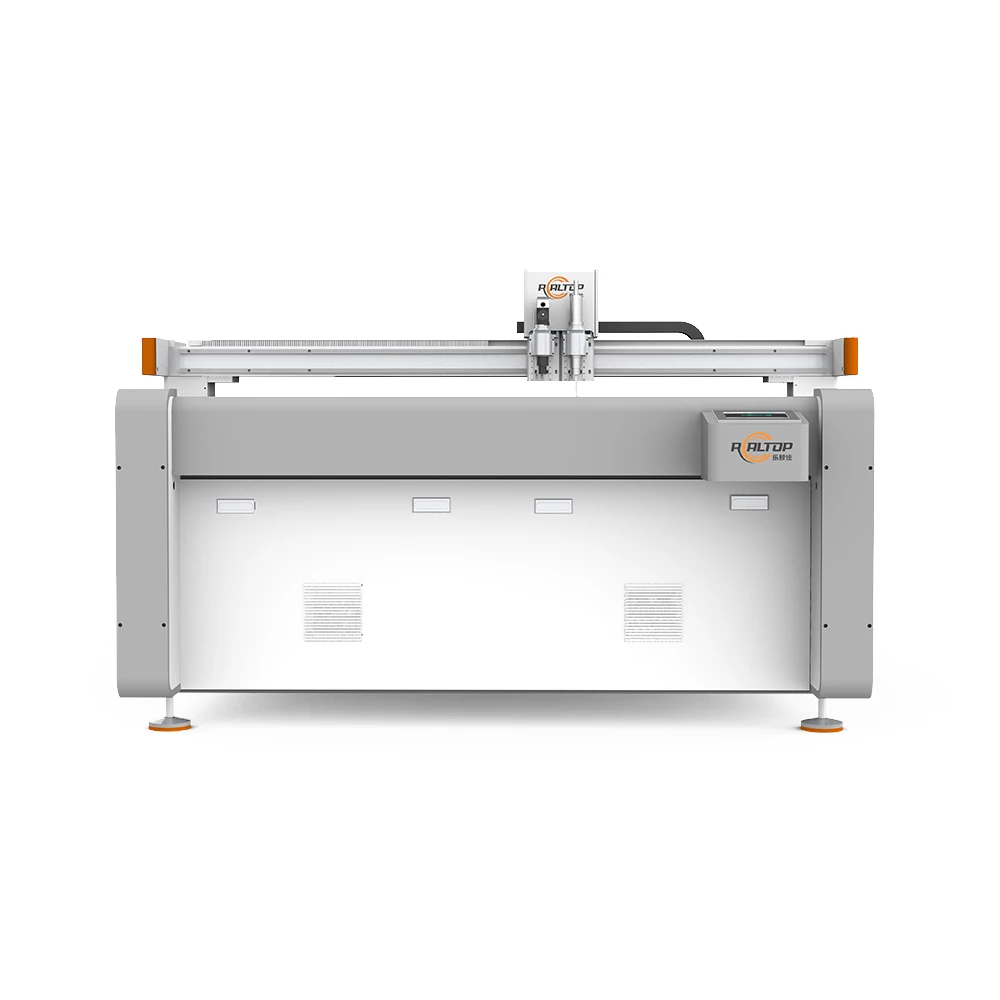
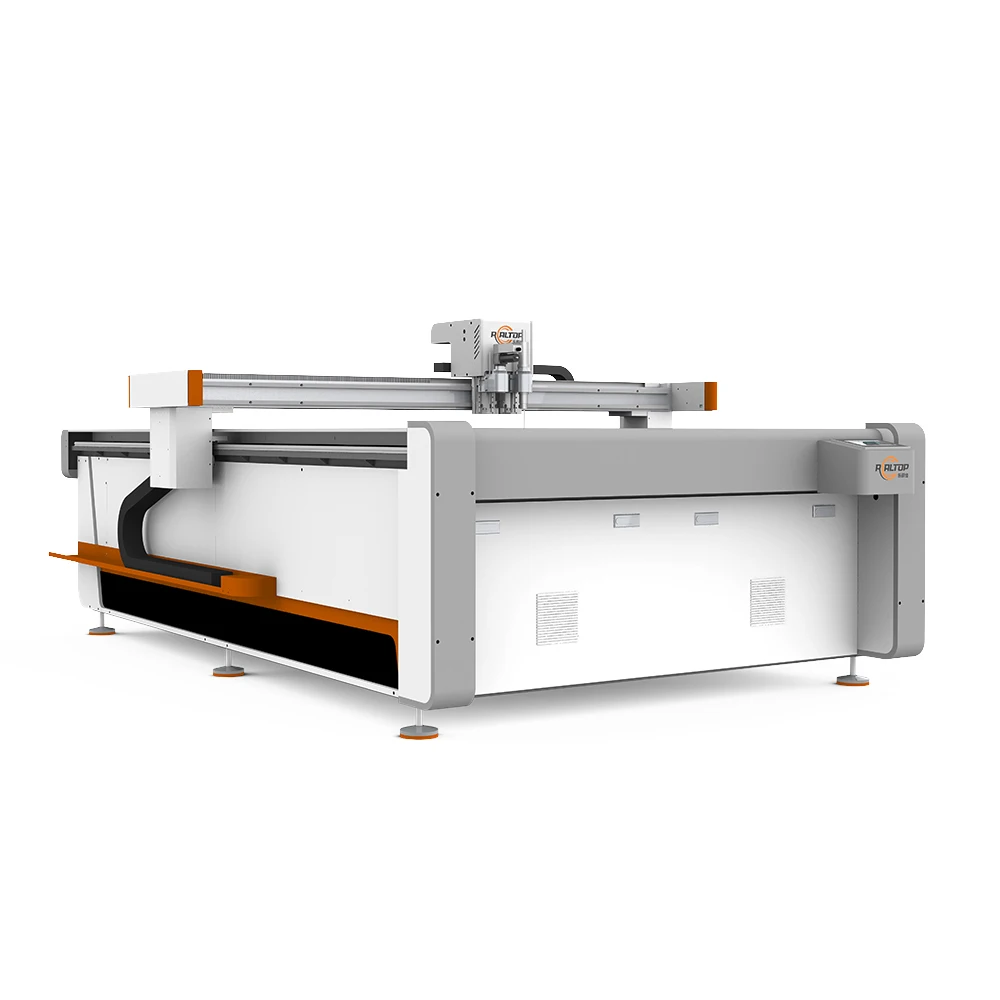
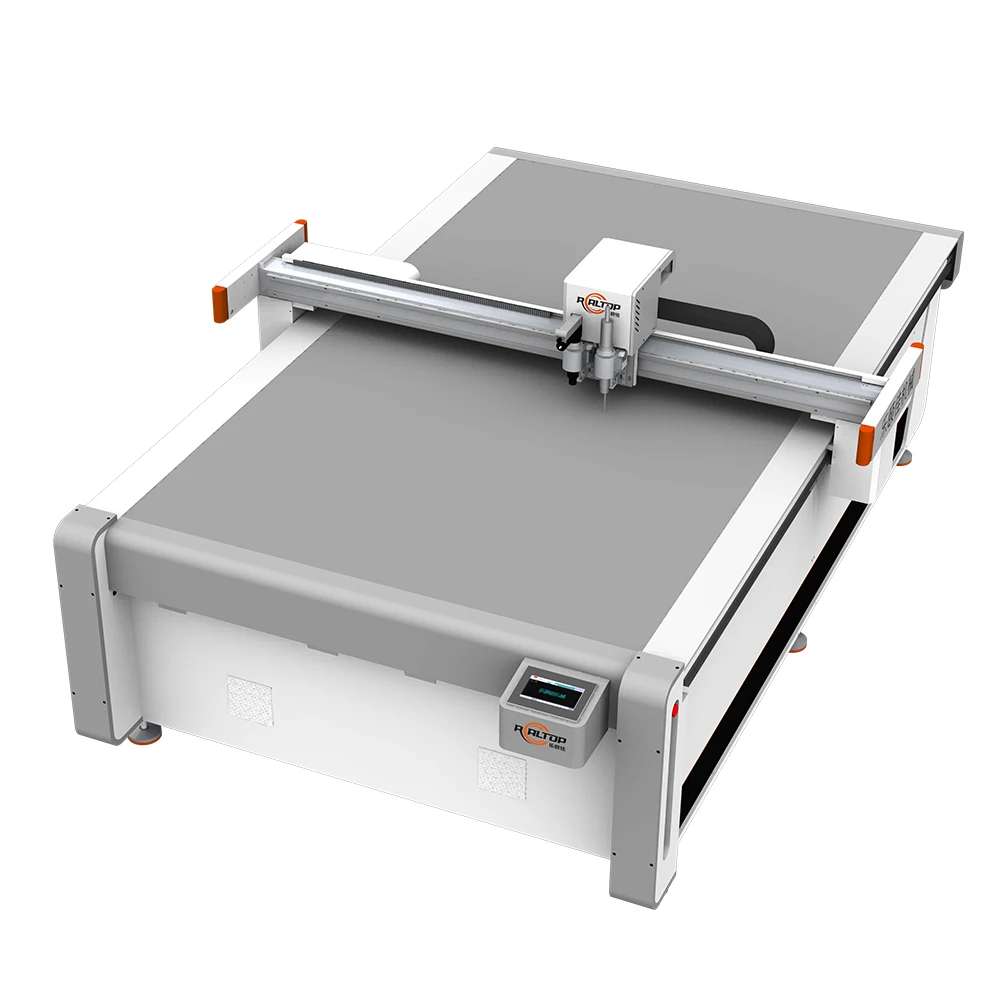
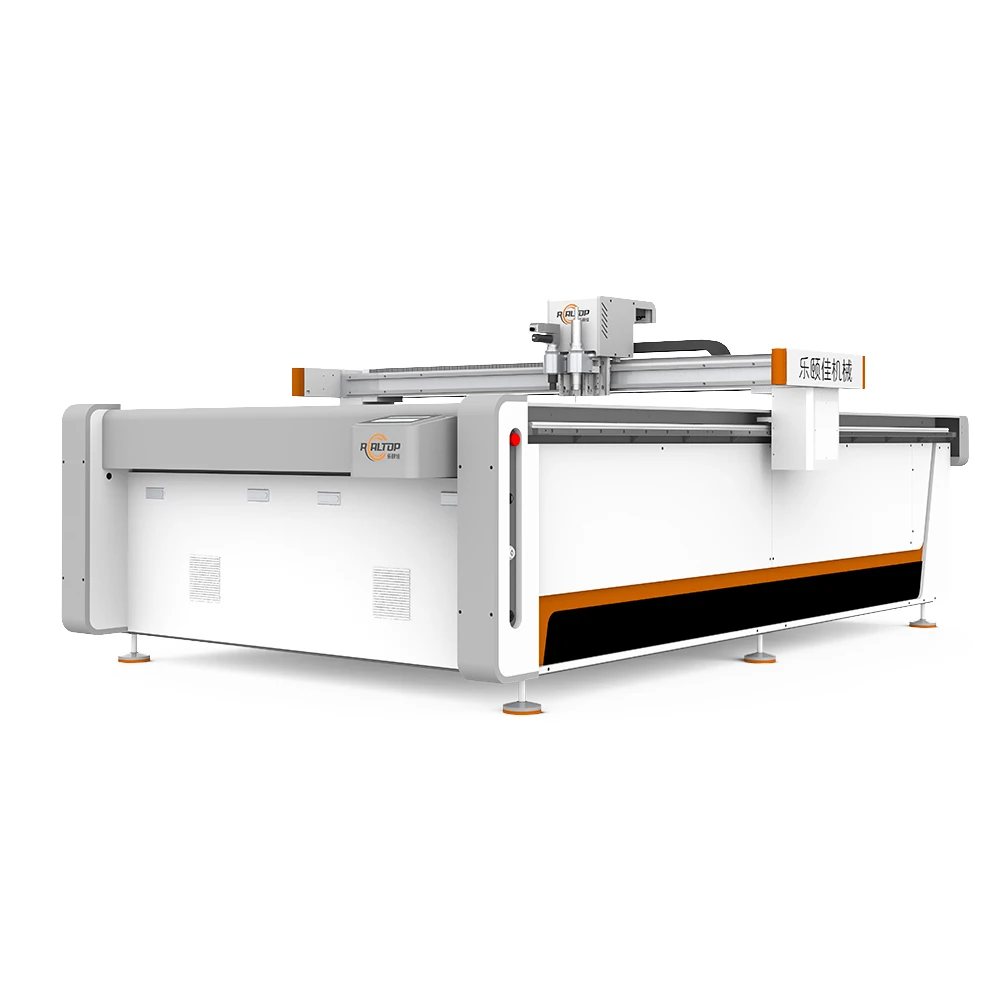
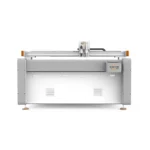
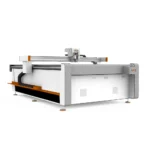
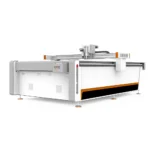
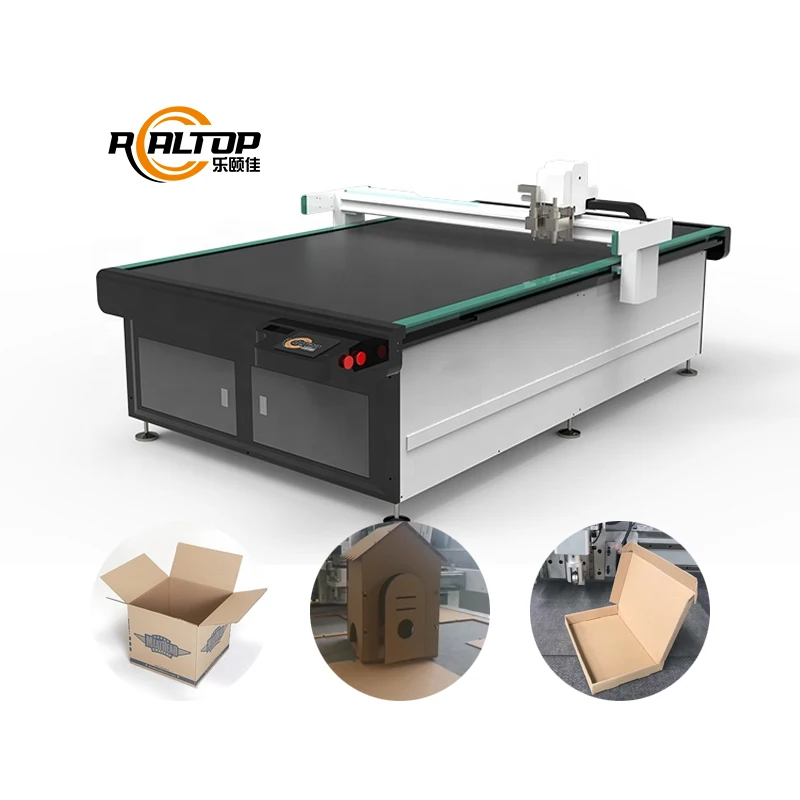
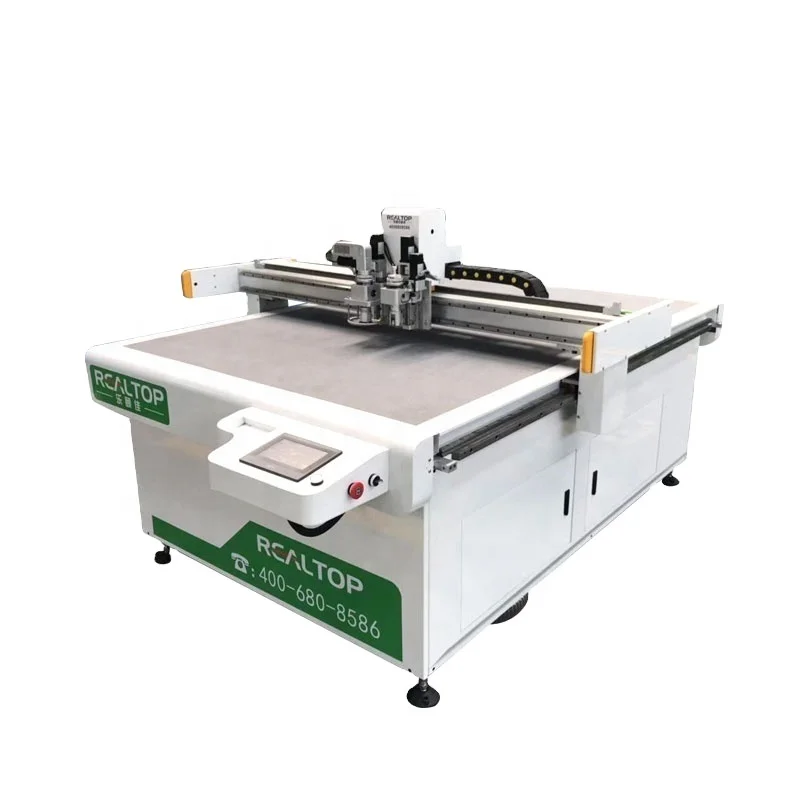
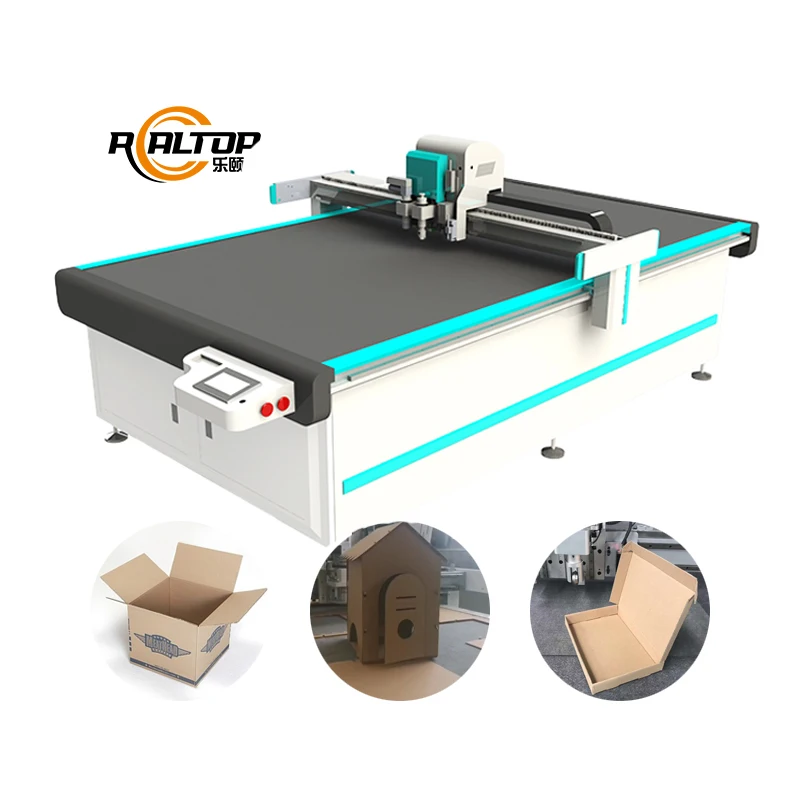
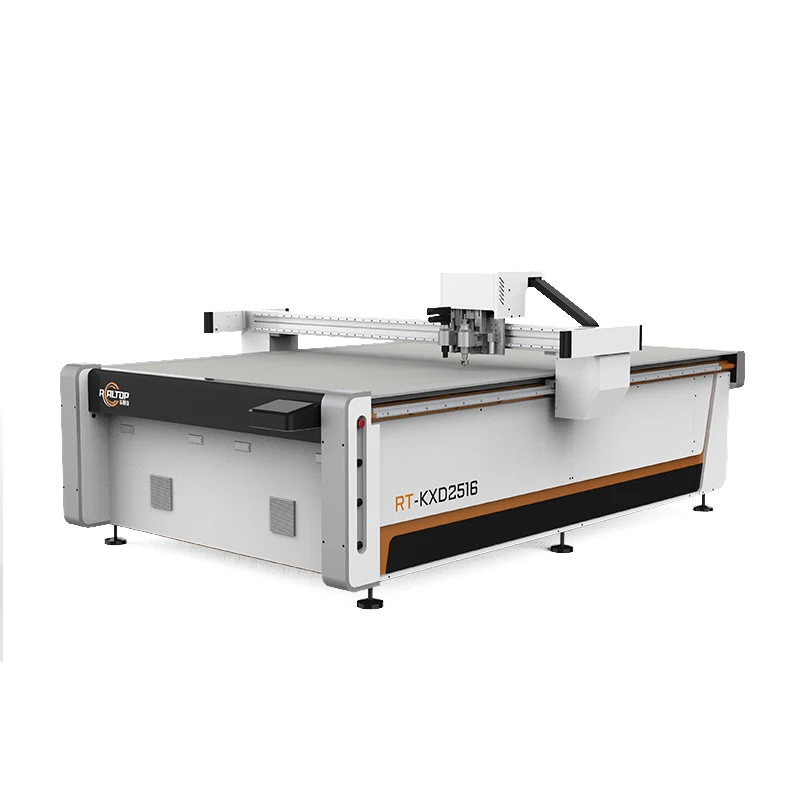
In-House Design & Build — Every oscillating knife cutting system is engineered and assembled under one roof, allowing tool head and vacuum table configurations to be matched precisely to your packaging substrate before the machine leaves the factory floor.
Technical Specifications
| Parameter | Value |
|---|---|
| Product Type | CNC Oscillating Knife Cutting Machine |
| Working Area | 1600 × 2500 mm |
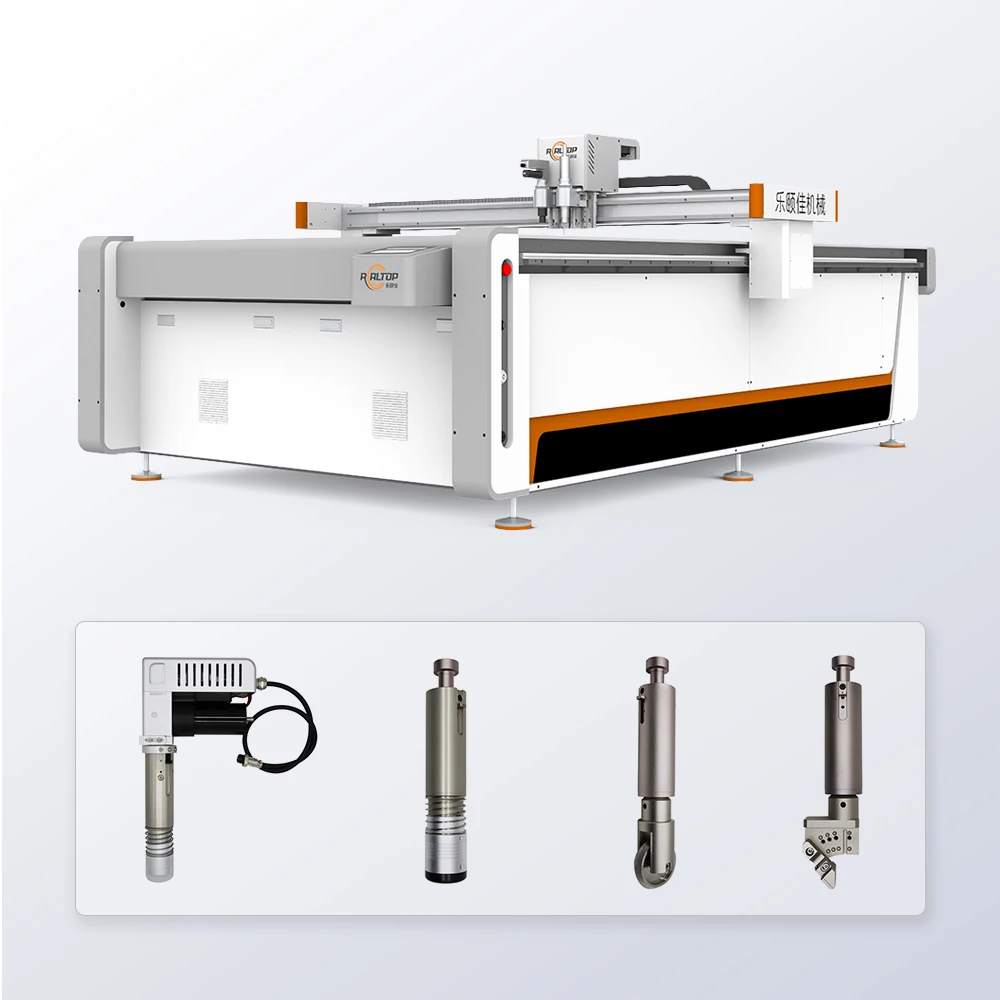
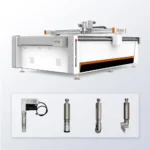
| Tool Head Options | Oscillating knife, Driven rotary knife, Creasing wheel, Kiss cutting tool, Pneumatic knife, Milling tool, V-groove knife |
| Cutting Speed | 0–1500 mm/s |
| Maximum Cutting Thickness | ≤ 40 mm |
| Cutting Accuracy | ±0.1 mm |
| Vacuum Pump | 9 kW |
| Vacuum Table | Aluminum bellows vacuum table |
| Machine Frame | Heavy-duty frame with precision-ground surface |
| Control System | PLC control panel |
| Servo Motors | Panasonic, Delta, Dorna |
| Voltage Options | 110V, 220V, 380V |
| Profile Format Compatibility | PLT, DXF, AI, PDF |
| Software Language Options | English, Russian, Italian, Chinese (custom languages available) |
| Safety Devices | Infrared sensor device and emergency stop |
| Machine Dimensions | 3300 × 2100 × 1350 mm |
| Certification | CE |
Application Suitability
| Application | Material or Output |
|---|---|
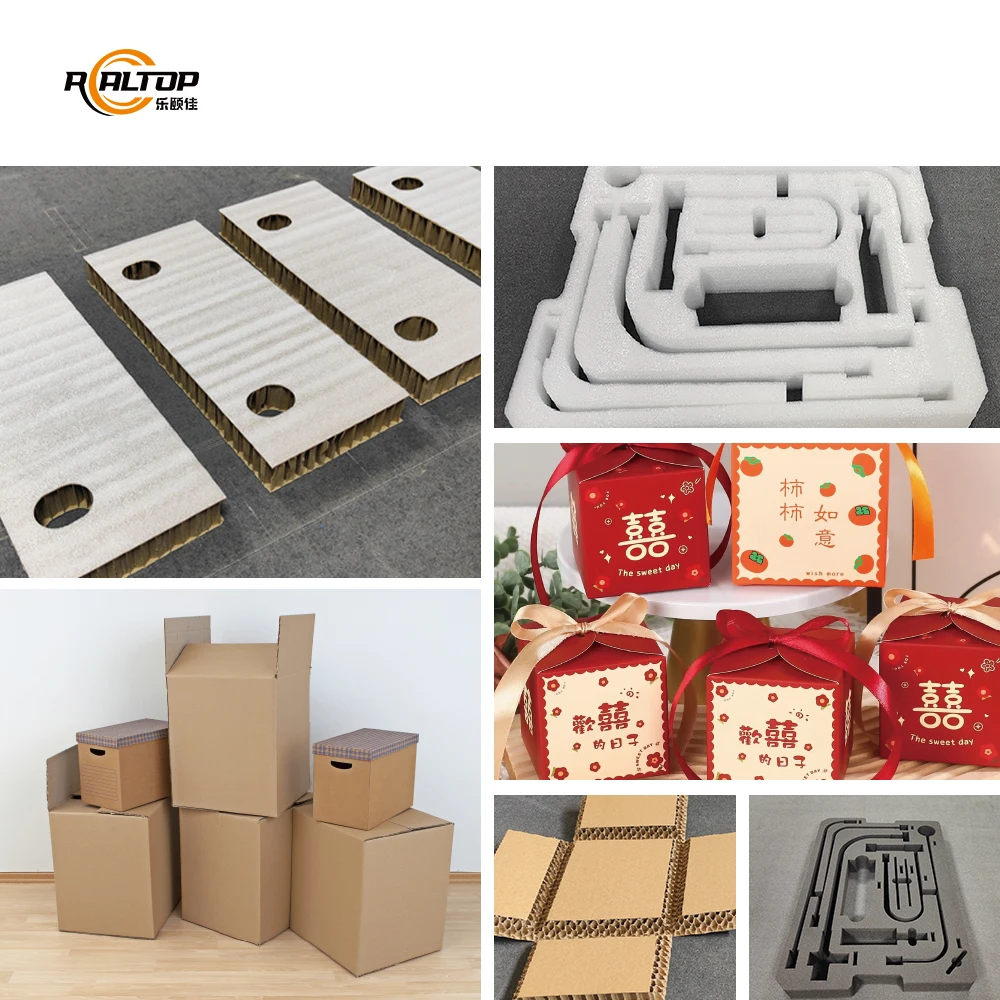
| Packaging sample making | Cardboard, carton, art paper, specialty paper, greyboard |
| Corrugated board processing | E-flute, B-flute, BC-flute corrugated cardboard of various ply counts |
| Foam and gasket fabrication | EVA foam, EPE foam, PU foam, rubber mats |
| Textile and leather cutting | Velvet, fleece fabric, non-woven fabric, leather, synthetic leather |
| Plastic and composite cutting | PVC, PET, thin plastic sheets, adhesive-backed materials |
Why a Working Area Figure Alone Cannot Define a Packaging Cutter
A CNC oscillating knife cutting machine manufacturer must verify substrate behavior, not just table dimensions, before confirming a build.
Early in my career supporting packaging lines in Latin America, I saw orders placed on working area alone. The machine arrived, but the specified oscillating knife could not shear through triple-wall corrugated at production speed. Edge crush increased, tooling wore prematurely, and the vacuum table lacked the zoned suction needed to hold narrow offcuts flat. Those mismatches are preventable when the manufacturer tests the buyer’s actual board grade before locking the configuration. [NEED_CITE: corrugated flute classification and crush resistance standards]
Tool Head Matching Across Packaging Substrates
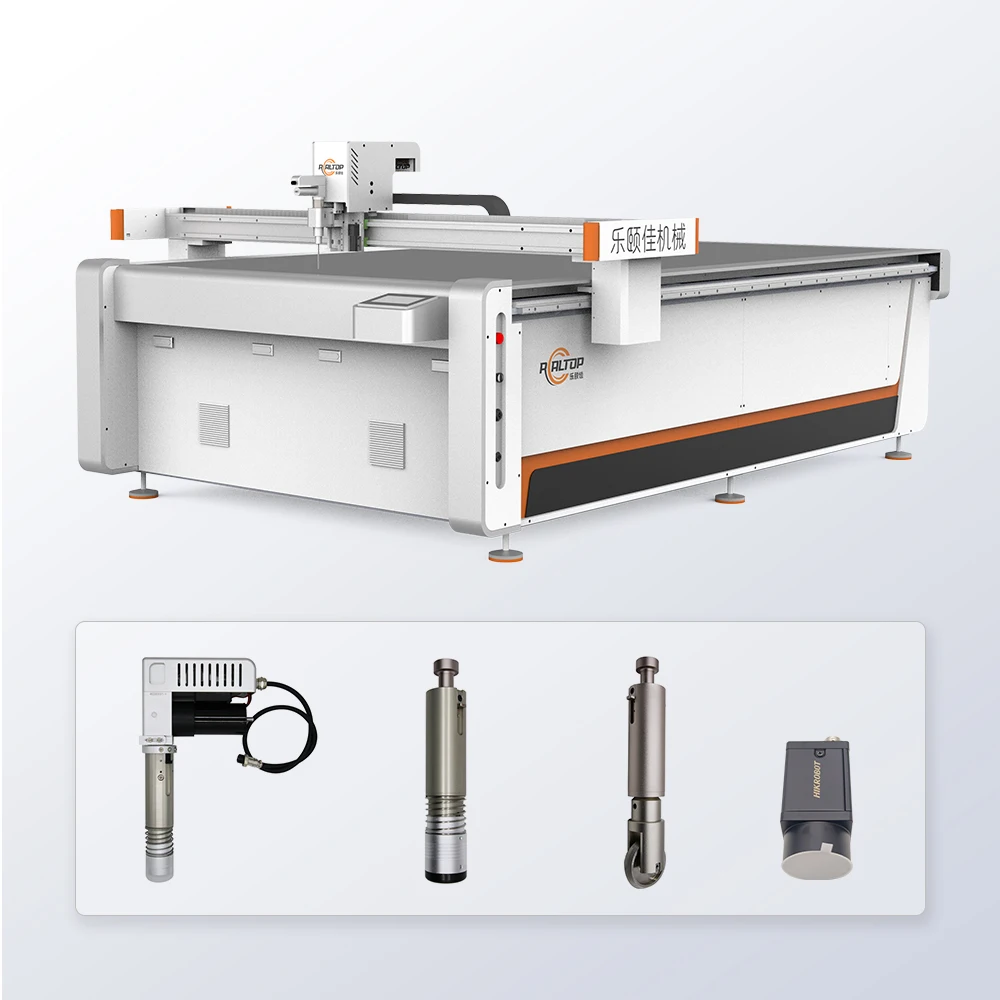
The availability of seven interchangeable tool heads — oscillating knife, driven rotary knife, creasing wheel, kiss cutting tool, pneumatic knife, milling tool, and V-groove knife — means the cutting method follows the material rather than the other way around. A CNC oscillating knife cutting machine manufacturer that builds in-house can swap tool heads during the sample-cutting stage, confirming edge quality on each substrate the buyer runs. This eliminates the situation where a single-head machine forces compromised cuts across mixed material schedules.
Vacuum Holding Strategy for Corrugated and Thin Stock
The aluminum bellows vacuum table on this system delivers high surface flatness and seal integrity, which matters when cutting thin cardstock or narrow carton blanks that tend to lift under knife pressure. The 9 kW vacuum pump generates sufficient negative pressure to immobilize corrugated sheets across the full 1600 × 2500 mm working area. On jobs where small nesting parts dominate the layout, inadequate vacuum zoning causes material shift mid-cut, ruining entire sheets. [NEED_CITE: vacuum table flatness tolerance standards for CNC cutting tables]
Reading the Specifications Beyond Surface Numbers
Cutting accuracy of ±0.1 mm across the working envelope depends on the heavy-duty frame and precision-ground surface resisting deflection under continuous high-speed reciprocating knife motion. The PLC control panel manages servo motor coordination — available with Panasonic, Delta, or Dorna drives — which directly influences path-following precision on complex carton crease-and-cut patterns. Voltage configurability at 110V, 220V, or 380V ensures the electrical system matches the buyer’s facility supply, avoiding transformer losses or motor overheating on mismatched frequency. File format support across PLT, DXF, AI, and PDF means the buyer’s existing packaging design workflow transfers without intermediate conversion steps that introduce dimensional errors.
The Hidden Cost of an Underspecified Configuration
When a driven rotary knife is omitted from the order and only an oscillating knife is supplied, cutting woven synthetic fabrics for packaging inserts produces frayed edges that fail quality inspection. Missing creasing wheels force operators to score fold lines in a secondary manual step, doubling handling time on carton sample runs. Without kiss cutting capability, adhesive-backed label stocks suffer liner cuts that render entire sheets unusable. [NEED_CITE: tooling selection impact on edge quality in digital cutting systems]
Why Source This Build From the Factory Floor
Design, engineering, and assembly happen in a single facility, so specification adjustments during production do not require coordination across separate contractors. Tool head and vacuum table configurations are locked based on the buyer’s submitted material samples, not catalog assumptions. Software language and control panel settings are confirmed before assembly, avoiding post-delivery interface mismatches. Every unit undergoes a factory test on the buyer’s own substrate, generating a cutting report that documents edge quality and dimensional accuracy before crating. The heavy-duty frame construction and precision-ground table surface are built to specification rather than sourced from third-party integrators, maintaining control over the structural foundation of cutting accuracy.
Documentation & Verification
- Machine specification sheet listing confirmed tool head and vacuum table configuration
- Electrical schematic with voltage and frequency matched to destination market
- Factory test record on buyer-supplied corrugated and carton samples
- Software licence and file format compatibility note for PLT, DXF, AI, PDF
- Operation and maintenance manual with tooling changeover procedures
- Spare parts list covering blades, creasing wheels, and vacuum seals
Installation, Commissioning & Support
- Floor leveling required across the 3300 × 2100 × 1350 mm machine footprint before anchoring
- Dedicated power circuit confirmed at ordered voltage — 110V, 220V, or 380V — before energizing the 9 kW vacuum pump
- Table surface flatness verified after transport and reassembly on the heavy-duty frame
- PLC control panel language and servo parameters set during first-power commissioning
- Tool head changeover training covering all ordered heads from oscillating knife through V-groove
- Initial spare blade and creasing wheel inventory staged based on buyer’s material thickness range
What We Need From Your Side to Start a Build
Share the corrugated flute types and board thicknesses you run most frequently, along with typical sheet dimensions and daily volume targets. Confirm your facility voltage and frequency, and specify the control panel language your operators require. If you are integrating into an existing design workflow, let us know the file formats your team currently outputs so we verify software compatibility before production begins.
Frequently Asked Questions
Q: How is tool head selection matched to corrugated flute type and board thickness?
A: We run sample cuts on your actual board stock — E-flute, B-flute, or BC-flute — testing oscillating knife, creasing wheel, and kiss cutting heads. The combination that delivers clean edges without edge crush is locked into your build specification and documented in the factory test report before shipment.
Q: What voltage configurations are confirmed before shipment for different export markets?
A: The system supports 110V, 220V, and 380V builds. We confirm your facility voltage and frequency during the order stage, issue an electrical schematic reflecting that configuration, and verify motor and pump performance at the correct supply during factory testing.
Q: How does the manufacturer verify cutting accuracy and vacuum holding on the buyer’s material?
A: Your supplied material samples are cut on the production floor using the exact tool head and vacuum table configuration ordered. Dimensional accuracy is measured against your file, and vacuum holding performance is assessed on your smallest nesting parts, with results recorded in a sample cutting report.
Q: What custom configuration does the factory offer for packaging cutting lines?
A: Tool head combinations, vacuum pump capacity, software language, control panel interface, and servo motor brand are all configurable at order. We build each unit in our own facility, so specification changes during production are handled directly without third-party coordination delays.
Q: How are build quality and frame construction validated during factory inspection?
A: The heavy-duty frame with precision-ground surface is inspected for flatness and structural rigidity before table assembly. Buyers or their representatives may witness this stage, and the final factory test record documents cutting accuracy across the full working area under production-speed conditions.
You may also like

商品评价
Clear filtersThere are no reviews yet.